
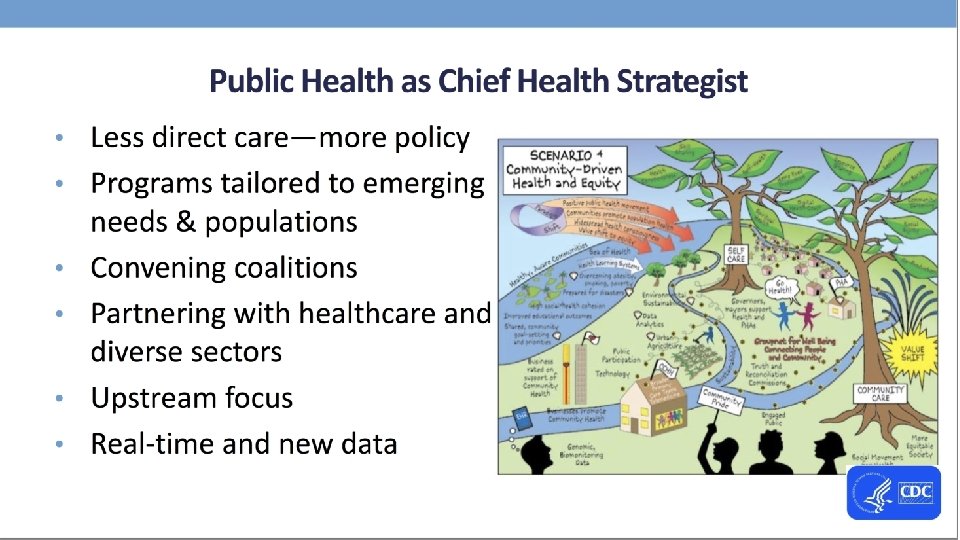
Public Health as Community Health Strategist Leadership Skills
Public Health as Community Health Strategist: Leadership Skills for 2020 and Beyond Pre-program Assessment Preliminary Results Presented by Jane Smilie, MPH Population Health Partners September 17, 2018
Meeting purpose and agenda Purpose ■ Identify potential topics for CHS program webinars ■ Connect with fellow learners Agenda ■ Aggregate results of the pre-course assessment ■ Group discussion on webinar training topics ■ Check-ins – – Student projects Team work
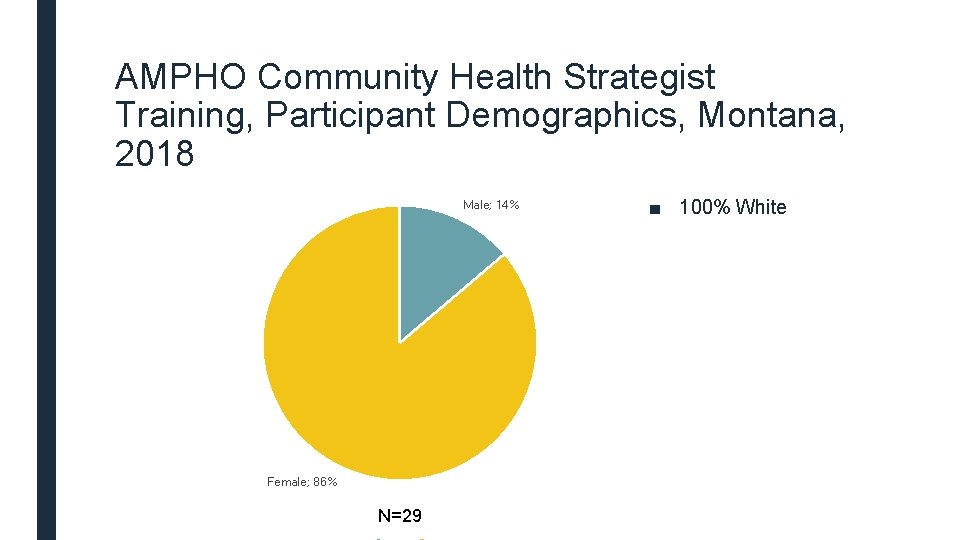
AMPHO Community Health Strategist Training, Participant Demographics, Montana, 2018 Male; 14% Female; 86% N=29 ■ 100% White
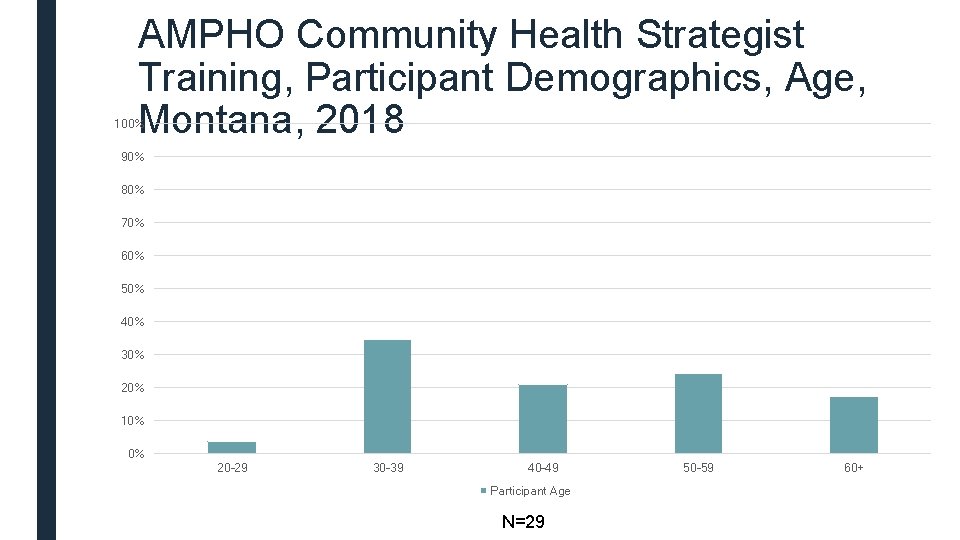
AMPHO Community Health Strategist Training, Participant Demographics, Age, Montana, 2018 100% 90% 80% 70% 60% 50% 40% 30% 20% 10% 0% 20 -29 30 -39 40 -49 Participant Age N=29 50 -59 60+
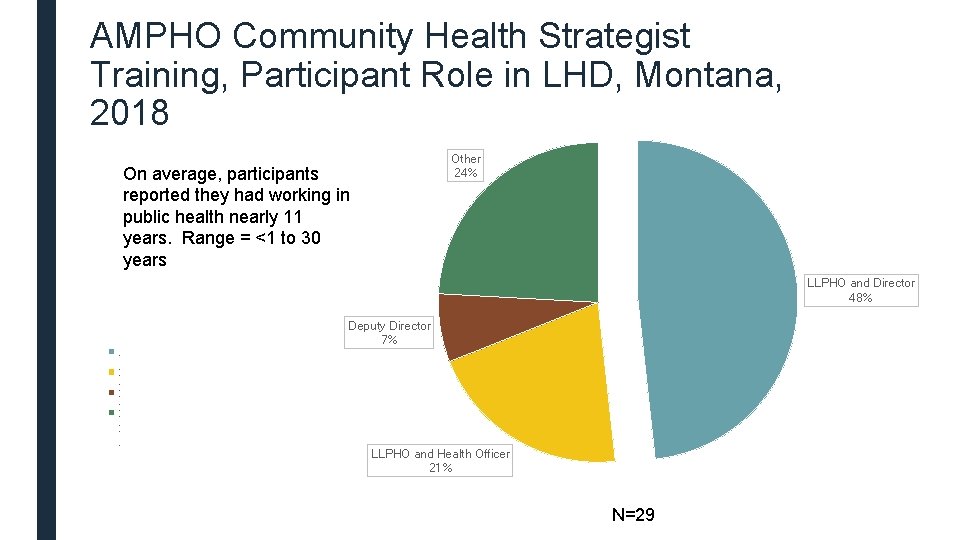
AMPHO Community Health Strategist Training, Participant Role in LHD, Montana, 2018 Other 24% On average, participants reported they had working in public health nearly 11 years. Range = <1 to 30 years LLPHO and Director 48% . . . Deputy Director 7% LLPHO and Health Officer 21% N=29
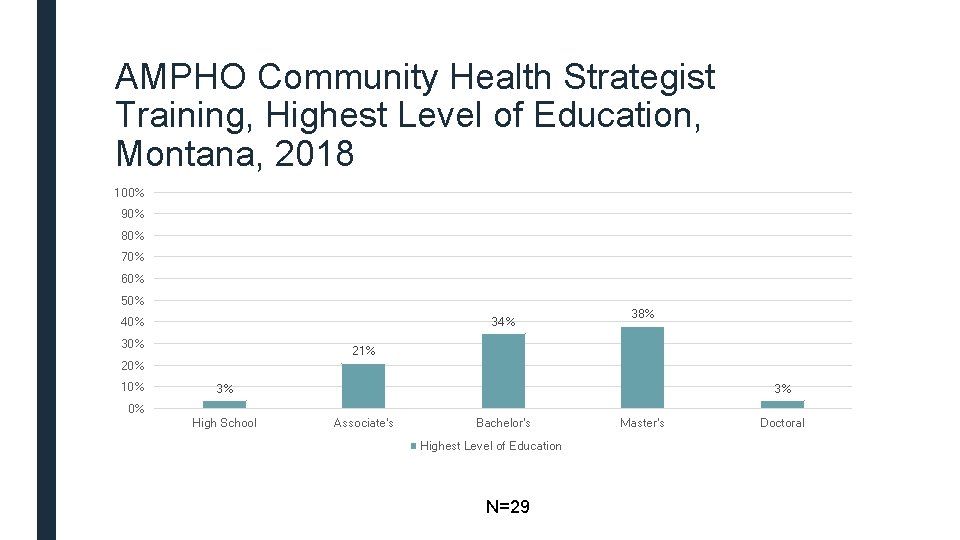
AMPHO Community Health Strategist Training, Highest Level of Education, Montana, 2018 100% 90% 80% 70% 60% 50% 34% 40% 38% 21% 20% 10% 3% 3% 0% High School Associate's Bachelor's Highest Level of Education N=29 Master's Doctoral
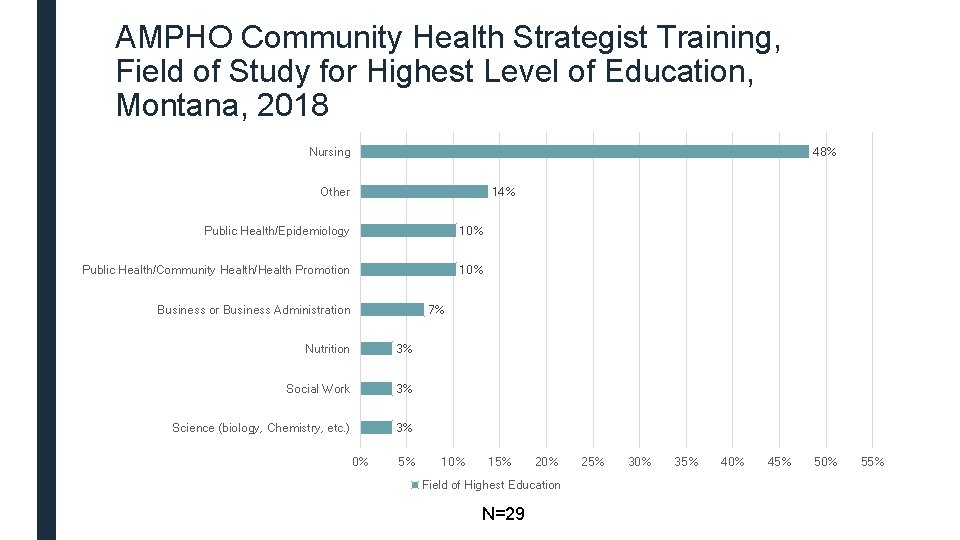
AMPHO Community Health Strategist Training, Field of Study for Highest Level of Education, Montana, 2018 Nursing 48% 14% Other Public Health/Epidemiology 10% Public Health/Community Health/Health Promotion 10% Business or Business Administration 7% Nutrition 3% Social Work 3% Science (biology, Chemistry, etc. ) 3% 0% 5% 10% 15% 20% Field of Highest Education N=29 25% 30% 35% 40% 45% 50% 55%
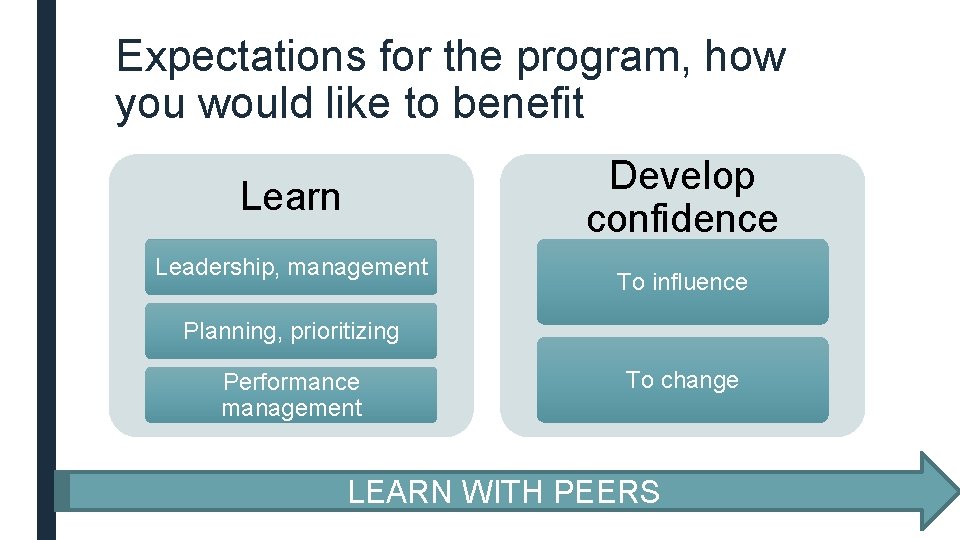
Expectations for the program, how you would like to benefit Develop confidence Learn Leadership, management To influence Planning, prioritizing Performance management To change LEARN WITH PEERS
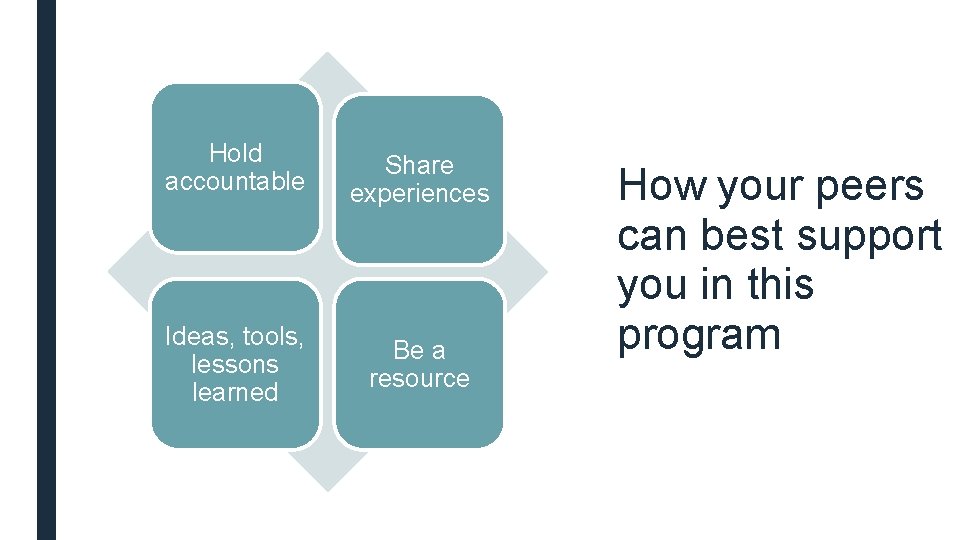
Hold accountable Share experiences Ideas, tools, lessons learned Be a resource How your peers can best support you in this program
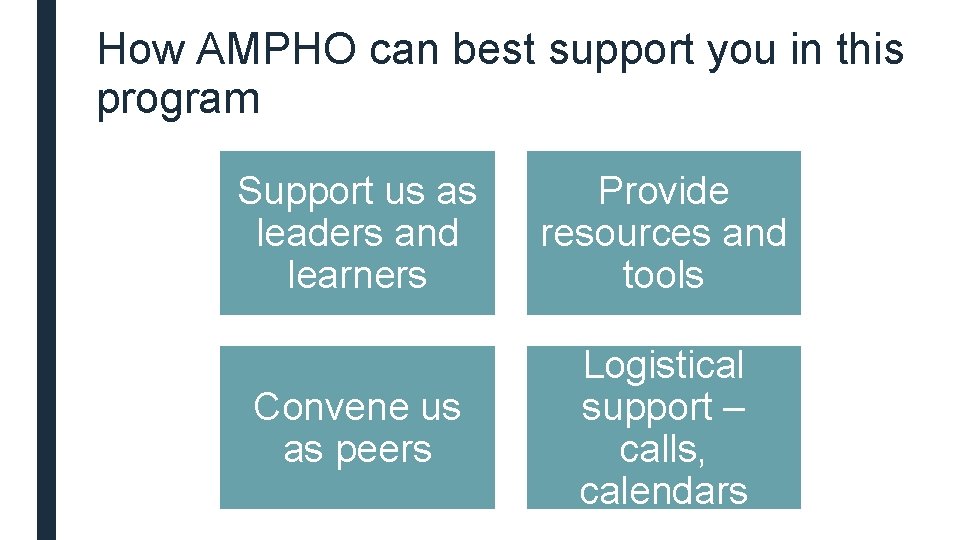
How AMPHO can best support you in this program Support us as leaders and learners Provide resources and tools Convene us as peers Logistical support – calls, calendars
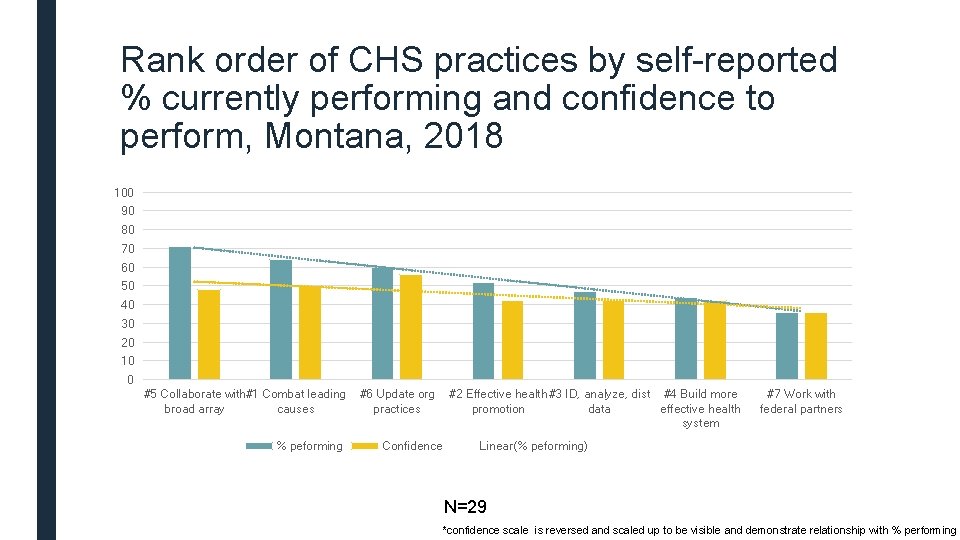
Rank order of CHS practices by self-reported % currently performing and confidence to perform, Montana, 2018 100 90 80 70 60 50 40 30 20 10 0 #5 Collaborate with#1 Combat leading broad array causes % peforming #6 Update org practices Confidence #2 Effective health #3 ID, analyze, dist #4 Build more promotion data effective health system #7 Work with federal partners Linear(% peforming) N=29 *confidence scale is reversed and scaled up to be visible and demonstrate relationship with % performing
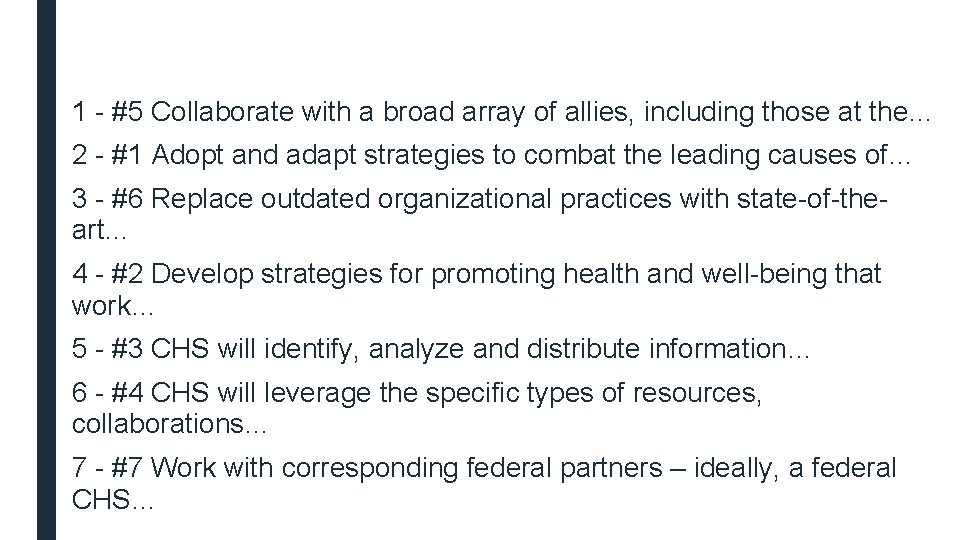
1 - #5 Collaborate with a broad array of allies, including those at the… 2 - #1 Adopt and adapt strategies to combat the leading causes of… 3 - #6 Replace outdated organizational practices with state-of-theart… 4 - #2 Develop strategies for promoting health and well-being that work… 5 - #3 CHS will identify, analyze and distribute information… 6 - #4 CHS will leverage the specific types of resources, collaborations… 7 - #7 Work with corresponding federal partners – ideally, a federal CHS…
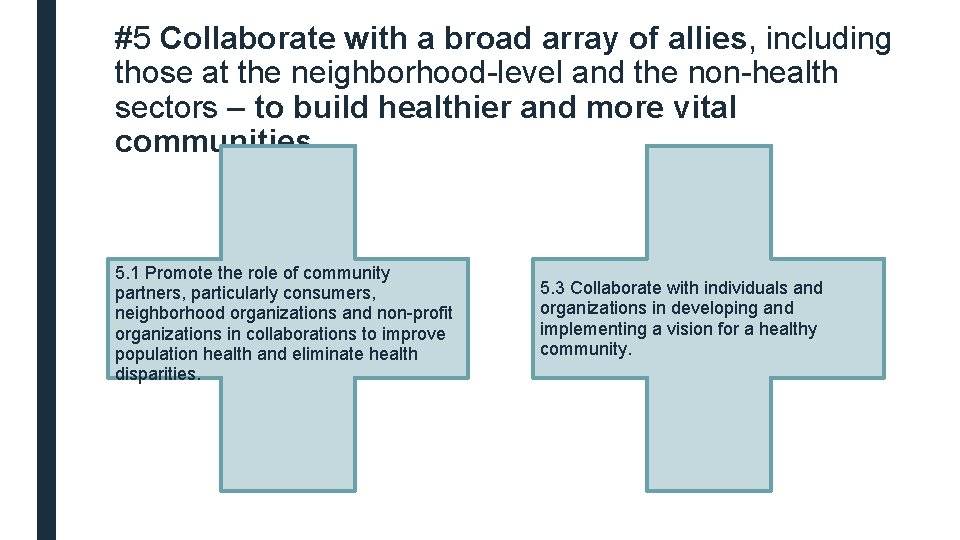
#5 Collaborate with a broad array of allies, including those at the neighborhood-level and the non-health sectors – to build healthier and more vital communities. 5. 1 Promote the role of community partners, particularly consumers, neighborhood organizations and non-profit organizations in collaborations to improve population health and eliminate health disparities. 5. 3 Collaborate with individuals and organizations in developing and implementing a vision for a healthy community.
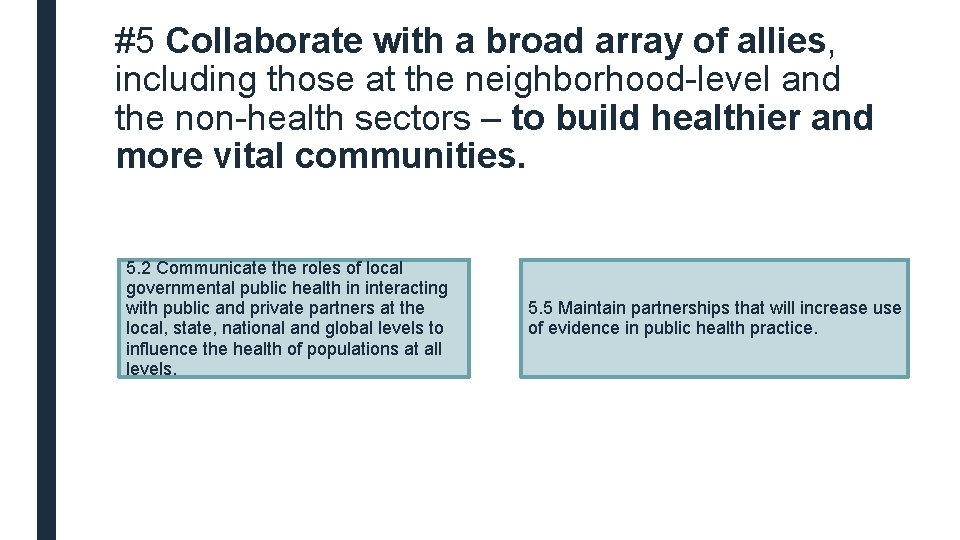
#5 Collaborate with a broad array of allies, including those at the neighborhood-level and the non-health sectors – to build healthier and more vital communities. 5. 2 Communicate the roles of local governmental public health in interacting with public and private partners at the local, state, national and global levels to influence the health of populations at all levels. 5. 5 Maintain partnerships that will increase use of evidence in public health practice.
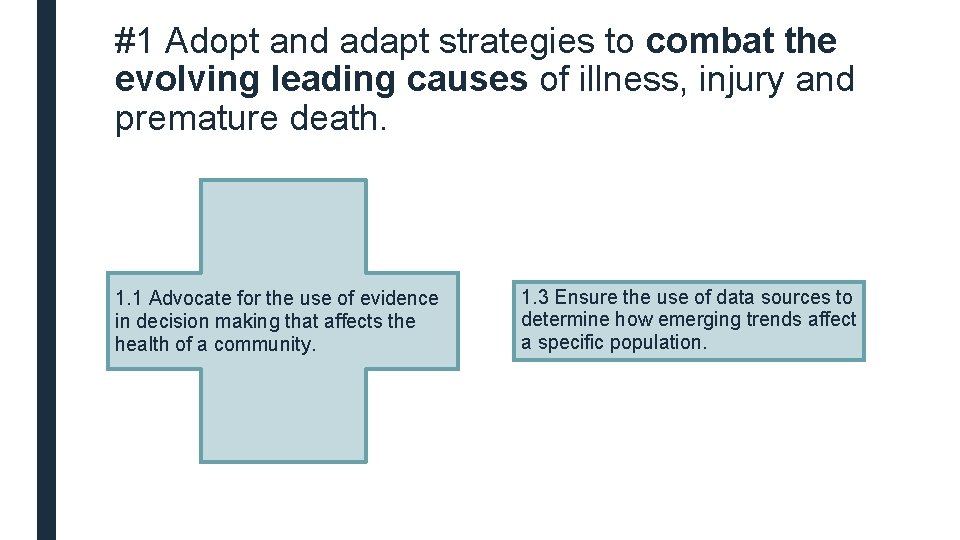
#1 Adopt and adapt strategies to combat the evolving leading causes of illness, injury and premature death. 1. 1 Advocate for the use of evidence in decision making that affects the health of a community. 1. 3 Ensure the use of data sources to determine how emerging trends affect a specific population.
#6 Replace outdated organizational practices with state-of-the-art business, accountability, and financing systems. 6. 3 Develop an organizational strategic plan that sets forth the department’s vision, mission, guiding principles and values, and strategic priorities; describes measurable and time-framed goals and objectives and includes steps to implement portions of the community health improvement plan as well as other strategic issues for the department. 6. 2 Use performance management systems and financial analysis methods for program and organizational improvement.
#2 Develop strategies for promoting health and well-being that work most effectively for communities of today and tomorrow. 2. 3 Help support efforts of on-theground agencies and individuals, including community members and grassroots organizations, to support community resiliency. 2. 9 Assess how sources of power/power differentials in communities lead to health inequities.
#3 Chief health strategists will identify, analyze and distribute information from new, big, and real time data sources. 3. 3 Convey data, information and knowledge to professionals and the public using a variety of approaches and innovative information technology applications. 3. 5 Ensure use of clinical, revenue, expenditure and population data sets to assess the impact of transformation projects and other healthcare reform efforts in improving community health, improving efficiencies and reducing disparities.
#4 CHS will leverage the specific types of resources, collaborations, and best practices that can be utilized, to build a more integrated and effective health system, within their respective jurisdictions. 4. 1 Promote the roles and value of governmental public health in working with health care providers and other partners in improving the health of a community 4. 6 Use existing and new data sources to identify opportunities to ensure that integrated healthcare systems address the social determinants of health
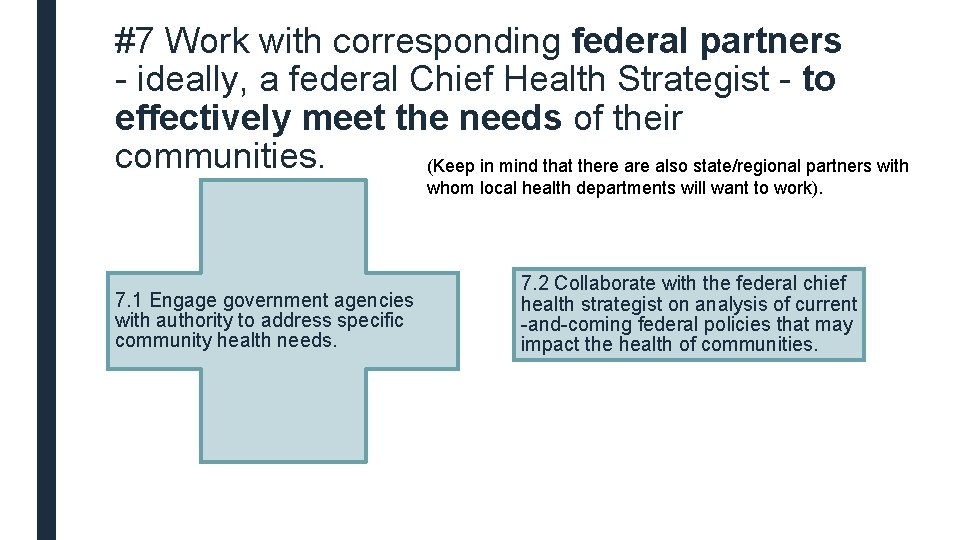
#7 Work with corresponding federal partners - ideally, a federal Chief Health Strategist - to effectively meet the needs of their communities. (Keep in mind that there also state/regional partners with whom local health departments will want to work). 7. 1 Engage government agencies with authority to address specific community health needs. 7. 2 Collaborate with the federal chief health strategist on analysis of current -and-coming federal policies that may impact the health of communities.
- Slides: 21