
Public Health 150 Noncommunicable Diseases ZuoFeng Zhang MD
Public Health 150 Non-communicable Diseases Zuo-Feng Zhang, MD, Ph. D Professor of Epidemiology October 31, 2011
What are NCDs? • NCD is a medical condition or disease, which is not infectious • NCDs are diseases or medical conditions with long duration and relatively slow progression • NCDs are usually called “Chronic Diseases”
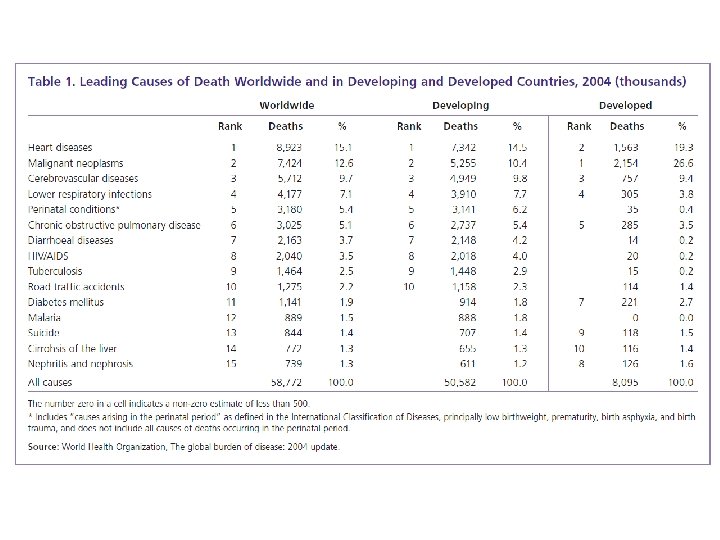
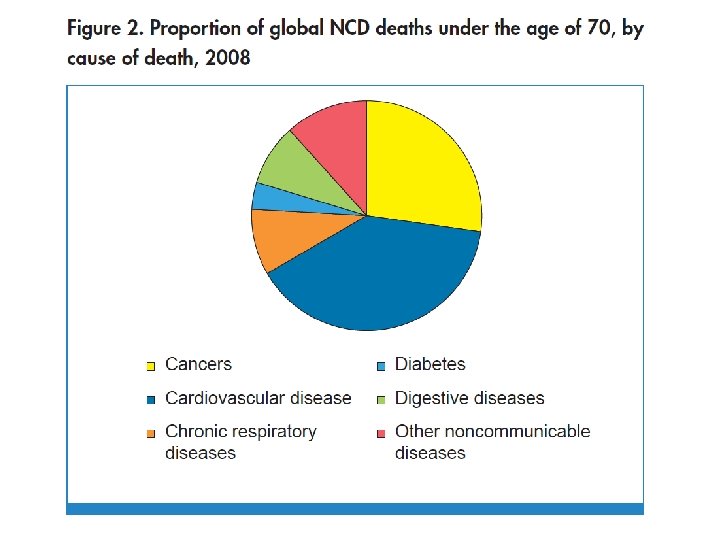
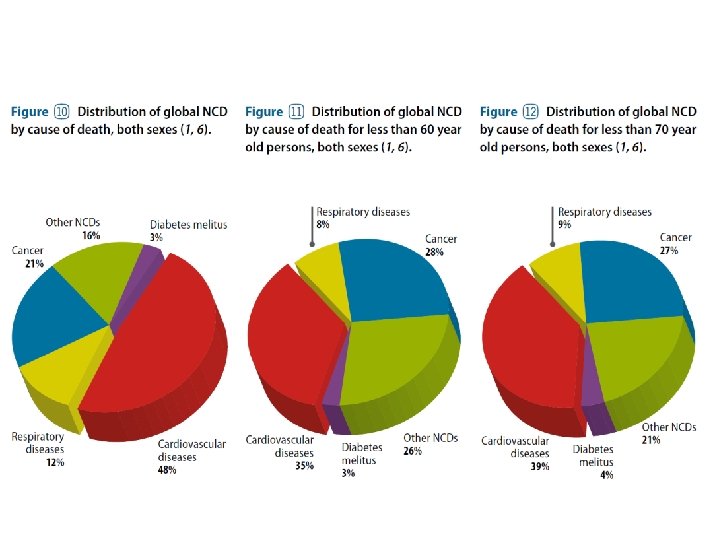
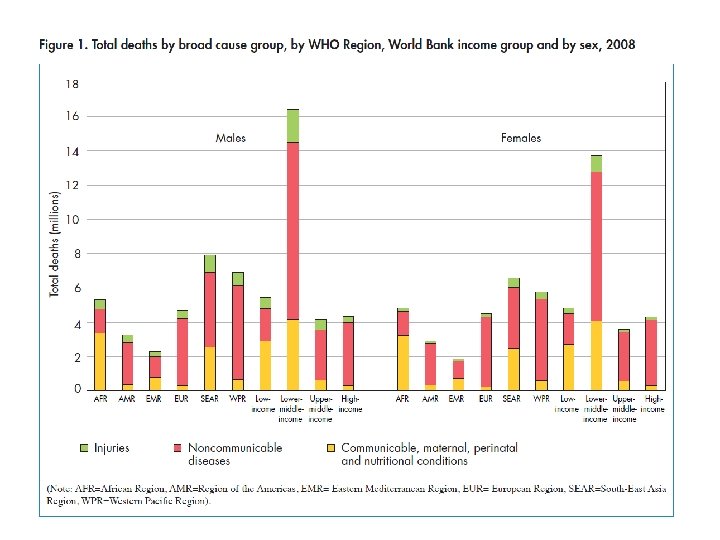
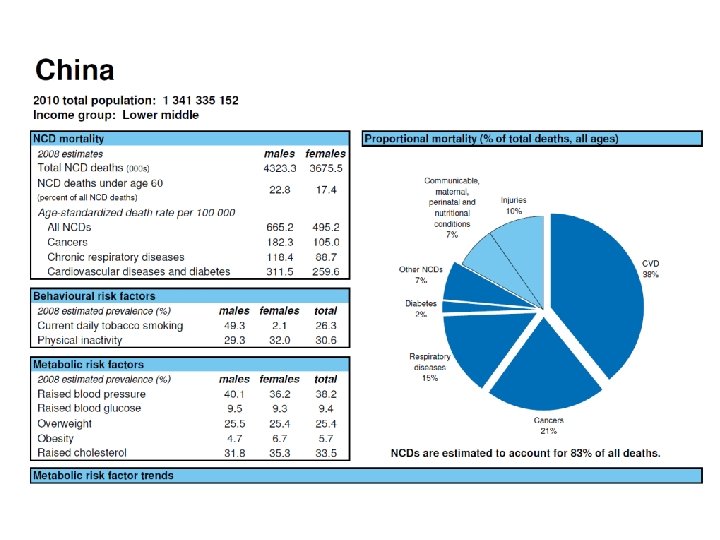
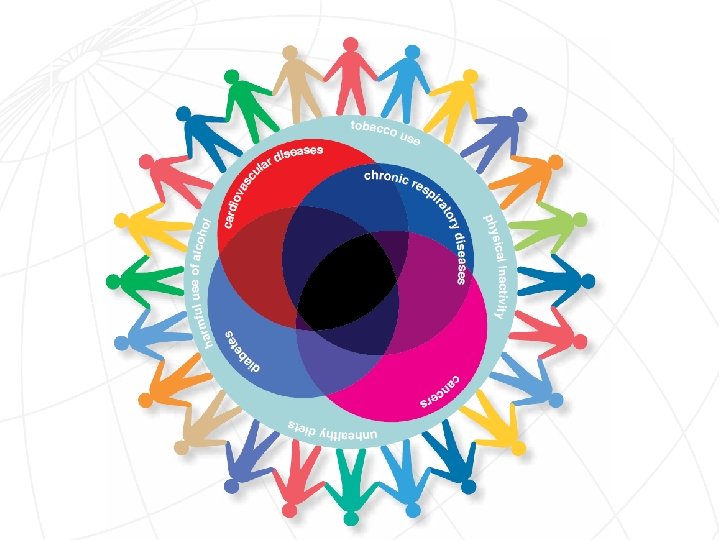
Why NCDs Are Important in Public Health? • 57 million deaths that occurred globally in 2008 • 36 million – 63. 2%, almost two thirds – were due to NCDs • 9 million death that occurred among people under age 60 • mainly cardiovascular diseases, cancers, diabetes and chronic lung diseases
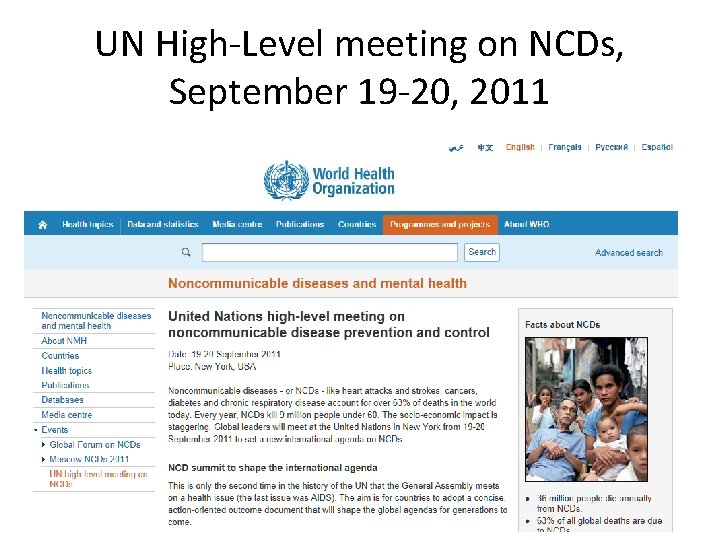
UN High-Level meeting on NCDs, September 19 -20, 2011
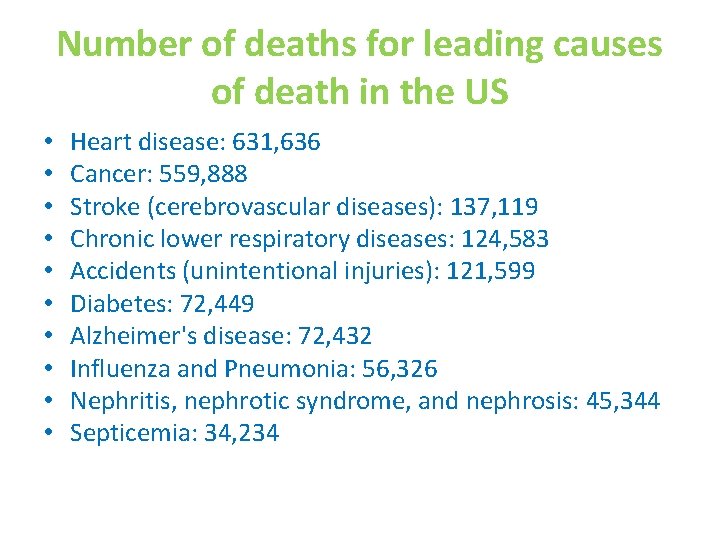
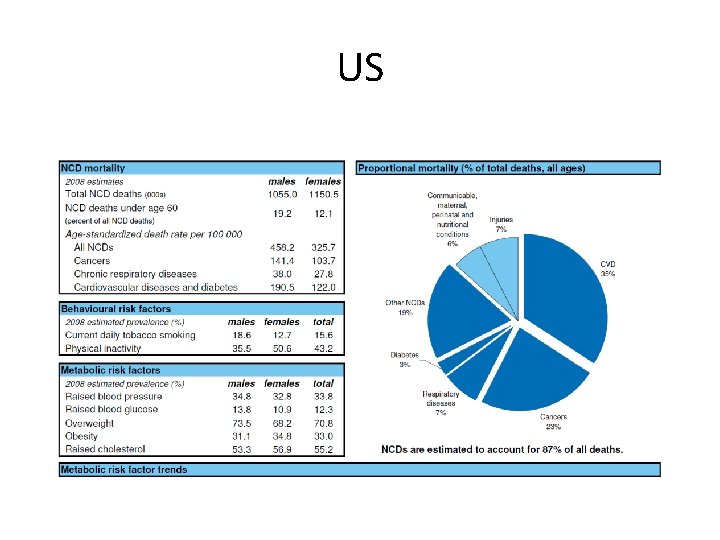
Number of deaths for leading causes of death in the US • • • Heart disease: 631, 636 Cancer: 559, 888 Stroke (cerebrovascular diseases): 137, 119 Chronic lower respiratory diseases: 124, 583 Accidents (unintentional injuries): 121, 599 Diabetes: 72, 449 Alzheimer's disease: 72, 432 Influenza and Pneumonia: 56, 326 Nephritis, nephrotic syndrome, and nephrosis: 45, 344 Septicemia: 34, 234
US
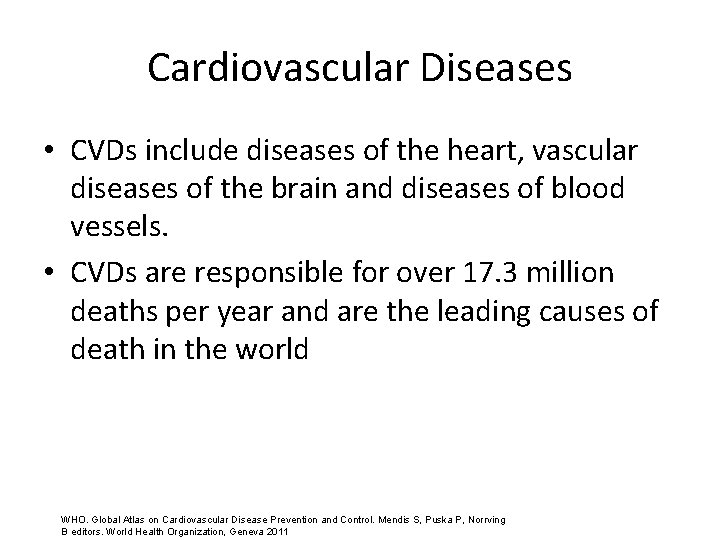
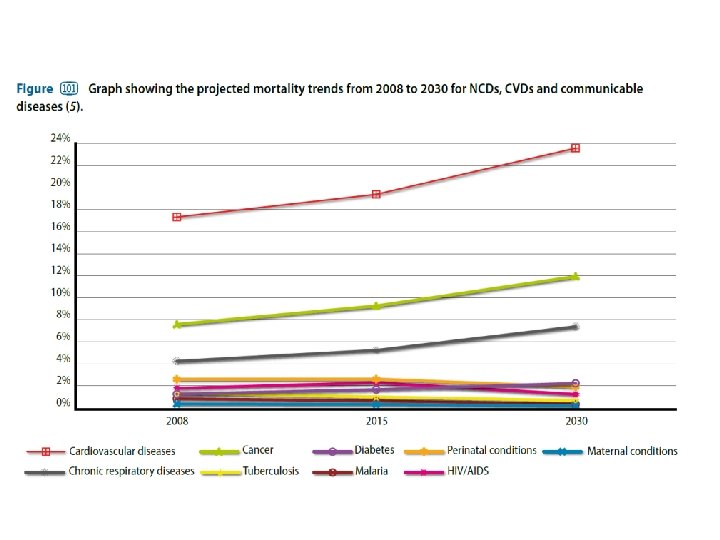
Cardiovascular Diseases • CVDs include diseases of the heart, vascular diseases of the brain and diseases of blood vessels. • CVDs are responsible for over 17. 3 million deaths per year and are the leading causes of death in the world WHO. Global Atlas on Cardiovascular Disease Prevention and Control. Mendis S, Puska P, Norrving B editors. World Health Organization, Geneva 2011
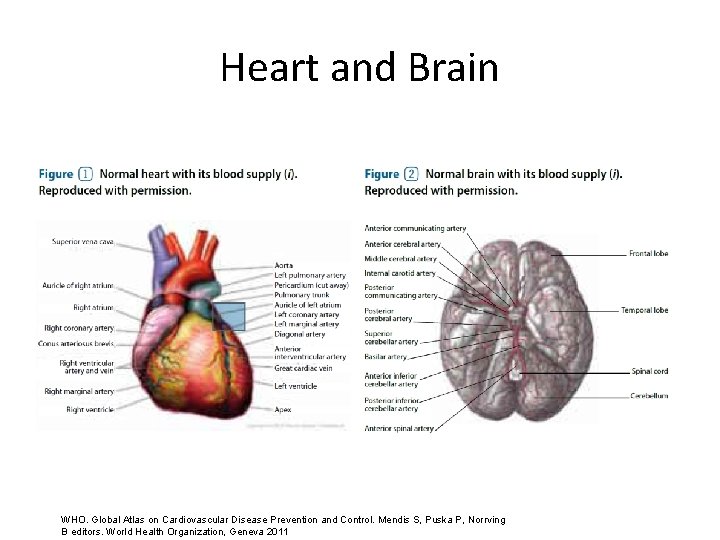
Heart and Brain WHO. Global Atlas on Cardiovascular Disease Prevention and Control. Mendis S, Puska P, Norrving B editors. World Health Organization, Geneva 2011
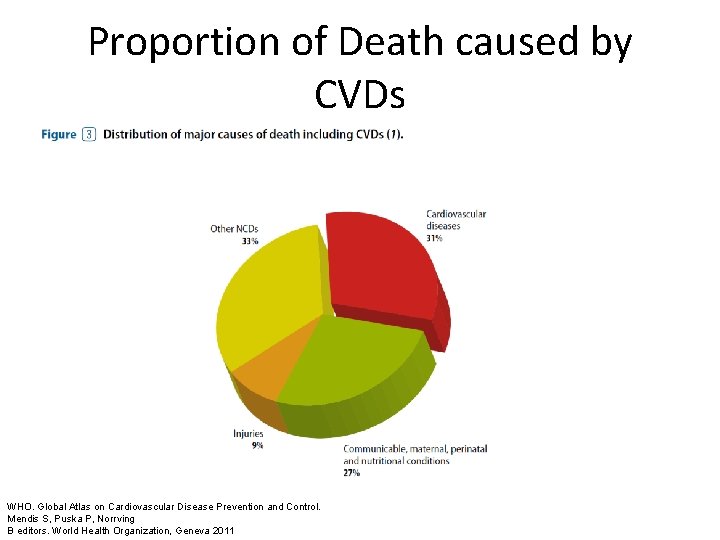
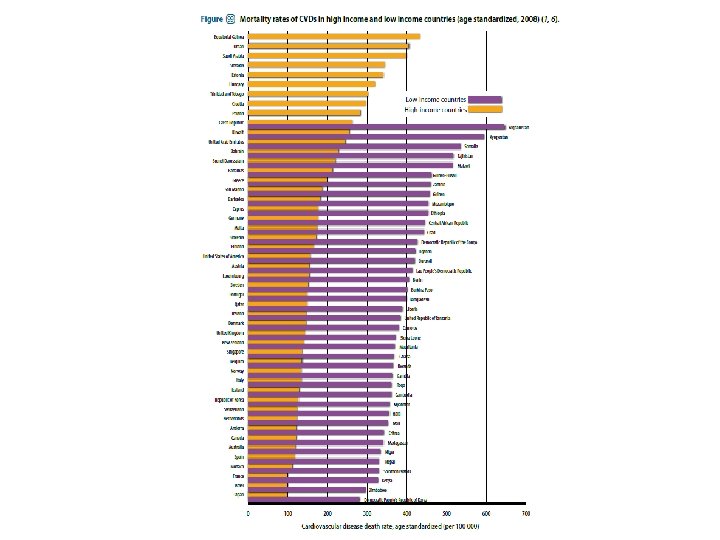
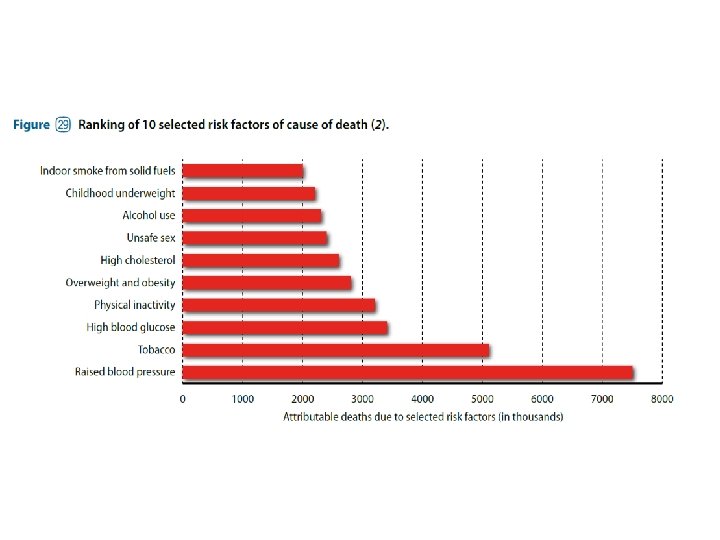
Proportion of Death caused by CVDs WHO. Global Atlas on Cardiovascular Disease Prevention and Control. Mendis S, Puska P, Norrving B editors. World Health Organization, Geneva 2011
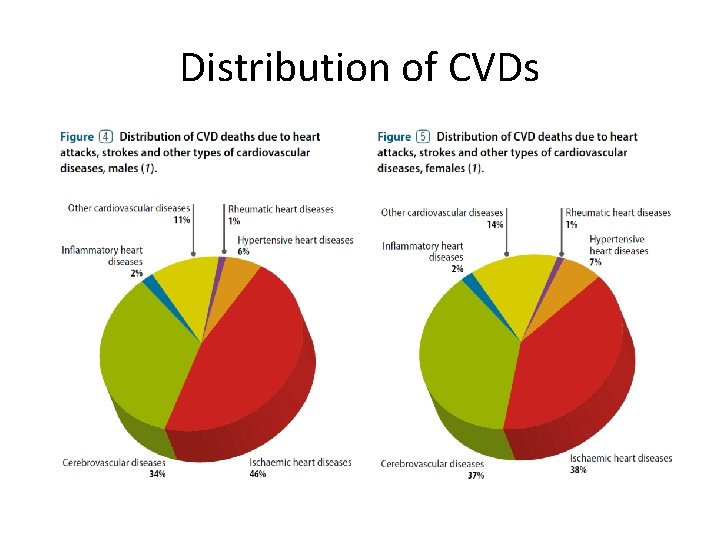
Distribution of CVDs

What Is Tumor/Cancer?
Tumor is a disorder of cells • A neoplasm (Greek, Neo-New, plasma, thing formed) is the autonomous growth of tissue that have escaped the normal restraints on cell proliferation and exhibit varying degrees of fidelity to their precursors. • It is usually appears as a tumor ( a swelling) made of mass of cells. “Abnormal growth of cells”, “Unlimited growth of cells”.
Tumors • In general, neoplasms are irreversible, and their growth is for the most part, autonomous.
Benign versus Malignant Tumors • Benign tumors do not penetrate (invade) adjacent tissue borders, nor do they spread (metastasize) to distant sites. • They remain localize overgrowths in the area in which they arise • Benign tumors are more differentiated than malignant tumors, that is, they are more closely resemble their tissue of origin.
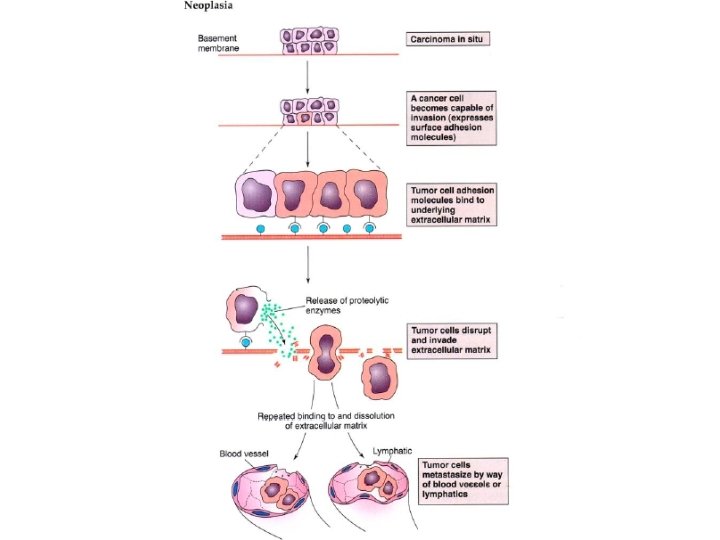
Invasion and Metastasis • Malignant tumors (cancer) are capable of invasion (spread of the neoplasms into adjacent structures) and metastasis (implantation of the neoplasms into noncontiguous sites).
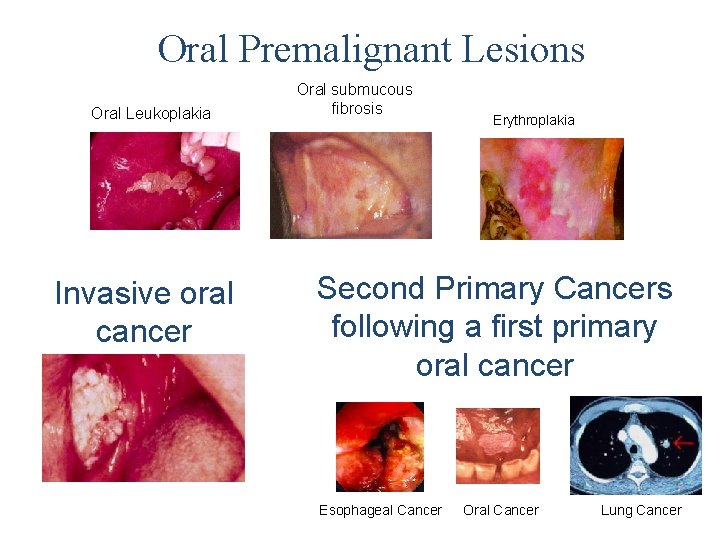
Oral Premalignant Lesions Oral Leukoplakia Invasive oral cancer Oral submucous fibrosis Erythroplakia Second Primary Cancers following a first primary oral cancer Esophageal Cancer Oral Cancer Lung Cancer
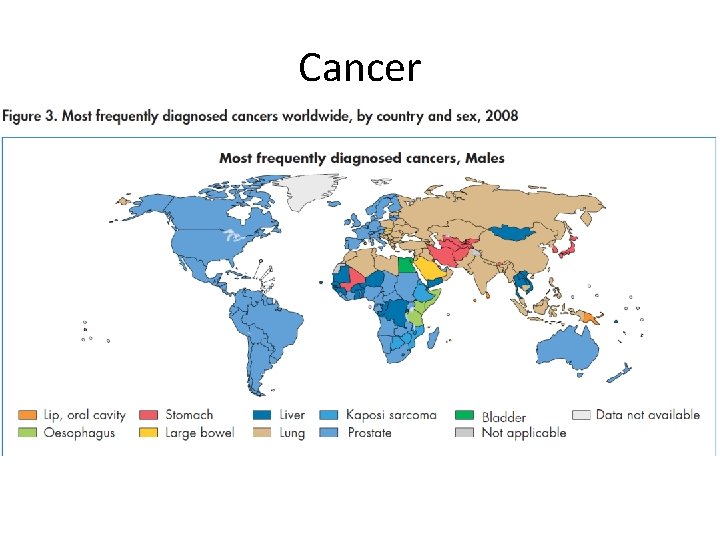
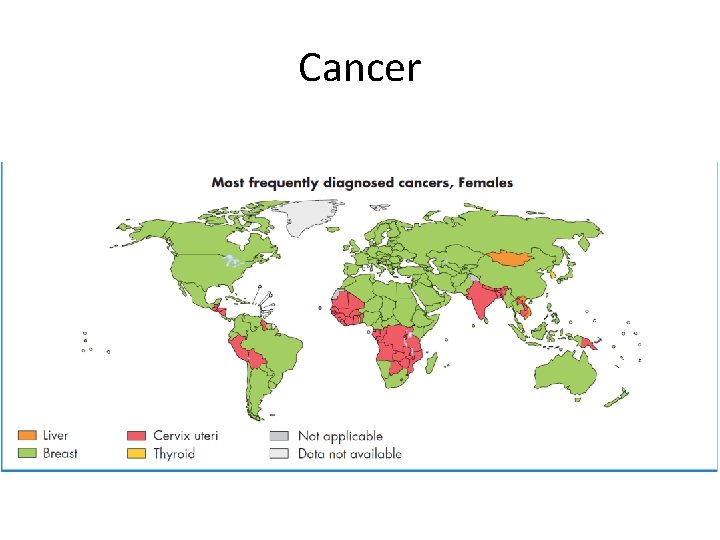
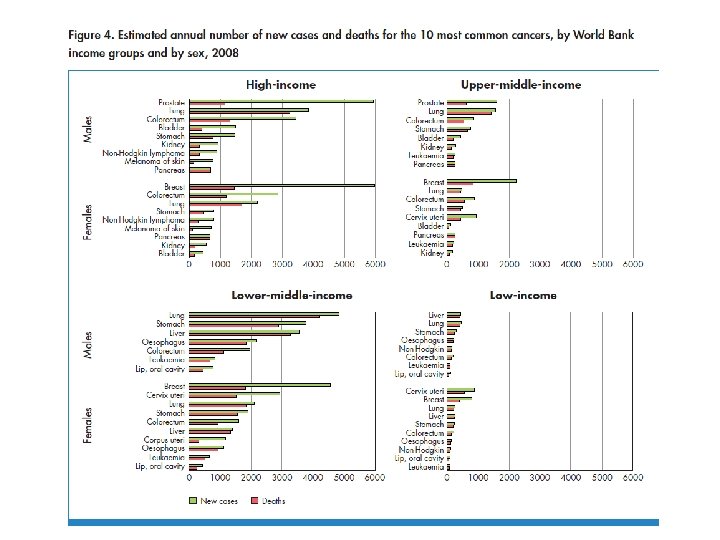
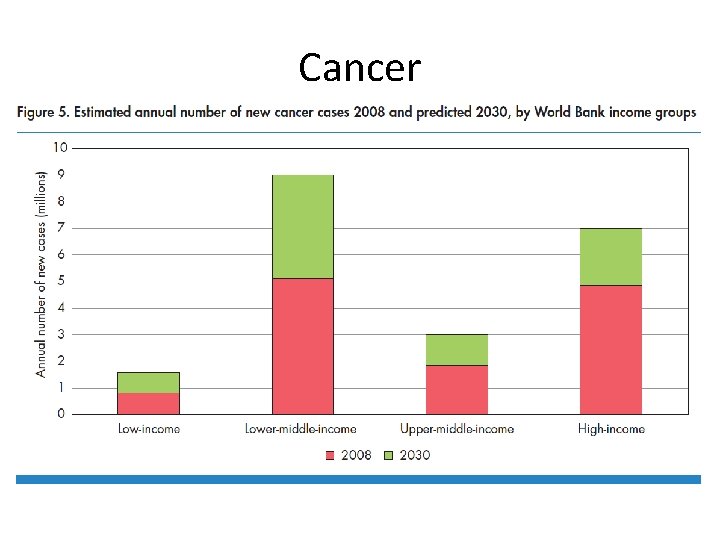
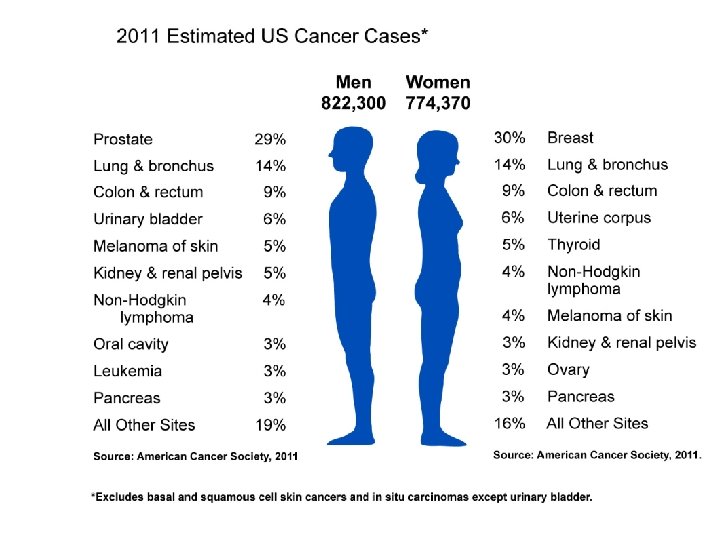
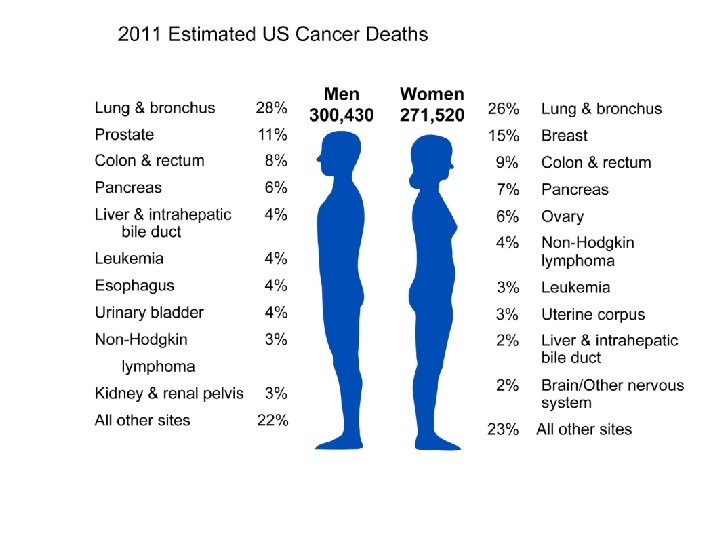
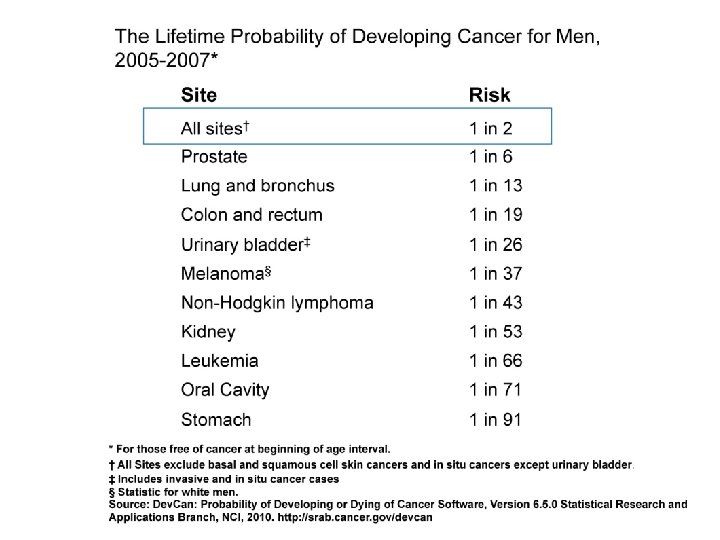
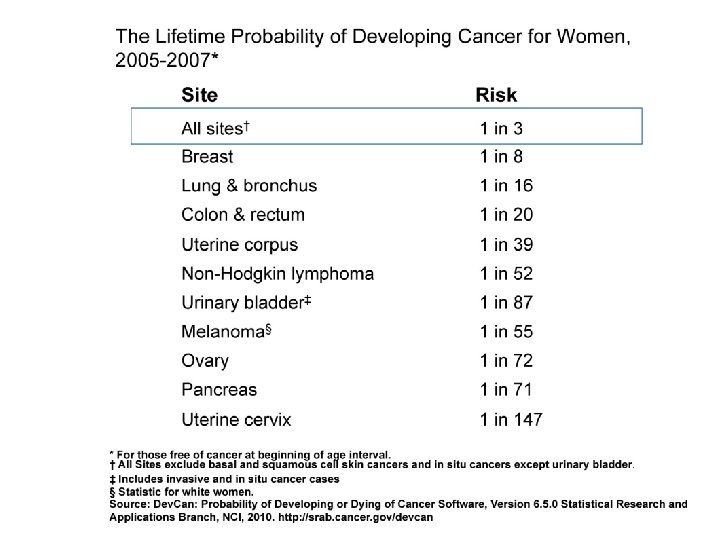
Cancer Statistics • 12. 7 million new cases in 2008 • 7. 6 million deaths from cancer (13. 3% of overall deaths) in 2008
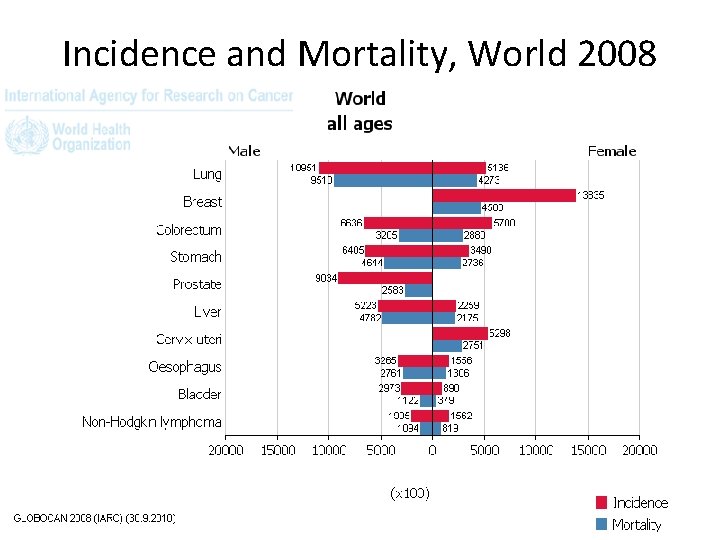
Incidence and Mortality, World 2008
Cancer
Cancer
Cancer
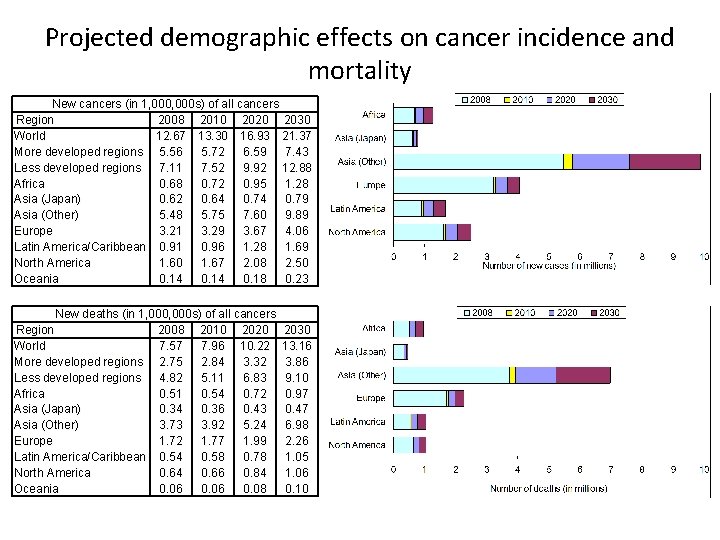
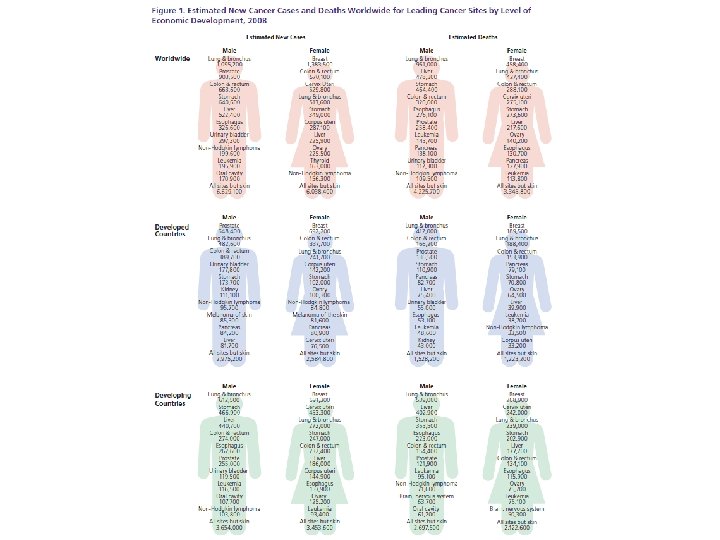
Projected demographic effects on cancer incidence and mortality New cancers (in 1, 000 s) of all cancers Region 2008 2010 2020 2030 World 12. 67 13. 30 16. 93 21. 37 More developed regions 5. 56 5. 72 6. 59 7. 43 Less developed regions 7. 11 7. 52 9. 92 12. 88 Africa 0. 68 0. 72 0. 95 1. 28 Asia (Japan) 0. 62 0. 64 0. 79 Asia (Other) 5. 48 5. 75 7. 60 9. 89 Europe 3. 21 3. 29 3. 67 4. 06 Latin America/Caribbean 0. 91 0. 96 1. 28 1. 69 North America 1. 60 1. 67 2. 08 2. 50 Oceania 0. 14 0. 18 0. 23 New deaths (in 1, 000 s) of all cancers Region 2008 2010 2020 World 7. 57 7. 96 10. 22 More developed regions 2. 75 2. 84 3. 32 Less developed regions 4. 82 5. 11 6. 83 Africa 0. 51 0. 54 0. 72 Asia (Japan) 0. 34 0. 36 0. 43 Asia (Other) 3. 73 3. 92 5. 24 Europe 1. 72 1. 77 1. 99 Latin America/Caribbean 0. 54 0. 58 0. 78 North America 0. 64 0. 66 0. 84 Oceania 0. 06 0. 08 2030 13. 16 3. 86 9. 10 0. 97 0. 47 6. 98 2. 26 1. 05 1. 06 0. 10
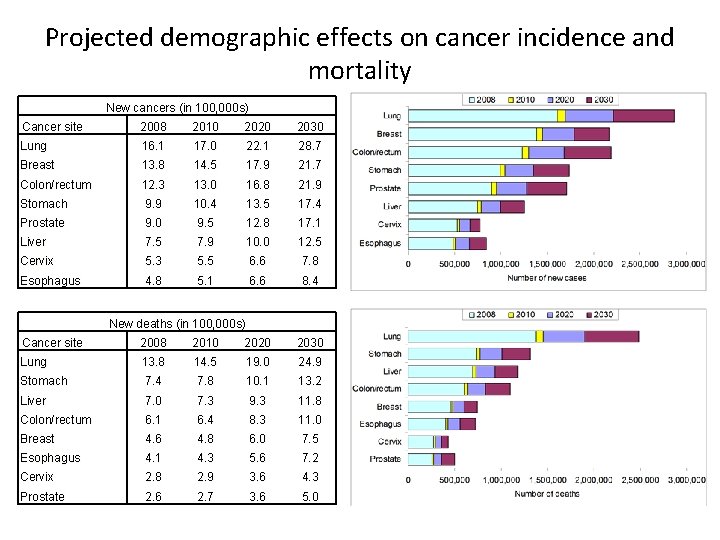
Projected demographic effects on cancer incidence and mortality New cancers (in 100, 000 s) Cancer site 2008 2010 2020 2030 Lung 16. 1 17. 0 22. 1 28. 7 Breast 13. 8 14. 5 17. 9 21. 7 Colon/rectum 12. 3 13. 0 16. 8 21. 9 Stomach 9. 9 10. 4 13. 5 17. 4 Prostate 9. 0 9. 5 12. 8 17. 1 Liver 7. 5 7. 9 10. 0 12. 5 Cervix 5. 3 5. 5 6. 6 7. 8 Esophagus 4. 8 5. 1 6. 6 8. 4 New deaths (in 100, 000 s) Cancer site 2008 2010 2020 2030 Lung 13. 8 14. 5 19. 0 24. 9 Stomach 7. 4 7. 8 10. 1 13. 2 Liver 7. 0 7. 3 9. 3 11. 8 Colon/rectum 6. 1 6. 4 8. 3 11. 0 Breast 4. 6 4. 8 6. 0 7. 5 Esophagus 4. 1 4. 3 5. 6 7. 2 Cervix 2. 8 2. 9 3. 6 4. 3 Prostate 2. 6 2. 7 3. 6 5. 0
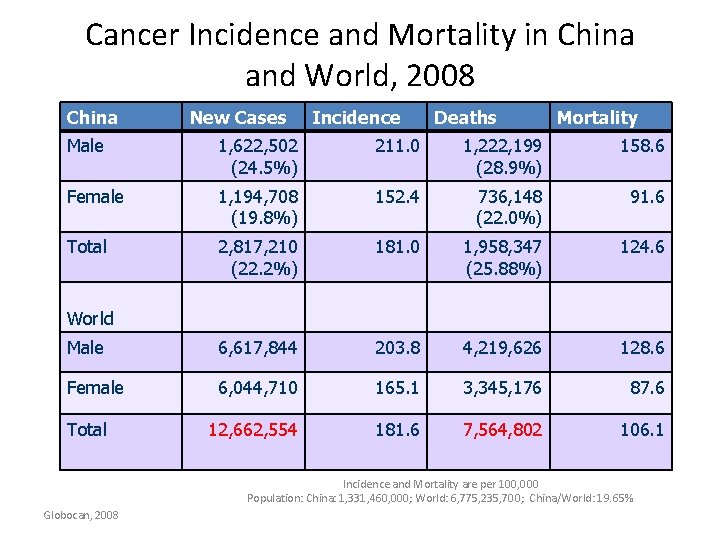
Cancer Incidence and Mortality in China and World, 2008 China New Cases Incidence Deaths Mortality Male 1, 622, 502 (24. 5%) 211. 0 1, 222, 199 (28. 9%) 158. 6 Female 1, 194, 708 (19. 8%) 152. 4 736, 148 (22. 0%) 91. 6 Total 2, 817, 210 (22. 2%) 181. 0 1, 958, 347 (25. 88%) 124. 6 Male 6, 617, 844 203. 8 4, 219, 626 128. 6 Female 6, 044, 710 165. 1 3, 345, 176 87. 6 12, 662, 554 181. 6 7, 564, 802 106. 1 World Total Incidence and Mortality are per 100, 000 Population: China: 1, 331, 460, 000; World: 6, 775, 235, 700; China/World: 19. 65% Globocan, 2008
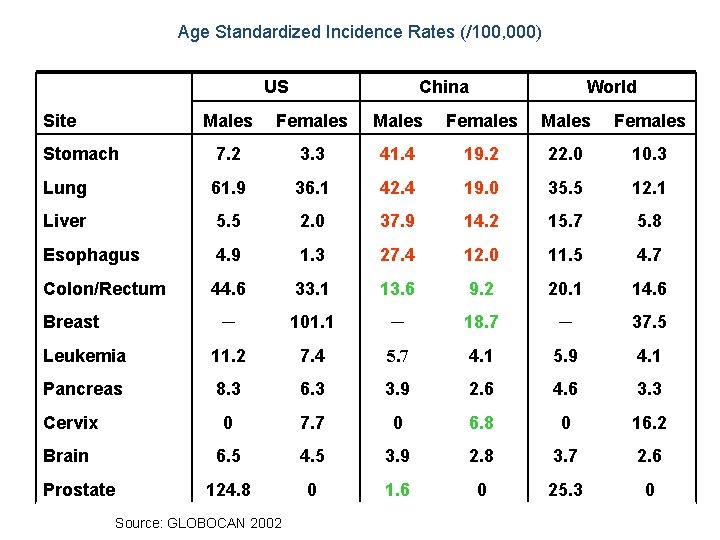
Age Standardized Incidence Rates (/100, 000) US Site China World Males Females Stomach 7. 2 3. 3 41. 4 19. 2 22. 0 10. 3 Lung 61. 9 36. 1 42. 4 19. 0 35. 5 12. 1 Liver 5. 5 2. 0 37. 9 14. 2 15. 7 5. 8 Esophagus 4. 9 1. 3 27. 4 12. 0 11. 5 4. 7 Colon/Rectum 44. 6 33. 1 13. 6 9. 2 20. 1 14. 6 ─ 101. 1 ─ 18. 7 ─ 37. 5 Leukemia 11. 2 7. 4 5. 7 4. 1 5. 9 4. 1 Pancreas 8. 3 6. 3 3. 9 2. 6 4. 6 3. 3 Cervix 0 7. 7 0 6. 8 0 16. 2 Brain 6. 5 4. 5 3. 9 2. 8 3. 7 2. 6 124. 8 0 1. 6 0 25. 3 0 Breast Prostate Source: GLOBOCAN 2002
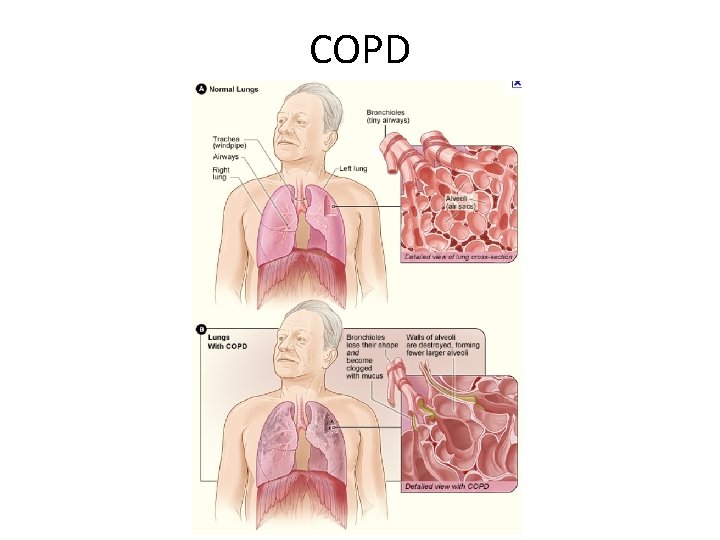
COPD • Chronic obstructive pulmonary disease (COPD) is a life-threatening lung disease that interferes with normal breathing – it is more than a “smoker’s cough”. • An estimated 64 million people have COPD worldwide in 2004. 1 • More than 3 million people died of COPD in 2005, which is equal to 5% of all deaths globally that year. • Almost 90% of COPD deaths occur in low- and middle-income countries. • The primary cause of COPD is tobacco smoke (through tobacco use or second-hand smoke). • The disease now affects men and women almost equally, due in part to increased tobacco use among women in high-income countries. • COPD is not curable, but treatment can slow the progress of the disease. • Total deaths from COPD are projected to increase by more than 30% in the next 10 years without interventions to cut risks, particularly exposure to tobacco smoke.
COPD
Diabetes
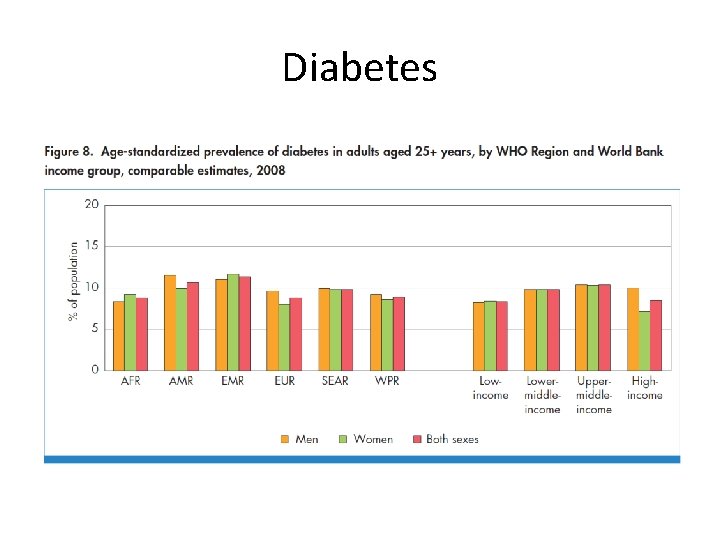
Diabetes • More than 346 million people worldwide have diabetes. • There is an emerging global epidemic of diabetes that can be traced back to rapid increases in overweight, obesity and physical inactivity.
Diabetes is predicted to become the seventh leading cause of death in the world by the year 2030. • Total deaths from diabetes are projected to rise by more than 50% in the next 10 years.
Diabetes There are two major forms of diabetes. • Type 1 diabetes is characterized by a lack of insulin production and type 2 diabetes results from the body's ineffective use of insulin. A third type of diabetes is gestational diabetes. • This type is characterized by hyperglycaemia, or raised blood sugar, which has first appeared or been recognized during pregnancy.
Diabetes Type 2 diabetes is much more common than type 1 diabetes. • Type 2 accounts for around 90% of all diabetes worldwide. Reports of type 2 diabetes in children – previously rare – have increased worldwide. In some countries, it accounts for almost half of newly diagnosed cases in children and adolescents.
Diabetes • Cardiovascular disease is responsible for between 50% and 80% of deaths in people with diabetes. • Diabetes has become one of the major causes of premature illness and death in most countries, mainly through the increased risk of cardiovascular disease (CVD).
Diabetes is a leading cause of blindness, amputation and kidney failure. • Lack of awareness about diabetes, combined with insufficient access to health services and essential medicines, can lead to complications such as blindness, amputation and kidney failure.
Diabetes Type 2 diabetes can be prevented. • Thirty minutes of moderate-intensity physical activity on most days and a healthy diet can drastically reduce the risk of developing type 2 diabetes. Type 1 diabetes cannot be prevented.
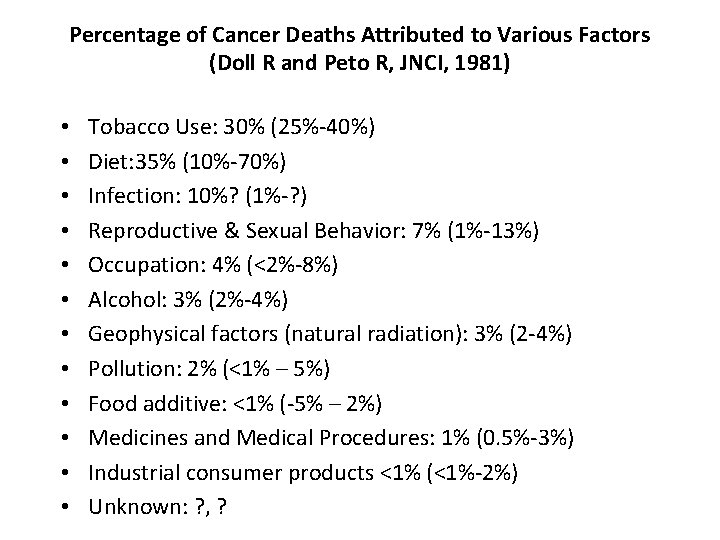
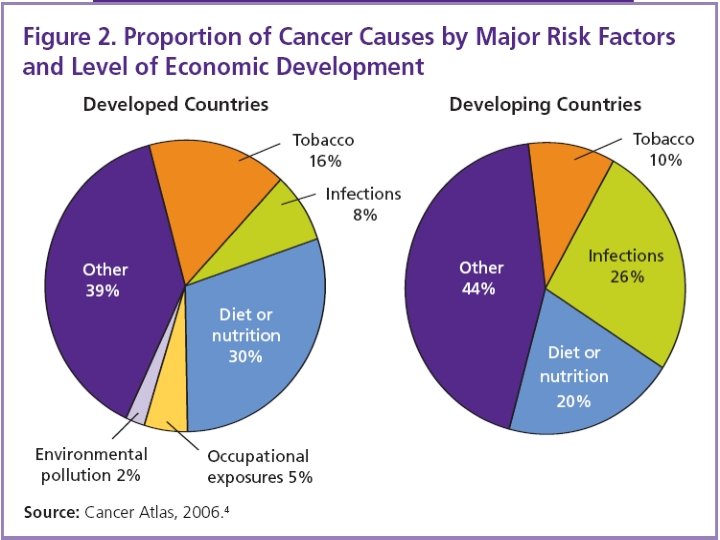
Percentage of Cancer Deaths Attributed to Various Factors (Doll R and Peto R, JNCI, 1981) • • • Tobacco Use: 30% (25%-40%) Diet: 35% (10%-70%) Infection: 10%? (1%-? ) Reproductive & Sexual Behavior: 7% (1%-13%) Occupation: 4% (<2%-8%) Alcohol: 3% (2%-4%) Geophysical factors (natural radiation): 3% (2 -4%) Pollution: 2% (<1% – 5%) Food additive: <1% (-5% – 2%) Medicines and Medical Procedures: 1% (0. 5%-3%) Industrial consumer products <1% (<1%-2%) Unknown: ? , ?
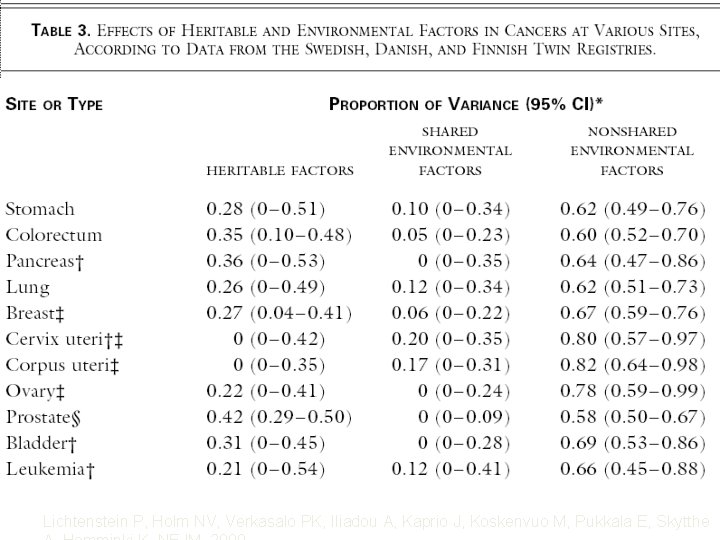
Lichtenstein P, Holm NV, Verkasalo PK, Iliadou A, Kaprio J, Koskenvuo M, Pukkala E, Skytthe
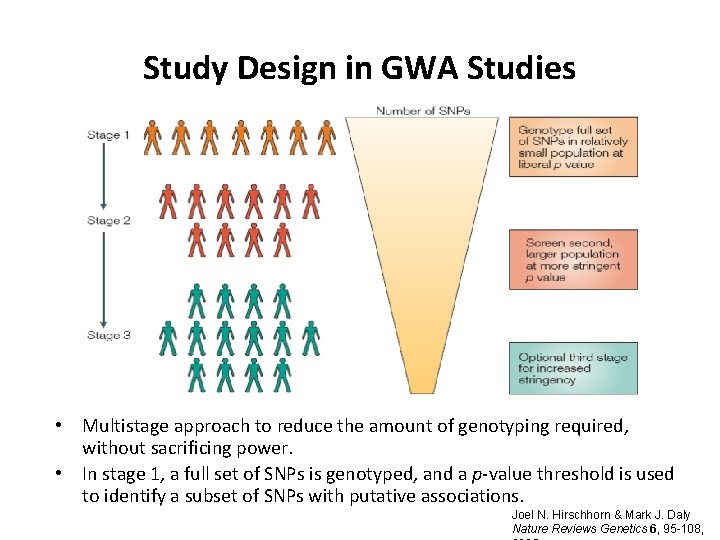
Study Design in GWA Studies • Multistage approach to reduce the amount of genotyping required, without sacrificing power. • In stage 1, a full set of SNPs is genotyped, and a p-value threshold is used to identify a subset of SNPs with putative associations. Joel N. Hirschhorn & Mark J. Daly Nature Reviews Genetics 6, 95 -108,
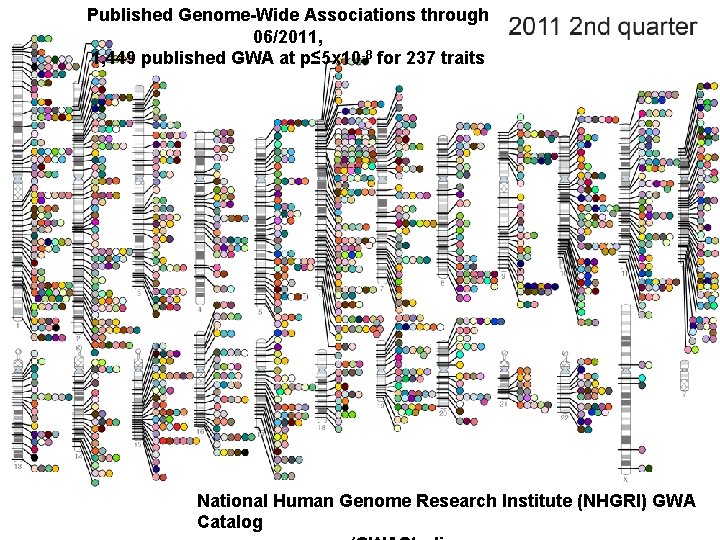
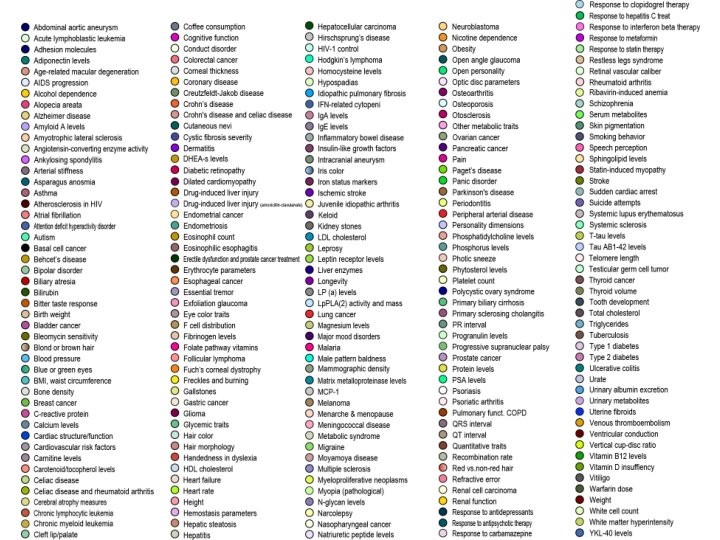
Published Genome-Wide Associations through 06/2011, 1, 449 published GWA at p≤ 5 x 10 -8 for 237 traits National Human Genome Research Institute (NHGRI) GWA Catalog
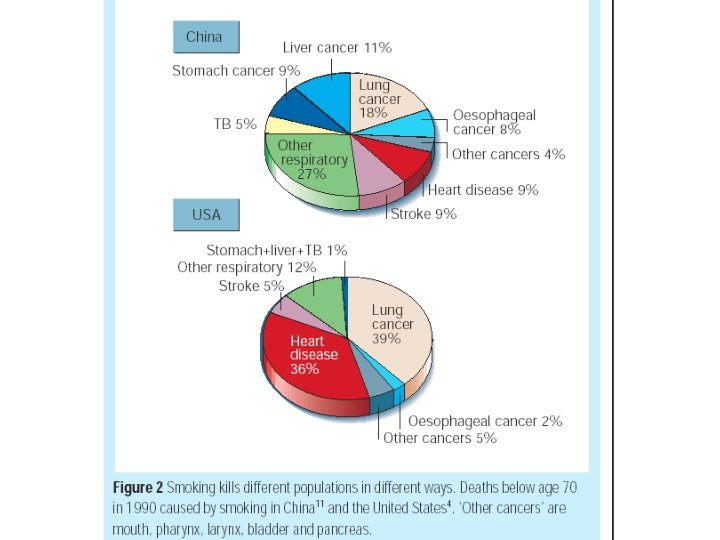


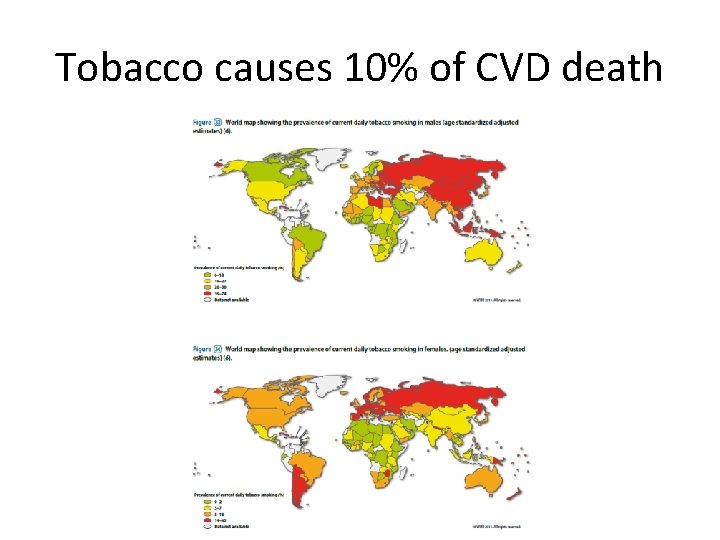
Tobacco causes 10% of CVD death
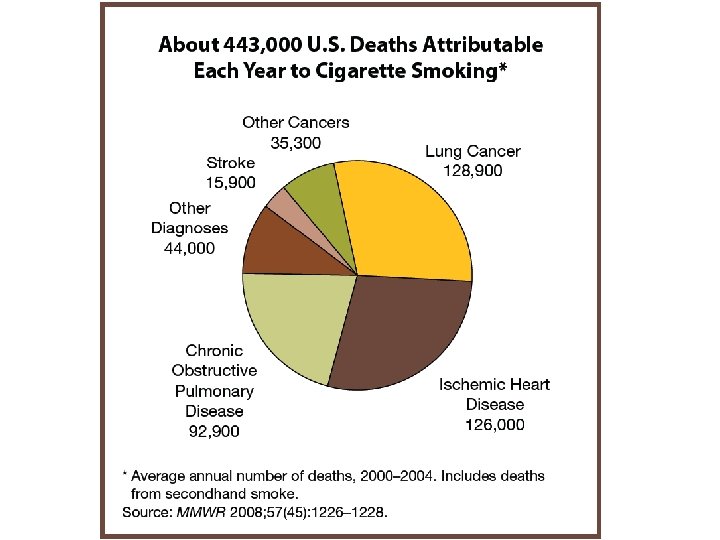
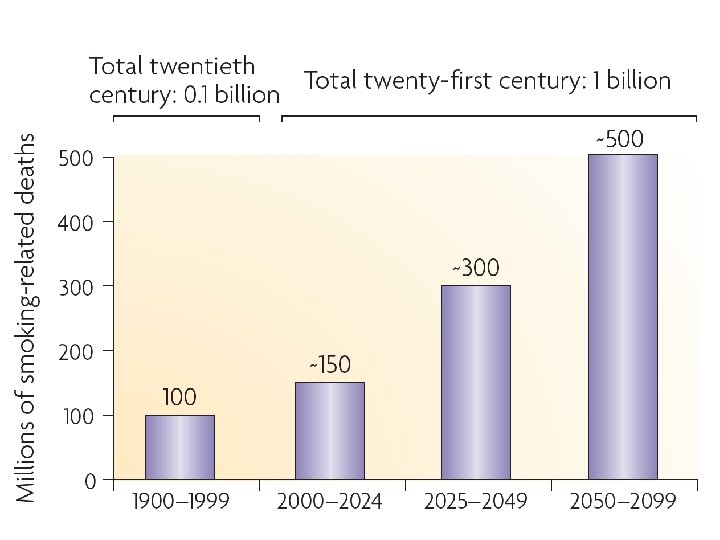
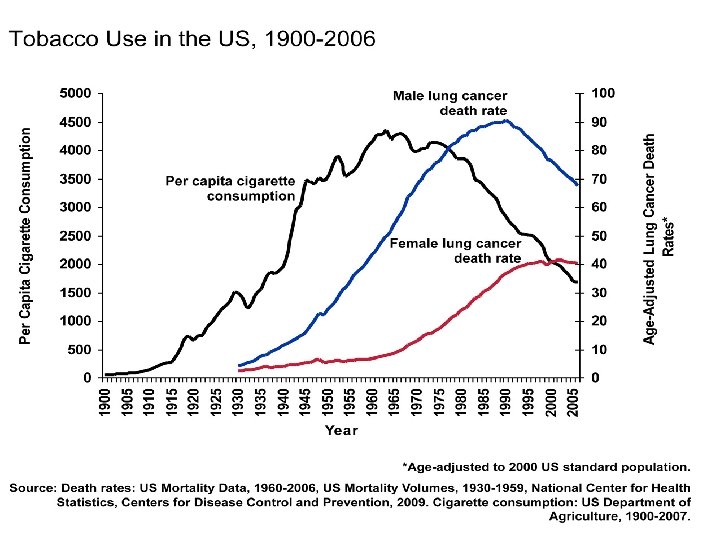
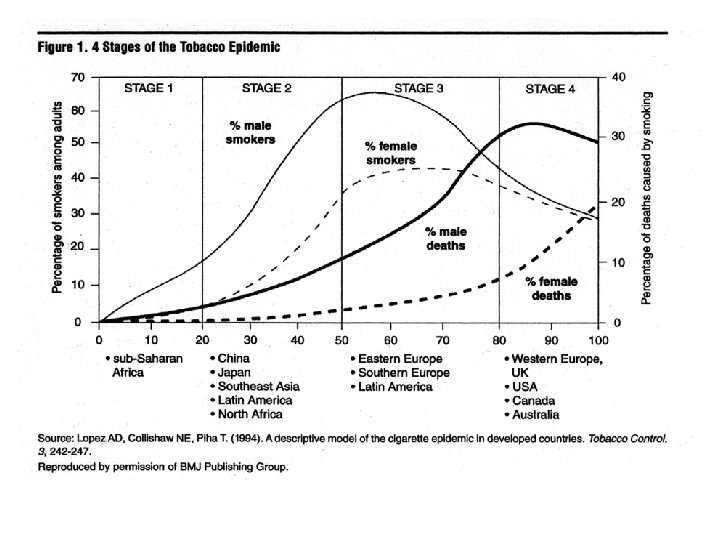
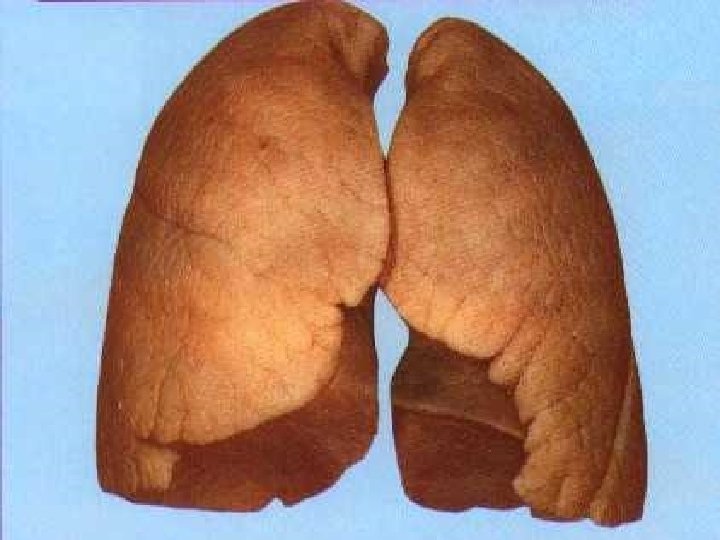
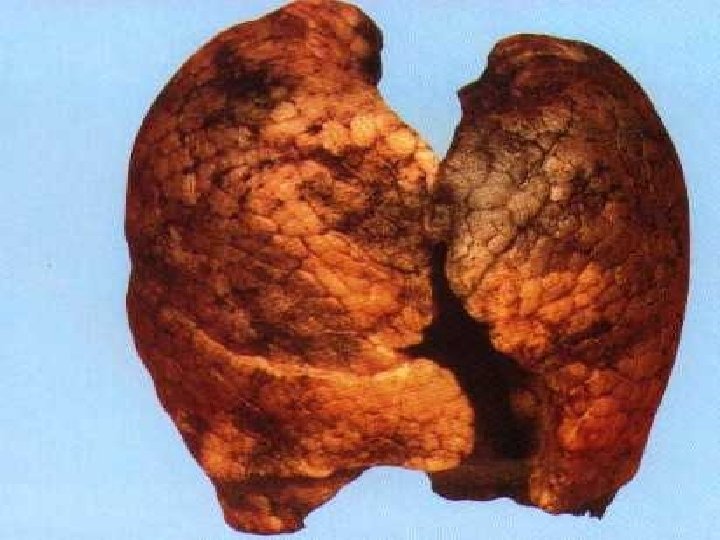
Diseases Caused by Tobacco Use Cigarette smoking increases the risk of: Coronary heart disease Atherosclerotic peripheral vascular disease Cerebrovascular disease Cancers of the lung, larynx, mouth, esophagus, bladder, pancreas, kidney, and cervix Chronic obstructive pulmonary disease Intrauterine growth retardation, premature rupture of membranes Low-birthweight babies, perinatal mortality Cataract, macular degeneration; hip fracture Peptic ulcer disease Possibly liver, stomach, and colorectal cancers and acute myelocytic leukemia
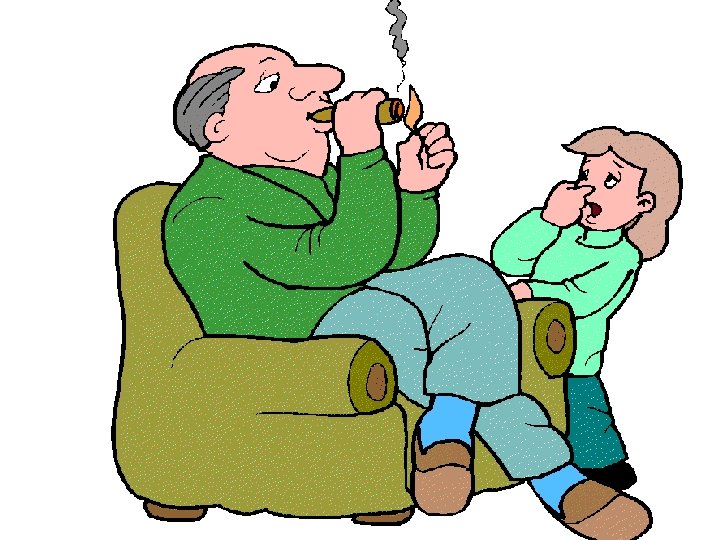
Disease Caused by Tobacco Use Involuntary smoking (environmental tobacco smoke) is a cause of: Lung cancer and coronary heart disease in nonsmokers Respiratory infections and symptoms in the children of parents who smoke Smokeless tobacco causes: Oral Cancer Oral leukoplakia Dental caries (possibly) Cigars cause: Cancers of the mouth, larynx, and lung Coronary heart disease COPD
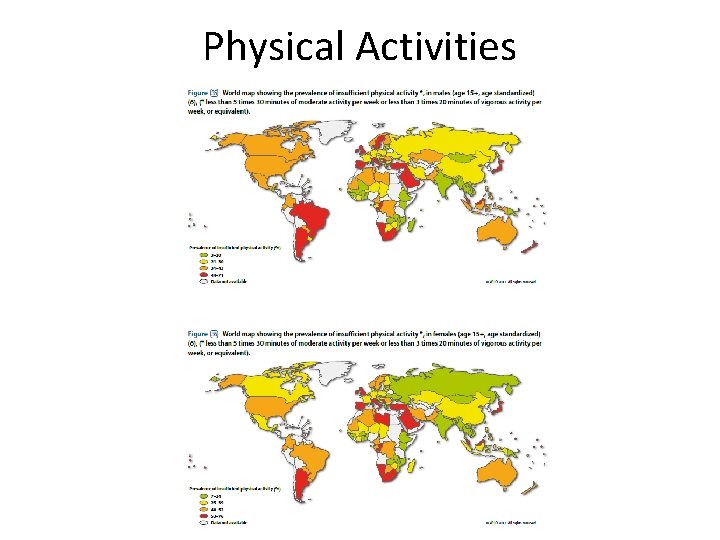
Physical Activities
The Benefits of Physical Activity Regular physical activity is one of the most important things you can do for your health. • • Control your weight Reduce your risk of cardiovascular disease Reduce your risk for type 2 diabetes and metabolic syndrome Reduce your risk of some cancers (colon, breast, endomentrial and lung cancers) Strengthen your bones and muscles Improve your mental health and mood Improve your ability to do daily activities and prevent falls, if you're an older adult Increase your chances of living longer CDC, 2011
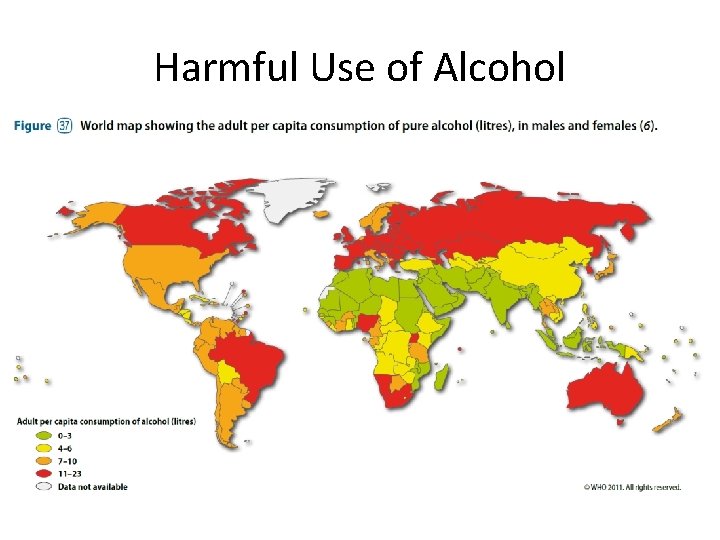
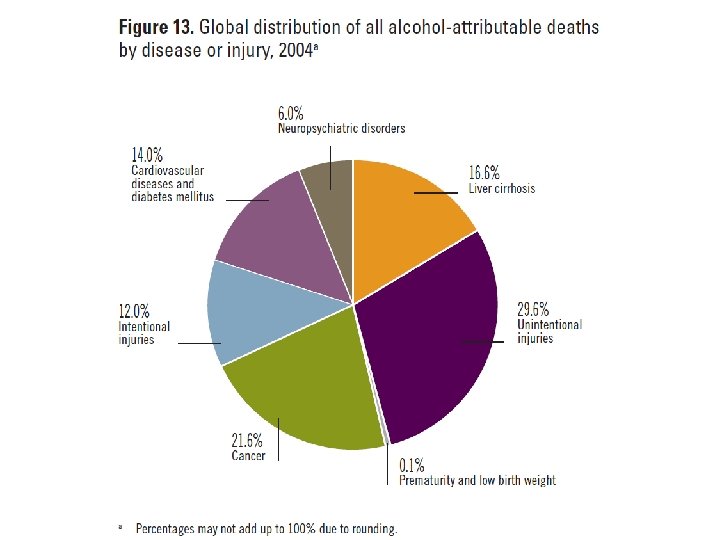
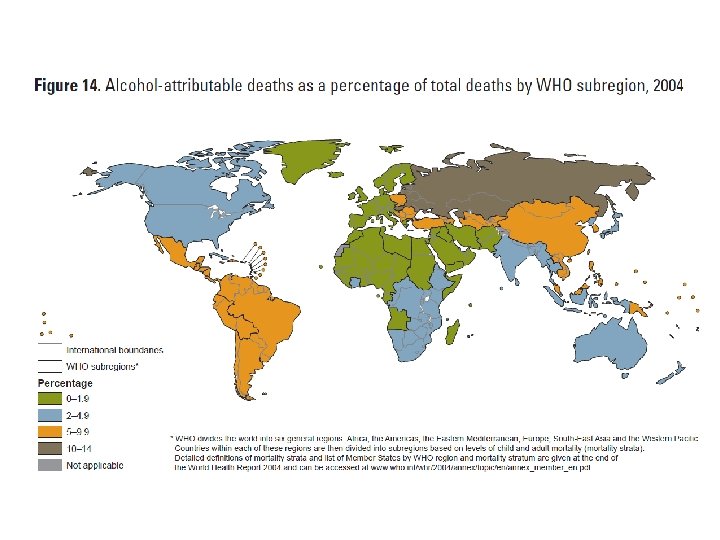
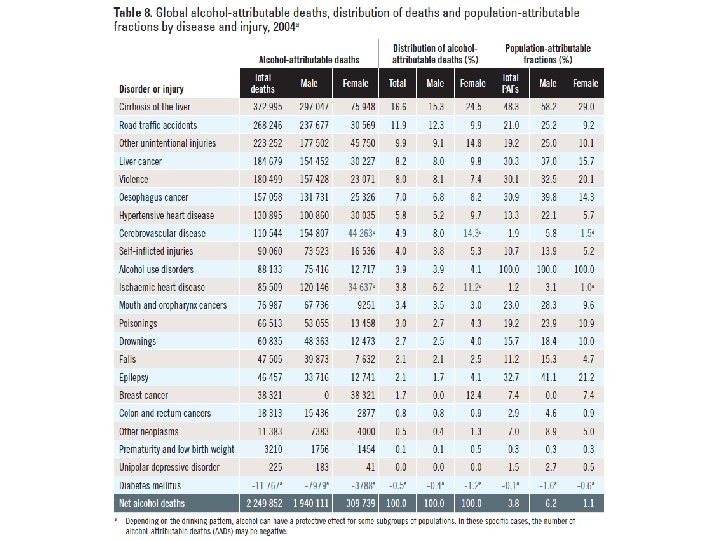
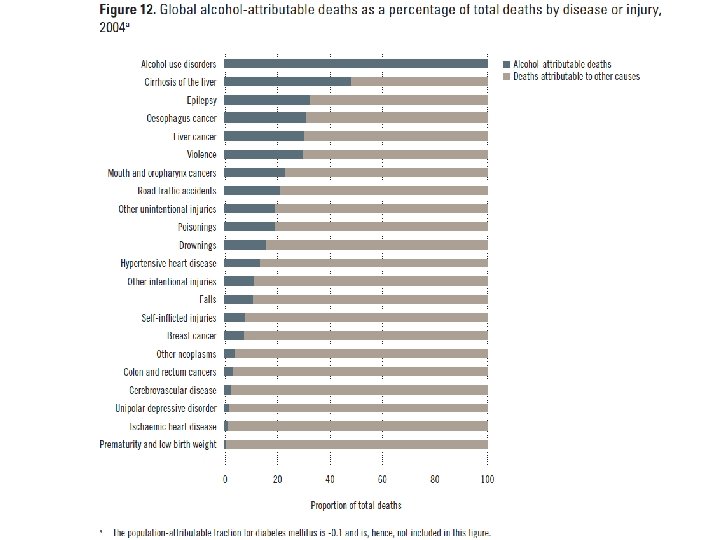
Harmful Use of Alcohol
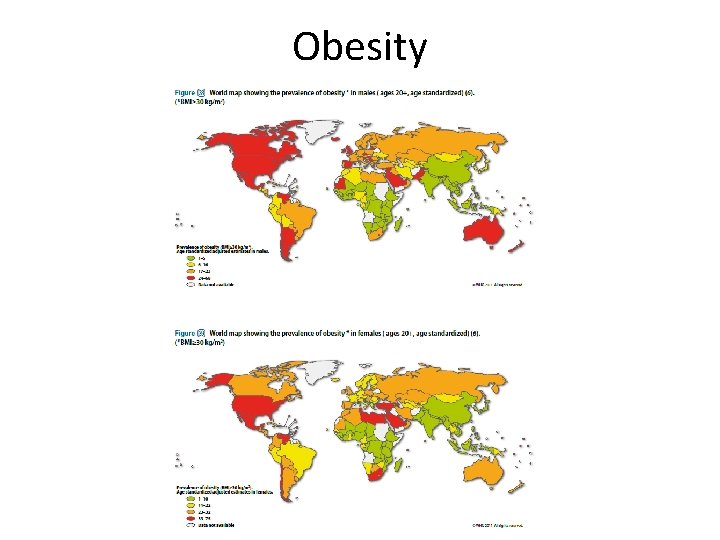
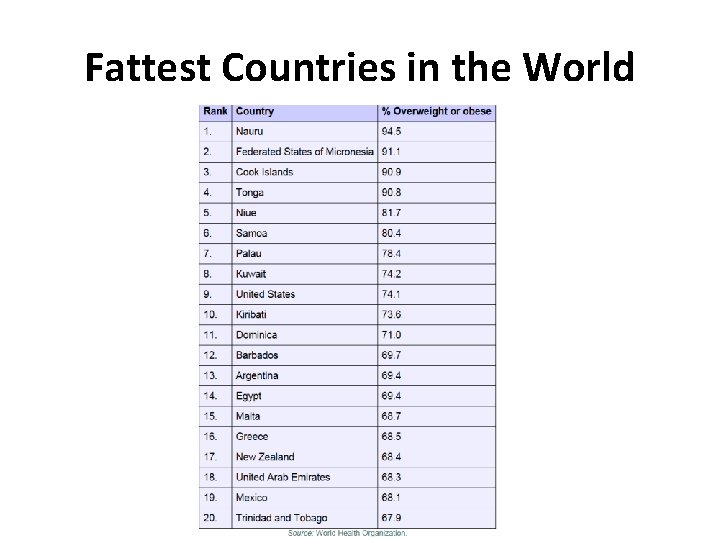
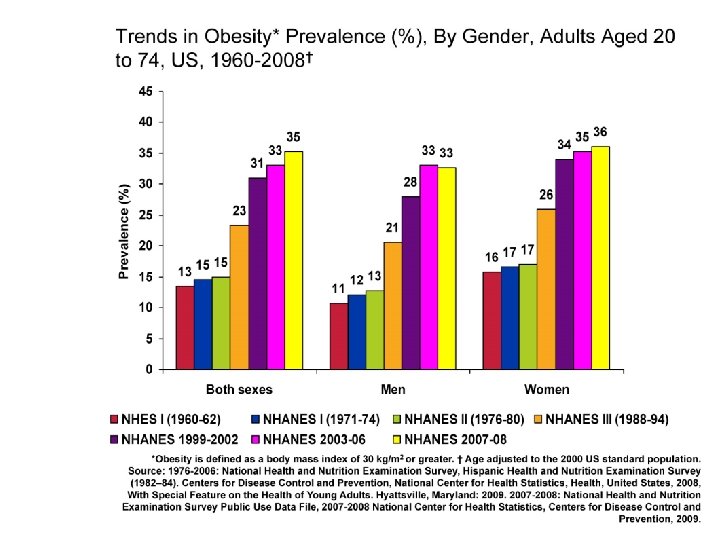
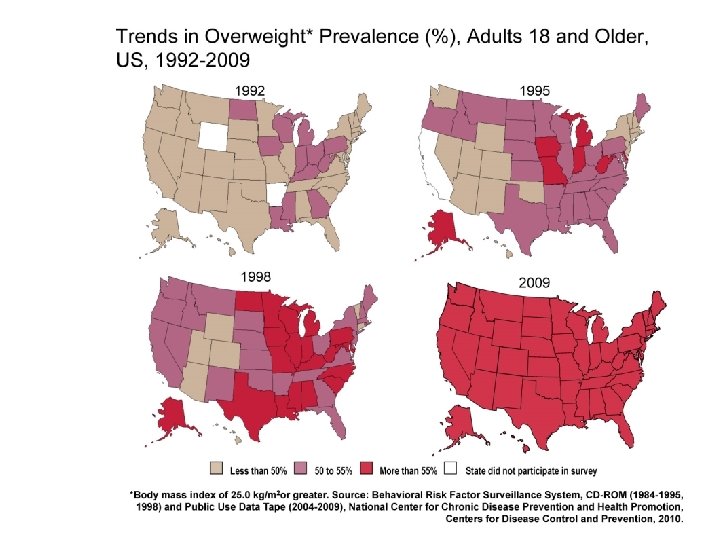
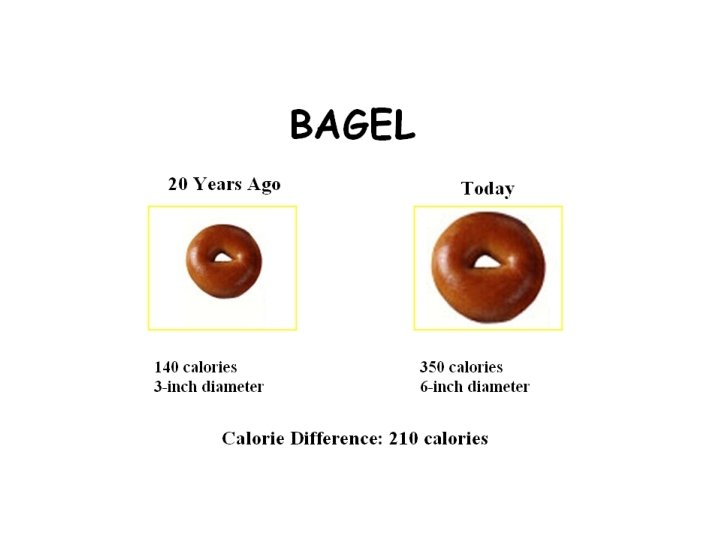
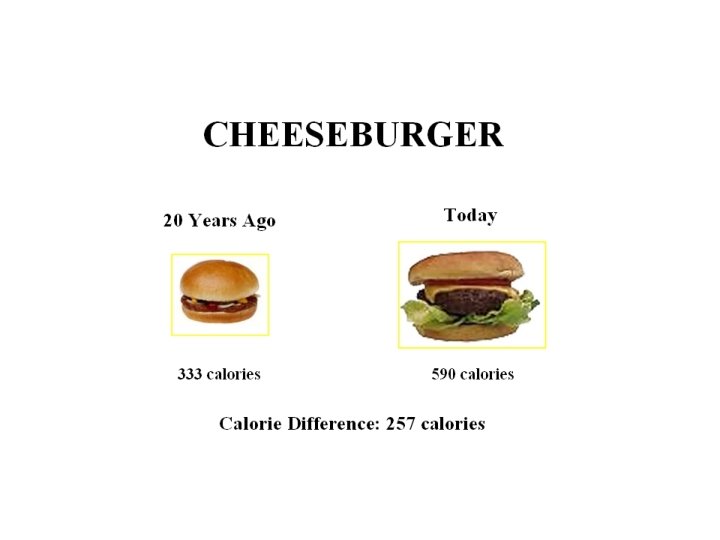
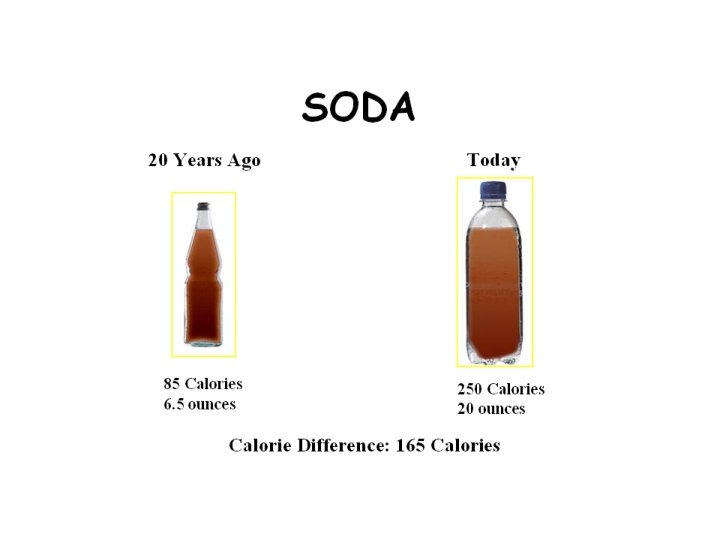
Obesity
Key facts • Worldwide obesity has more than doubled since 1980. • In 2008, 1. 5 billion adults, 20 and older, were overweight. Of these over 200 million men and nearly 300 million women were obese. • 65% of the world's population live in countries where overweight and obesity kills more people than underweight. • Nearly 43 million children under the age of five were overweight in 2010. • Obesity is preventable.
Obesity • Globally, 44% of diabetes, 23% of ischaemic heart disease and 7– 41% of certain cancers are attributable to overweight and obesity.
Obesity • Body Mass Index (BMI) is a number calculated from a person's weight and height. BMI provides a reliable indicator of body fatness for most people and is used to screen for weight categories that may lead to health problems. • http: //www. cdc. gov/healthyweight/assessing /bmi/adult_bmi/english_bmi_calculator/bmi_ calculator. html
BMI Classification • Body Mass Index (BMI) is a simple index of weight-for-height that is commonly used to classify underweight, overweight and obesity in adults. It is defined as the weight in kilograms divided by the square of the height in metres (kg/m 2). For example, an adult who weighs 70 kg and whose height is 1. 75 m will have a BMI of 22. 9. • BMI = 70 kg / (1. 75 m 2) = 70 / 3. 06 = 22. 9
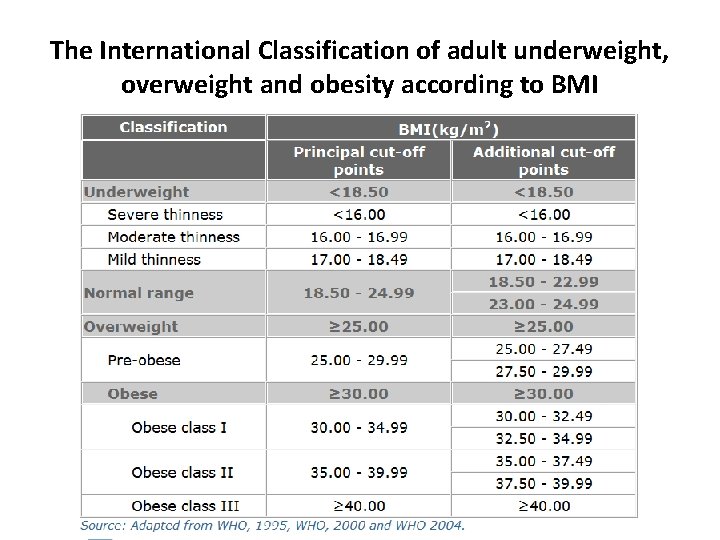
The International Classification of adult underweight, overweight and obesity according to BMI
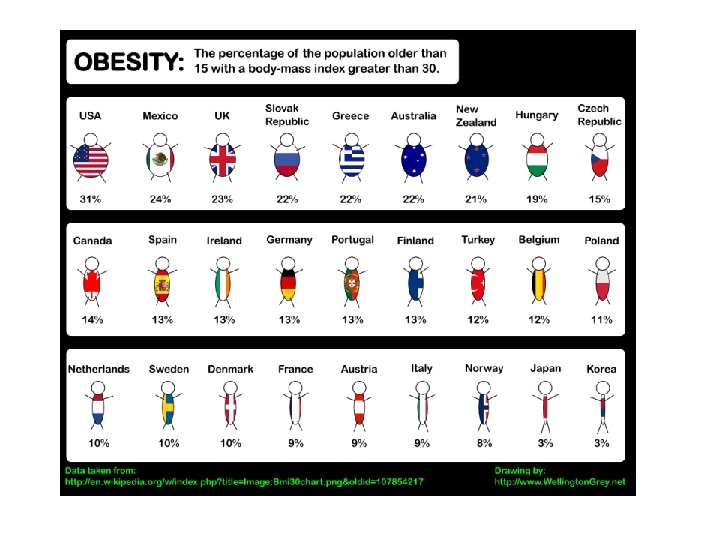
Fattest Countries in the World
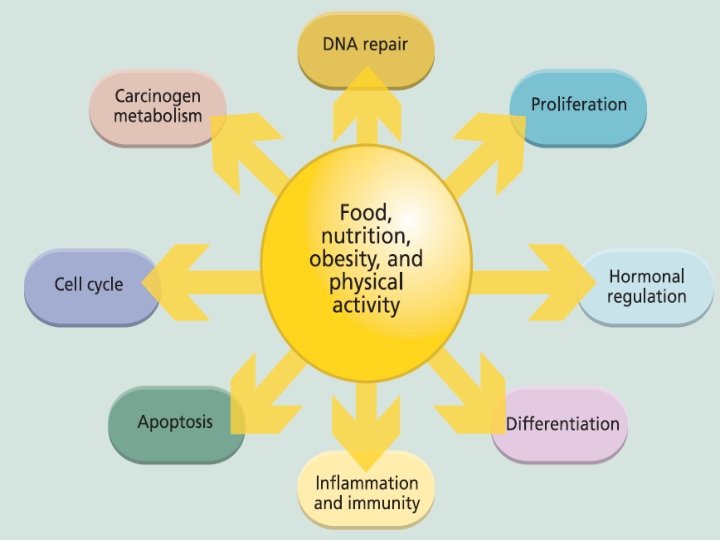
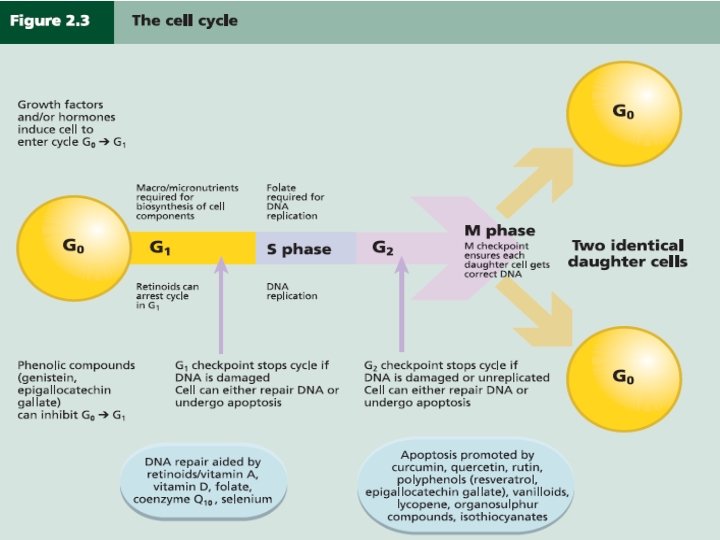
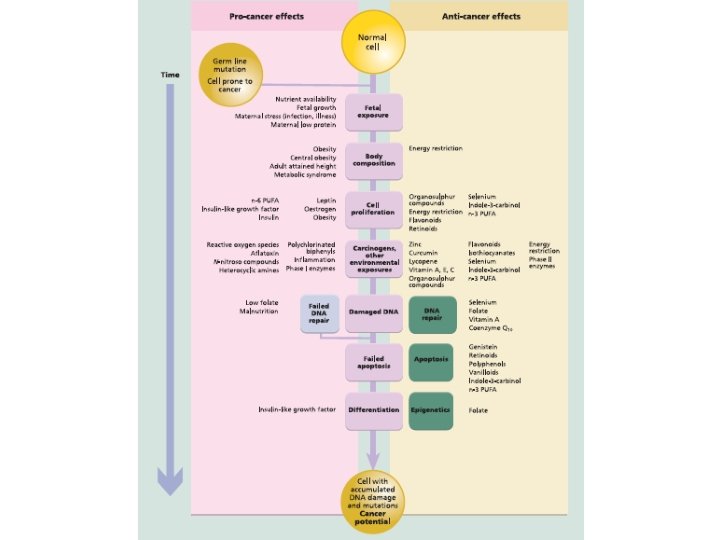
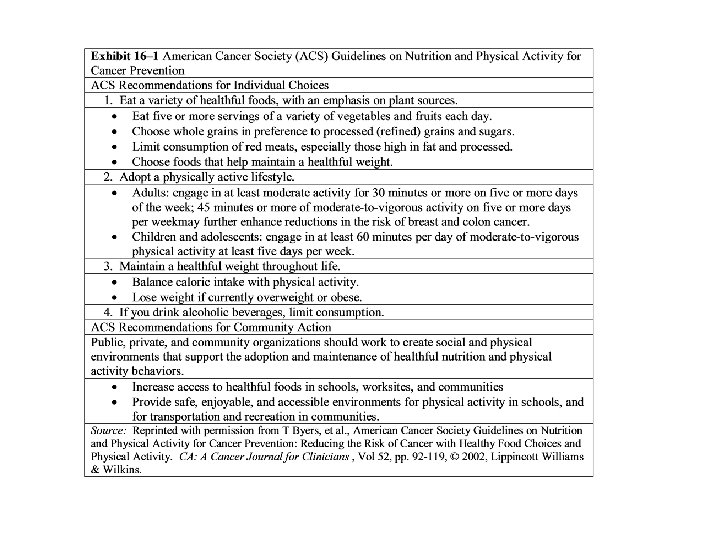
Diet

- Slides: 101