
Psychosocial Aspects of Obesity Christy Greenleaf Ph D
Psychosocial Aspects of Obesity Christy Greenleaf, Ph. D. University of North Texas
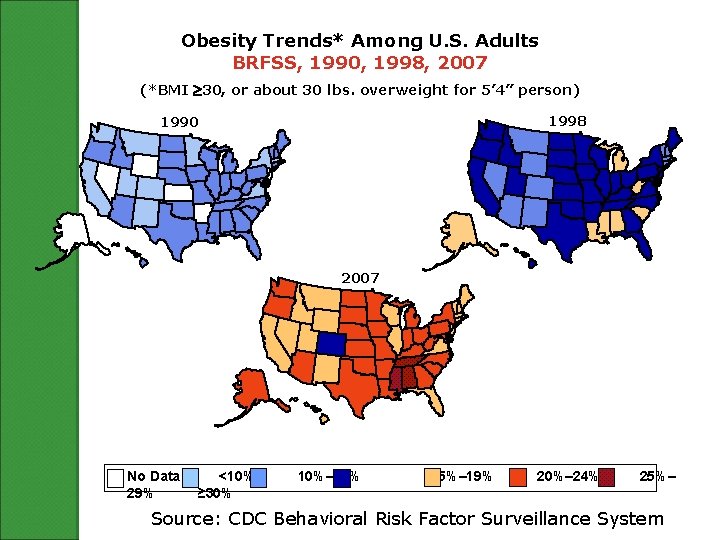
Obesity Trends* Among U. S. Adults BRFSS, 1990, 1998, 2007 (*BMI 30, or about 30 lbs. overweight for 5’ 4” person) 1998 1990 2007 No Data 29% <10% ≥ 30% 10%– 14% 15%– 19% 20%– 24% 25%– Source: CDC Behavioral Risk Factor Surveillance System
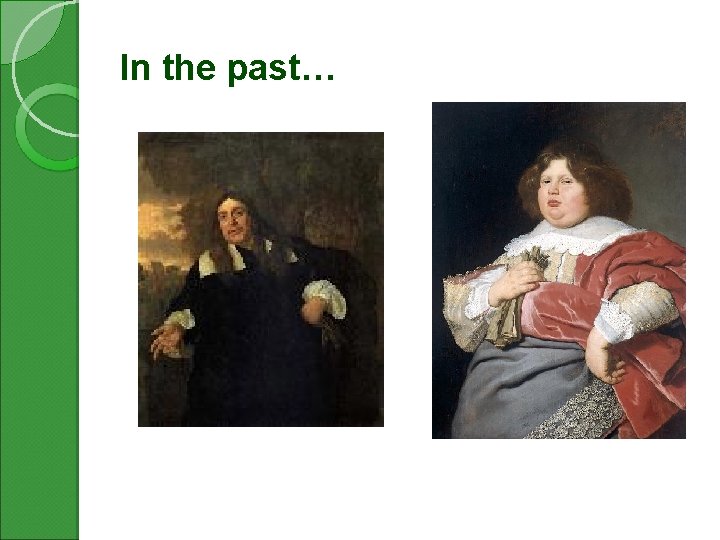
In the past…
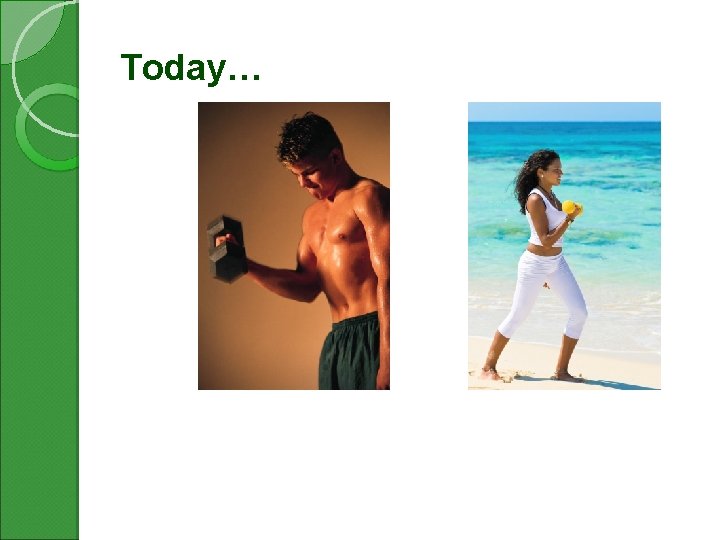
Today…
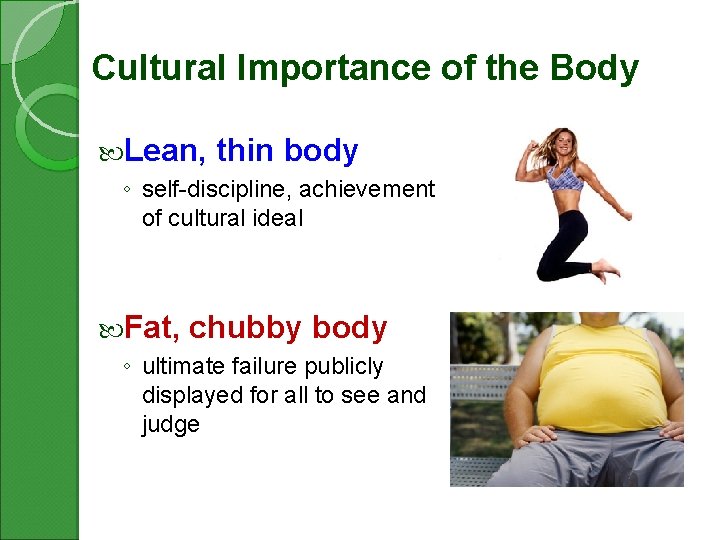
Cultural Importance of the Body Lean, thin body ◦ self-discipline, achievement of cultural ideal Fat, chubby body ◦ ultimate failure publicly displayed for all to see and judge
Cultural Importance of the Body Heightened social consciousness and awareness of “the body” • booming diet industry, estimated to bring in over $40 -50 billion dollars each year • mass media which idealizes an ultralean physique • social value placed on having a lean body
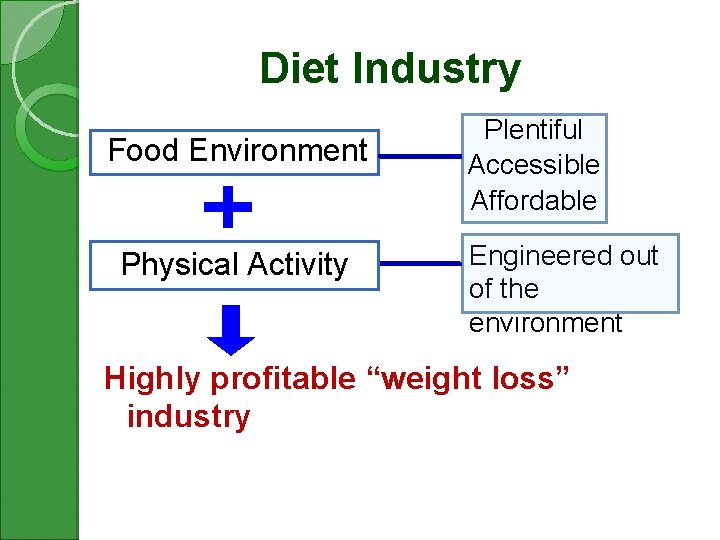
Diet Industry Food Environment Physical Activity Plentiful Accessible Affordable Engineered out of the environment Highly profitable “weight loss” industry

Toxic Environment
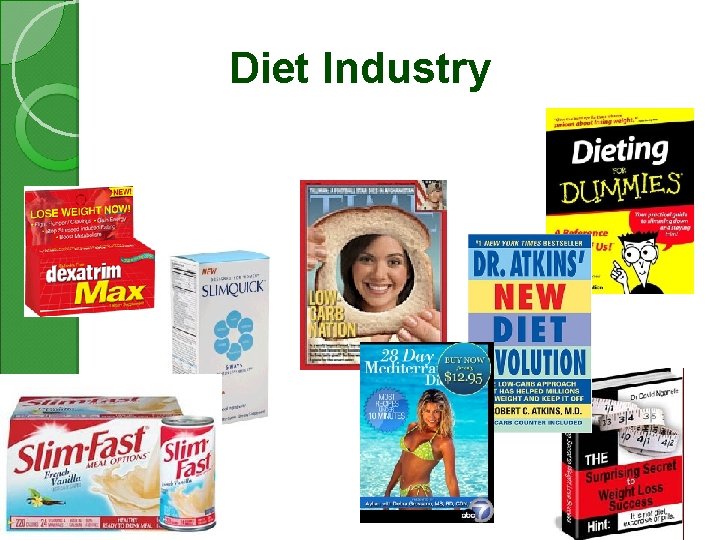
Diet Industry
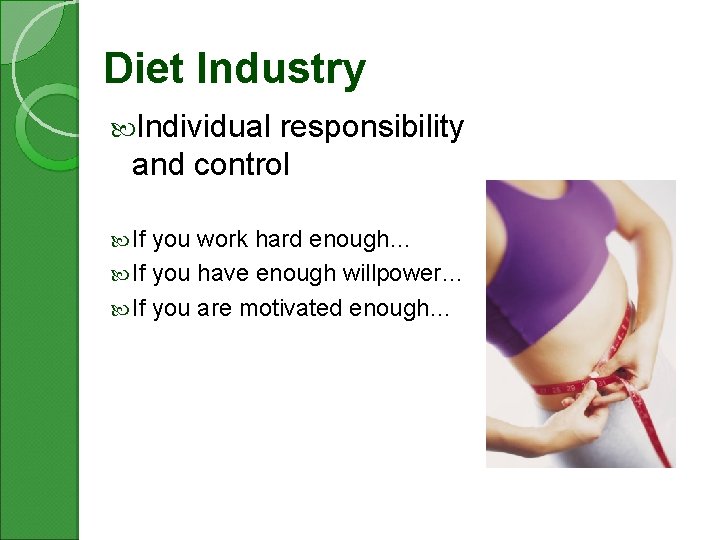
Diet Industry Individual responsibility and control If you work hard enough… If you have enough willpower… If you are motivated enough…
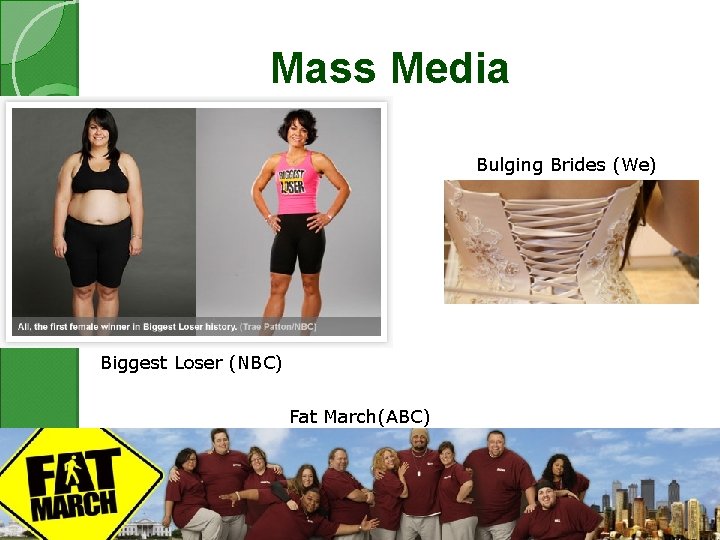
Mass Media Bulging Brides (We) Biggest Loser (NBC) Fat March(ABC)
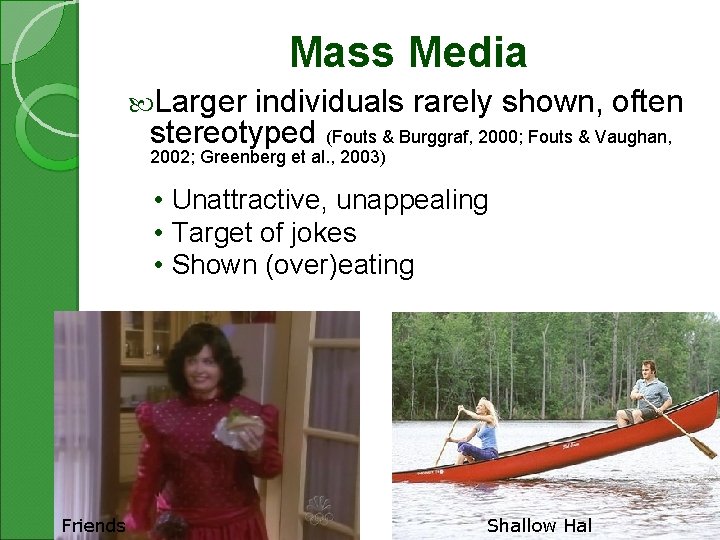
Mass Media Larger individuals rarely shown, often stereotyped (Fouts & Burggraf, 2000; Fouts & Vaughan, 2002; Greenberg et al. , 2003) • Unattractive, unappealing • Target of jokes • Shown (over)eating Friends Shallow Hal
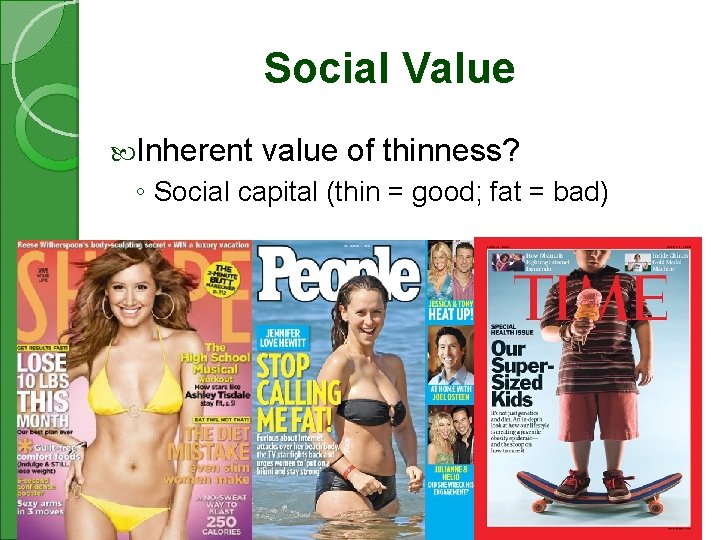
Social Value Inherent value of thinness? ◦ Social capital (thin = good; fat = bad)
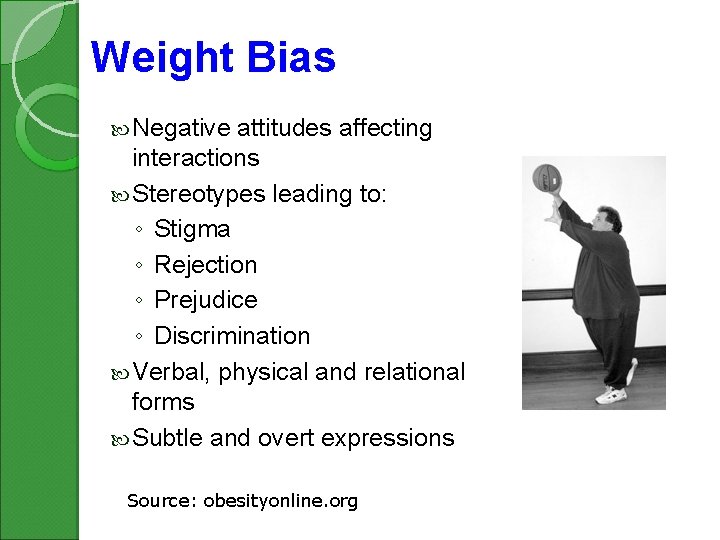
Weight Bias Negative attitudes affecting interactions Stereotypes leading to: ◦ Stigma ◦ Rejection ◦ Prejudice ◦ Discrimination Verbal, physical and relational forms Subtle and overt expressions Source: obesityonline. org
Social Realities of Weight Bias Overweight people are one of the last socially acceptable targets for bias and discrimination (Puhl & Brownell, 2001) WHY? • Body as controllable, malleable • Attributions • Perceived social consensus
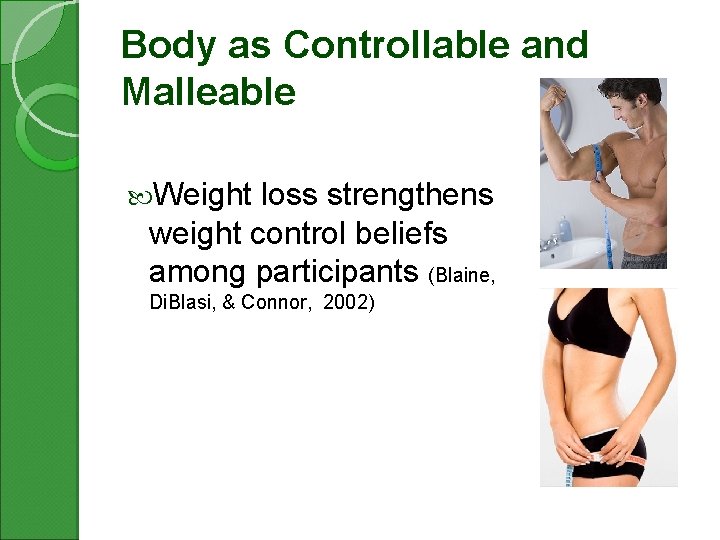
Body as Controllable and Malleable Weight loss strengthens weight control beliefs among participants (Blaine, Di. Blasi, & Connor, 2002)
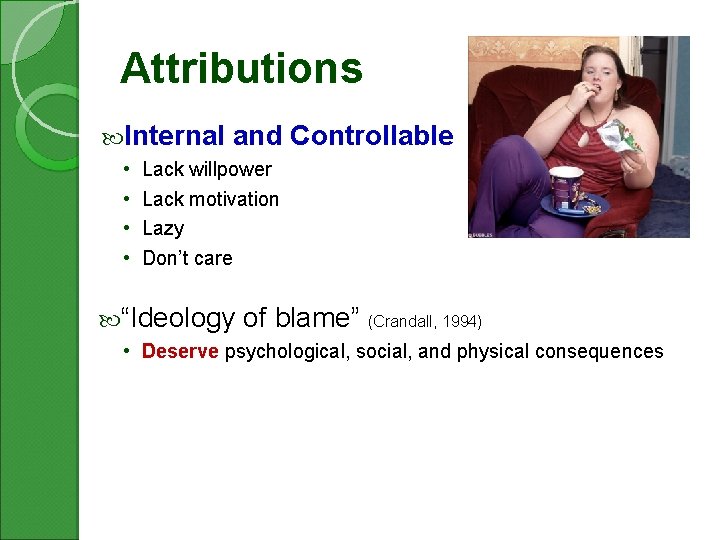
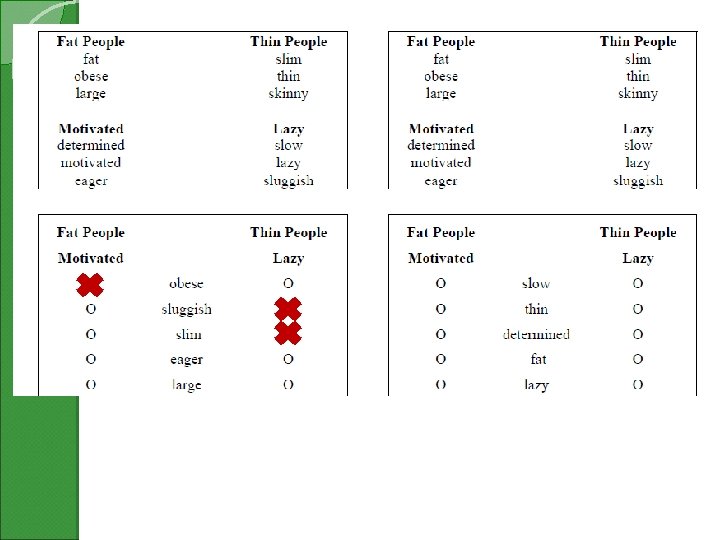
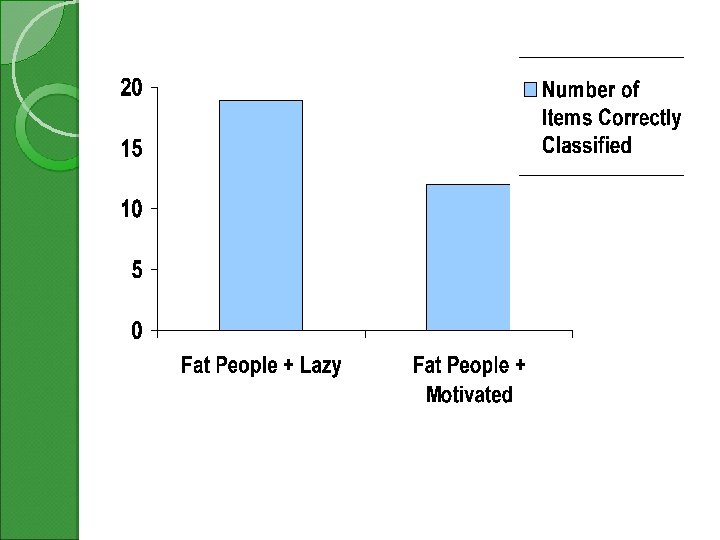
Attributions Internal • • and Controllable Lack willpower Lack motivation Lazy Don’t care “Ideology of blame” (Crandall, 1994) • Deserve psychological, social, and physical consequences
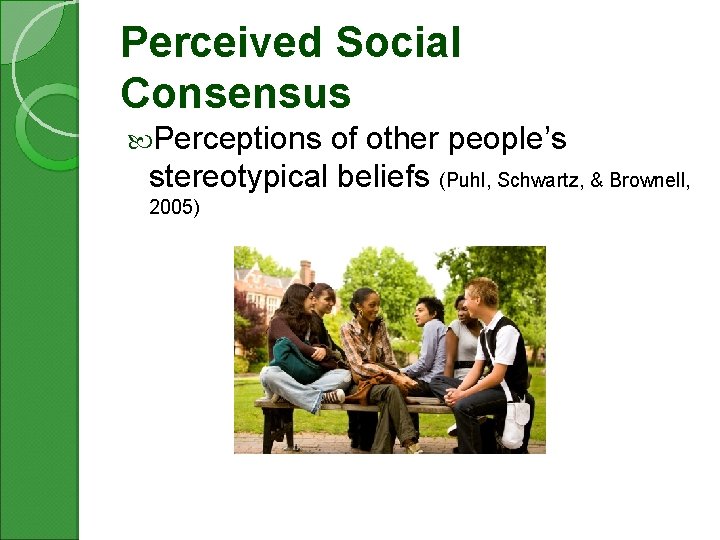
Perceived Social Consensus Perceptions of other people’s stereotypical beliefs (Puhl, Schwartz, & Brownell, 2005)
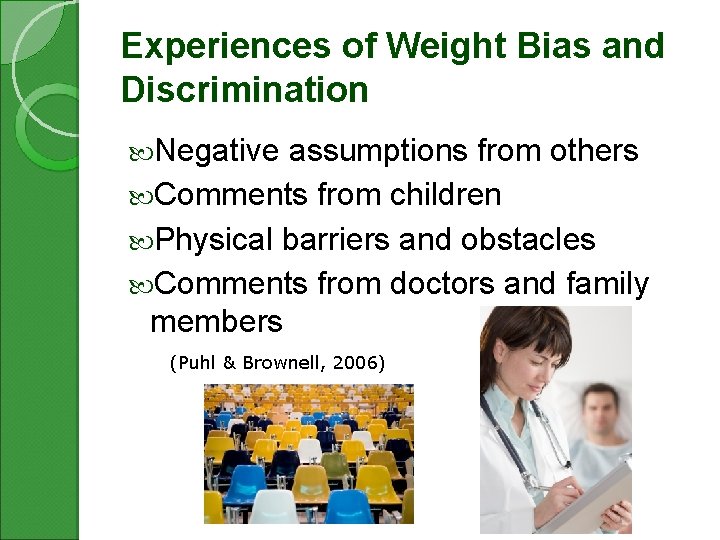
Experiences of Weight Bias and Discrimination Negative assumptions from others Comments from children Physical barriers and obstacles Comments from doctors and family members (Puhl & Brownell, 2006)
Prevalence of Weight Discrimination Reported experiences of weight discrimination among adults = 12% (Andreyeva, Puhl, & Brownell, 2008) • 4 th most prevalent form of discrimination • Rates similar to race (11%) & age (14%) discrimination
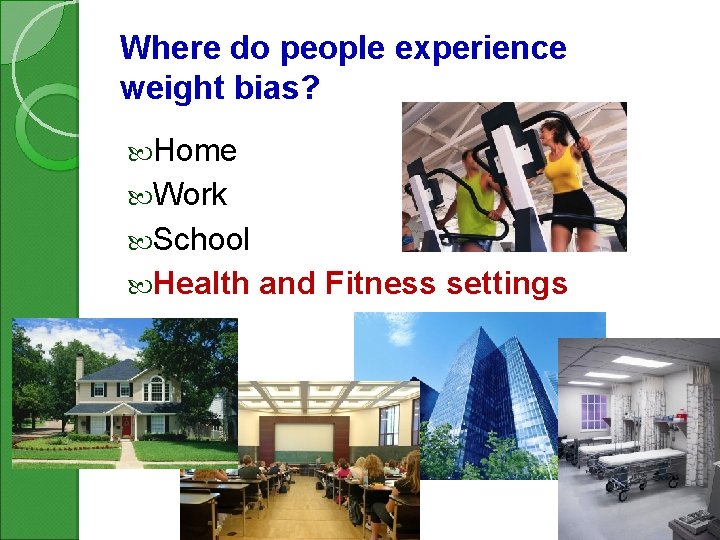
Where do people experience weight bias? Home Work School Health and Fitness settings
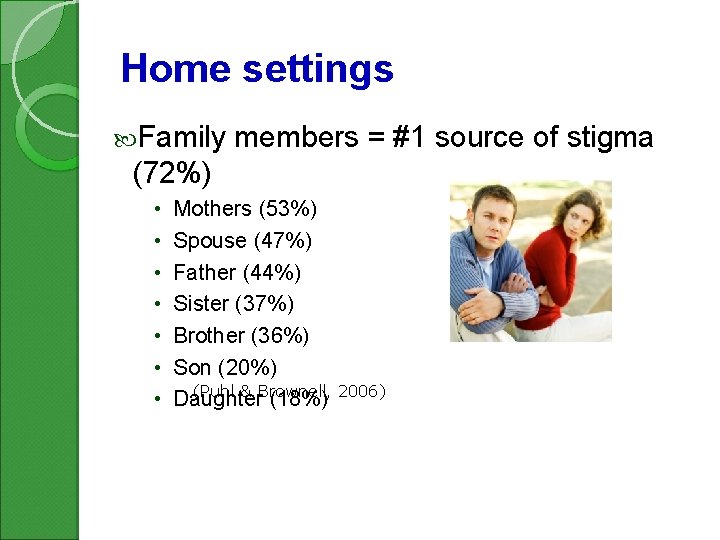
Home settings Family members = #1 source of stigma (72%) • • Mothers (53%) Spouse (47%) Father (44%) Sister (37%) Brother (36%) Son (20%) (Puhl & Brownell, 2006) Daughter (18%)
Work settings Job interviews/hiring practices Wages, promotions, employment termination Overweight/obese employees perceived as… • • Less conscientious Less agreeable Less emotionally stable Less extroverted Research contradicts these perceptions (Puhl & Brownell, 2001; Puhl & Heuer, 2009)
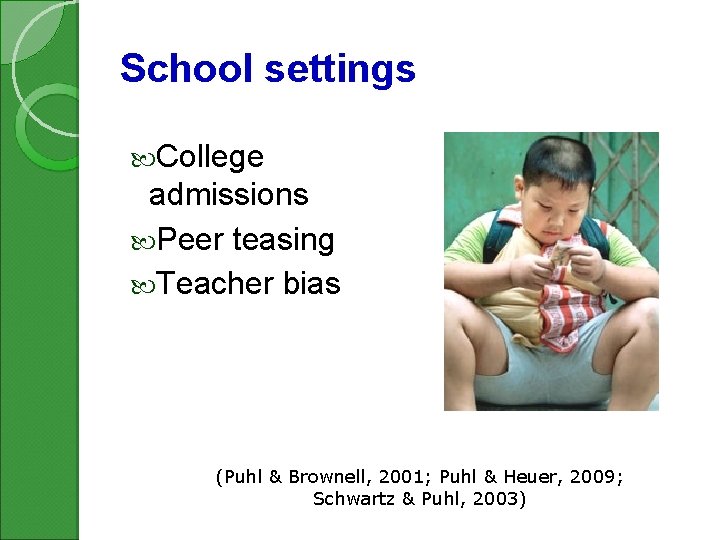
School settings College admissions Peer teasing Teacher bias (Puhl & Brownell, 2001; Puhl & Heuer, 2009; Schwartz & Puhl, 2003)
Health and Fitness settings Health care providers (#2 source of stigma) Obesity specialists Medical students Physicians Fitness professionals Nurses Physical education Dieticians teachers (Puhl & Brownell, 2001; Puhl & Heuer, 2009)
Health and Fitness settings Physicians • Overweight/Obesity = Behavioral problem • Do not feel confident in their treatment of overweight/obesity • Treatment of overweight/obesity is useless (Campbell et al. , 2000; Hebl & Xu, 2001; Kristeller & Hoerr, 1997; Puhl & Heuer, 2009)
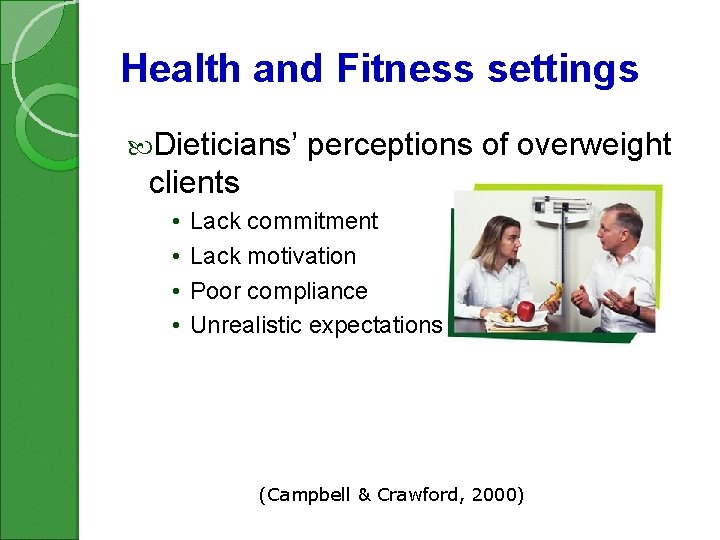
Health and Fitness settings Dieticians’ perceptions of overweight clients • • Lack commitment Lack motivation Poor compliance Unrealistic expectations (Campbell & Crawford, 2000)
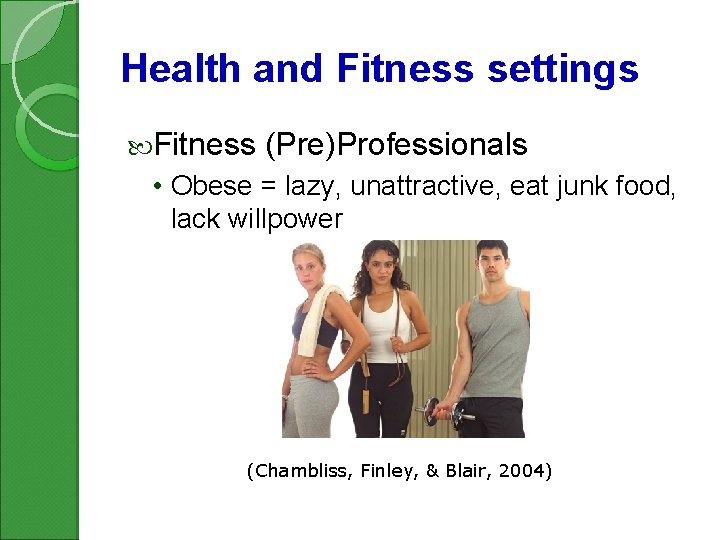
Health and Fitness settings Fitness (Pre)Professionals • Obese = lazy, unattractive, eat junk food, lack willpower (Chambliss, Finley, & Blair, 2004)
Health and Fitness settings Fitness Professionals • Perceive overweight clients as lazy and unmotivated (Robertson & Vohora, 2008) • Should role model healthy weight • Feel competent to prescribe exercise for weight loss • Find helping clients lose weight gratifying (Hare et al. , 2000)
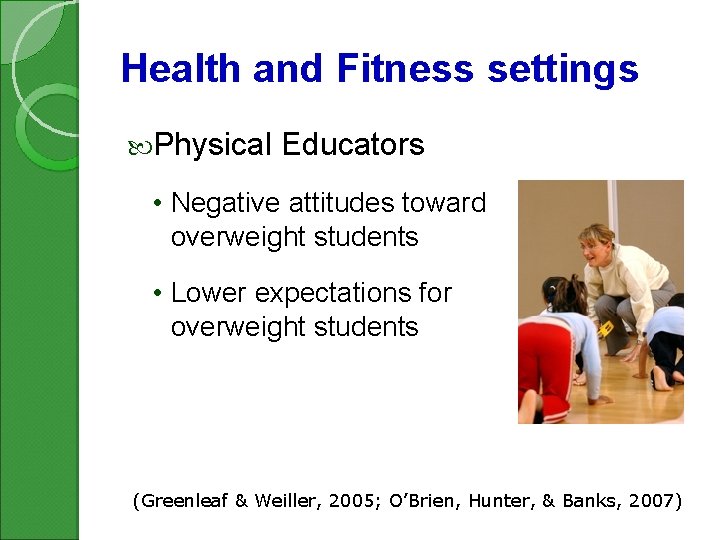
Health and Fitness settings Physical Educators • Negative attitudes toward overweight students • Lower expectations for overweight students (Greenleaf & Weiller, 2005; O’Brien, Hunter, & Banks, 2007)
Why Care about Weight Bias? Fosters blame and intolerance Impacts multiple domains of living Hurts quality of life for adults and children Has serious medical and emotional effects Source: obesityonline. org
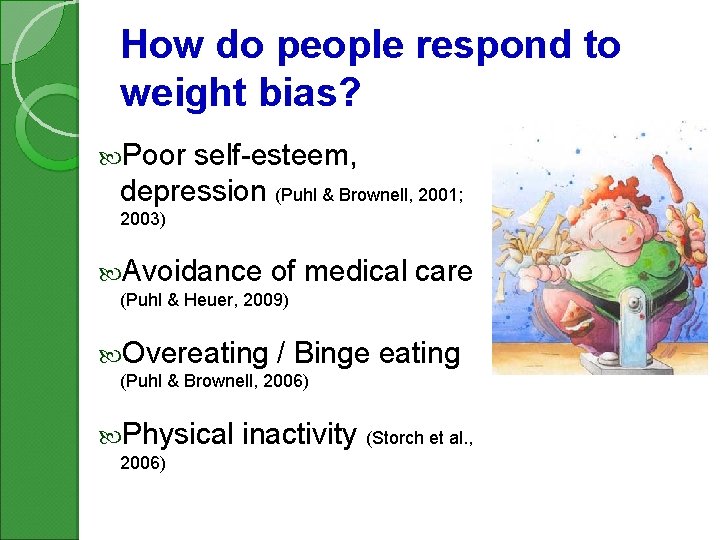
How do people respond to weight bias? Poor self-esteem, depression (Puhl & Brownell, 2001; 2003) Avoidance of medical care (Puhl & Heuer, 2009) Overeating / Binge eating (Puhl & Brownell, 2006) Physical 2006) inactivity (Storch et al. ,
Practical Implications Increased health and fitness professionals’ awareness Implicit Associations Test (IAT) https: //implicit. harvard. edu/
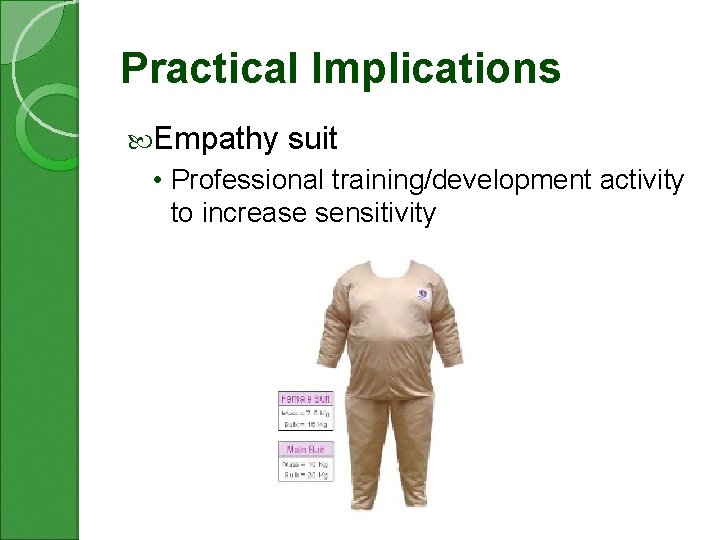
Practical Implications Empathy suit • Professional training/development activity to increase sensitivity
Empathy Suit (focus group) “I just never imagined that it would be that hard to walk and get up out of a chair and stuff” “you would just (avoid doing things)… and people would call you lazy, but the thing is it’s just that hard”
Practical Implications Revised educational training and professional development models • Kinesiology students feel no more prepared to work with overweight/obese individuals than other majors (Greenleaf et al. , 2008)
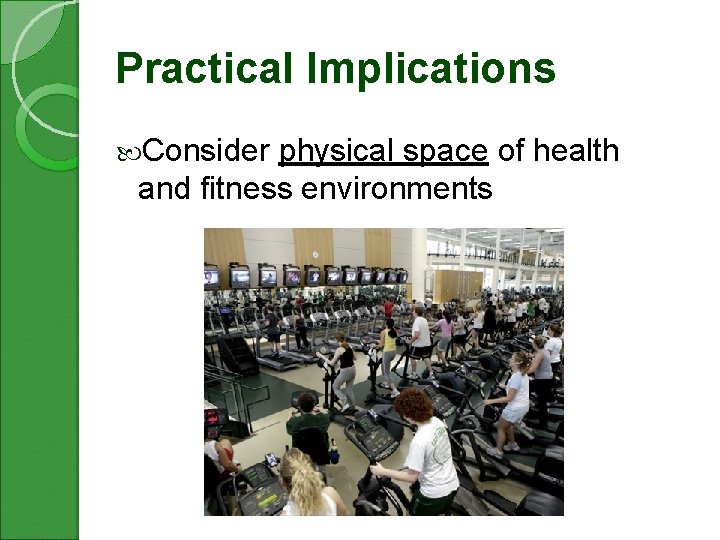
Practical Implications Consider physical space of health and fitness environments
Weight Friendly Fitness Facility Evaluation (Chambliss, Patton, Martin & Greenleaf, 2004) Checklist to evaluate the “weight friendliness” of a facility ◦ Facilities and operations ◦ Equipment ** ◦ Programming ◦ Staff
Practical Implications Recognize importance of word choice and language • Obese - particularly negative social meaning, implying a sense of disgust (Berg, 1998) • Overweight - conveys the idea that there is some “correct” weight a person “should” weigh (Berg, 1998)
Practical Implications Desirable and undesirable weight terminology among obese individuals… (Wadden & Didie, 2003) • Least preferred: fatness, excess fat, obesity and large size • More preferred: weight, heaviness, BMI, excess weight, unhealthy body weight, weight problem, and unhealthy BMI
Practical Implications Resources § Active at Any Size § Rudd Center for Food Policy and Obesity
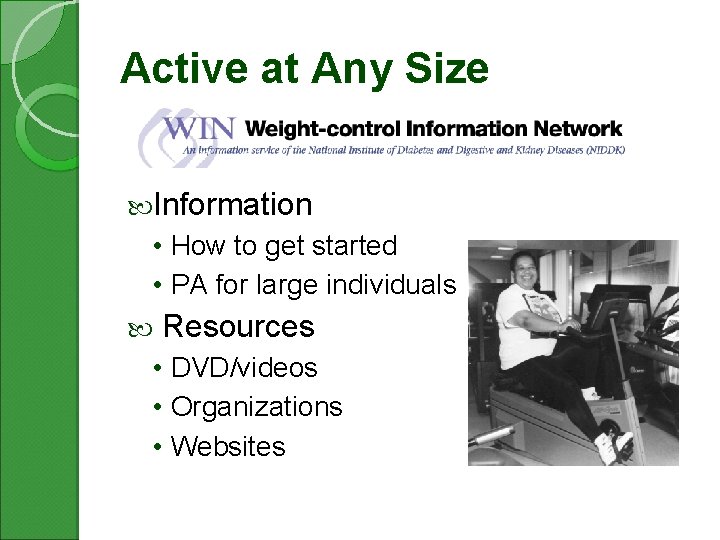
Active at Any Size Information • How to get started • PA for large individuals Resources • DVD/videos • Organizations • Websites
Rudd Center for Food Policy and Obesity Leaders in weight bias research and advocacy Resources for teachers, doctors, families, and policy makers (www. yaleruddcenter. org)
KEY POINT “…thin people do not have a monopoly on health and fitness. Fit and healthy bodies come in all shapes and sizes” (Blair, 2002)
Thank You! Questions or Comments?
- Slides: 47