
Psychological Capital Substance Use Disorder Recovery Process PROF
Psychological Capital: Substance Use Disorder & Recovery Process PROF. DR UZMA ALI DIRECTOR INSTITUTE OF CLINICAL PSYCHOLOGY, UOK PAKISTAN ADVANCED MEMBER ISSUP –GLOBAL MEMBER, ISSUP PAKISTAN CHAPTER
Scheme of Presentation SUD and Recovery Elements of Recovery Management Recovery Capital Psychological Capital, strategies to enhance in Recovery Questions & Answers

Substance Use Disorder: Recovery According to SA and MH services Administration Blog by SAMHSA (2011). UTC-Manual 2 Recovery is a process of change whereby individuals works to improve their own health and wellness and to live a meaningful life in a community of their choice while striving to achieve their full potentials.
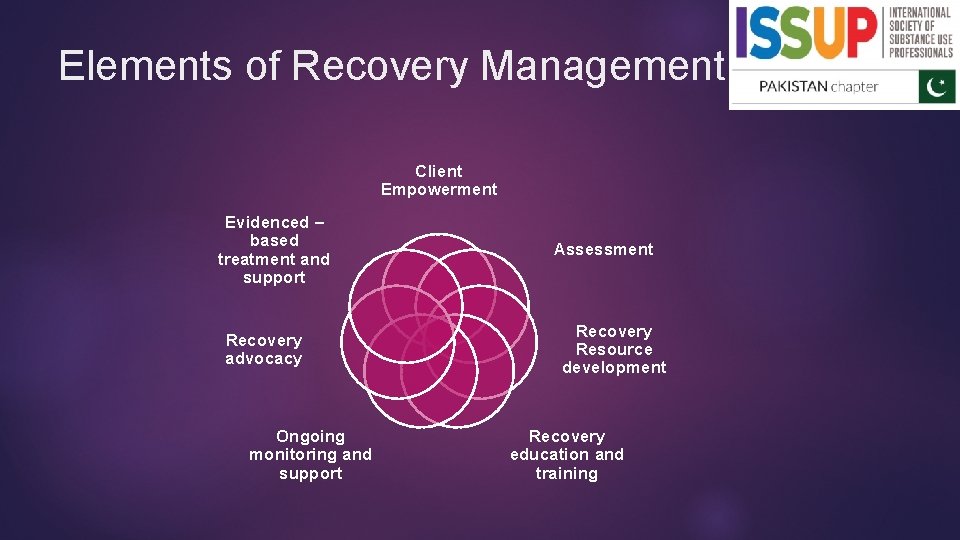
Elements of Recovery Management Client Empowerment Evidenced – based treatment and support Recovery advocacy Ongoing monitoring and support Assessment Recovery Resource development Recovery education and training
Recovery Capital Recovery capital comprises everything you have working to your advantage when trying to stay sober. The more forms of recovery capital you have, and the better the quality, the easier recovery will be. On the other hand, if you have little or no recovery capital, you may have trouble staying sober even if you have received quality treatment. Recovery capital falls into basically four categories.
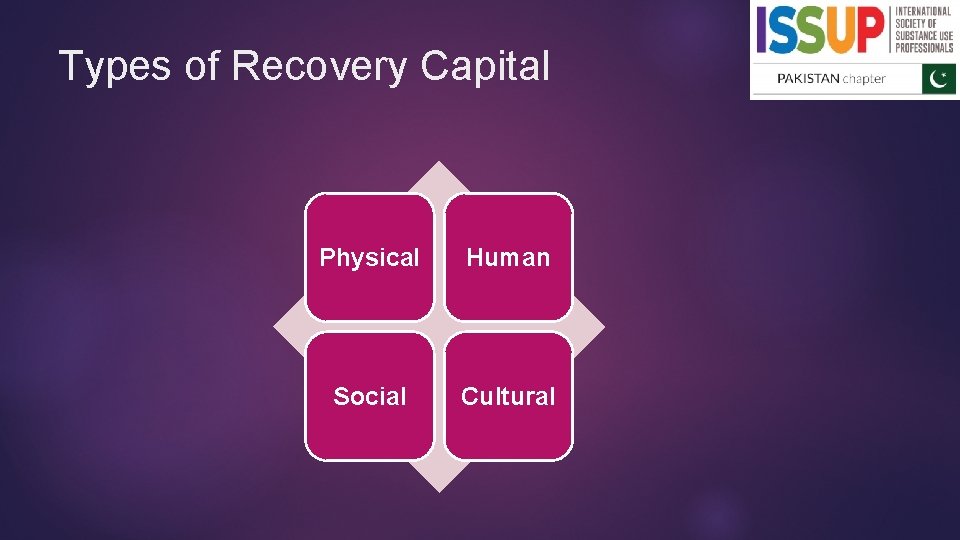
Types of Recovery Capital Physical Human Social Cultural
Psychological Capital Psychological capital (Psy. Cap) is ‘the positive psychological state of a person in the process of growth and development, which goes beyond human capital and social capital, and is a psychological resource to promote personal growth and performance improvement’, defined by Lythans in Kim, Kaplowitz and Johnston (2004).
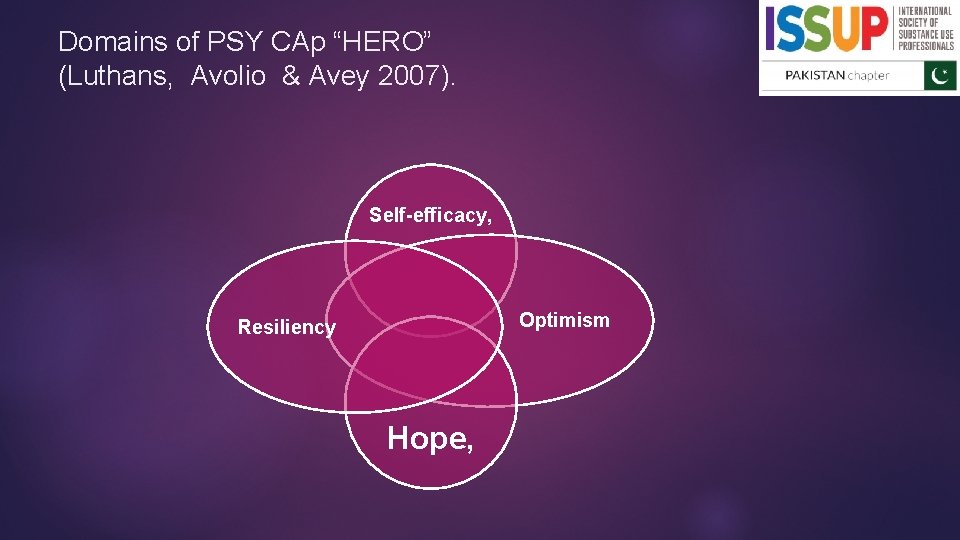
Domains of PSY CAp “HERO” (Luthans, Avolio & Avey 2007). Self-efficacy, Optimism Resiliency Hope,
1 -HOPE and Recovery HOPE Belief and expectation are the key elements of hope; elements that can block pain and have important effects on both physical and physiological processes. Hope has the ability to help people heal. Instead of wishing for something to happen – hope is solid, concrete evidence that something will happen. Hope allows people to approach the challenges of life with a positive mindset; a feeling of desire for certain things to happen. Hope keeps people going.
Strategies to improve hope Listen To And Share Stories Of Hope Accept Your Current Situation Find A Direction For Life Develop A Meaningful Plan
2. Self-Efficacy and Recovery The American Psychological Association (APA) defines selfefficacy as An individual’s belief in his or her capacity to execute behaviors necessary to produce specific performance attainments. Your self-efficacy is a reflection of your confidence in your ability to control your own motivation, behavior, and responses to your environment.
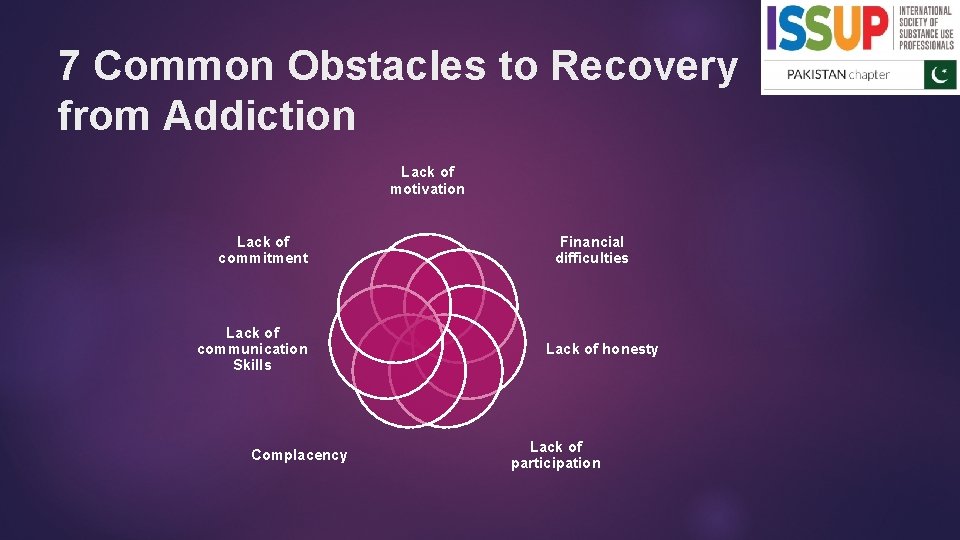
7 Common Obstacles to Recovery from Addiction Lack of motivation Lack of commitment Lack of communication Skills Complacency Financial difficulties Lack of honesty Lack of participation
How to Improve Your Self Efficacy in Addiction Recovery Overcome obstacles in recovery. Maintain relationships with peers in recovery. Prioritize your emotional and psychological wellness. Start Improving Your Self-Efficacy Now: Enroll in Sober Living
3. Resilience & Recovery The term “resilience” is derived from the Latin word “resilio, ” which means to jump or bounce back. Resilient people possess a certain degree of strength that allows them to accomplish several things. First, they can accept reality as it is. Second, they have a deep belief that life has meaning. Third, they can improvise.
Resilience-cont Resiliency allows people to step back briefly, regroup and move forward. No matter how long you stay away from harmful substances, there may be some unexpected surprises. While these surprises can lead to stress, they do not have to result in a return to using if you have developed some useful emotional wellness tools.
Strategies to improve resilience Learn from the past- There is no failure only feedback Accept that change will happen- Come to cause side Have a support system Emphasize self-care Be grateful-Counting the Positive
4 -Optimism and Recovery Optimism is a mental attitude reflecting a belief or hope that the outcome of some specific behavior/action. Being optimistic, in the typical sense of the word, is defined as expecting the best possible outcome from any given situation. This is usually referred to in psychology as dispositional optimism. It thus reflects a belief that future conditions will work out for the best. . Optimism may also be linked to health.
Strategies to stay “Optimistic” Surround Yourself With Positive People Moderate Expectations Achieve Positivity By Helping Others Take Care of Yourself

Questions & Answers Uzma_kamranali@yahoo. com
- Slides: 19