
PsychoanalyticFreud Criticism Sigmund Freud The unconsciou s activities

- Slides: 10
Psychoanalytic/Freud Criticism
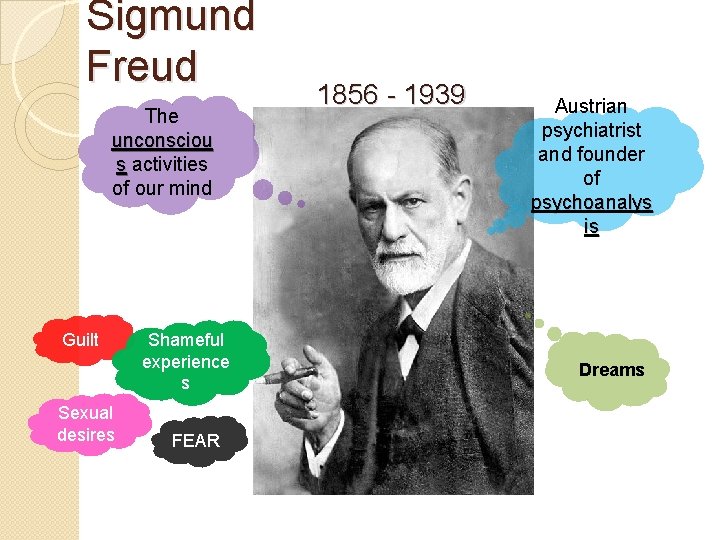
Sigmund Freud The unconsciou s activities of our mind Guilt Sexual desires Shameful experience s FEAR 1856 - 1939 Austrian psychiatrist and founder of psychoanalys is Dreams
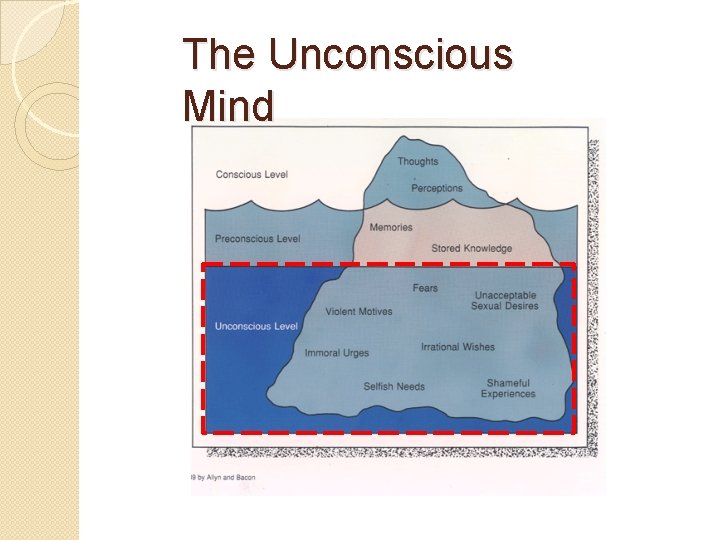
The Unconscious Mind
To the… PSYCHOANALYTIC CRITICISM
The Beginning of Psychoanalytic Criticism Freud’s belief in the significance of dreams leads to the study of psychoanalytic criticism They are also revealed in creative arts – such as in literature “A work of literature is a fantasy or a dream” (Murfin 507) Analyzing literature is similar to analyzing dreams – also applies Freud’s theories
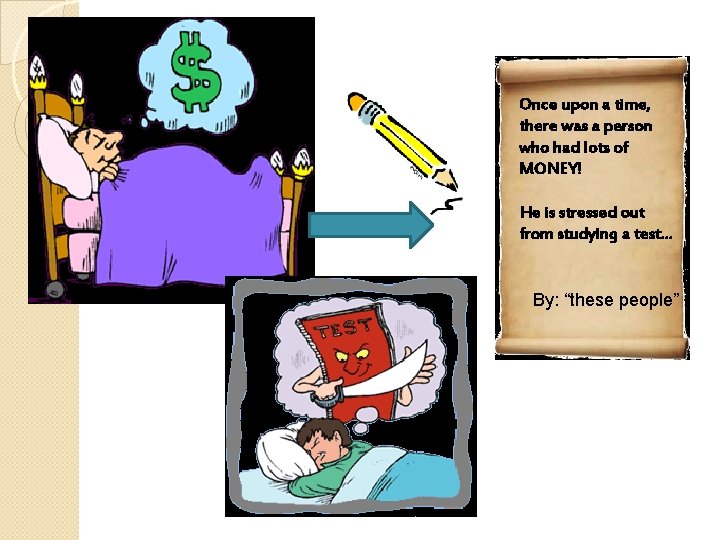
Once upon a time, there was a person who had lots of MONEY! He is stressed out from studying a test… By: “these people”
Analyzing Literature (in Depth) Manifest content & latent content Manifest content – the surface of a work Latent content – the real desire (hidden) because writers often express their secret unconscious desires and anxieties indirectly in text Psychoanalytic literary critic tries to expose the latent content of a work
Analyzing Literature (in Depth) Latent form – writers often disguise their unconscious mind through principles such as Symbolism - the repressed object represented in disguise Condensation – thoughts or persons condensed into a single image Displacement – anxiety or wish displaced onto the image of another
Personality Model In a later generation, psychoanalytic critics analyze characters within the novel using Freud’s famous Personality model Critics see them as a projection of author’s psyche Personality structure: Id – the child Superego – the conscience Ego – the thinking part of both id and superego