
Psych 2 Statistical Methods for Psychology and Social
- Slides: 59
Psych 2 – Statistical Methods for Psychology and Social Science G. W. GIBSON, PHD, LMFT
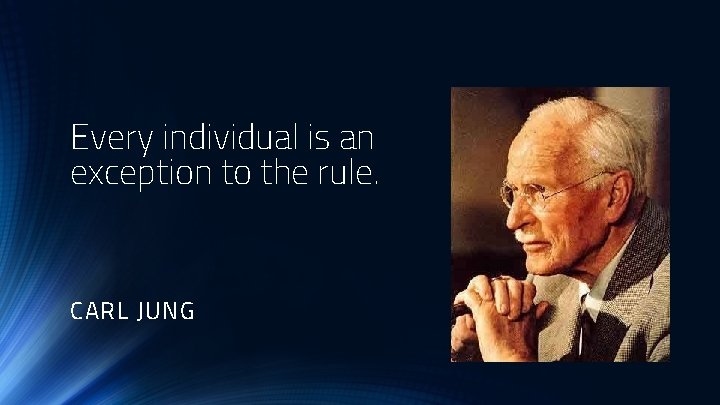
Every individual is an exception to the rule. CARL JUNG
Psych 2: Statistical Methods Unit 1: Introduction to Statistics 2: Descriptive Statistics 3: Probability 4: Inferential Statistics 5: T Test & ANOVA 6: Chi-square 3
Unit 1: Introduction to Statistics
Unit 1: Introduction to Statistics 1. 1 1. 2 1. 3 1. 4 1. 5 Definition Groups Scales of Measurement Frequency Distribution Algebra Review 5
1. 1 Definition Statistics: Statistics is the science of data. It involves collecting, classifying, analyzing, interpreting, and presenting numerical information. 6
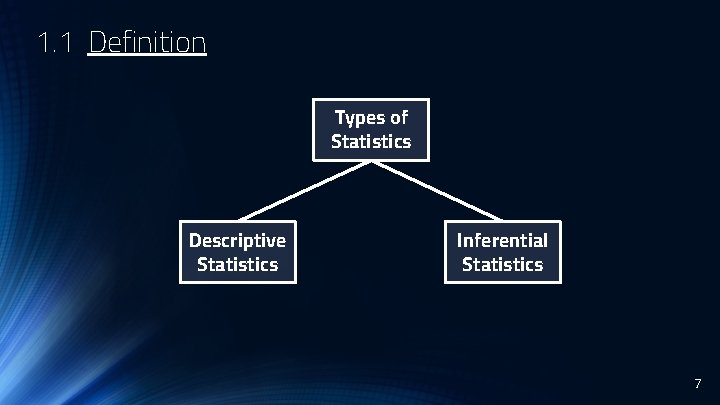
1. 1 Definition Types of Statistics Descriptive Statistics Inferential Statistics 7
1. 1 Definition Descriptive Statistics A descriptive statistic is a statistic that summarizes and describes a set of data. Examples are frequencies, percentages, means, and medians. 8
1. 1 Definition Inferential Statistics An inferential statistic is a statistic that indicates how much confidence we can have in generalizing results from a sample to a population. Examples are correlation tests, t tests, analysis of variance tests, and Chi-square tests. 9
1. 1 Definition 10
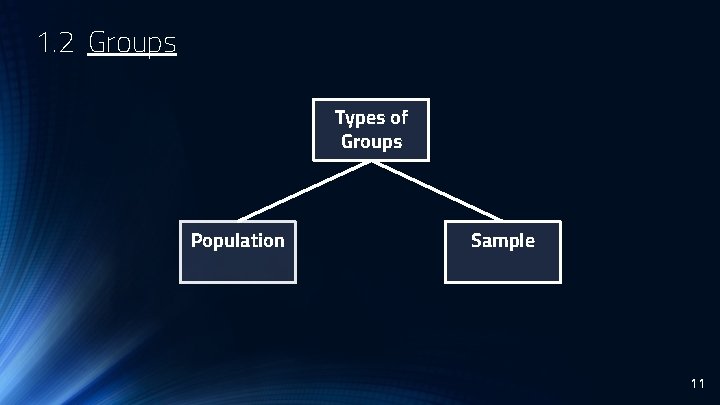
1. 2 Groups Types of Groups Population Sample 11
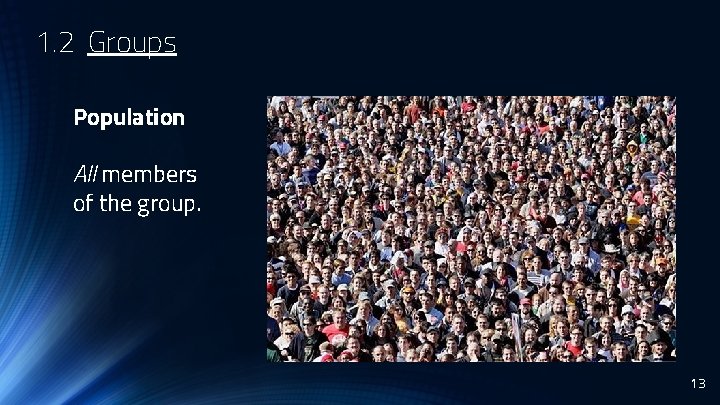
1. 2 Groups Population A population is a group in which a researcher is interested. A population can be quite small or can be extremely large in size. There is no so-called minimum number of people in a population. 12
1. 2 Groups Population All members of the group. 13
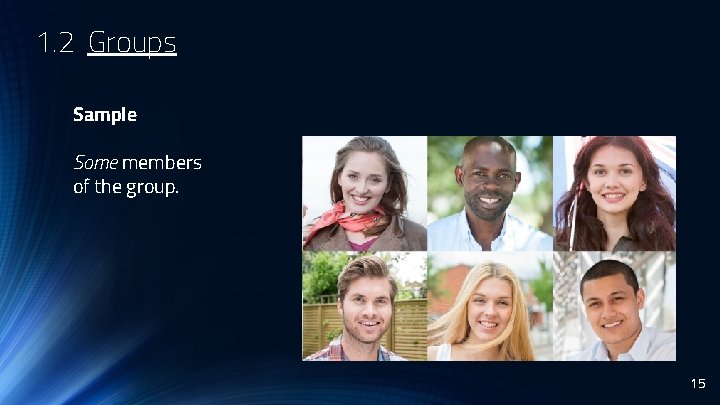
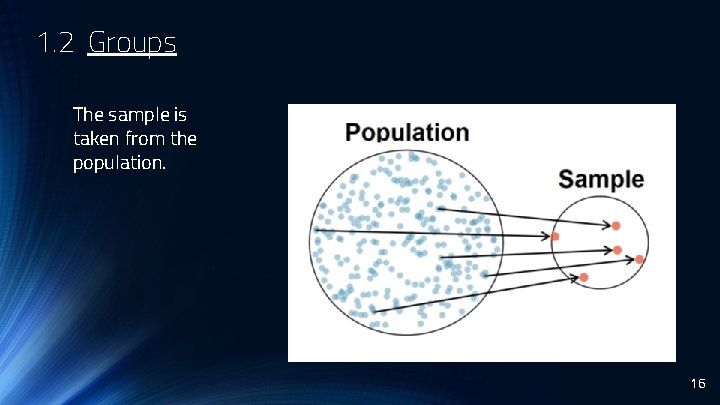
1. 2 Groups Sample A sample is a group selected from a population. A sample should represent the population from which it was chosen, as much as possible. 14
1. 2 Groups Sample Some members of the group. 15
1. 2 Groups The sample is taken from the population. 16
1. 2 Groups 17
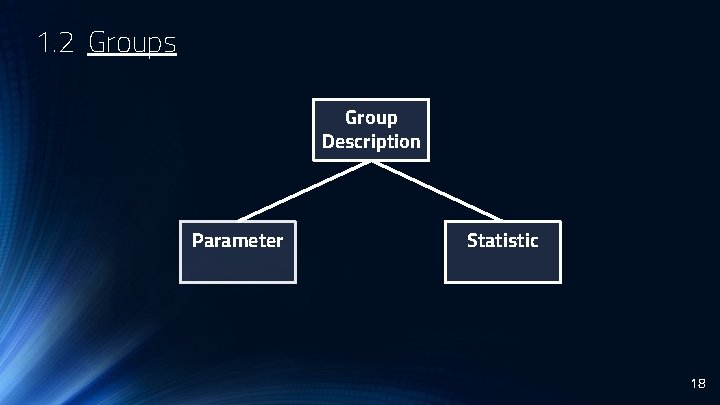
1. 2 Groups Group Description Parameter Statistic 18
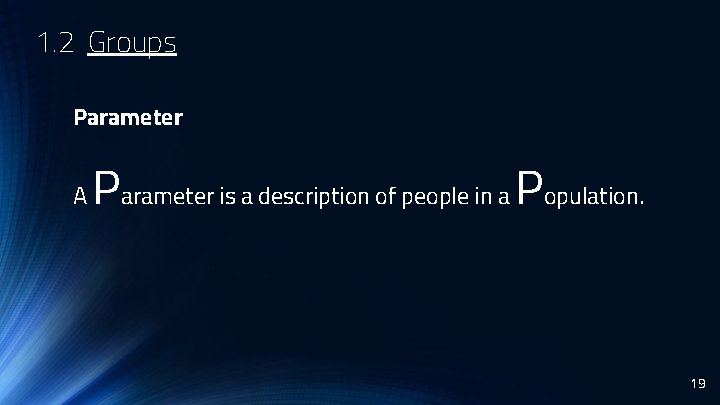
1. 2 Groups Parameter A Parameter is a description of people in a Population. 19
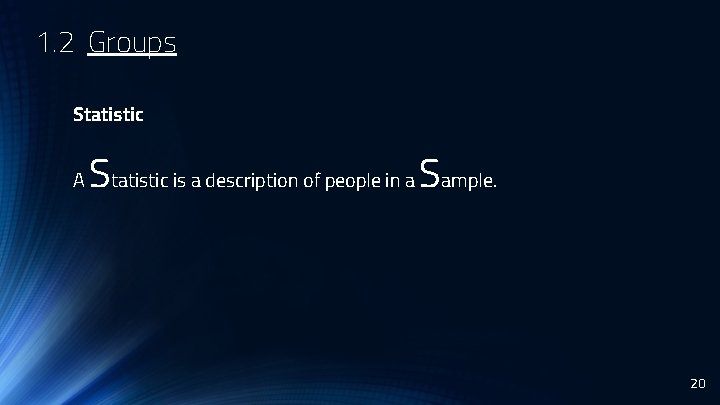
1. 2 Groups Statistic A Statistic is a description of people in a Sample. 20
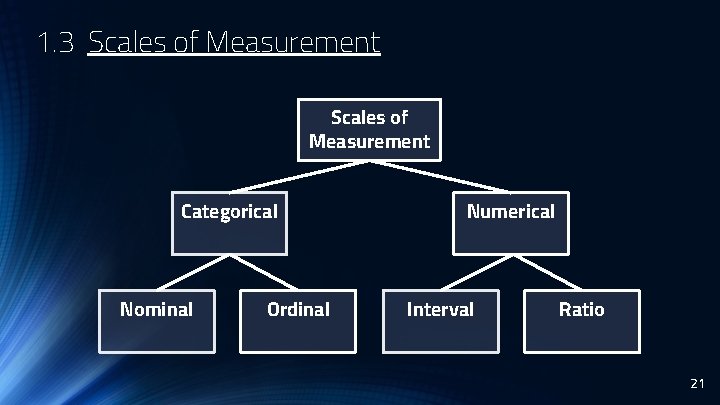
1. 3 Scales of Measurement Categorical Nominal Ordinal Numerical Interval Ratio 21
1. 3 Scales of Measurement Nominal A nominal scale involves categories. Nominal scale questions typically require word answers. 22
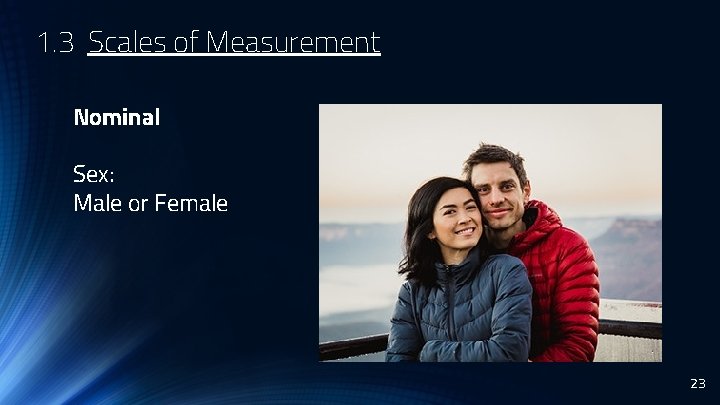
1. 3 Scales of Measurement Nominal Sex: Male or Female 23
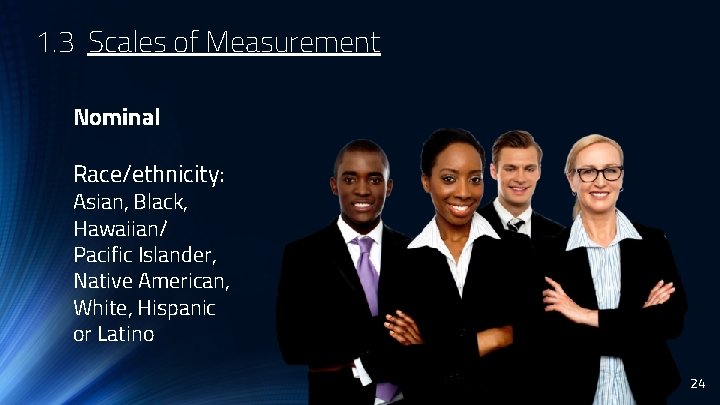
1. 3 Scales of Measurement Nominal Race/ethnicity: Asian, Black, Hawaiian/ Pacific Islander, Native American, White, Hispanic or Latino 24
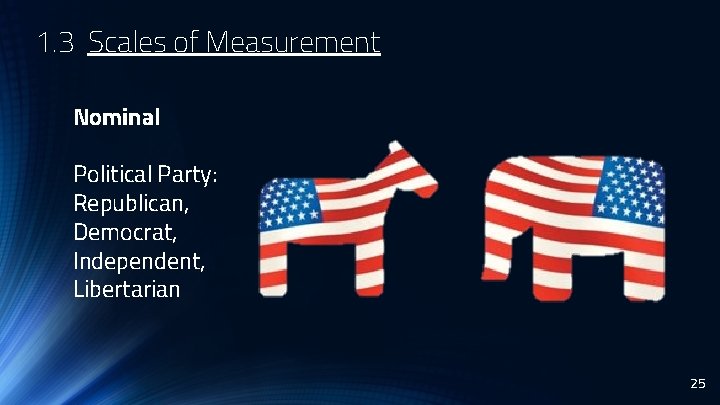
1. 3 Scales of Measurement Nominal Political Party: Republican, Democrat, Independent, Libertarian 25
1. 3 Scales of Measurement Ordinal An ordinal scale involves categories that have order or hierarchy. Ordinal values are like nominal values, but with order. 26
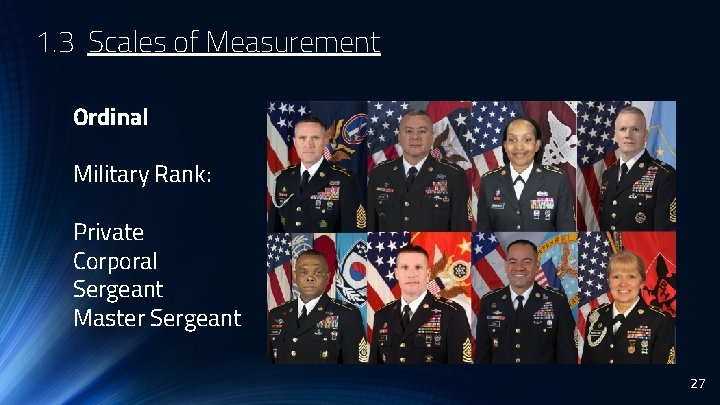
1. 3 Scales of Measurement Ordinal Military Rank: Private Corporal Sergeant Master Sergeant 27
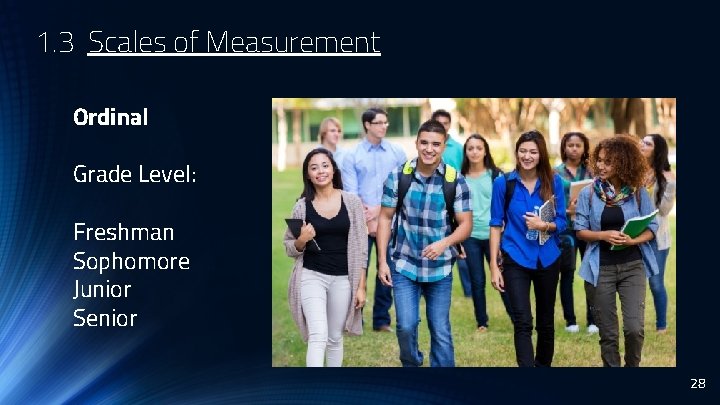
1. 3 Scales of Measurement Ordinal Grade Level: Freshman Sophomore Junior Senior 28
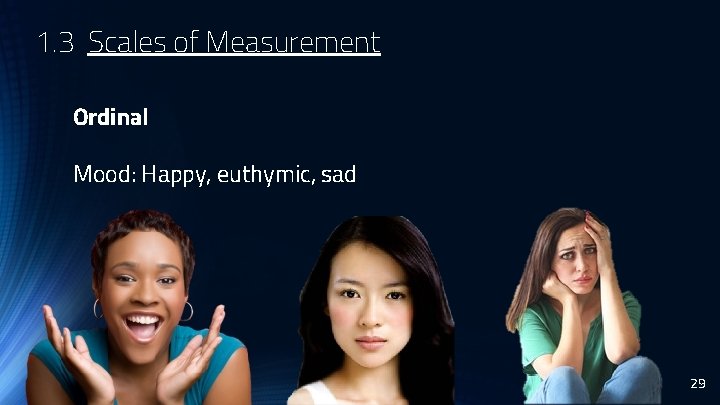
1. 3 Scales of Measurement Ordinal Mood: Happy, euthymic, sad 29
1. 3 Scales of Measurement Interval An interval scale has an equal distance between 'points' or values and no meaningful zero point or value. Interval scale questions require numerical answers. 30
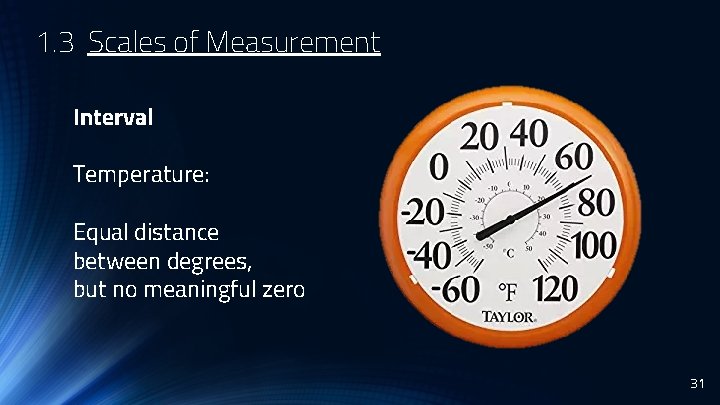
1. 3 Scales of Measurement Interval Temperature: Equal distance between degrees, but no meaningful zero 31
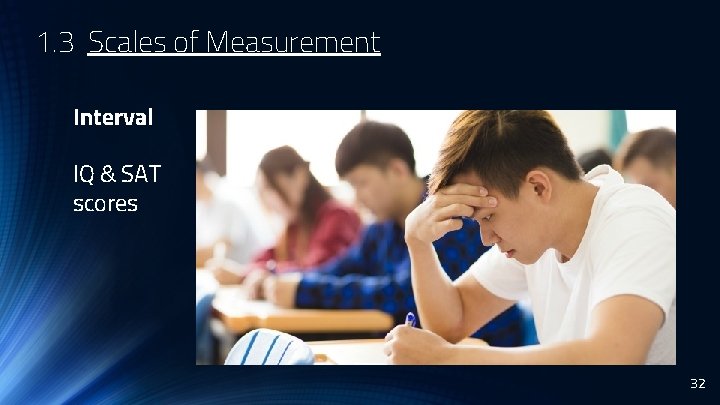
1. 3 Scales of Measurement Interval IQ & SAT scores 32
1. 3 Scales of Measurement Ratio A ratio scale has an equal distance between values and a meaningful zero point. Ratio scale questions require numerical answers. 33
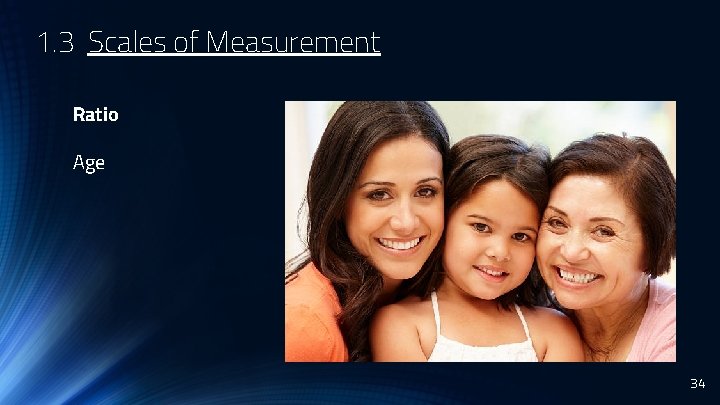
1. 3 Scales of Measurement Ratio Age 34
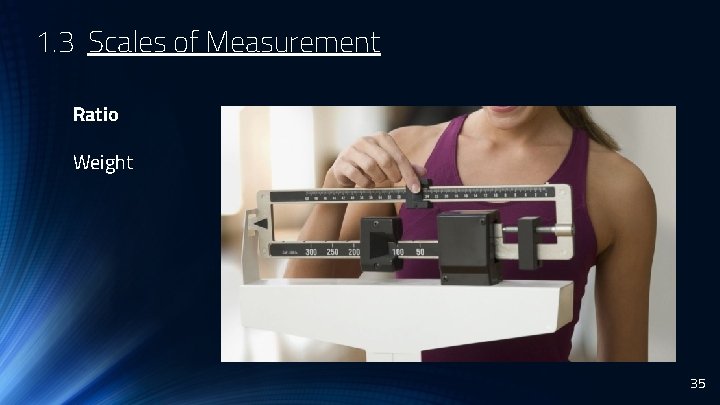
1. 3 Scales of Measurement Ratio Weight 35
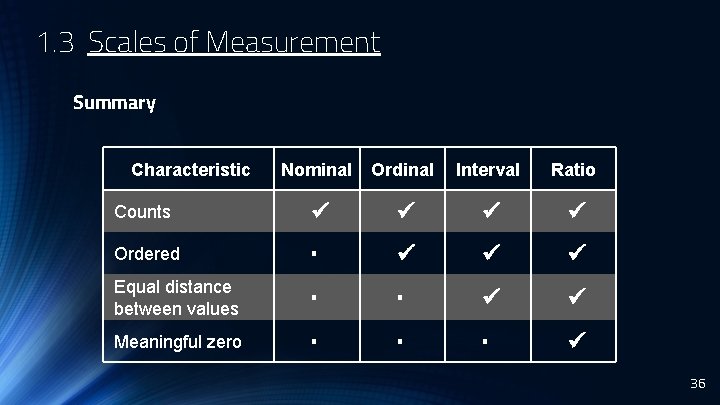
1. 3 Scales of Measurement Summary Characteristic Counts Ordered Equal distance between values Meaningful zero Nominal Ordinal Interval Ratio ü ü ü ü ü 36
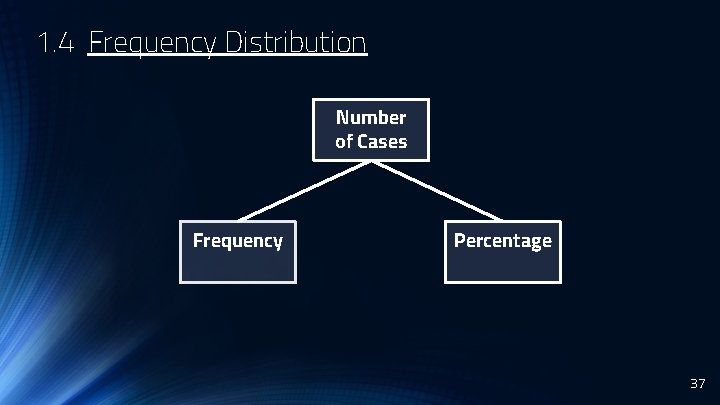
1. 4 Frequency Distribution Number of Cases Frequency Percentage 37
1. 4 Frequency Distribution Frequency A frequency refers to the number cases (e. g. people) with a certain “characteristic” or the number cases who obtained a certain score or score interval. 38
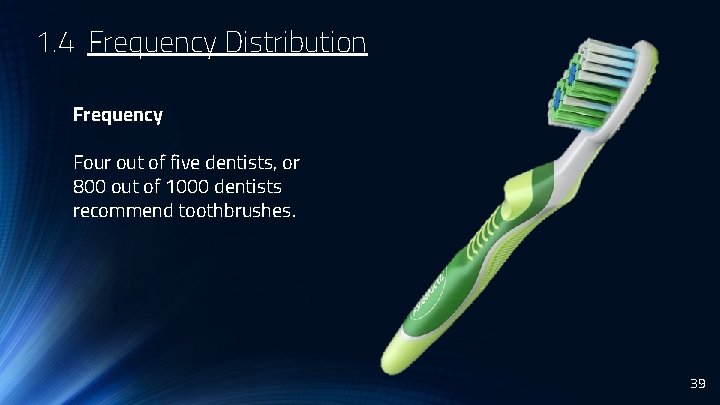
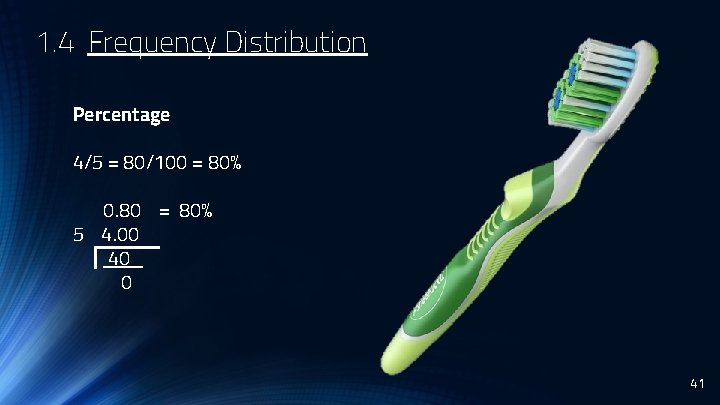
1. 4 Frequency Distribution Frequency Four out of five dentists, or 800 out of 1000 dentists recommend toothbrushes. 39
1. 4 Frequency Distribution Percentage A percentage (or relative frequency) refers to the number cases (e. g. people) per 100 cases, with a certain “characteristic” or who obtained a certain score or score interval. 40
1. 4 Frequency Distribution Percentage 4/5 = 80/100 = 80% 0. 80 = 80% 5 4. 00 40 0 41
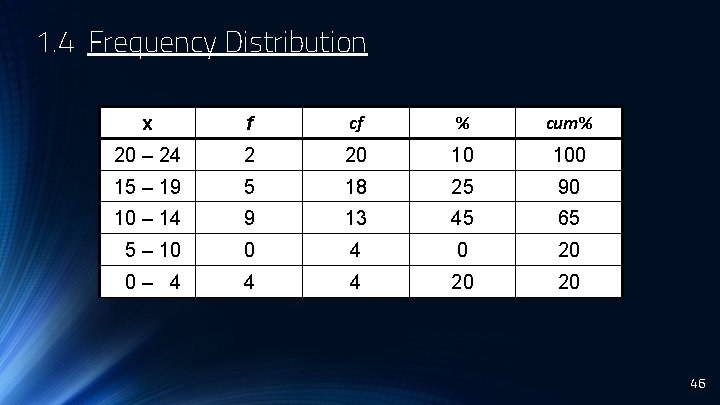
1. 4 Frequency Distribution Cumulative Frequency A cumulative frequency refers to the number of cases (e. g. people) who scored at or below a given score or score interval (or category). 42
1. 4 Frequency Distribution Cumulative Percentage A cumulative percentage refers to the percentage of cases (e. g. people) who scored at or below a given score or score interval. A cumulative percentage is related to a percentile rank. 43
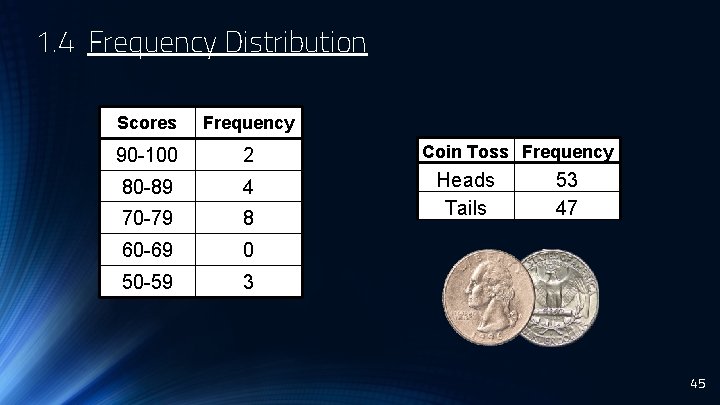
1. 4 Frequency Distribution A frequency distribution shows how many individuals received each score or scored in each score interval. 44
1. 4 Frequency Distribution Scores Frequency 90 -100 2 80 -89 4 70 -79 8 60 -69 0 50 -59 3 Coin Toss Frequency Heads Tails 53 47 45
1. 4 Frequency Distribution x f cf % cum% 20 – 24 2 20 10 100 15 – 19 5 18 25 90 10 – 14 9 13 45 65 5 – 10 0 4 0 20 0– 4 4 4 20 20 46
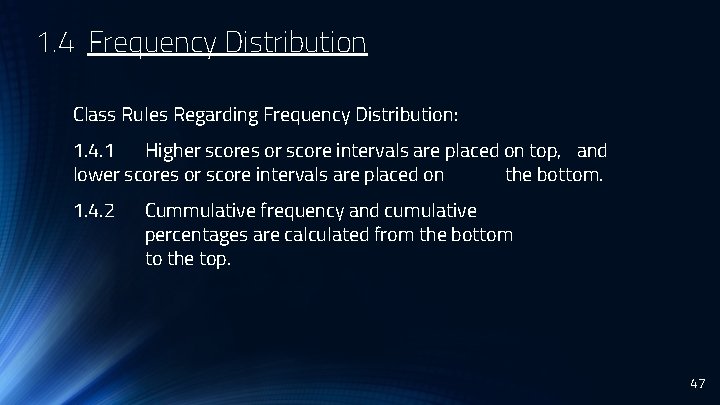
1. 4 Frequency Distribution Class Rules Regarding Frequency Distribution: 1. 4. 1 Higher scores or score intervals are placed on top, and lower scores or score intervals are placed on the bottom. 1. 4. 2 Cummulative frequency and cumulative percentages are calculated from the bottom to the top. 47
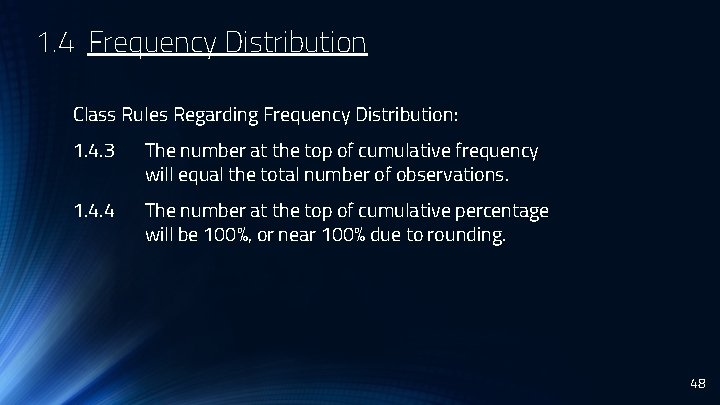
1. 4 Frequency Distribution Class Rules Regarding Frequency Distribution: 1. 4. 3 The number at the top of cumulative frequency will equal the total number of observations. 1. 4. 4 The number at the top of cumulative percentage will be 100%, or near 100% due to rounding. 48
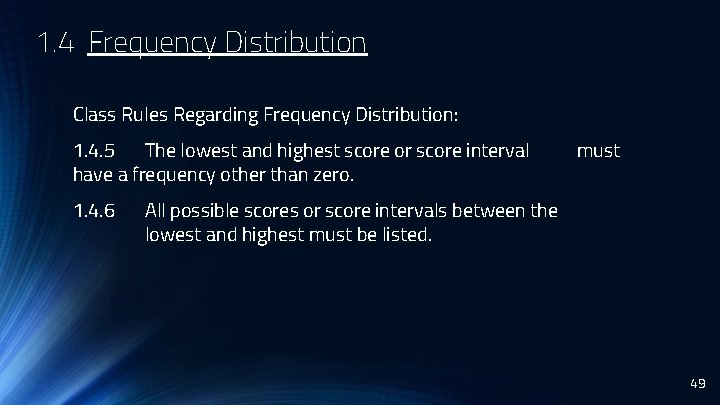
1. 4 Frequency Distribution Class Rules Regarding Frequency Distribution: 1. 4. 5 The lowest and highest score or score interval have a frequency other than zero. 1. 4. 6 must All possible scores or score intervals between the lowest and highest must be listed. 49
1. 5 Algebra Review • Basic Algebra • Add, subtract, multiply, divide, square root. • Order of operation (PEMDAS) • For this class, round off to two decimals places. 50
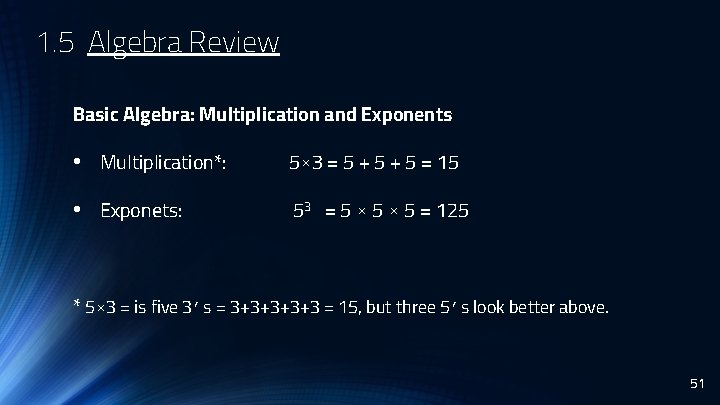
1. 5 Algebra Review Basic Algebra: Multiplication and Exponents • Multiplication*: 5× 3 = 5 + 5 = 15 • Exponets: 53 = 5 × 5 = 125 * 5× 3 = is five 3’s = 3+3+3 = 15, but three 5’s look better above. 51
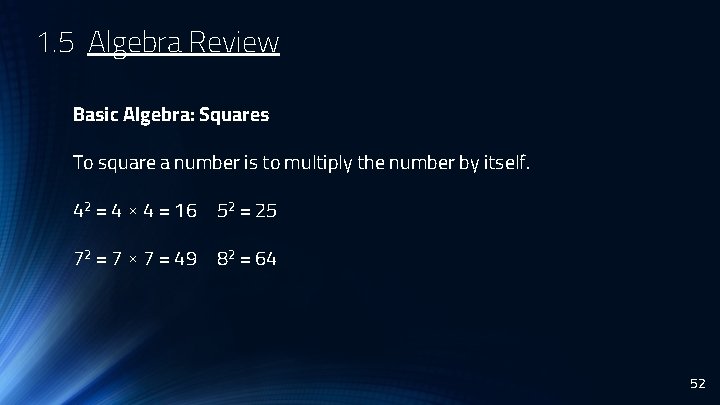
1. 5 Algebra Review Basic Algebra: Squares To square a number is to multiply the number by itself. 42 = 4 × 4 = 16 52 = 25 72 = 7 × 7 = 49 82 = 64 52
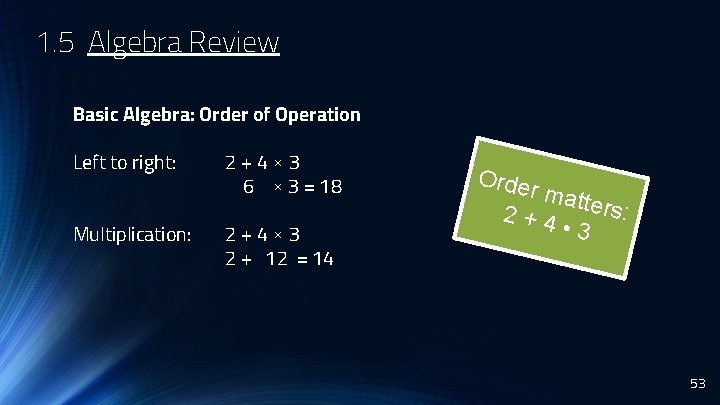
1. 5 Algebra Review Basic Algebra: Order of Operation Left to right: 2+4× 3 6 × 3 = 18 Multiplication: 2+4× 3 2 + 12 = 14 Orde r mat 2 + 4 ters: • 3 53
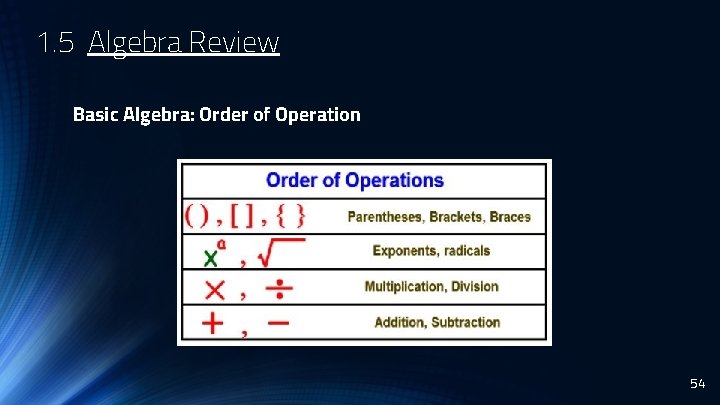
1. 5 Algebra Review Basic Algebra: Order of Operation 54
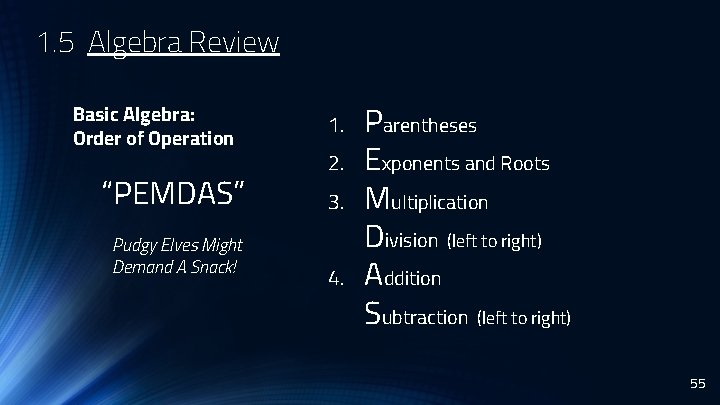
1. 5 Algebra Review Basic Algebra: Order of Operation “PEMDAS” Pudgy Elves Might Demand A Snack! 1. 2. 3. 4. Parentheses Exponents and Roots Multiplication Division (left to right) Addition Subtraction (left to right) 55
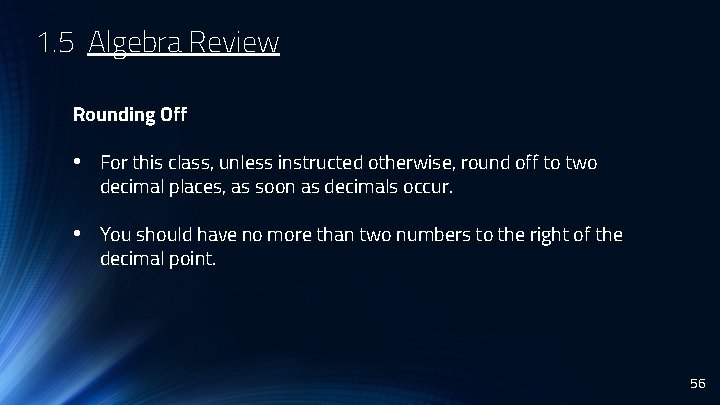
1. 5 Algebra Review Rounding Off • For this class, unless instructed otherwise, round off to two decimal places, as soon as decimals occur. • You should have no more than two numbers to the right of the decimal point. 56
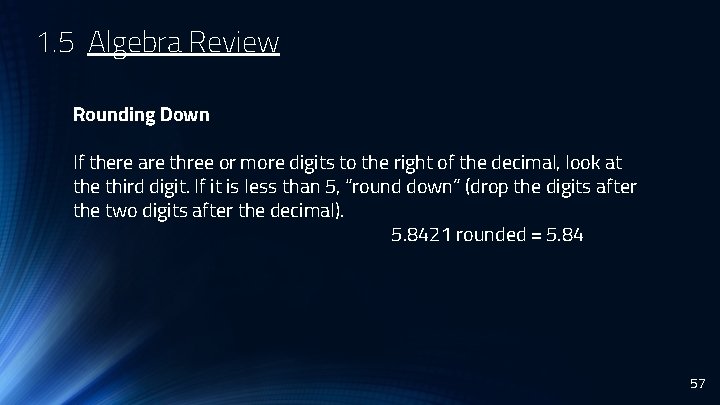
1. 5 Algebra Review Rounding Down If there are three or more digits to the right of the decimal, look at the third digit. If it is less than 5, “round down” (drop the digits after the two digits after the decimal). 5. 8421 rounded = 5. 84 57
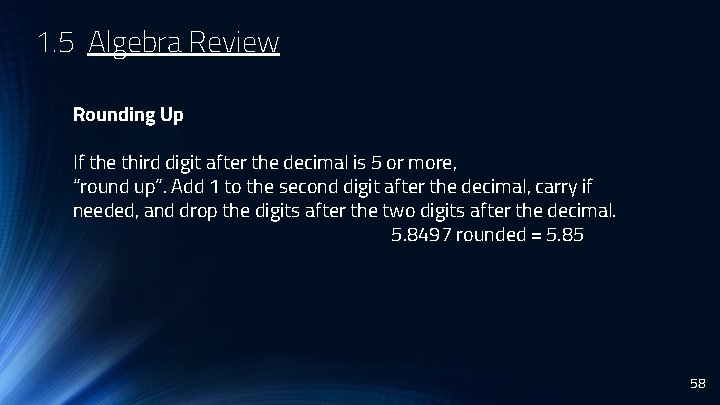
1. 5 Algebra Review Rounding Up If the third digit after the decimal is 5 or more, “round up”. Add 1 to the second digit after the decimal, carry if needed, and drop the digits after the two digits after the decimal. 5. 8497 rounded = 5. 85 58
1. 1 Algebra Review 59