
Pseudocoelomate Animals body cavity present but incompletely lined
Pseudocoelomate Animals • body cavity present but incompletely lined with mesoderm • body cavity is fluid filled and acts like a hydrostatic skeleton • complete digestive tract with 2 openings

Now I can poop and eat at the same time !
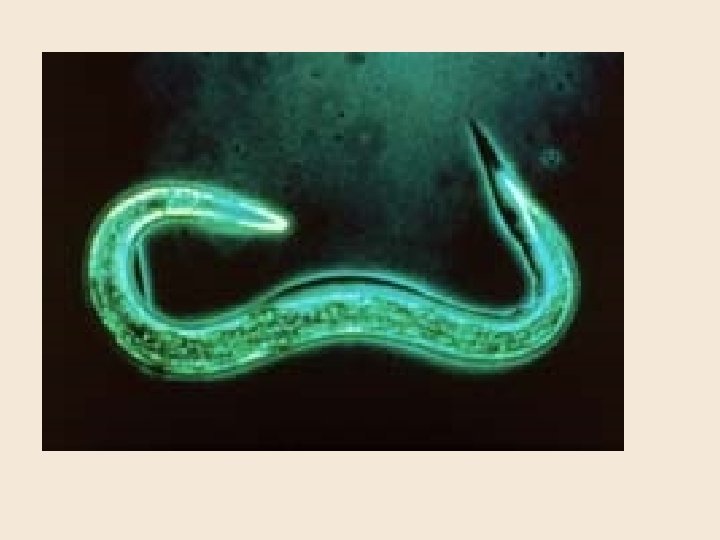
There are 8 phyla of pseudocoelomate animals Phylum Nematoda - the Roundworms • smooth, long, tubular body • move with longitudinal muscles in body wall • dioecious • fluid filled pseudocoel – hydrostatic skeleton
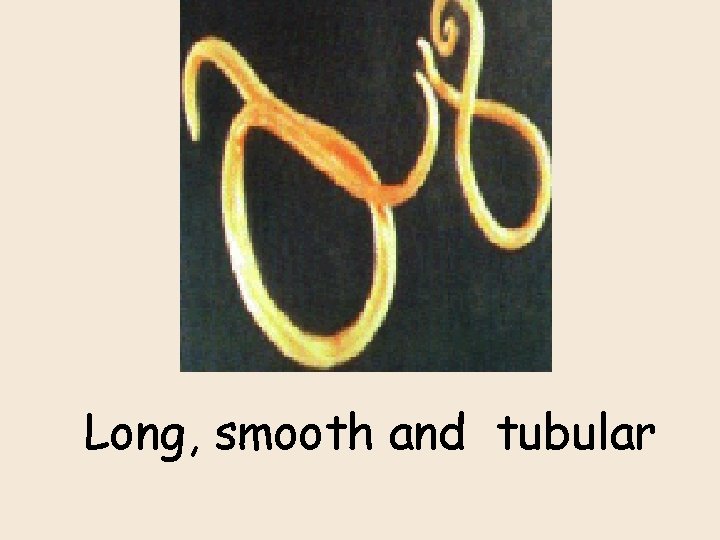
Long, smooth and tubular
• rigid cuticle covering body • paired nerve cords – dorsal and ventral sides • free living and parasitic worms are in the phylum • 15, 000 species have been named; estimate 500, 000 species exist
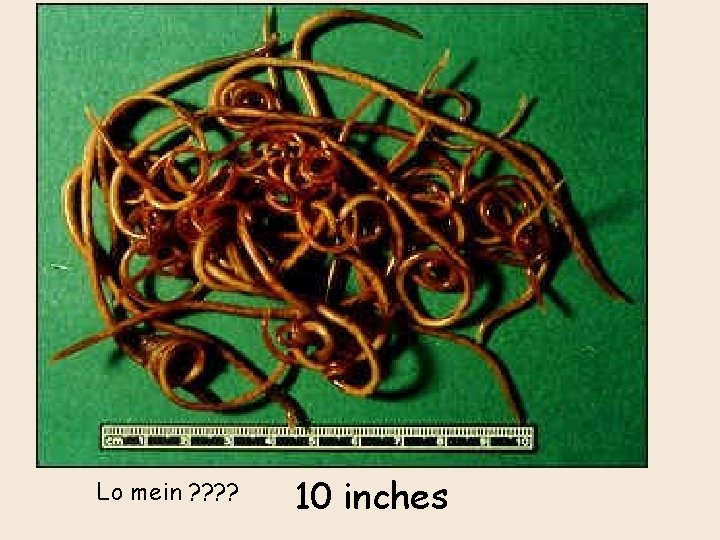
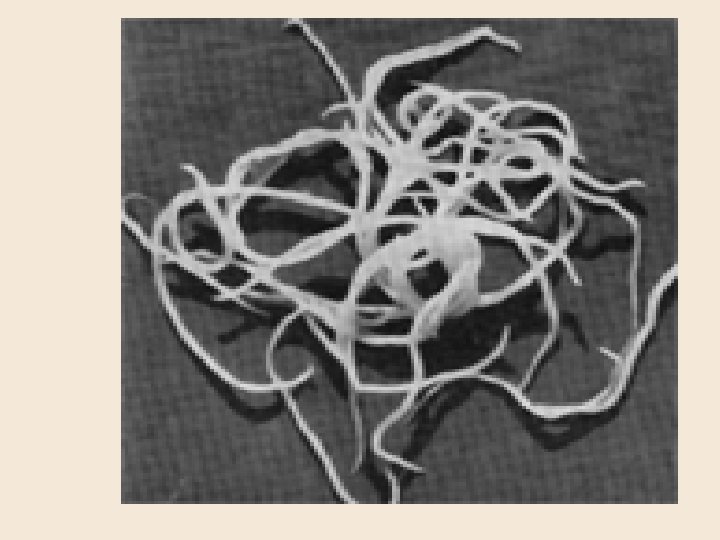
Lo mein ? ? 10 inches
– large human roundworm • Southeastern US – more common • Intestinal worm – 30 cm long • eggs are in human feces and can directly infect another person via food • larvae develop and are carried by the blood to the lungs – cough/swallow
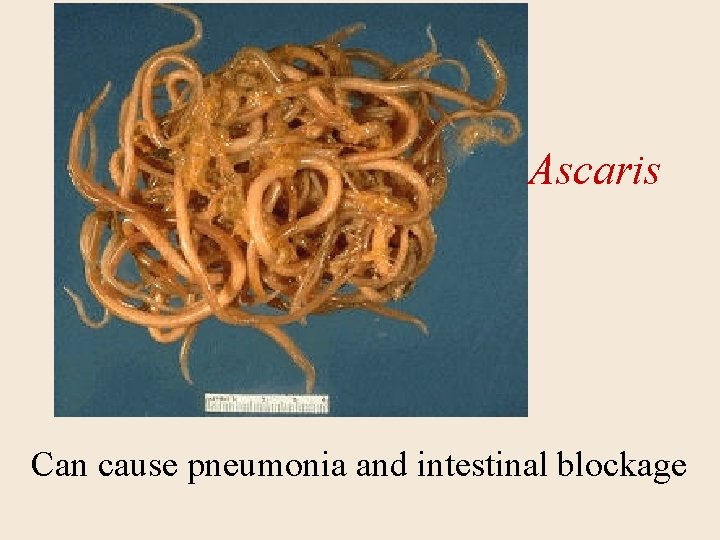
Ascaris Can cause pneumonia and intestinal blockage
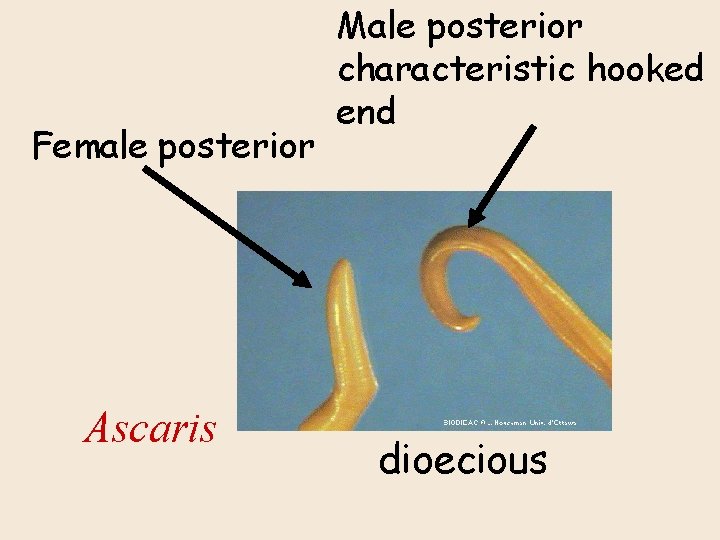
Female posterior Ascaris Male posterior characteristic hooked end dioecious
Larval stage forms calcified cysts in muscle of host ( human or pig/bear ) Trichinosis – contracted from undercooke infected pork
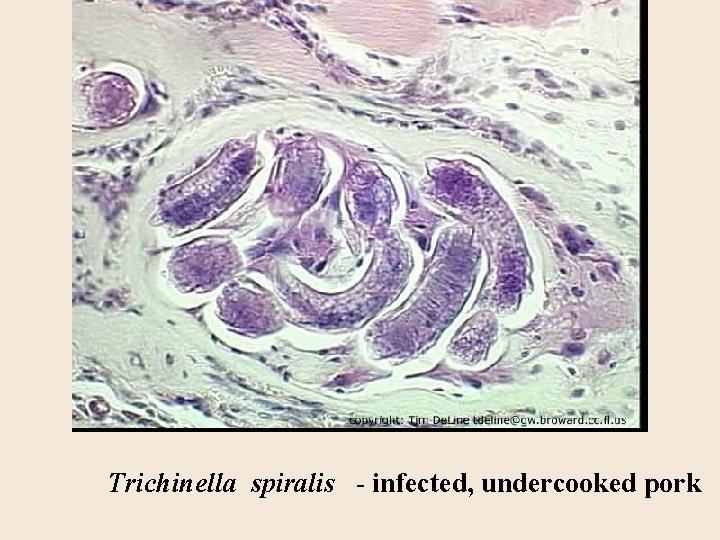
Trichinella spiralis - infected, undercooked pork
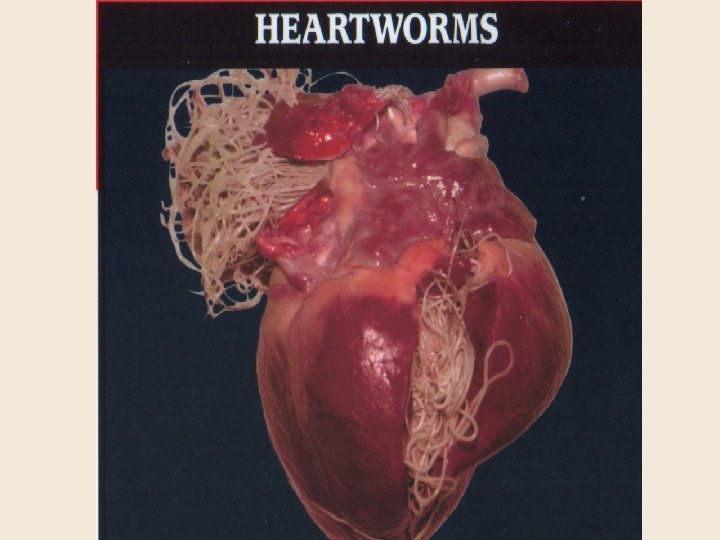
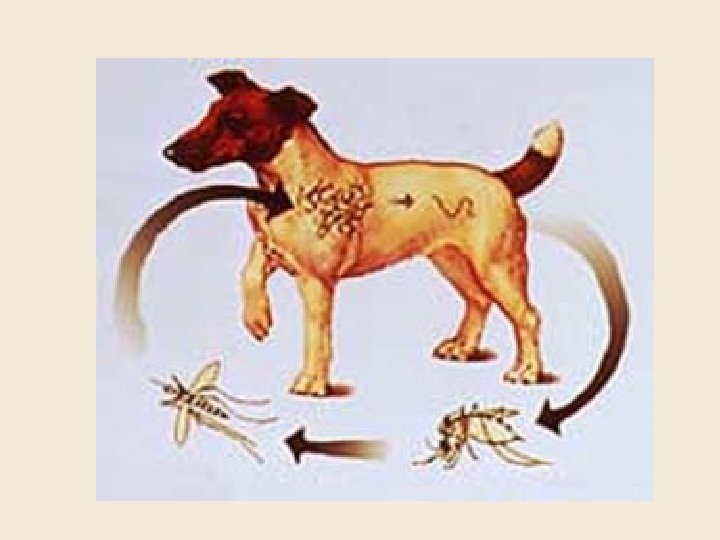
Dirofliaria immitis • a parasitic nematode • that can kill your dog
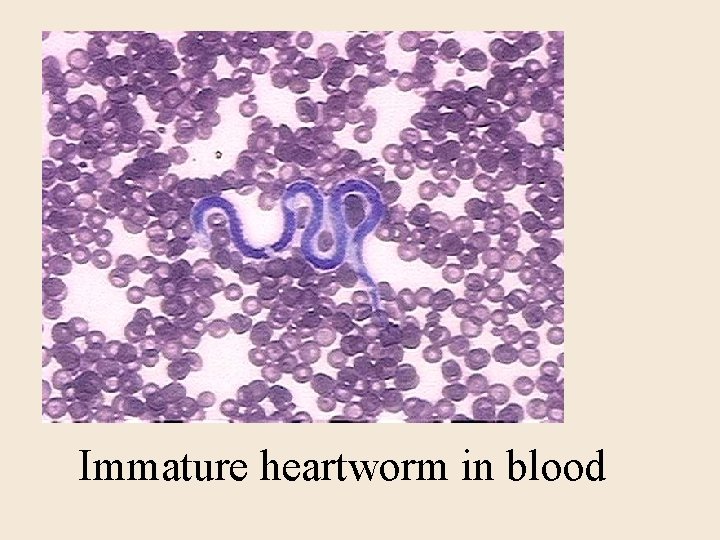
Immature heartworm in blood
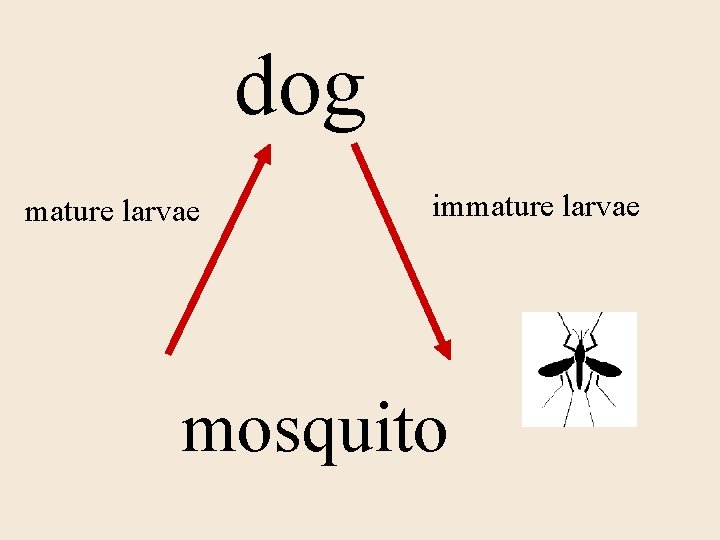
dog mature larvae immature larvae mosquito
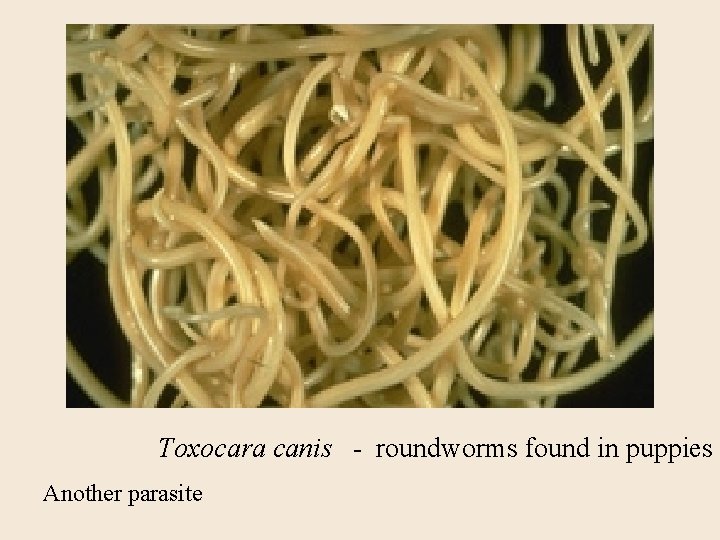
Toxocara canis - roundworms found in puppies Another parasite
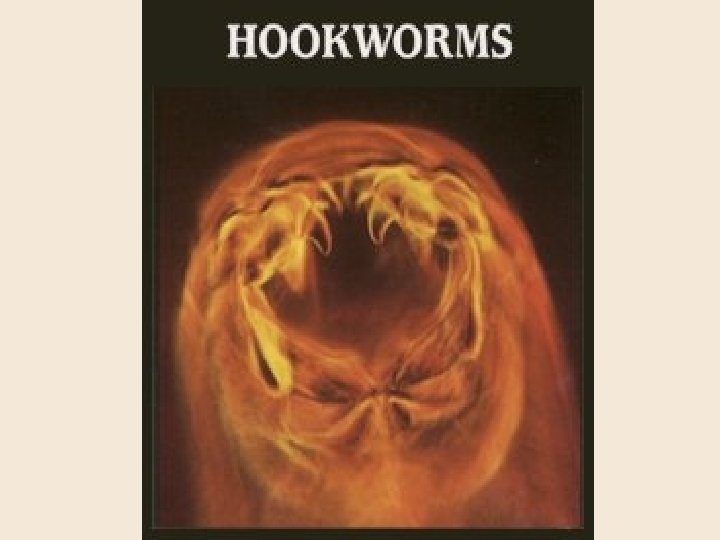
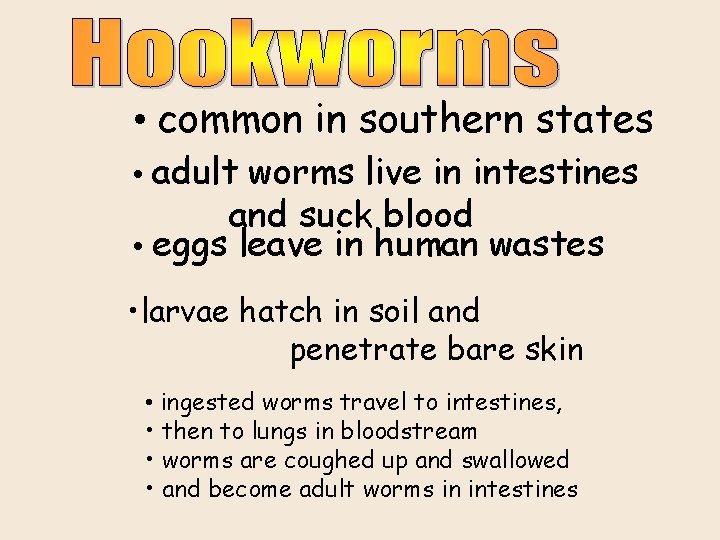
• common in southern states • adult worms live in intestines and suck blood • eggs leave in human wastes • larvae hatch in soil and penetrate bare skin • ingested worms travel to intestines, • then to lungs in bloodstream • worms are coughed up and swallowed • and become adult worms in intestines
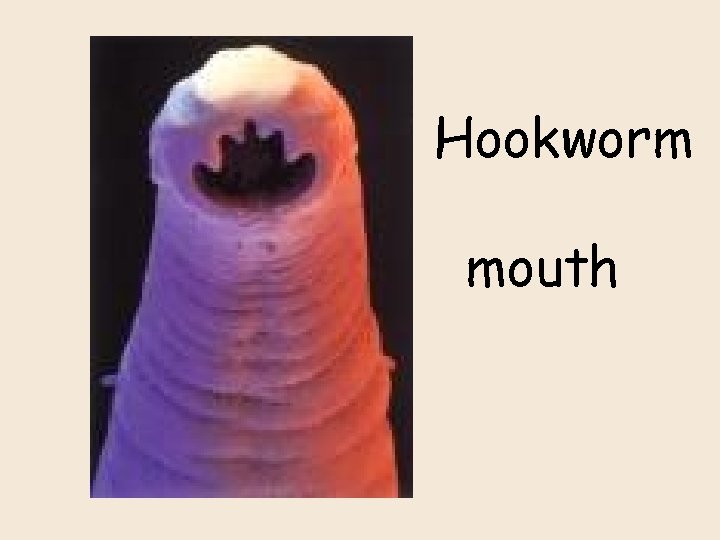
Hookworm mouth
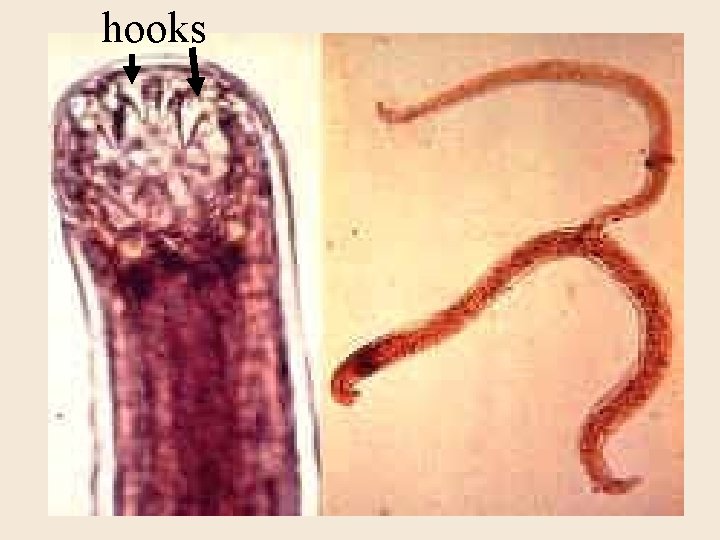
hooks
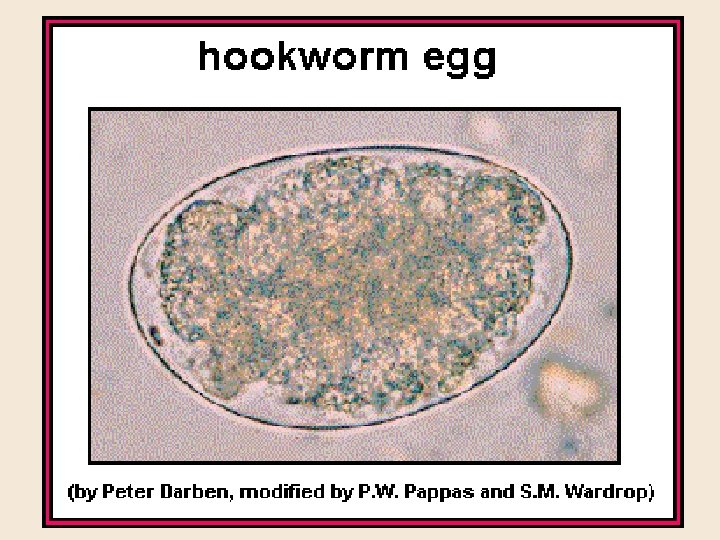
– itchy worms Fecal samples are used to diagnose most digestive system parasites
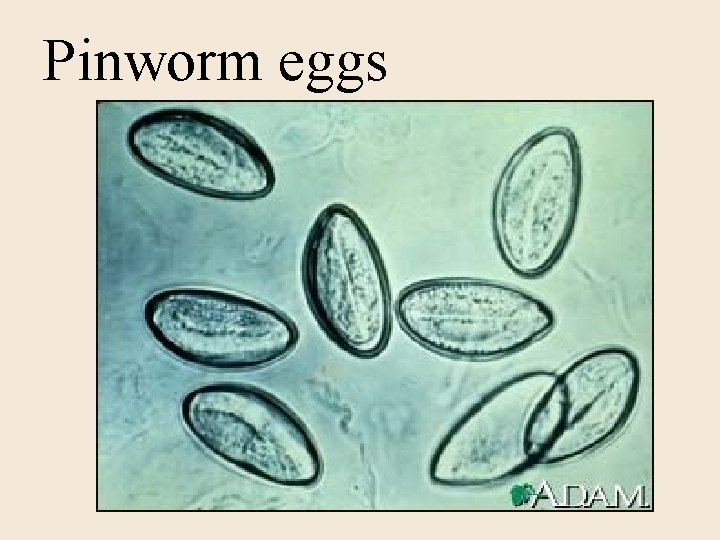
Pinworm eggs
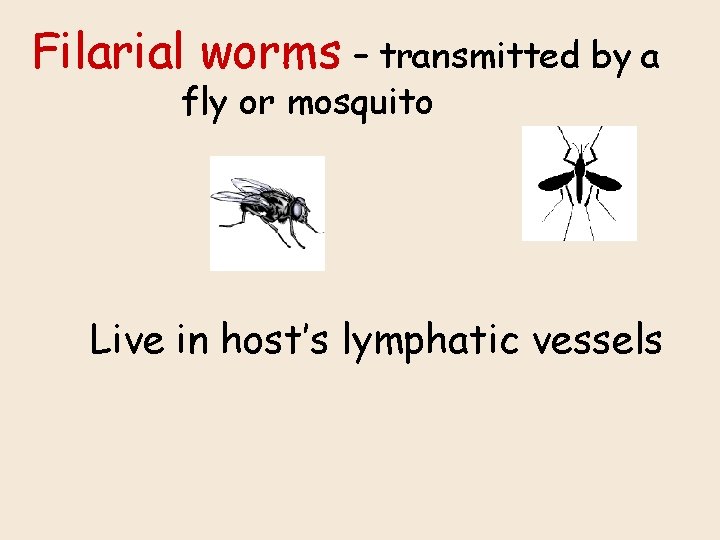
Filarial worms – transmitted by a fly or mosquito Live in host’s lymphatic vessels
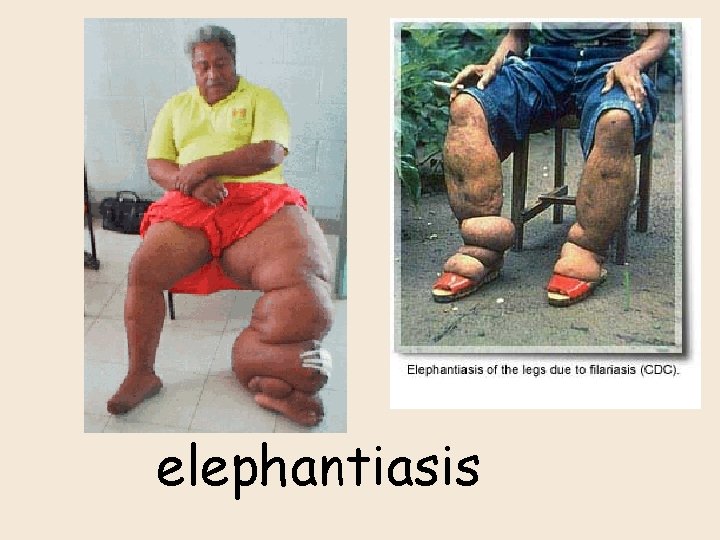
elephantiasis
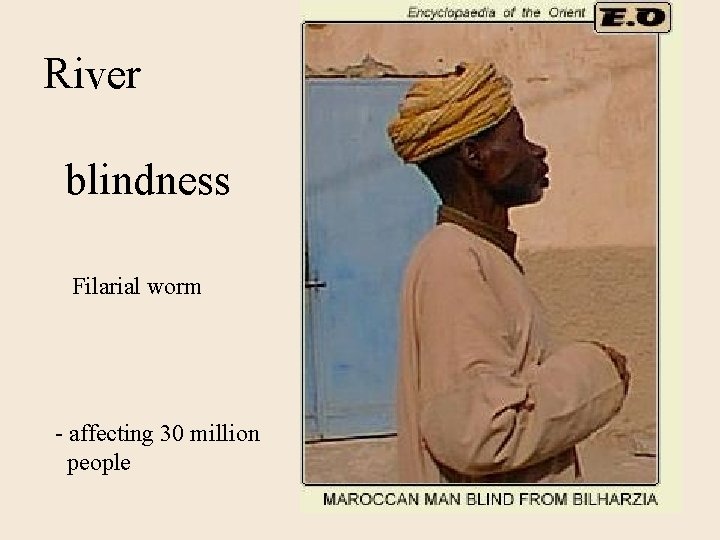
River blindness Filarial worm - affecting 30 million people
Life cycle depends on a small “water flea” crustacean Infected “fleas” have worm larvae and get swallowed in drinking water Male and female worms grow and mate in host Female worm migrates to body surface to release eggs
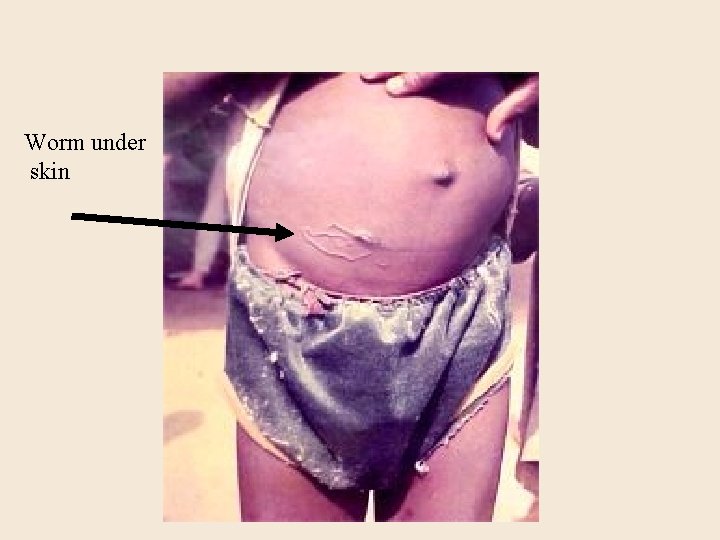
Worm under skin
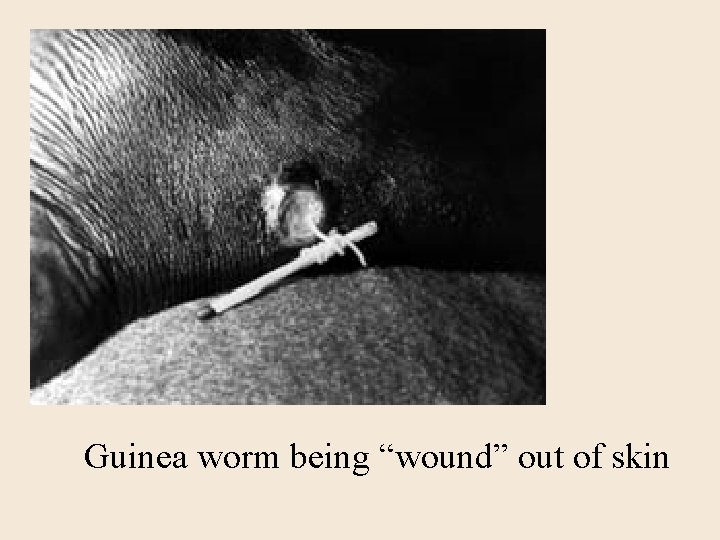
Guinea worm being “wound” out of skin
Parasitic plant nematodes annually destroy millions of dollars in crops
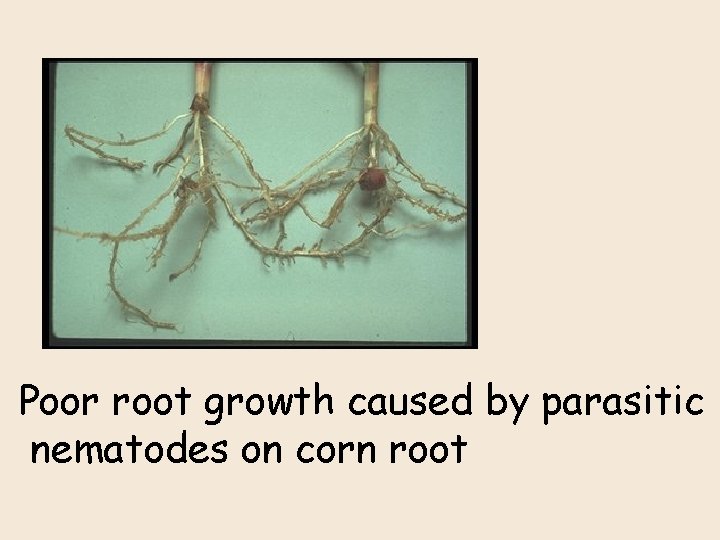
Poor root growth caused by parasitic nematodes on corn root

Crop damage to Canola bean crop in Australia estimated nematode crop damage $200 million/year
- Slides: 36