
Proxemics throughout Culture By Brittany Bahr Chris Lanham

Proxemics throughout Culture By: Brittany Bahr, Chris Lanham, Kaila Knueppel, Machaela Schultz, Robert Schroeder, & Sarah Frelich
Definition by Hall “Proxemics is in the nature of animals including man to exhibit behavior which we call territoriality. In doing so, they use the senses to distinguish between one space or distance and another. ”
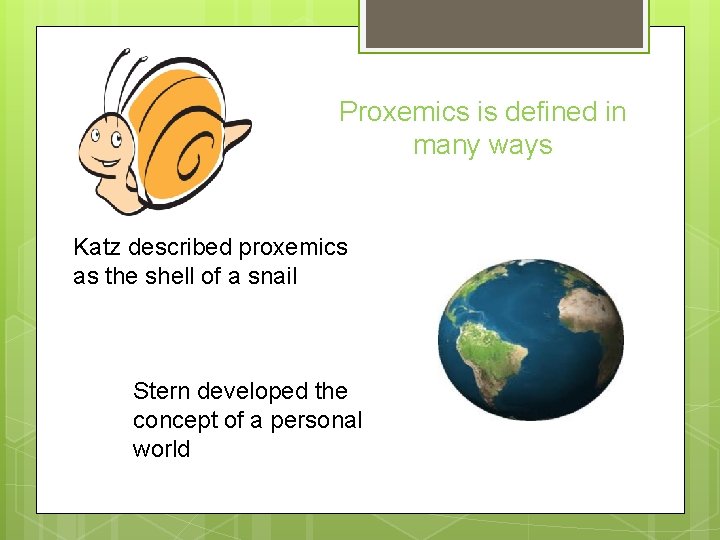
Proxemics is defined in many ways Katz described proxemics as the shell of a snail Stern developed the concept of a personal world
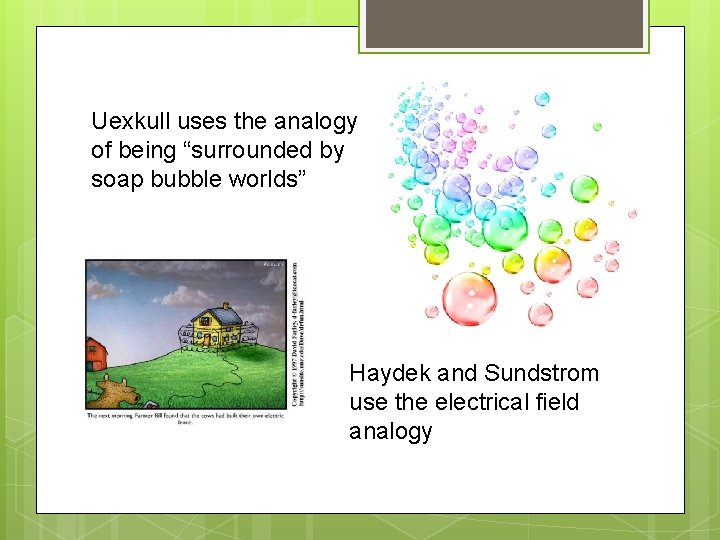
Uexkull uses the analogy of being “surrounded by soap bubble worlds” Haydek and Sundstrom use the electrical field analogy

Hall’s Four Distance Zones Middle class, northeastern U. S. and Northern Europe
Comparing Cultures Contact Non-contact Arab Northern Southern Asians Europeans Latin Americans Europeans Americans Indians
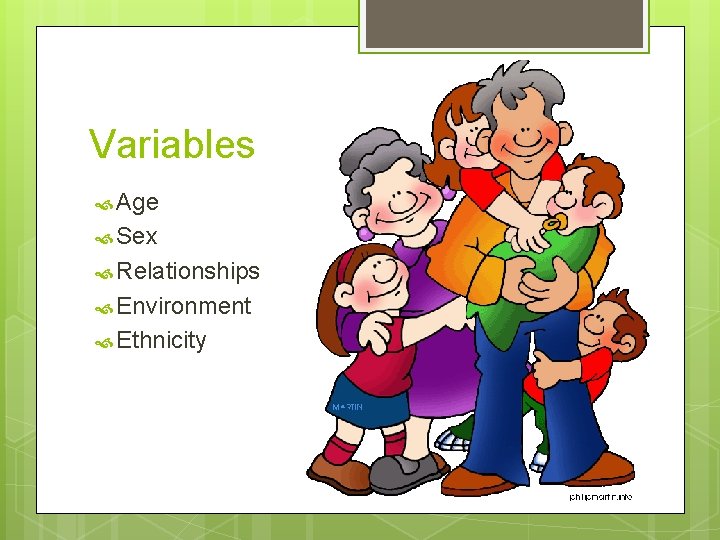
Variables Age Sex Relationships Environment Ethnicity

“Proxemics research requires an inordinate amount of time. Because of the many variables present, few studies have been done which examine its impact. ” ~Edward Hall
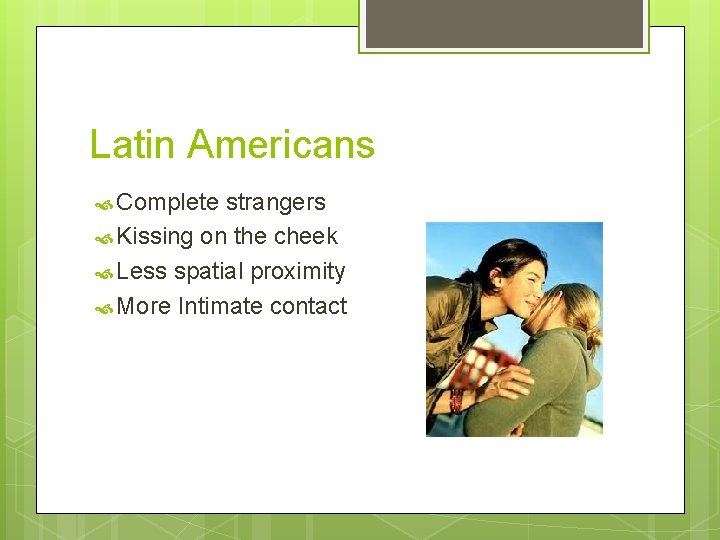
Latin Americans Complete strangers Kissing on the cheek Less spatial proximity More Intimate contact
Latin Americans Children shake hands Men to women greet with a (beso) kiss Men to men greet with hug 18 inches Wives avoid eye contact with husbands
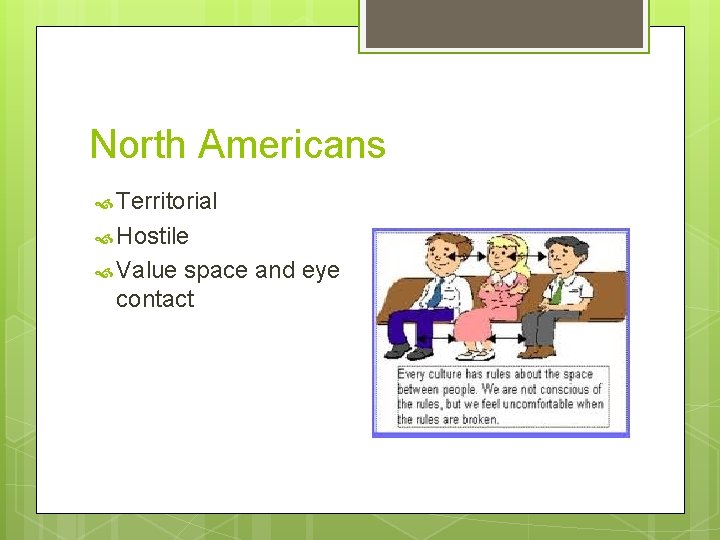
North Americans Territorial Hostile Value space and eye contact
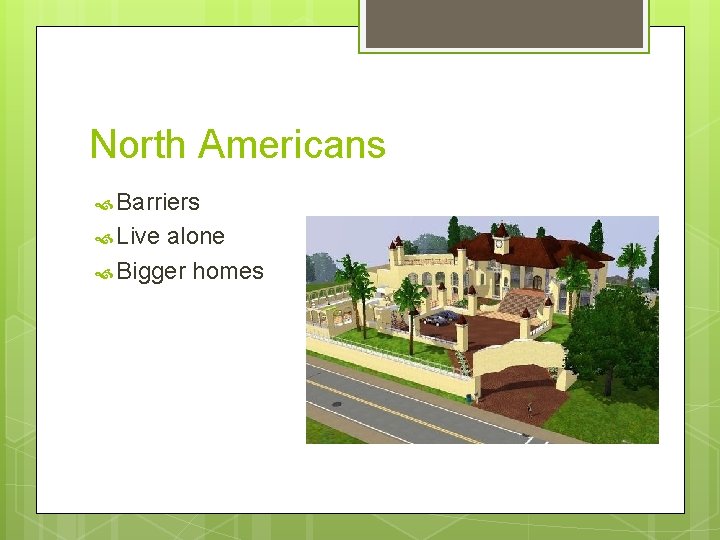
North Americans Barriers Live alone Bigger homes
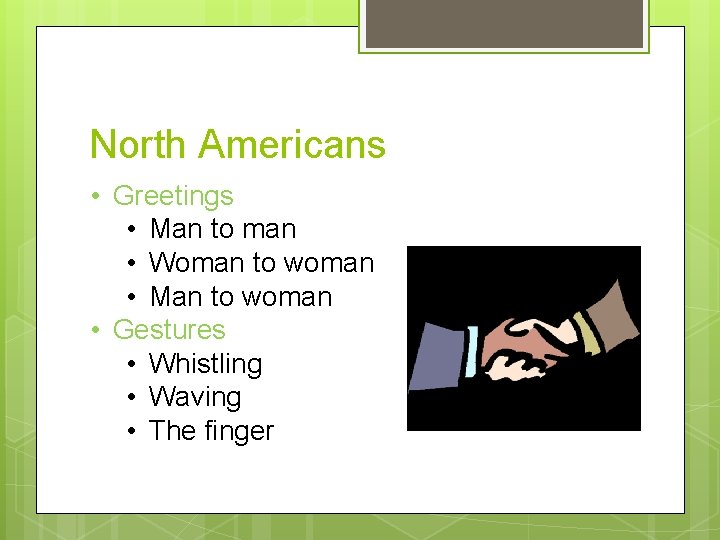
North Americans • Greetings • Man to man • Woman to woman • Man to woman • Gestures • Whistling • Waving • The finger
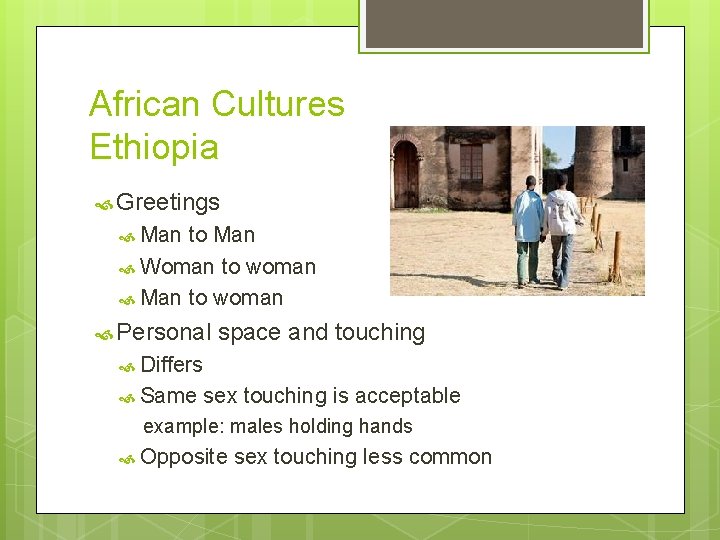
African Cultures Ethiopia Greetings Man to Man Woman to woman Man to woman Personal space and touching Differs Same sex touching is acceptable example: males holding hands Opposite sex touching less common
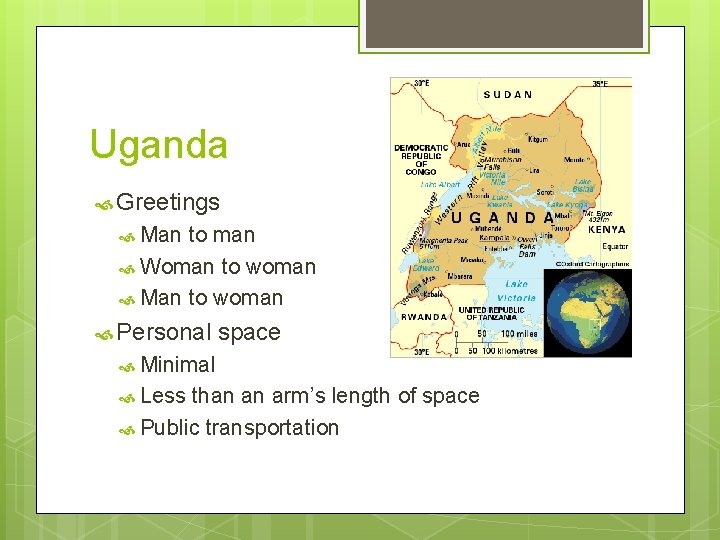
Uganda Greetings Man to man Woman to woman Man to woman Personal space Minimal Less than an arm’s length of space Public transportation
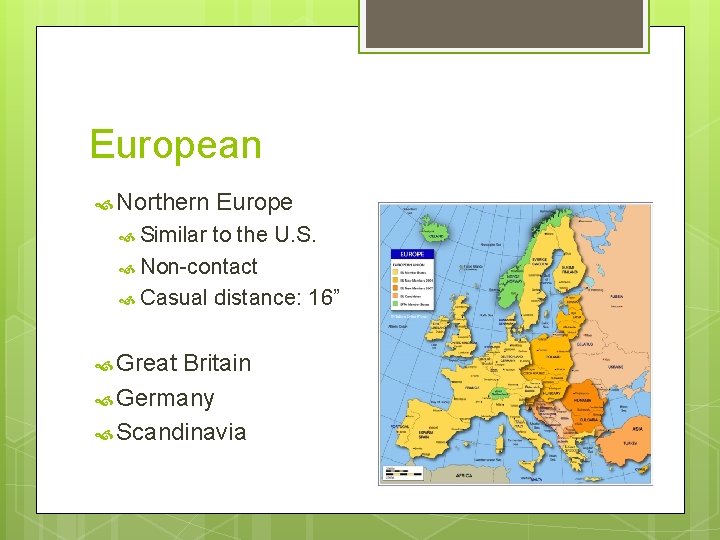
European Northern Europe Similar to the U. S. Non-contact Casual distance: 16” Great Britain Germany Scandinavia
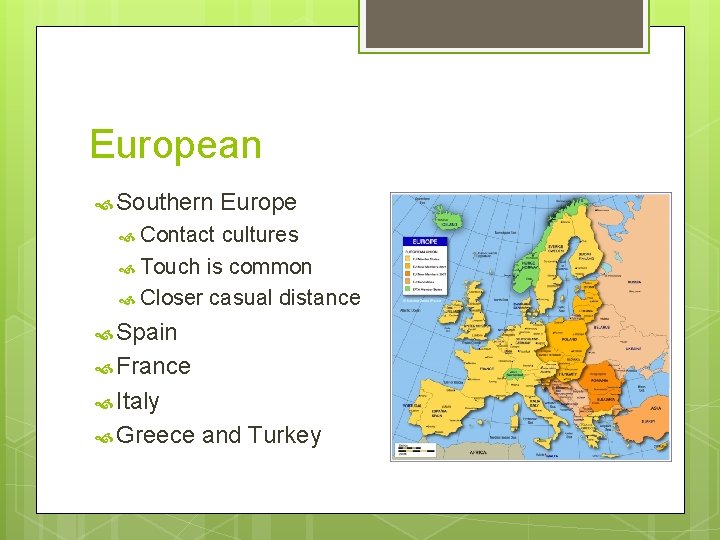
European Southern Europe Contact cultures Touch is common Closer casual distance Spain France Italy Greece and Turkey
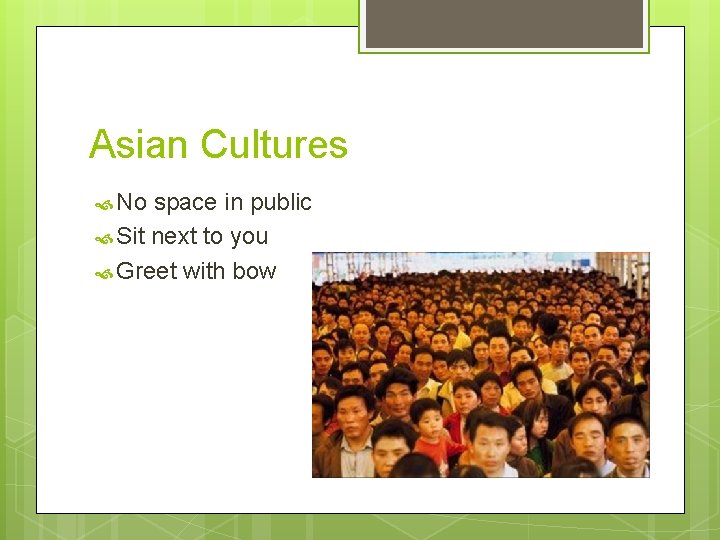
Asian Cultures No space in public Sit next to you Greet with bow
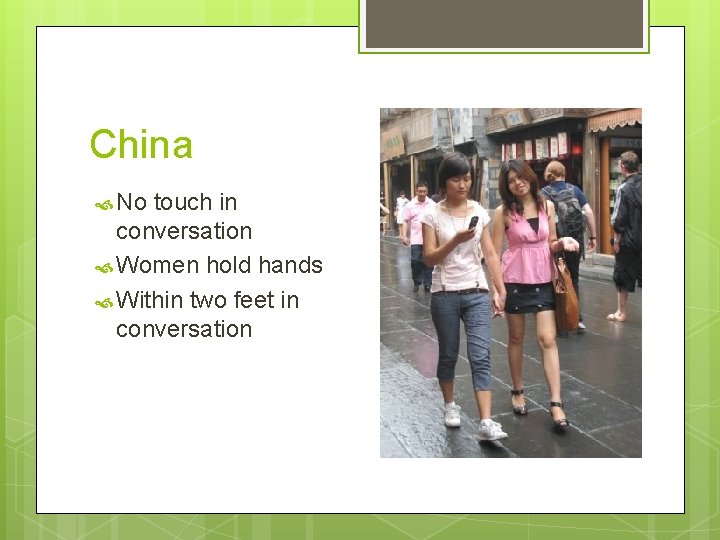
China No touch in conversation Women hold hands Within two feet in conversation
Russia India No 3 touching unless family feet apart when talking Men hold hands No PDA Cupping faces
Japan Thailand No touching hugging friends Couples keep distance

Activity Time!!!
References (n. d. ). Retrieved February 16, 2013, from You. Tube: http: //www. youtube. com/watch? v=Hip 870_t. JMw Proxemics: The Hula Hoop and Use of Personal Space. (2000). Communication Teacher, 4. Greetings From Around the World. (2009). Retrieved February 15, 2013, from Let's Get Creative: http: //www. brucevanpatter. com/world_greetings. html Brown, J. (n. d. ). Five Reasons You Should Start Using the Forearm Handshake. Retrieved February 17, 2013, from Primer: http: //www. primermagazine. com/2010/field-manual/forearmhandshake Dolphin, C. Z. (1988). Beyond Hall: Variables in the Use of Personal Space in Intercultural Transactions. The Howard Journal of Communications, 23 -35. Lucy. (2010, July 14). Kiss, hug or shake hands? Retrieved February 15, 2013, from Pocket Cultures: http: //pocketcultures. com/2010/07/14/kiss-hug-or-shake-hands/ Proxemics. (n. d. ). Retrieved February 15, 2013, from Weebly: http: //proxemics. weebly. com/proxemics-and-culture. html
- Slides: 23