
Providing high quality health information for students Challenges

- Slides: 37
Providing high quality health information for students Challenges and solutions Knut Schroeder Student Health Association Conference Bristol 3 July 2014
Interest in health literacy & self care in young people • GP, Concord Medical Centre • Honorary Senior Clinical Lecturer, Uo. B • Board Member, Self Care Forum • Founder & Director, Expert Self Care
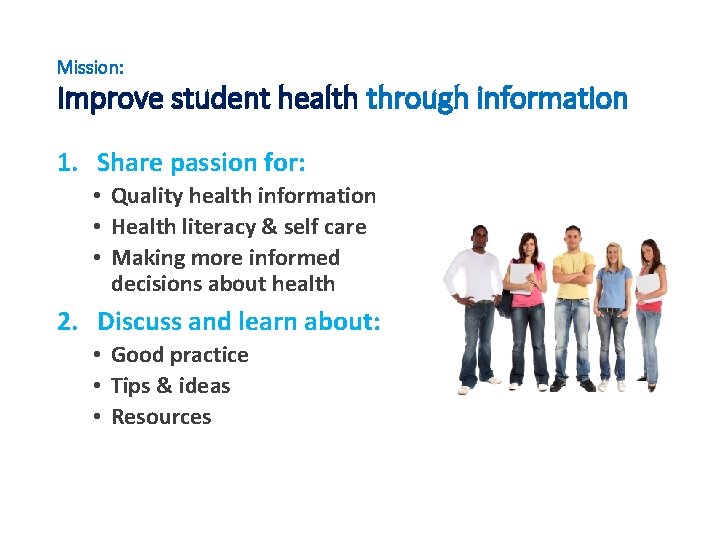
Mission: Improve student health through information 1. Share passion for: • Quality health information • Health literacy & self care • Making more informed decisions about health 2. Discuss and learn about: • Good practice • Tips & ideas • Resources
Over the next hour… • 3 x 5 -10 mins short presentations (KS) • 3 x 10 mins discussions (all) • Notes on flip chart or paper (all) • Ideas on post its (all) • Plan for future (all) • Then… Email summary
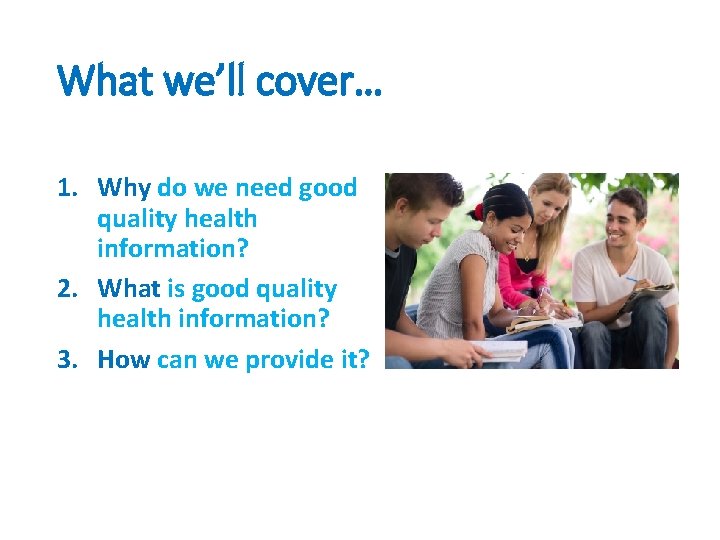
What we’ll cover… 1. Why do we need good quality health information? 2. What is good quality health information? 3. How can we provide it?
1 Why do we need good quality health information?
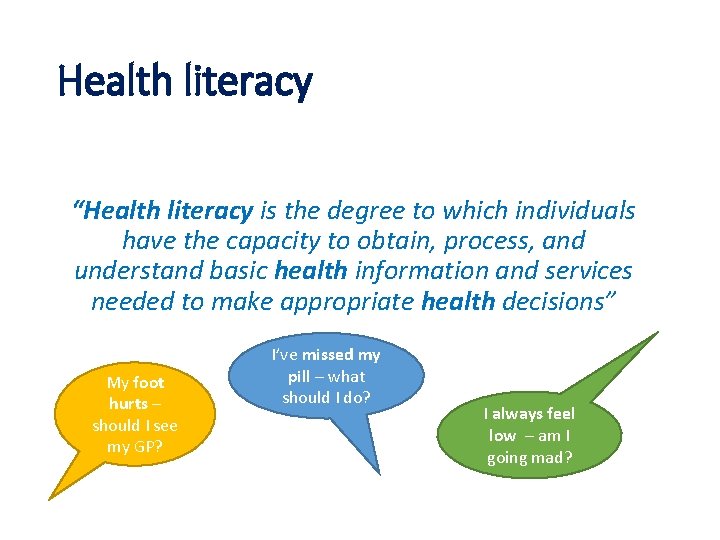
Health literacy “Health literacy is the degree to which individuals have the capacity to obtain, process, and understand basic health information and services needed to make appropriate health decisions” My foot hurts – should I see my GP? I’ve missed my pill – what should I do? I always feel low – am I going mad?
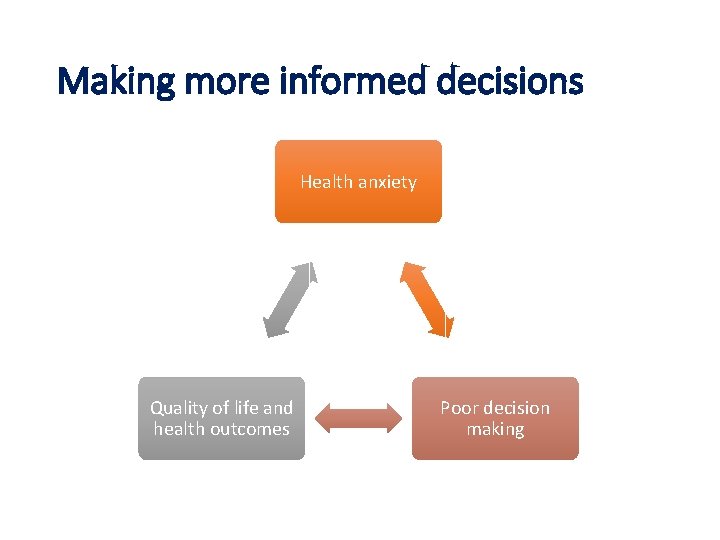
Making more informed decisions Health anxiety Quality of life and health outcomes Poor decision making
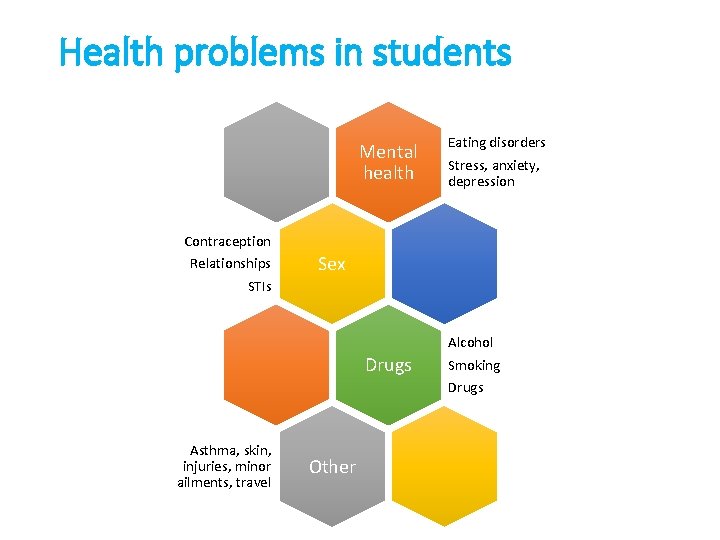
Health problems in students Mental health Eating disorders Stress, anxiety, depression Contraception Relationships STIs Sex Alcohol Drugs Asthma, skin, injuries, minor ailments, travel Other Smoking Drugs
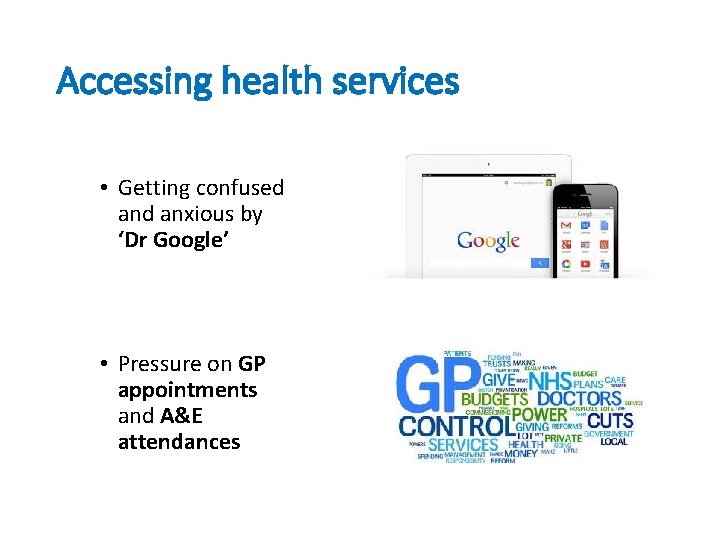
Accessing health services • Getting confused anxious by ‘Dr Google’ • Pressure on GP appointments and A&E attendances
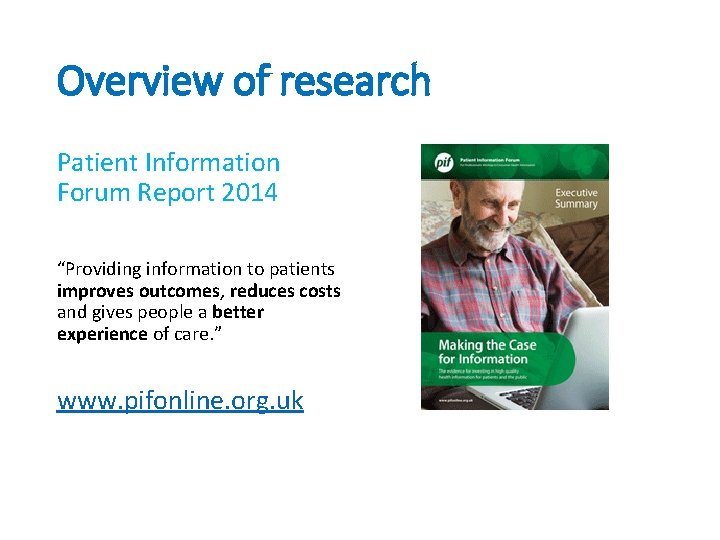
Overview of research Patient Information Forum Report 2014 “Providing information to patients improves outcomes, reduces costs and gives people a better experience of care. ” www. pifonline. org. uk
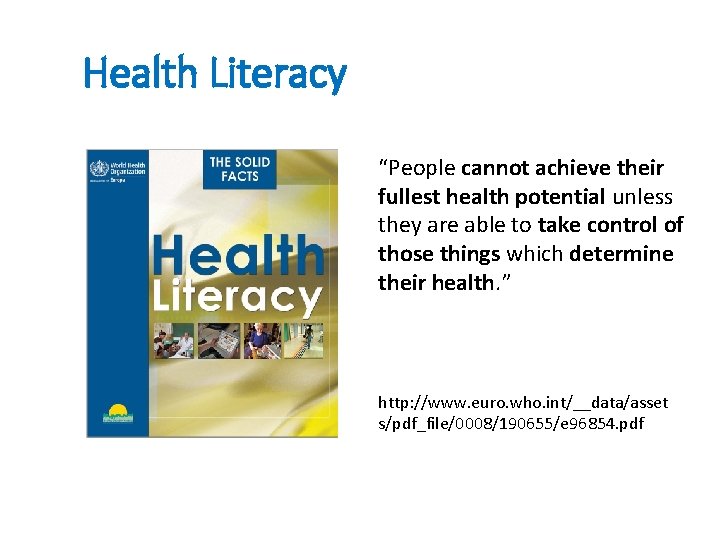
Health Literacy “People cannot achieve their fullest health potential unless they are able to take control of those things which determine their health. ” http: //www. euro. who. int/__data/asset s/pdf_file/0008/190655/e 96854. pdf
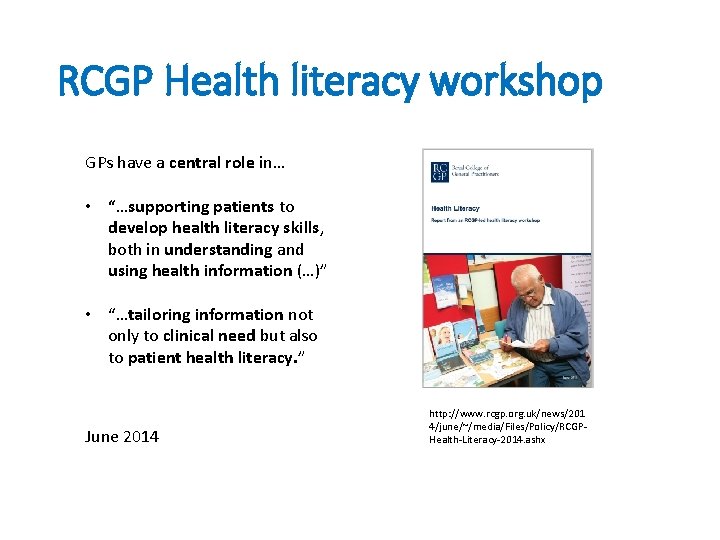
RCGP Health literacy workshop GPs have a central role in… • “…supporting patients to develop health literacy skills, both in understanding and using health information (…)” • “…tailoring information not only to clinical need but also to patient health literacy. ” June 2014 http: //www. rcgp. org. uk/news/201 4/june/~/media/Files/Policy/RCGPHealth-Literacy-2014. ashx
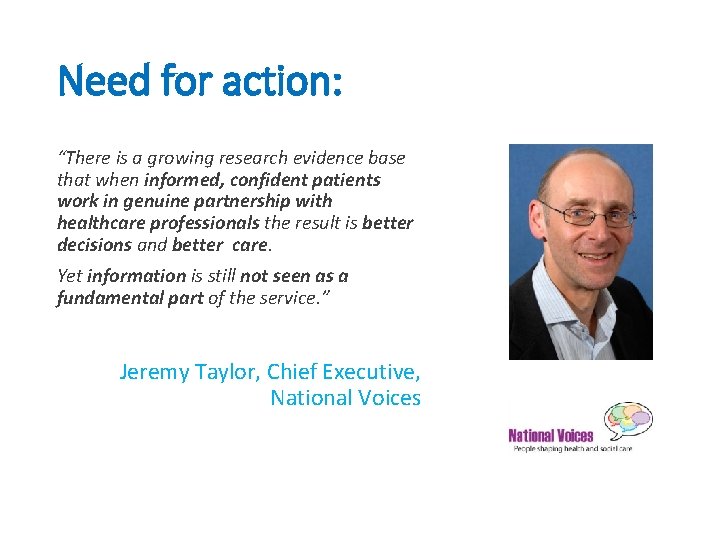
Need for action: “There is a growing research evidence base that when informed, confident patients work in genuine partnership with healthcare professionals the result is better decisions and better care. Yet information is still not seen as a fundamental part of the service. ” Jeremy Taylor, Chief Executive, National Voices
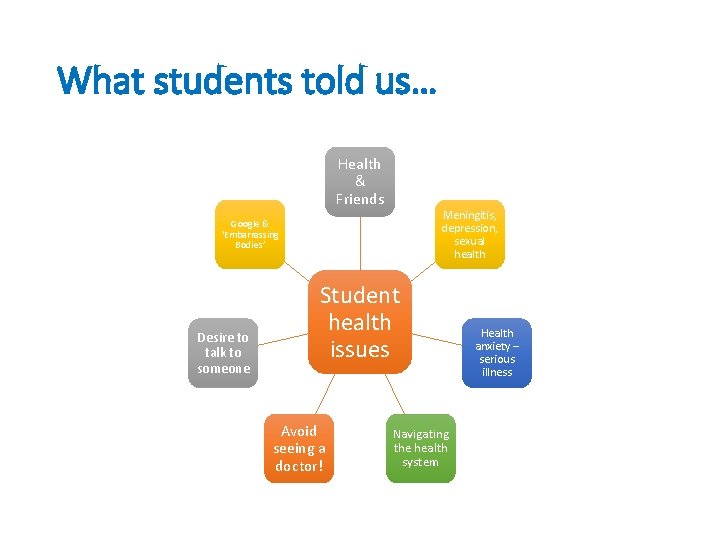
What students told us… Health & Friends Meningitis, depression, sexual health Google & ‘Embarrassing Bodies’ Desire to talk to someone Student health issues Avoid seeing a doctor! Navigating the health system Health anxiety – serious illness
The bottom line… “Students want and need good quality health information. ” Take a look at PIF report on ‘Making the case for information’. Available at www. pifonline. org. uk
Questions 1. What are the main health issues for your students? 2. What health information needs do they have?
2 What is good quality health information?
Gold standard The Information Standard www. theinformationstandard. org. uk
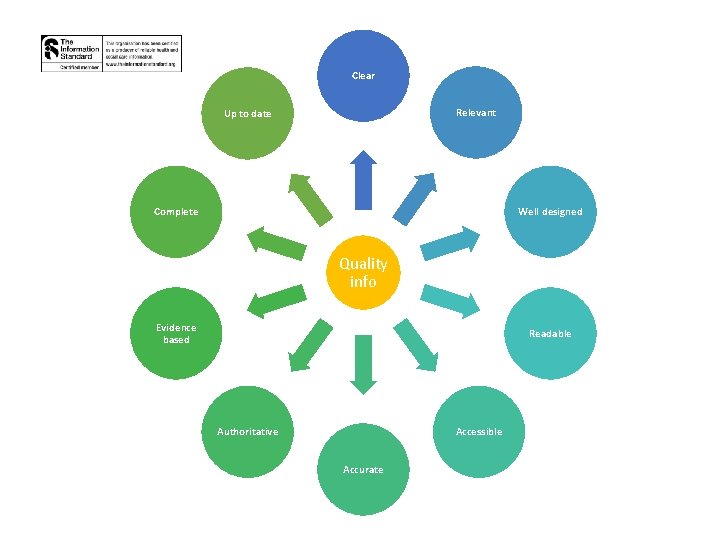
Clear Relevant Up to date Complete Well designed Quality info Evidence based Readable Authoritative Accessible Accurate
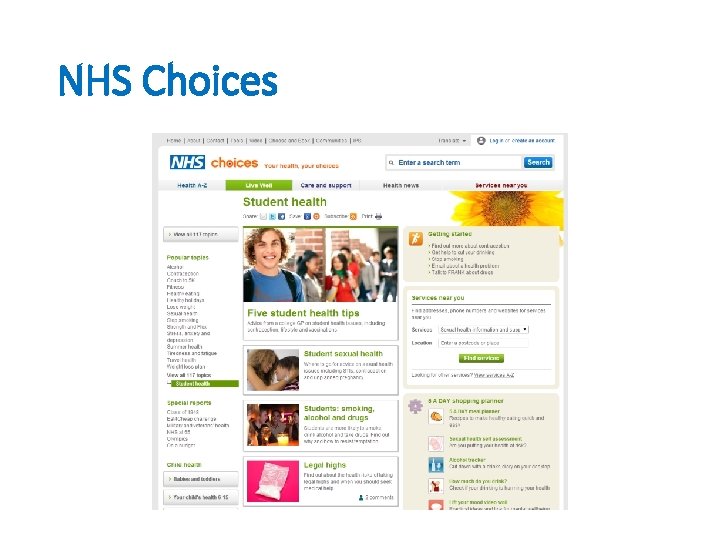
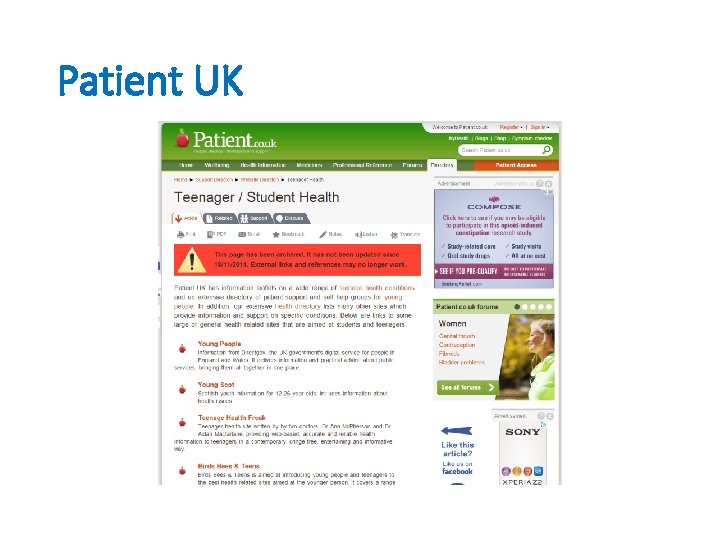
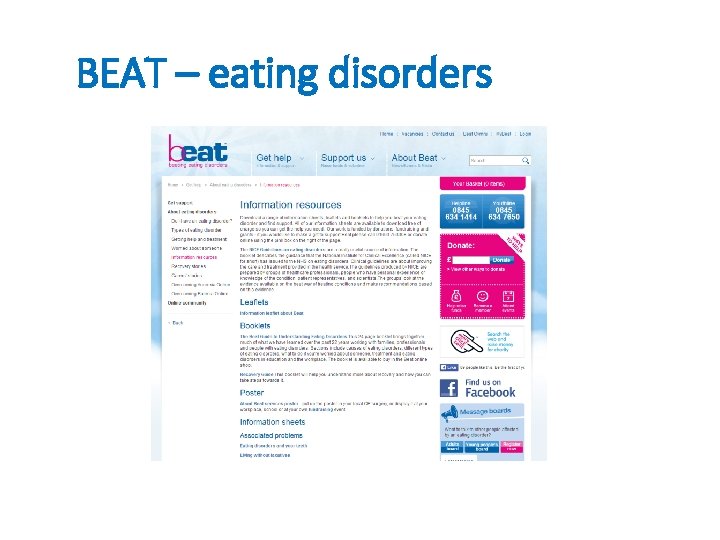
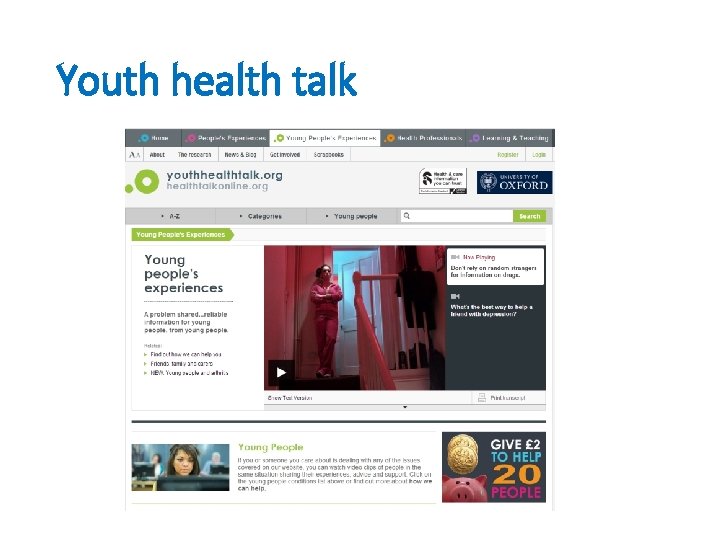
Examples • http: //www. theinformationstandard. org/members-list • • NHS Choices – student pages Patient. co. uk BEAT – Eating Disorders Asthma UK British Association of Dermatologists North Bristol NHS Trust Youth health talk
NHS Choices
Patient UK
BEAT – eating disorders
Youth health talk
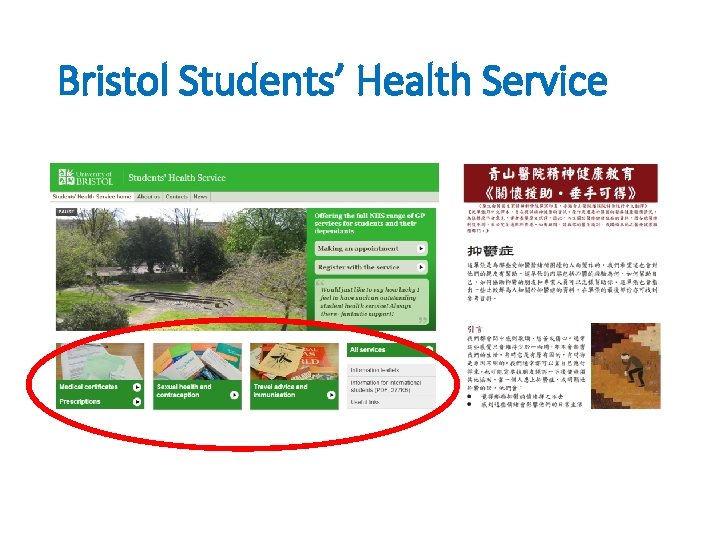
Bristol Students’ Health Service
The bottom line… Much high quality health information is already available Information is spread over many sites and can be difficult to find Check out The Information Standard and list of approved information providers at www. theinformationstandard. org
Questions 1. What information do you provide in your setting? 2. What other useful resources are you aware of?
3 How can we provide quality health information?
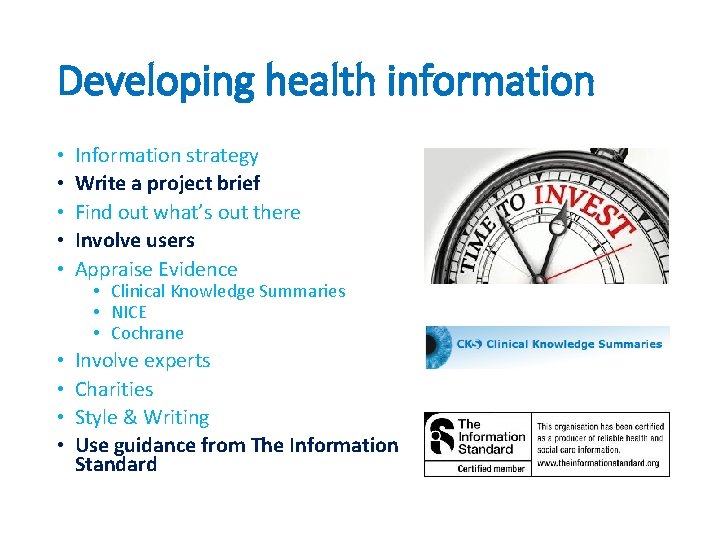
Developing health information • • • Information strategy Write a project brief Find out what’s out there Involve users Appraise Evidence • • Involve experts Charities Style & Writing Use guidance from The Information Standard • Clinical Knowledge Summaries • NICE • Cochrane
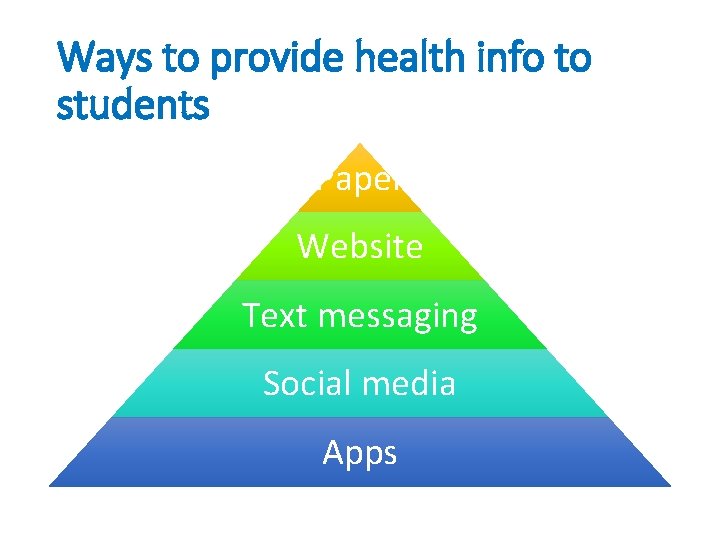
Ways to provide health info to students Paper Website Text messaging Social media Apps
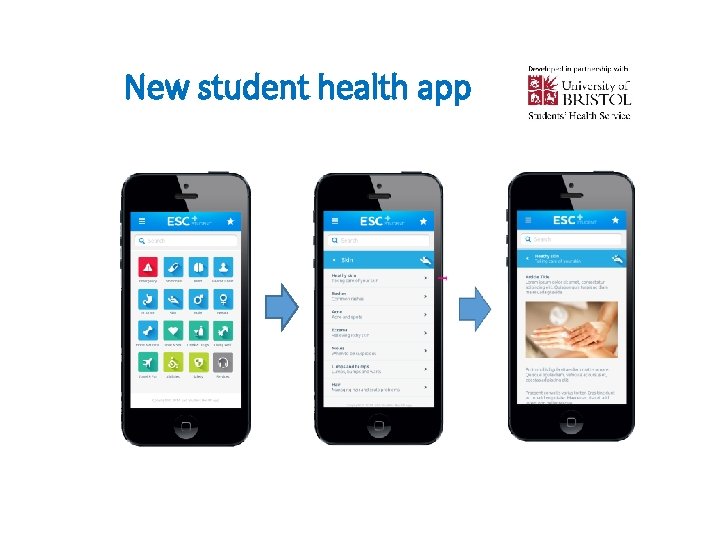
Why apps? • On your mobile • Private • Fast access, anywhere • Easy to use • Cheap/free • Easy to update
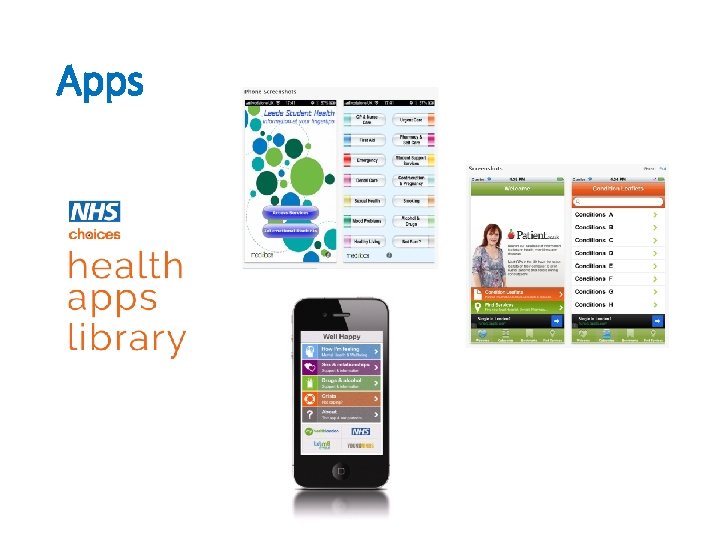
Apps
New student health app
Useful resources & contacts • Patient Information Forum – http: //www. pifonline. org. uk/ • Self care forum - http: //www. selfcareforum. org/ • The Information Standard http: //www. theinformationstandard. org/ • Society of Academic Primary Care Health Literacy Group http: //www. healthliteracy. org. uk/
The bottom line… 1. Involve students in producing and disseminating information 2. Use media that are right for your setting Think about how you can involve students in your information strategy
Questions • How can you improve health information provision in your practice? • Do you want to continue sharing ideas? • • Email list? Facebook? Twitter? Website? Contact: k. schroeder@bristol. ac. uk