
Protons neutrons electrons Pencil Zoom The lead of
- Slides: 20
Protons, neutrons, electrons
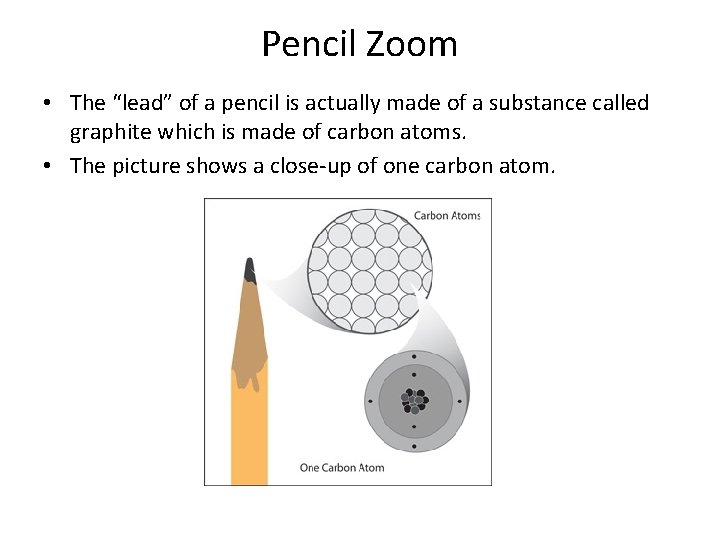
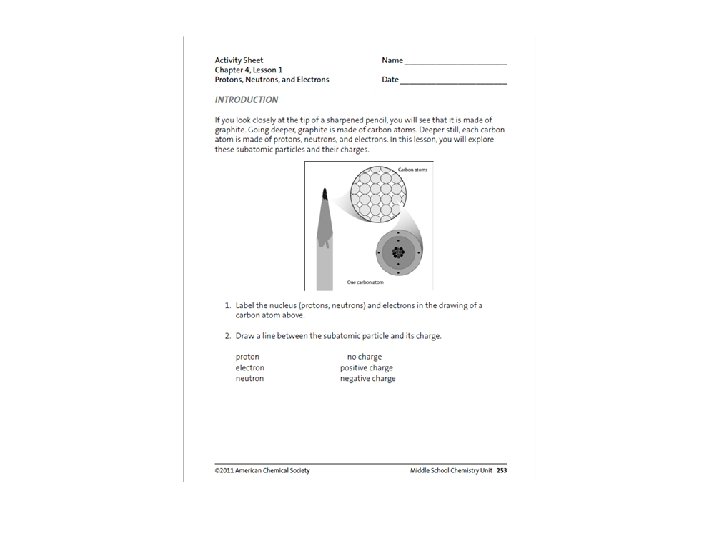
Pencil Zoom • The “lead” of a pencil is actually made of a substance called graphite which is made of carbon atoms. • The picture shows a close-up of one carbon atom.
• What are three different tiny particles that make up an atom? • Protons, neutrons, and electrons.
• Which of these is in the center of an atom? • Protons and neutrons are in the center (nucleus) of the atom. • Hydrogen is the only atom that usually has no neutrons. The nucleus of most hydrogen atoms is composed of just 1 proton.
• What zooms around the nucleus of an atom? • Electrons
• Which one has a positive charge, a negative charge, and no charge? • Proton—positive; electron—negative; neutron —no charge. • The charge on the proton and electron are exactly the same size but opposite. The same number of protons and electrons exactly cancel one another in a neutral atom.
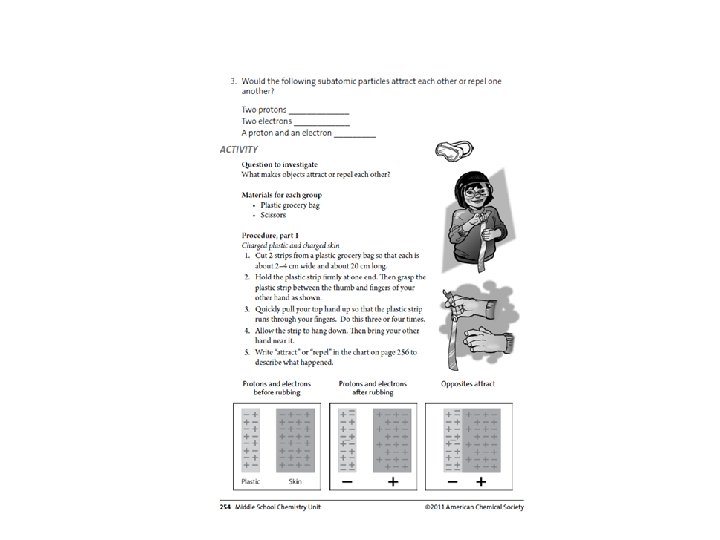
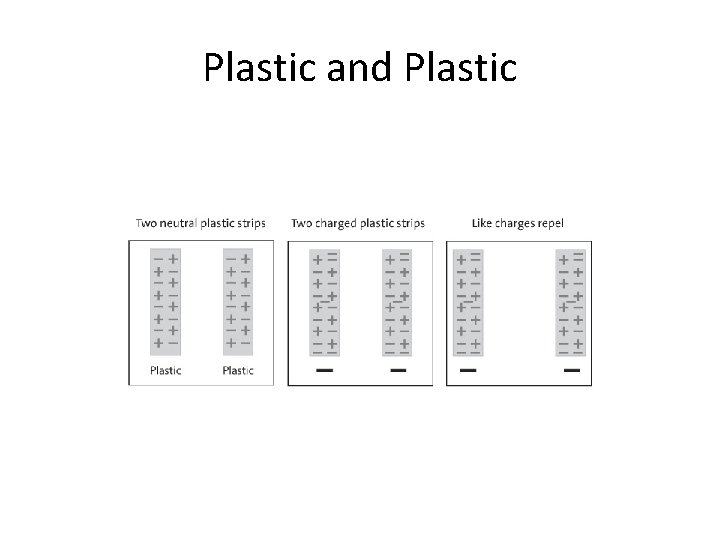
• Two protons repel each other and that two electrons repel each other. But a proton and an electron attract each other. Another way of saying this is that the same or “like” charges repel one another and opposite charges attract one another.
• Since opposite charges attract each other, the negatively charged electrons are attracted to the positively charged protons. This attraction is what holds the atom together.
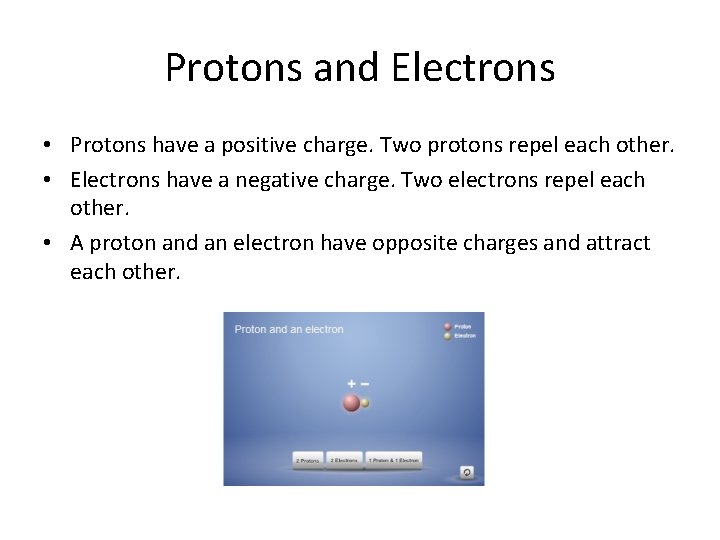
Protons and Electrons • Protons have a positive charge. Two protons repel each other. • Electrons have a negative charge. Two electrons repel each other. • A proton and an electron have opposite charges and attract each other. file: ///C: /Users/Amy/Downloads/protons_and _electrons. swf
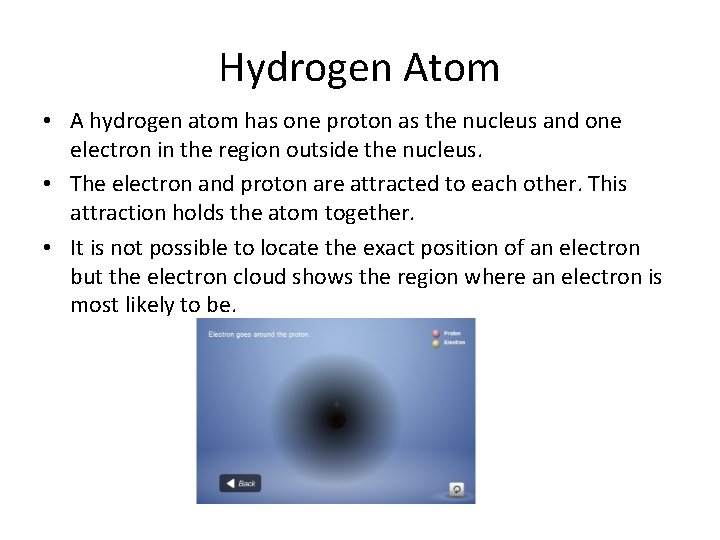
Hydrogen Atom • A hydrogen atom has one proton as the nucleus and one electron in the region outside the nucleus. • The electron and proton are attracted to each other. This attraction holds the atom together. • It is not possible to locate the exact position of an electron but the electron cloud shows the region where an electron is most likely to be.
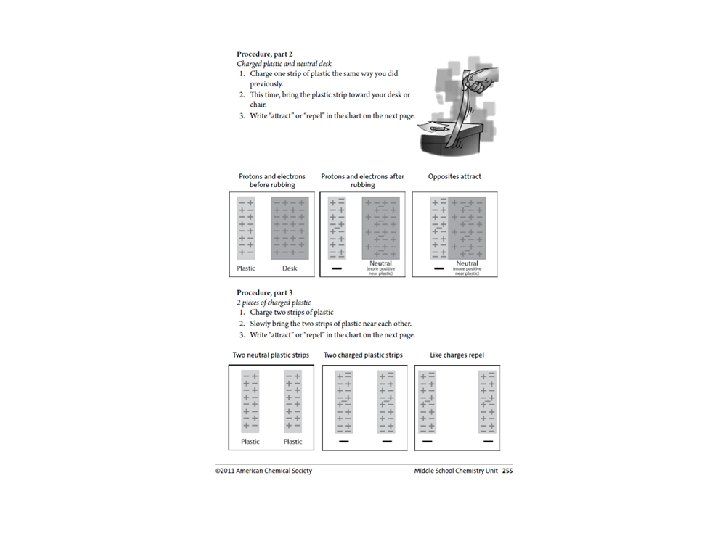
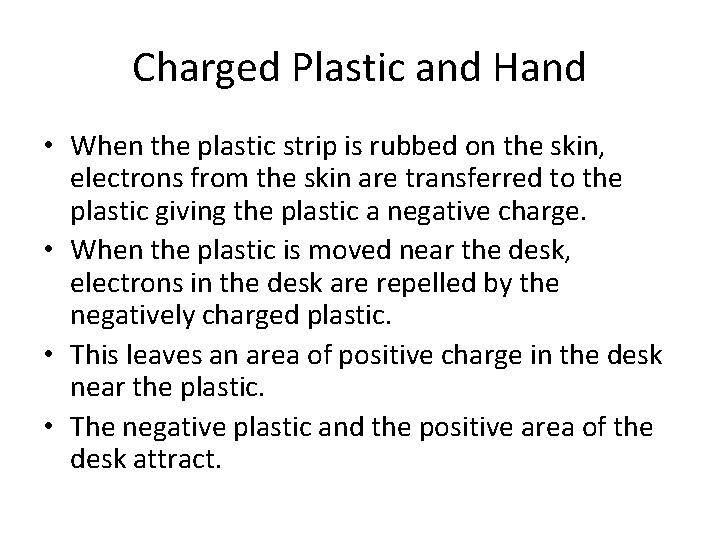
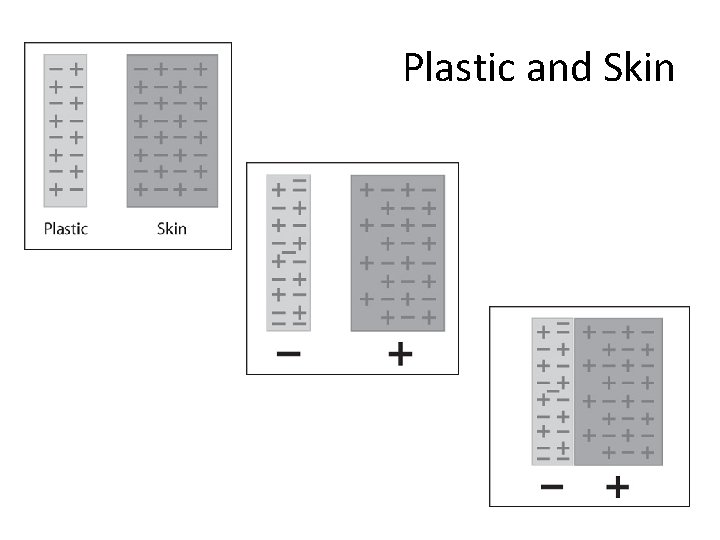
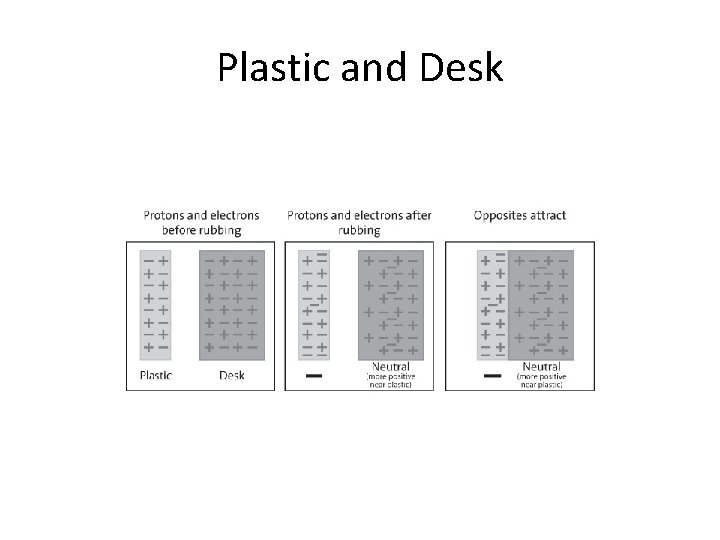
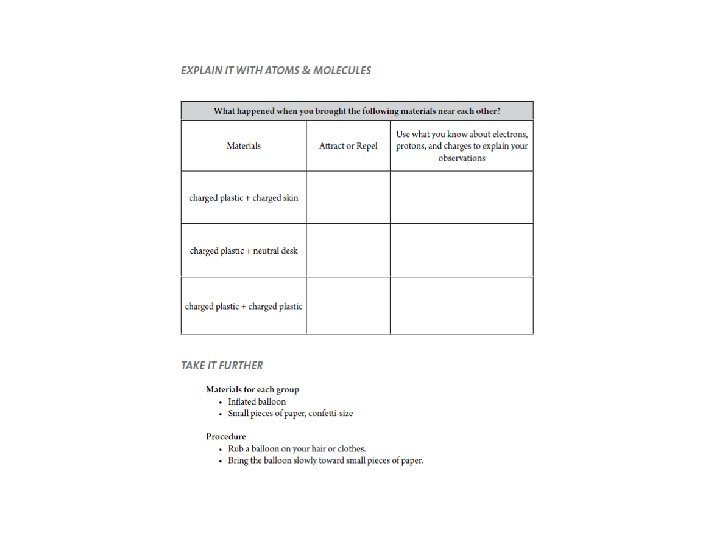
Charged Plastic and Hand • When the plastic strip is rubbed on the skin, electrons from the skin are transferred to the plastic giving the plastic a negative charge. • When the plastic is moved near the desk, electrons in the desk are repelled by the negatively charged plastic. • This leaves an area of positive charge in the desk near the plastic. • The negative plastic and the positive area of the desk attract.
Plastic and Skin
Plastic and Desk
Plastic and Plastic
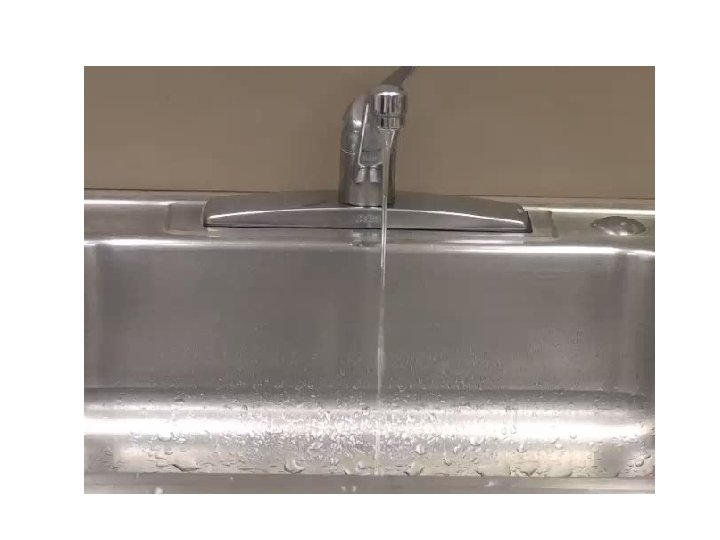
Balloon and Water • When the balloon is rubbed on hair or clothes, electrons move onto the balloon giving it a negative charge. • When the negatively charged balloon is brought near the water, electrons are repelled and move away from the balloon, leaving a positive area of the water near the balloon. • The negatively charged balloon and the positive area of the water attract.