
Protists The world of Protists Animallike Protists Plantlike
- Slides: 58
Protists The world of Protists: Animal-like Protists Plant-like Protists Fungus-like Protists
Protist Diversity l 200, 000 species come in different shapes, sizes, and colors l All are eukaryotes – have a nucleus and membrane-bound organelles
Protozoans Animal-like Protists
Protozoans l Unicellular – made up of one cell l Heterotrophs – they eat other organisms or dead organic matter l Classified by how they move
Phyla of Protozoans Amoebas Flagellates Ciliates Sporazoans
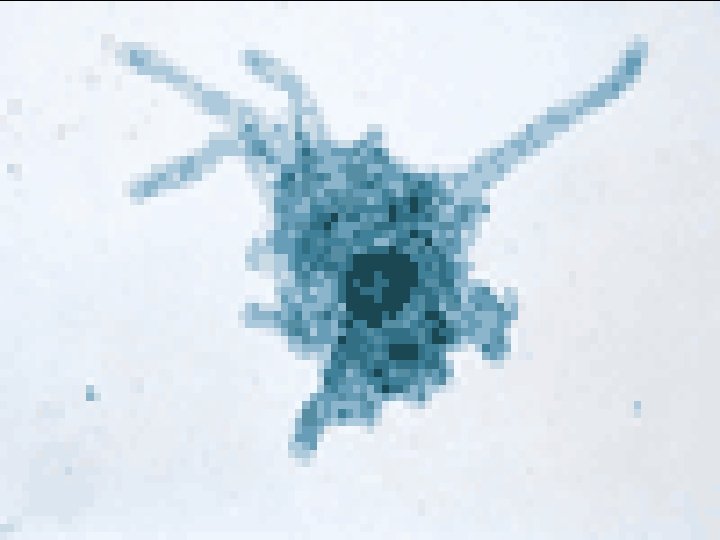
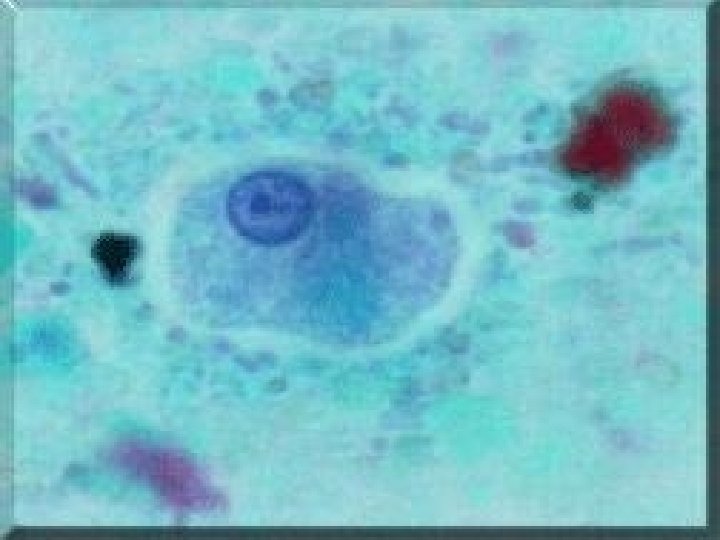
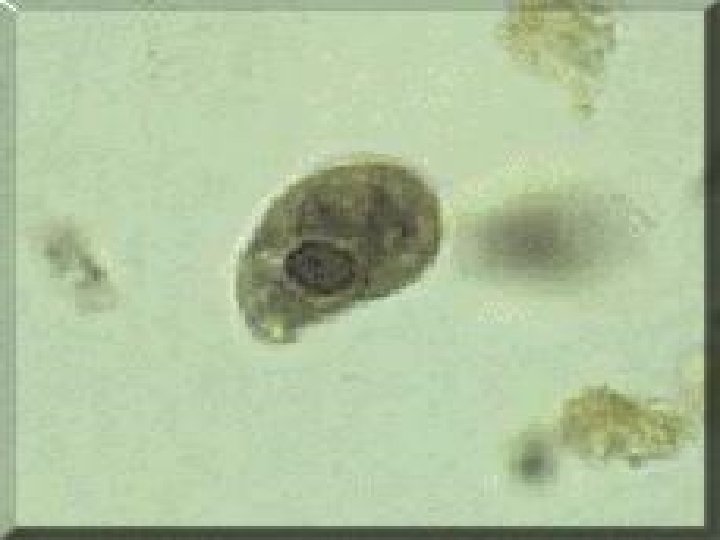
Amoebas: the blobs l No cell wall l Move using pseudopods – plasma extensions l Engulf bits of food by flowing around and over them
Flagellates: the motorboats l Use a whip-like extension called a flagella to move l Some cause diseases
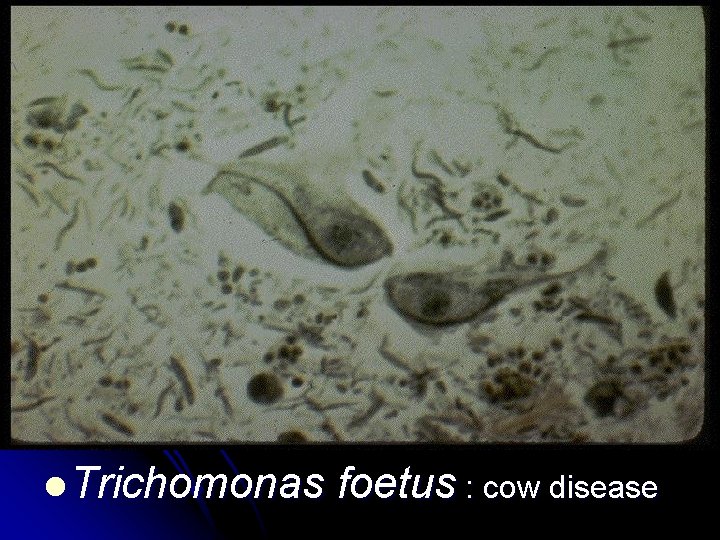
l Trichomonas foetus : cow disease
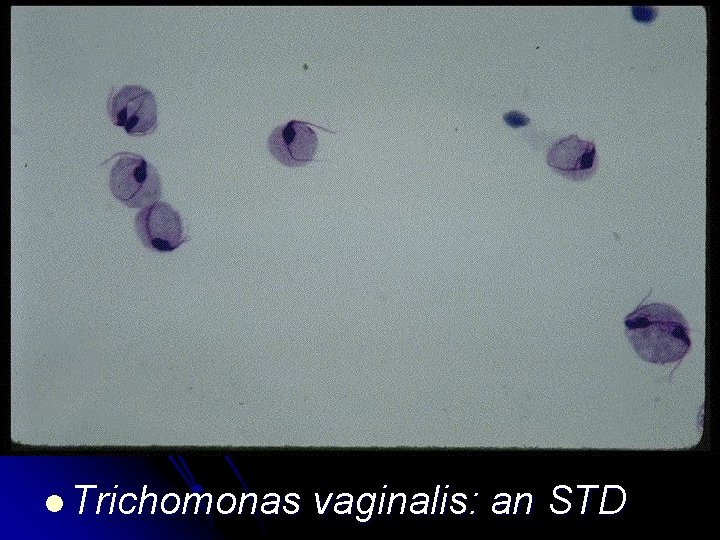
l Trichomonas vaginalis: an STD
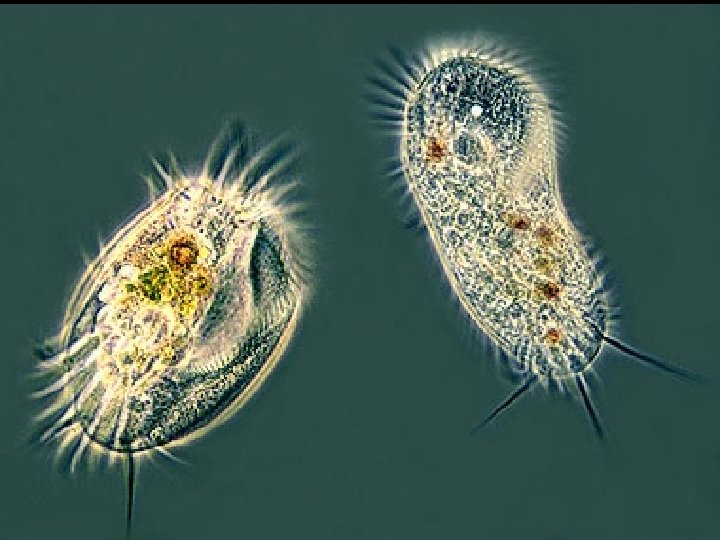
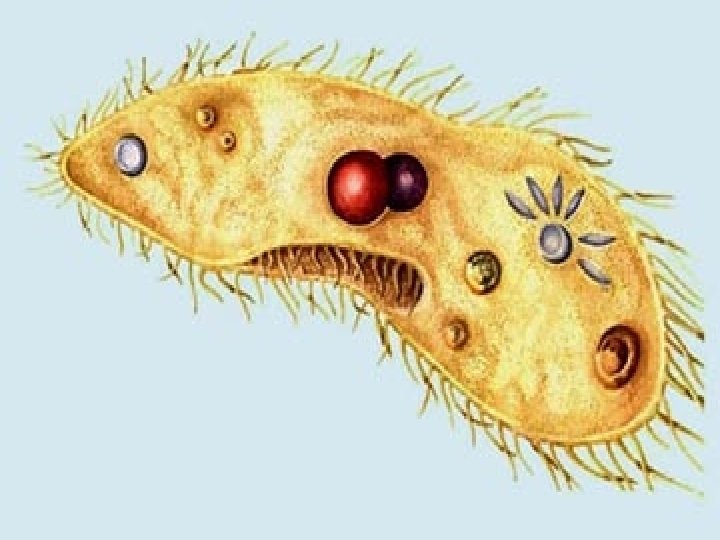
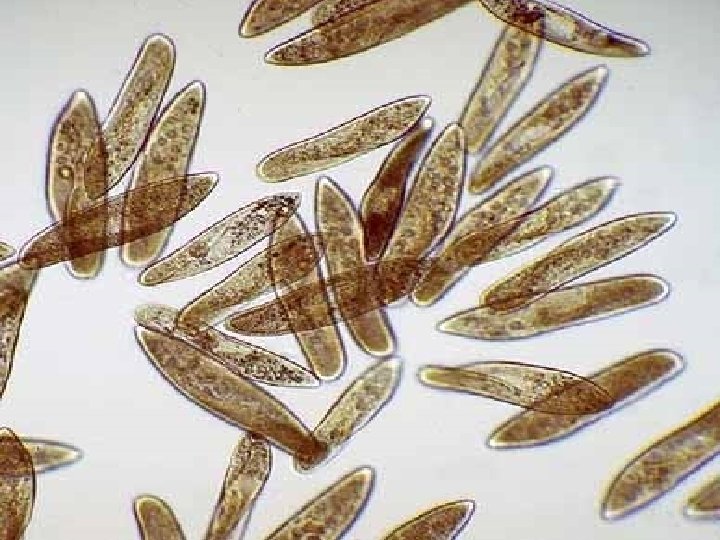
Ciliates: the hairy ones l Move beating tiny hairs called cilia
Sporazoans: the parasite l Non-motile - Do not move l Live inside a host l One type causes malaria
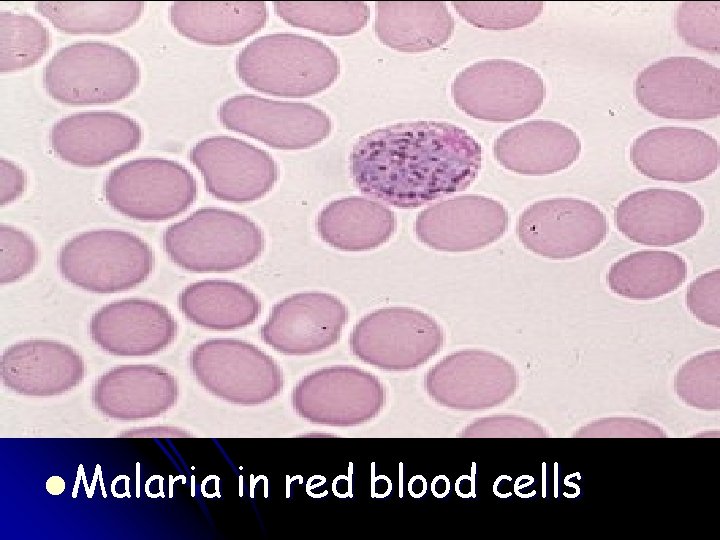
l Malaria in red blood cells
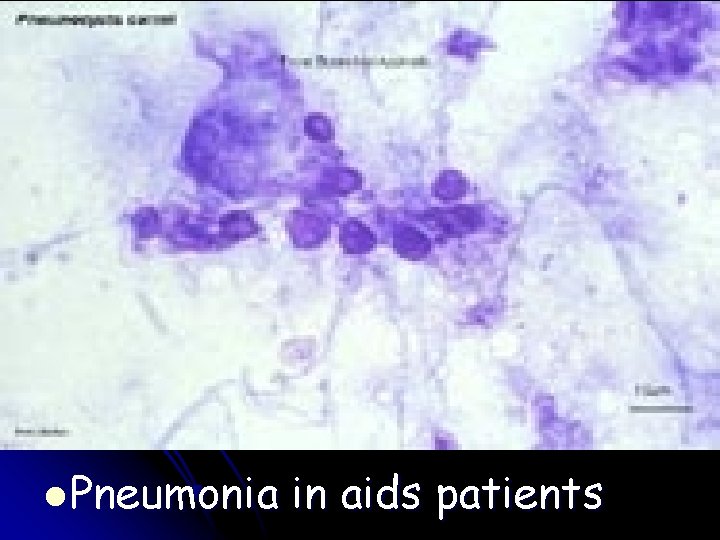
l Pneumonia in aids patients
Algae Plantlike Protists
What are Algae? l Multicellular – made of more than one cell l Photosynthetic – make their own food l No roots, stems, or leaves l Each has chlorophyll and other photosynthetic pigments
Phyla of Algae Euglenoids Diatoms Dinoflagellates Red, Brown, & Green Algae
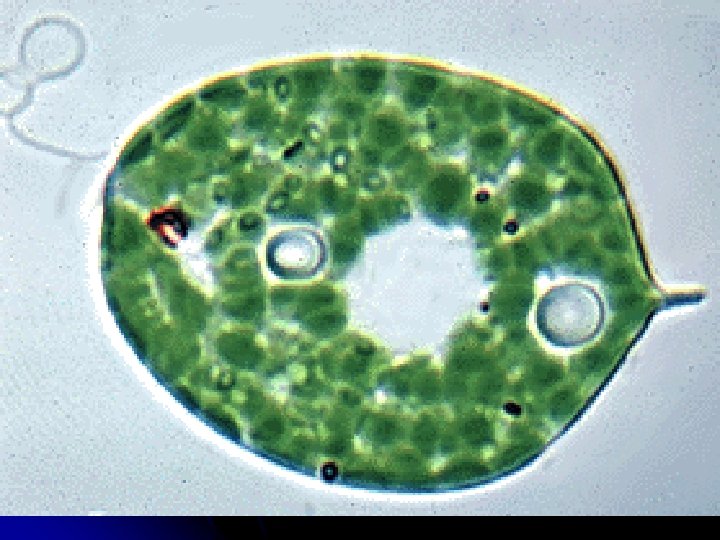
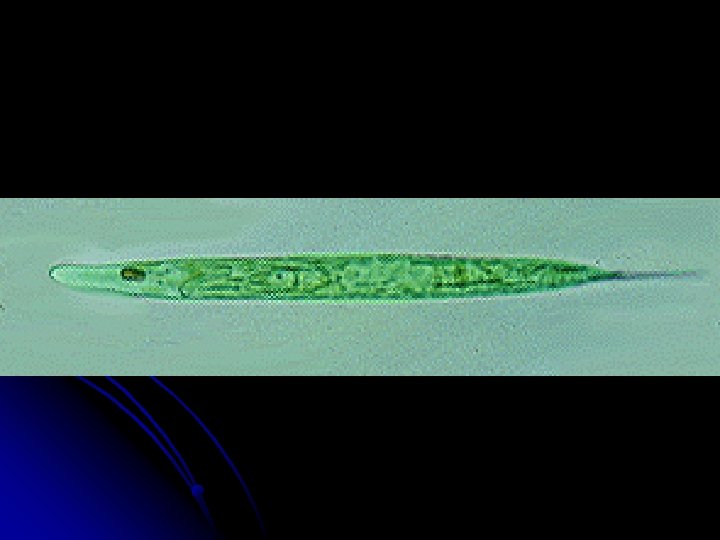
Euglenoids: The Survivors l Aquatic l Move around like animals l Can ingest food from surroundings when light is not available
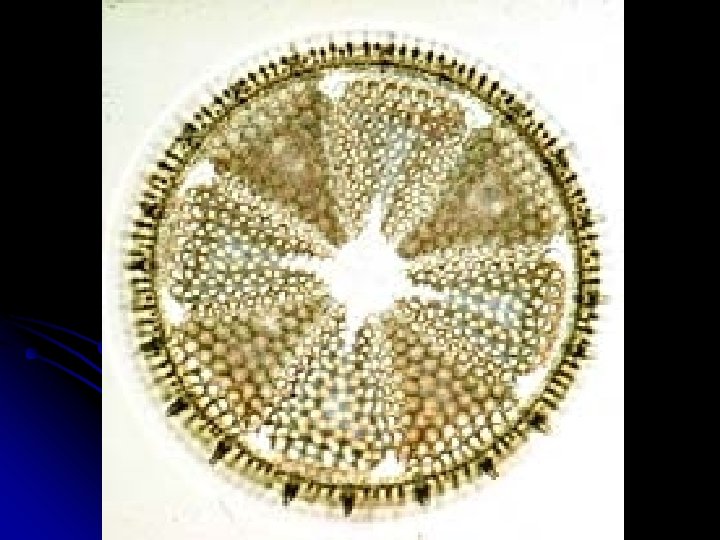
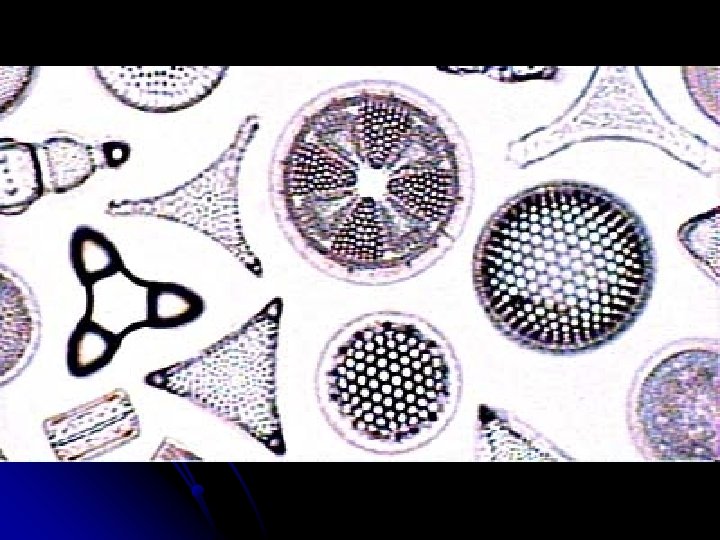
Diatoms: The Golden Ones l Have shells made of silica (glass) l Photosynthetic pigment called carotenoids – give them a golden color
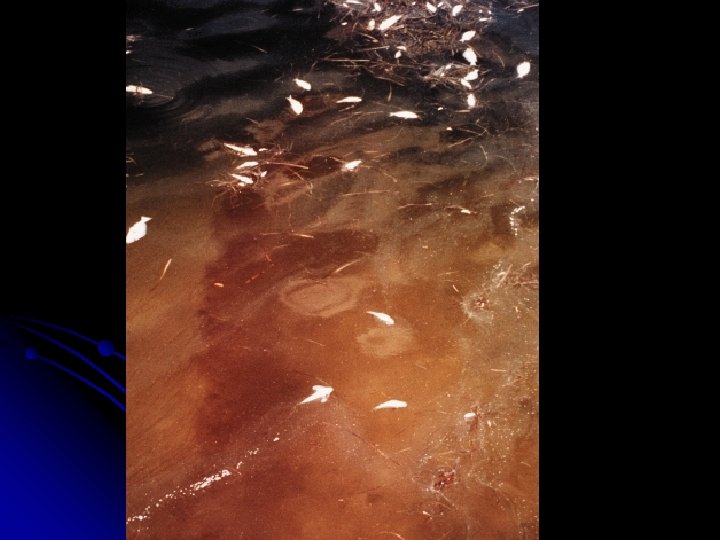
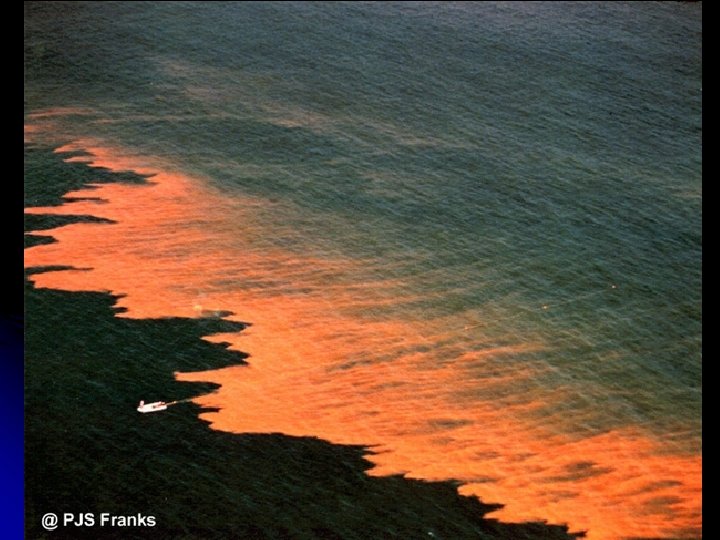
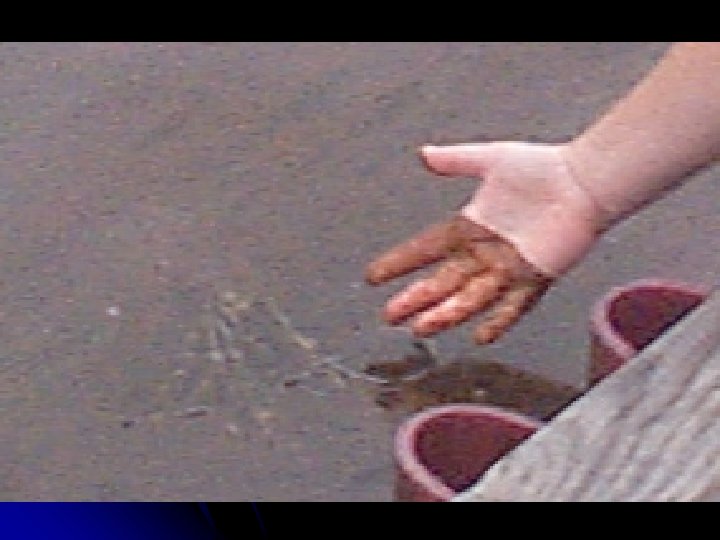
Dinoflagellates: The Spinning Ones l Spin around using two flagella l Responsible for Red Tides l Create toxins that can kill animals and sometimes people
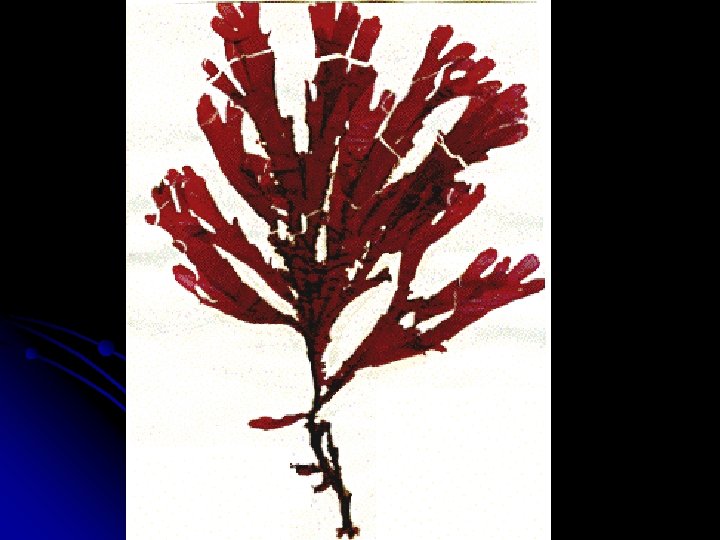
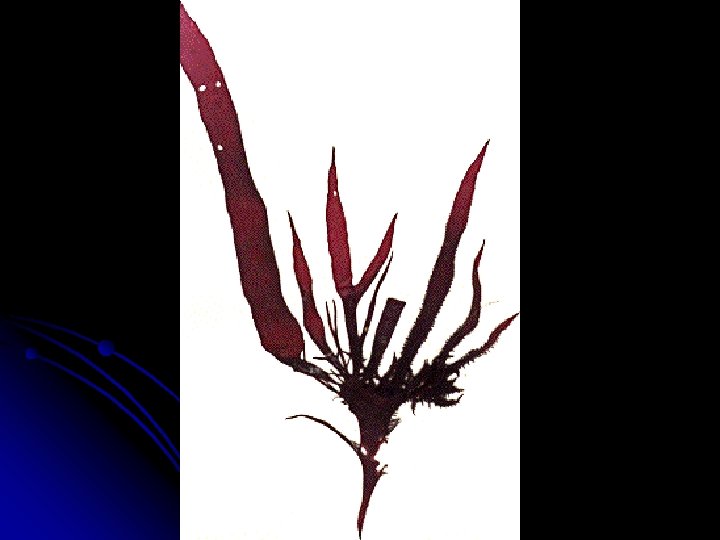
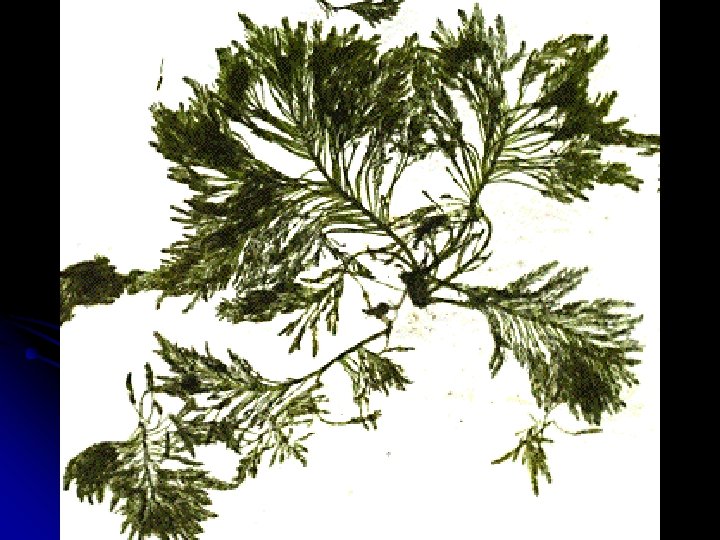
Red Algae: The…uh…Red Ones (duh) l Seaweeds l Multicellular, marine organisms l Have red and blue pigments
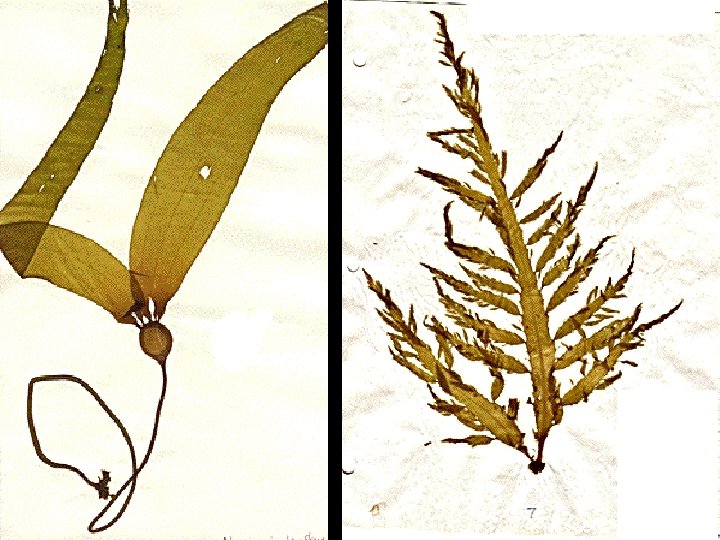
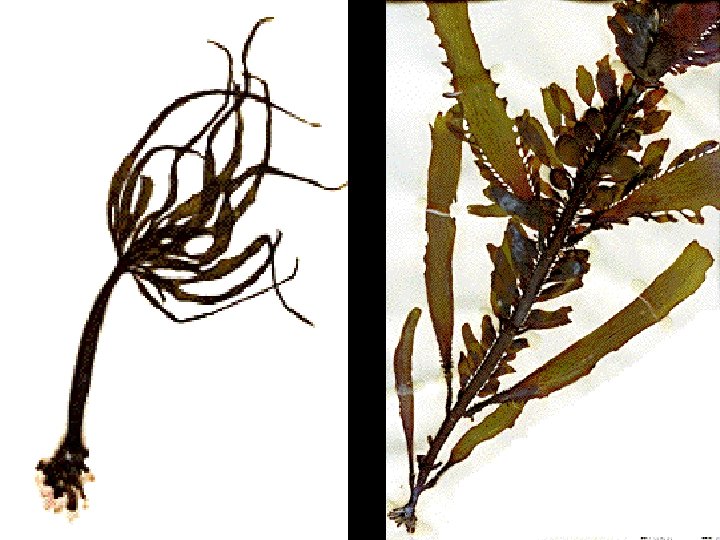
Brown Algae: The Brown Ones (You think? ) l They have air bladders to help them float at the surface – where the light is.
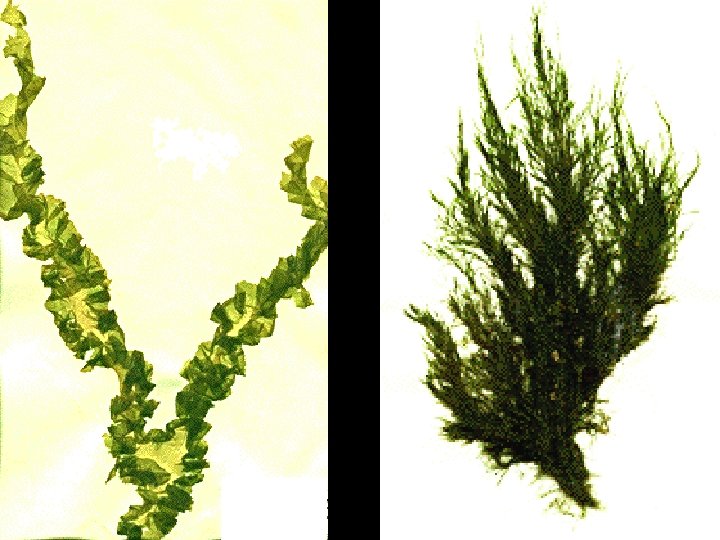
Green Algae: Yeah, You Guessed it, The Green Ones l Most live in fresh water l Can be unicellular or multicellular l Live alone or in groups called colonies
Fungus-like Protists
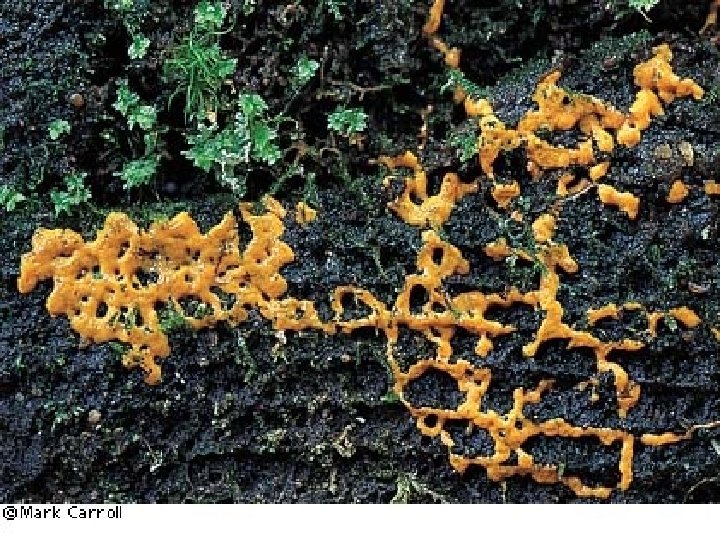
Characteristics in Common l All form delicate, netlike structures on the surface of their food source l Obtain energy by decomposing organic material
Phyla of Fungus-like Protists Plasmodium Slime Molds Cellular Slime Molds Water Molds & Downy Mildews
Slime Molds l Live in cool moist, shady places where they grow on damp, organic matter
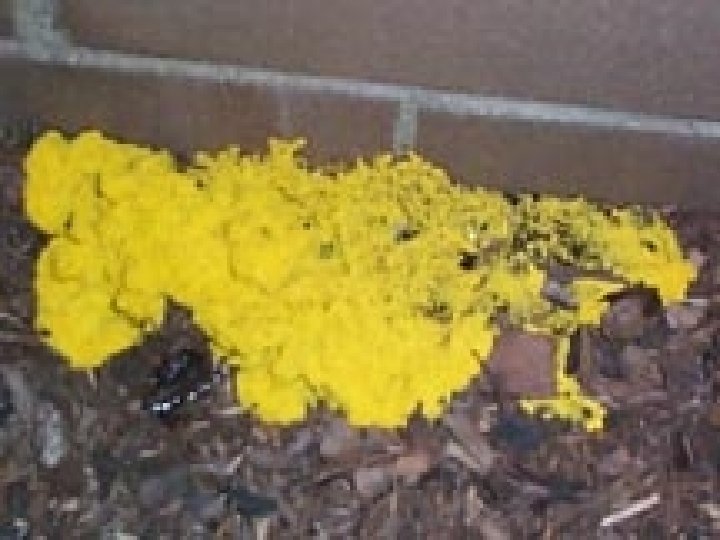
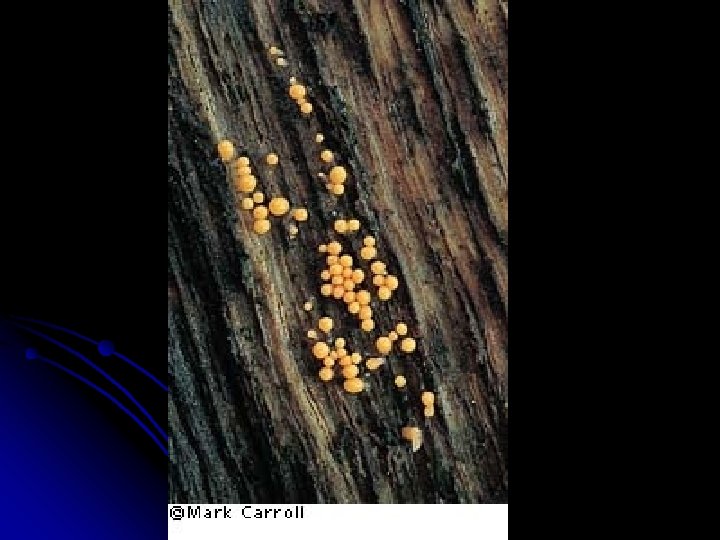
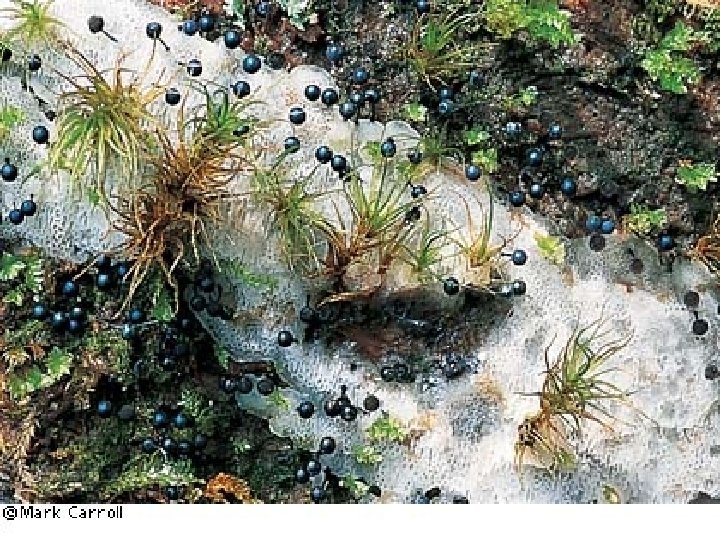
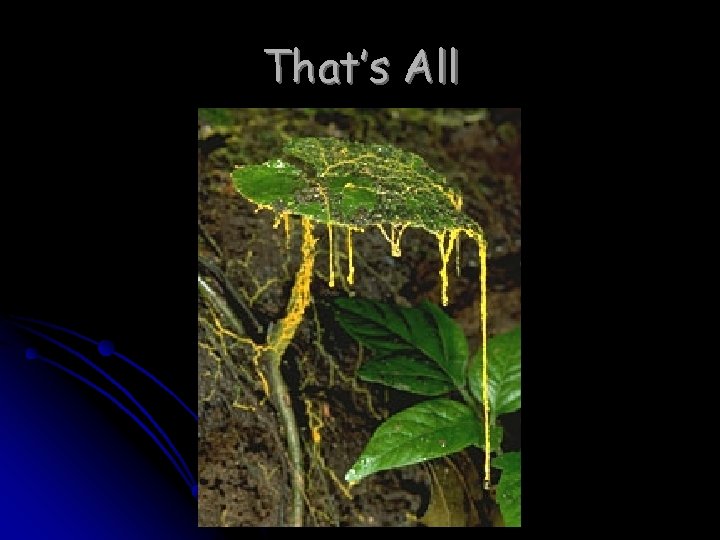
Plasmodium Slime Molds l Form plasmodium: a mass of cytoplasm that contains many diploid nuclei but no cell walls or membranes – its feeding stage l Creeps by amoeboid movement – 2. 5 cm/hour
Plasmodium continued… l May reach more than a meter in diameter l Form reproductive structures when surroundings dry up l Spores are dispersed by the wind and grow into new plasmodium
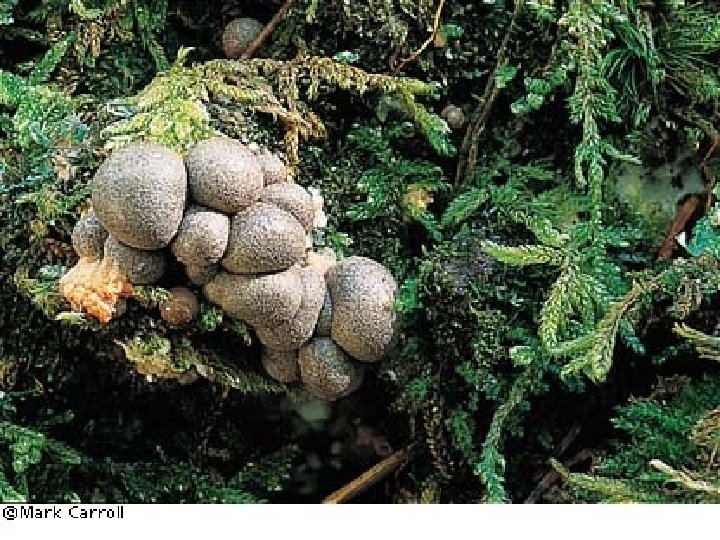
Cellular Slime Molds l In feeding mode, they exist as individual amoebic cells l When food becomes scarce, they come together with thousands of their own kind to reproduce l May look like a plasmodium
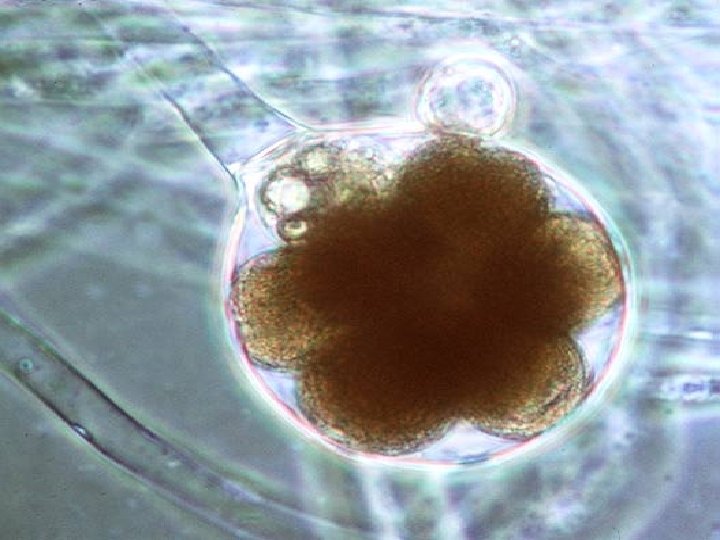
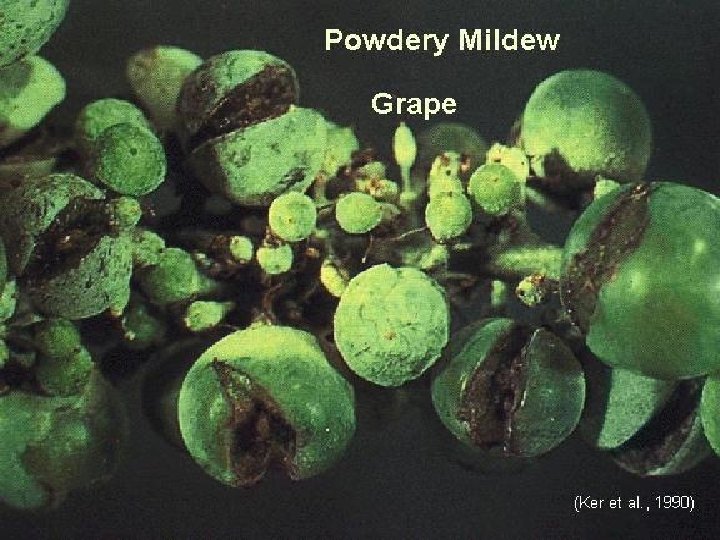
Water Molds and Downy Mildews l Live in water or moist places l Feed on dead organisms or parasitize plants l Fuzzy white growths
That’s All