
Protists The Good the Bad and the Ugly
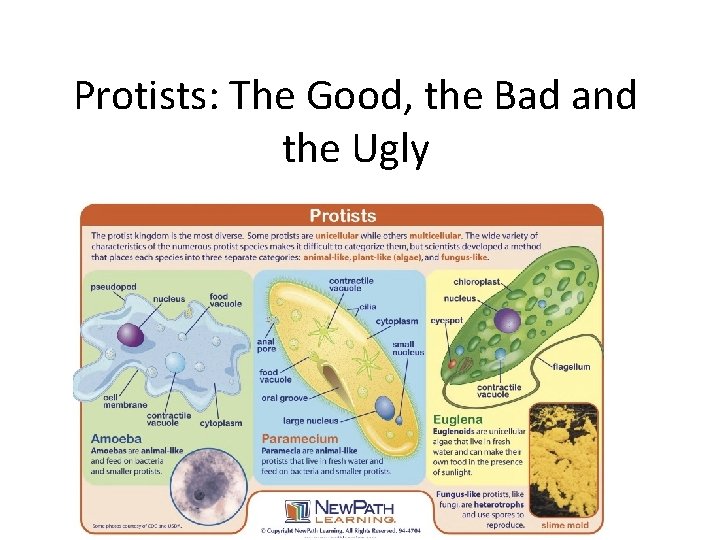
Protists: The Good, the Bad and the Ugly

Good protists • Oxygen! Phytoplankton carry out ½ of Earth’s photosynthesis. • Producers, start of marine food chains • Zooplankton are an important food source for animals. • Decomposers, end of food chains

• Food for humans – sushi, ice cream • Symbiotic relationships with other organisms. A protist live inside termites to help them digest wood. • Lichens are symbiotic associations between a fungus and a photosynthetic organism, usually green algae. • Bioluminescence! (glow in the dark)
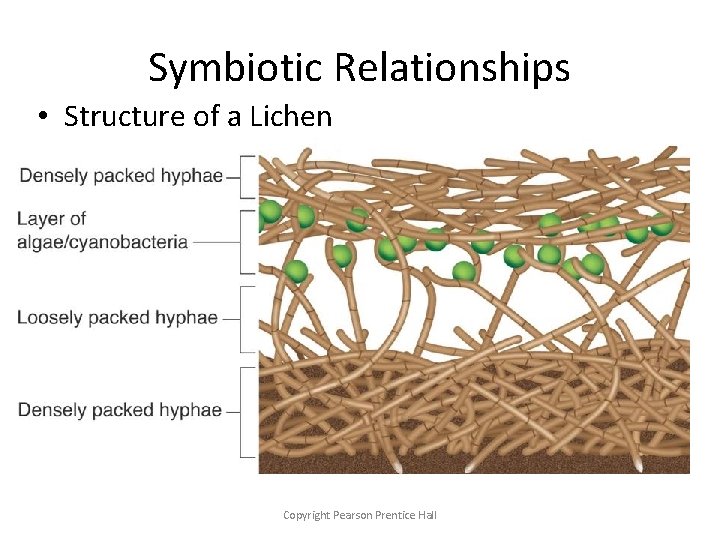
Symbiotic Relationships • Structure of a Lichen Copyright Pearson Prentice Hall

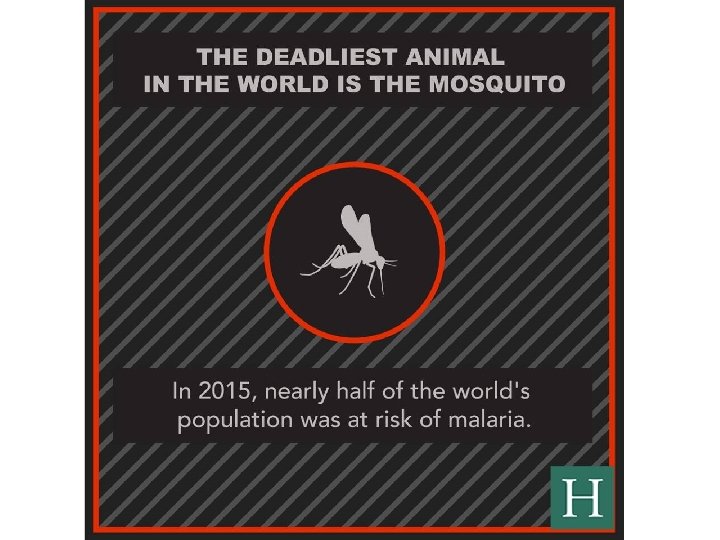
Bad protists • Pathogens – animal-like protists cause malaria, African sleeping sickness, amebic dysentery and Giardia • Parasites • Can cause plant diseases. Water mold was a cause of the Irish potato famine in the 1800 s.
Algal Blooms • Many protists are vital in recycling sewage and other wastes. • When waste is excessive, algae may grow into enormous masses known as blooms, which deplete water of nutrients. • Their decomposition robs water of oxygen, killing fish and invertebrate life. Copyright Pearson Prentice Hall
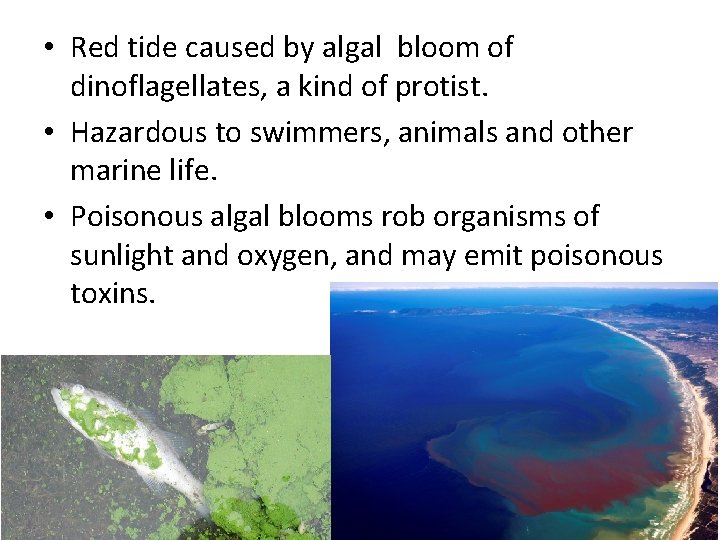
• Red tide caused by algal bloom of dinoflagellates, a kind of protist. • Hazardous to swimmers, animals and other marine life. • Poisonous algal blooms rob organisms of sunlight and oxygen, and may emit poisonous toxins.
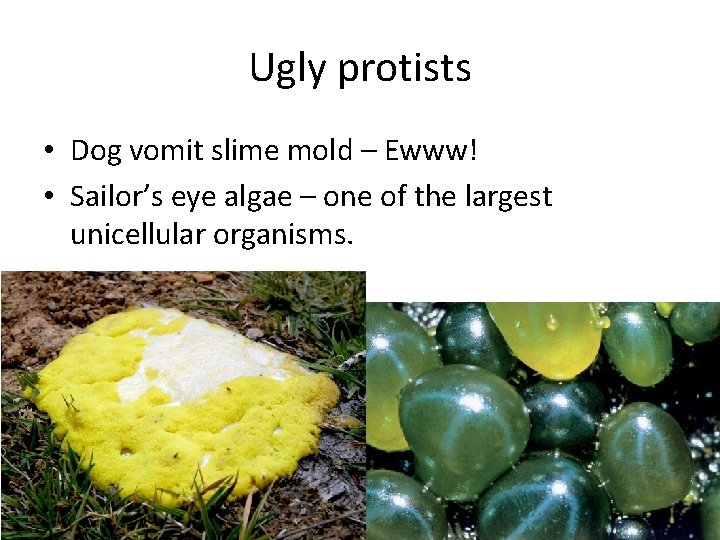
Ugly protists • Dog vomit slime mold – Ewww! • Sailor’s eye algae – one of the largest unicellular organisms.
- Slides: 9