
Protists Kingdom Protista Eukaryotes Unicellular or multicellular CLASSIFIED
- Slides: 19
Protists
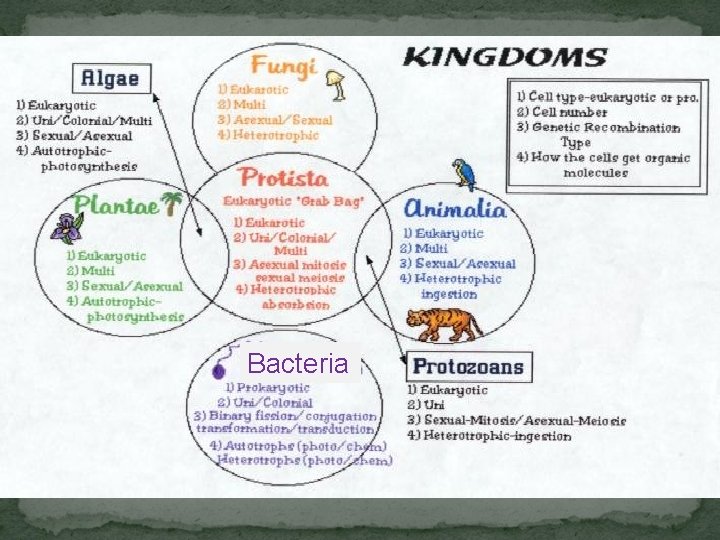
Kingdom Protista �Eukaryotes �Unicellular or multicellular �CLASSIFIED according to the way they obtain nutrients: �Animal-like protist - heterotroph �Plant-like protist - autotroph �Fungi-like protist - decomposer
Bacteria
Protozoans Animal-like Protists
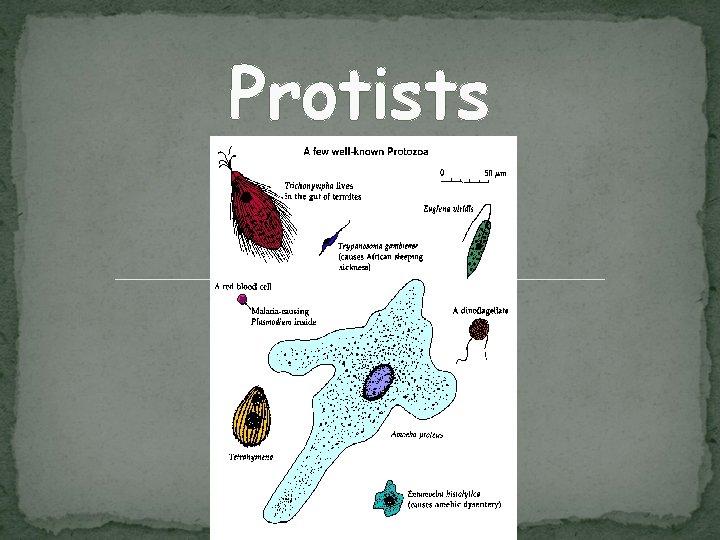
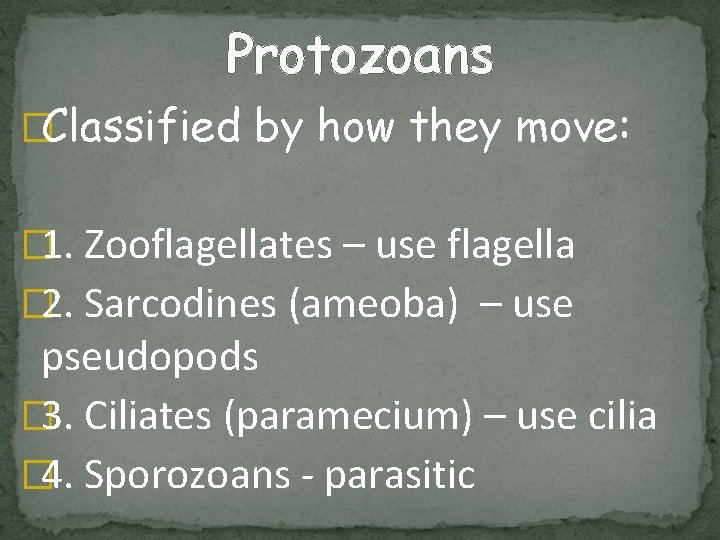
Protozoans �Classified by how they move: � 1. Zooflagellates – use flagella � 2. Sarcodines (ameoba) – use pseudopods � 3. Ciliates (paramecium) – use cilia � 4. Sporozoans - parasitic
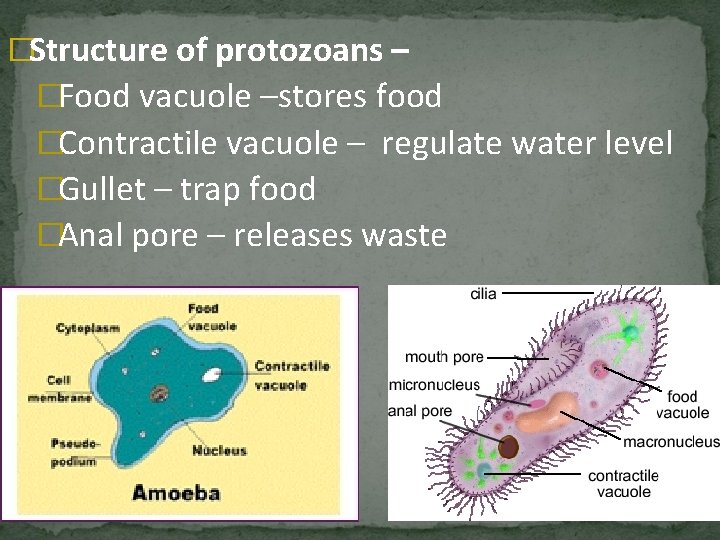
�Structure of protozoans – �Food vacuole –stores food �Contractile vacuole – regulate water level �Gullet – trap food �Anal pore – releases waste
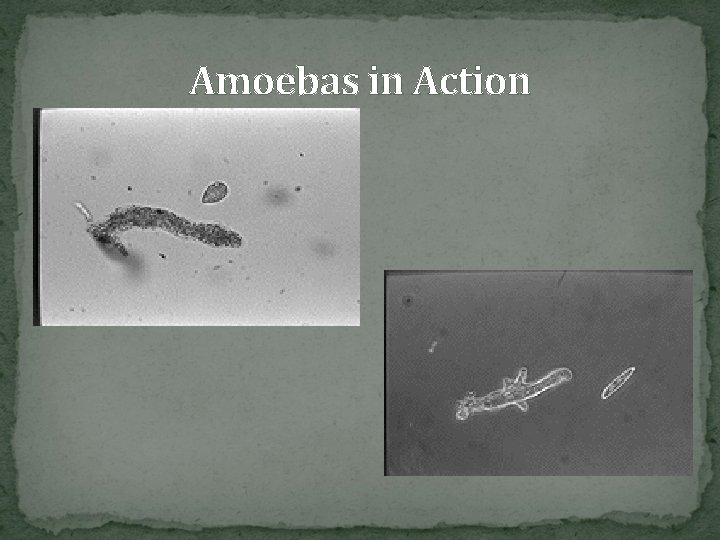
Amoebas in Action
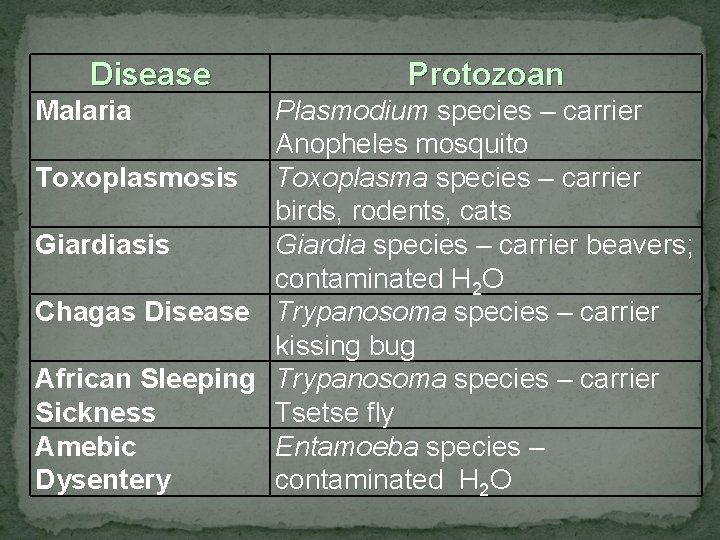
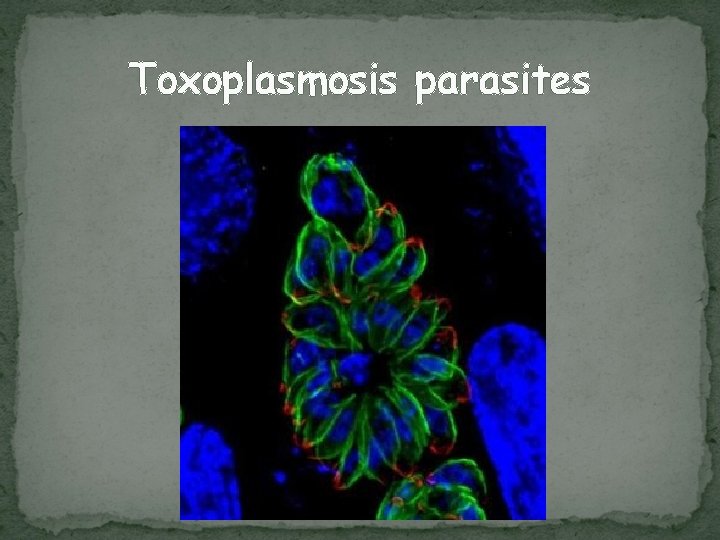
Disease Malaria Protozoan Plasmodium species – carrier Anopheles mosquito Toxoplasmosis Toxoplasma species – carrier birds, rodents, cats Giardiasis Giardia species – carrier beavers; contaminated H 2 O Chagas Disease Trypanosoma species – carrier kissing bug African Sleeping Trypanosoma species – carrier Sickness Tsetse fly Amebic Entamoeba species – Dysentery contaminated H 2 O
Toxoplasmosis parasites
PLANT-LIKE PROTIST (AKA: ALGAE)
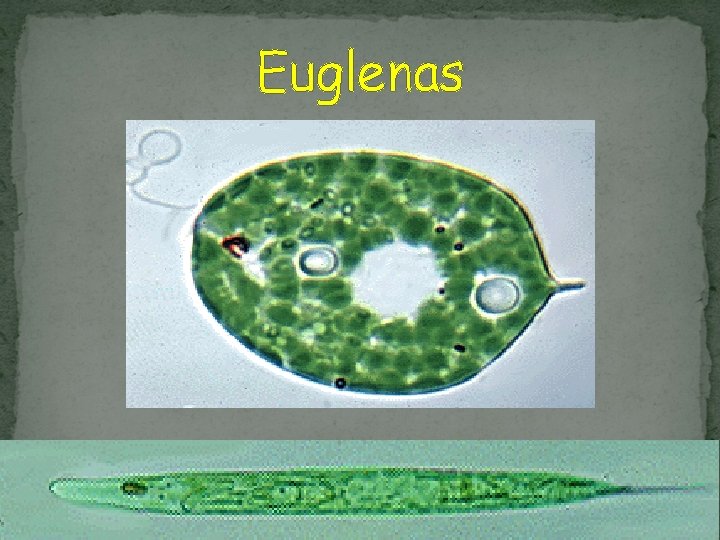
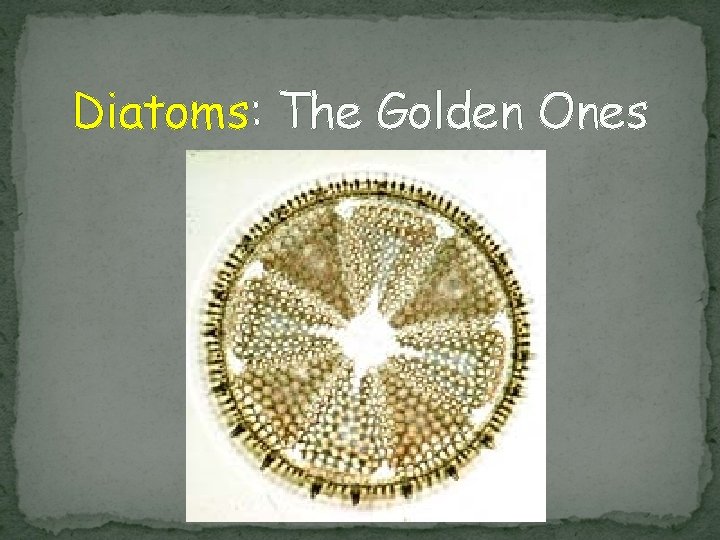
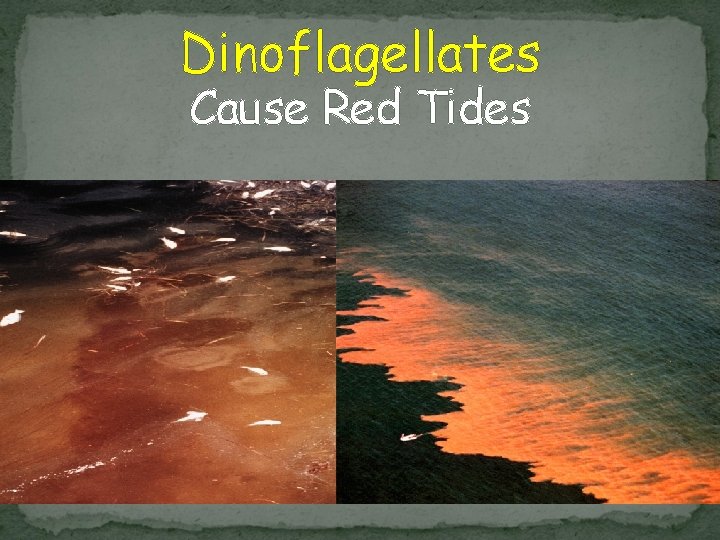
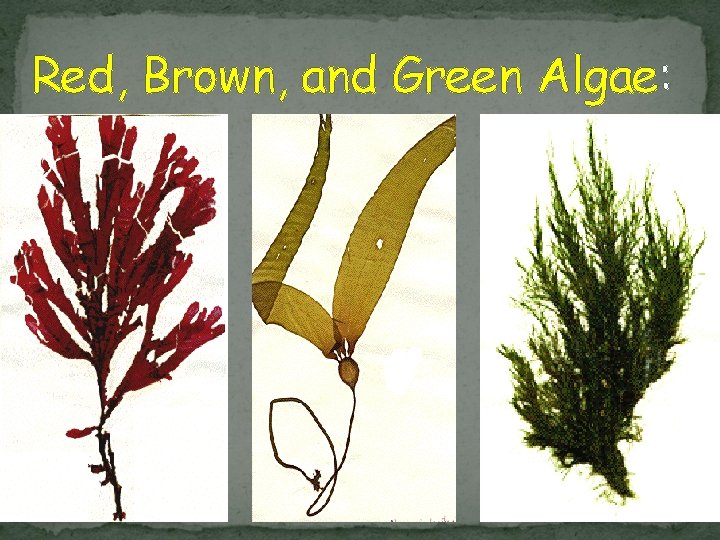
�Unicellular Algae � 1. Euglena � 2. Dinoflagellates – algal blooms produce red tide � 3. Diatoms – produce thin cell walls rich in silicon (make glass) �Multicellular Algae (aka: seaweed) – red, brown, green algae
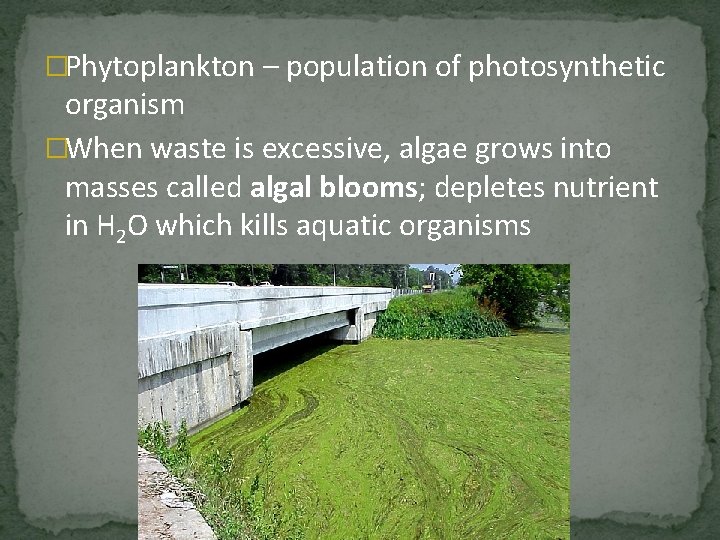
�Phytoplankton – population of photosynthetic organism �When waste is excessive, algae grows into masses called algal blooms; depletes nutrient in H 2 O which kills aquatic organisms
Euglenas
Diatoms: The Golden Ones
Dinoflagellates Cause Red Tides
Red, Brown, and Green Algae:
�Human uses of Algae – �much of Earth’s O 2 is produced by algae – uses photosynthesis to produce oxygen �chemicals in algae – medicines (treat stomach ulcers), make plastics, waxes, etc. �food --nori wraps in sushi, ice cream, candy bars, syrups, etc.
Fungus-like Protists
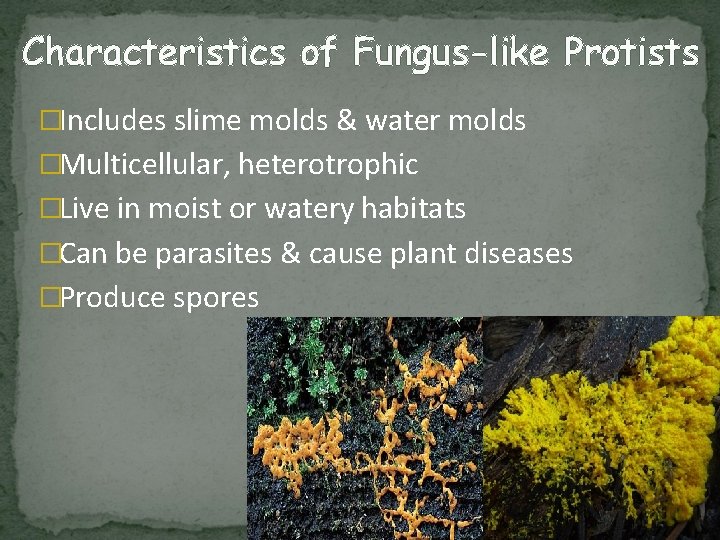
Characteristics of Fungus-like Protists �Includes slime molds & water molds �Multicellular, heterotrophic �Live in moist or watery habitats �Can be parasites & cause plant diseases �Produce spores