
Protists Chapter 28 Protists Eukaryotes Not plants fungi
- Slides: 61
Protists Chapter 28
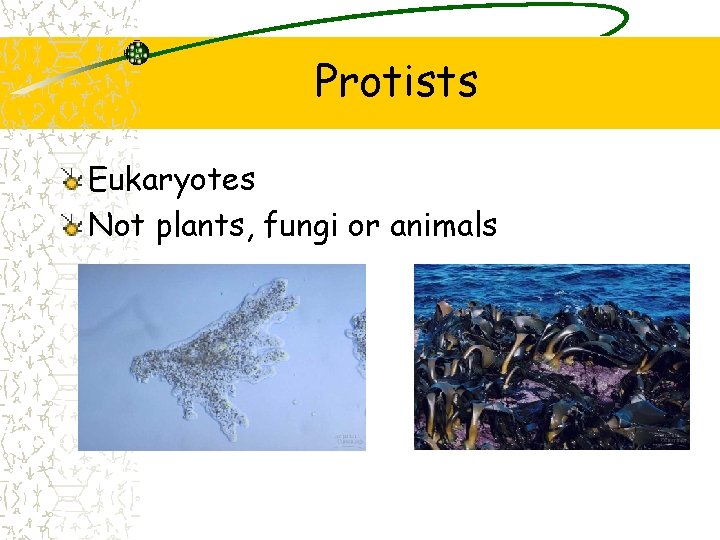
Protists Eukaryotes Not plants, fungi or animals
Protists Unicellular Colonial Multi-cellular Highly variable No one unifying feature “protist” informal term Greatest diversity of eukaryotic kingdoms.
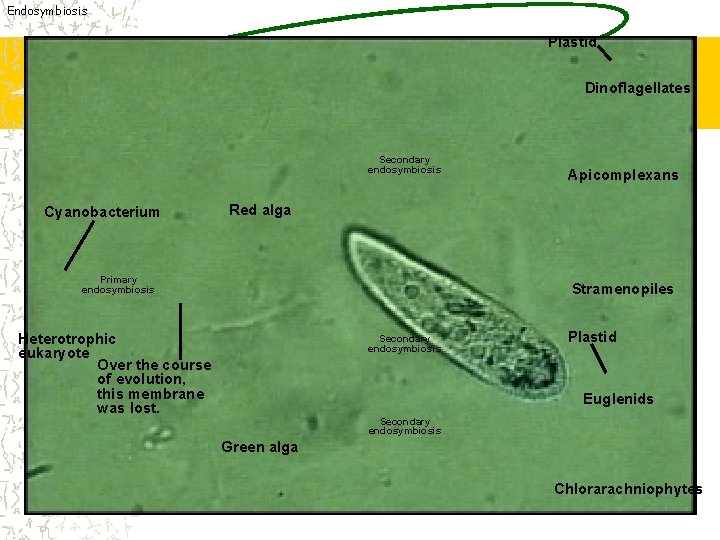
Endosymbiosis Plastid Dinoflagellates Secondary endosymbiosis Cyanobacterium Apicomplexans Red alga Primary endosymbiosis Stramenopiles Heterotrophic eukaryote Over the course of evolution, this membrane was lost. Secondary endosymbiosis Plastid Euglenids Secondary endosymbiosis Green alga Chlorarachniophytes
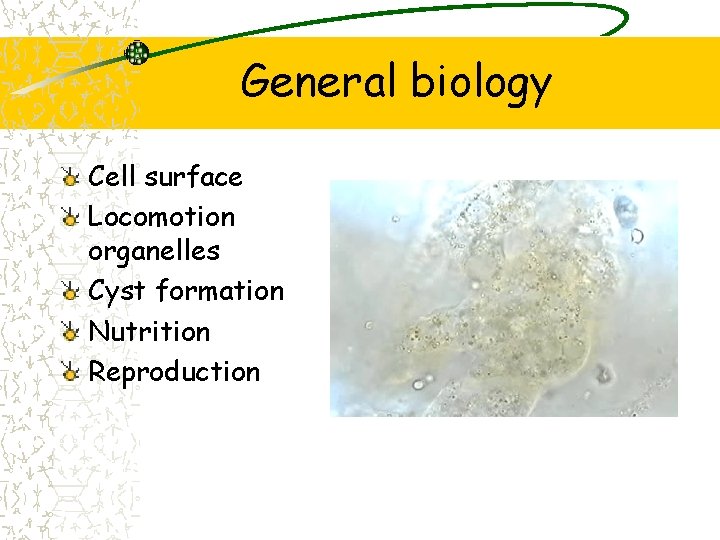
General biology Cell surface Locomotion organelles Cyst formation Nutrition Reproduction
Cell surface Some only cell membrane Some extra cellular material (ECM) on the outside of their membrane Some ECM makes a strong cell wall Diatoms shells of silica
Locomotion organelles Flagella One or more to move Several shorter called cilia Pseudopodial (false feet) Lobopodia-blunt extensions Filopodia-thin branch extensions Axopodia-supported by microtubules
Cyst formation Protective covering In adverse environments Dormant forms
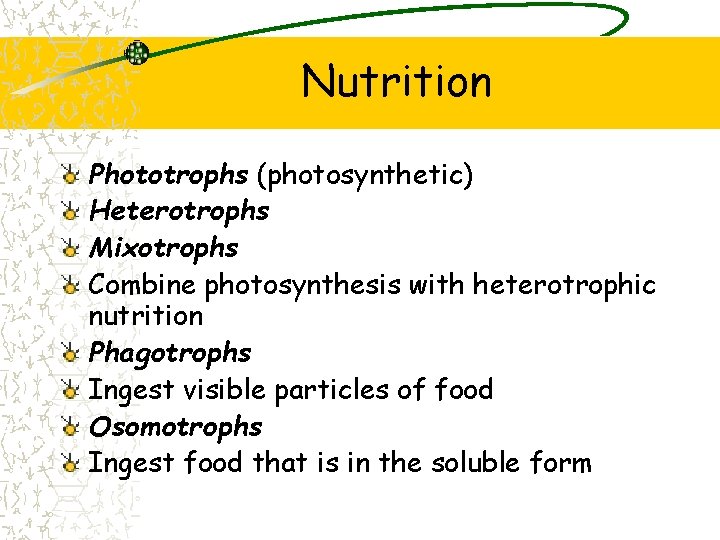
Nutrition Phototrophs (photosynthetic) Heterotrophs Mixotrophs Combine photosynthesis with heterotrophic nutrition Phagotrophs Ingest visible particles of food Osomotrophs Ingest food that is in the soluble form
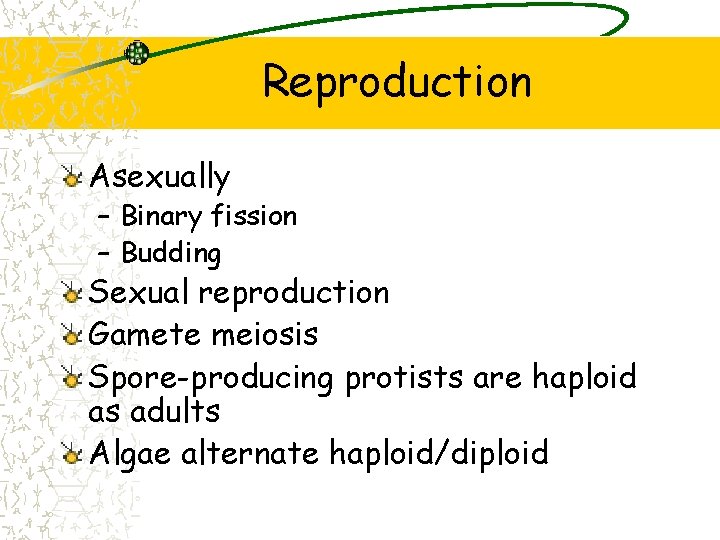
Reproduction Asexually – Binary fission – Budding Sexual reproduction Gamete meiosis Spore-producing protists are haploid as adults Algae alternate haploid/diploid
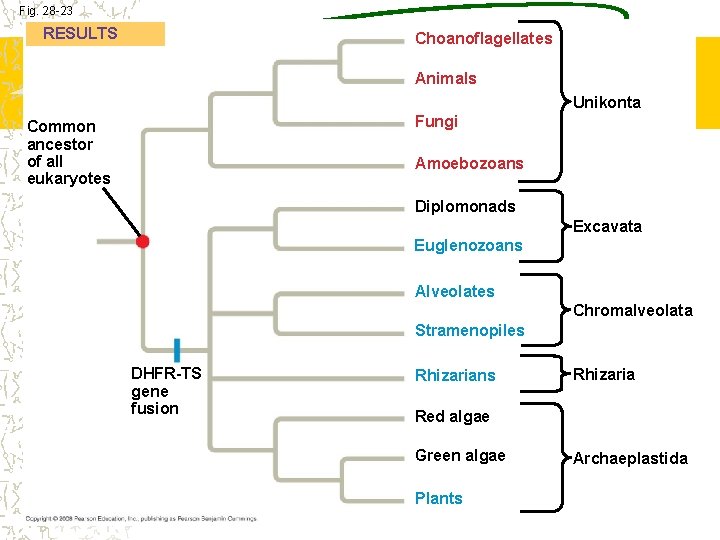
Fig. 28 -23 RESULTS Choanoflagellates Animals Unikonta Fungi Common ancestor of all eukaryotes Amoebozoans Diplomonads Excavata Euglenozoans Alveolates Chromalveolata Stramenopiles DHFR-TS gene fusion Rhizarians Rhizaria Red algae Green algae Plants Archaeplastida
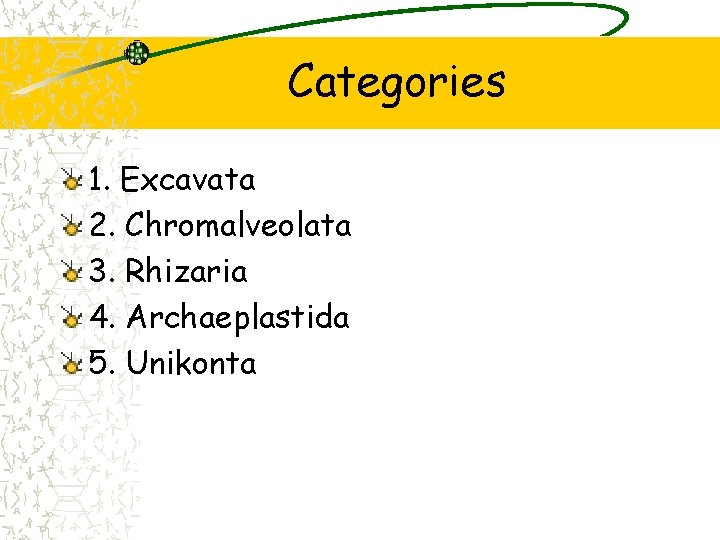
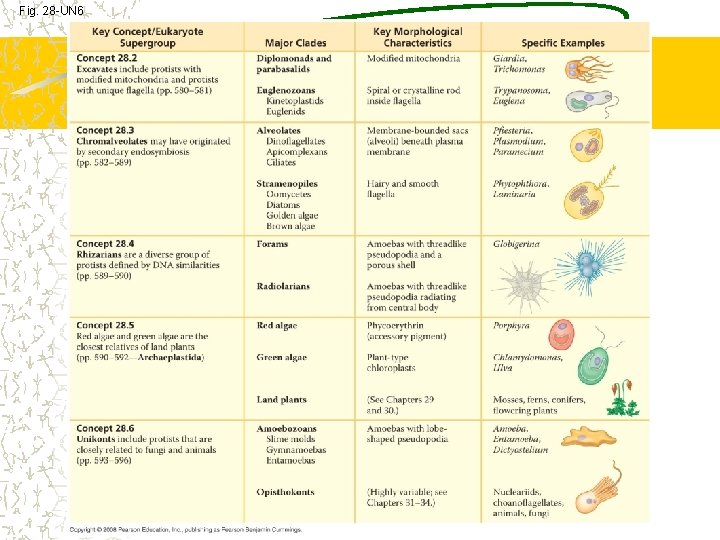
Categories 1. Excavata 2. Chromalveolata 3. Rhizaria 4. Archaeplastida 5. Unikonta
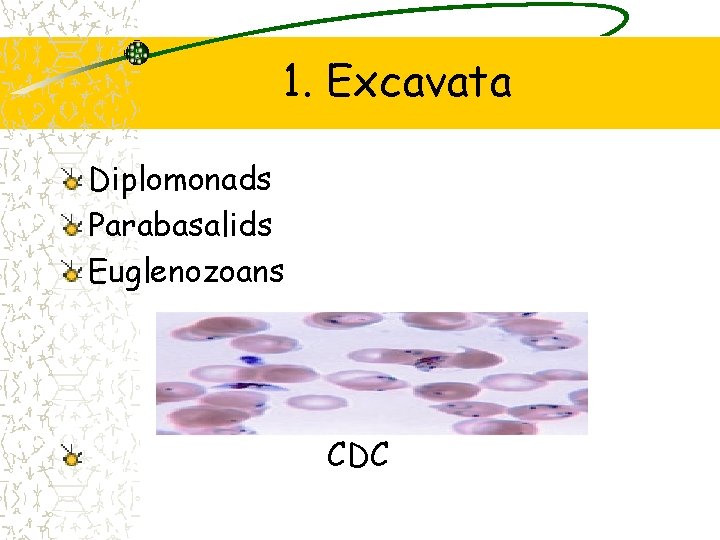
1. Excavata Diplomonads Parabasalids Euglenozoans CDC
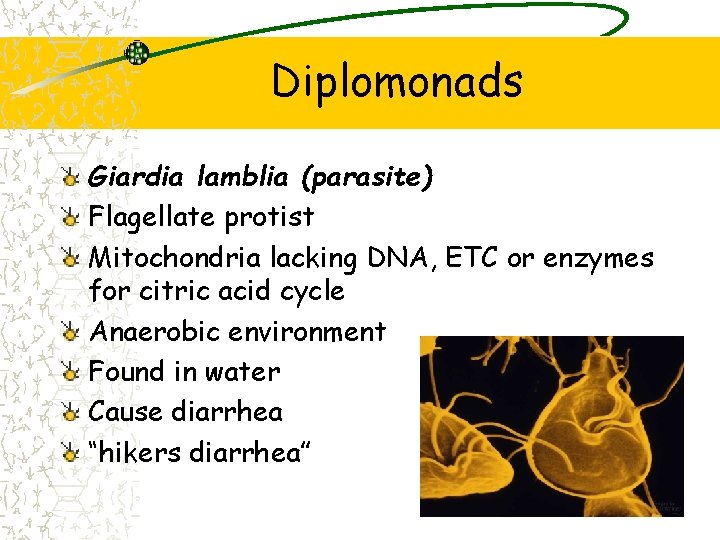
Diplomonads Giardia lamblia (parasite) Flagellate protist Mitochondria lacking DNA, ETC or enzymes for citric acid cycle Anaerobic environment Found in water Cause diarrhea “hikers diarrhea”
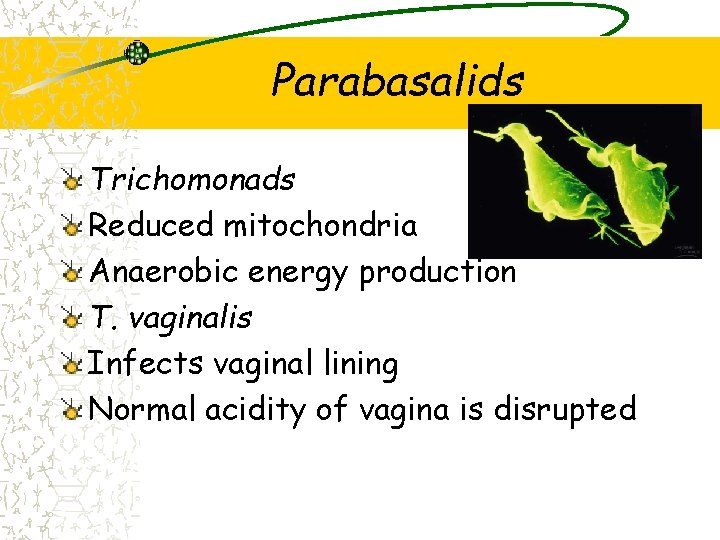
Parabasalids Trichomonads Reduced mitochondria Anaerobic energy production T. vaginalis Infects vaginal lining Normal acidity of vagina is disrupted
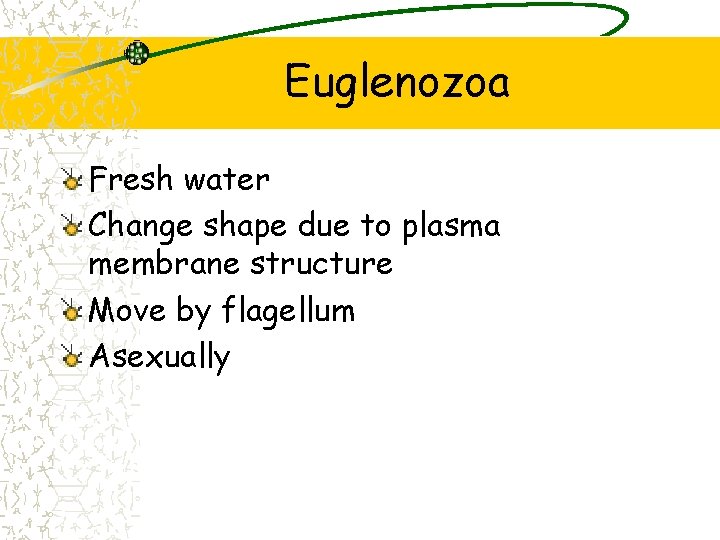
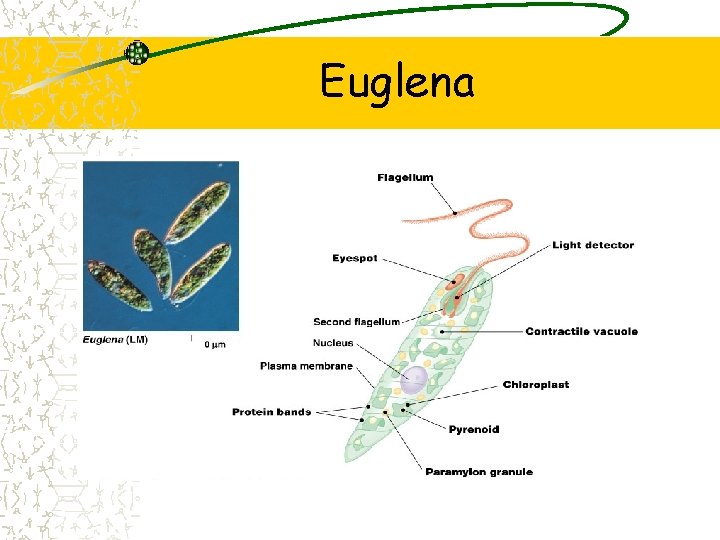
Euglenozoans Euglenoids Earliest free-living eukaryotes Diverged early 1/3 have chloroplasts – autotrophs Heterotrophs-dark/Autotrophs-light
Euglenozoa Fresh water Change shape due to plasma membrane structure Move by flagellum Asexually
Euglena
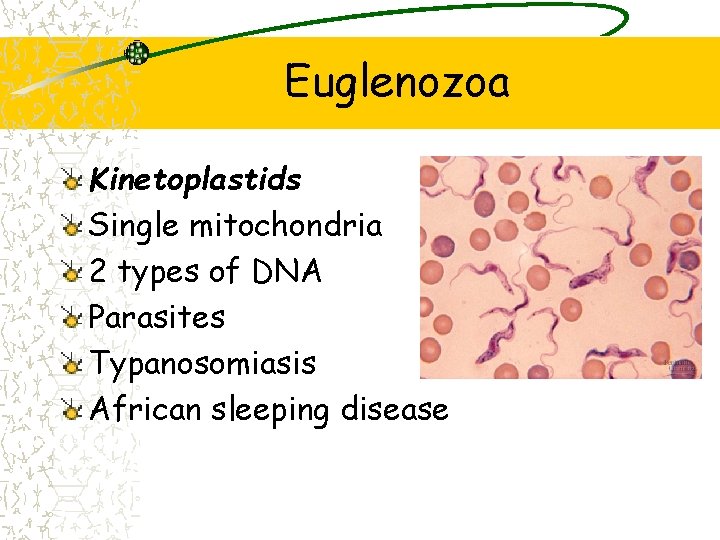
Euglenozoa Kinetoplastids Single mitochondria 2 types of DNA Parasites Typanosomiasis African sleeping disease
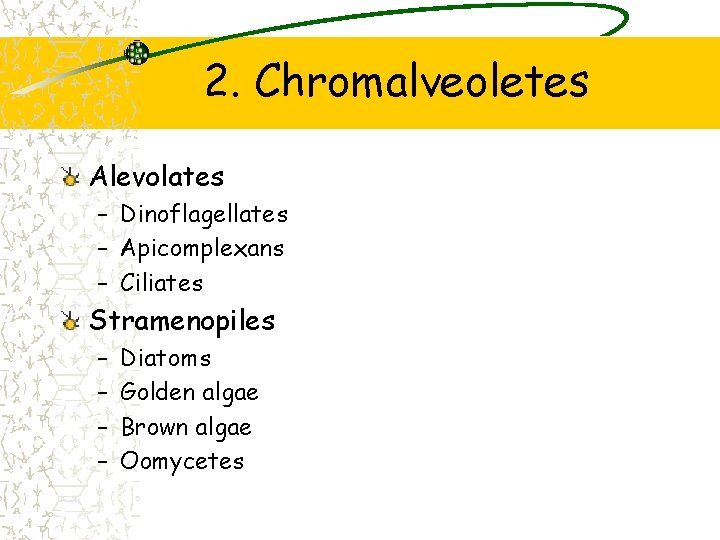
2. Chromalveoletes Alevolates – Dinoflagellates – Apicomplexans – Ciliates Stramenopiles – – Diatoms Golden algae Brown algae Oomycetes
Alveolata Common trait Alveoli (membrane sac) or space below the plasma membrane
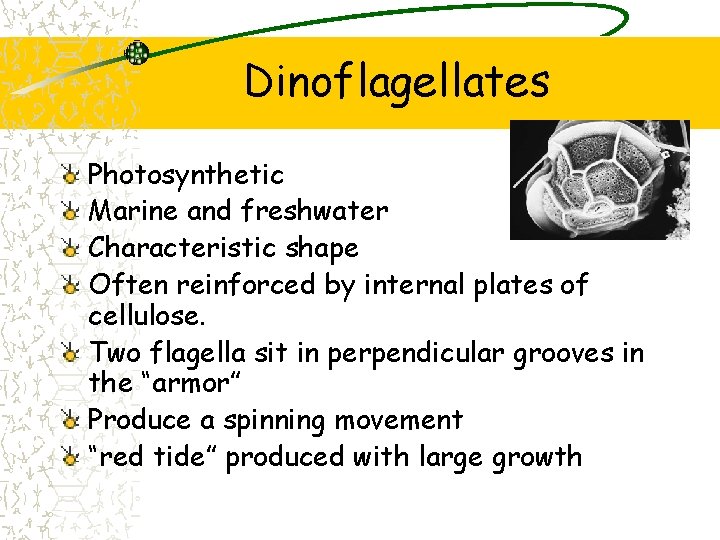
Dinoflagellates Photosynthetic Marine and freshwater Characteristic shape Often reinforced by internal plates of cellulose. Two flagella sit in perpendicular grooves in the “armor” Produce a spinning movement “red tide” produced with large growth
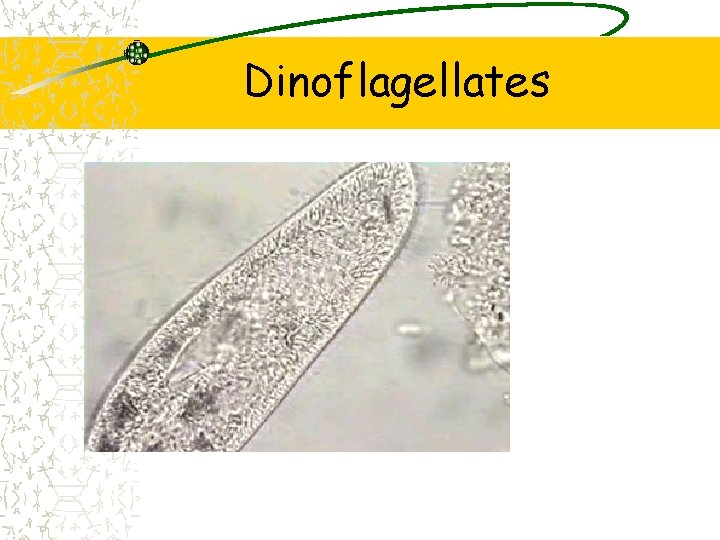
Dinoflagellates
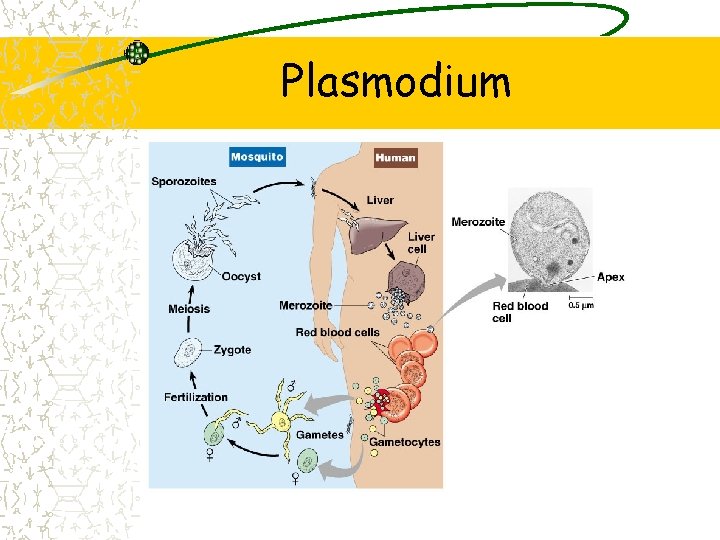
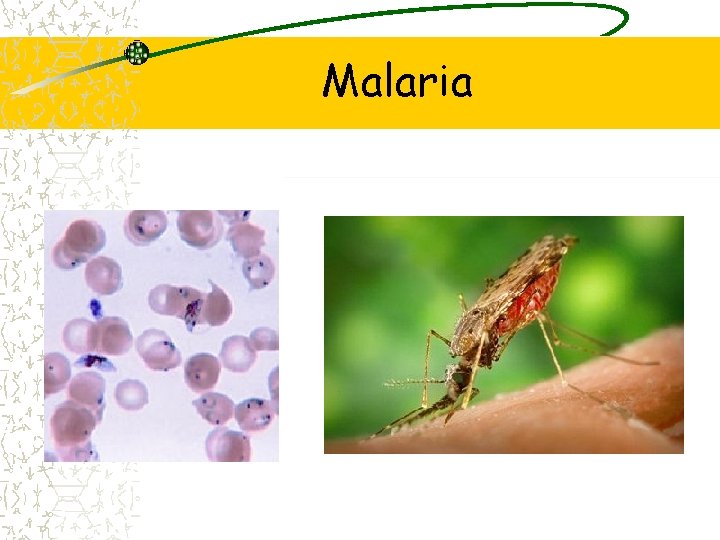
Apicomplexes Spore forming parasites Spores pass from host to host Apical complexes: Organelles are at one of the cell Plasmodium causes malaria Mosquito to human
Plasmodium
Malaria
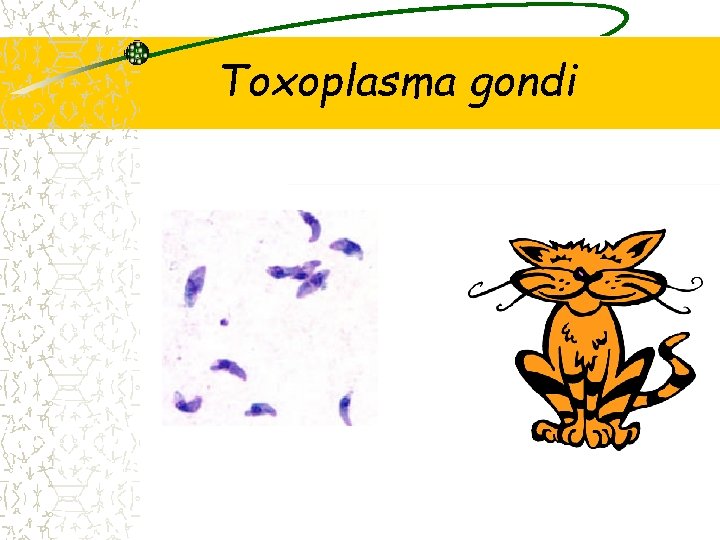
Toxoplasma gondi
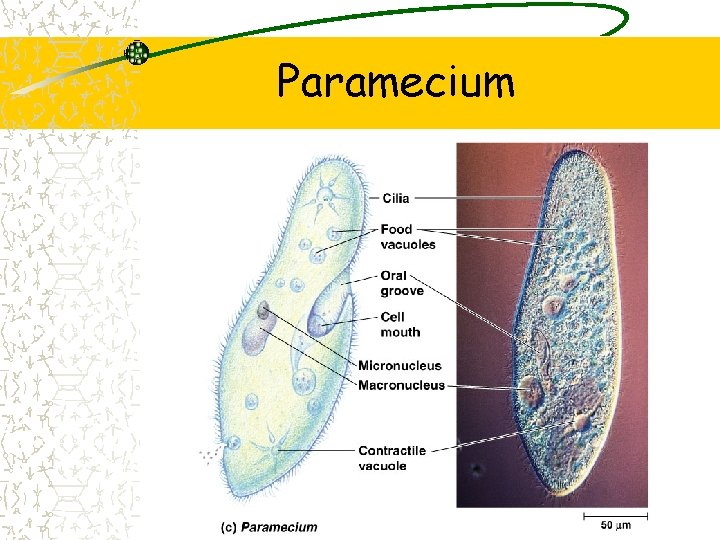
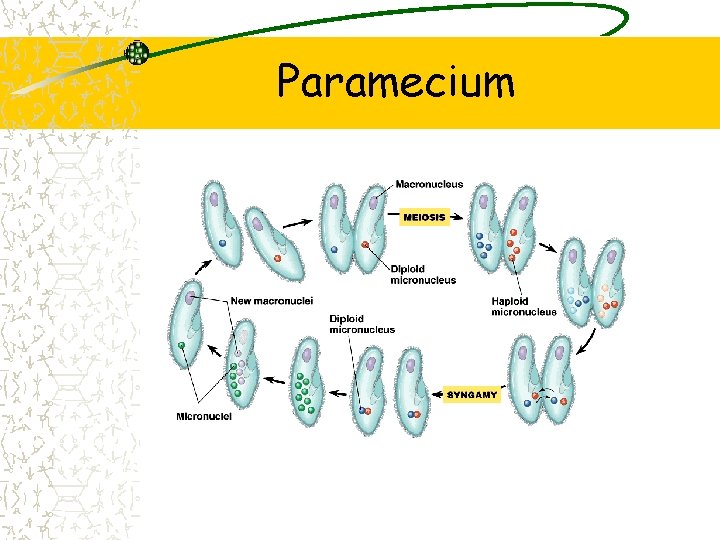
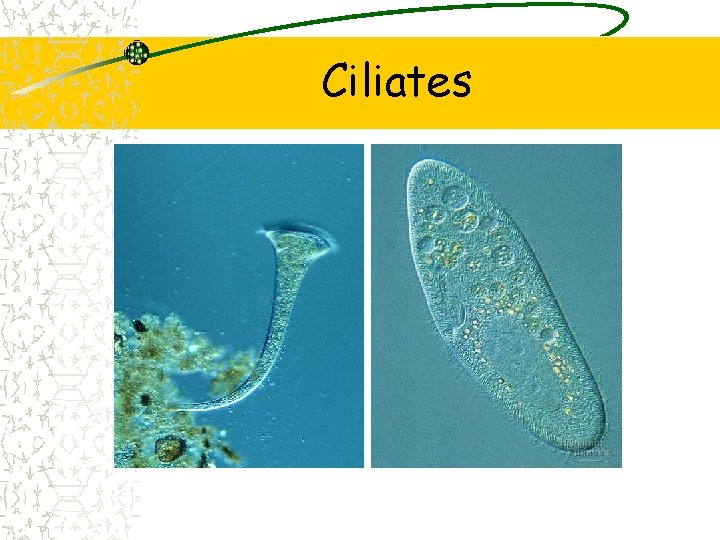
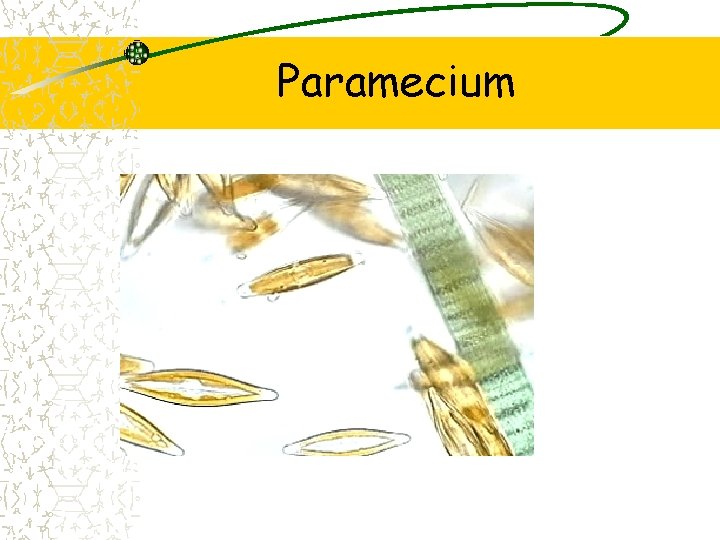
Ciliates Large numbers of cilia Anchored to microtubules below the membrane 2 nuclei Macronucleus for mitosis Micronucleus for sexual reproduction Divide 700 asexual generations Die if they do not undergo sexual reproduction
Paramecium
Paramecium
Ciliates
Paramecium
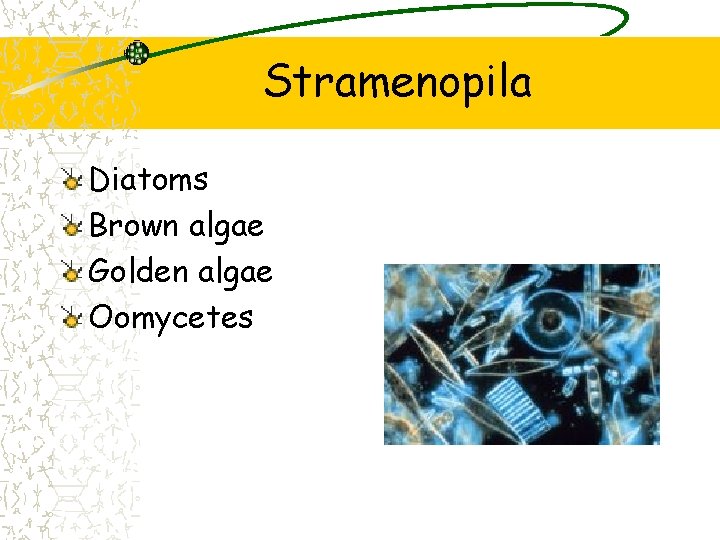
Stramenopila Diatoms Brown algae Golden algae Oomycetes
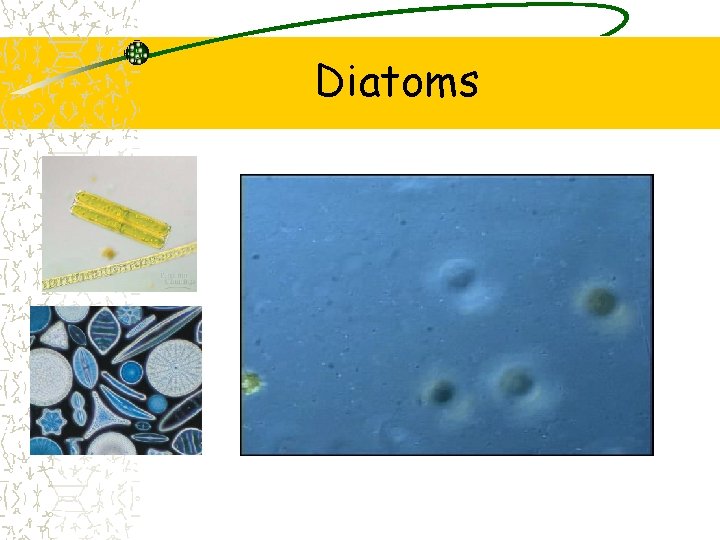
Diatoms Unique glasslike walls Composed of hydrated silica embedded in an organic matrix. Wall is divided into two parts Overlap like a shoe box & lid. Photosynthetic Mostly unicellular
Diatoms
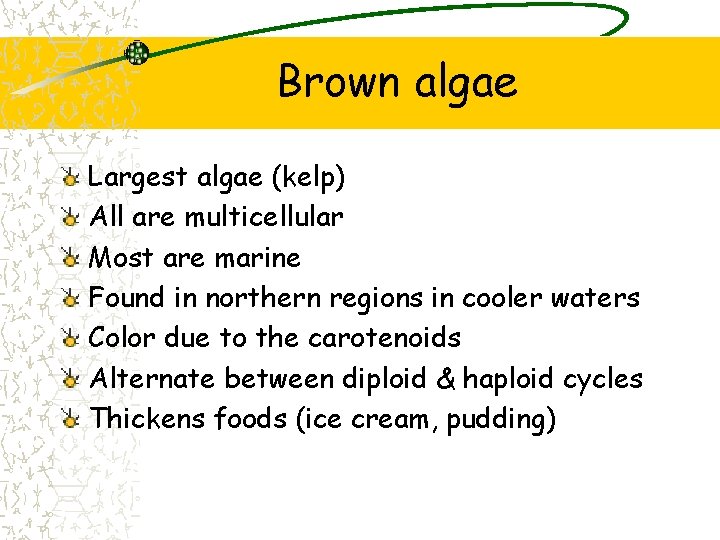
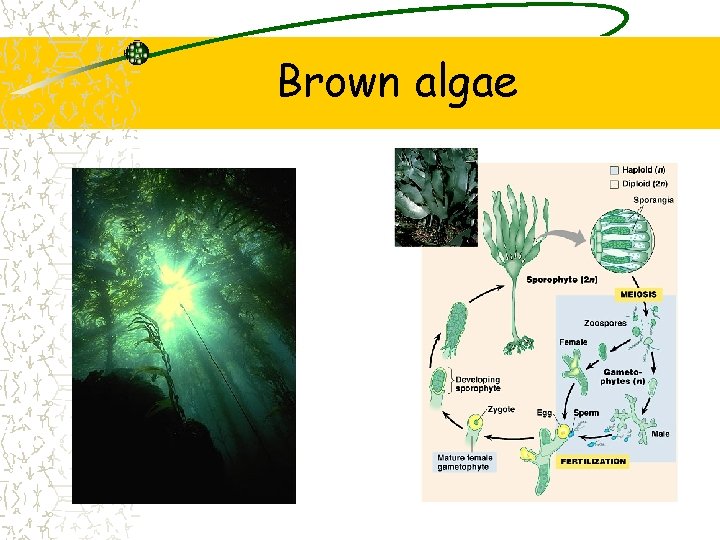
Brown algae Largest algae (kelp) All are multicellular Most are marine Found in northern regions in cooler waters Color due to the carotenoids Alternate between diploid & haploid cycles Thickens foods (ice cream, pudding)
Brown algae
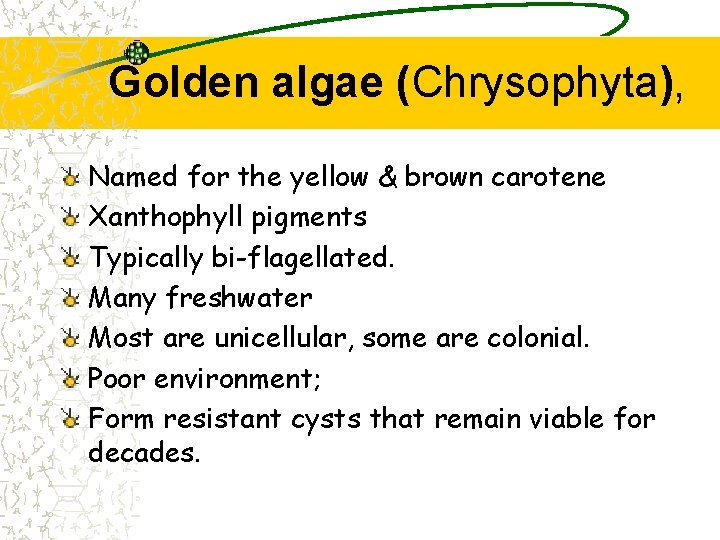
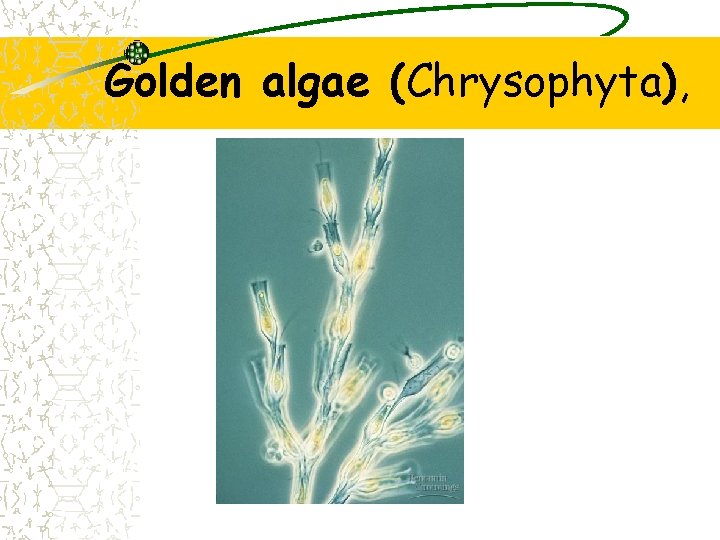
Golden algae (Chrysophyta), Named for the yellow & brown carotene Xanthophyll pigments Typically bi-flagellated. Many freshwater Most are unicellular, some are colonial. Poor environment; Form resistant cysts that remain viable for decades.
Golden algae (Chrysophyta),
Oomycetes Early studies showed they were fungi Cellulose in cell walls Mostly diploid Flagellated cells Caused the potato blight in 1845 -47 Turned potato plants to black slime
3. Rhizaria Amoebas Forams Radiolarians
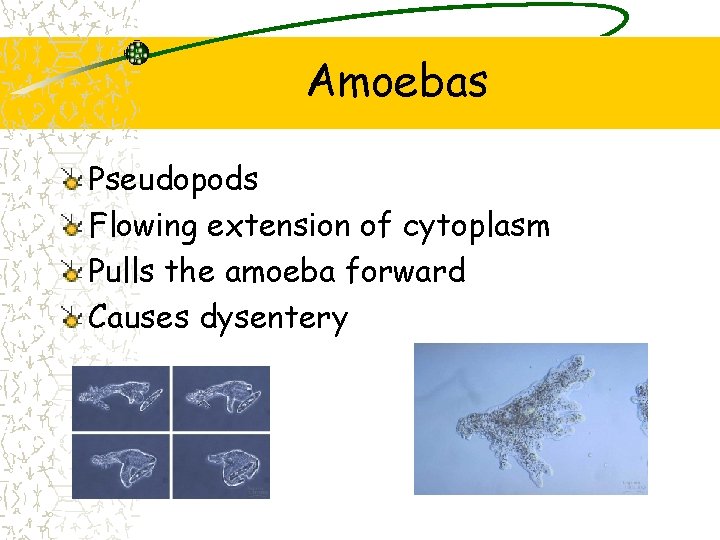
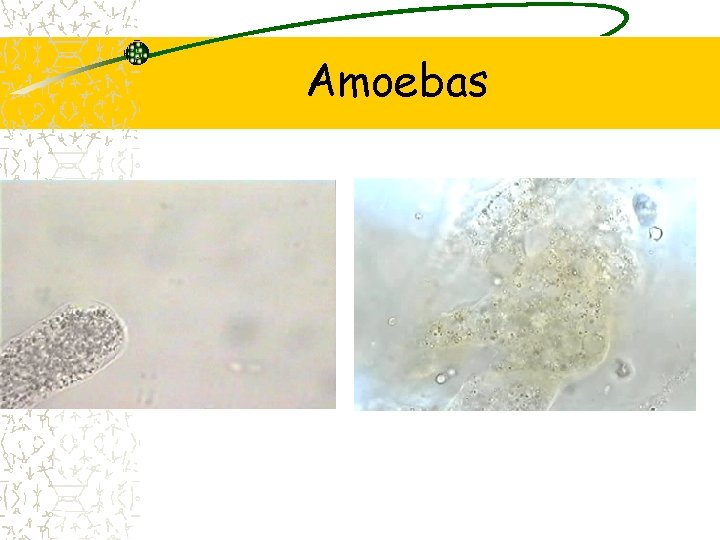
Amoebas Pseudopods Flowing extension of cytoplasm Pulls the amoeba forward Causes dysentery
Amoebas
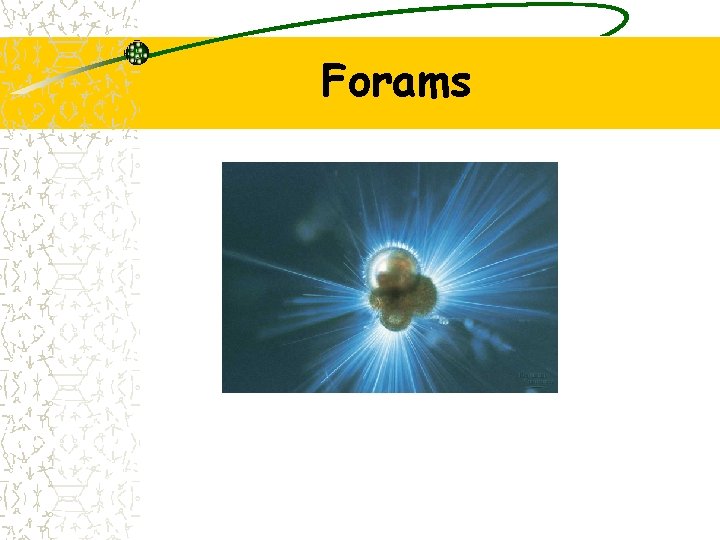
Forams Almost all marine. Most live in sand or attach to rocks or algae. Some are in plankton. Multi-chambered, porous shells Consists of organic materials Hardened with calcium carbonate Tests
Forams
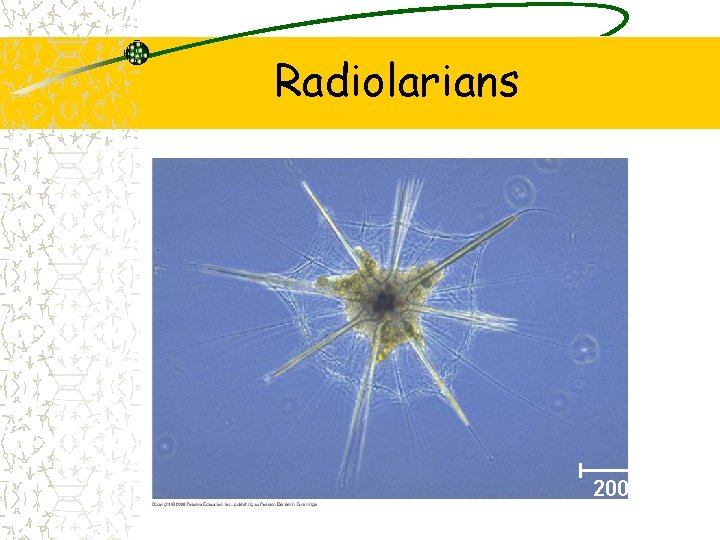
Radiolarians Marine Internal skeleton made of silica Skeleton lines seafloor when dies
Radiolarians 200 µm
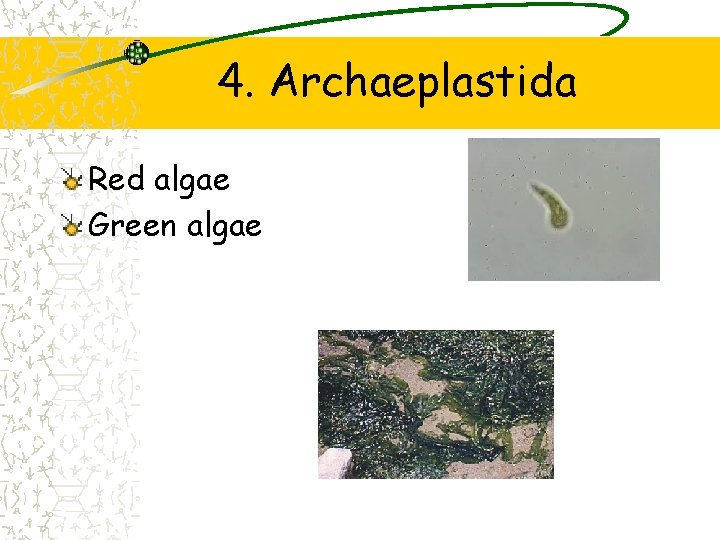
4. Archaeplastida Red algae Green algae
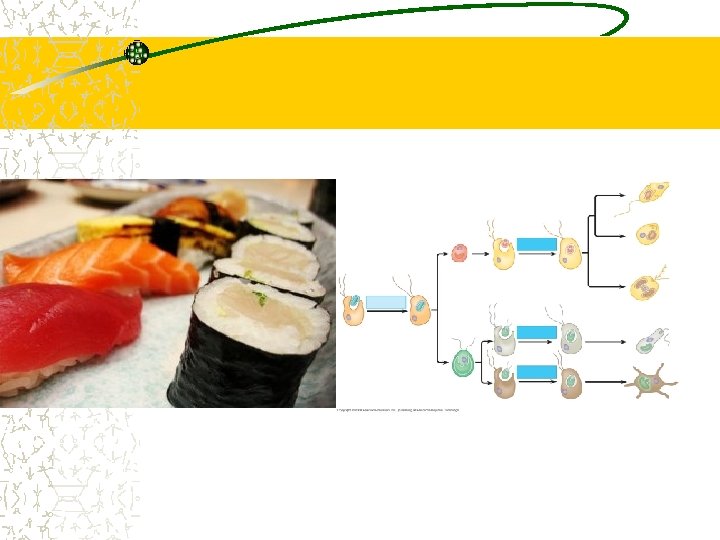
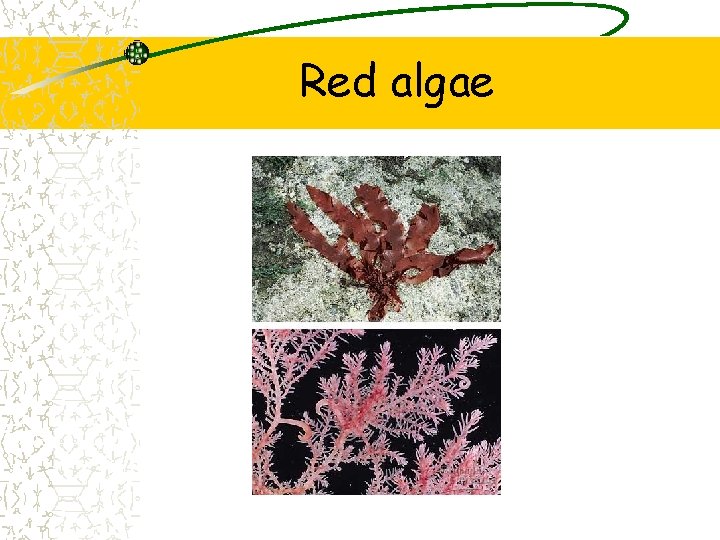
Rhodophyta Red algae Microscopic to large seaweed on the beach Mostly multi-cellular Warm coastal waters Used in sushi
Red algae
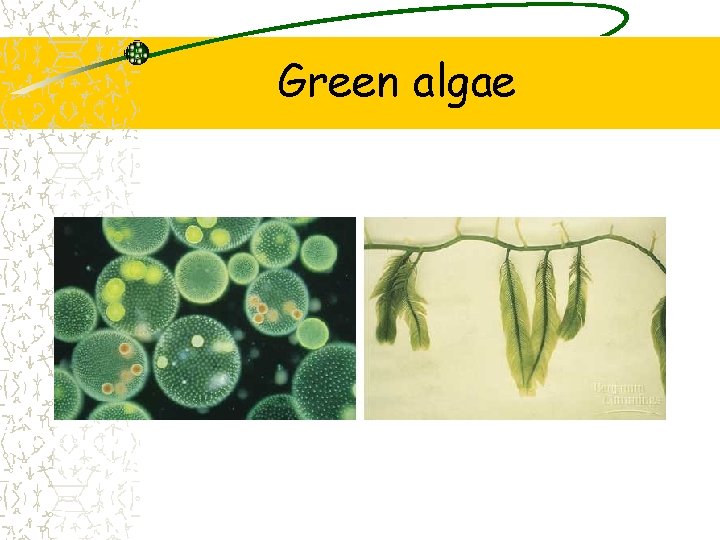
Chlorophyta Green algae Green chloroplasts Similar to plants Diverged recently Mostly live in fresh water Unicellular to multi-cellular
Green algae
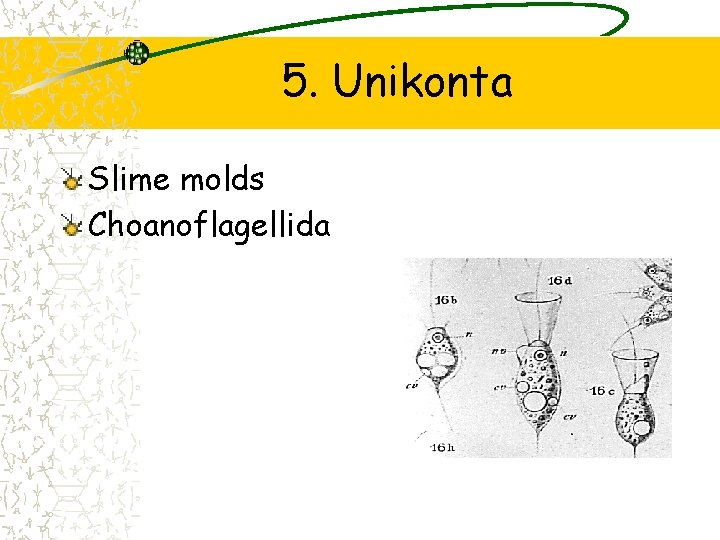
5. Unikonta Slime molds Choanoflagellida
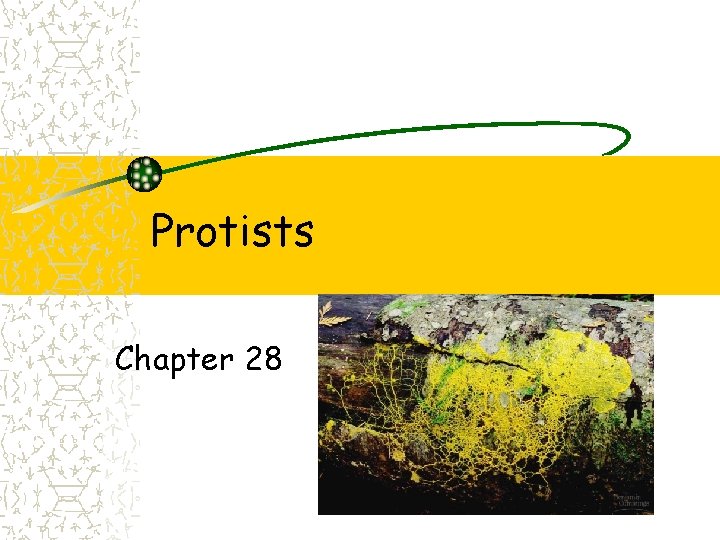
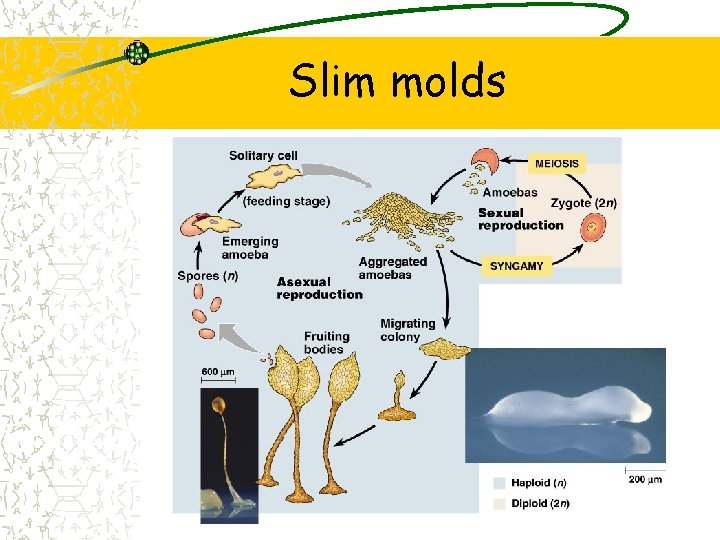
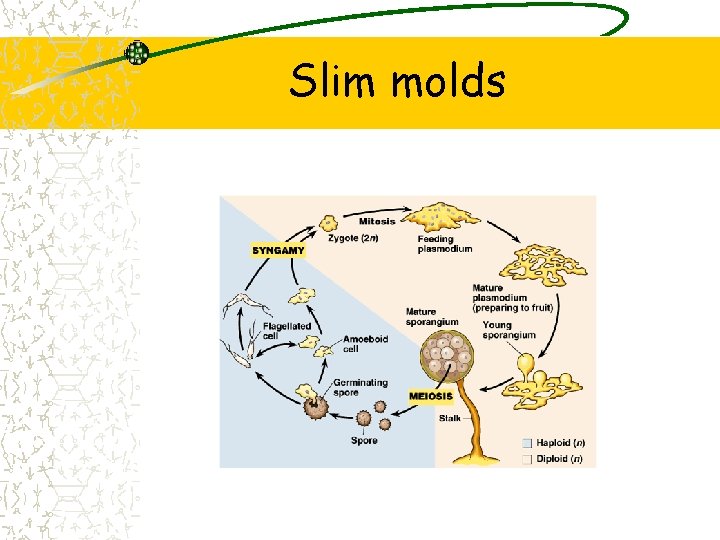
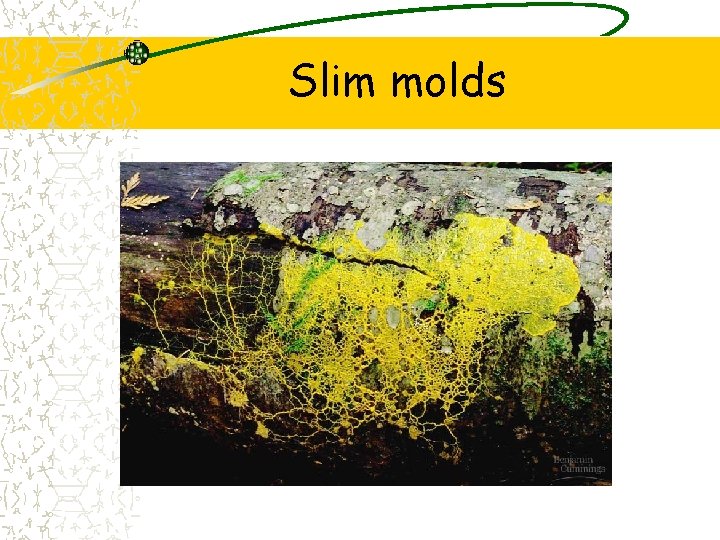
Slime molds Looks like a moving mass of slime Move along as a plasmodium A multinucleated mass of cytoplasm Move as a mass called a slug Digest bacteria, yeasts and other small organic particles Multi-cellular and unicellular
Slim molds
Slim molds
Slim molds
Slim mold
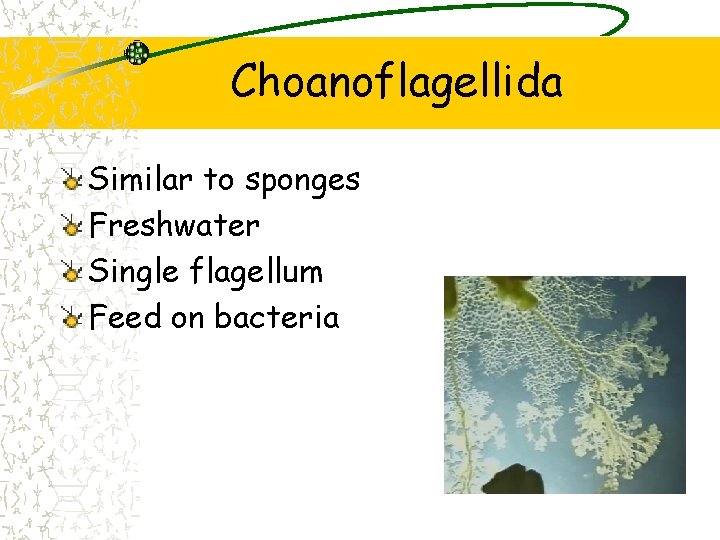
Choanoflagellida Similar to sponges Freshwater Single flagellum Feed on bacteria
Fig. 28 -UN 6