
Protista Plantae Fungi Discover Biology 5 th Ed
Protista, Plantae, & Fungi Discover Biology, 5 th Ed. , W. W. Norton & Company, © 2012 pp 50 -77.
Dawn of Eukarya • Estimated origin: 2. 7 billion years ago (BYA) • Fossil proof Grypania spiralis: 2. 4 BYA • Like modern-day red algae • New features • Membrane-bound organelles • Larger average size • Multicellularity (some) • New methods • Sexual reproduction
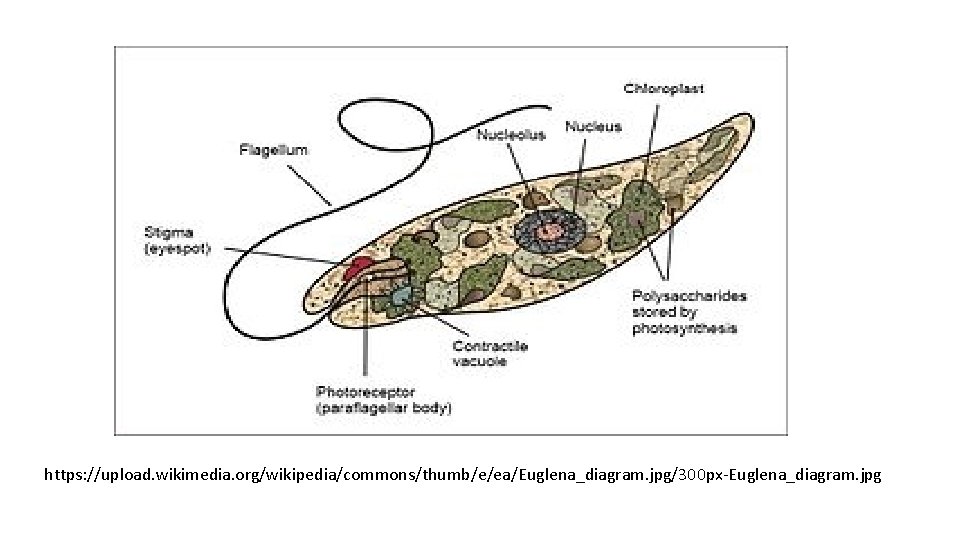
Membrane-bound Organelles • Cytoplasmic compartmentalization • Prokaryotes – vesicles • Eukaryotes – nucleus, mitochondrion, chloroplast, Golgi bodies, endoplasmic reticulum, centrosomes • Specialized Functions / Division of Labor • Metabolism, waste management, food storage • Larger cell volumes • Diffusion limits cell size: Prokaryotes ~ 1 micrometer • Organelles allow targeted transportation: Eukaryotes ~ 10 mm
https: //upload. wikimedia. org/wikipedia/commons/thumb/e/ea/Euglena_diagram. jpg/300 px-Euglena_diagram. jpg
Sexual Reproduction • Increase genetic diversity • Different sex cells (sets of DNA) gamete • Reproduction is fusion of these gametes • May be different enough to have “male” vs. “female” • Male sperm; female eggs • Reproduction of genetically different offspring • May be only slightly different: protists & fungi • May be from a hermaphrodite
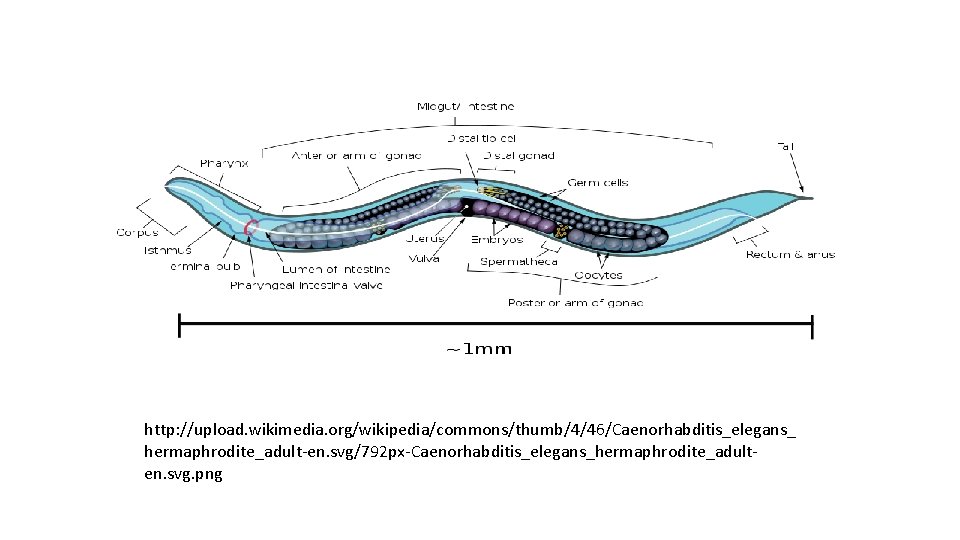
http: //upload. wikimedia. org/wikipedia/commons/thumb/4/46/Caenorhabditis_elegans_ hermaphrodite_adult-en. svg/792 px-Caenorhabditis_elegans_hermaphrodite_adulten. svg. png
Asexual Reproduction • Common among Eukaryotes • Produces genetically identical offspring • Clones • Euglena • Partitioning of 1 cell into many “minicells” = zoospores • Binary fission • Amoeba • Fragmentation • Multicellular algae (“seaweeds”) • African violets
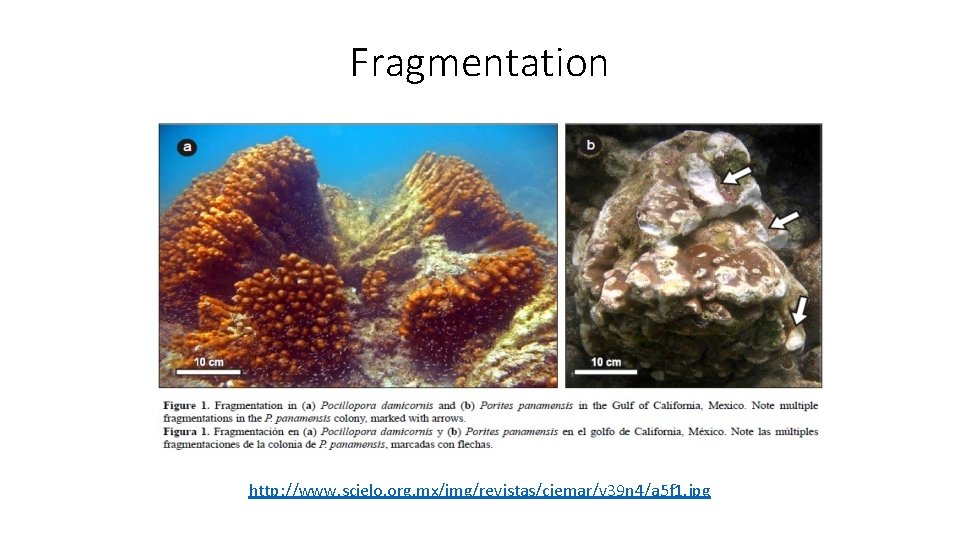
Fragmentation http: //www. scielo. org. mx/img/revistas/ciemar/v 39 n 4/a 5 f 1. jpg
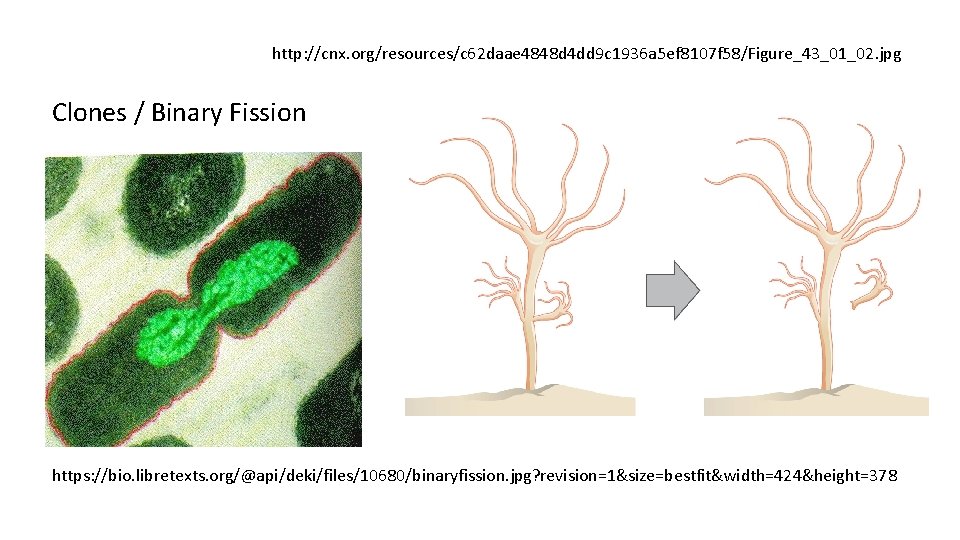
http: //cnx. org/resources/c 62 daae 4848 d 4 dd 9 c 1936 a 5 ef 8107 f 58/Figure_43_01_02. jpg Clones / Binary Fission https: //bio. libretexts. org/@api/deki/files/10680/binaryfission. jpg? revision=1&size=bestfit&width=424&height=378
Evolution of Multicellularity • Protista • Most are unicellular; some multicellular • Fungi • Some unicellular; most multicellular • Plantae • All multicellular • Animalia • All multicellular
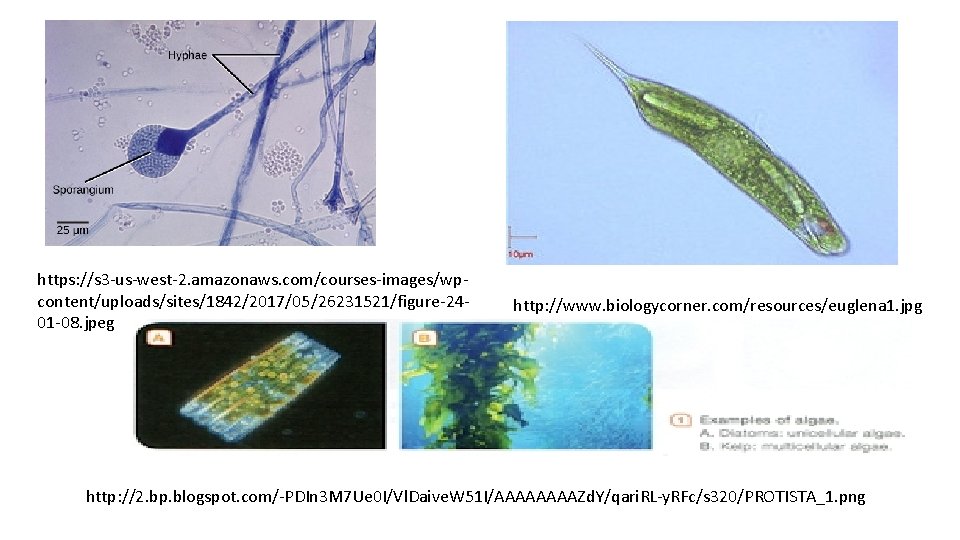
https: //s 3 -us-west-2. amazonaws. com/courses-images/wpcontent/uploads/sites/1842/2017/05/26231521/figure-2401 -08. jpeg http: //www. biologycorner. com/resources/euglena 1. jpg http: //2. bp. blogspot. com/-PDIn 3 M 7 Ue 0 I/Vl. Daive. W 51 I/AAAAZd. Y/qari. RL-y. RFc/s 320/PROTISTA_1. png

Protista • Not Bacteria; Not Archaea; Not Plantae; Not Animalia; Not Fungi • Amoebas; Foramis {foraminiferans} • Dinoflagellates; Diatoms • Slime molds • Seaweeds; Algae (Red, Brown, Golden, & Green) • Paramecium; Euglena • Volvox; Stentors • Ciliates • Oomycetes
![Protista [Artificial Groupings] • Protozoan vs. Algae {Evolutionarily meaningless} • Diverse in • •](http://slidetodoc.com/presentation_image_h2/898f2ef5a3fbdad57d1162e2cea96238/image-15.jpg "Protista [Artificial Groupings] • Protozoan vs. Algae {Evolutionarily meaningless} • Diverse in • •")
Protista [Artificial Groupings] • Protozoan vs. Algae {Evolutionarily meaningless} • Diverse in • • Size Shape Cellular Organization Nutritional Modes (Autotrophs, Heterotrophs, Mixotrophs) Life cycle Mobility (flagella, cilia, pseudopodia) Outer covering • Plasma membrane • Armor – heavy coats, chalky plates, glassy covering • Coccolithophores (Ca. CO 3) White Cliffs of Dover
Protists: Consumers, Decomposers, Pathogens • “Zooplankton” along with prokaryotes & microscopic animals • Decomposers: Returning nutrients into abiotic environment • Pathogens: • Dinoflagellate blooms (Red tides); paralytic shellfish poisoning • Oomycete Irish potato blight • Plasmodium malaria; Trichomonas vaginalis trichomoniasis • Mixotrophs: nutritional opportunists • • Use Energy & Carbon from many sources Algae: Photoautotrophs or Heterotrophs Euglena: Photoautotrophs with light & N 2; Heterotrophs when not Dinoflagellates: same as Euglena
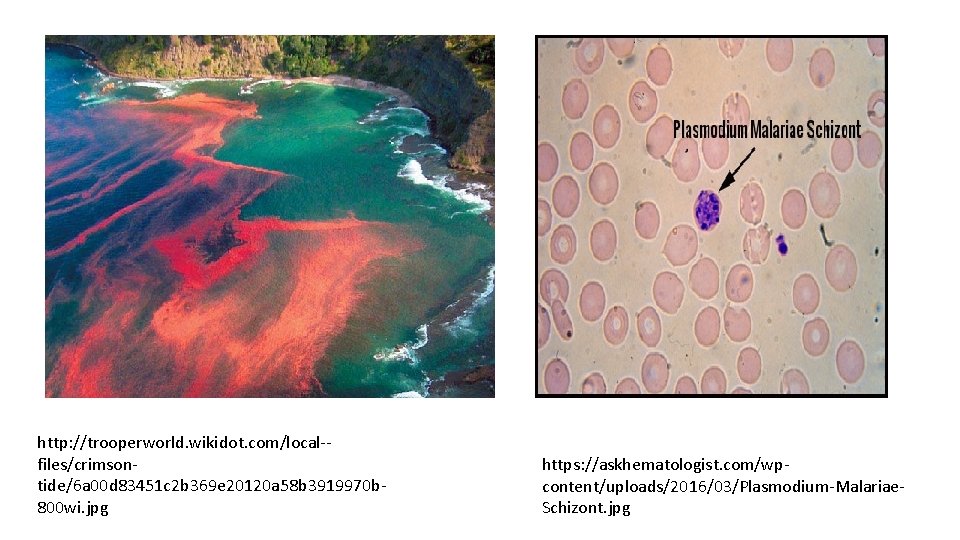
http: //trooperworld. wikidot. com/local-files/crimsontide/6 a 00 d 83451 c 2 b 369 e 20120 a 58 b 3919970 b 800 wi. jpg https: //askhematologist. com/wpcontent/uploads/2016/03/Plasmodium-Malariae. Schizont. jpg
Plantae • 470 Million Years Ago (MYA) • Likely from green algae moving to freshwater habitats • Photosynthetic [sun + CO 2 + H 2 O sugars + O 2] • Asexual & Sexual Reproduction • Gametes Zygote Embryo • Liverworts & Mosses & Hornworts {“bryophytes”} = Oldest • Ferns • Gymnosperms {conifers, cycads} • Angiosperms {flowering plants}
Plant Evolution • Conserve Water • • Cuticle Stomata with Guard Cells Transpiration Inlet for CO 2 • Cellulose cell walls • Strong but flexible • Lignin • Links cellulose strongest natural material; allows linear growth • Vascular system • Xylem – nutrients & water up from roots • Phloem – sugars/ food down from leaves
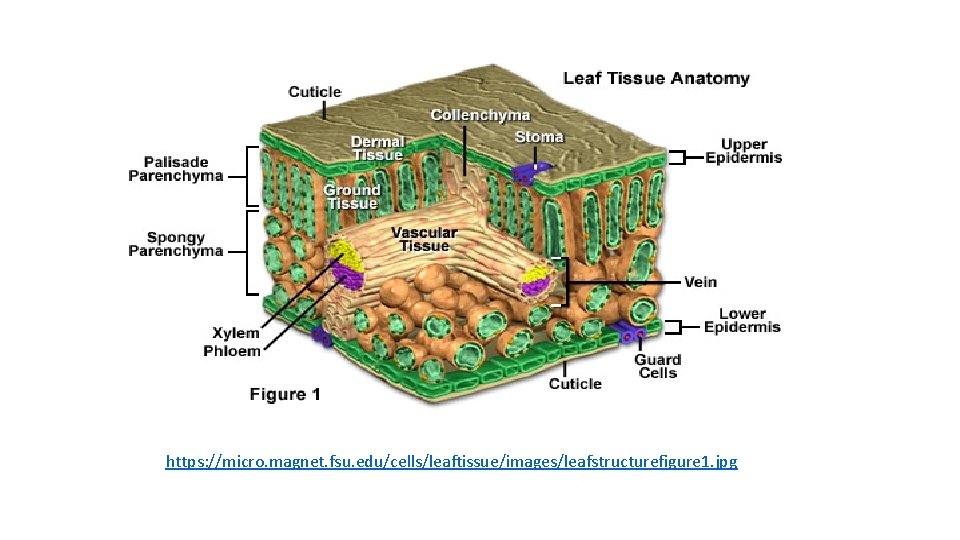
https: //micro. magnet. fsu. edu/cells/leaftissue/images/leafstructurefigure 1. jpg
Gymnosperms • Appeared 365 MYA • Dominated 250 MYA • Cone-bearing plants • 1 st to evolve pollen • Sperm package - dry & powdery <great for dispersion> • Free to move away from water • 1 st to evolve seed • Gymno – “naked” + sperm – “seed” • Plant embryo with food supply
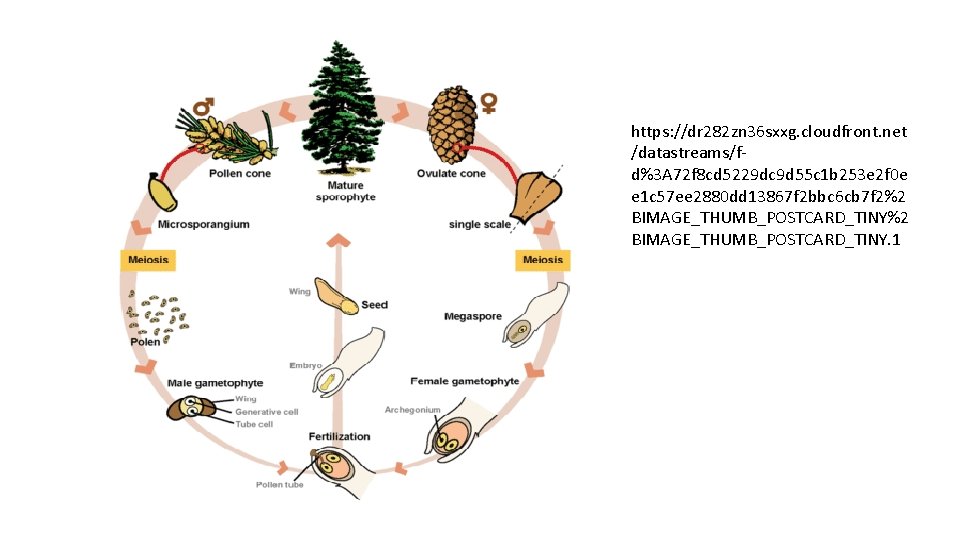
https: //dr 282 zn 36 sxxg. cloudfront. net /datastreams/fd%3 A 72 f 8 cd 5229 dc 9 d 55 c 1 b 253 e 2 f 0 e e 1 c 57 ee 2880 dd 13867 f 2 bbc 6 cb 7 f 2%2 BIMAGE_THUMB_POSTCARD_TINY. 1
Angiosperms • Flowering plants • Angio – ”vessel” <reference to ovary> • 1 st evolve 145 MYA from gymnosperms • Flowers are typically bisexual • Male stamen; Female carpel • Stamen = pollen-producing sacs on long stalks • Carpel = Stigma + Style + Ovary • Sexual fertilization • Self-pollination vs. Cross-pollination • Seed = protective layers around embryo • Fruit = mature ovary with fertilized seeds inside
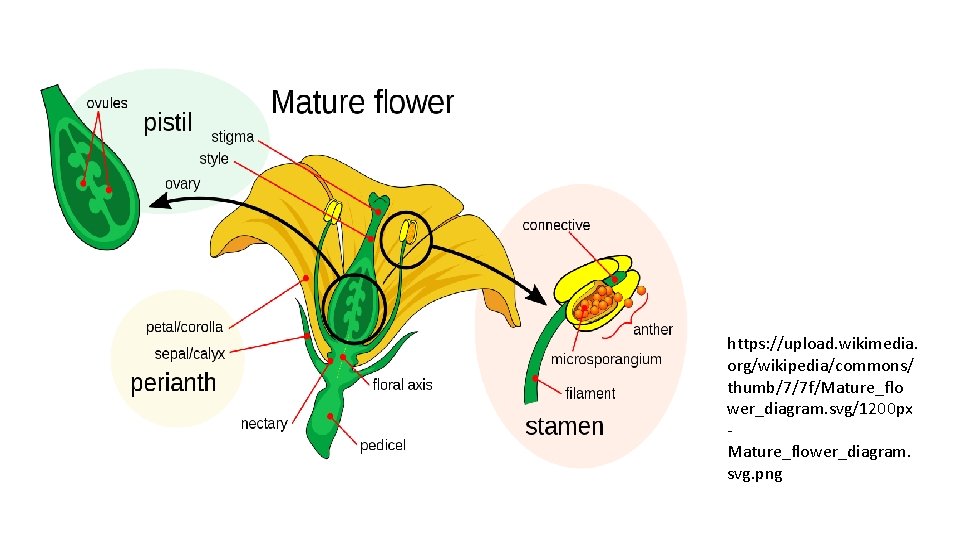
https: //upload. wikimedia. org/wikipedia/commons/ thumb/7/7 f/Mature_flo wer_diagram. svg/1200 px Mature_flower_diagram. svg. png
- Slides: 24