
Protista Part I 1 Protozoa 2 Leewenhoek First

- Slides: 48
Protista Part I 1
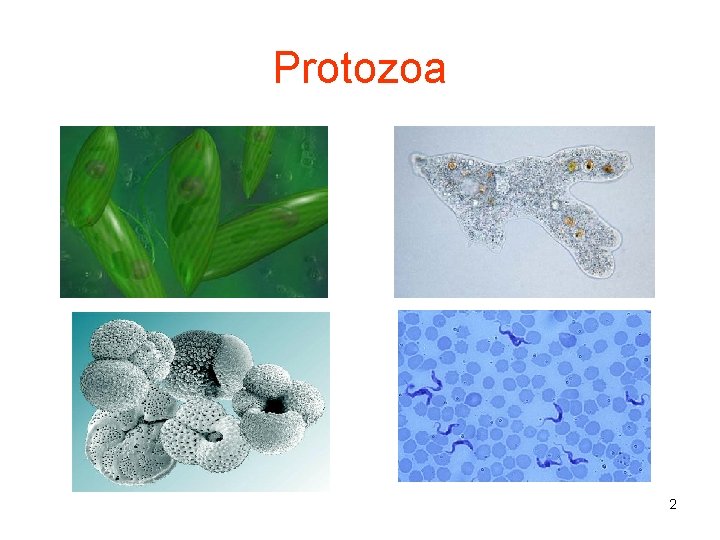
Protozoa 2
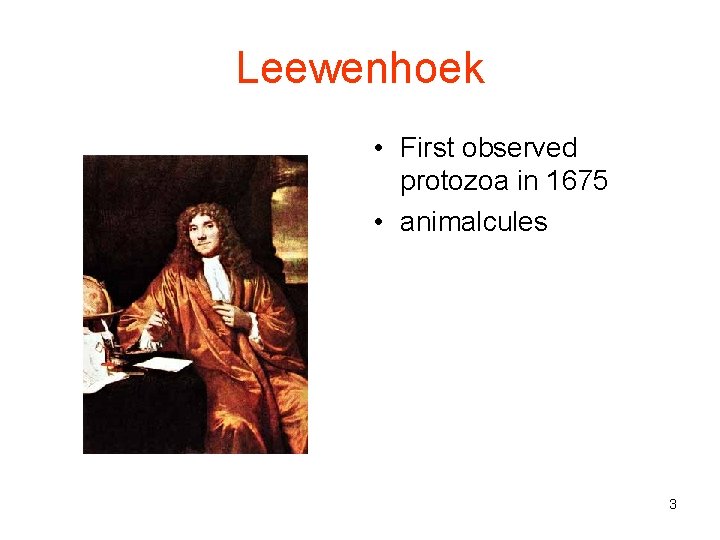
Leewenhoek • First observed protozoa in 1675 • animalcules 3
• Amoeba video 4
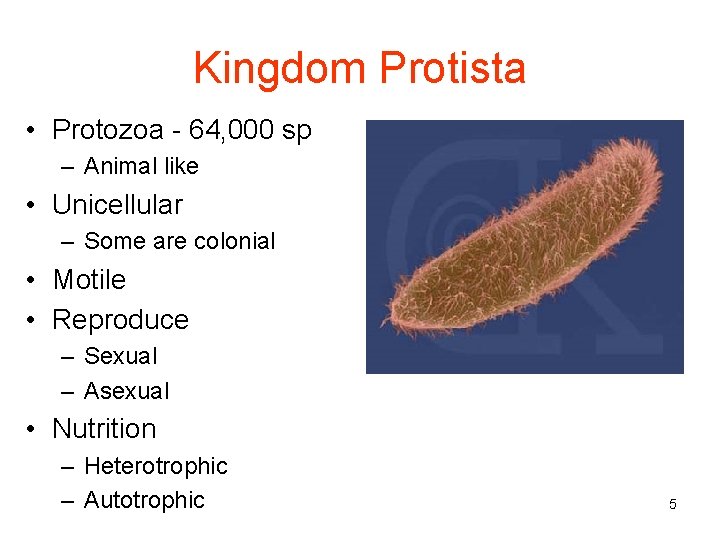
Kingdom Protista • Protozoa - 64, 000 sp – Animal like • Unicellular – Some are colonial • Motile • Reproduce – Sexual – Asexual • Nutrition – Heterotrophic – Autotrophic 5
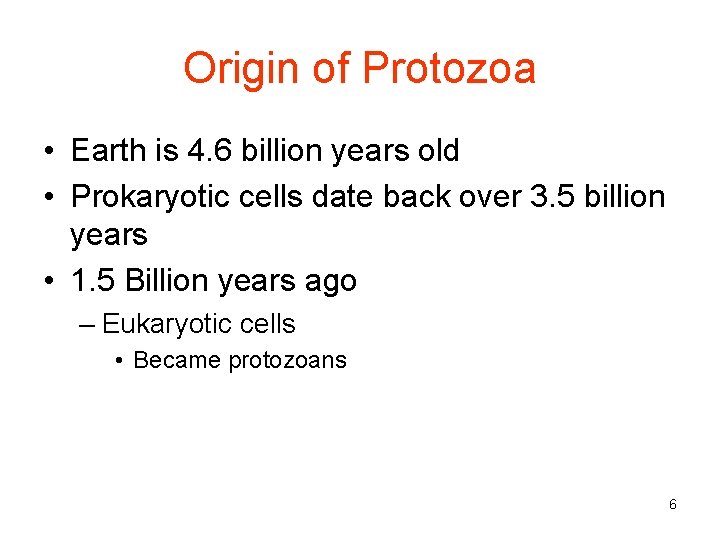
Origin of Protozoa • Earth is 4. 6 billion years old • Prokaryotic cells date back over 3. 5 billion years • 1. 5 Billion years ago – Eukaryotic cells • Became protozoans 6
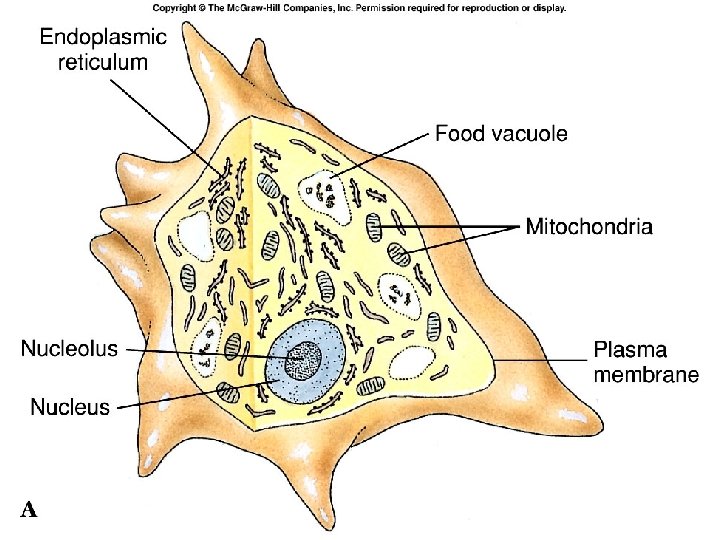
7
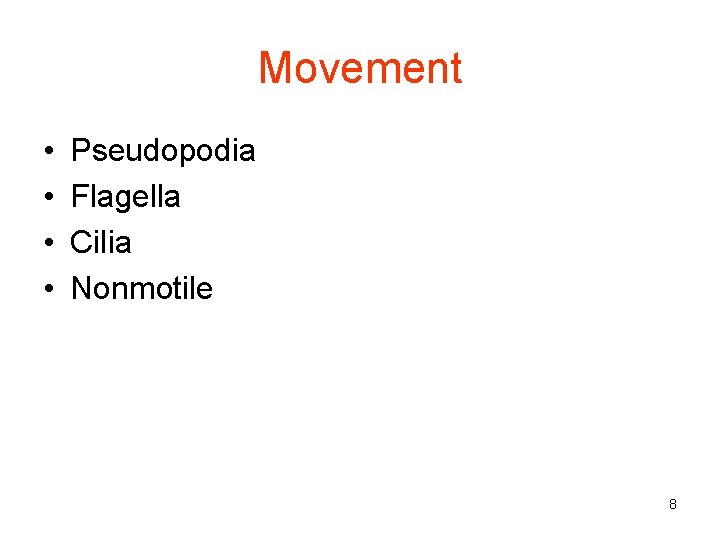
Movement • • Pseudopodia Flagella Cilia Nonmotile 8
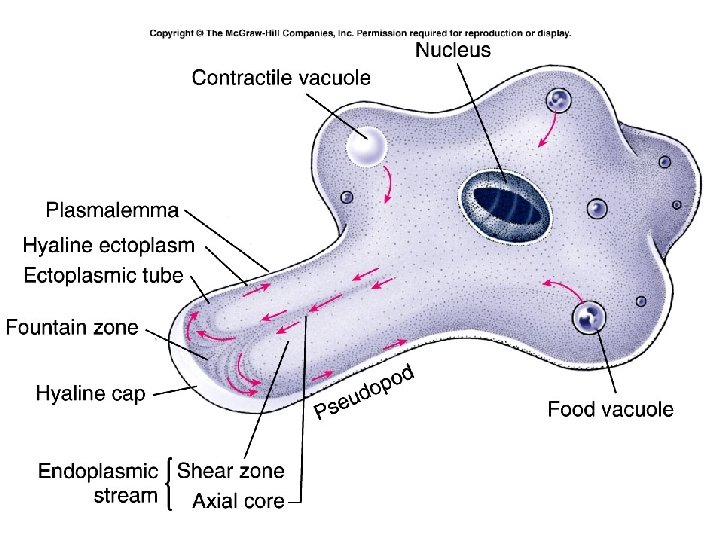
Fig. 11. 4 9
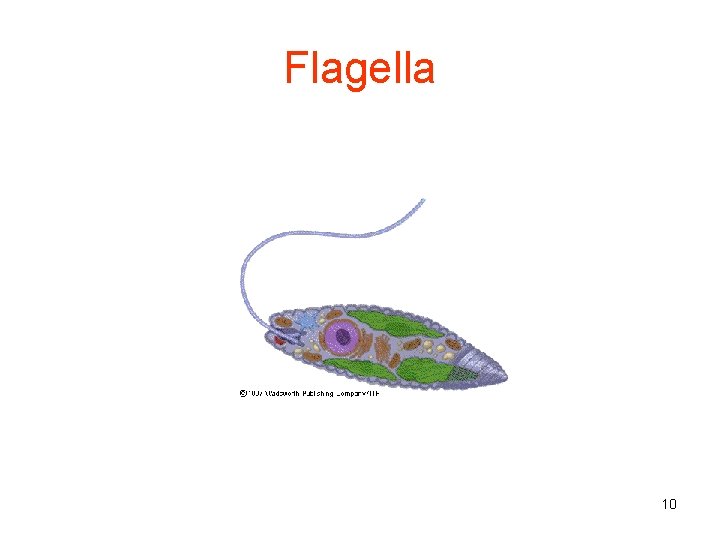
Flagella 10
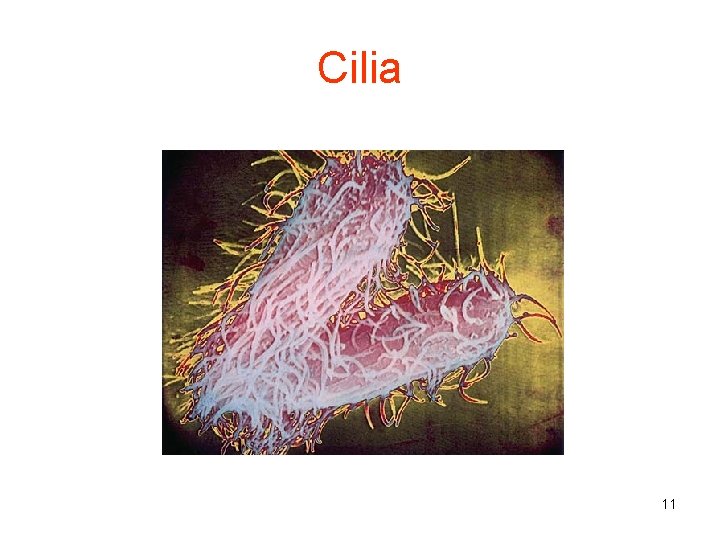
Cilia 11
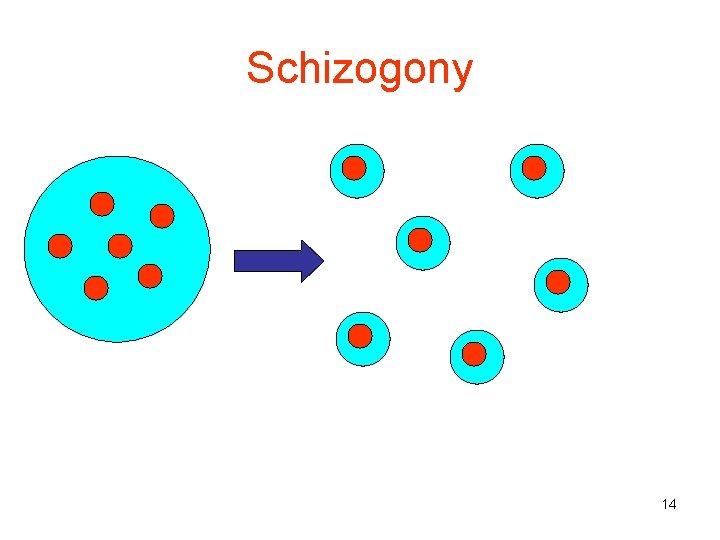
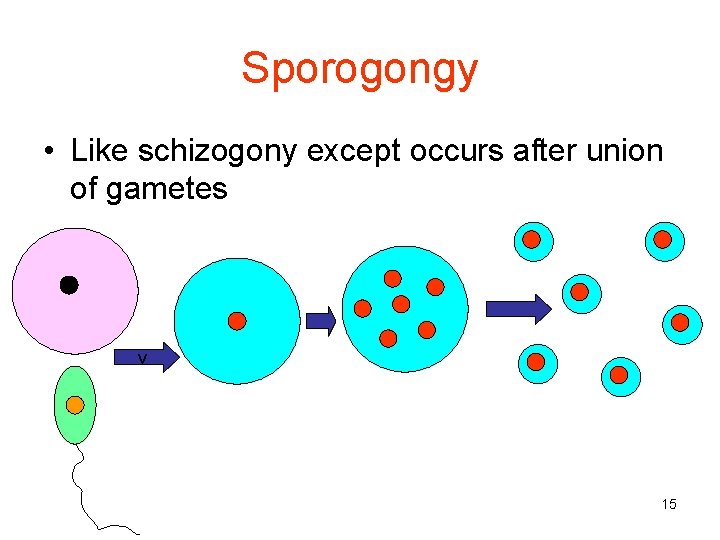
Reproduction • Sexual – Male and female gametes • Asexual – Binary Fission – Schizogony – Sporogony • Encystment and Excystment 12
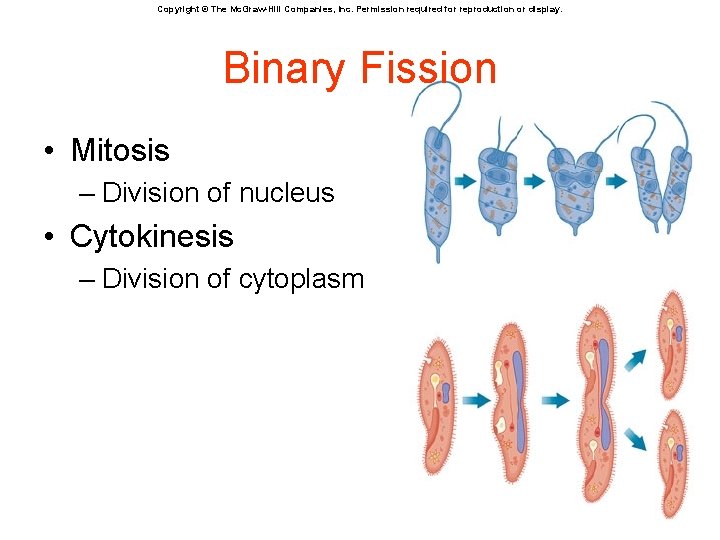
Copyright © The Mc. Graw-Hill Companies, Inc. Permission required for reproduction or display. Binary Fission Fig. 8. 4 • Mitosis – Division of nucleus • Cytokinesis – Division of cytoplasm 8 -3 13
Schizogony 14
Sporogongy • Like schizogony except occurs after union of gametes v 15
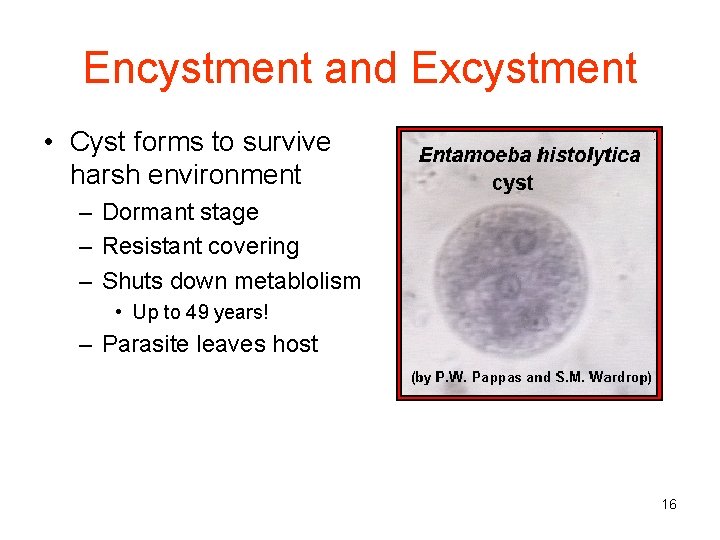
Encystment and Excystment • Cyst forms to survive harsh environment – Dormant stage – Resistant covering – Shuts down metablolism • Up to 49 years! – Parasite leaves host 16
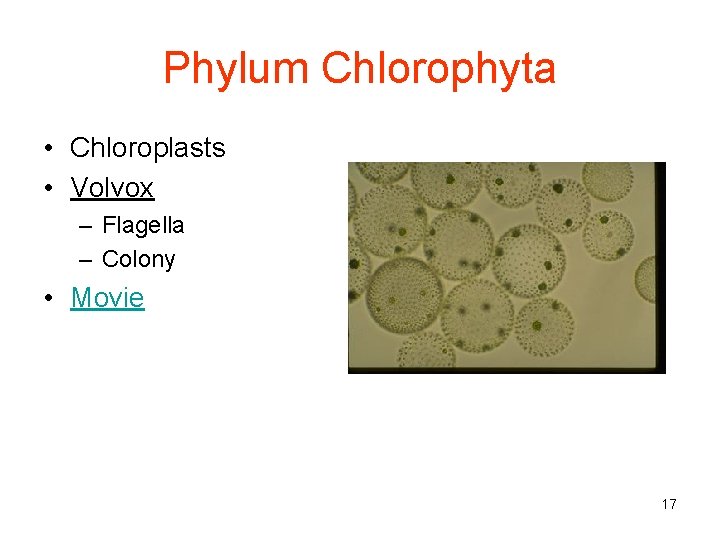
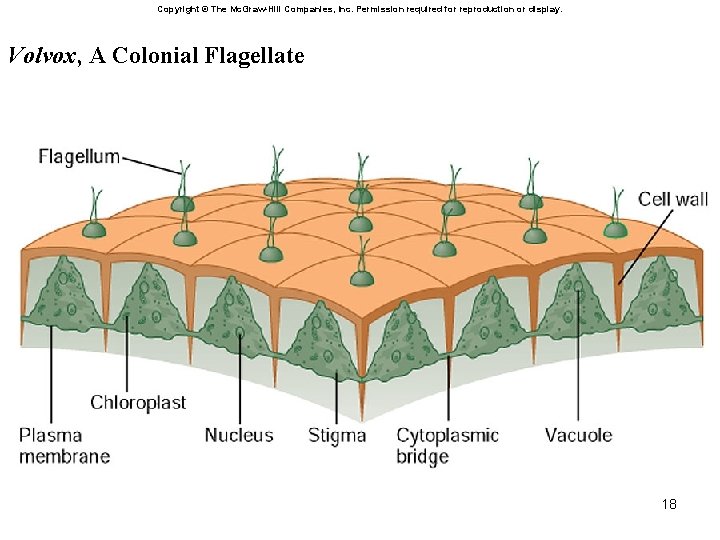
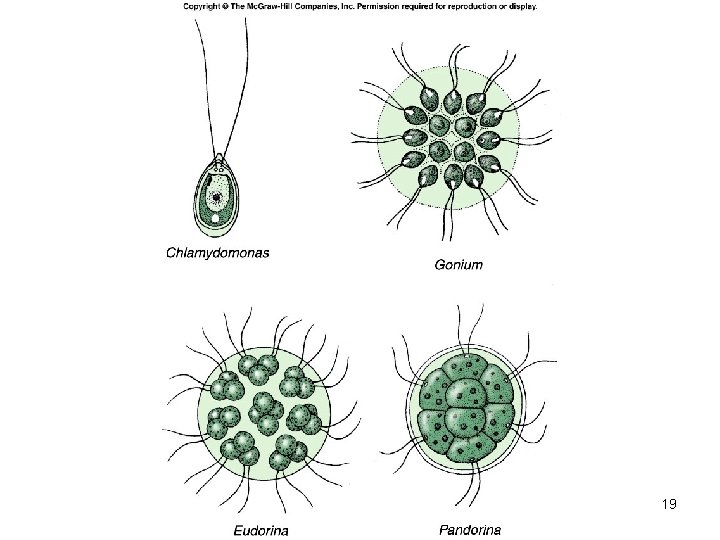
Phylum Chlorophyta • Chloroplasts • Volvox – Flagella – Colony • Movie 17
Copyright © The Mc. Graw-Hill Companies, Inc. Permission required for reproduction or display. Volvox, A Colonial Flagellate 18
Fig. 11. 12 19
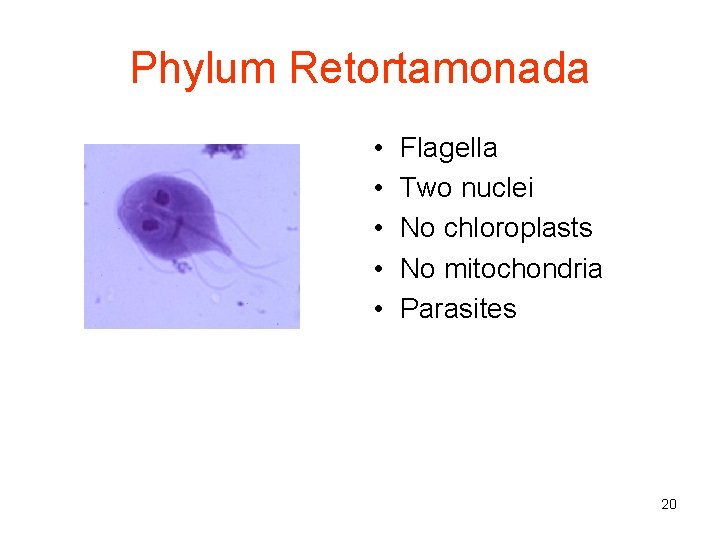
Phylum Retortamonada • • • Flagella Two nuclei No chloroplasts No mitochondria Parasites 20
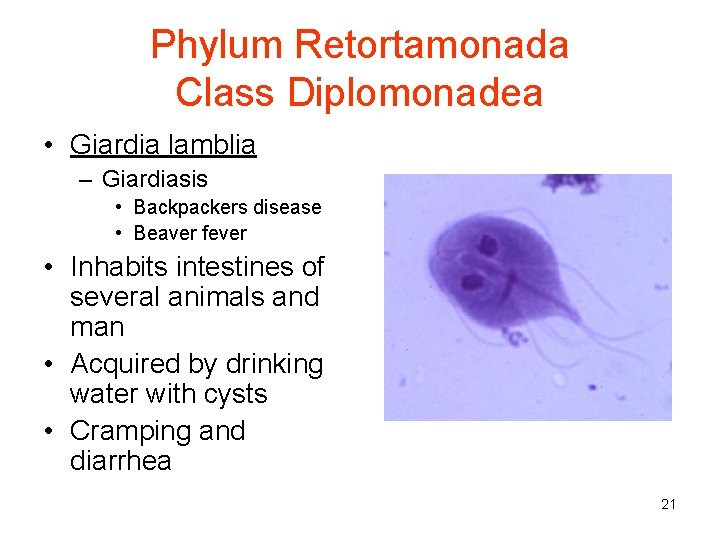
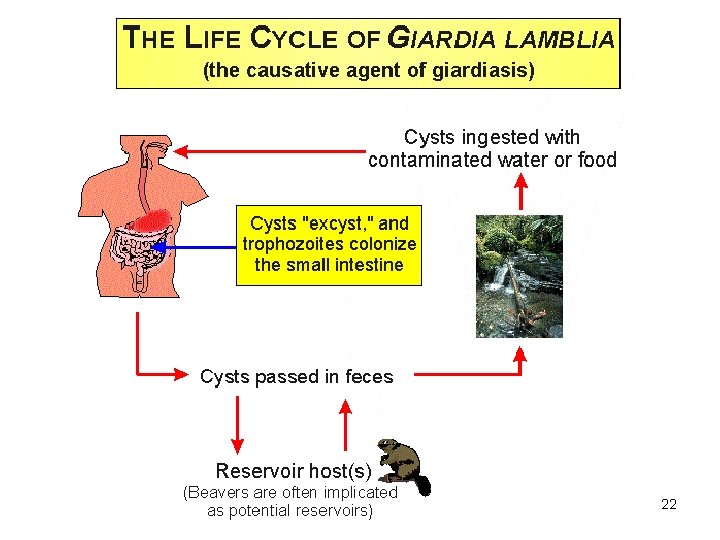
Phylum Retortamonada Class Diplomonadea • Giardia lamblia – Giardiasis • Backpackers disease • Beaver fever • Inhabits intestines of several animals and man • Acquired by drinking water with cysts • Cramping and diarrhea 21
22
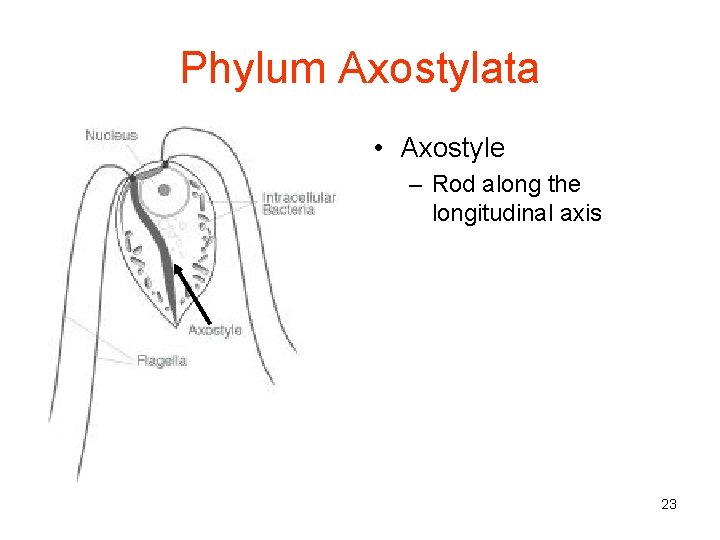
Phylum Axostylata • Axostyle – Rod along the longitudinal axis 23
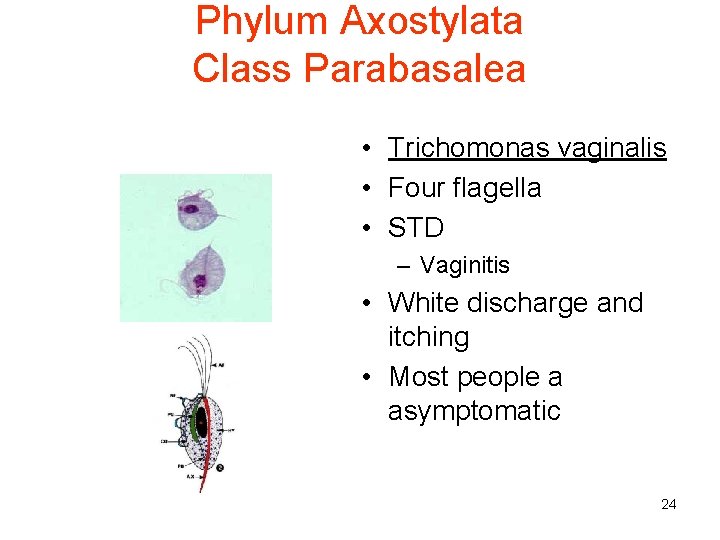
Phylum Axostylata Class Parabasalea • Trichomonas vaginalis • Four flagella • STD – Vaginitis • White discharge and itching • Most people a asymptomatic 24
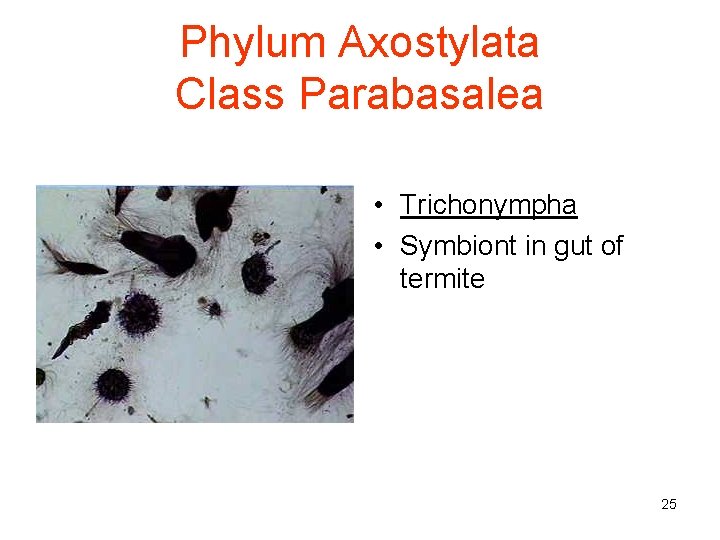
Phylum Axostylata Class Parabasalea • Trichonympha • Symbiont in gut of termite 25
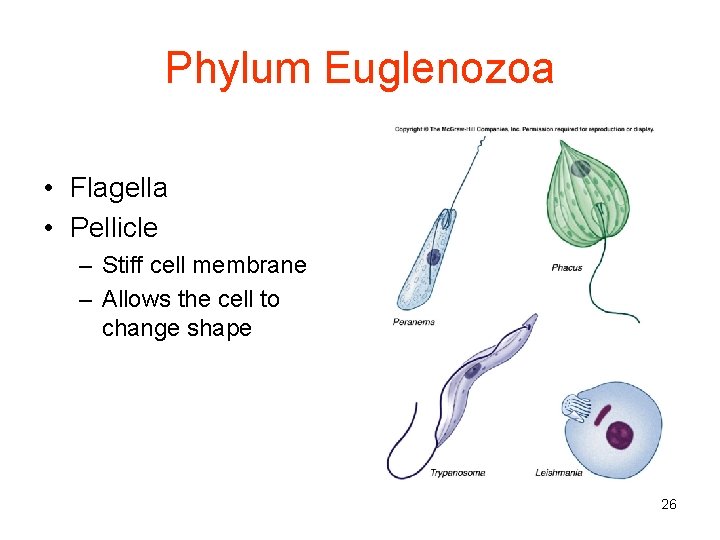
Phylum Euglenozoa • Flagella • Pellicle – Stiff cell membrane – Allows the cell to change shape 26
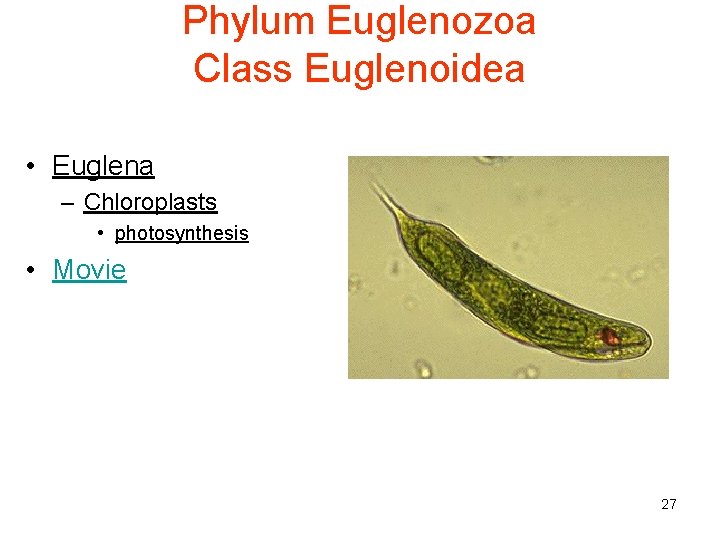
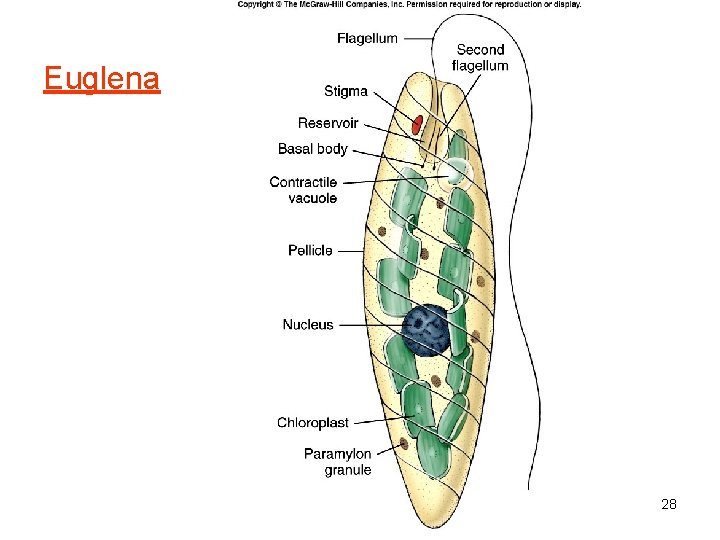
Phylum Euglenozoa Class Euglenoidea • Euglena – Chloroplasts • photosynthesis • Movie 27
Euglena Fig. 11. 14 28
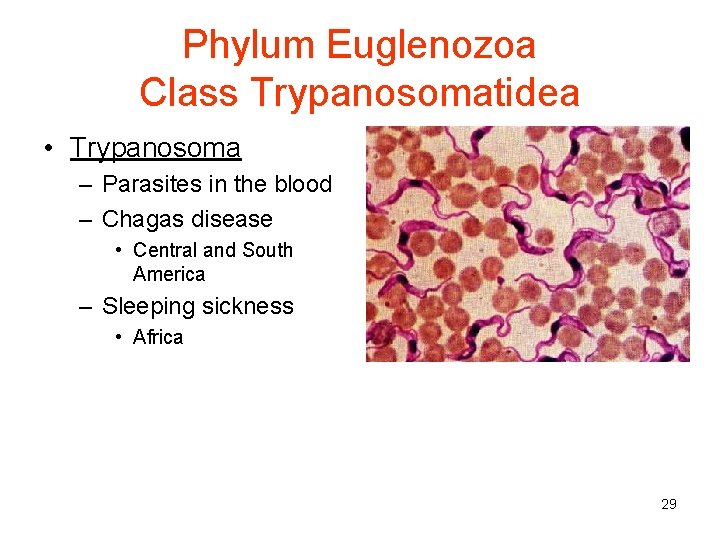
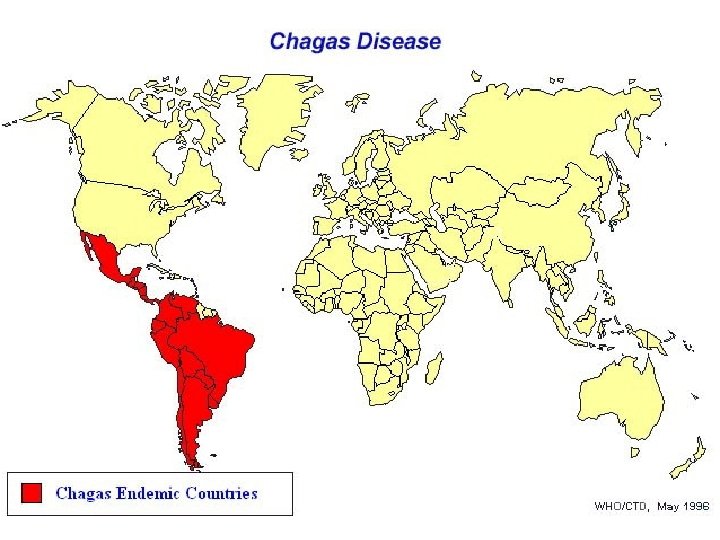
Phylum Euglenozoa Class Trypanosomatidea • Trypanosoma – Parasites in the blood – Chagas disease • Central and South America – Sleeping sickness • Africa 29
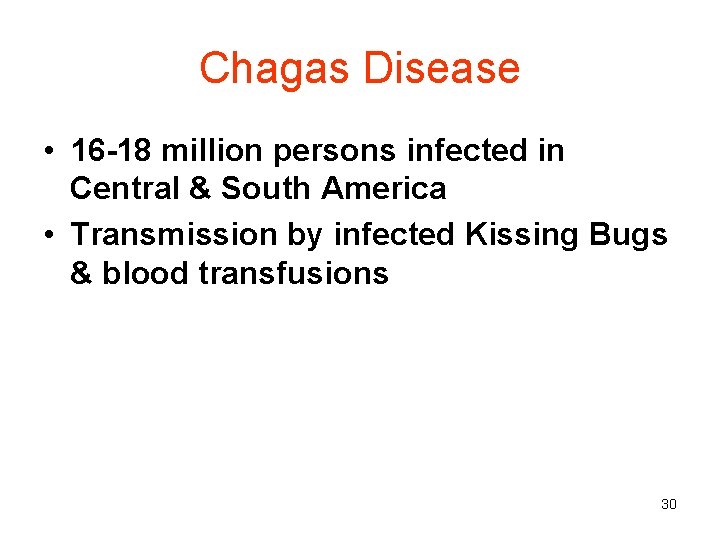
Chagas Disease • 16 -18 million persons infected in Central & South America • Transmission by infected Kissing Bugs & blood transfusions 30
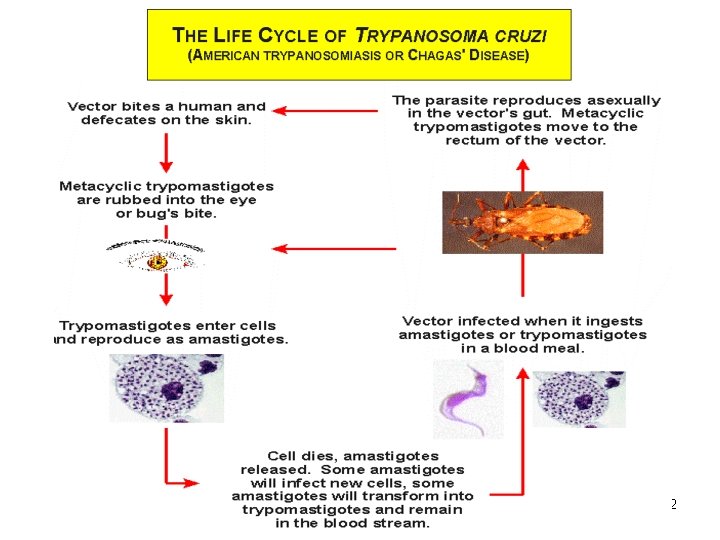
31
32
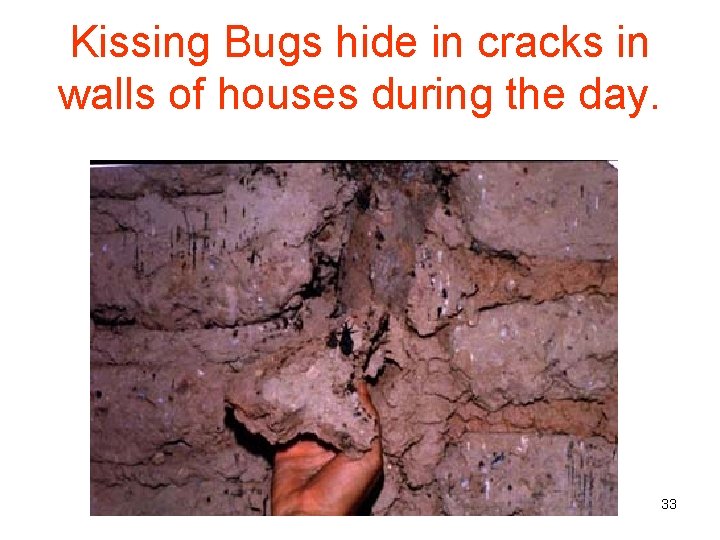
Kissing Bugs hide in cracks in walls of houses during the day. 33
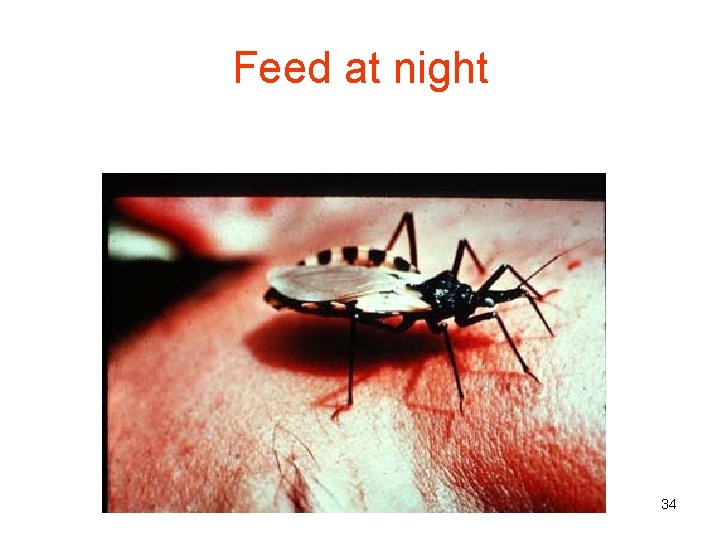
Feed at night 34
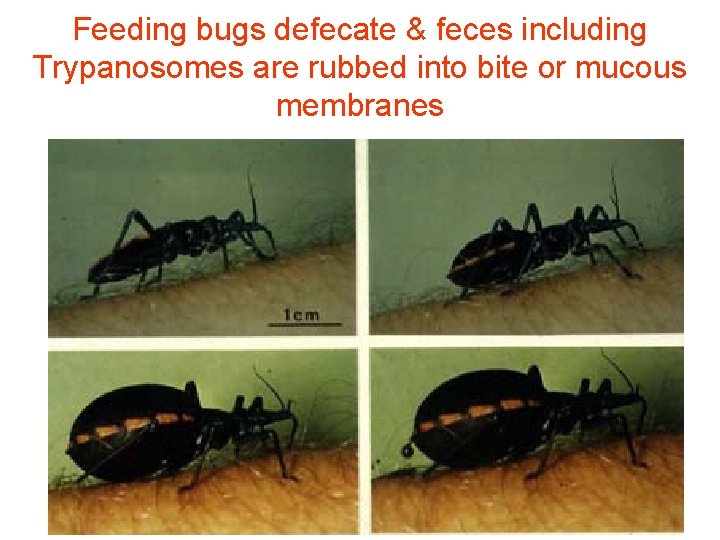
Feeding bugs defecate & feces including Trypanosomes are rubbed into bite or mucous membranes 35
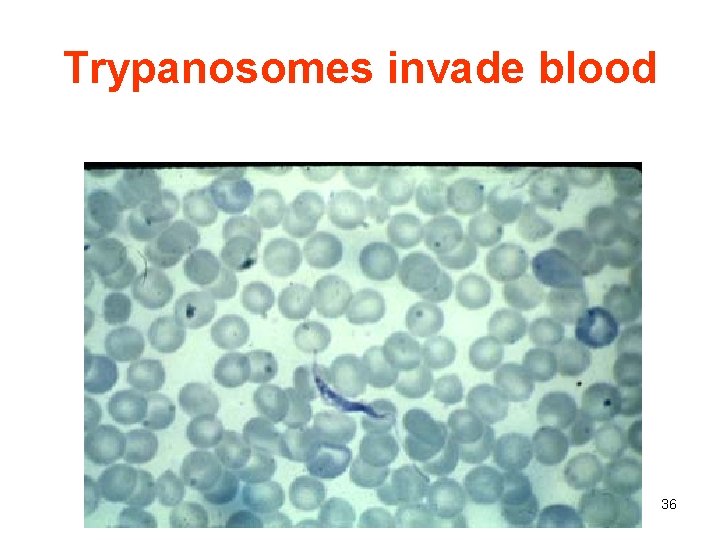
Trypanosomes invade blood 36
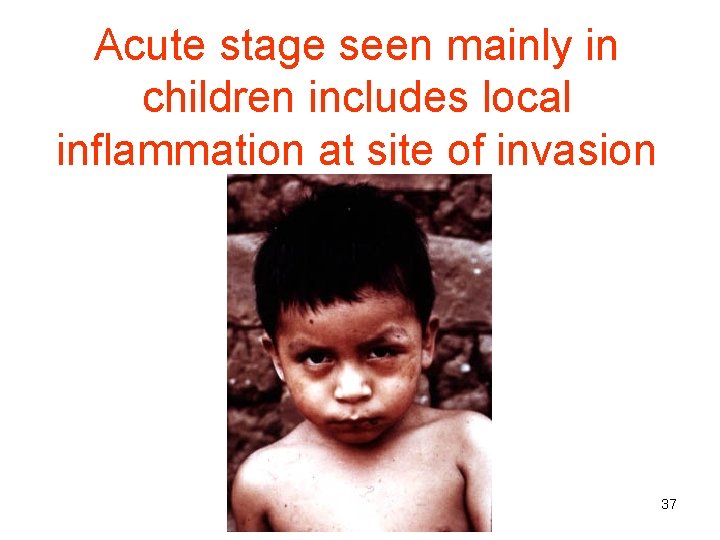
Acute stage seen mainly in children includes local inflammation at site of invasion 37
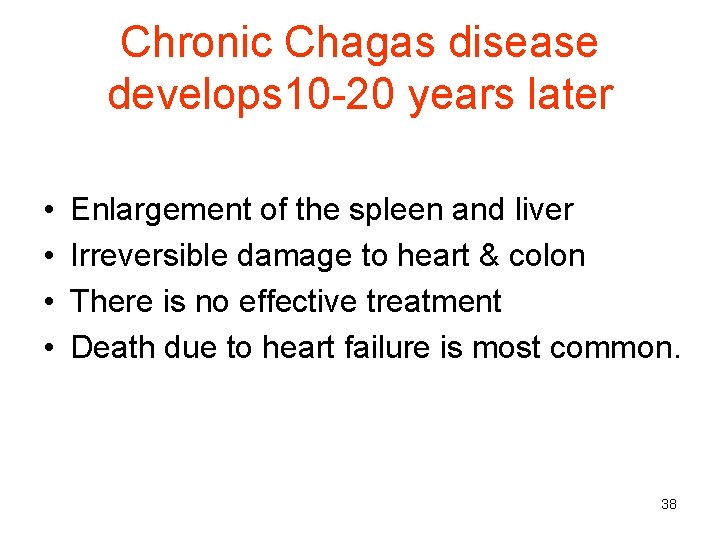
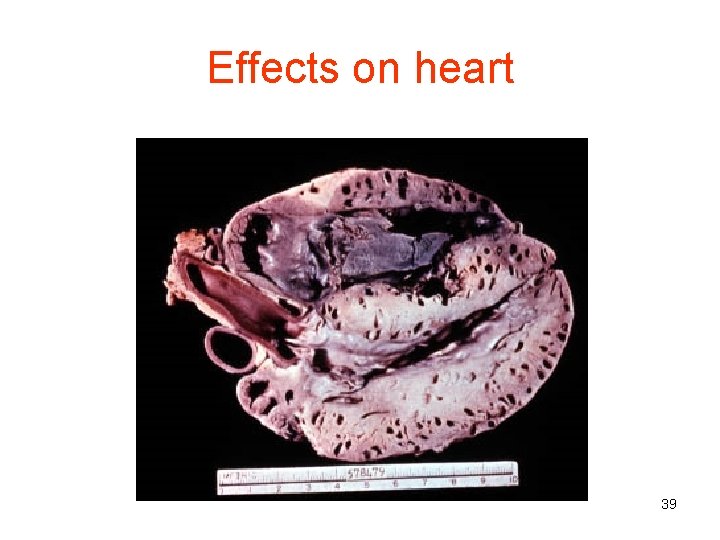
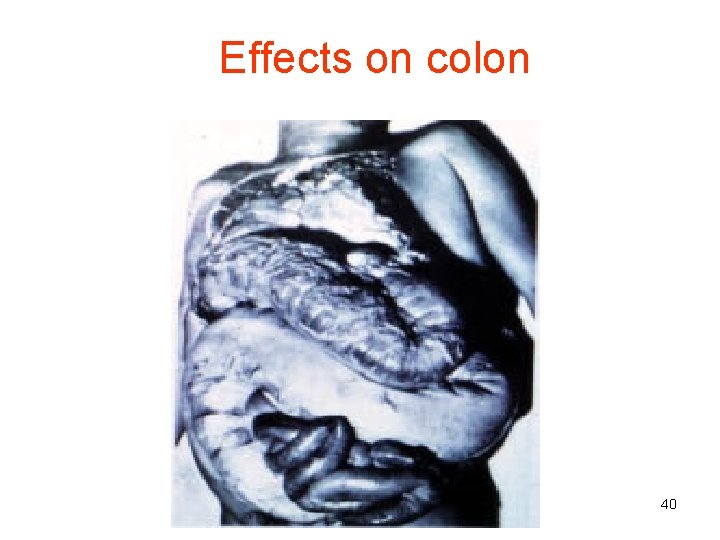
Chronic Chagas disease develops 10 -20 years later • • Enlargement of the spleen and liver Irreversible damage to heart & colon There is no effective treatment Death due to heart failure is most common. 38
Effects on heart 39
Effects on colon 40
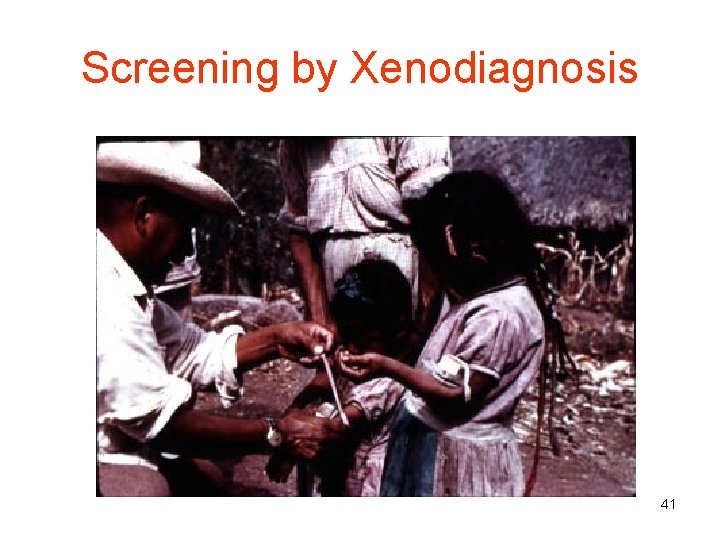
Screening by Xenodiagnosis 41
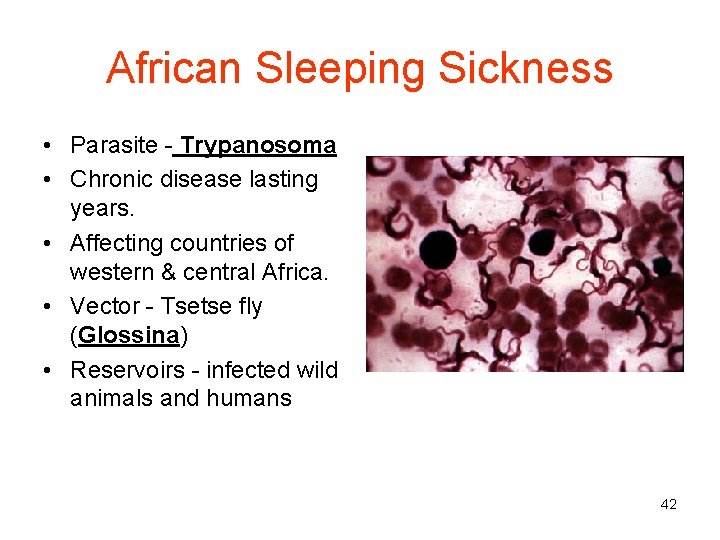
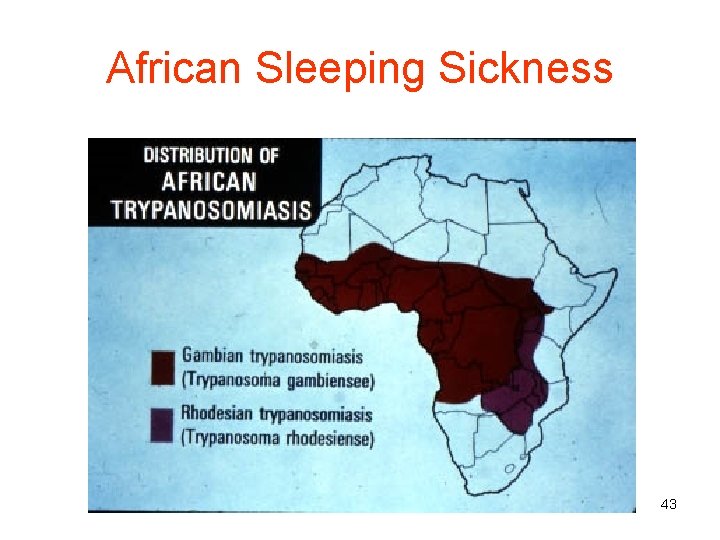
African Sleeping Sickness • Parasite - Trypanosoma • Chronic disease lasting years. • Affecting countries of western & central Africa. • Vector - Tsetse fly (Glossina) • Reservoirs - infected wild animals and humans 42
African Sleeping Sickness 43
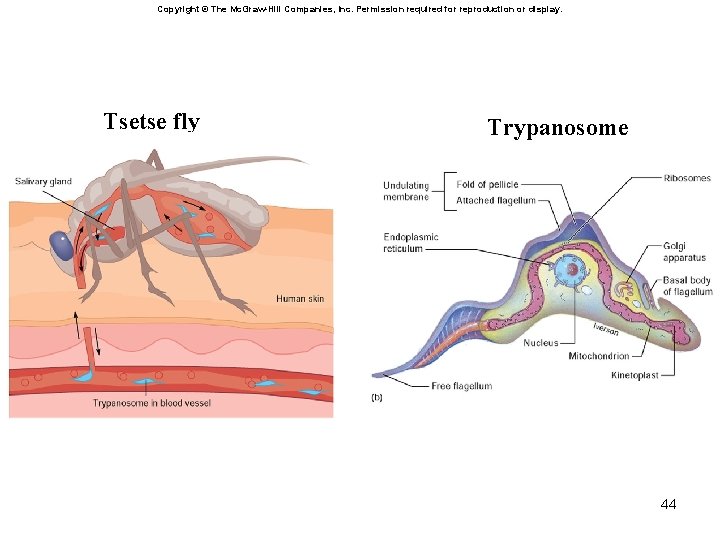
Copyright © The Mc. Graw-Hill Companies, Inc. Permission required for reproduction or display. Tsetse fly Trypanosome 44
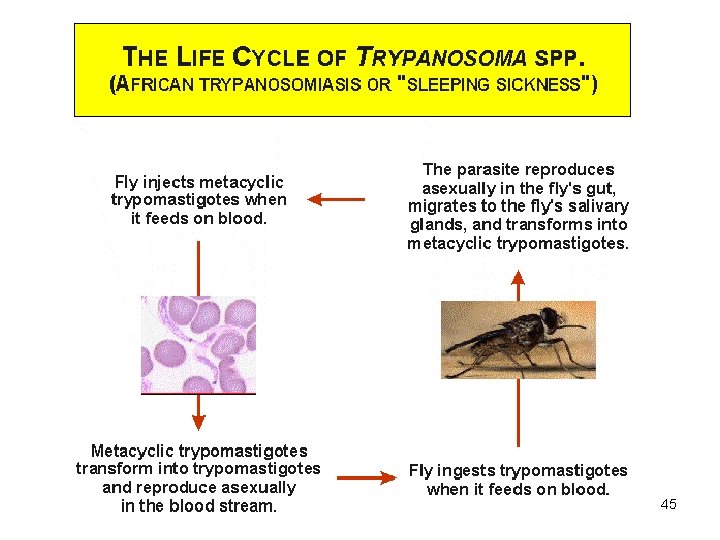
45
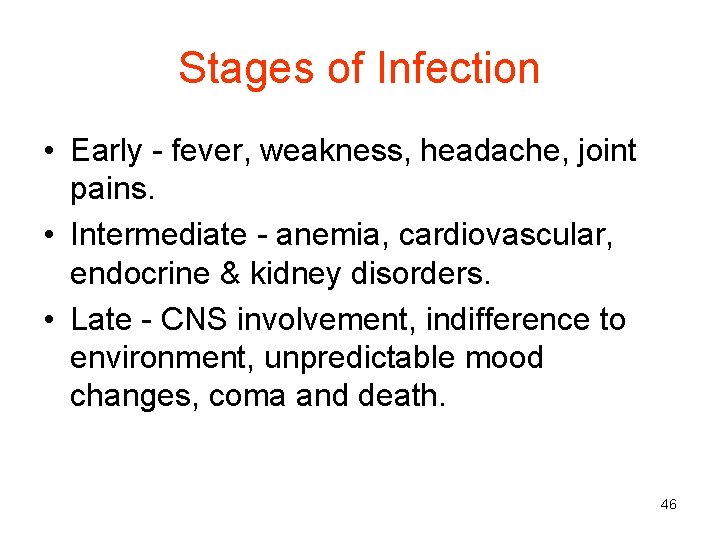
Stages of Infection • Early - fever, weakness, headache, joint pains. • Intermediate - anemia, cardiovascular, endocrine & kidney disorders. • Late - CNS involvement, indifference to environment, unpredictable mood changes, coma and death. 46
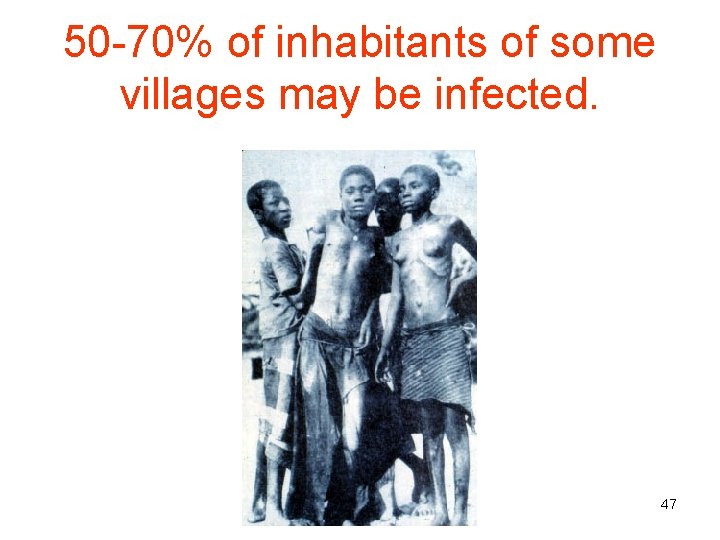
50 -70% of inhabitants of some villages may be infected. 47
End Part I 48