
Proteinprotein interactions and western blotting MCB 130 L

Protein-protein interactions and western blotting MCB 130 L Lecture 3
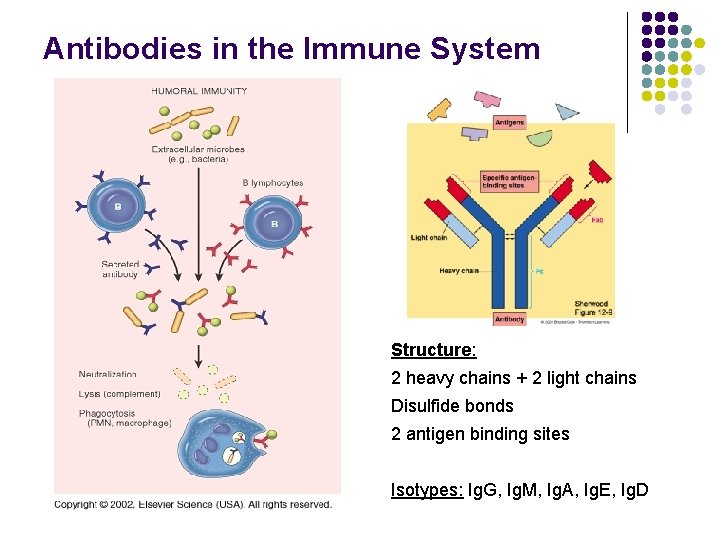
Antibodies in the Immune System Structure: 2 heavy chains + 2 light chains Disulfide bonds 2 antigen binding sites Isotypes: Ig. G, Ig. M, Ig. A, Ig. E, Ig. D
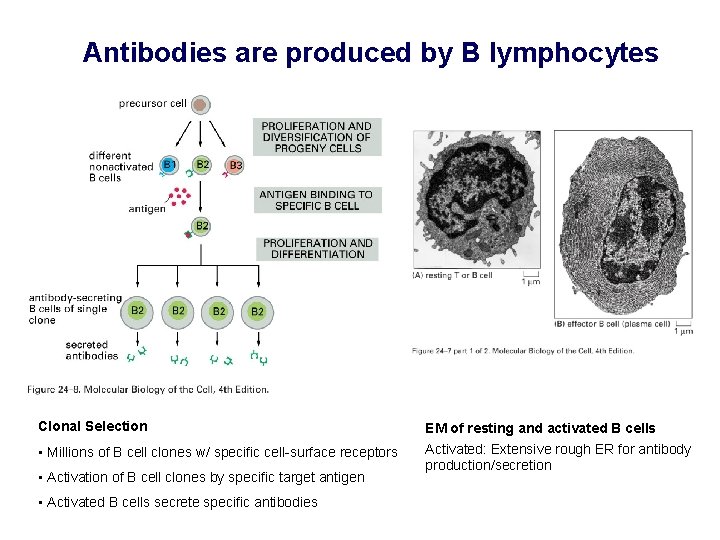
Antibodies are produced by B lymphocytes Clonal Selection EM of resting and activated B cells • Millions of B cell clones w/ specific cell-surface receptors Activated: Extensive rough ER for antibody production/secretion • Activation of B cell clones by specific target antigen • Activated B cells secrete specific antibodies
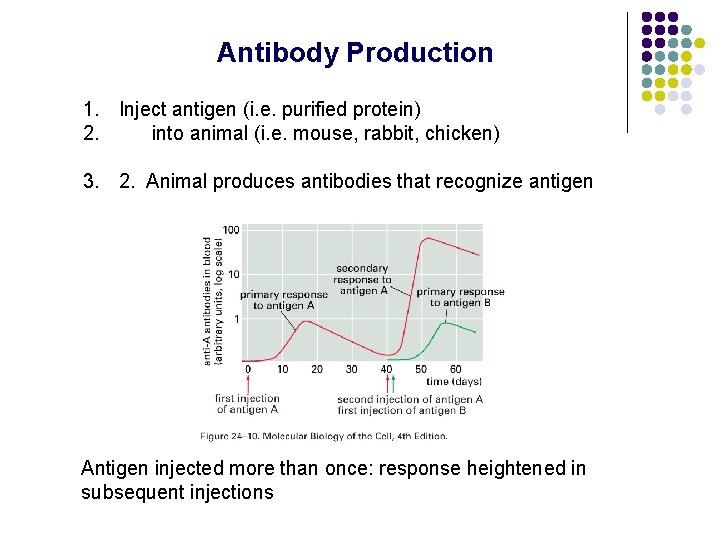
Antibody Production 1. Inject antigen (i. e. purified protein) 2. into animal (i. e. mouse, rabbit, chicken) 3. 2. Animal produces antibodies that recognize antigen Antigen injected more than once: response heightened in subsequent injections
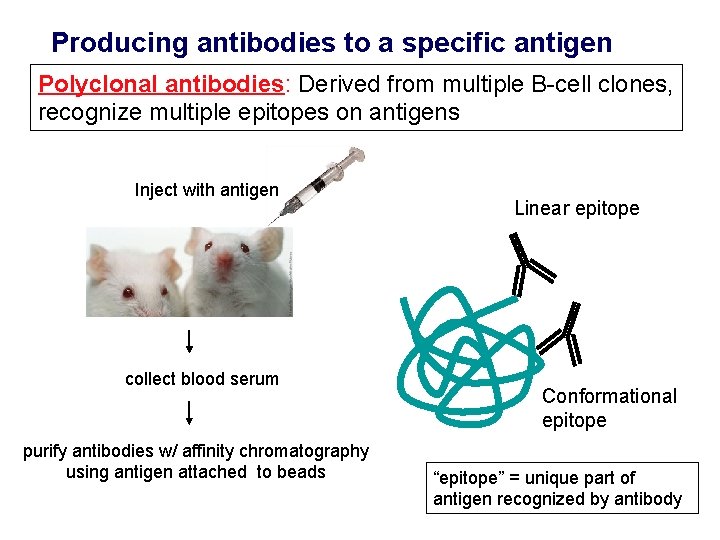
Producing antibodies to a specific antigen Polyclonal antibodies: Derived from multiple B-cell clones, recognize multiple epitopes on antigens Inject with antigen collect blood serum purify antibodies w/ affinity chromatography using antigen attached to beads Linear epitope Conformational epitope “epitope” = unique part of antigen recognized by antibody
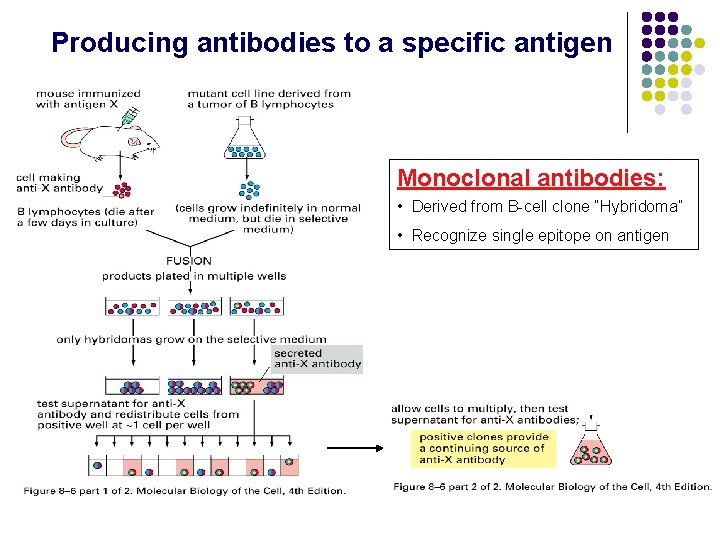
Producing antibodies to a specific antigen Monoclonal antibodies: • Derived from B-cell clone “Hybridoma” • Recognize single epitope on antigen
Uses of antibodies in molecular biology Applications: Western blotting (Immunoblotting) - Identification of protein antigen following SDS-PAGE Immunoprecipitation - Isolation of specific proteins + binding partners Immunofluorescence microscopy - Localization of specific proteins in cells ELISA (Enzyme-Linked Immunosorbent Assay) - Detection of proteins in a sample
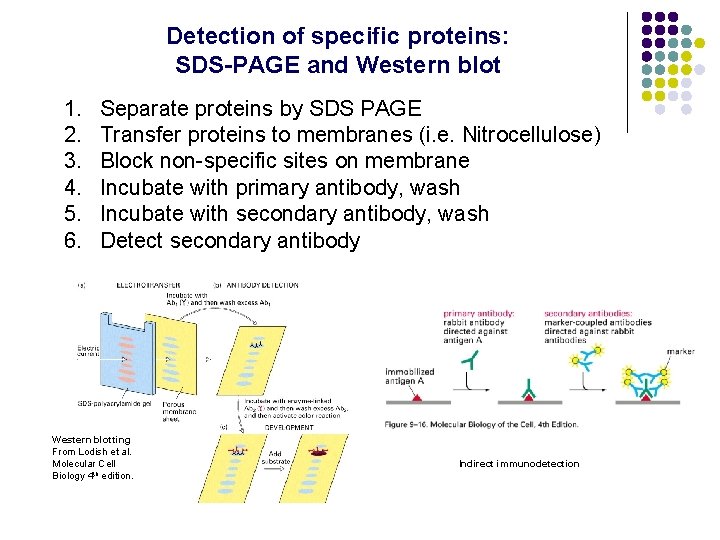
Detection of specific proteins: SDS-PAGE and Western blot 1. 2. 3. 4. 5. 6. Separate proteins by SDS PAGE Transfer proteins to membranes (i. e. Nitrocellulose) Block non-specific sites on membrane Incubate with primary antibody, wash Incubate with secondary antibody, wash Detect secondary antibody Western blotting From Lodish et al. Molecular Cell Biology 4 th edition. Indirect immunodetection
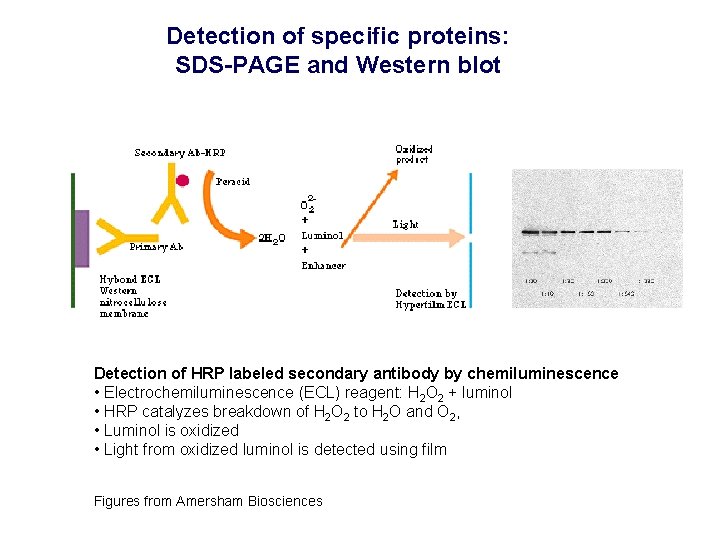
Detection of specific proteins: SDS-PAGE and Western blot Detection of HRP labeled secondary antibody by chemiluminescence • Electrochemiluminescence (ECL) reagent: H 2 O 2 + luminol • HRP catalyzes breakdown of H 2 O 2 to H 2 O and O 2, • Luminol is oxidized • Light from oxidized luminol is detected using film Figures from Amersham Biosciences
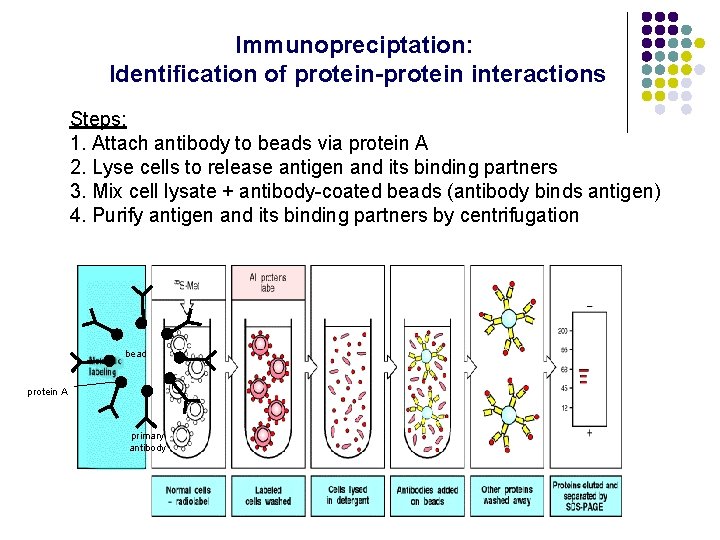
Immunopreciptation: Identification of protein-protein interactions Steps: 1. Attach antibody to beads via protein A 2. Lyse cells to release antigen and its binding partners 3. Mix cell lysate + antibody-coated beads (antibody binds antigen) 4. Purify antigen and its binding partners by centrifugation bead protein A primary antibody
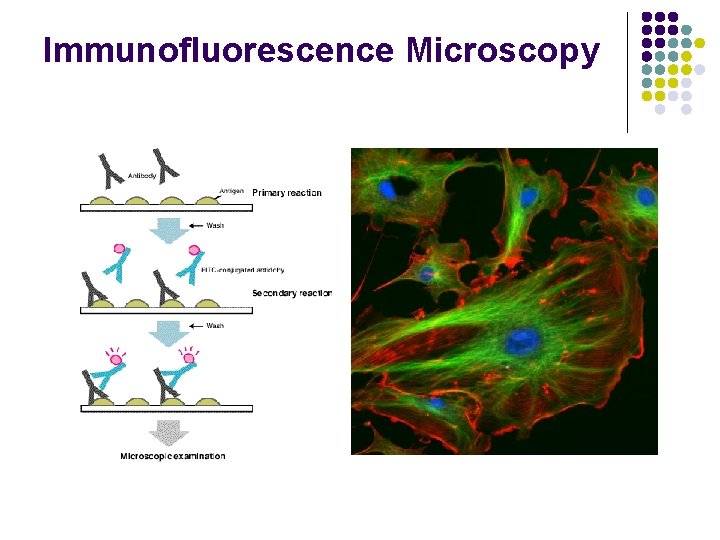
Immunofluorescence Microscopy
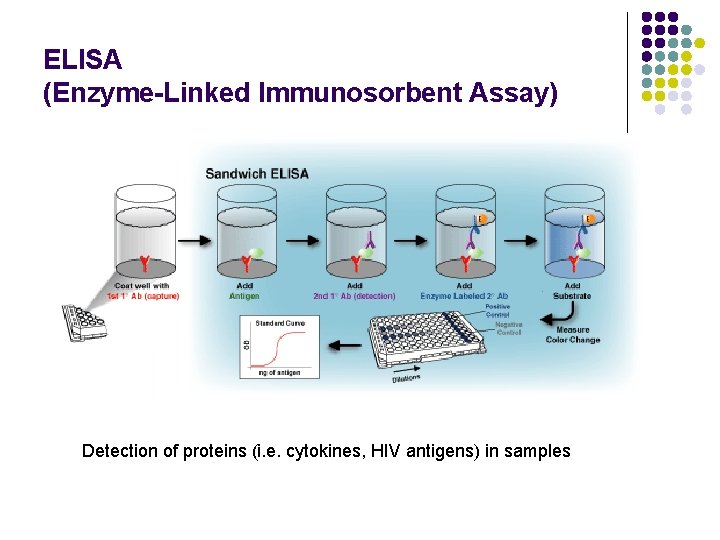
ELISA (Enzyme-Linked Immunosorbent Assay) Detection of proteins (i. e. cytokines, HIV antigens) in samples
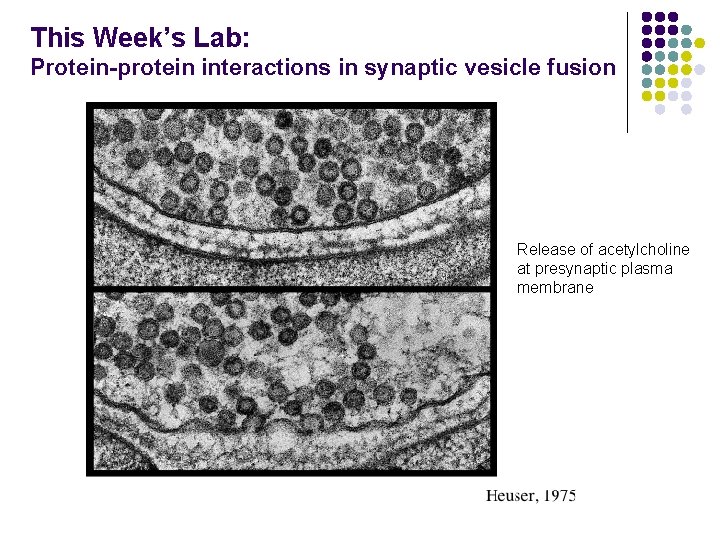
This Week’s Lab: Protein-protein interactions in synaptic vesicle fusion Release of acetylcholine at presynaptic plasma membrane
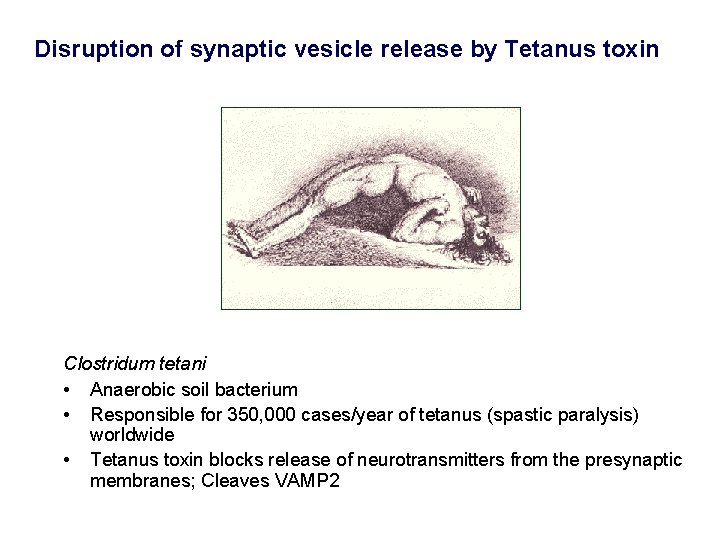
Disruption of synaptic vesicle release by Tetanus toxin Clostridum tetani • Anaerobic soil bacterium • Responsible for 350, 000 cases/year of tetanus (spastic paralysis) worldwide • Tetanus toxin blocks release of neurotransmitters from the presynaptic membranes; Cleaves VAMP 2
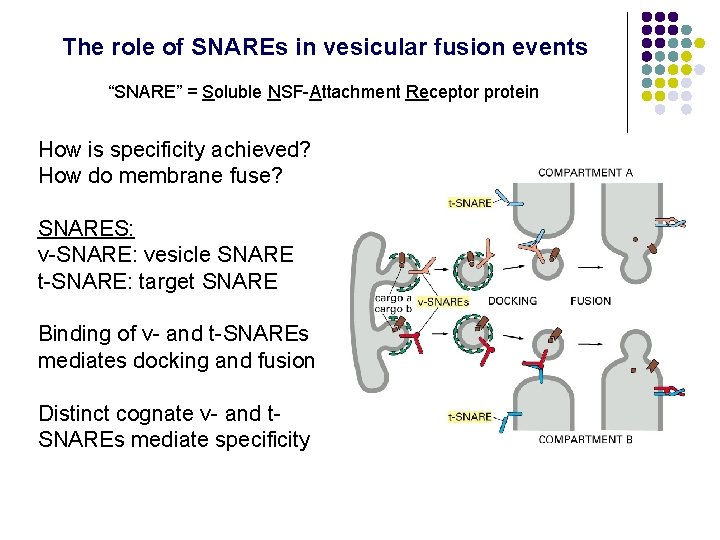
The role of SNAREs in vesicular fusion events “SNARE” = Soluble NSF-Attachment Receptor protein How is specificity achieved? How do membrane fuse? SNARES: v-SNARE: vesicle SNARE t-SNARE: target SNARE Binding of v- and t-SNAREs mediates docking and fusion Distinct cognate v- and t. SNAREs mediate specificity
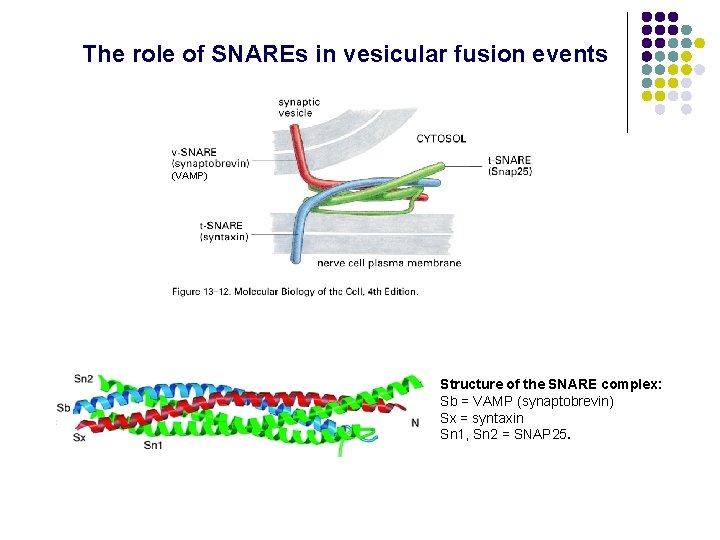
The role of SNAREs in vesicular fusion events (VAMP) Structure of the SNARE complex: Sb = VAMP (synaptobrevin) Sx = syntaxin Sn 1, Sn 2 = SNAP 25.
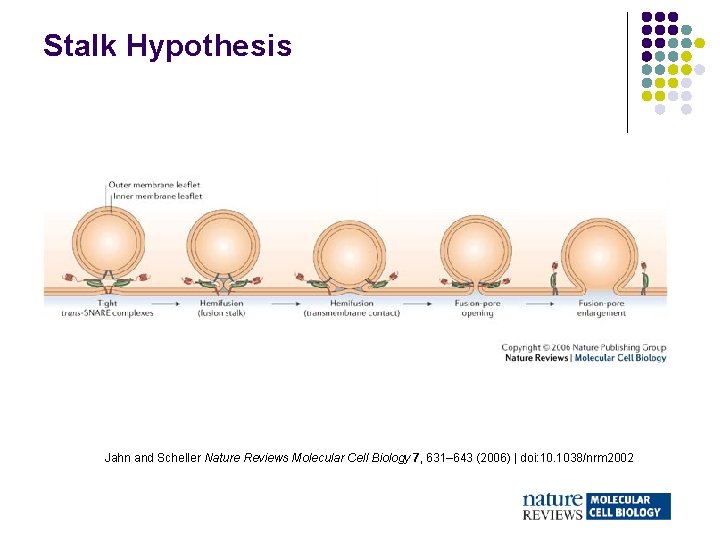
Stalk Hypothesis Jahn and Scheller Nature Reviews Molecular Cell Biology 7, 631– 643 (2006) | doi: 10. 1038/nrm 2002
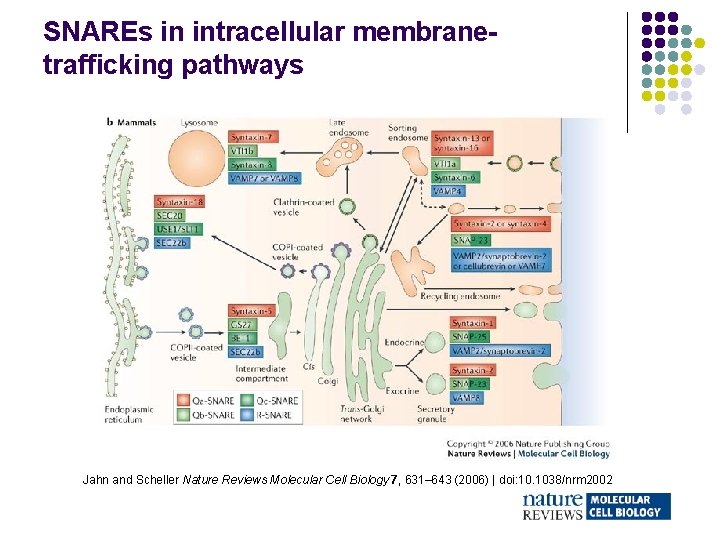
SNAREs in intracellular membranetrafficking pathways Jahn and Scheller Nature Reviews Molecular Cell Biology 7, 631– 643 (2006) | doi: 10. 1038/nrm 2002
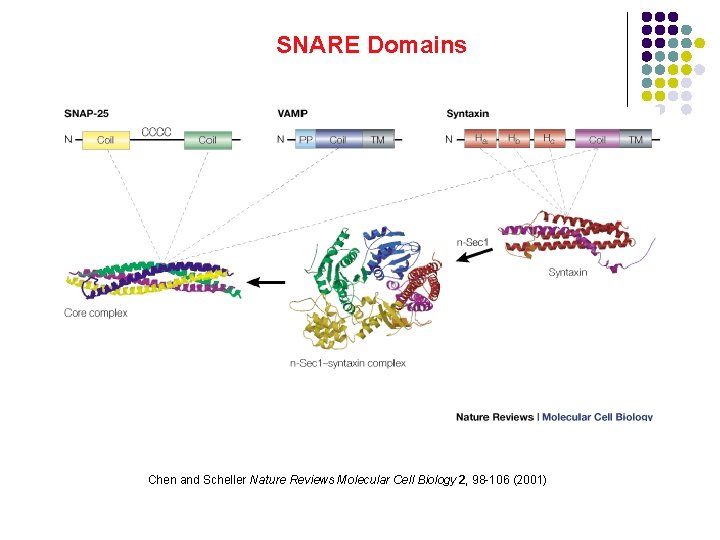
SNARE Domains Chen and Scheller Nature Reviews Molecular Cell Biology 2, 98 -106 (2001)
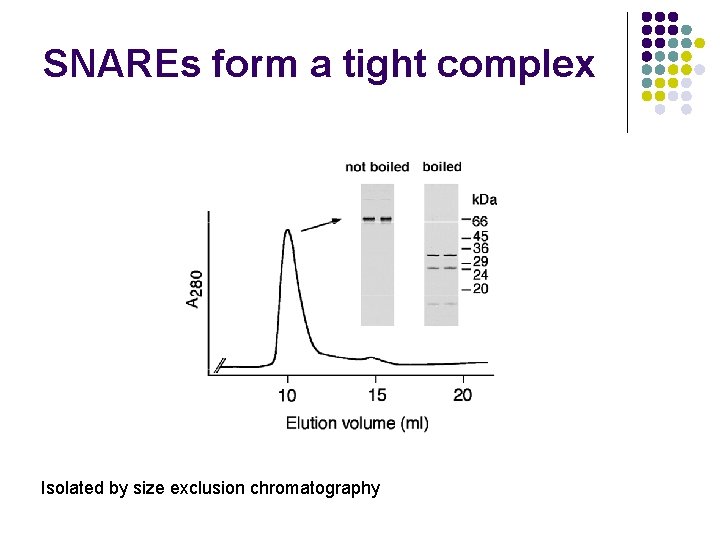
SNAREs form a tight complex Isolated by size exclusion chromatography
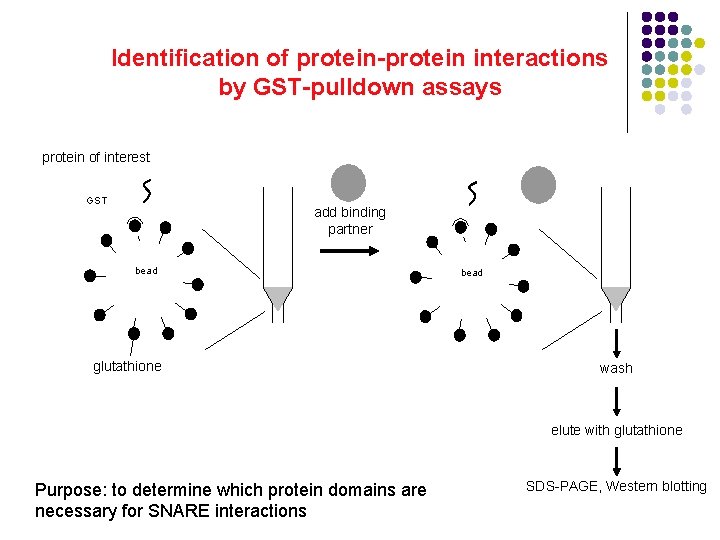
Identification of protein-protein interactions by GST-pulldown assays protein of interest GST add binding partner bead glutathione bead wash elute with glutathione Purpose: to determine which protein domains are necessary for SNARE interactions SDS-PAGE, Western blotting

Hey, where’d all the mice go?
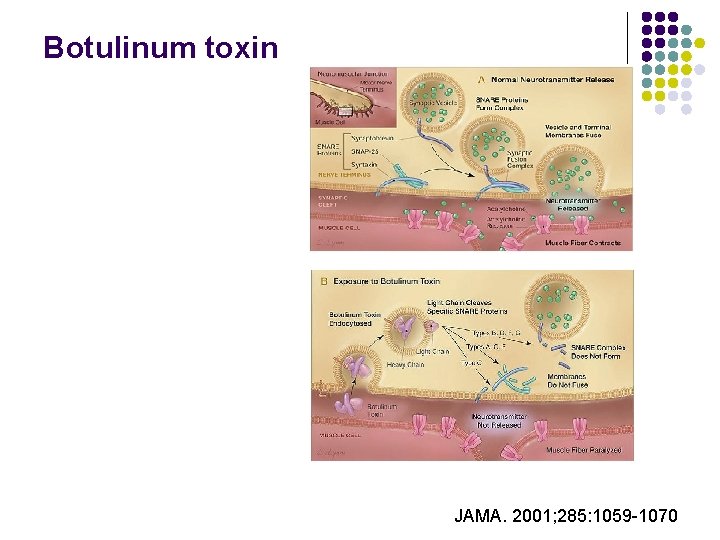
Botulinum toxin JAMA. 2001; 285: 1059 -1070
- Slides: 23