
Protein structure function Lecture 7 Chapter 4 part
- Slides: 58
Protein : structure & function Lecture 7 Chapter 4 (part 1)
WOW!!! Facts Proteins are major components of all cellular systems Proteins consist of one or more linear polymers called polypeptides Proteins are linear and never branched Different AA’s are linked together via PEPTIDE bonds The individual amino acids within a protein are known as RESIDUES The smallest known P’ is just nine residues long - oxytocin The largest is over 25, 000 residues - the structural protein titin
WOW!!! Facts 2 Proteins are generally between 100 and 1000 residues in length. In the absence of stabilizing forces a minimum of 40 residues is needed to adopt a stable 3 D structure in water. Protein sequence can be determined by systematically removing the AA’s one at a time from the amino end - Edman degradation Now we just sequence the gene or c. DNA for that protein and use the genetic code to determine the AA sequence
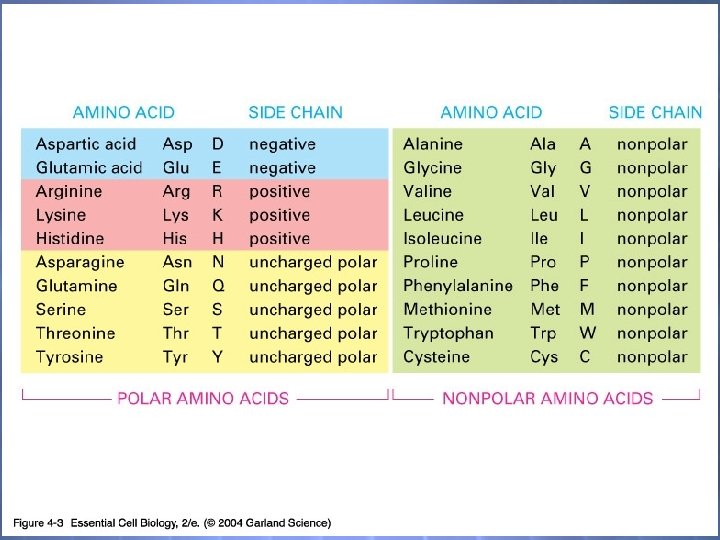
Each amino acid has the same fundamental structure, differing only in the side-chain, designated the R-group. The carbon atom to which the amino group, carboxyl group, and side chain (R-group) are attached is the alpha carbon (C ).
04_03_20 amino acids. jpg
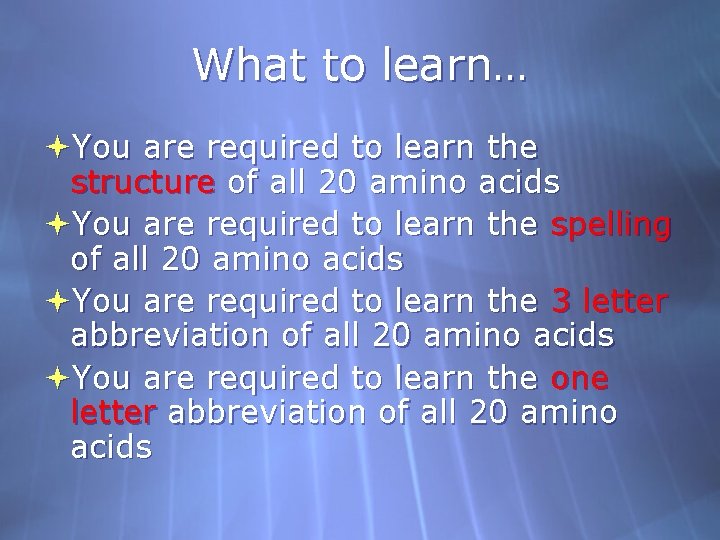
What to learn… You are required to learn the structure of all 20 amino acids You are required to learn the spelling of all 20 amino acids You are required to learn the 3 letter abbreviation of all 20 amino acids You are required to learn the one letter abbreviation of all 20 amino acids
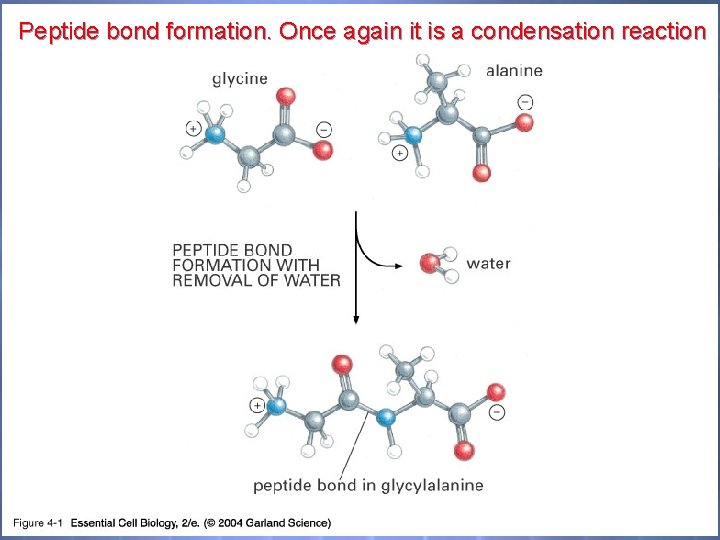
Peptide bond formation. Once again it is a condensation reaction 04_01_peptide bonds. jpg
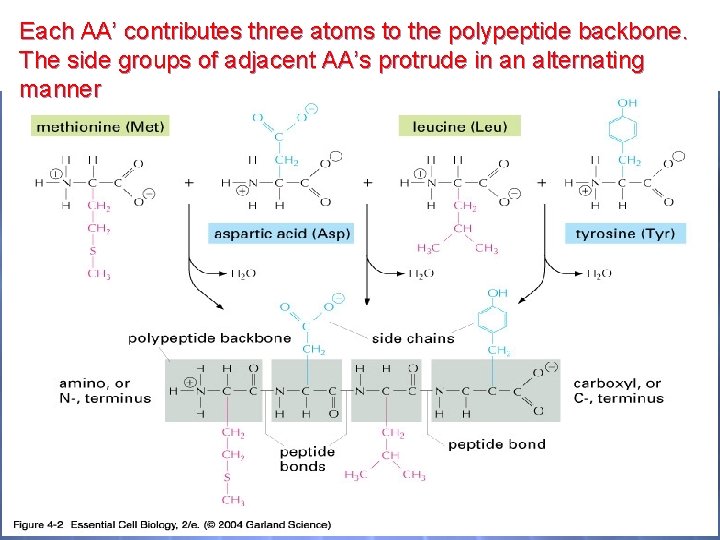
Each AA’ contributes three atoms to the polypeptide backbone. The side groups of adjacent AA’s protrude in an alternating manner
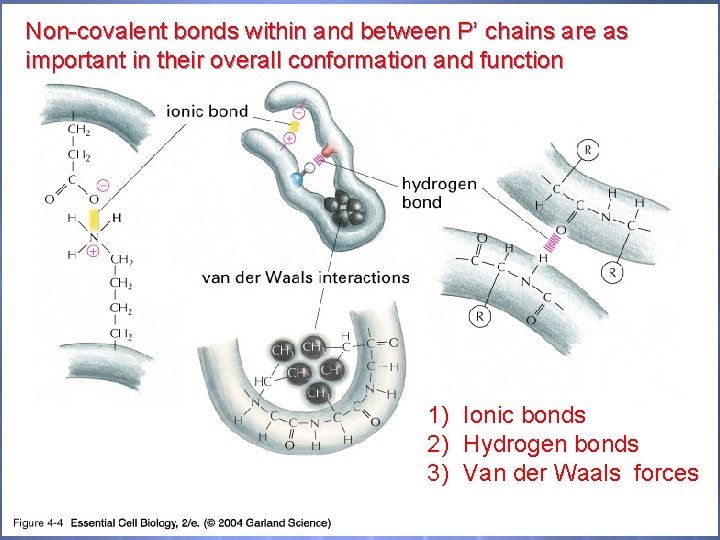
Non-covalent bonds within and between P’ chains are as important in their overall conformation and function 04_04_noncovalent. jpg 1) Ionic bonds 2) Hydrogen bonds 3) Van der Waals forces
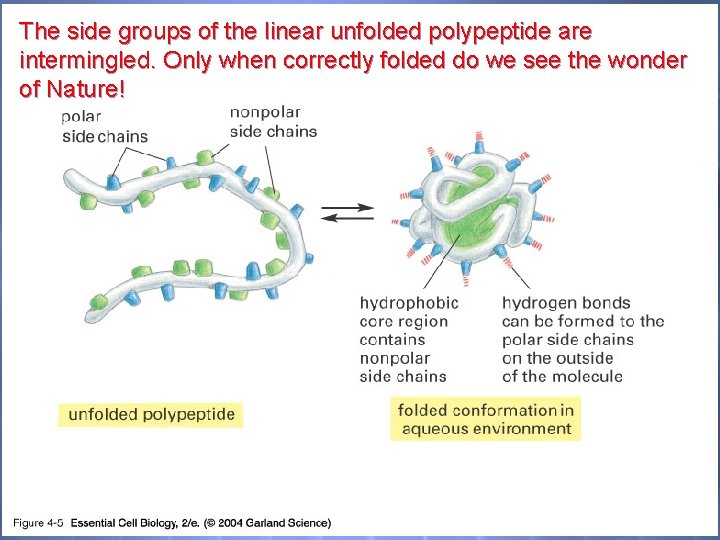
The side groups of the linear unfolded polypeptide are intermingled. Only when correctly folded do we see the wonder of Nature! 04_05_Hydrophobic. jpg
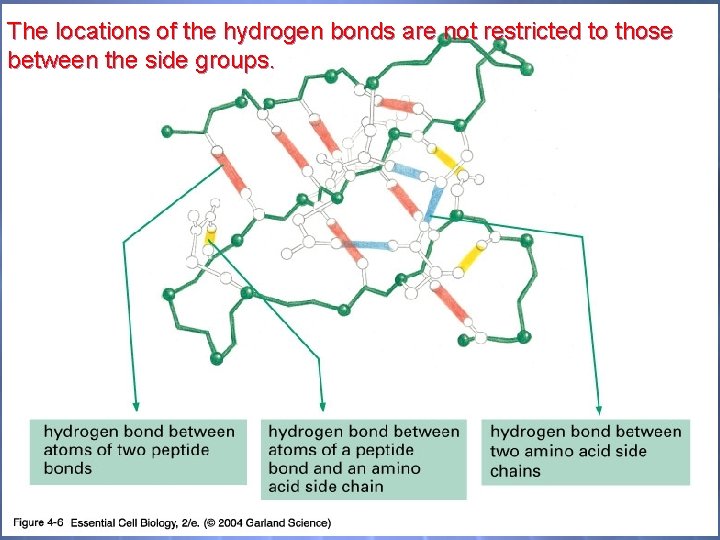
04_06_Hydrogen bonds. jpg The locations of the hydrogen bonds are not restricted to those between the side groups.
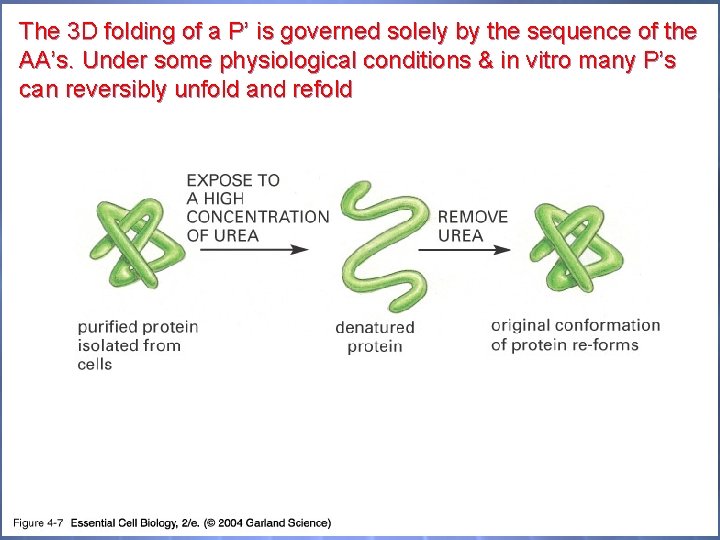
The 3 D folding of a P’ is governed solely by the sequence of the AA’s. Under some physiological conditions & in vitro many P’s can reversibly unfold and refold 04_07_Denatured prot. jpg
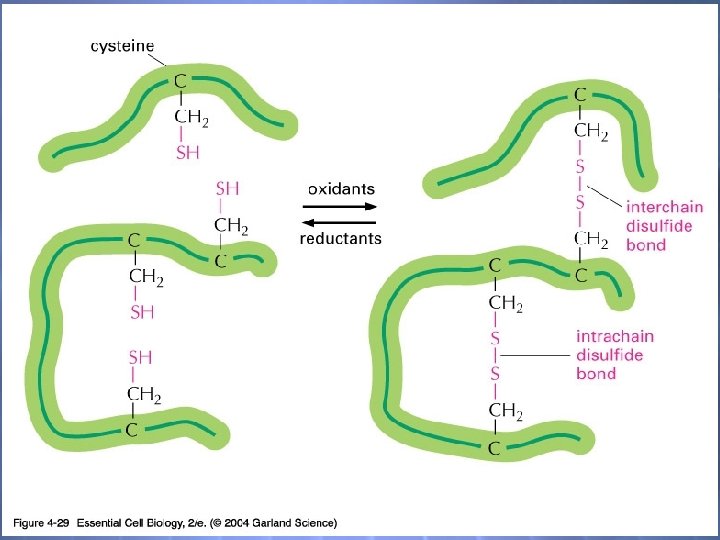
Posttranslational modifications of P’s Various AA’s are modified by enzymes after their incorporation into polypeptides Addition of phosphate groups Addition of methyl groups Addition of hydroxyl groups Formation of disulfide bonds we learn more about these later…
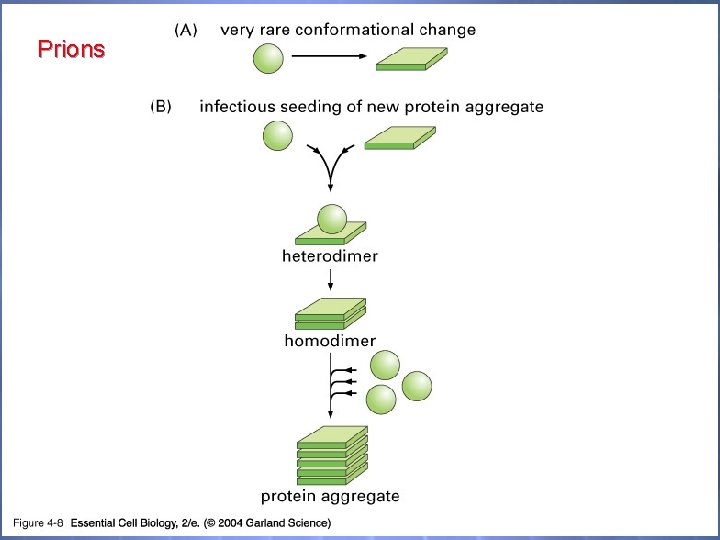
c. URRENT t. OPICS - Prions cause diseases, but they aren't viruses or bacteria or fungi or parasites. They are simply proteins, and proteins were never thought to be infectious on their own. Organisms are infectious, proteins are not. ‘Mad cow’ epidemic that hit England in 1986 Scrapie in sheep and goats has the same basis.
Prions 04_08_Prion diseases. jpg
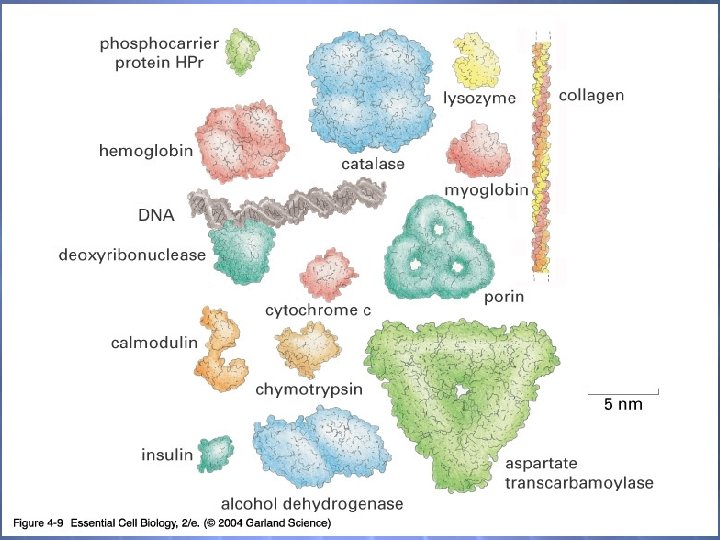
Shapes & Sizes There are more varieties of P’s in a cell than any other macromolecule Filamentous & Globular Large & Small
04_09_Proteins. jpg
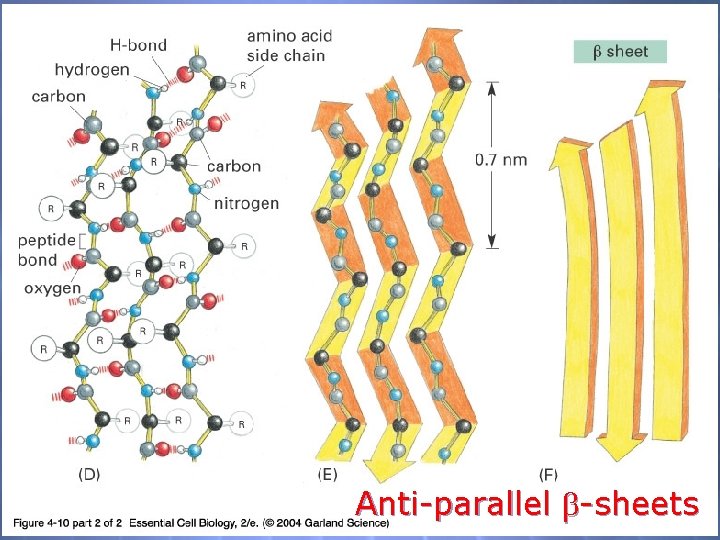
O 2 Structure The 2 O Structure of P’s is defined as the localized folding of domains of the polypeptide chain -helices -sheets -barrels coiled-coils
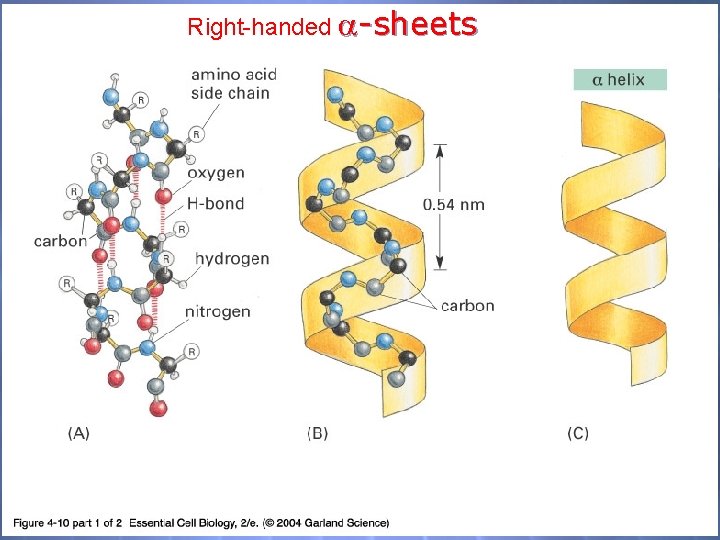
Right-handed -sheets 04_10_1_alpha h. beta s. jpg
04_10_2_alpha h. beta s. jpg Anti-parallel -sheets
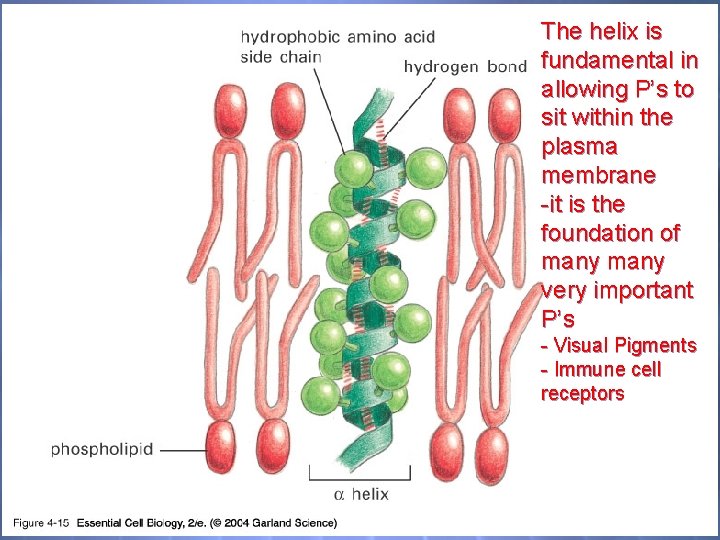
04_15_ahelix_lip_bilayer. j pg The helix is fundamental in allowing P’s to sit within the plasma membrane -it is the foundation of many very important P’s - Visual Pigments - Immune cell receptors
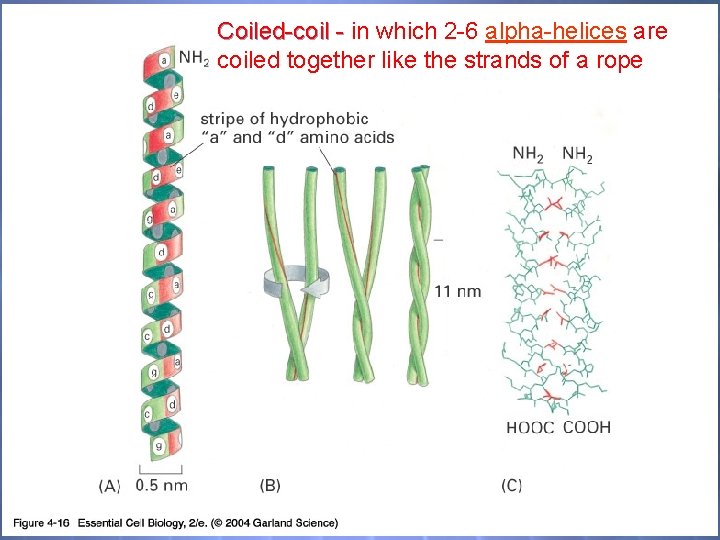
Coiled-coil - in which 2 -6 alpha-helices are coiled together like the strands of a rope 04_16_coiled-coil. jpg
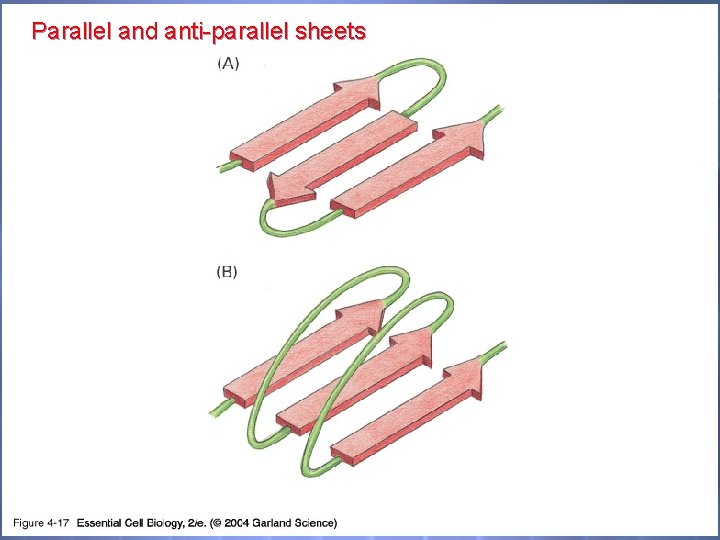
Parallel and anti-parallel sheets 04_17_2 beta sheets. jpg
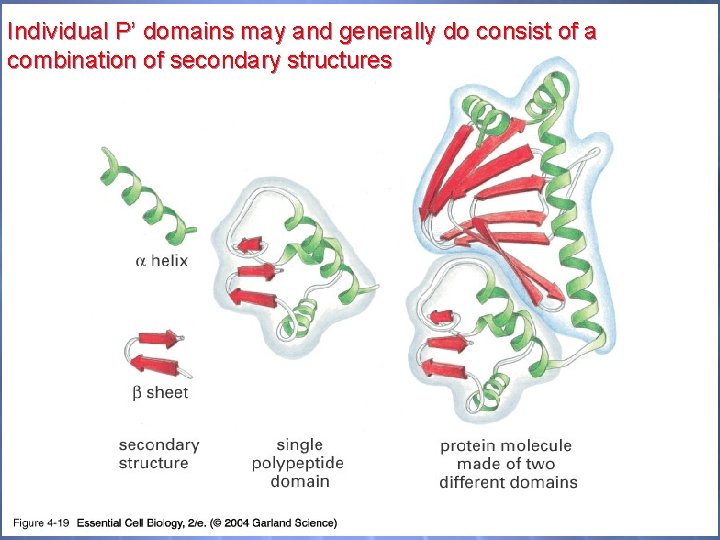
04_19_functiondomains. jp g Individual P’ domains may and generally do consist of a combination of secondary structures
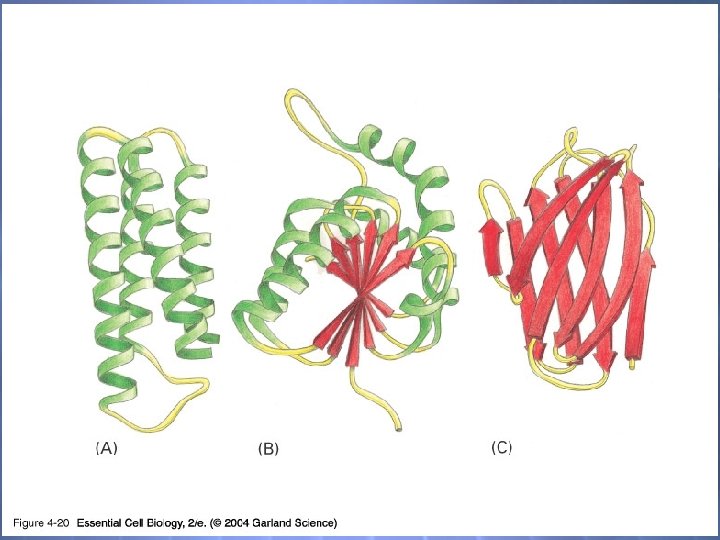
04_20_protein domains. jpg
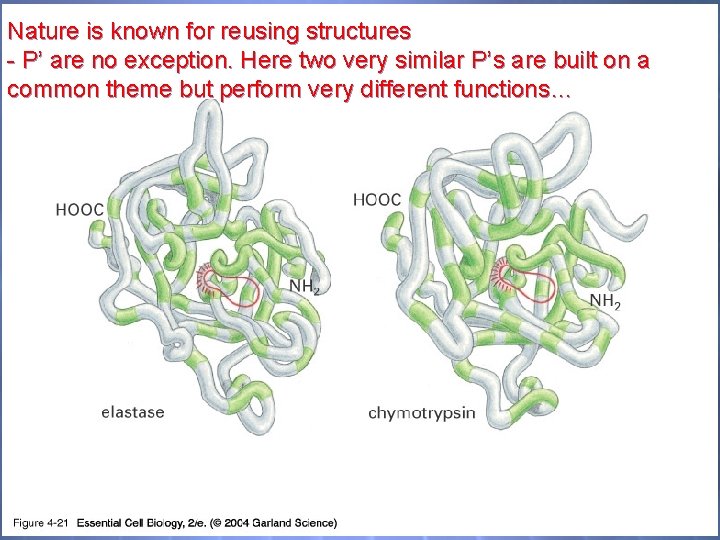
04_21_Serine proteases. jpg Nature is known for reusing structures - P’ are no exception. Here two very similar P’s are built on a common theme but perform very different functions…
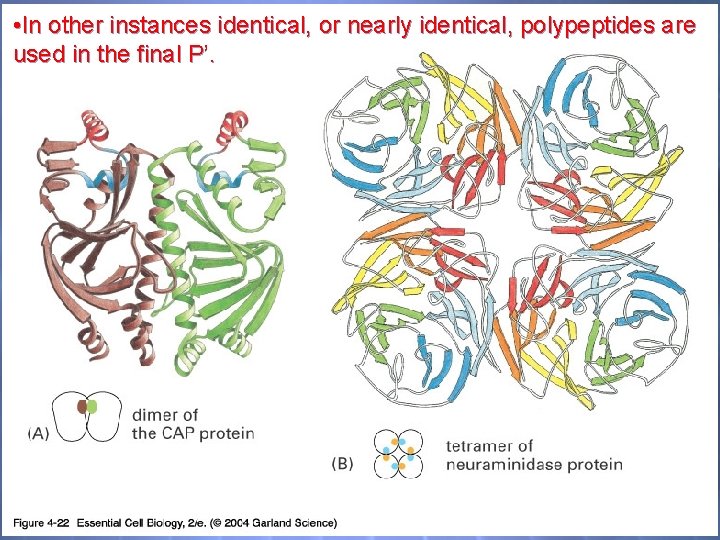
• In other instances identical, or nearly identical, polypeptides are used in the final P’. 04_22_protein subunit. jpg
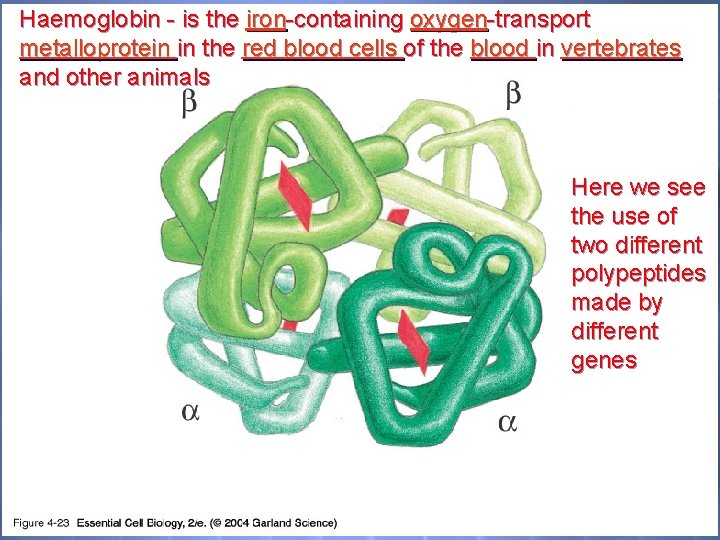
Haemoglobin - is the iron-containing oxygen-transport metalloprotein in the red blood cells of the blood in vertebrates and other animals 04_23_asymmetrical as. jpg Here we see the use of two different polypeptides made by different genes
Experimental Procedures
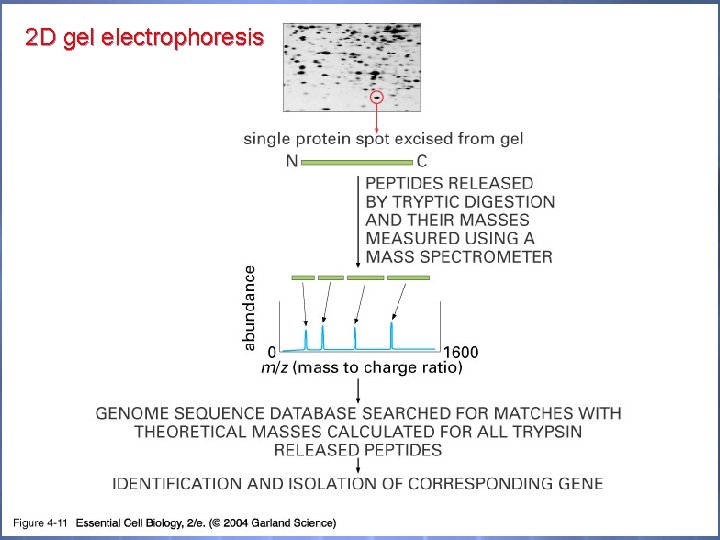
2 D gel electrophoresis 04_11_Mass spectrom. jpg
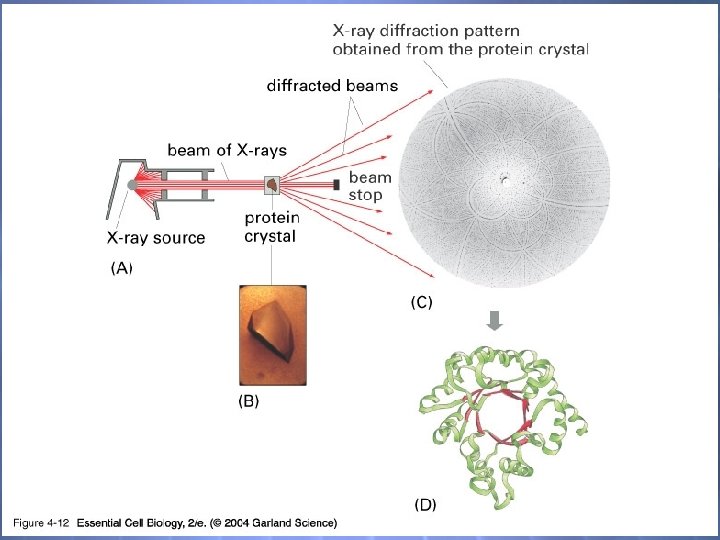
04_12_crystallography. jpg
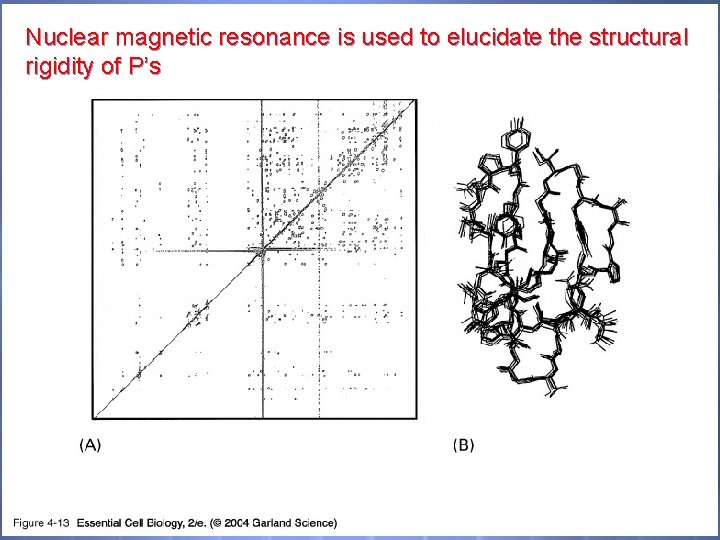
Nuclear magnetic resonance is used to elucidate the structural rigidity of P’s 04_13_NMR. jpg
Protein: structure and function 2 Lecture 8 Chapter 4 (remainder)
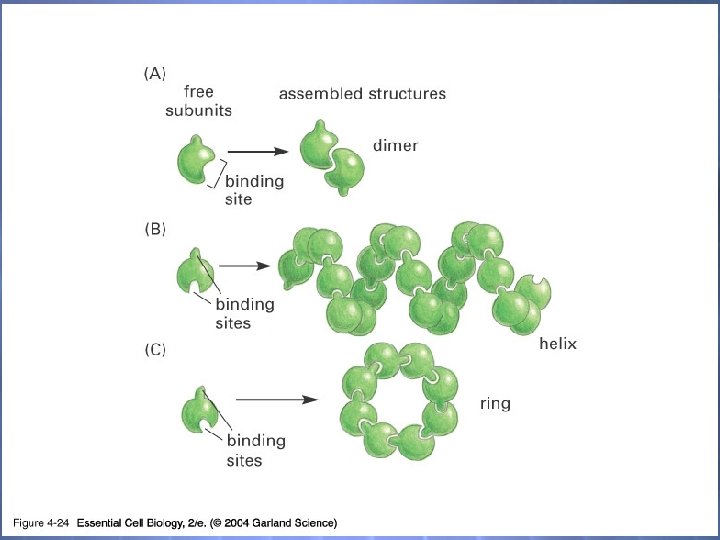
04_24_complexstructure. j pg
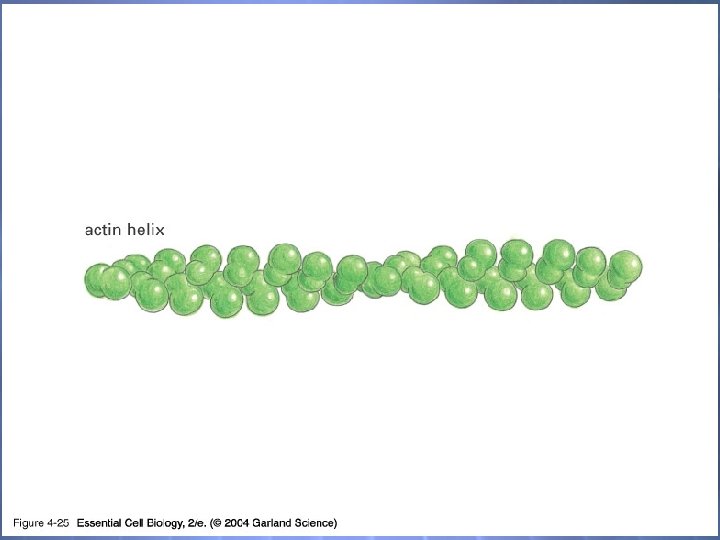
04_25_actin filament. jpg
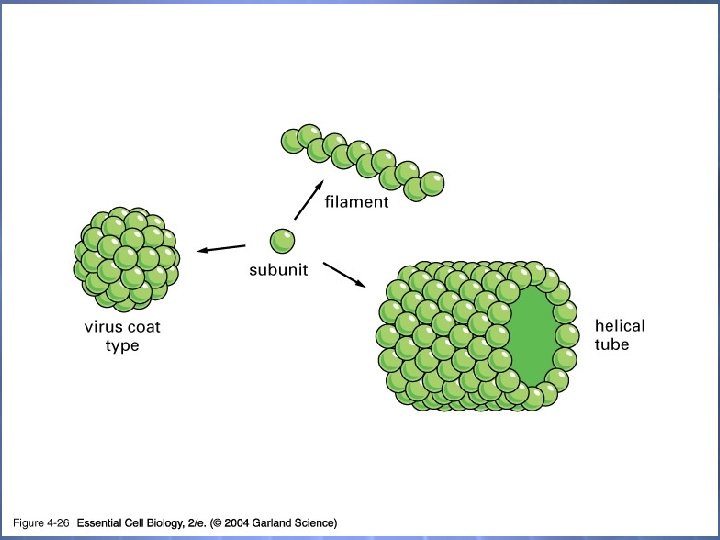
04_26_spherical shell. jpg
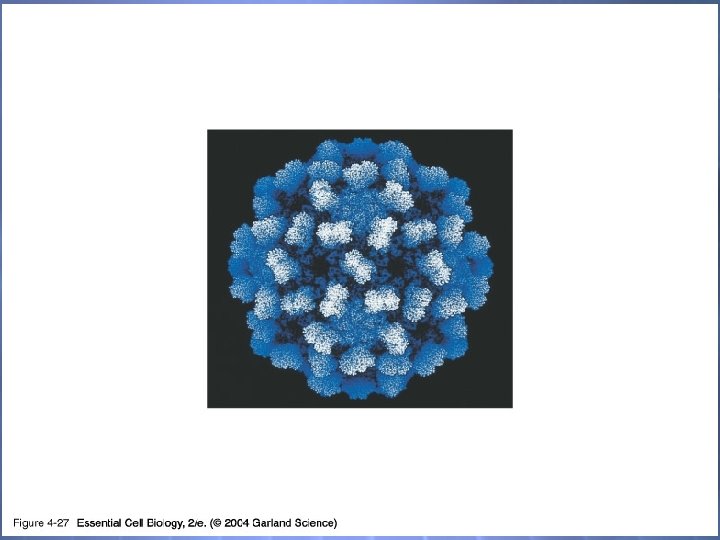
04_27_Viral capsids. jpg
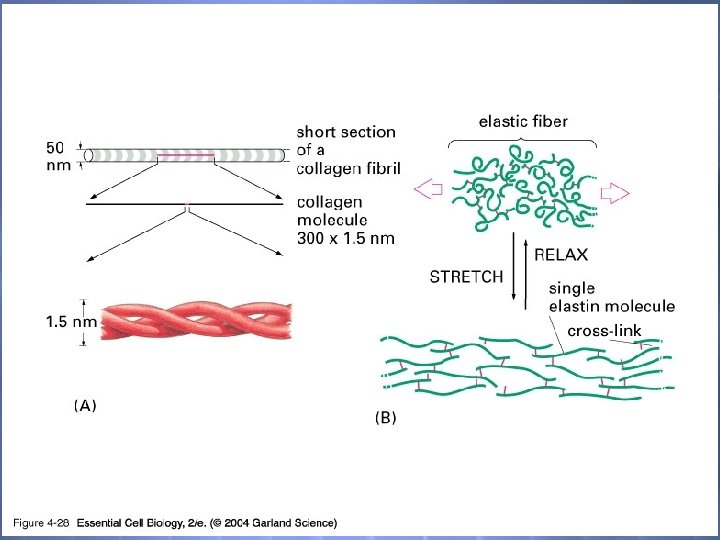
04_28_fibrous proteins. jpg
04_29_Disulfide bonds. jpg
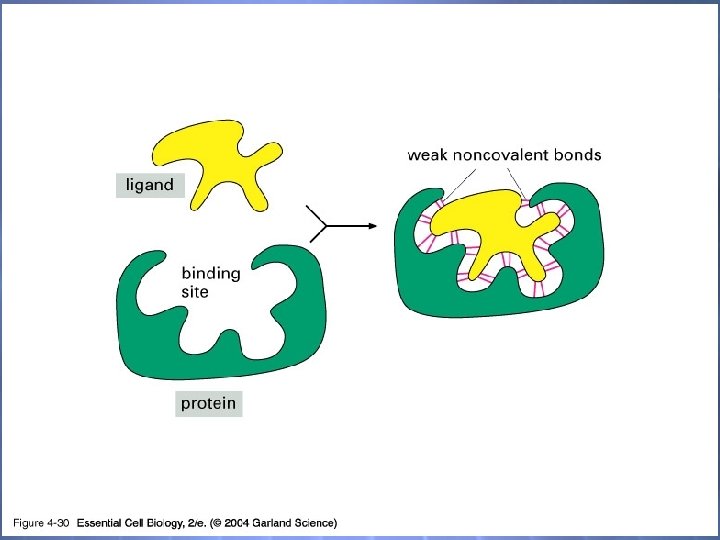
04_30_selective binding. jpg
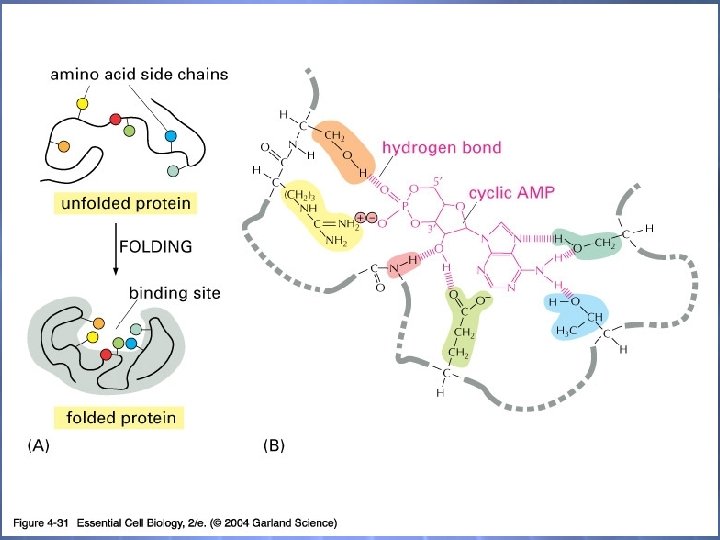
04_31_specific ligands. jpg
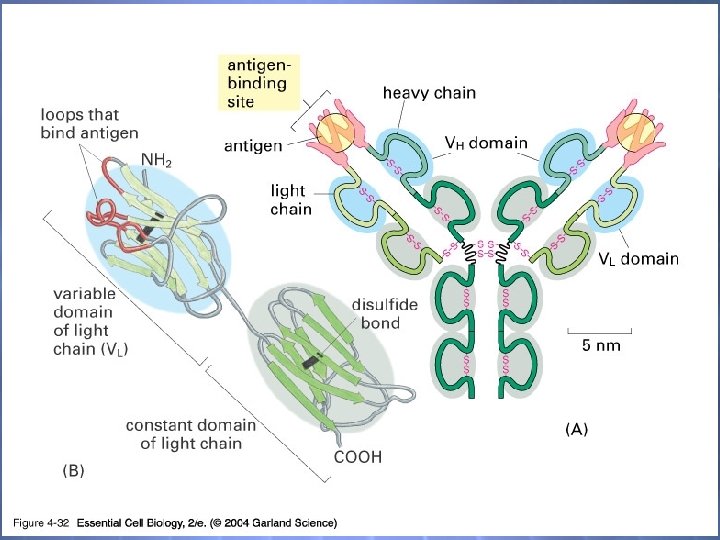
04_32_antibody. jpg
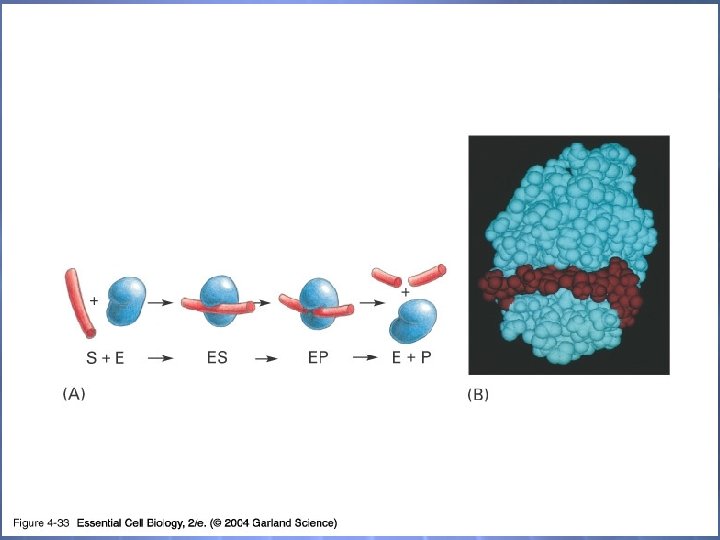
04_33_Lysozyme. jpg
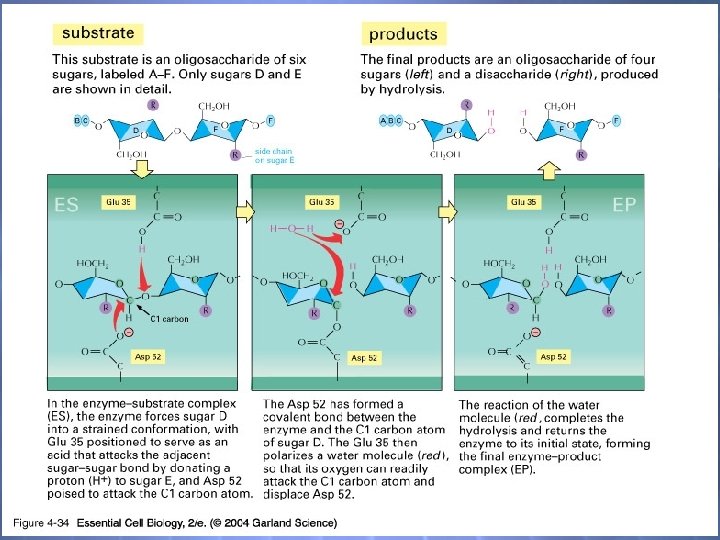
04_34_lysozyme bonds. jpg
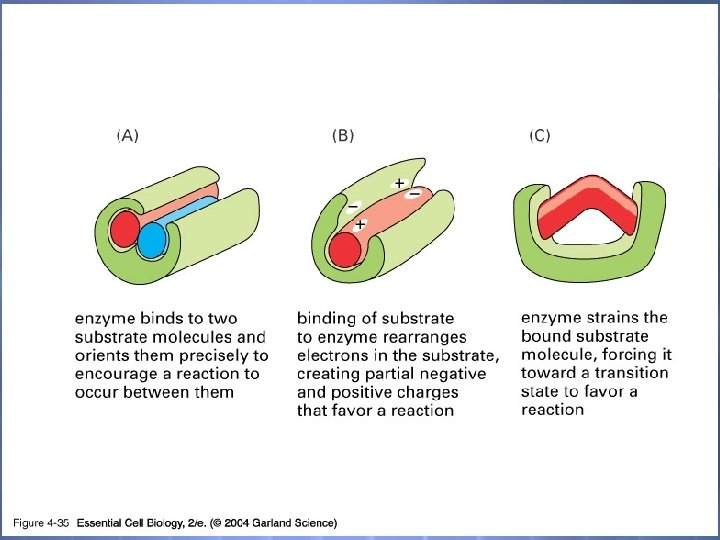
04_35_Enzymes. jpg
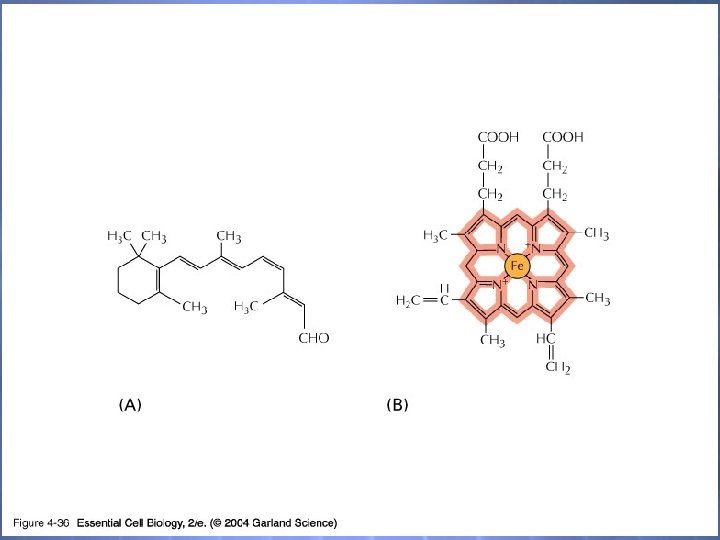
04_36_Retinal_heme. jpg
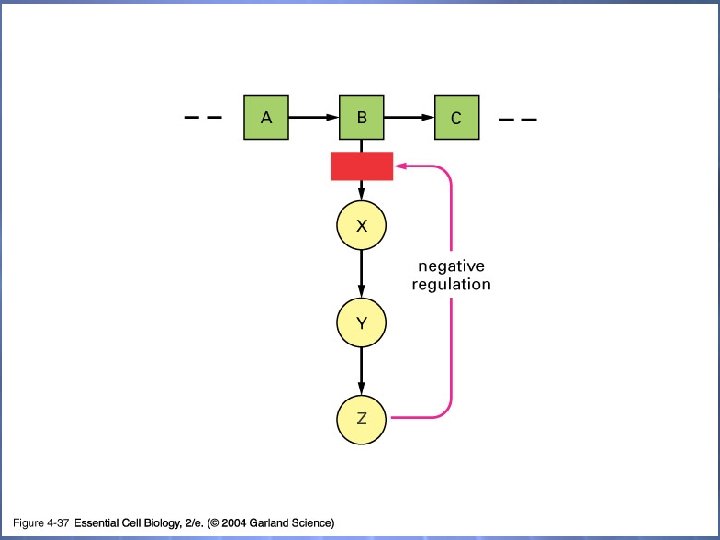
04_37_feed inhibition. jpg
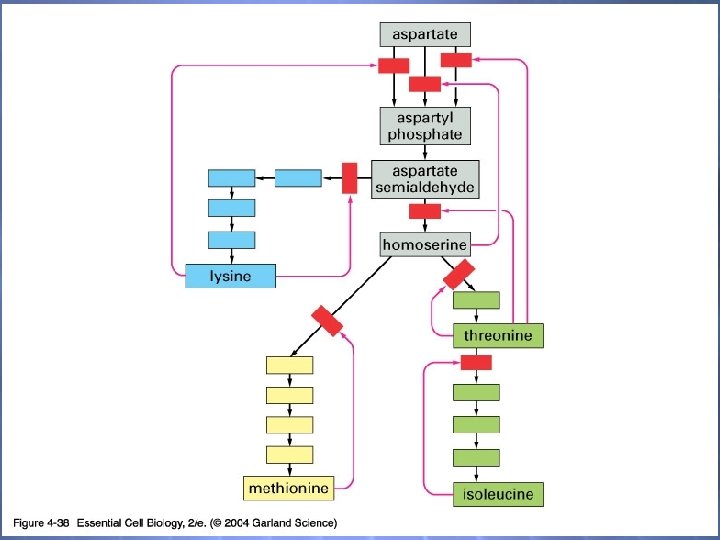
04_38_metabolic react. jpg
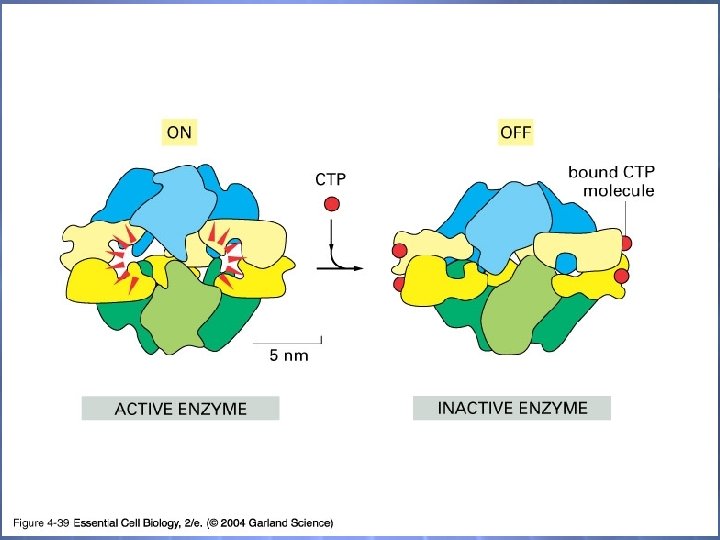
04_39_conform. change. jp g
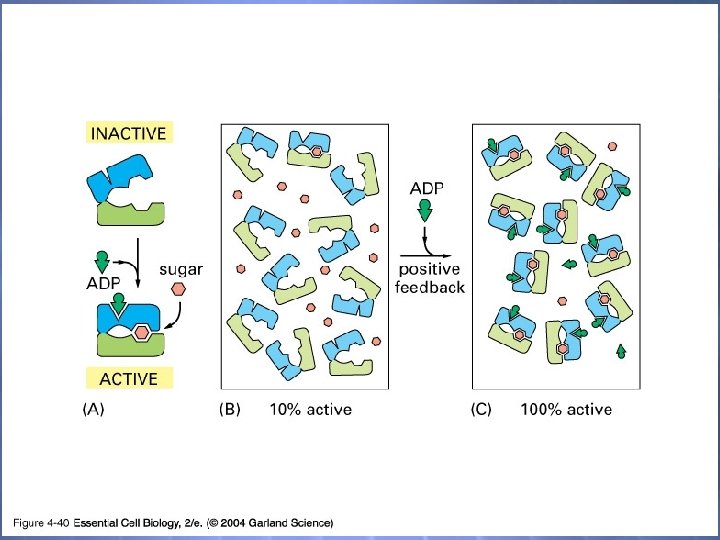
04_40_ligand binding. jpg
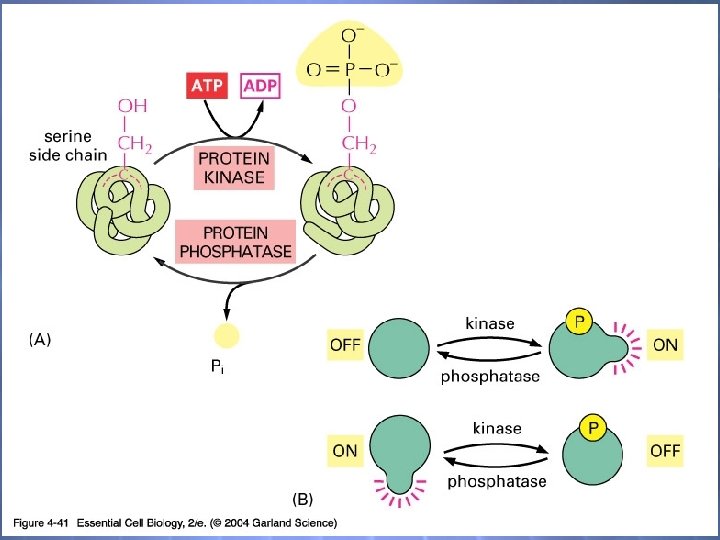
04_41_phosphorylation. jp g
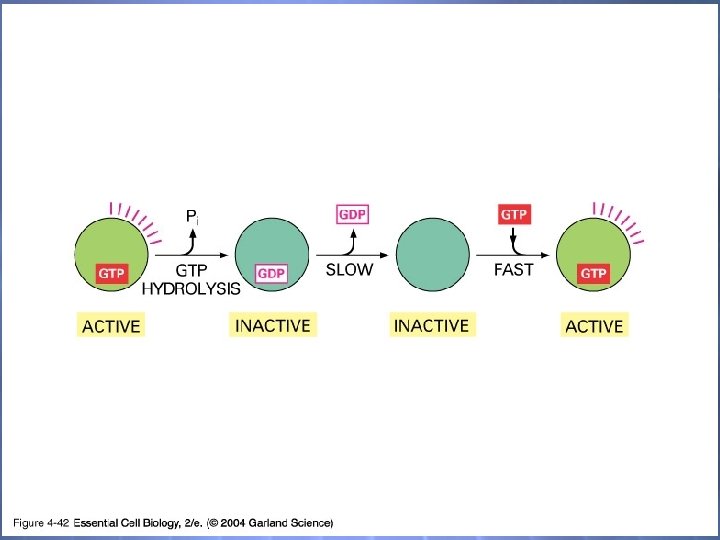
04_42_molec. switches. jpg
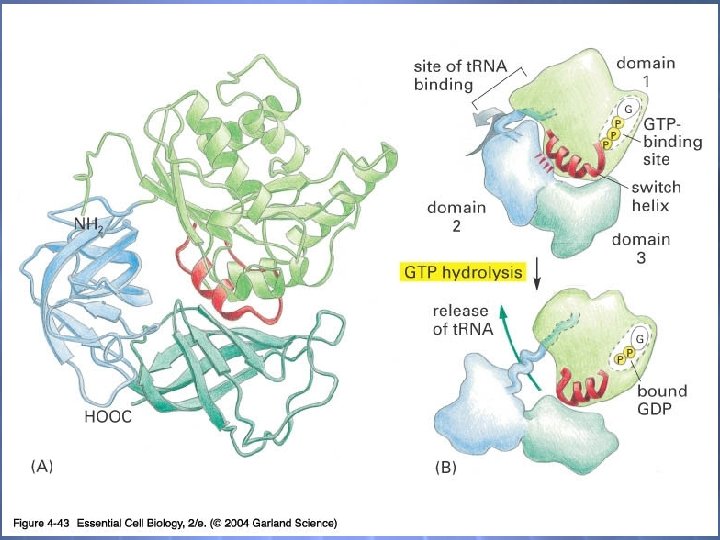
04_43_nucleotide hydrolysis. jpg
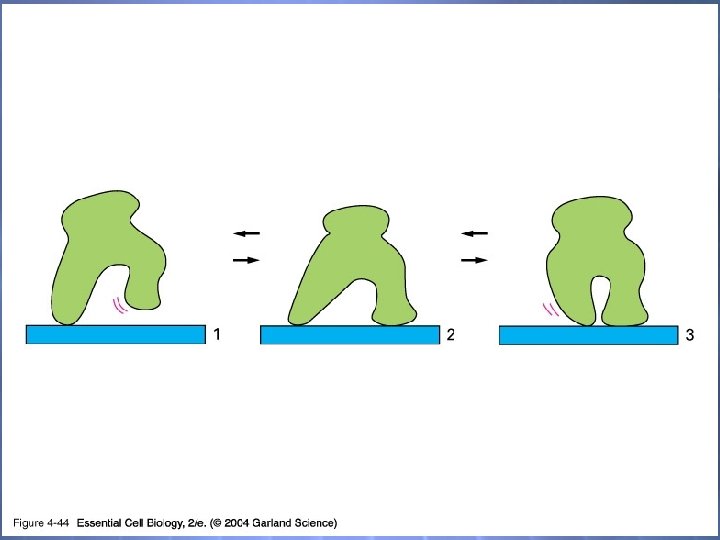
04_44_walk along. jpg
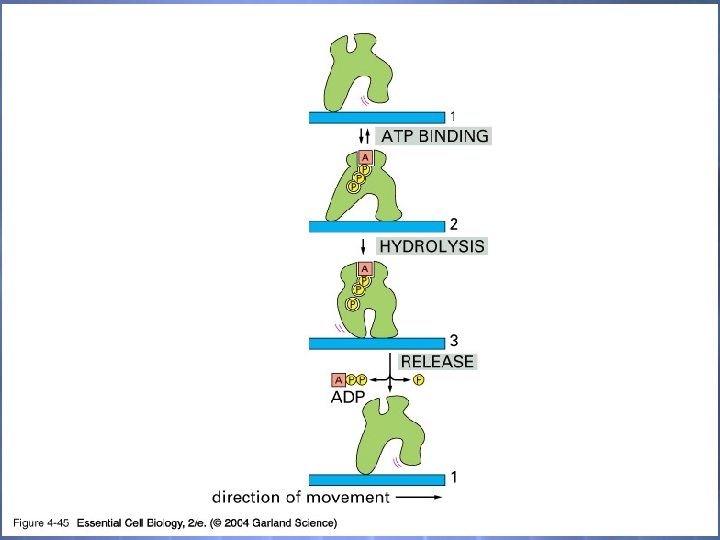
04_45_motor protein. jpg
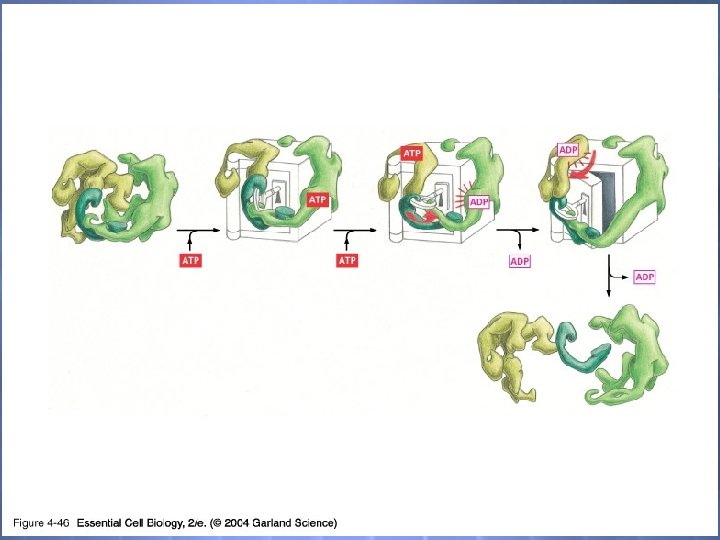
04_46_Protein machine. jpg