
Protein profiling and its significance By Dr Uma

Protein profiling and its significance By Dr. Uma Singh
Synopsis �Introduction �Structure And Properties Of Proteins �Protein structure �Protein profiling �Method of protein profiling �Function of protein profiling in plants �References

Introduction � � � Proteins are vital parts of living organisms, with many functions. Proteins deposited in various plant organs, such as leaves, stems, and roots. They are stored in seeds and tubers and also in the cambium of tree trunks during winter to enable the rapid formation of leaves during seed germination and sprouting. Protein is made from nitrate, a form of nitrogen that has been fixed by micro organisms. Plants cannot use nitrogen directly, so they rely on bacteria to convert the nitrogen into a form they can use. These bacteria reside near the roots of the plants or in special structures on the roots called nodules Proteins are macromolecular polypeptides—i. e. , very large molecules (macromolecules) composed of many peptide-bonded amino acids. Most of the common ones contain more than 100 amino acids linked to each other in a long peptide chain.
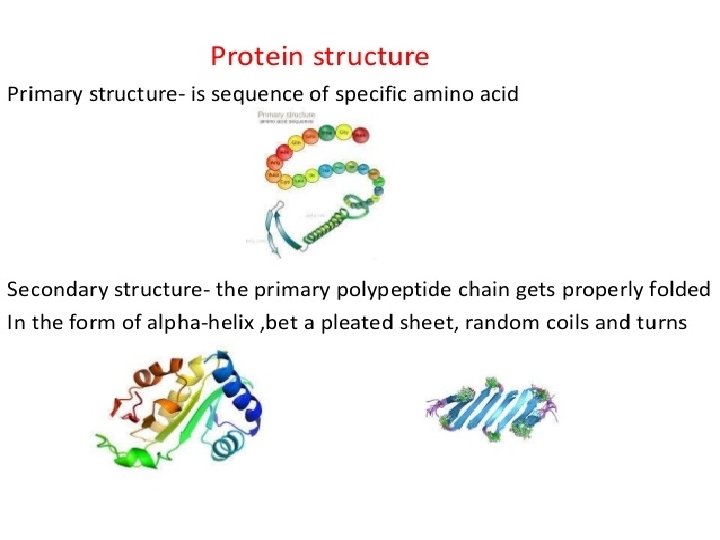
Structure And Properties Of Proteins � All proteins is that they consist of long chains of α-amino (alpha amino) acids. There are 20 different amino acids which make up proteins. Each amino acid consists of a central carbon. The central carbon is bonded to an amine group ( NH 2 ), a carboxyl group (COOH), a hydrogen atom and an R group.
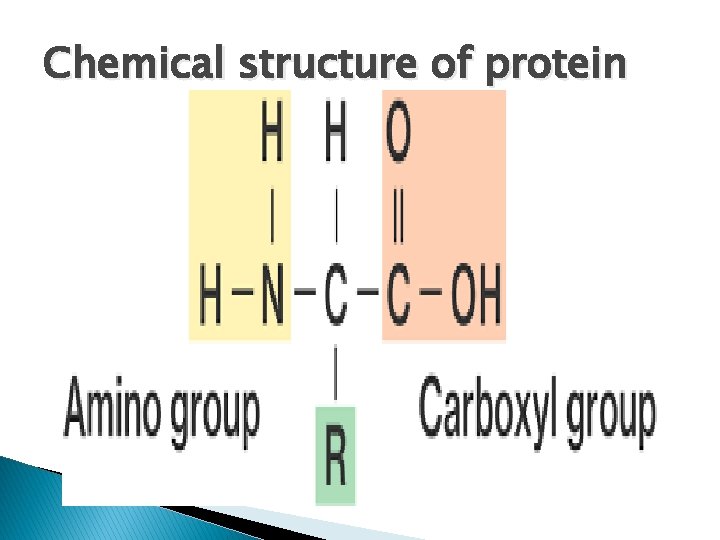
Chemical structure of protein

Protein profiling � Protein expression profiling is defined in general as identifying the proteins expressed in a particular tissue, under a specified set of conditions and at a particular time, usually compared to expression in reference samples.

Method of protein profiling � � � � There are three major protein analysis techniques, protein separation, western blotting and protein identification. Protein Separation. SDS-PAGE: This method separates proteins mainly on the basis of molecular weight as opposed to charge or folding. . Western Blotting. . Identified particular protiens. Western blotting is a dominant tool for antigen detection from various microorganisms and is quite helpful in diagnosis of infectious diseases. Gel Electrophoresis method. Protein Identification. Spectrometry methods: High-performance liquid chromatography (HPLC): Chromatography method to detect proteins or peptides. . Antibody dependent methods: Enzyme-linked Immunosorbent assay (ELISA): Specifically can detect protein down to pg/m L.
Function of protein profiling in plants � They are important in the biosyntheses of hormones, enzymes, and membrane channels and pumps. � Protein profiling for Improvement in Crop Protection. And growth in crop production.
References � Domon, B. , Aebersold, R. ; Mass spectrometry and protein analysis; Science (New York, NY), (2006); 312(5771): 212– 217 � Krishna, R. G. , Wold, F. ; Post-translational modification of proteins; In Advances in Enzymology and Related Areas of Molecular Biology. Wiley-Blackwell, Hoboken, NJ, USA, (1993), pp. 265– 29
- Slides: 10