
Protein kinases Role in cell signaling implication in
- Slides: 30
Protein kinases : Role in cell signaling & implication in human pathologies Jayanti Tokas 1, Rubina Begum 1, Shalini Jain 2 and Hariom Yadav 2 1 Department 2 of Biotechnology, JMIT, Radaur NIDDK, National Institute of Health, Bethesda, MD 20892, USA Email: yadavhariom@gmail. com
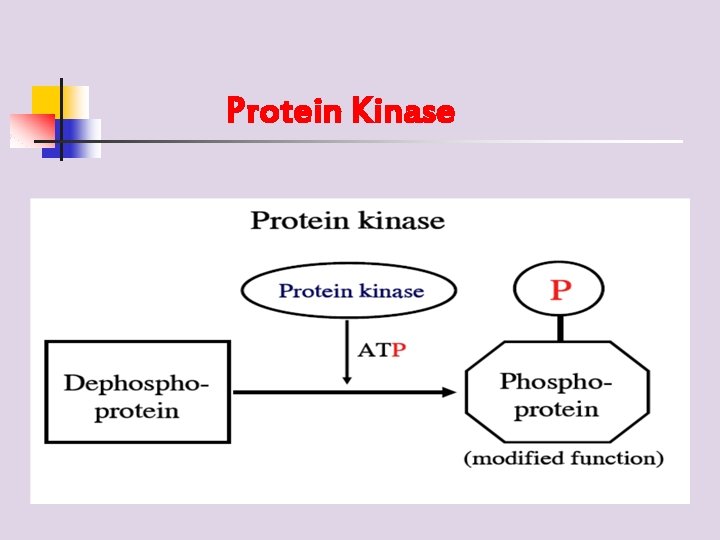
Protein Kinase
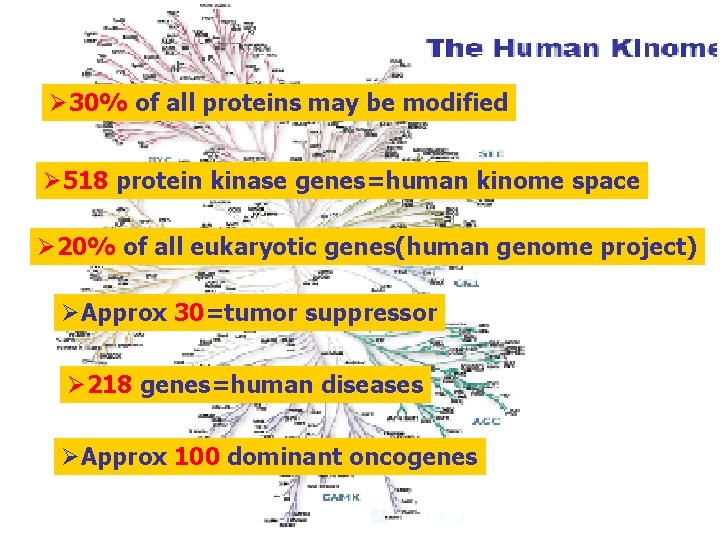
Ø 30% of all proteins may be modified Ø 518 protein kinase genes=human kinome space Ø 20% of all eukaryotic genes(human genome project) ØApprox 30=tumor suppressor Ø 218 genes=human diseases ØApprox 100 dominant oncogenes
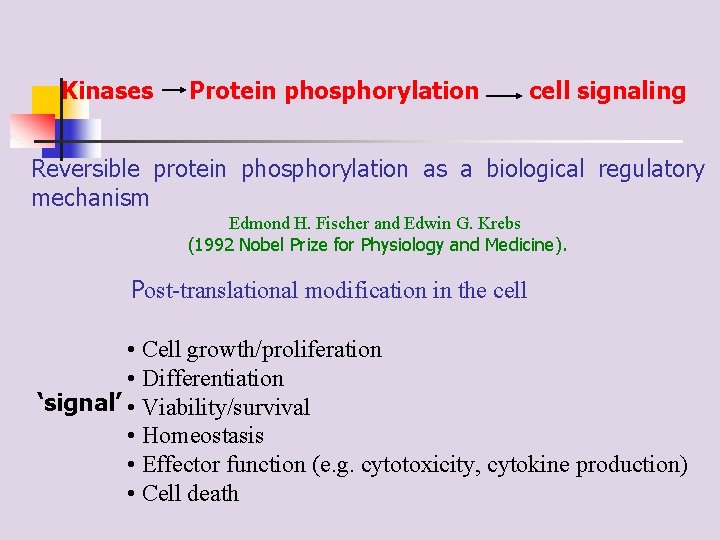
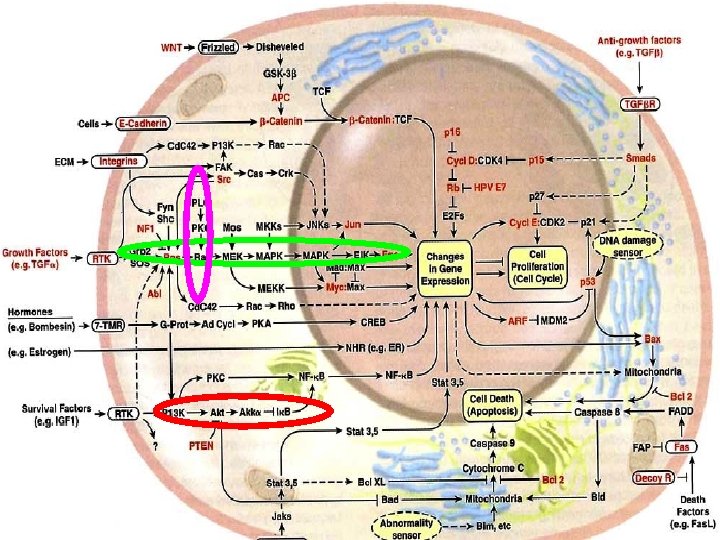
Kinases Protein phosphorylation cell signaling Reversible protein phosphorylation as a biological regulatory mechanism Edmond H. Fischer and Edwin G. Krebs (1992 Nobel Prize for Physiology and Medicine). Post-translational modification in the cell • Cell growth/proliferation • Differentiation ‘signal’ • Viability/survival • Homeostasis • Effector function (e. g. cytotoxicity, cytokine production) • Cell death
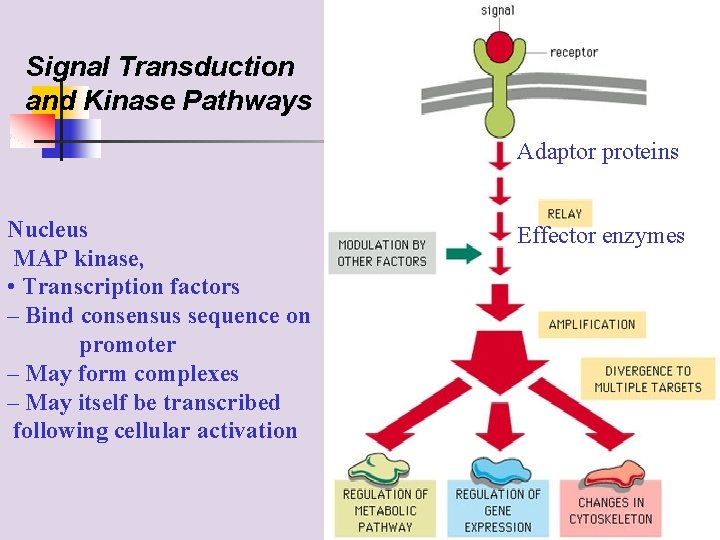
Signal Transduction and Kinase Pathways Adaptor proteins Nucleus MAP kinase, • Transcription factors – Bind consensus sequence on promoter – May form complexes – May itself be transcribed following cellular activation Effector enzymes
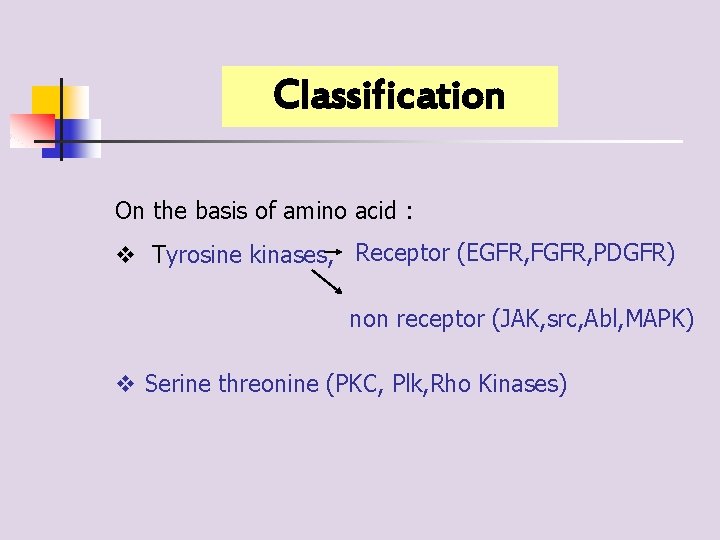
Classification On the basis of amino acid : v Tyrosine kinases, Receptor (EGFR, FGFR, PDGFR) non receptor (JAK, src, Abl, MAPK) v Serine threonine (PKC, Plk, Rho Kinases)
Tyrosine kinase structure function: Serine threonine kinases üRelated pathologies üCheck points üRelated pathology üCheck points
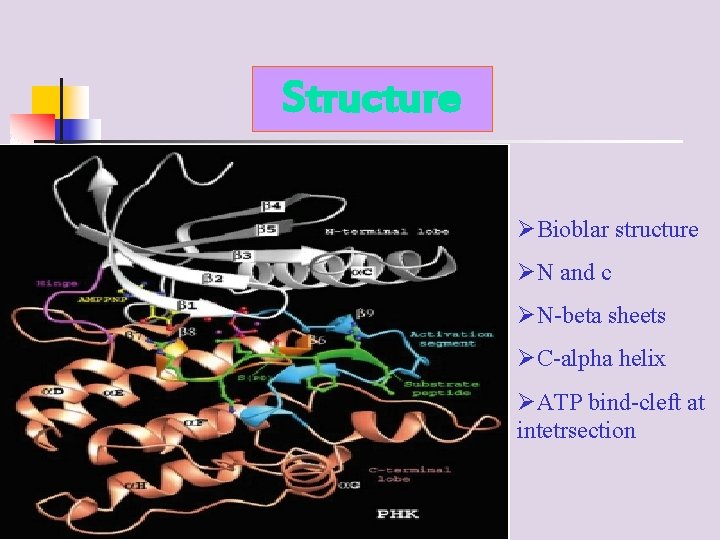
Structure ØBioblar structure ØN and c ØN-beta sheets ØC-alpha helix ØATP bind-cleft at intetrsection
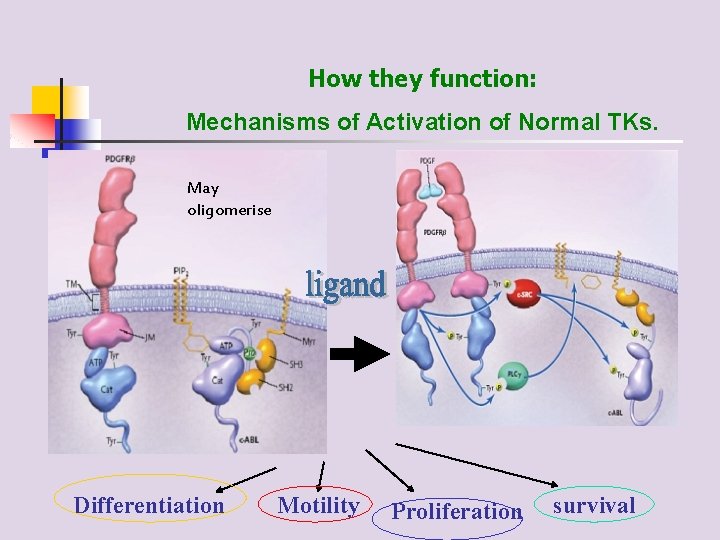
How they function: Mechanisms of Activation of Normal TKs. May oligomerise Differentiation Motility Proliferation survival
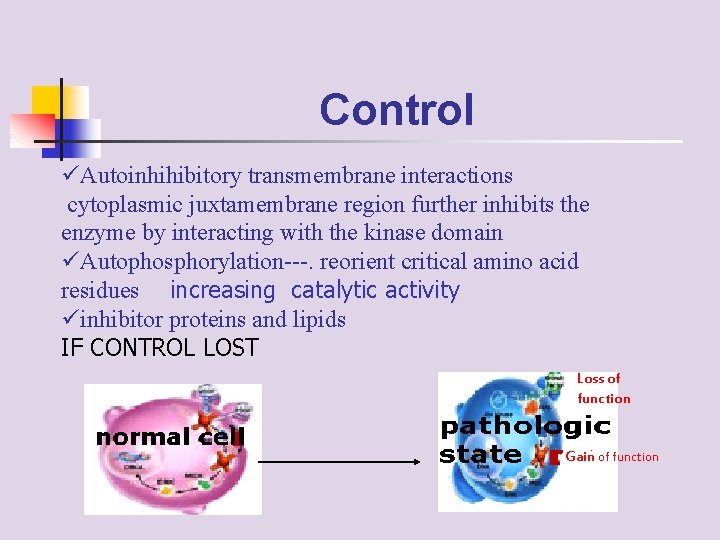
Control üAutoinhihibitory transmembrane interactions cytoplasmic juxtamembrane region further inhibits the enzyme by interacting with the kinase domain üAutophosphorylation---. reorient critical amino acid residues increasing catalytic activity üinhibitor proteins and lipids IF CONTROL LOST Loss of function Gain of function
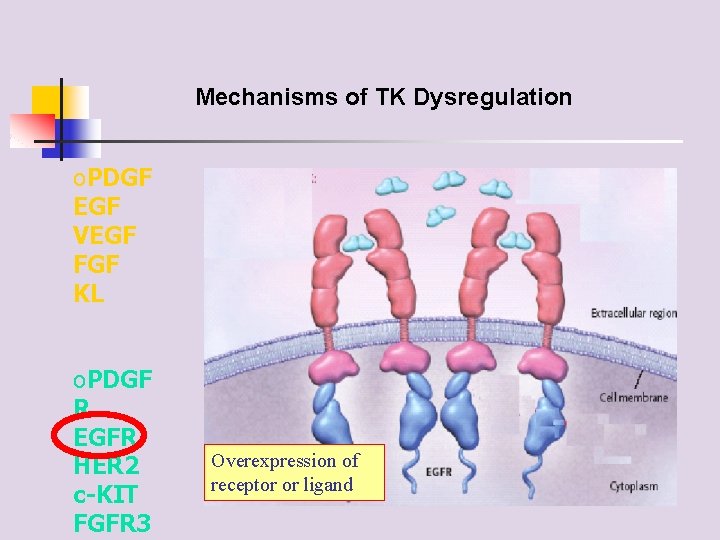
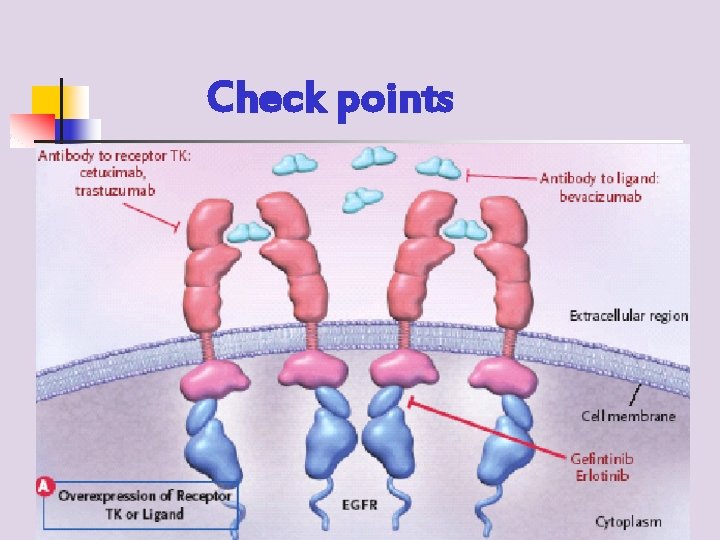
Mechanisms of TK Dysregulation o. PDGF EGF VEGF FGF KL o. PDGF R EGFR HER 2 c-KIT FGFR 3 Overexpression of receptor or ligand
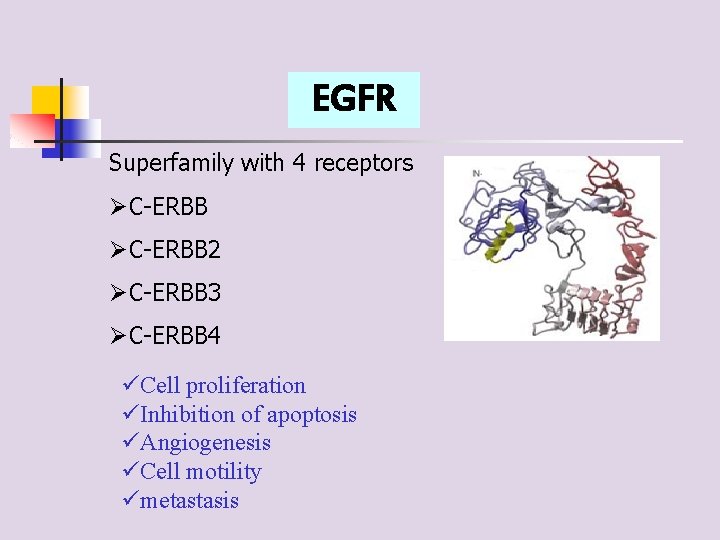
EGFR Superfamily with 4 receptors ØC-ERBB 2 ØC-ERBB 3 ØC-ERBB 4 üCell proliferation üInhibition of apoptosis üAngiogenesis üCell motility ümetastasis
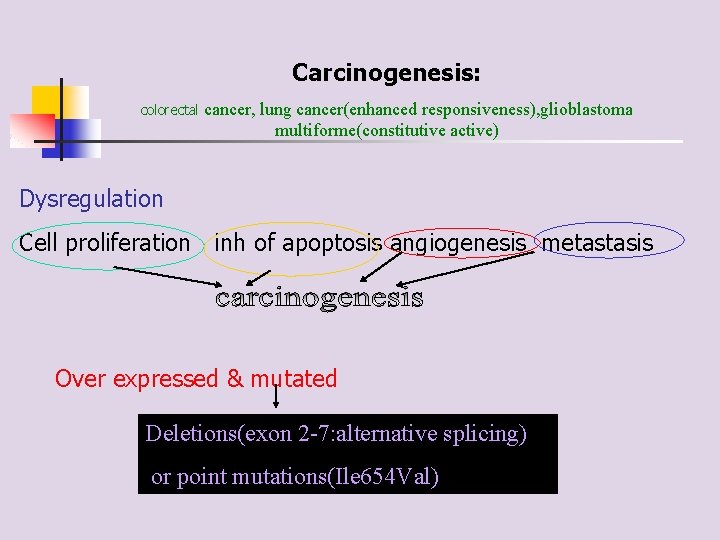
Carcinogenesis: colorectal cancer, lung cancer(enhanced responsiveness), glioblastoma multiforme(constitutive active) Dysregulation Cell proliferation inh of apoptosis angiogenesis metastasis Over expressed & mutated Deletions(exon 2 -7: alternative splicing) or point mutations(Ile 654 Val)
Check points
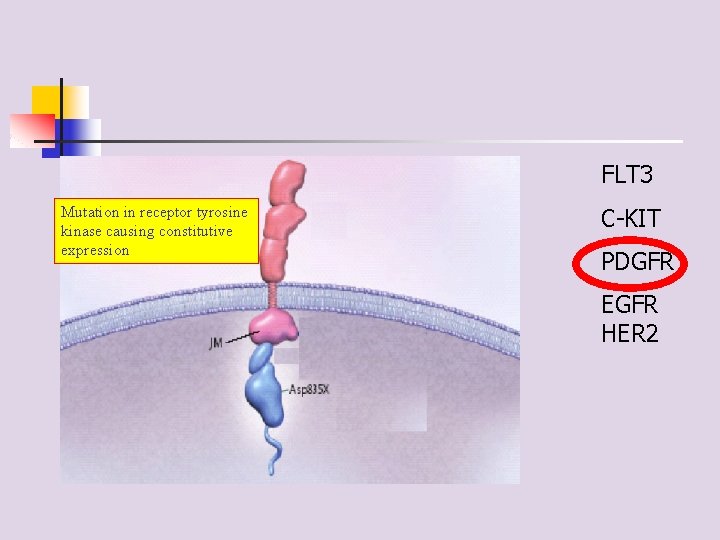
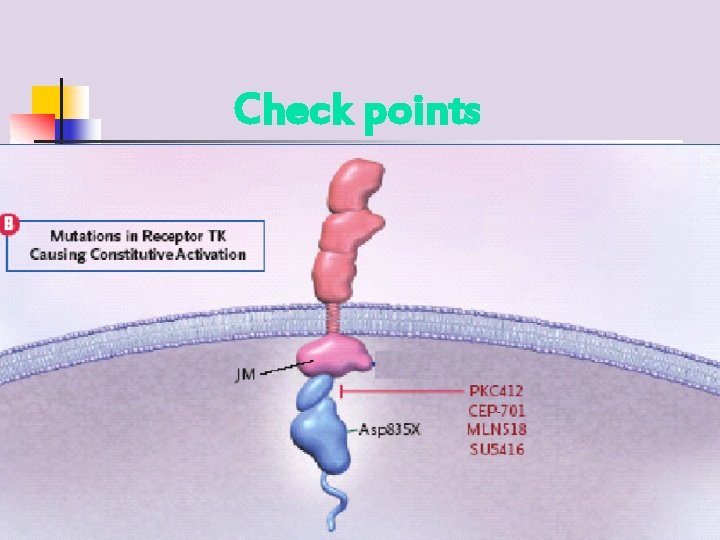
FLT 3 Mutation in receptor tyrosine kinase causing constitutive expression C-KIT PDGFR EGFR HER 2
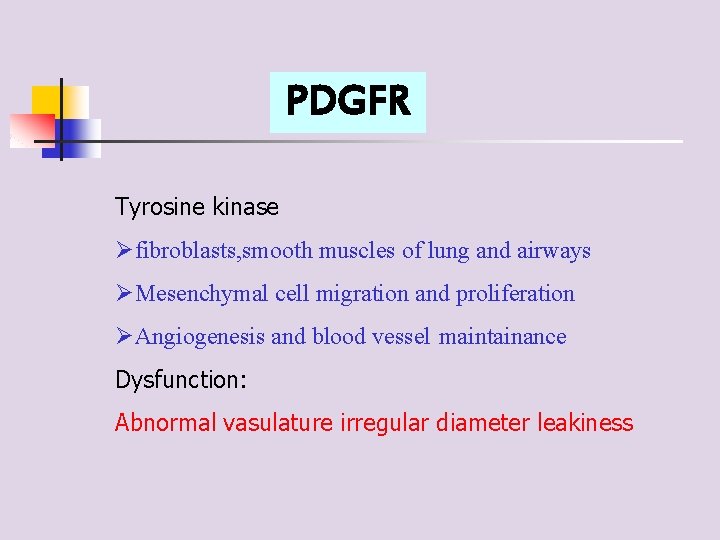
PDGFR Tyrosine kinase Øfibroblasts, smooth muscles of lung and airways ØMesenchymal cell migration and proliferation ØAngiogenesis and blood vessel maintainance Dysfunction: Abnormal vasulature irregular diameter leakiness
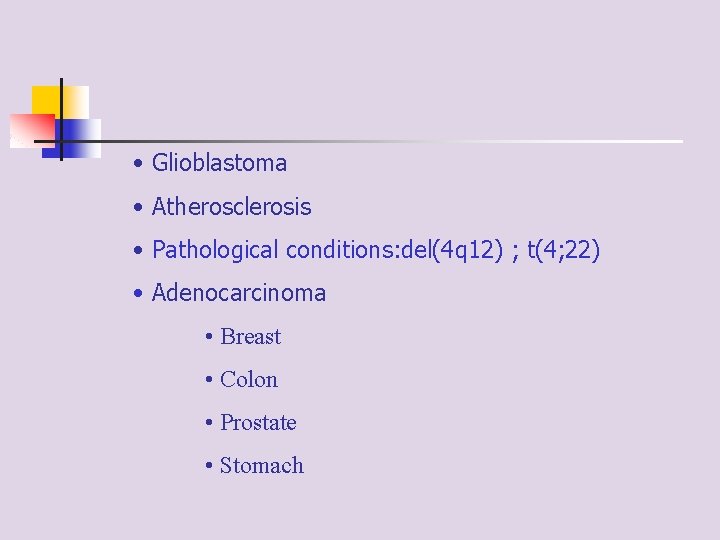
• Glioblastoma • Atherosclerosis • Pathological conditions: del(4 q 12) ; t(4; 22) • Adenocarcinoma • Breast • Colon • Prostate • Stomach
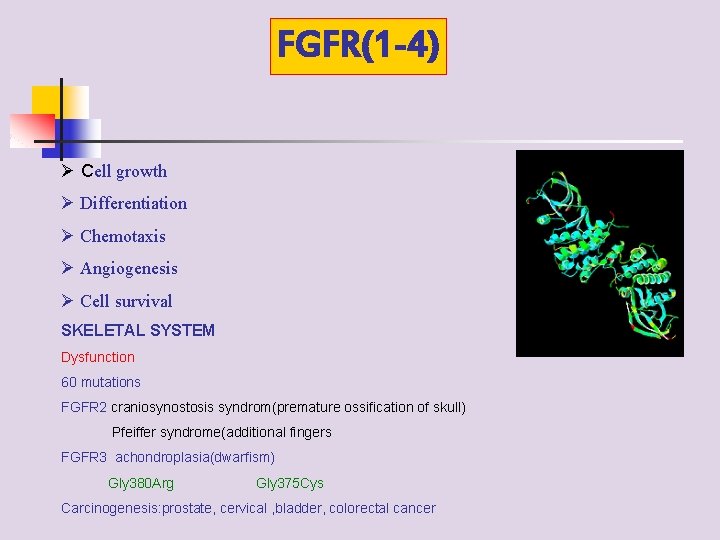
FGFR(1 -4) Ø Cell growth Ø Differentiation Ø Chemotaxis Ø Angiogenesis Ø Cell survival SKELETAL SYSTEM Dysfunction 60 mutations FGFR 2 craniosynostosis syndrom(premature ossification of skull) Pfeiffer syndrome(additional fingers FGFR 3 achondroplasia(dwarfism) Gly 380 Arg Gly 375 Cys Carcinogenesis: prostate, cervical , bladder, colorectal cancer
Check points
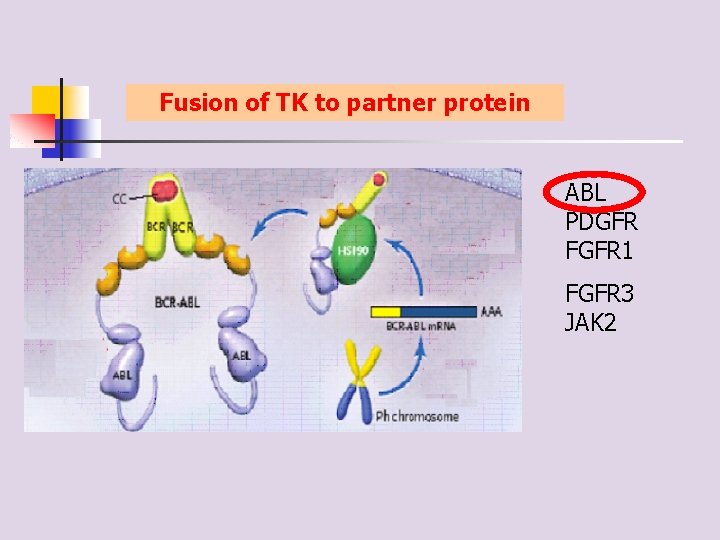
Fusion of TK to partner protein ABL PDGFR FGFR 1 FGFR 3 JAK 2
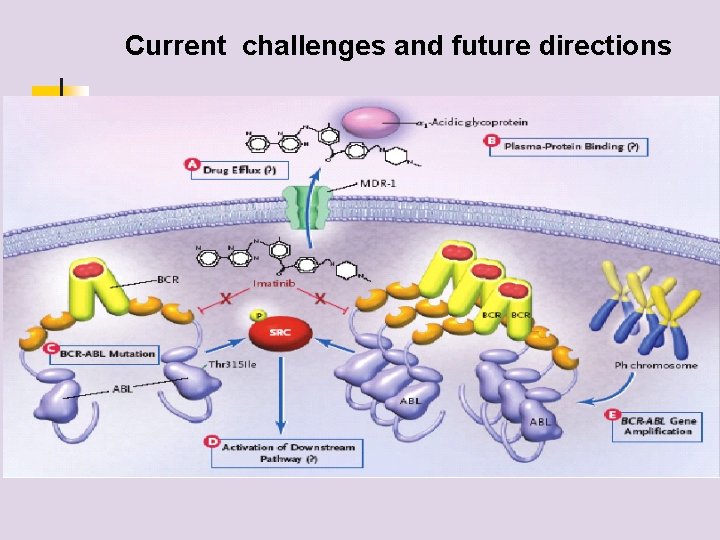
Bcr-Abl C-Abl Non receptor tyrosine kinase Role: Regulation of cell cycle, cellular response to genotoxic stress Apoptosis neuronal development Regulation : actin binding PI 3 binding C-Bcr localised in cytoplasm during mitosis(role in cell cycle regulation)
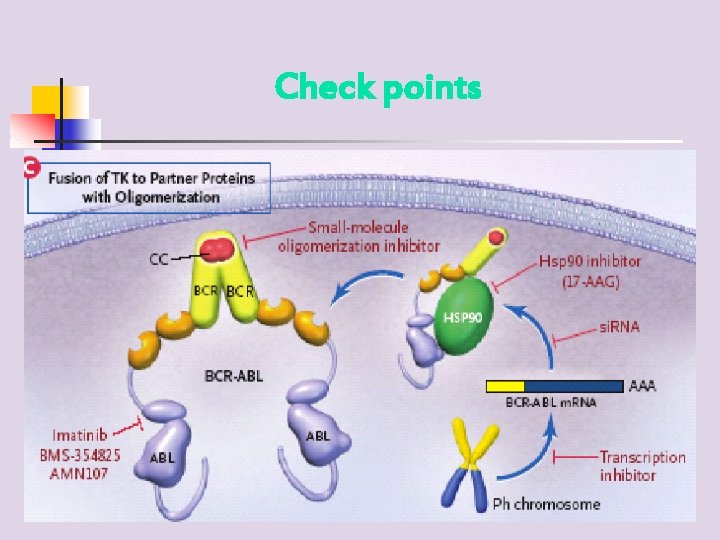
Bcr-Abl t(9: 22) m e c h a n i s m Related to CML(chronic myeloid leukemia) Øprevent apoptosis even in the absence of growth factors ØMitogenic signaling ØAltered adhesion to matrix üTARGET-imatinim mesylate
Check points
A serine threonine kinase: PKC Response to • Growth factors • Hormones • Drugs 11 related kinases Unregulated in GIST Diagnostic marker therapeutic target Therapeutic targets ATP binding domain inhibitors Erbstatin
Targeting Receptor üMonoclonal antibodies • Herceptin, licensed for Her 2 receptor-positive • Breast cancer
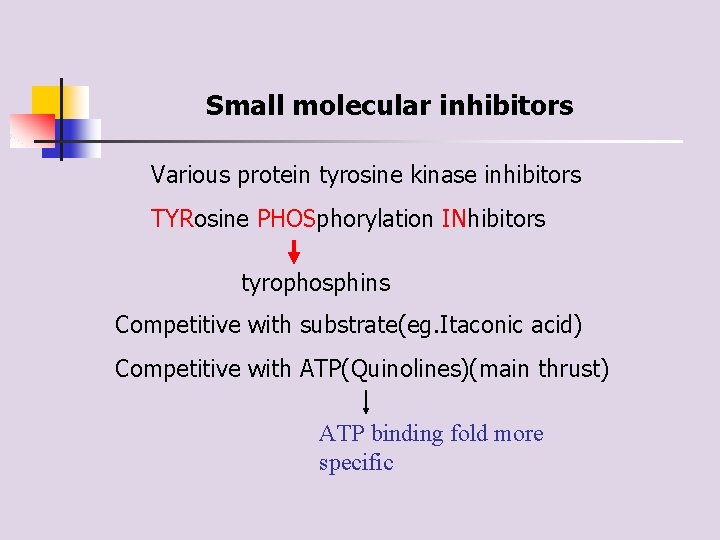
Small molecular inhibitors Various protein tyrosine kinase inhibitors TYRosine PHOSphorylation INhibitors tyrophosphins Competitive with substrate(eg. Itaconic acid) Competitive with ATP(Quinolines)(main thrust) ATP binding fold more specific
A LOOK AHEAD 1. How many other kinase targets opened for exploration? 2. Majority of kinases remain largely uncharacterized.
Current challenges and future directions
THANK YOU