
Protein Folding David Shiuan Department of Life Science
- Slides: 46
Protein Folding David Shiuan Department of Life Science, Institute of Biotechnology and Interdisciplinary Program of Bioinformatics National Dong Hwa University
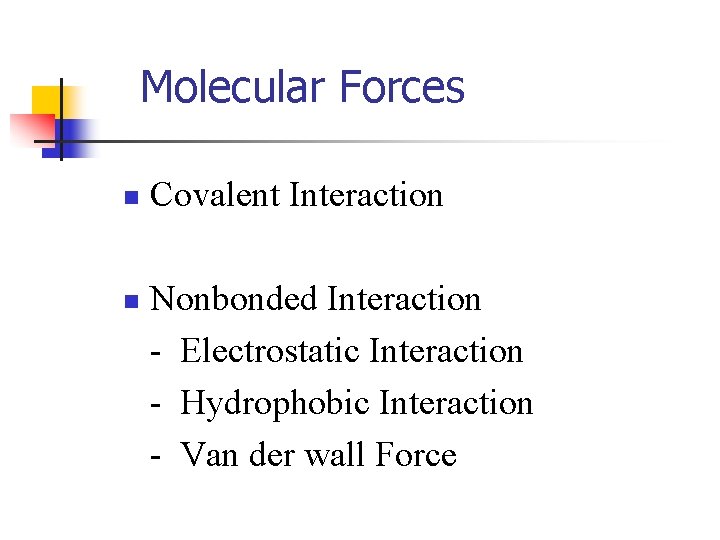
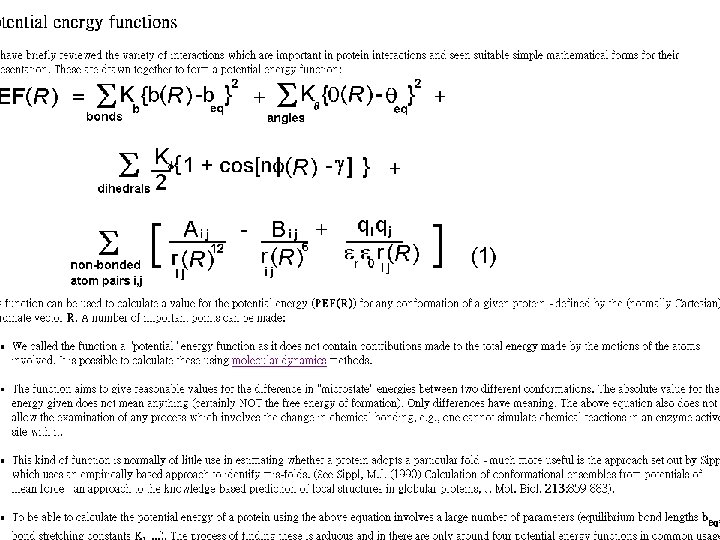
Molecular Forces n n Covalent Interaction Nonbonded Interaction - Electrostatic Interaction - Hydrophobic Interaction - Van der wall Force
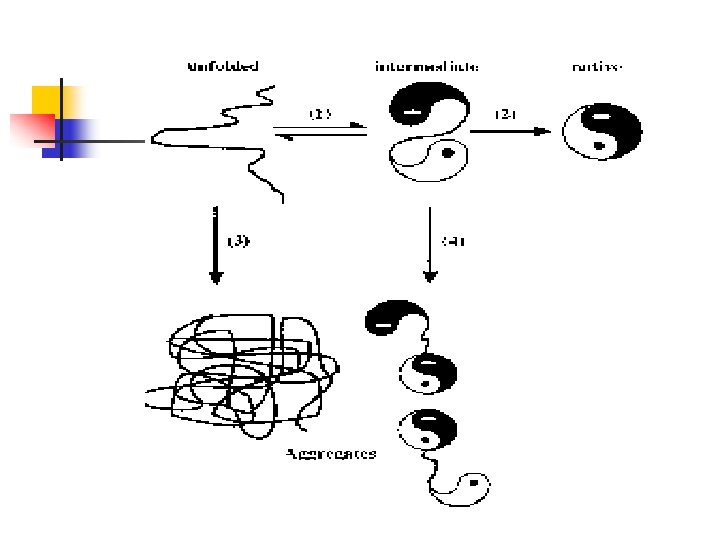
PROTEIN FOLDING AND DISEASE n n What happens if proteins don't fold correctly? Diseases such as Alzheimer's disease, cystic fibrosis, BSE (Mad Cow disease), an inherited form of emphysema, and even many cancers are believed to result from protein misfolding. When proteins misfold, they can clump together ("aggregate"). These clumps can often gather in the brain, where they are believed to cause the symptoms of Mad Cow or Alzheimer's disease.
PROTEIN FOLDING AND NANOTECHNOLOGY Building man made machines on the nanoscale n In addition to biomedical applications, learning about how proteins fold will also teach us how to design our own protein-sized "nanomachines" to do similar tasks. Of course, before nanomachines can carry out any activity, they must also be assembled.
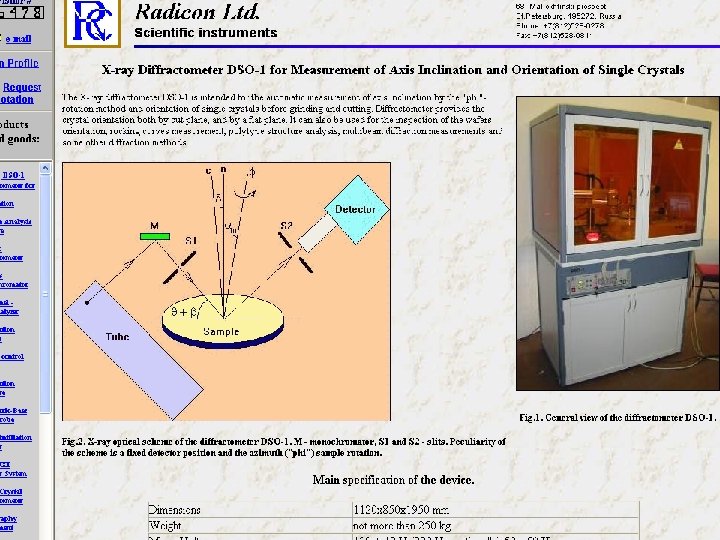
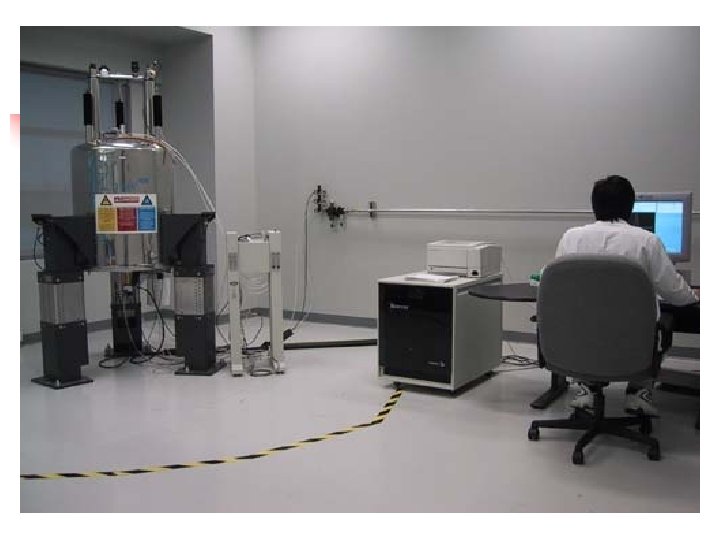
Structure Determination 1. X-ray Diffraction n 2. NMR Spectroscopy n 3. Theoretical Calculation n
Protein Structure Primary Structure n Secondary Structure n Tertiary Structure n Quaternary Structure n
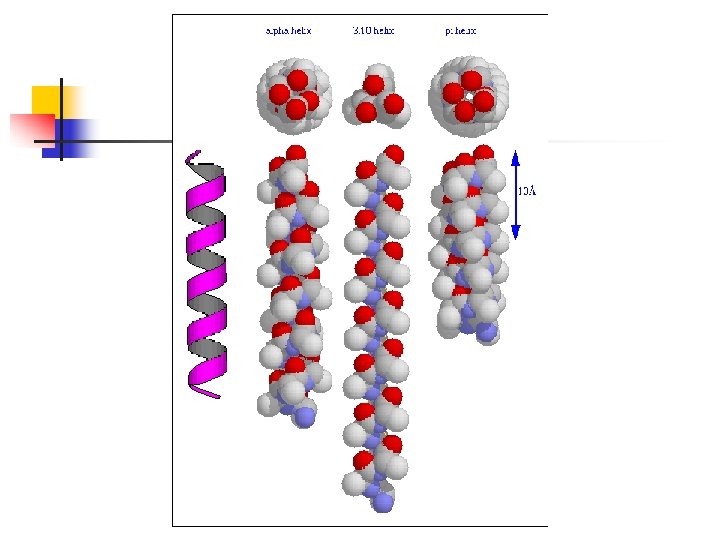
Types of Secondary Structure Helices n Sheets n Turns n Others n
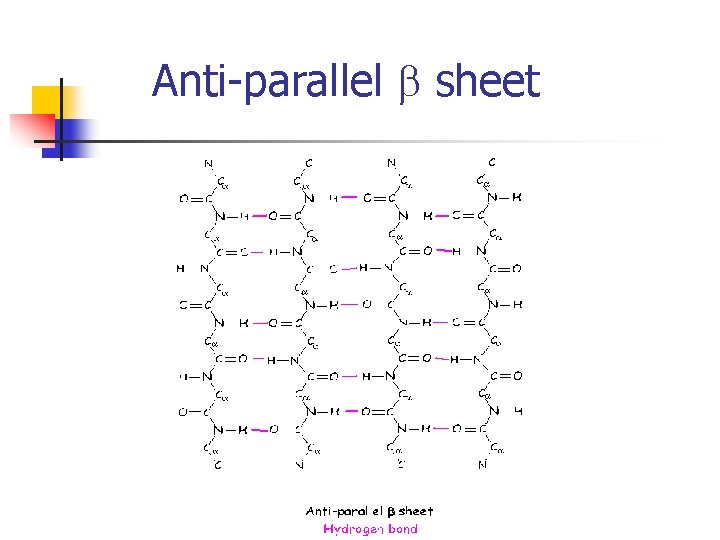
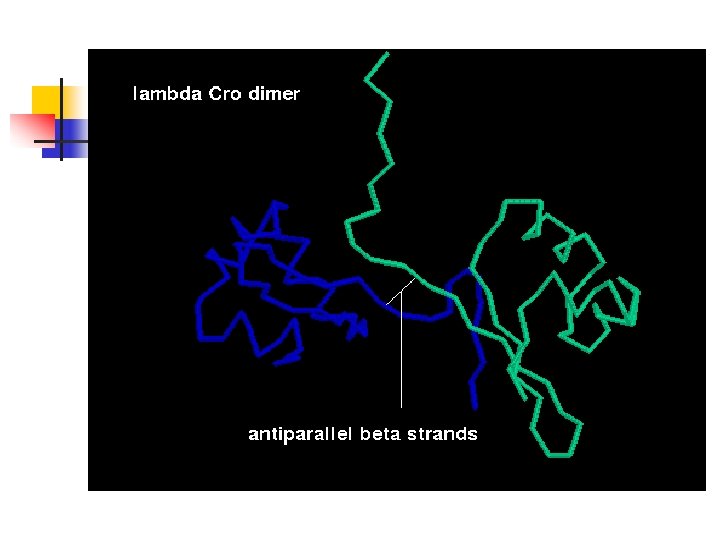
Anti-parallel b sheet
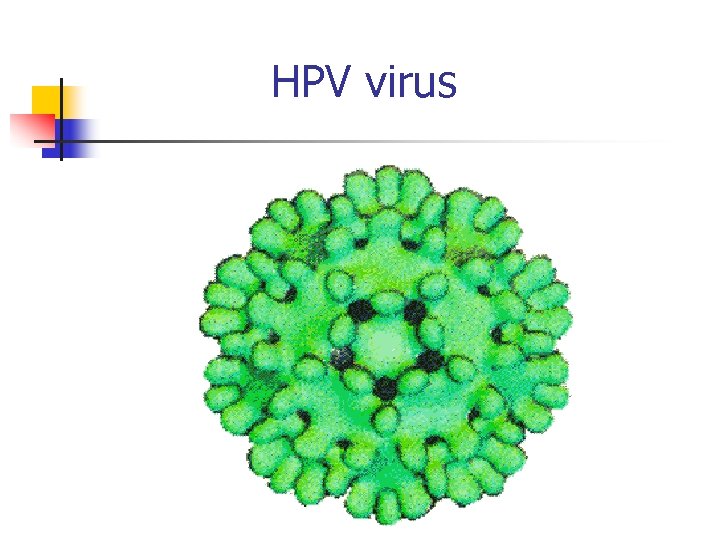
HPV virus
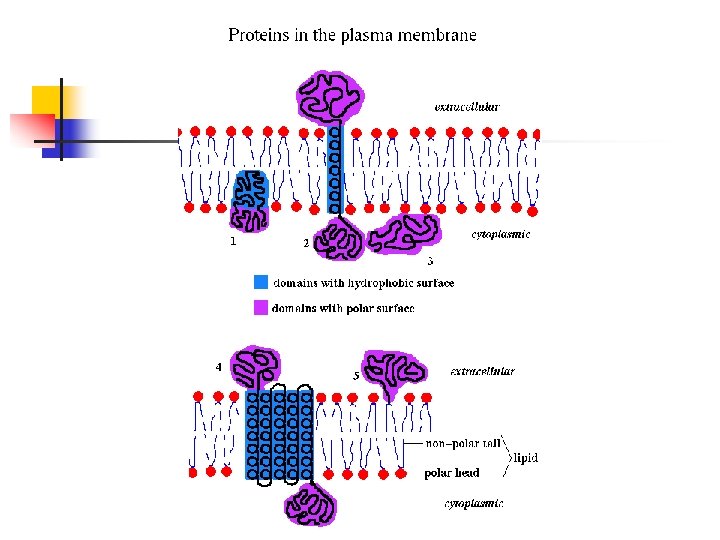
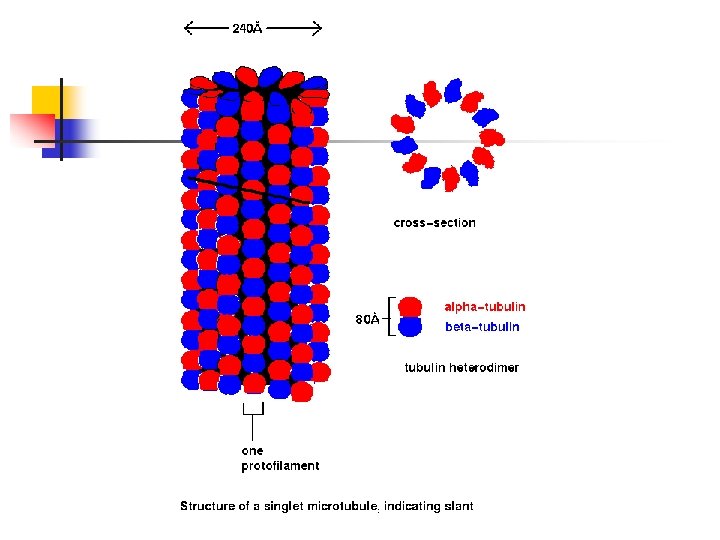
Types of Protein Globular Protein n Membrane Protein n Fibrous and Structural Protein n
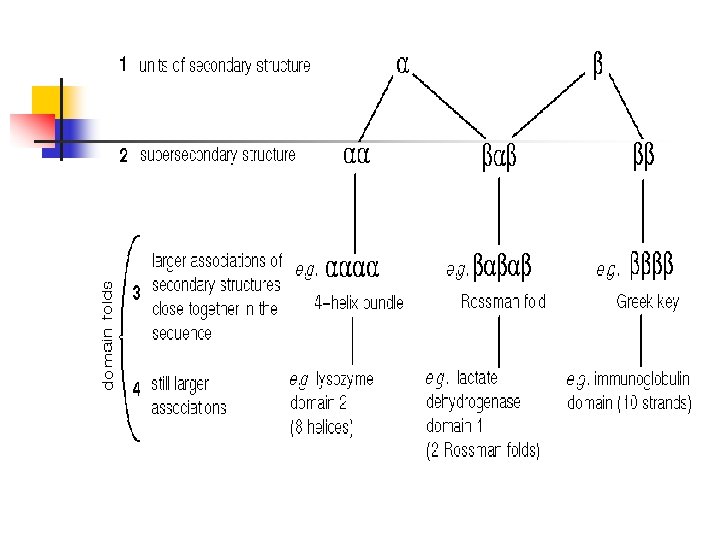
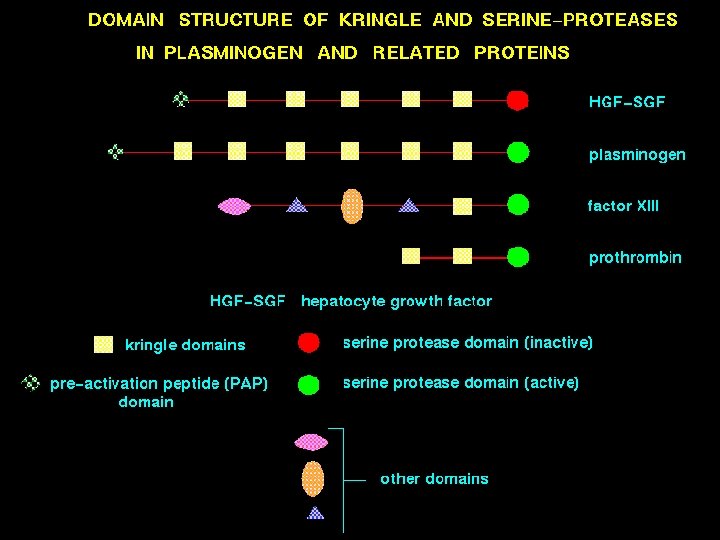
Globular Protein Most protein n Proteins > 200 aa have multi-domains n
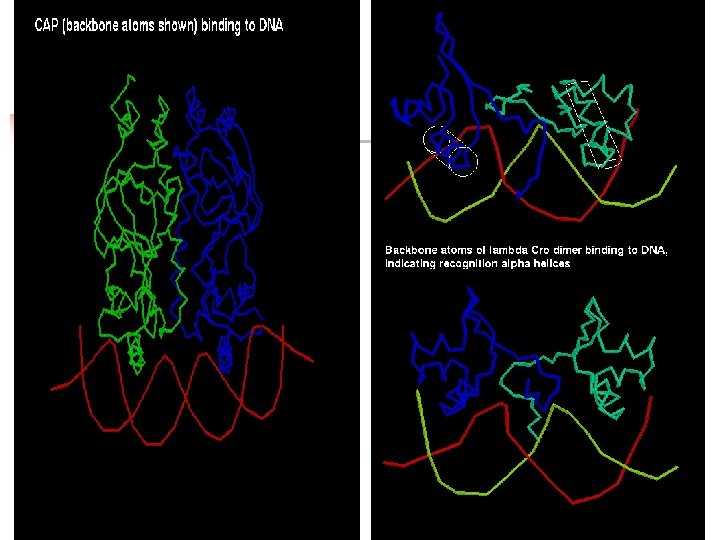
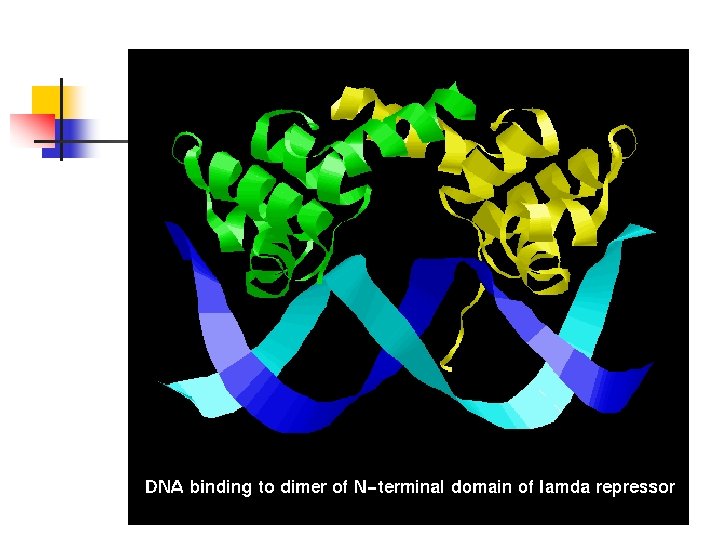
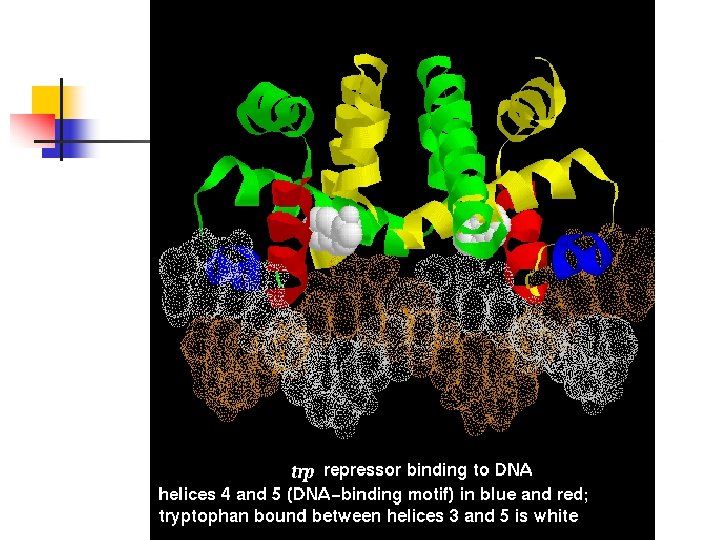
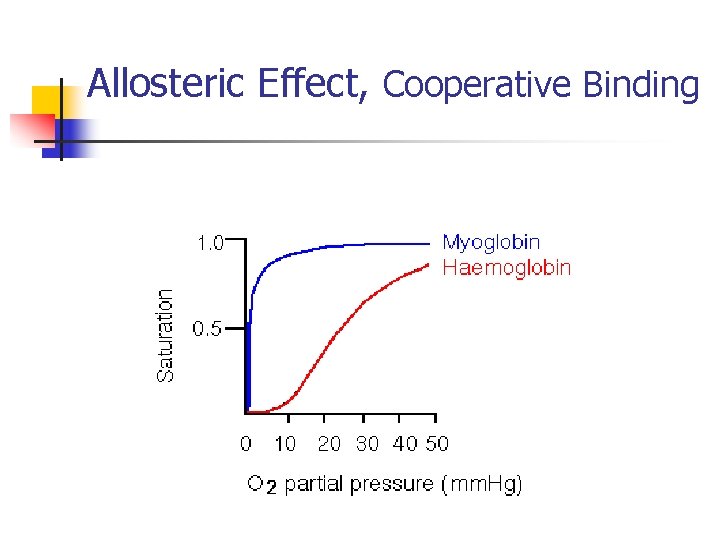
Protein Interactions 1. Regulatory Protein and DNA n 2. Enzymes n 3. Allostery – hemoglobin n 4. Muscle Fibres n
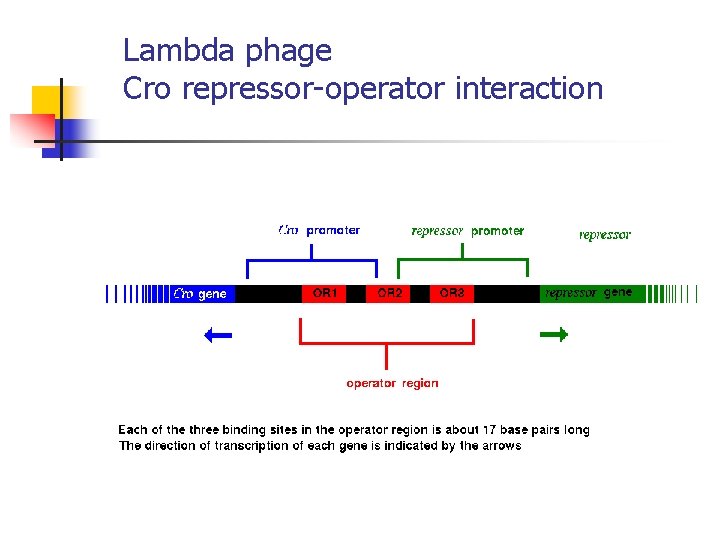
Lambda phage Cro repressor-operator interaction
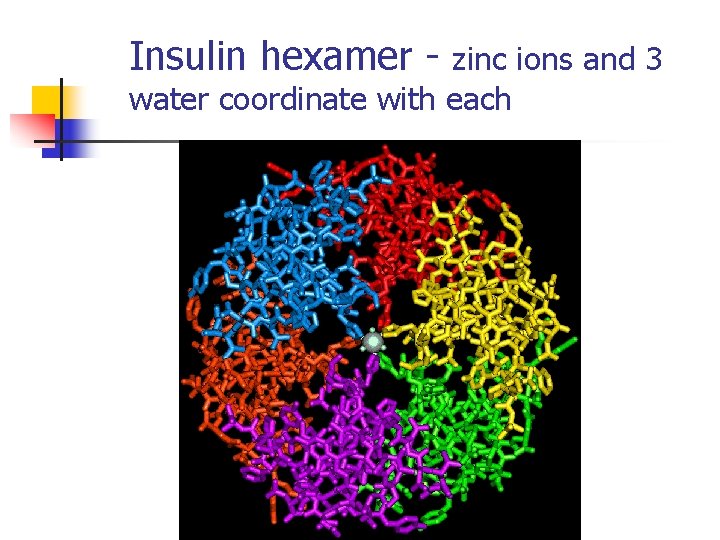
Insulin hexamer - zinc ions and 3 water coordinate with each
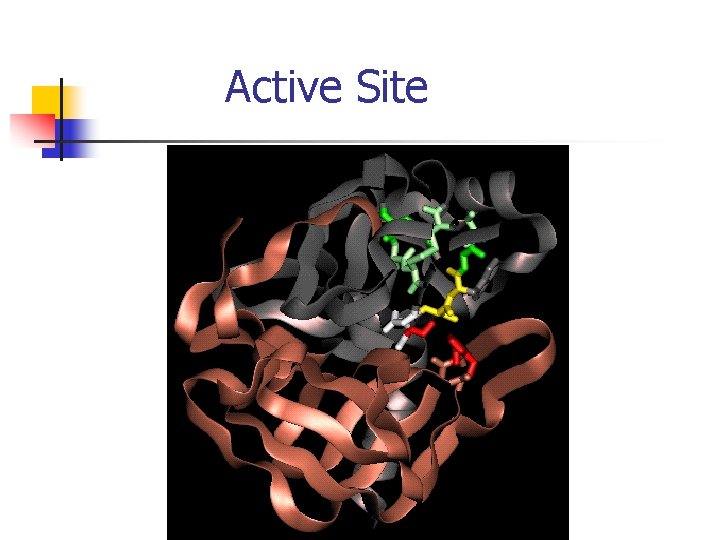
Active Site
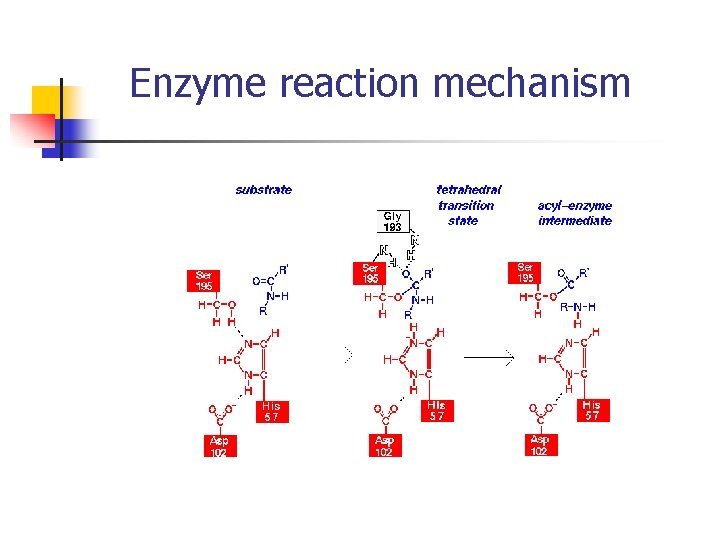
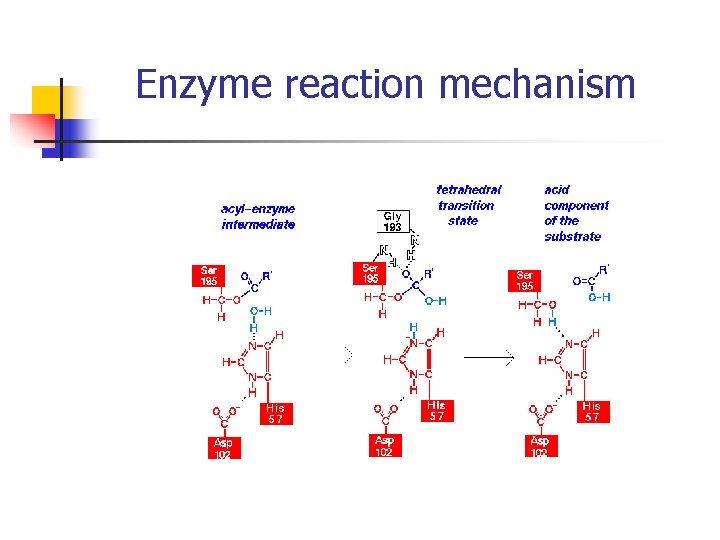
Enzyme reaction mechanism
Enzyme reaction mechanism
Allosteric Effect, Cooperative Binding