
Protein classification Lecture 8 Chapter 4 end Definition

![Sample EXAM (Quiz) Questions Quiz 1 (Difficulty factor [1 -10] = 6)](https://slidetodoc.com/presentation_image_h/89a1c887d383cf4607ae773a9e195050/image-18.jpg "Sample EXAM (Quiz) Questions Quiz 1 (Difficulty factor [1 -10] = 6)")
- Slides: 27
Protein classification Lecture 8 Chapter 4 (end)
Definition protein classification • Grouping of similar proteins based on their structure, function, or size – Globular vs filamentous vs helical – Cataytic vs structural – Small vs large vs very large
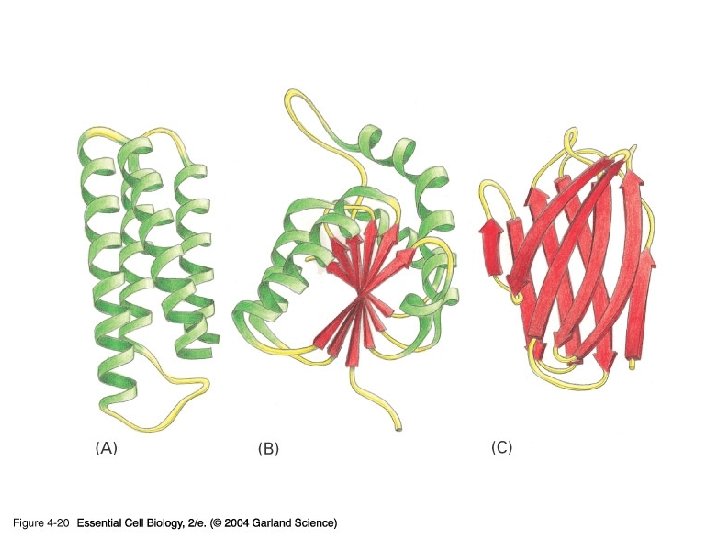
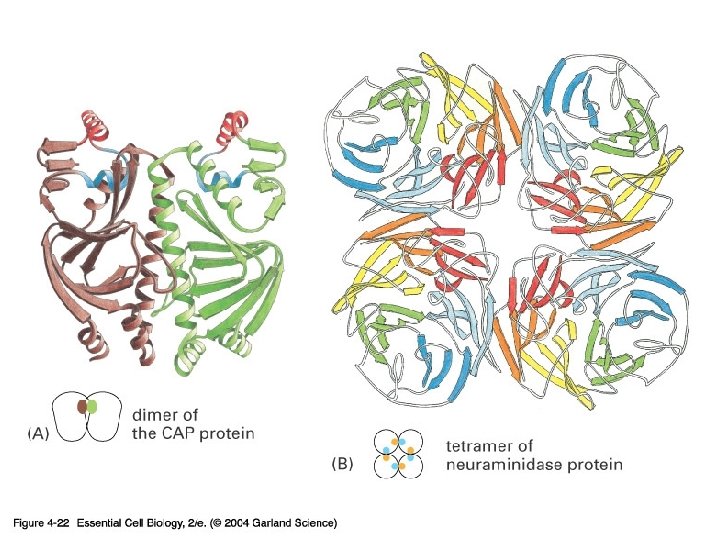
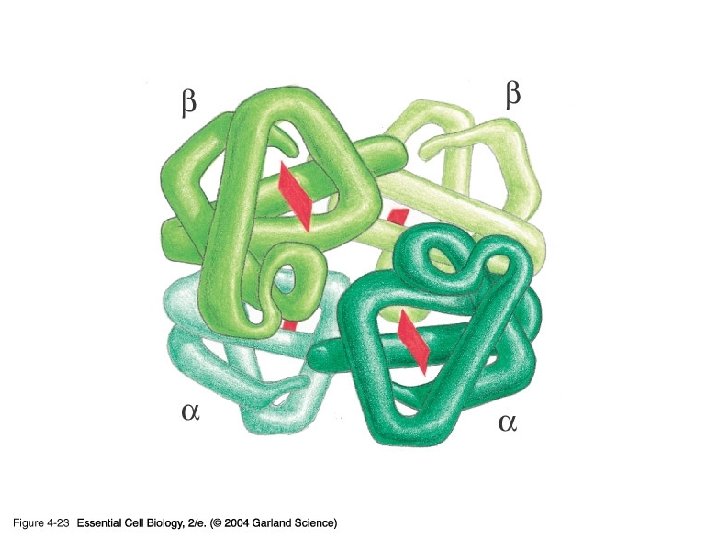
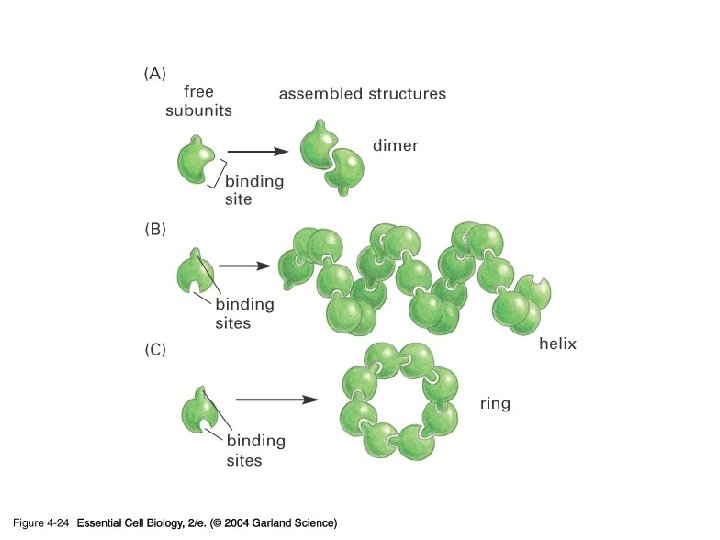
Protein Subunits & Domains • A single polypeptide may have regions along its length that fold up separately domains • More than one polypeptide coming together to form a protein - subunit
04_20_protein domains. jpg
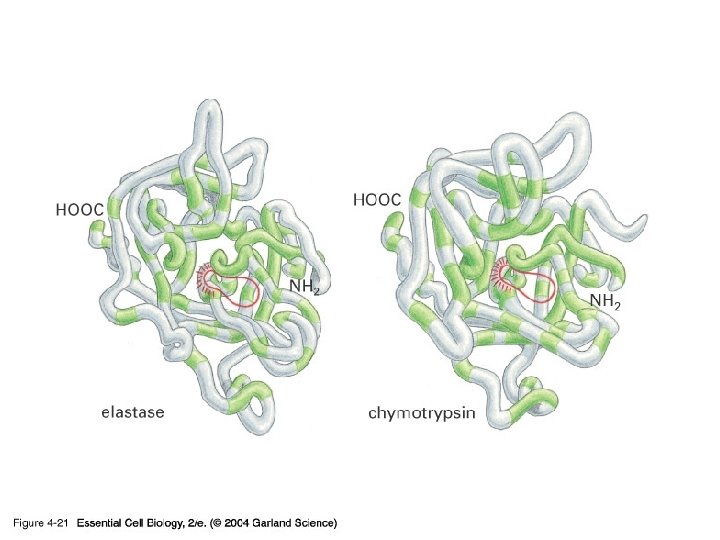
04_21_Serine proteases. jpg
04_22_protein subunit. jpg
04_23_asymmetrical as. jpg
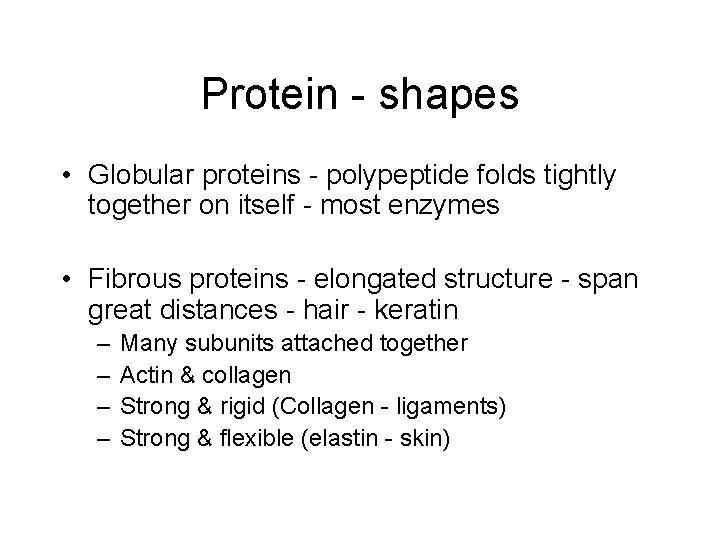
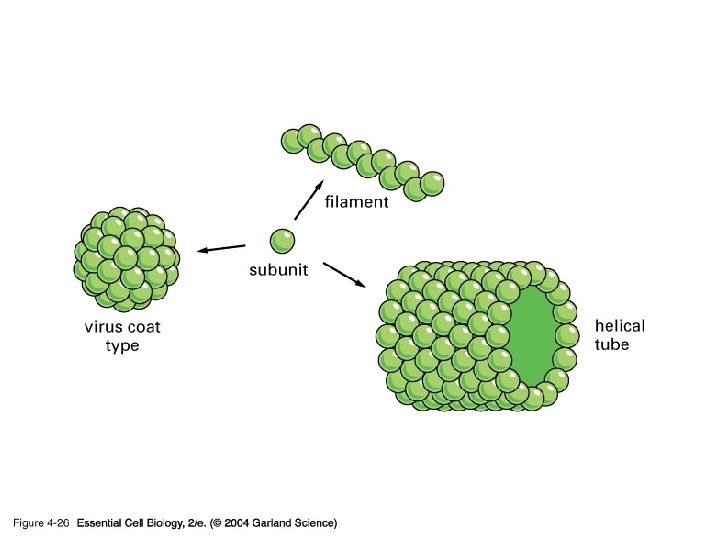
Protein - shapes • Globular proteins - polypeptide folds tightly together on itself - most enzymes • Fibrous proteins - elongated structure - span great distances - hair - keratin – – Many subunits attached together Actin & collagen Strong & rigid (Collagen - ligaments) Strong & flexible (elastin - skin)
04_24_complexstructure. jpg
04_26_spherical shell. jpg
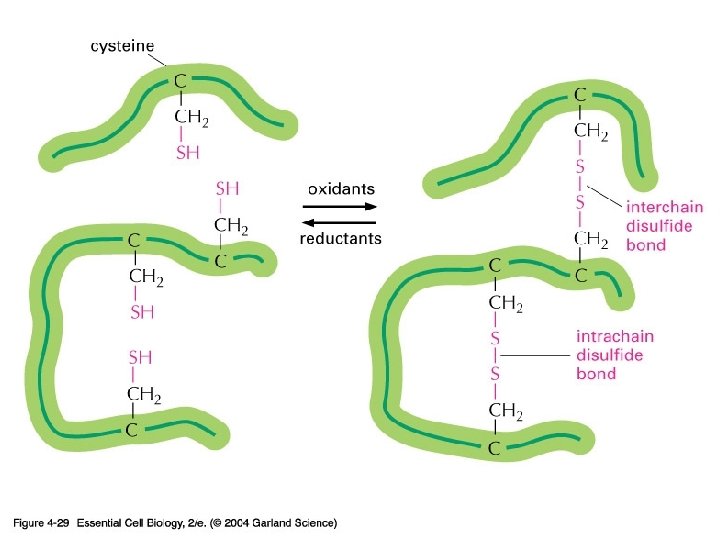
Proteins linked together • • Domain to domain links (same P’) Protein to protein links (between P’s) Covalent bonds used to stabilize Disulfide bond most common – Cysteine AA – No impact of final shape, but stabilze
04_29_Disulfide bonds. jpg
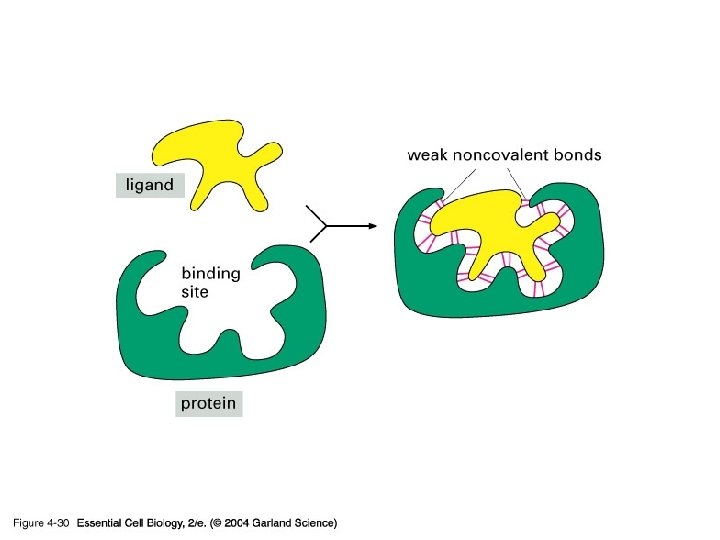
Proteins Bind • Biological properties of proteins result from interactions with other molecules – Antibodies, enzymes, structure, etc • • Binding is always very specific Ligand - anything that is bound by a protein Ligand binding is by ionic bonds only Many ionic bonds required to stabilize link matching configurations needed - specificity
04_30_selective binding. jpg
Proteins - Binding • A ligand binds to a protein at a binding site • A protein may have more than one binding site – It may bind the same ligand many times or it may bind different ligands • Ligands can bind to regulate the activity of the protein • Interior amino acids have a say in the conformation of the molecule too.
Proteins - pair with other molecules • Some biologically active molecules are a result of a very cozy relationship – Rhodopsin & Opsin • Retinal (a light sensing pigment) + opsin protein • Haem (Fe containing molecule) + globin protein
Opsin
Sample EXAM (Quiz) Questions Quiz 1 (Difficulty factor [1 -10] = 6)
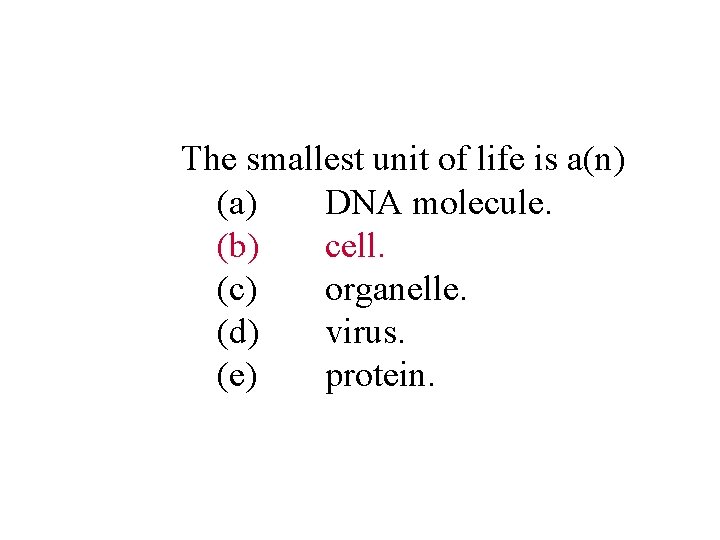
The smallest unit of life is a(n) (a) DNA molecule. (b) cell. (c) organelle. (d) virus. (e) protein.
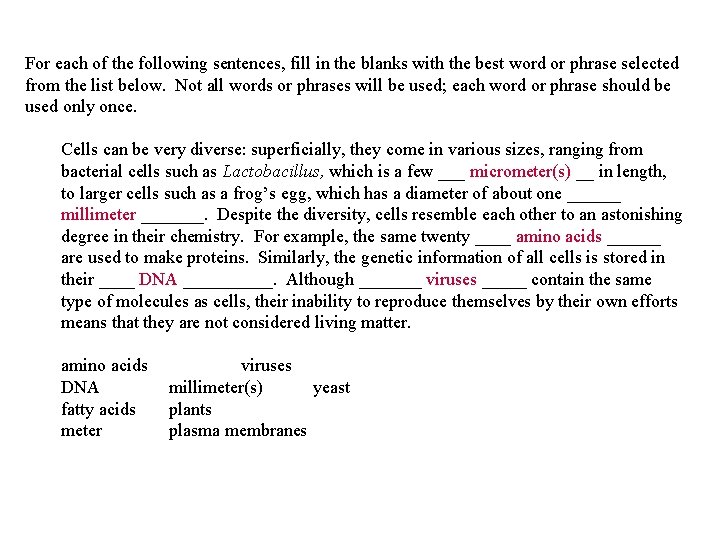
For each of the following sentences, fill in the blanks with the best word or phrase selected from the list below. Not all words or phrases will be used; each word or phrase should be used only once. Cells can be very diverse: superficially, they come in various sizes, ranging from bacterial cells such as Lactobacillus, which is a few ___ micrometer(s) __ in length, to larger cells such as a frog’s egg, which has a diameter of about one ______ millimeter _______. Despite the diversity, cells resemble each other to an astonishing degree in their chemistry. For example, the same twenty ____ amino acids ______ are used to make proteins. Similarly, the genetic information of all cells is stored in their ____ DNA _____. Although _______ viruses _____ contain the same type of molecules as cells, their inability to reproduce themselves by their own efforts means that they are not considered living matter. amino acids DNA fatty acids meter viruses millimeter(s) yeast plants plasma membranes
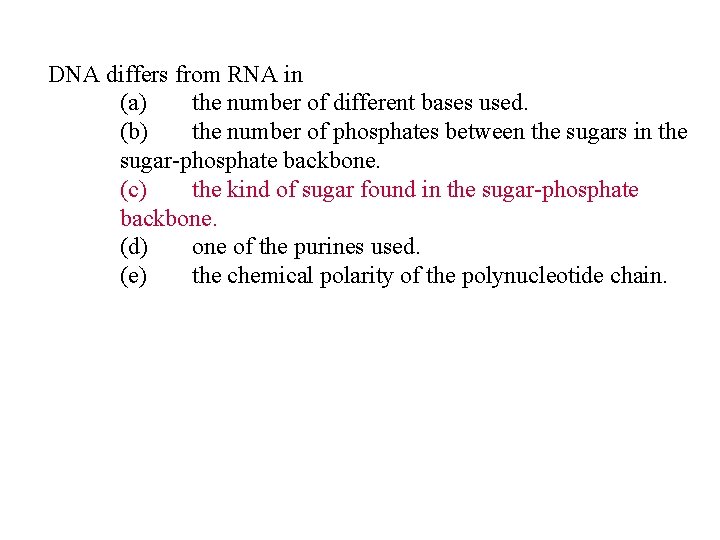
DNA differs from RNA in (a) the number of different bases used. (b) the number of phosphates between the sugars in the sugar-phosphate backbone. (c) the kind of sugar found in the sugar-phosphate backbone. (d) one of the purines used. (e) the chemical polarity of the polynucleotide chain.
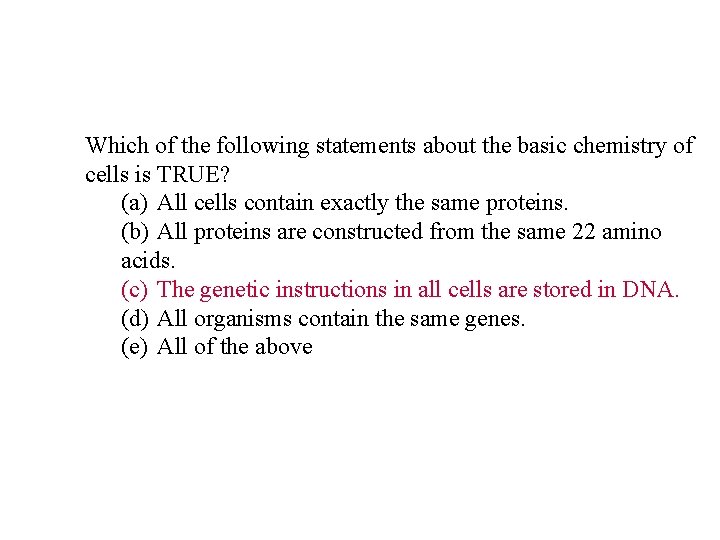
Which of the following statements about the basic chemistry of cells is TRUE? (a) All cells contain exactly the same proteins. (b) All proteins are constructed from the same 22 amino acids. (c) The genetic instructions in all cells are stored in DNA. (d) All organisms contain the same genes. (e) All of the above
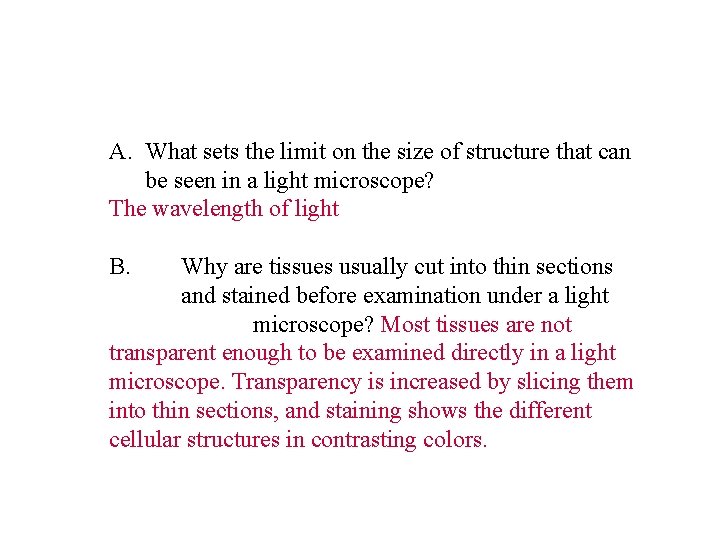
A. What sets the limit on the size of structure that can be seen in a light microscope? The wavelength of light B. Why are tissues usually cut into thin sections and stained before examination under a light microscope? Most tissues are not transparent enough to be examined directly in a light microscope. Transparency is increased by slicing them into thin sections, and staining shows the different cellular structures in contrasting colors.
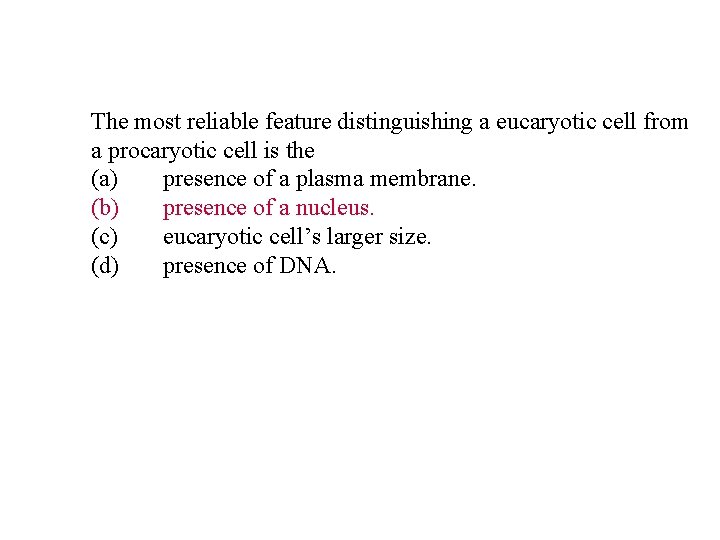
The most reliable feature distinguishing a eucaryotic cell from a procaryotic cell is the (a) presence of a plasma membrane. (b) presence of a nucleus. (c) eucaryotic cell’s larger size. (d) presence of DNA.
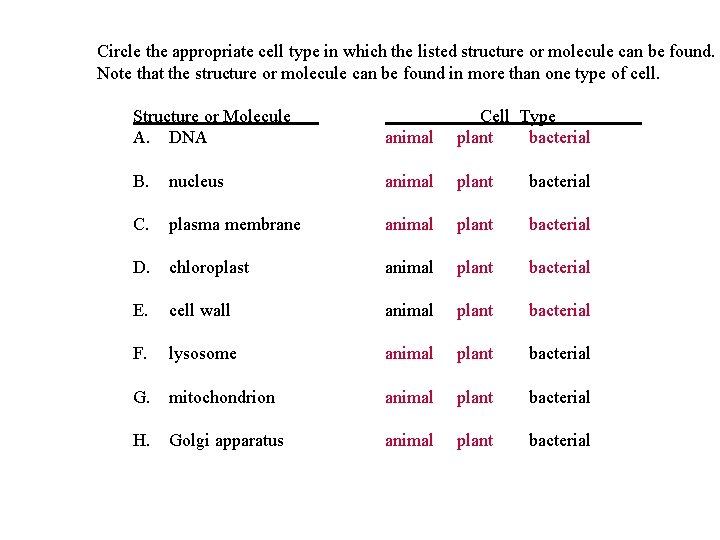
Circle the appropriate cell type in which the listed structure or molecule can be found. Note that the structure or molecule can be found in more than one type of cell. Structure or Molecule A. DNA Cell Type animal plant bacterial B. nucleus animal plant bacterial C. plasma membrane animal plant bacterial D. chloroplast animal plant bacterial E. cell wall animal plant bacterial F. lysosome animal plant bacterial G. mitochondrion animal plant bacterial H. Golgi apparatus animal plant bacterial
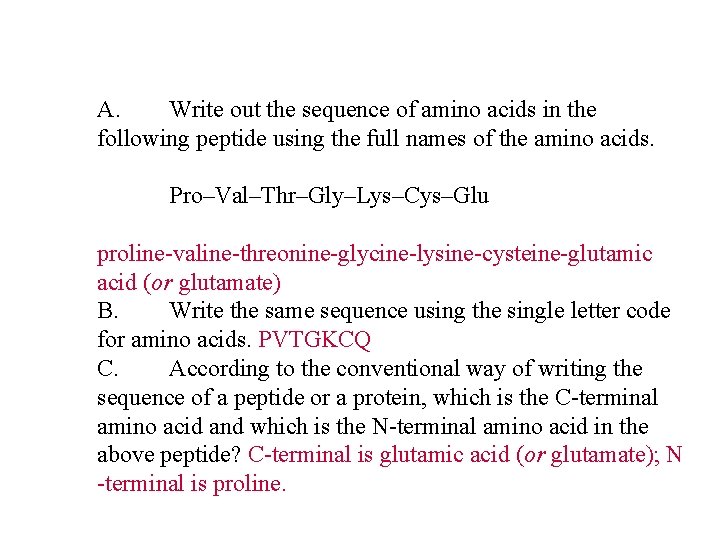
A. Write out the sequence of amino acids in the following peptide using the full names of the amino acids. Pro–Val–Thr–Gly–Lys–Cys–Glu proline-valine-threonine-glycine-lysine-cysteine-glutamic acid (or glutamate) B. Write the same sequence using the single letter code for amino acids. PVTGKCQ C. According to the conventional way of writing the sequence of a peptide or a protein, which is the C-terminal amino acid and which is the N-terminal amino acid in the above peptide? C-terminal is glutamic acid (or glutamate); N -terminal is proline.
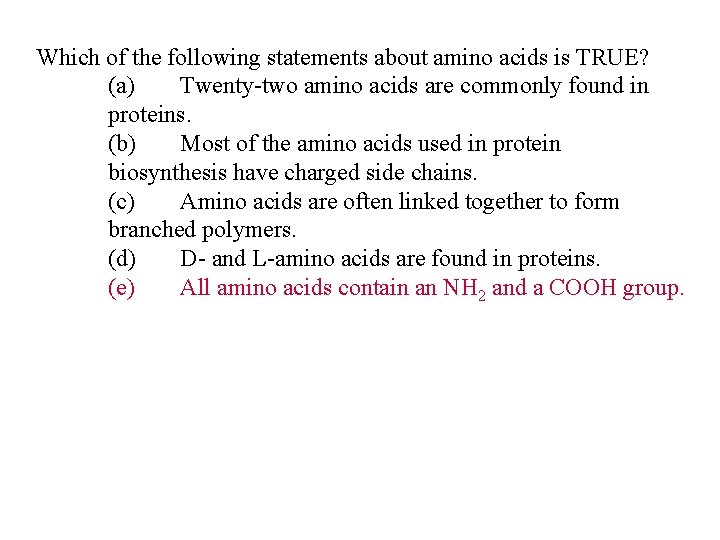
Which of the following statements about amino acids is TRUE? (a) Twenty-two amino acids are commonly found in proteins. (b) Most of the amino acids used in protein biosynthesis have charged side chains. (c) Amino acids are often linked together to form branched polymers. (d) D- and L-amino acids are found in proteins. (e) All amino acids contain an NH 2 and a COOH group.