
Protein Amino Acids Copyright 2005 Wadsworth Group a
- Slides: 67
Protein: Amino Acids Copyright 2005 Wadsworth Group, a division of Thomson Learning
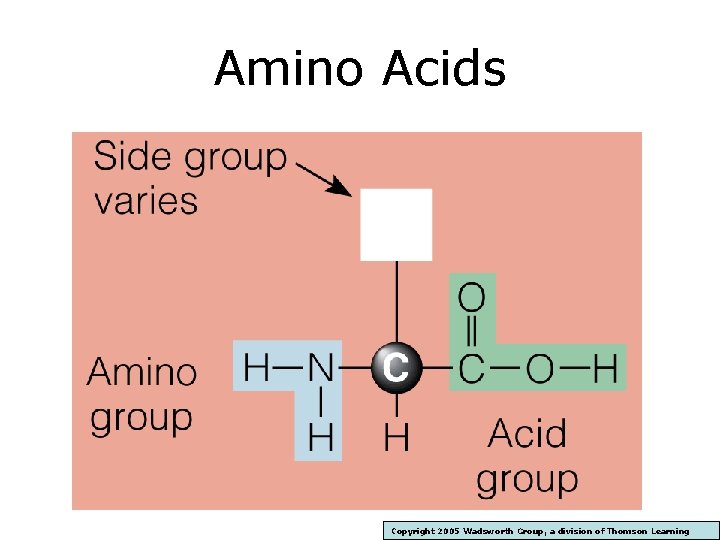
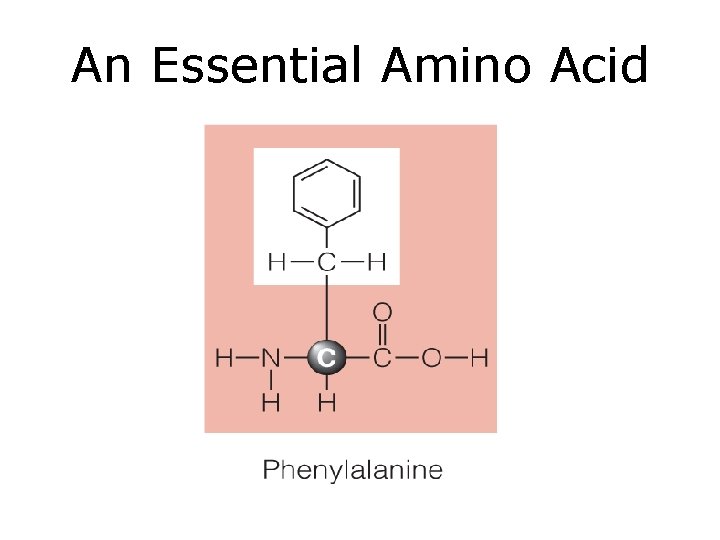
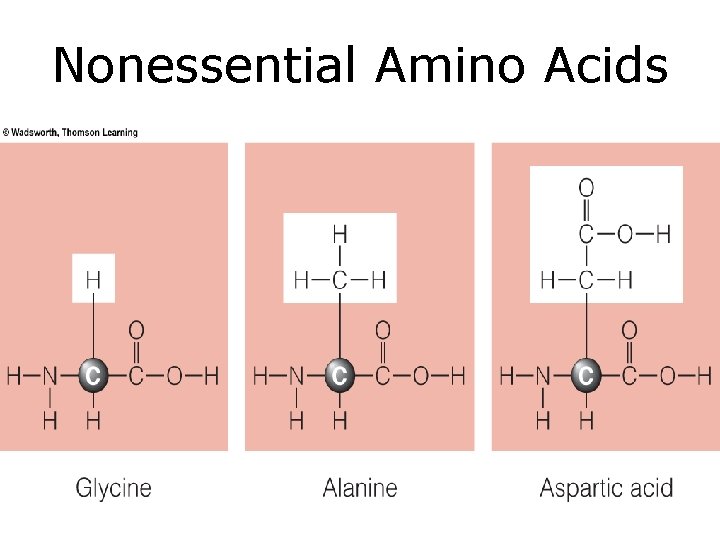
• Proteins have an amino group, an acid, a hydrogen, carbon molecule and a carbon side chain. • Protein means primary or first and are necessary for life. • Amino means contains nitrogen (NH 2). • Proteins can also contain sulfur, phosphorus or iron.
Amino Acids Copyright 2005 Wadsworth Group, a division of Thomson Learning
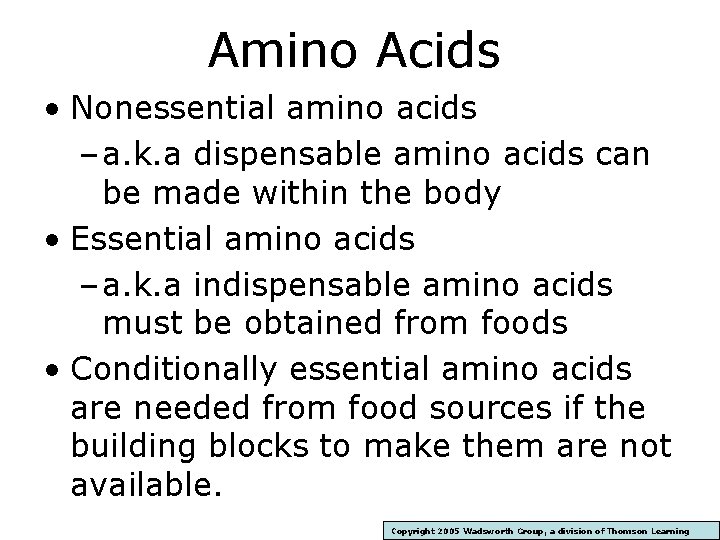
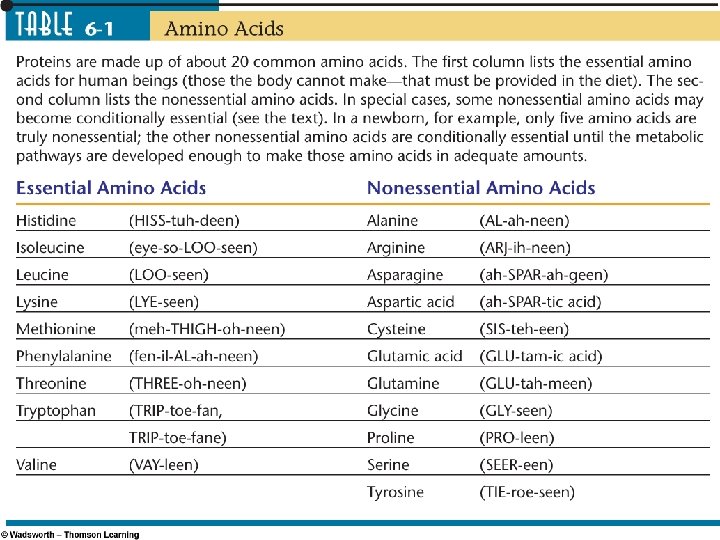
Amino Acids • Nonessential amino acids – a. k. a dispensable amino acids can be made within the body • Essential amino acids – a. k. a indispensable amino acids must be obtained from foods • Conditionally essential amino acids are needed from food sources if the building blocks to make them are not available. Copyright 2005 Wadsworth Group, a division of Thomson Learning
An Essential Amino Acid
Nonessential Amino Acids
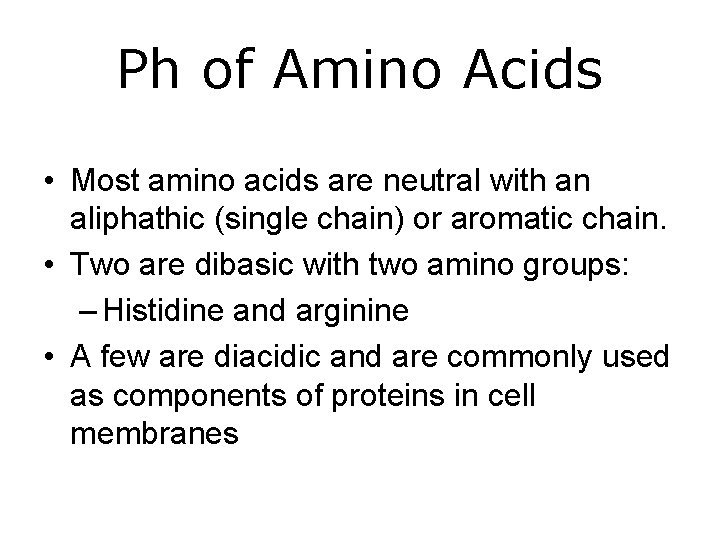
Ph of Amino Acids • Most amino acids are neutral with an aliphathic (single chain) or aromatic chain. • Two are dibasic with two amino groups: – Histidine and arginine • A few are diacidic and are commonly used as components of proteins in cell membranes
RDA’s ARE EXPRESSED AS PROTEIN • The biological requirement is for amino acids • Amino nitrogen is about 16% of the weight of proteins • Nitrogen content x 6. 25 = protein content of foods or tissue
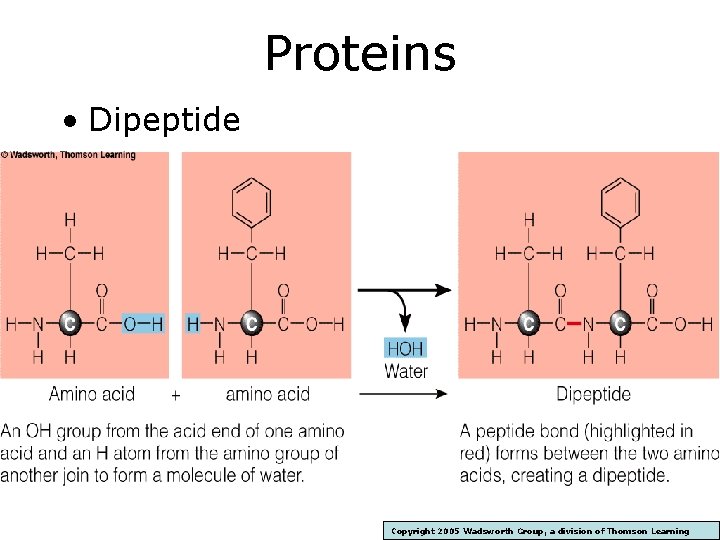
Proteins • Peptide bonds connect the acid end of one amino acid with the amino end of another. • They are the links that form a protein chain, which can be simple or very complex.
Proteins • Dipeptide Copyright 2005 Wadsworth Group, a division of Thomson Learning
Proteins • A Tripeptide consists of three amino acids linked together. • When there are three or more amino acids, the protein starts to form three dimensional shapes.
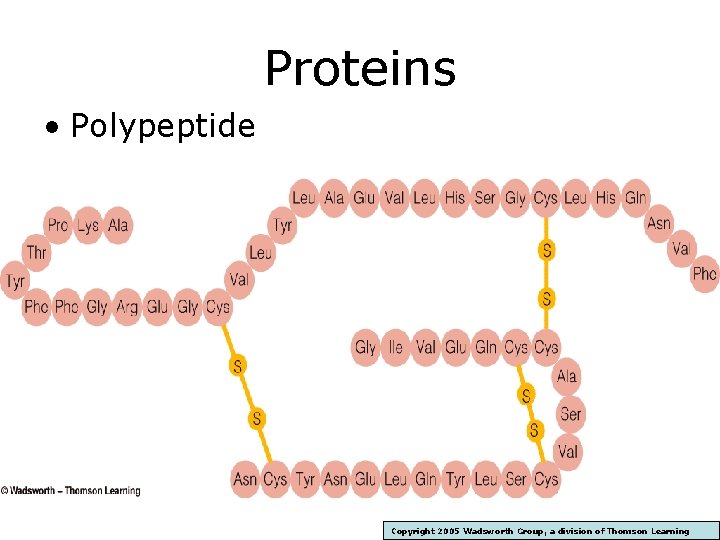
Proteins • Polypeptide Copyright 2005 Wadsworth Group, a division of Thomson Learning
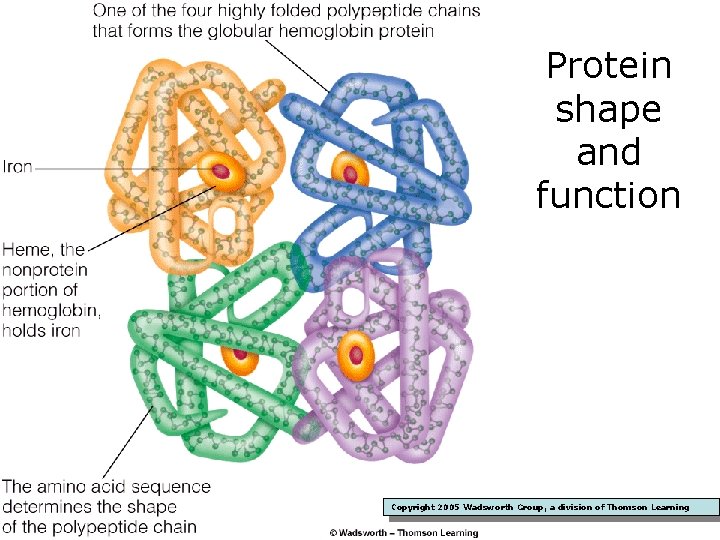
Proteins • Amino acid sequences can vary resulting in almost an endless number of combinations. • Each protein’s sequence is determined by the DNA • As each amino acid has unique chemical characteristics and electrical charges, the resulting shapes can be very complex. Copyright 2005 Wadsworth Group, a division of Thomson Learning
Protein shape and function Copyright 2005 Wadsworth Group, a division of Thomson Learning
Denaturation • Protein denaturation happens when a protein changes its shape, usually uncoiling. • This changes its function and properties. • An egg is mostly liquid until cooked. Milk becomes yogurt or or cheese when acids or enzymes are added. • Heat, acids, bases, alcohol, heavy metals, enzymes or other agents can cause denaturation. Copyright 2005 Wadsworth Group, a division of Thomson Learning
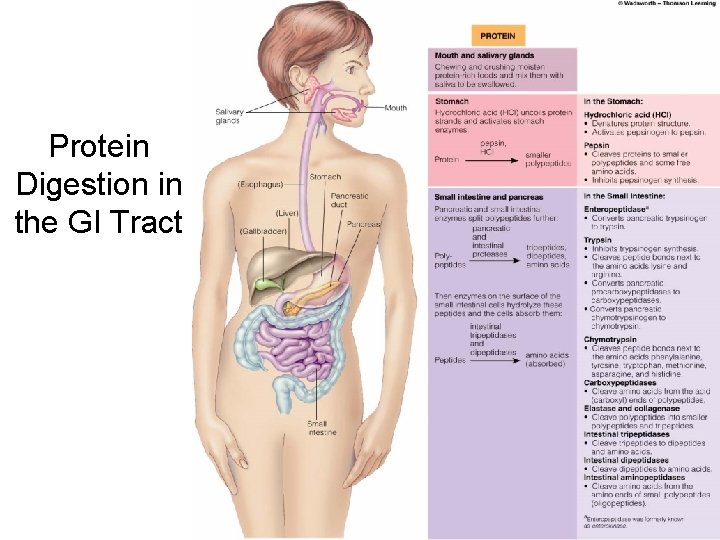
Protein Digestion • Stomach releases HCL, which denatures (uncoils) protein strands and converts the inactive form of pepsinogen into the active form pepsin. • Pepsin breaks the proteins into smaller polypeptides • Pepsin is one of thousands of enzymes, which allows chemical reactions to take place in the body without being affected itself. Copyright 2005 Wadsworth Group, a division of Thomson Learning
Small Intestine • Releases pancreatic and intestinal proteases. • These hydolyze the polypeptides further into tripeptides, dipeptides and finally amino acids, which are actively transported into SI cells and then released into the blood stream. Copyright 2005 Wadsworth Group, a division of Thomson Learning
Protein Digestion in the GI Tract
Protein Absorption • Carriers - cells of the villi of the SI have gates through which carrier substances transport the amino acids. • Capillaries, which are the smallest branches of the circulatory system carry the free amino acids from the villi throughout the body. • Absorption misconceptions – Enzyme/amino acid supplements Copyright 2005 Wadsworth Group, a division of Thomson Learning
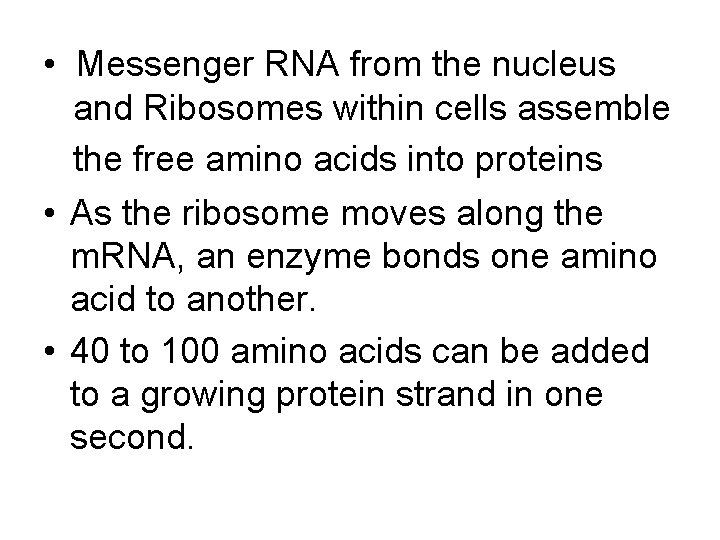
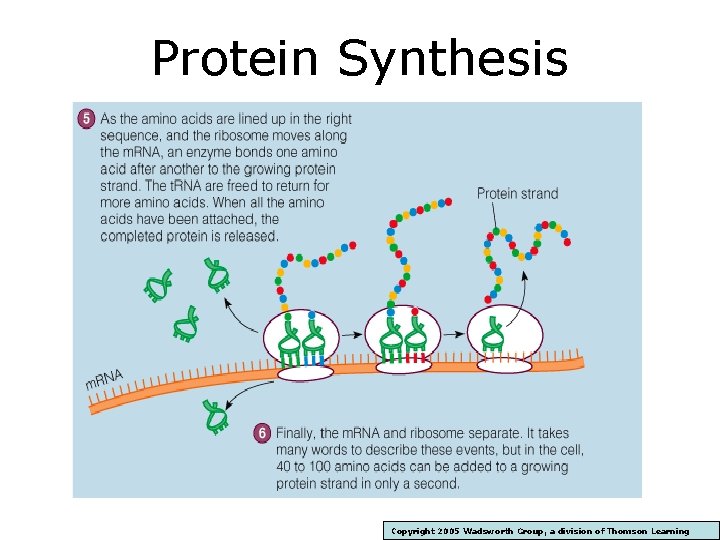
• Messenger RNA from the nucleus and Ribosomes within cells assemble the free amino acids into proteins • As the ribosome moves along the m. RNA, an enzyme bonds one amino acid to another. • 40 to 100 amino acids can be added to a growing protein strand in one second.
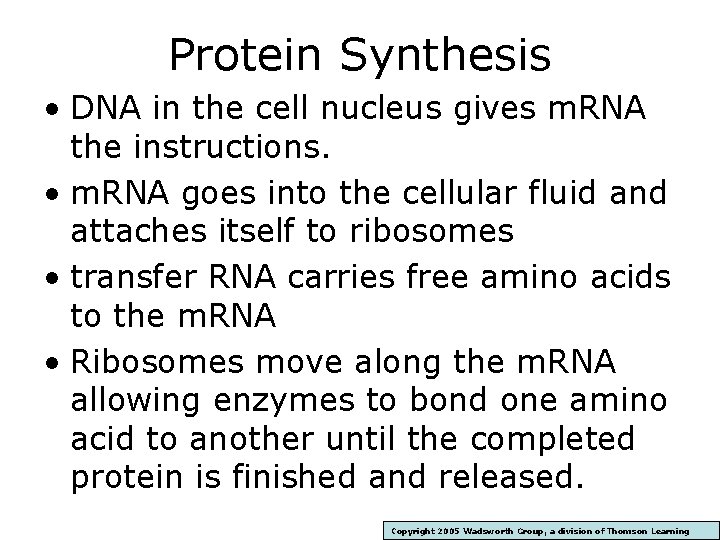
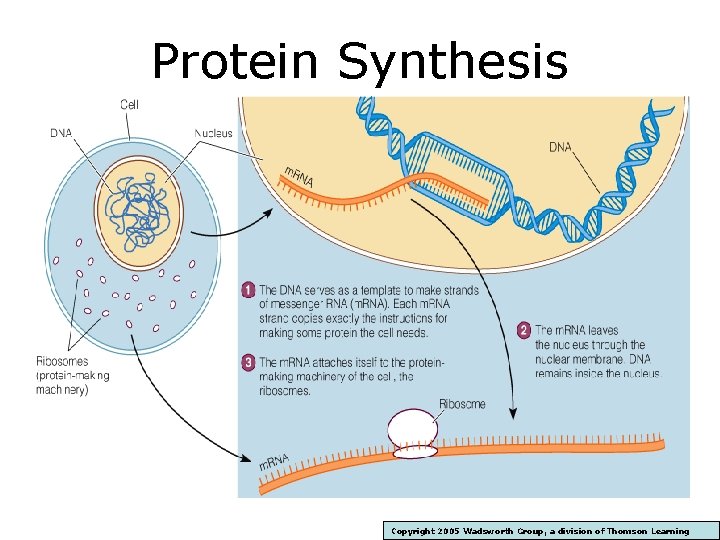
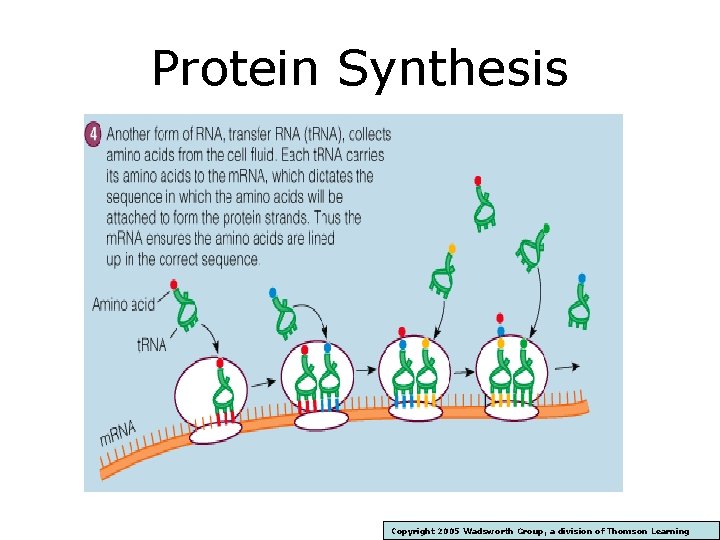
Protein Synthesis • DNA in the cell nucleus gives m. RNA the instructions. • m. RNA goes into the cellular fluid and attaches itself to ribosomes • transfer RNA carries free amino acids to the m. RNA • Ribosomes move along the m. RNA allowing enzymes to bond one amino acid to another until the completed protein is finished and released. Copyright 2005 Wadsworth Group, a division of Thomson Learning
Protein Synthesis Copyright 2005 Wadsworth Group, a division of Thomson Learning
Protein Synthesis Copyright 2005 Wadsworth Group, a division of Thomson Learning
Protein Synthesis Copyright 2005 Wadsworth Group, a division of Thomson Learning
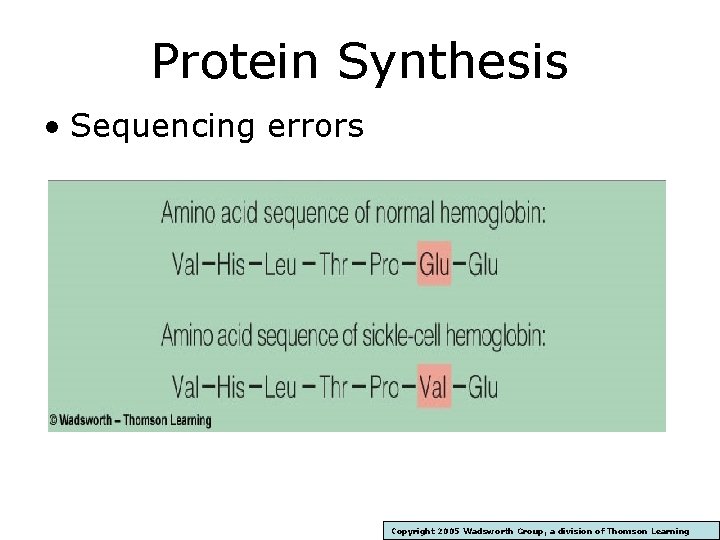
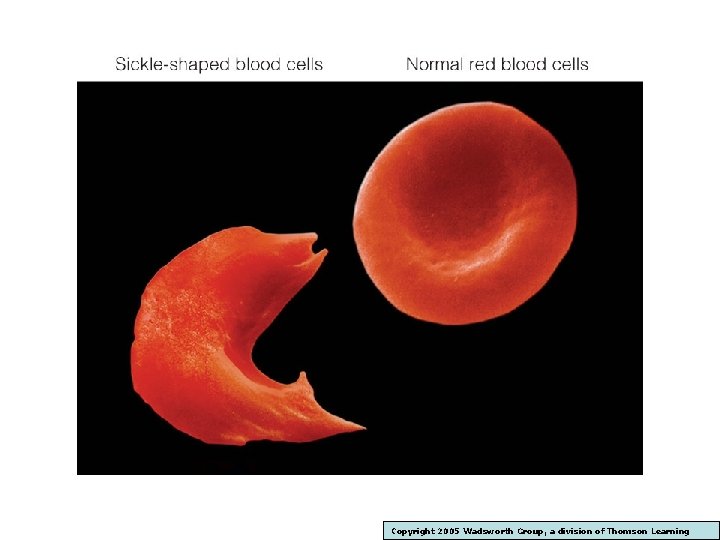
Protein Synthesis • Sequencing errors Copyright 2005 Wadsworth Group, a division of Thomson Learning
Copyright 2005 Wadsworth Group, a division of Thomson Learning
Protein Synthesis • When a cell makes a protein it is said that gene is expressed. • Nearly all the body’s cells can make all human proteins, but each type of cell makes only the kinds of proteins it needs. Copyright 2005 Wadsworth Group, a division of Thomson Learning
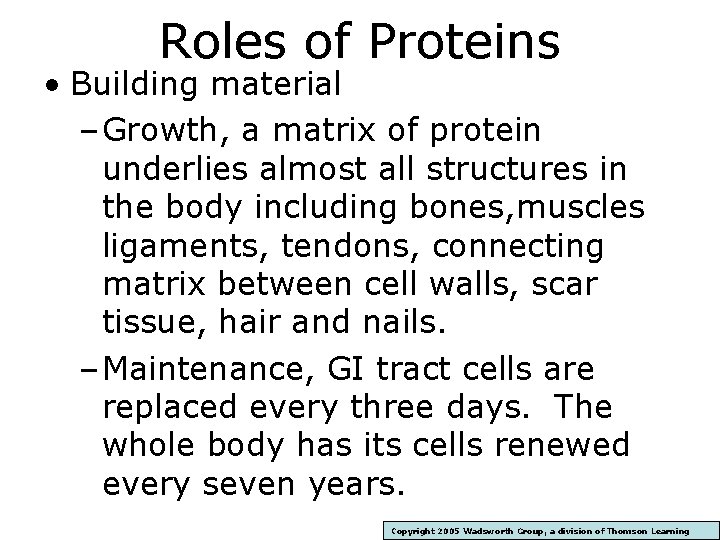
Roles of Proteins • Building material – Growth, a matrix of protein underlies almost all structures in the body including bones, muscles ligaments, tendons, connecting matrix between cell walls, scar tissue, hair and nails. – Maintenance, GI tract cells are replaced every three days. The whole body has its cells renewed every seven years. Copyright 2005 Wadsworth Group, a division of Thomson Learning
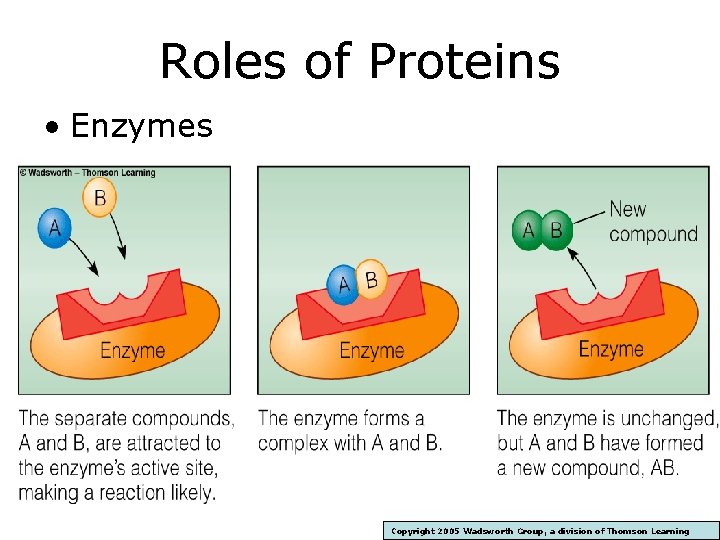
Proteins as Enzymes • Enzymes are usually composed of a protein, a vitamin and a trace mineral. • They act as catalysts, allowing reactions to occur more quickly and efficiently. • They can cause two substances to come together making a new structure or can split a compound apart. • An enzyme is not affected by the chemical reactions it allows to take place.
Roles of Proteins • Enzymes Copyright 2005 Wadsworth Group, a division of Thomson Learning
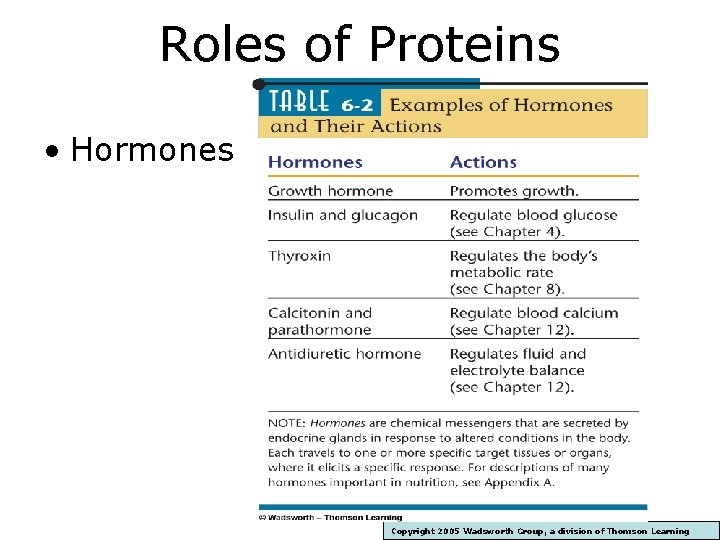
Roles of Proteins • Hormones Copyright 2005 Wadsworth Group, a division of Thomson Learning
Roles of Proteins • Regulation of fluid balance – Dependent edema may be caused when there is too much fluid between cells and not enough hydrophilic protein within the cells. • Acid-base regulation, proteins act as buffers accepting and releasing hydrogen ions thus preventing acidosis or alkalosis. Copyright 2005 Wadsworth Group, a division of Thomson Learning
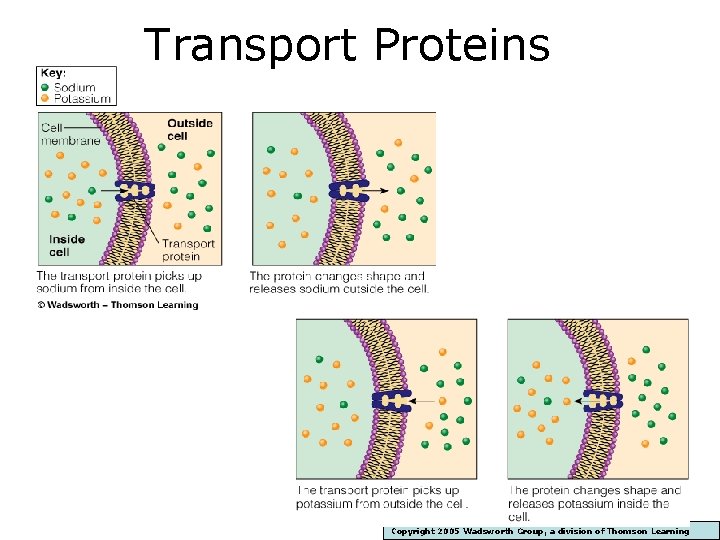
Transport Proteins Copyright 2005 Wadsworth Group, a division of Thomson Learning
Proteins in Immunity – Antibodies are giant proteins that bind up specific invaders like viruses or antigens – Antigens are substances that cause the body to produce antibodies. They may include bacteria, allergens, toxins or anything that causes an inflammatory response. Copyright 2005 Wadsworth Group, a division of Thomson Learning
Roles of Proteins • Source of energy. The brain and nervous system must have glucose. Once the amino group is removed from the protein, the remaining carbon molecules can be used to create energy - 4 Kcal per gram or stored as fat. • Other roles include being converted to other proteins or making neurotransmitters norepinephrine and epinephrine, melanin, fibrin and as precursor to the vitamin niacin. Copyright 2005 Wadsworth Group, a division of Thomson Learning
Roles of Proteins • Other roles include being converted to other proteins or making: – neurotransmitters norepinephrine and epinephrine – melanin – fibrin – precursor to the vitamin niacin.
Protein Metabolism • Protein turnover – Amino acid pool includes free amino acids from endogenous or exogenous sources Nitrogen balance – Positive nitrogen balance during growth or when building new tissue – Negative nitrogen balance if burned, fever, injury, infection or starvation. • Copyright 2005 Wadsworth Group, a division of Thomson Learning
Protein Metabolism • Using amino acids to make proteins. – Cells can dismantle one amino acid and combine the amino group of that amino acid with carbon fragments from glucose metabolism to make another essential or nonessential amino acid needed. Copyright 2005 Wadsworth Group, a division of Thomson Learning
Protein Metabolism • Deamination is the removal of the nitrogen containing amino group, converting it to ammonia, which is sent to the liver and converted into urea. The remaining carbon fragment may be burned or stored as fat. • Amino acids can be used to make fat by removing the amino group and converting the remaining carbon fragments to fat. Copyright 2005 Wadsworth Group, a division of Thomson Learning
Amino Acid Pool • Proteins are degraded and resynthesized continuously • Several times more protein is turned over daily within the body (endogenous) than is consumed (exogenous) • AA consumed in excess or unable to be used are not stored. They are: – degraded into urea, uric acid, and creatinine – lost in feces or sweat – converted into hair and nails
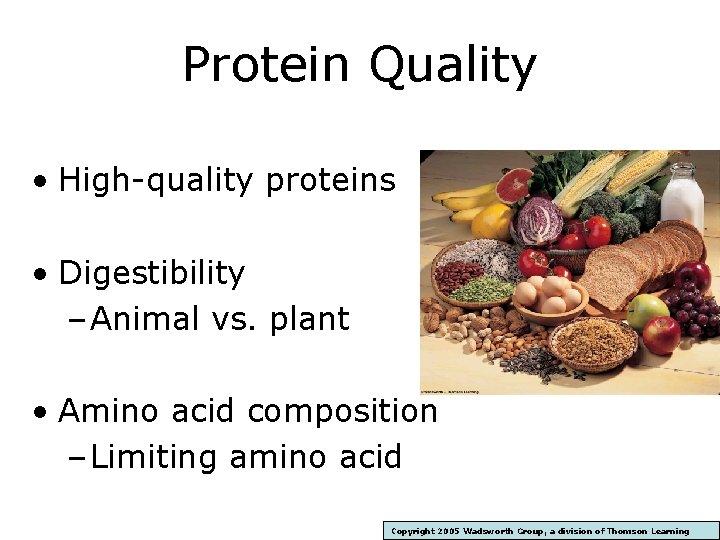
Protein Quality • High-quality proteins • Digestibility – Animal vs. plant • Amino acid composition – Limiting amino acid Copyright 2005 Wadsworth Group, a division of Thomson Learning
Protein Quality • Is reflected in the amino acid score: content of individual essential AA in food ÷content of same AA in reference pattern • Based on reference pattern for age • Four AA are likely to be limiting – Lysine, sulfur containing (methionine plus cystine), threonine and tryptophan
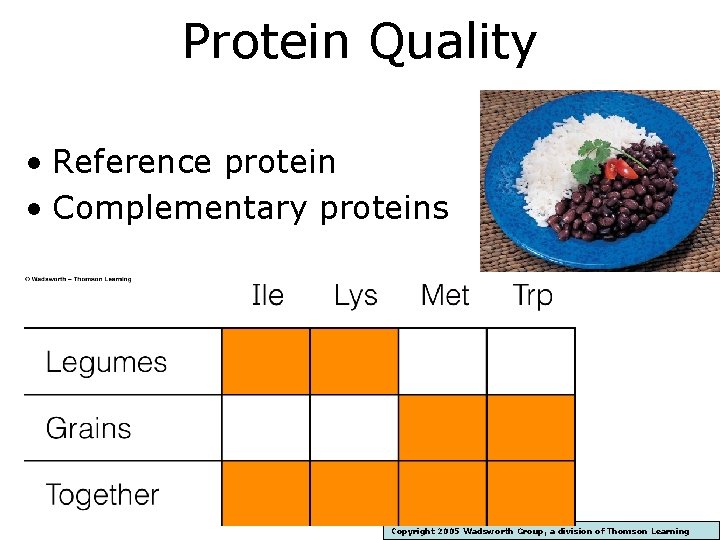
Protein Quality • Reference protein • Complementary proteins Copyright 2005 Wadsworth Group, a division of Thomson Learning
Reference Proteins • Nitrogen balance studies within age groups • Used data for highy digestible, high quality proteins - egg, meat, milk or fish • Amino acid scoring patterns were factored in • A margin of safety of 2 standard deviations to meet needs of 97. 5% of the population • For adults over age 19 the reference protein intake is 0. 75 g/kg/day (RDA is 0. 8) • Range was 0. 54 - egg to 0. 99 - vegetable based diet
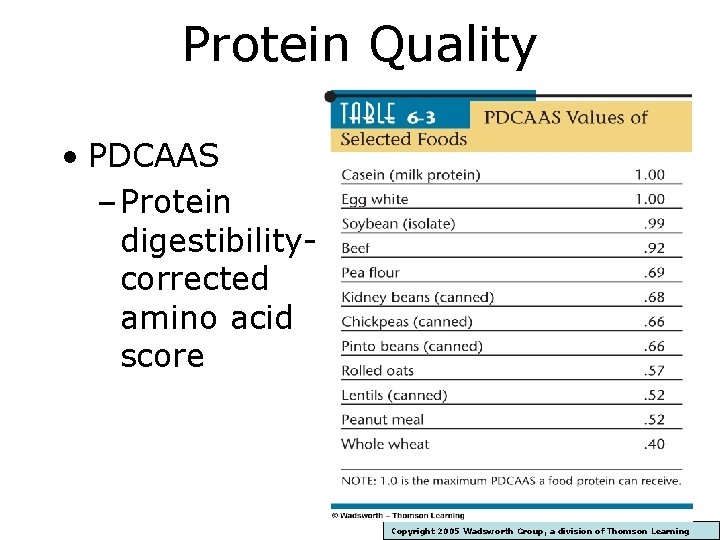
Protein Quality • Protein Digestibility Corrected AA Score compares the amino acid content of a protein with the human amino acid requirements and corrects for digestibility. • Considers factors that limit digestion: – cell walls, enzyme inhibitors, tannins • Reveals the most limiting AA
Protein Quality • PDCAAS – Protein digestibilitycorrected amino acid score Copyright 2005 Wadsworth Group, a division of Thomson Learning
Food Labels • Quantity of protein • Daily Value – 50 g protein • 10% of a 2000 kcal diet Copyright 2005 Wadsworth Group, a division of Thomson Learning
Protein-Energy Malnutrition (PEM) • Acute PEM when one is recently deprived of food. Children are thin for their height. • Chronic PEM from long term food deprivation. Children are short for their age. Copyright 2005 Wadsworth Group, a division of Thomson Learning
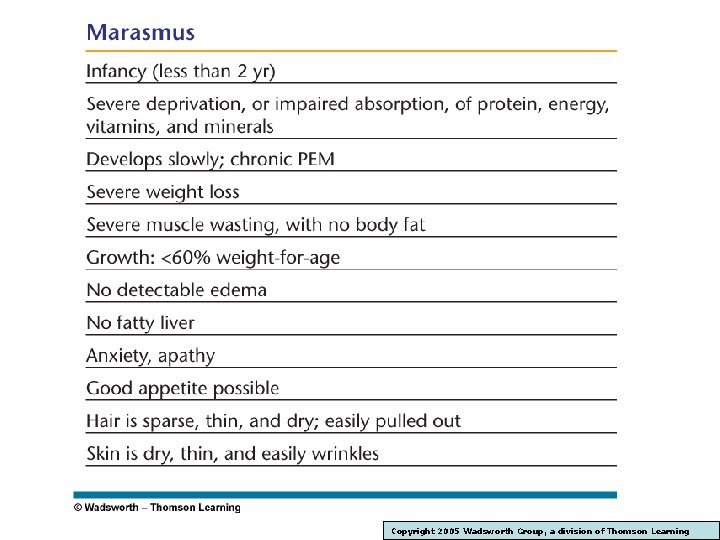
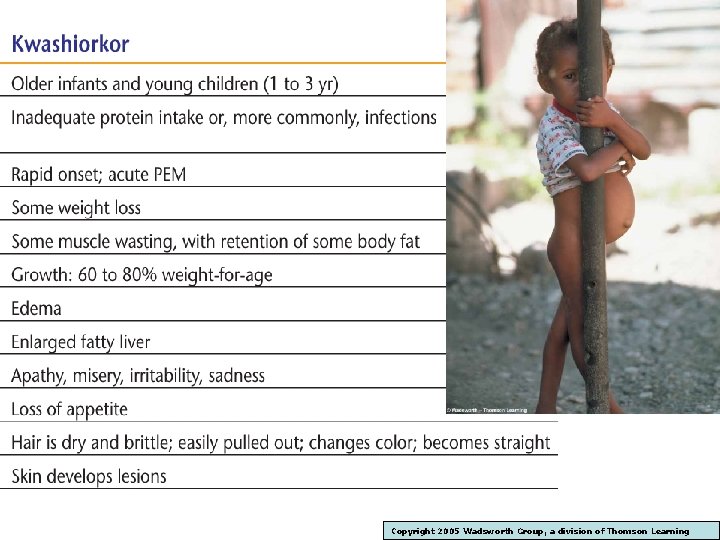
Protein-Energy Malnutrition • Marasmus - inadequate energy and protein over a long period of time. Often seen at 6 -18 months of age. Look like little old people. • Kwashiorkor - “the evil spirit that infects the first child when the second child is born. ” Sudden deprivation at 18 mon to 2 yrs. • Marasmus-kwashiorkor mix: edema of marasmus with wasting of kwashiorkor Copyright 2005 Wadsworth Group, a division of Thomson Learning
Copyright 2005 Wadsworth Group, a division of Thomson Learning
Copyright 2005 Wadsworth Group, a division of Thomson Learning
Protein-Energy Malnutrition • Infections: Antibodies needed to fight infections are degraded to provide amino acids for survival. – Dysentery with concomitant diarrhea robs the body of needed nutrients. • Rehabilitation: electrolytes especially potassium and sodium are given slowly over the first 2 days, then foods may be started in small quantities. Copyright 2005 Wadsworth Group, a division of Thomson Learning
Health Effects of High Protein • Heart disease: diet high in animal protein may contribute to a higher incidence of heart disease in the U. S. High homocysteine level possibly from suboptimal B 12, B 6 and/or folic acid is associated with heart disease. • Cancer of the colon, breast, kidneys, pancreas and prostate is associated with high animal protein and fat diet. • Adult bone loss. Calcium excretion rises as protein intake increases. Copyright 2005 Wadsworth Group, a division of Thomson Learning
Health Effects of High Protein Diet • Weight control helpful for some not all • Any diet in which grains are severely limited should supplement with manganese 5 mg/day and selenium 200 ug • Kidney disease - a high protein diet increases the load on the kidneys, which in Chinese medicine means degenerative changes will take place earlier. We are as old as our back is flexible and our kidneys function adequately. Copyright 2005 Wadsworth Group, a division of Thomson Learning
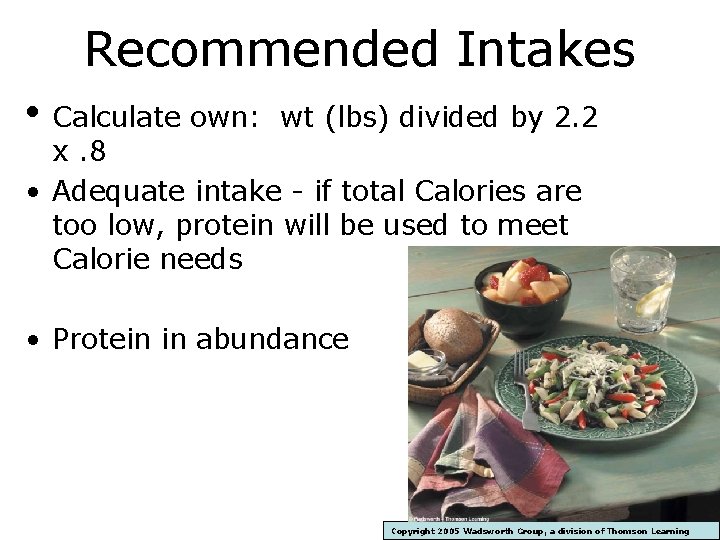
Recommended Intakes • RDA – 0. 8 g/kg/day for healthy adults – 8 -11% - of energy intake per day – 50 -65 grams of protein per day or between 200 to 250 Kcal. – If junk food, sugar and fat is restricted, it is difficult not to get enough protein. Copyright 2005 Wadsworth Group, a division of Thomson Learning
Recommended Intakes • Calculate own: wt (lbs) divided by 2. 2 x. 8 • Adequate intake - if total Calories are too low, protein will be used to meet Calorie needs • Protein in abundance Copyright 2005 Wadsworth Group, a division of Thomson Learning
• Supplements Protein supplements- very active athletes may benefit from an intake of 1 gm of protein per kg rather than. 8 gm/kg of body wt. (75 gm instead of 63 gm/day - 1 1/2 oz more meat) • Amino acid supplements – if not balanced may lead to deficiencies of some AA thru competition with carrier enzymes – Lysine up to 3 gm a day may suppress herpes infection (divided doses with meals) Copyright 2005 Wadsworth Group, a division of Thomson Learning
Vegetarian Types • All vegetarians exclude meat, fish, sea foods and poultry. • Lactovegetarians include milk products. • Lacto-ovo-vegetarians include eggs and milk products. • Vegans do not include any animal sources of food including honey or wear clothing made of fur or leather.
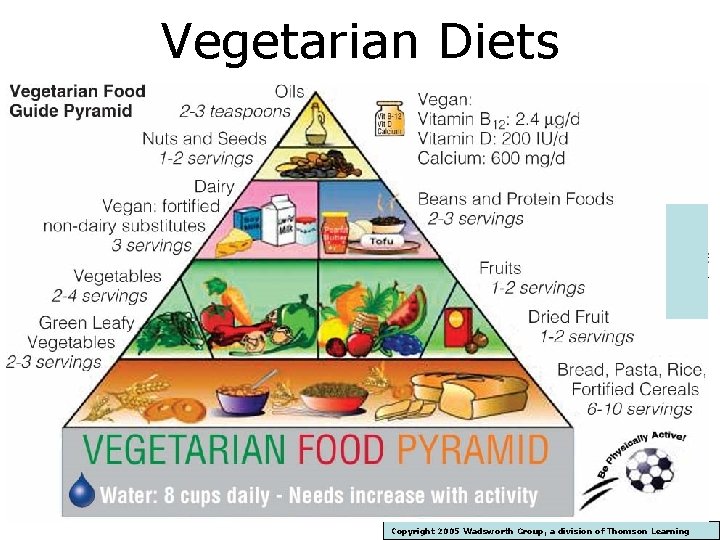
Vegetarian Diets Copyright 2005 Wadsworth Group, a division of Thomson Learning
Vegetarian Diets • Health benefits (if diet is also low in alcohol, sugars, processed fats and CHO) include reduced risks of cancer, chronic diseases, obesity, high blood pressure and heart disease. Copyright 2005 Wadsworth Group, a division of Thomson Learning
Vegetarian Diet Planning • Protein is almost always adequate unless too much sugar and fat are used. Good sources include beans, tempeh, tofu, quinoa and low fat dairy or soy milk products. TVP may be used occasionally. • Vegans must use the equivalent of 1 1/2 cups of beans daily. Soaking them for 24 hrs and throwing out the soaking water before cooking reduces gas formation. Copyright 2005 Wadsworth Group, a division of Thomson Learning
Vegetarian Diets • Other Vitamins and minerals – Lactovegetarians requirments are similar to omnivores with the exception that women with monthly menses may need iron supplementation (15 mg daily). A plant form with Vitamin C reduces constipation. Copyright 2005 Wadsworth Group, a division of Thomson Learning
Vegetarian Diets • Vegans and vegetarians over age 50 should supplement Vit. B 12 (3 ug/day), Vit. B 6 (20 mg/day), folic acid (400 ug/day), Vit D 3 (400 ug/day), zinc (15 mg/day), and calcium (600 mg/day). • Vegans in addition need riboflavin (25 mg), iron (18 mg), biotin (300 ug)
Vegetarian Diets • Omega-3 fatty acids. Vegetarians and non vegetarians alike need to supplement each day with 1 1/2 to 2 tsp of flax oil or 1 Tbsp of flax seeds along with 200 -400 ug of D-alpha and mixed natural tocopherols to keep the double bonds from oxidizing. • The oil or seeds need to be freshly ground and refrigerated. • Hempnut or HN oil may be used instead of flax or fish oil Copyright 2005 Wadsworth Group, a division of Thomson Learning
Vegetarian Diets • Vegetarian diets through life cycles – Pregnancy and lactation – Infancy - mothers should take supplements and breast feed at least through the first year. (Biology of transcendence) – Childhood and adolescence - nuts, seeds, legumes and cereals need to be emphasized to assure adequate nutrient intakes. Copyright 2005 Wadsworth Group, a division of Thomson Learning
Vegetarian Diets • Healthy food choices – Macrobiotic diets use too much salt and can be overly restrictive. However, they contribute one excellent idea - to eat as much as possible a variety of minimally processed, organic, locally grown foods in the season in which they are grown. Copyright 2005 Wadsworth Group, a division of Thomson Learning