
Proposer Alex Obertelli TU Darmstadt Review for the
Proposer: Alex Obertelli, TU Darmstadt Review for the SPSC by Mike Tarbutt and Gerda Neyens based on - Letter of Intent submitted to SPSC and INTC, January 2018, SPSC-I-247 Memorandum submitted to INTC- June 2018 (INTC-M-018) Slides provided by Alexandre Detailed written replies from PUMA to a set of written questions from us Follow up discussion by Skype on 12 th October Feedback from the AD user group to a note prepared by PUMA on potential impacts in the AD hall
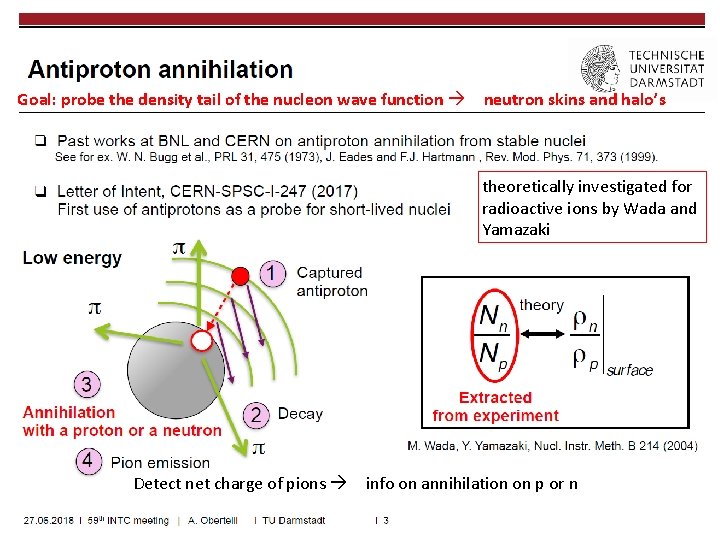
Goal: probe the density tail of the nucleon wave function neutron skins and halo’s theoretically investigated for radioactive ions by Wada and Yamazaki Detect net charge of pions info on annihilation on p or n
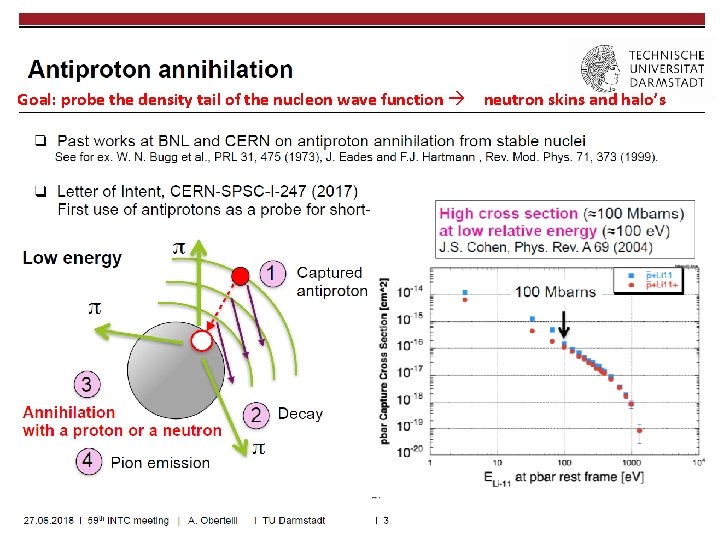
Goal: probe the density tail of the nucleon wave function neutron skins and halo’s
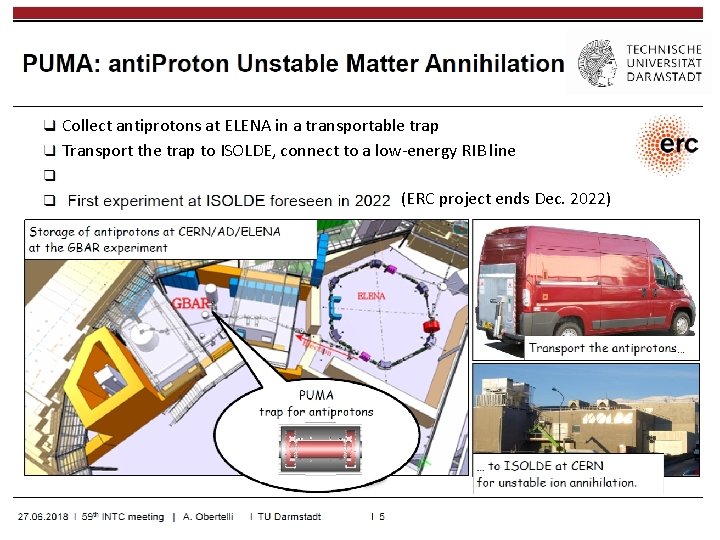
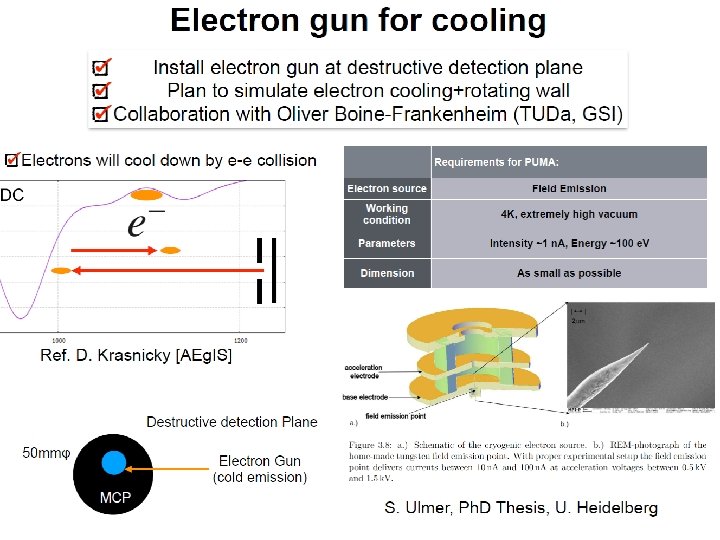
Collect antiprotons at ELENA in a transportable trap Transport the trap to ISOLDE, connect to a low-energy RIB line (ERC project ends Dec. 2022)
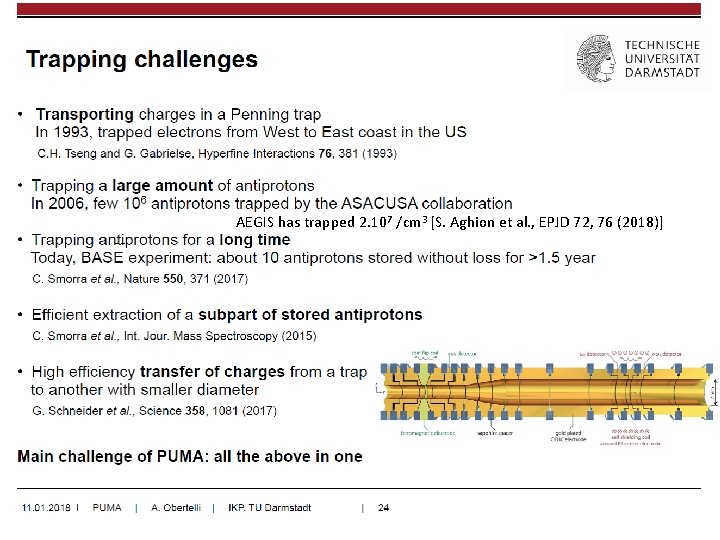
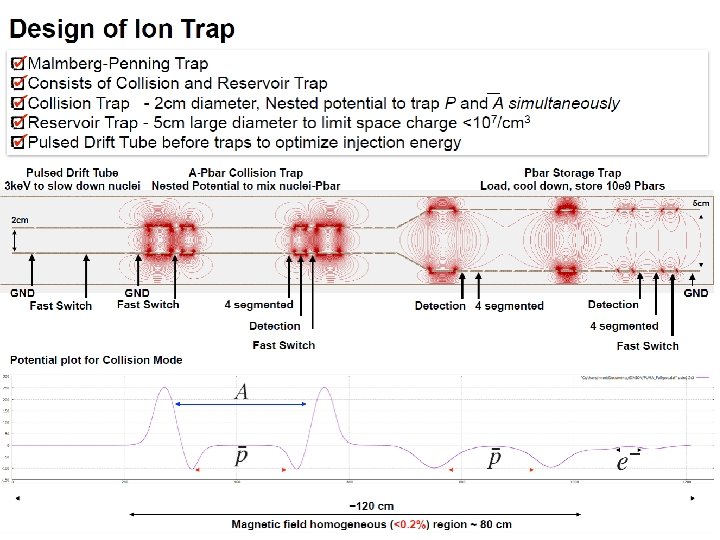
-- AEGIS has trapped 2. 107 /cm 3 [S. Aghion et al. , EPJD 72, 76 (2018)]
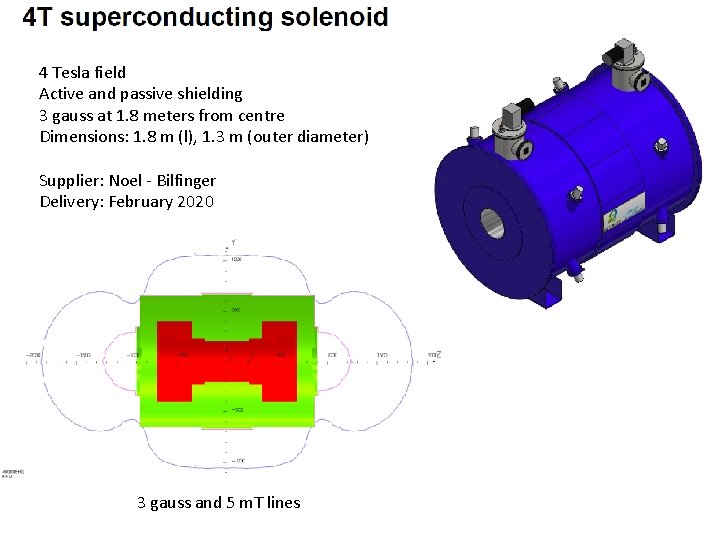
4 Tesla field Active and passive shielding 3 gauss at 1. 8 meters from centre Dimensions: 1. 8 m (l), 1. 3 m (outer diameter) Supplier: Noel - Bilfinger Delivery: February 2020 3 gauss and 5 m. T lines
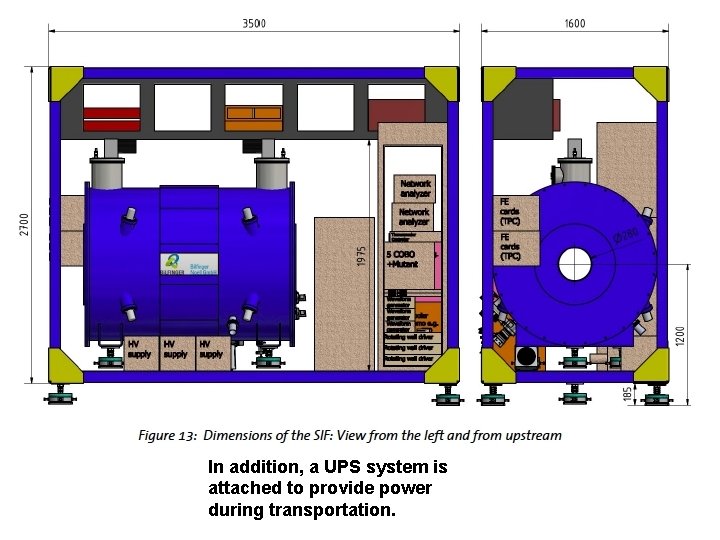
In addition, a UPS system is attached to provide power during transportation.
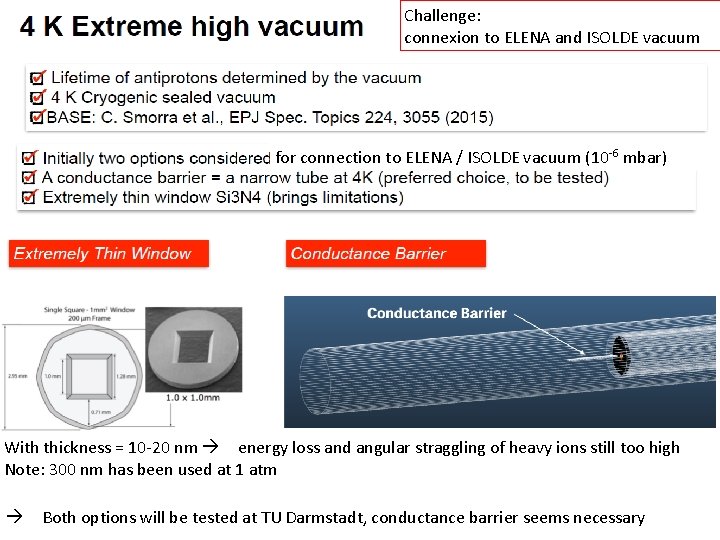
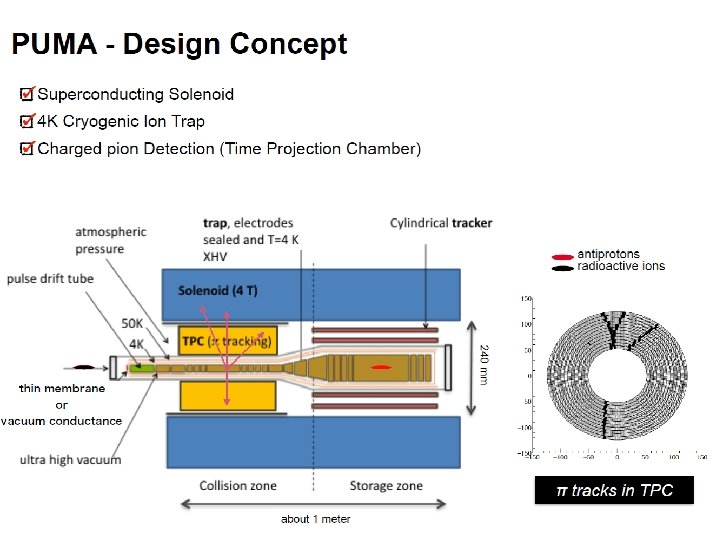
Challenge: connexion to ELENA and ISOLDE vacuum for connection to ELENA / ISOLDE vacuum (10 -6 mbar) With thickness = 10 -20 nm energy loss and angular straggling of heavy ions still too high Note: 300 nm has been used at 1 atm Both options will be tested at TU Darmstadt, conductance barrier seems necessary
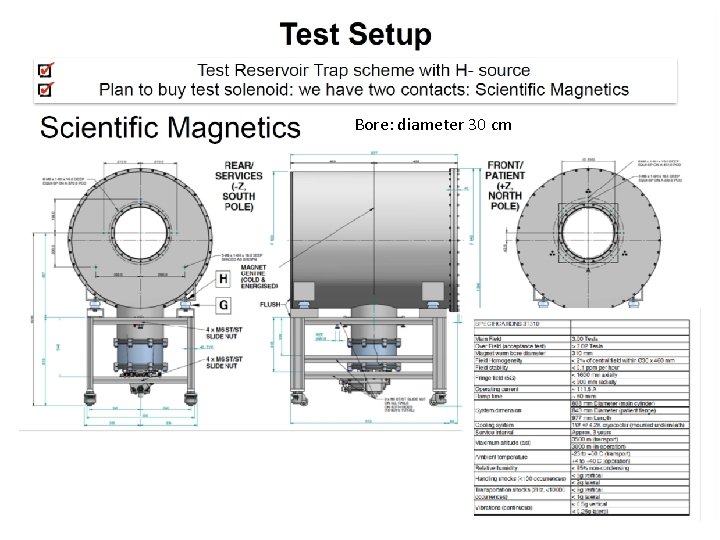
Bore: diameter 30 cm
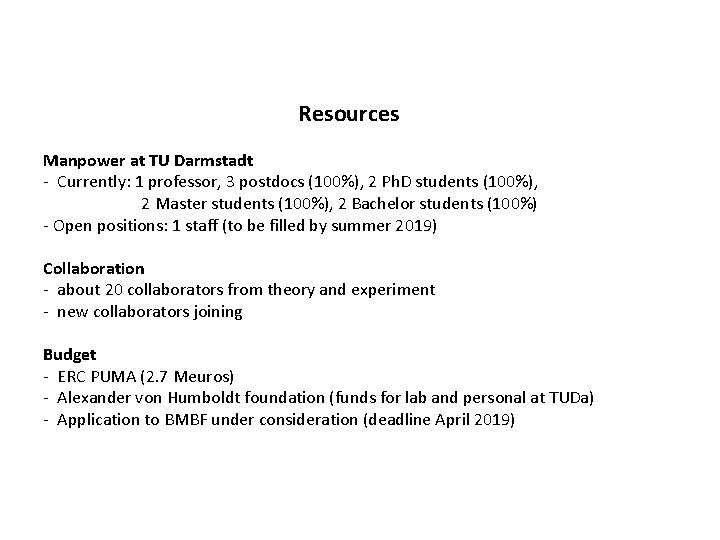
Resources Manpower at TU Darmstadt - Currently: 1 professor, 3 postdocs (100%), 2 Ph. D students (100%), 2 Master students (100%), 2 Bachelor students (100%) - Open positions: 1 staff (to be filled by summer 2019) Collaboration - about 20 collaborators from theory and experiment - new collaborators joining Budget - ERC PUMA (2. 7 Meuros) - Alexander von Humboldt foundation (funds for lab and personal at TUDa) - Application to BMBF under consideration (deadline April 2019)
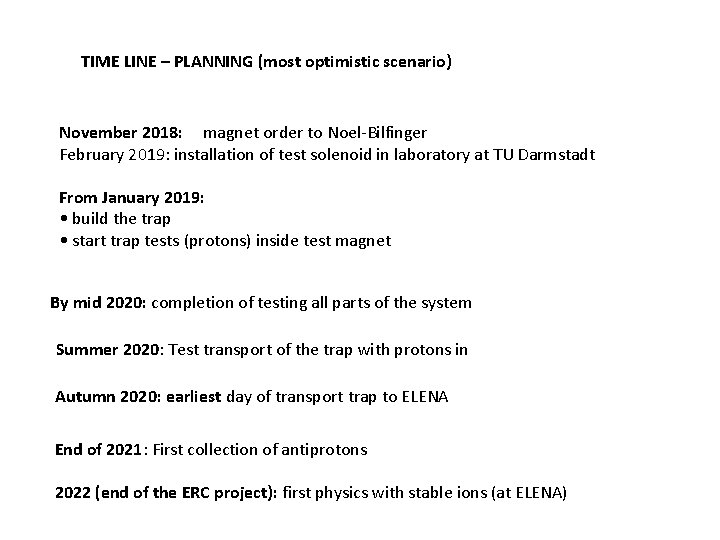
TIME LINE – PLANNING (most optimistic scenario) November 2018: magnet order to Noel-Bilfinger February 2019: installation of test solenoid in laboratory at TU Darmstadt From January 2019: • build the trap • start trap tests (protons) inside test magnet By mid 2020: completion of testing all parts of the system Summer 2020: Test transport of the trap with protons in Autumn 2020: earliest day of transport trap to ELENA End of 2021: First collection of antiprotons 2022 (end of the ERC project): first physics with stable ions (at ELENA)
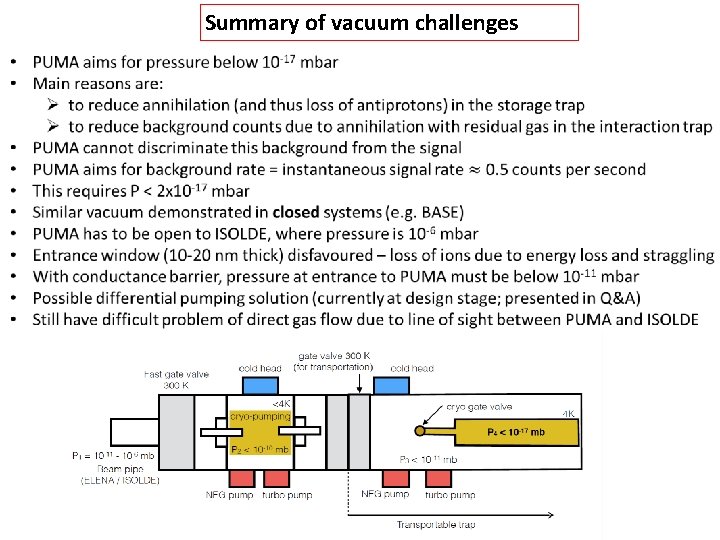
Summary of vacuum challenges
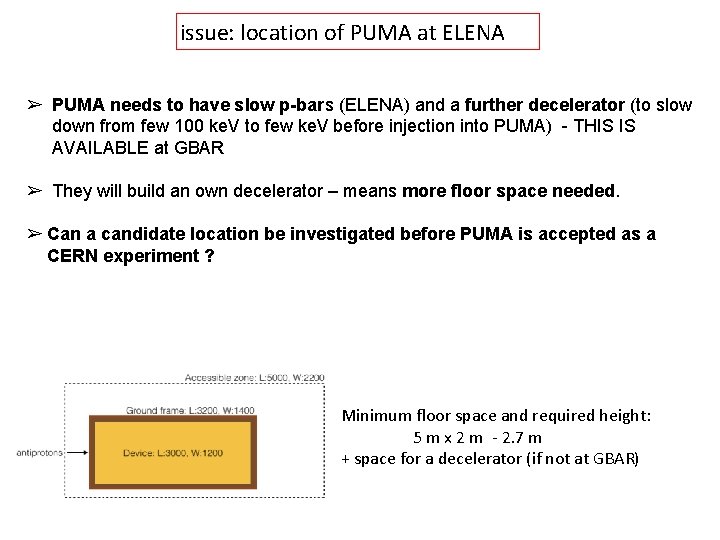
issue: location of PUMA at ELENA ➢ PUMA needs to have slow p-bars (ELENA) and a further decelerator (to slow down from few 100 ke. V to few ke. V before injection into PUMA) - THIS IS AVAILABLE at GBAR ➢ They will build an own decelerator – means more floor space needed. ➢ Can a candidate location be investigated before PUMA is accepted as a CERN experiment ? Minimum floor space and required height: 5 m x 2 m - 2. 7 m + space for a decelerator (if not at GBAR)

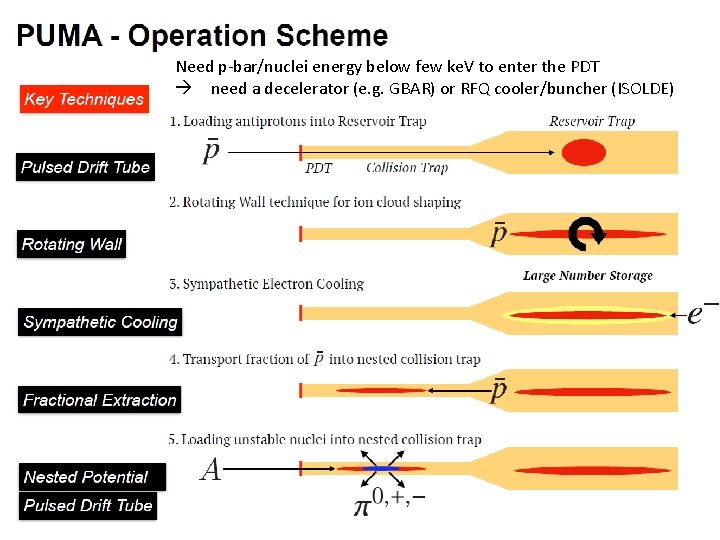
Need p-bar/nuclei energy below few ke. V to enter the PDT need a decelerator (e. g. GBAR) or RFQ cooler/buncher (ISOLDE)
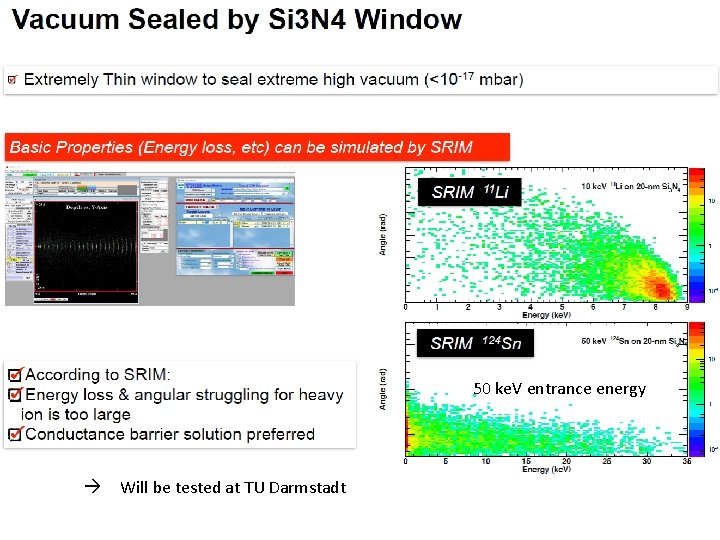
50 ke. V entrance energy Will be tested at TU Darmstadt
- Slides: 20