
Properties of Waves Reflection 1 When light reflects
- Slides: 26
Properties of Waves
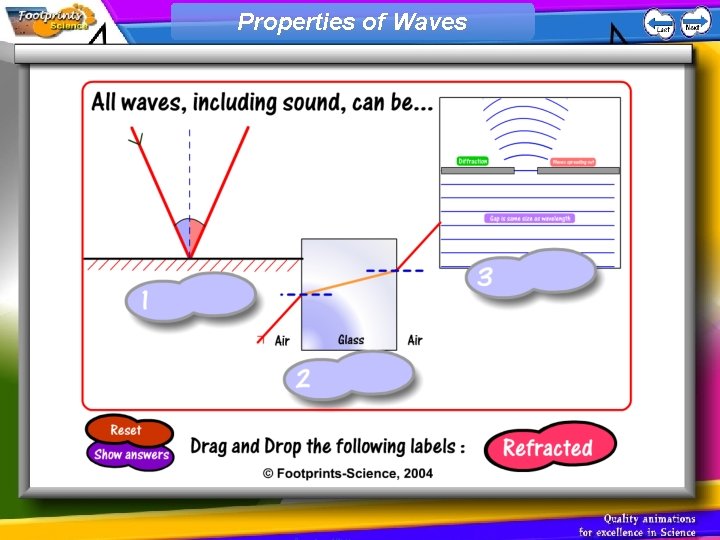
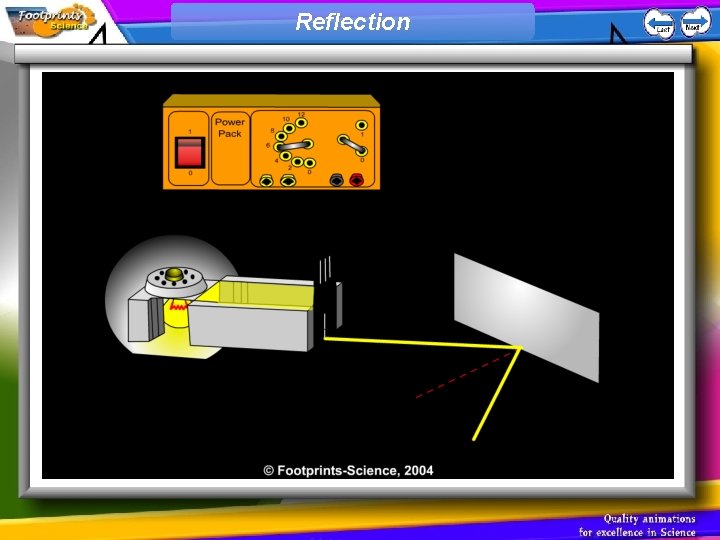
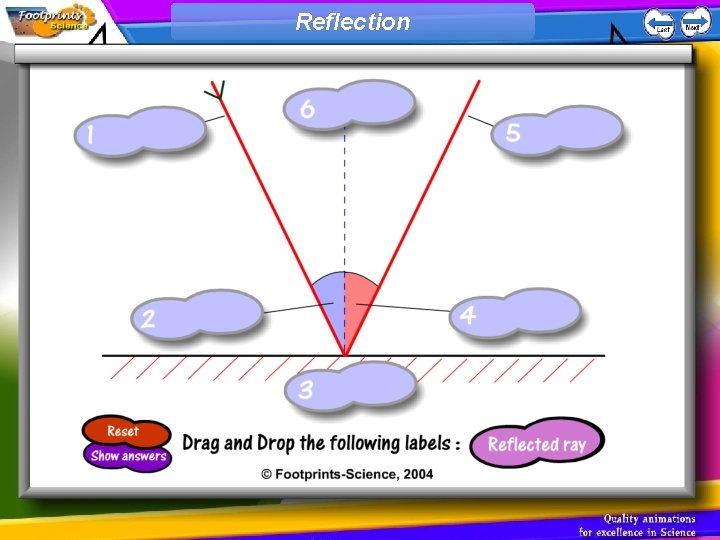
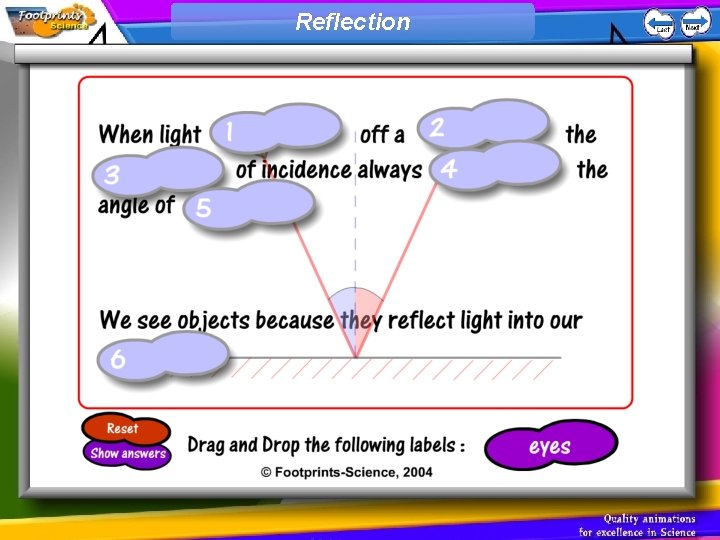
Reflection 1. When light reflects off a mirror the angle of incidence always equals the angle of reflection
Reflection
Reflection
Reflection
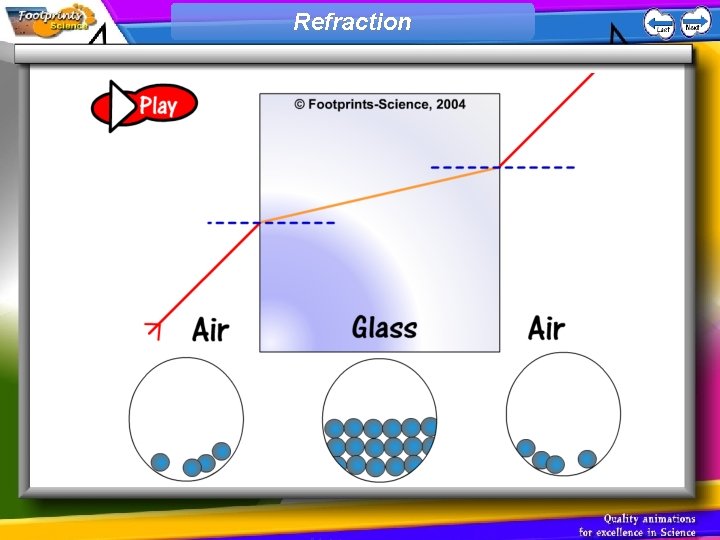
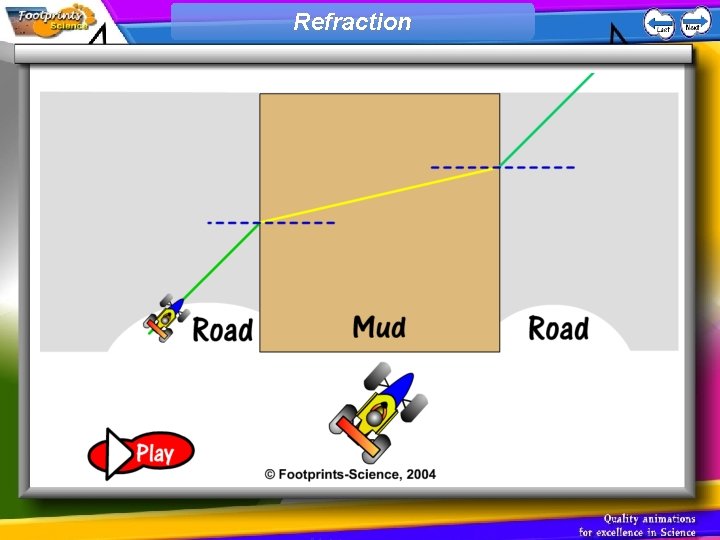
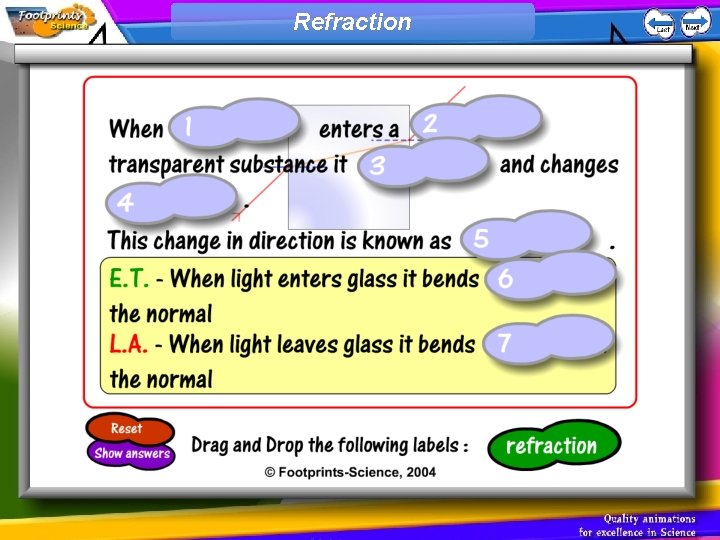
Refraction 1. When light enters a denser transparent substance it slows down and changes direction. 2. This change in direction is known as refraction.
Refraction
Refraction
Refraction
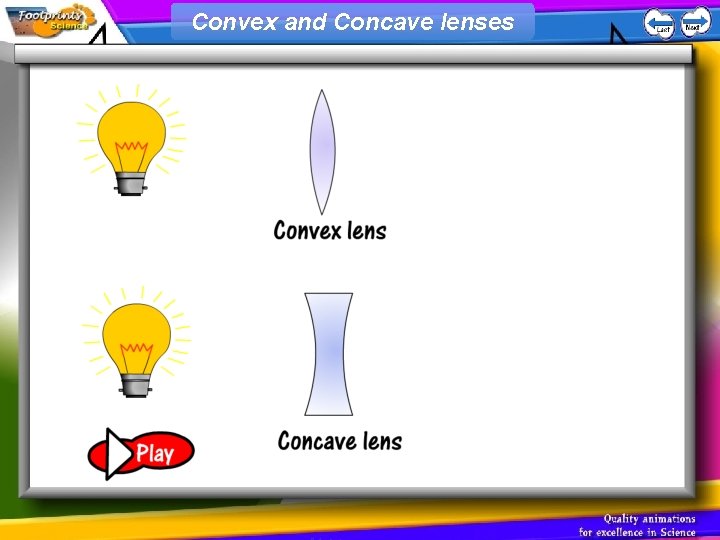
Convex and Concave lenses
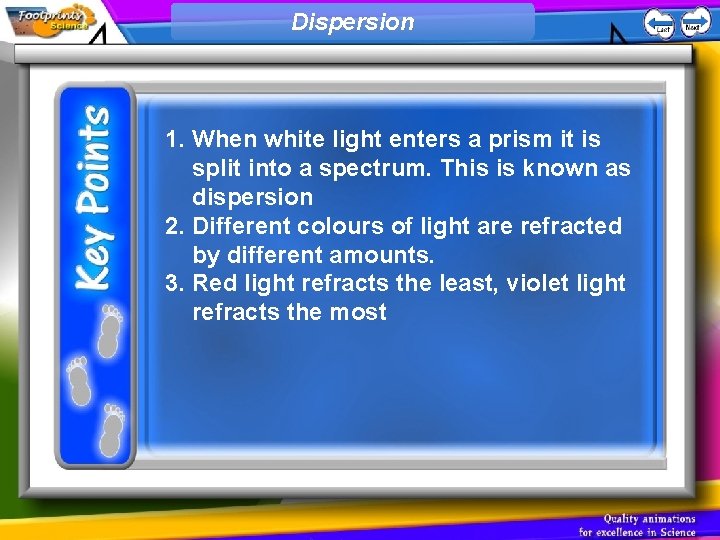
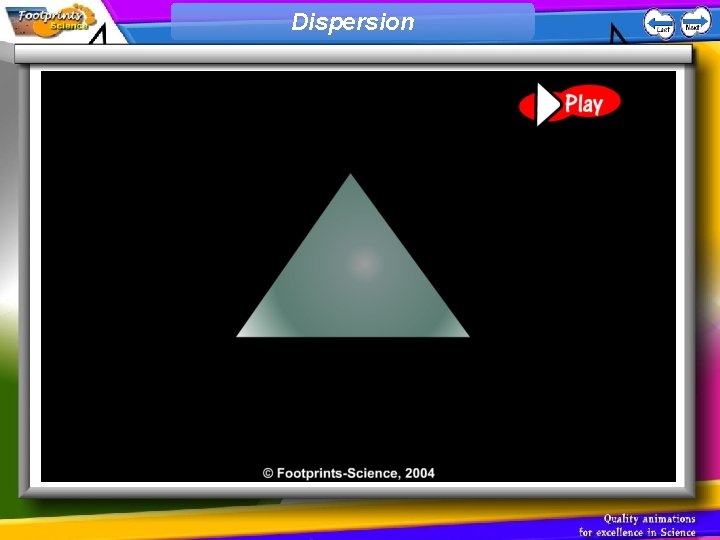
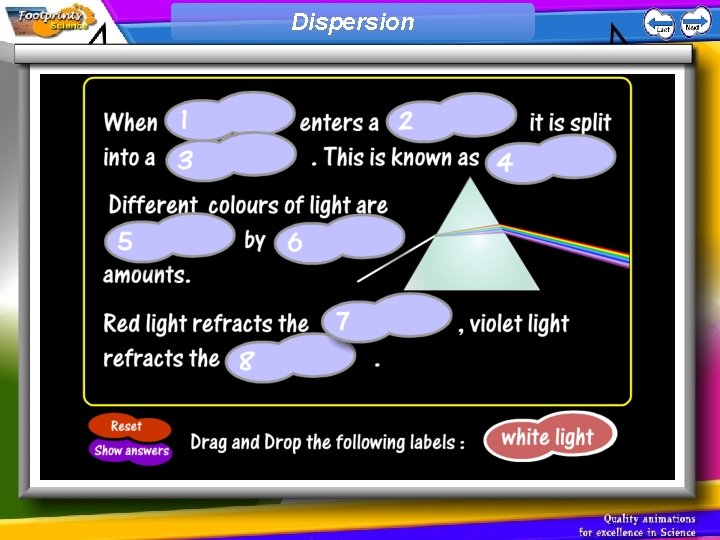
Dispersion 1. When white light enters a prism it is split into a spectrum. This is known as dispersion 2. Different colours of light are refracted by different amounts. 3. Red light refracts the least, violet light refracts the most
Dispersion
Dispersion
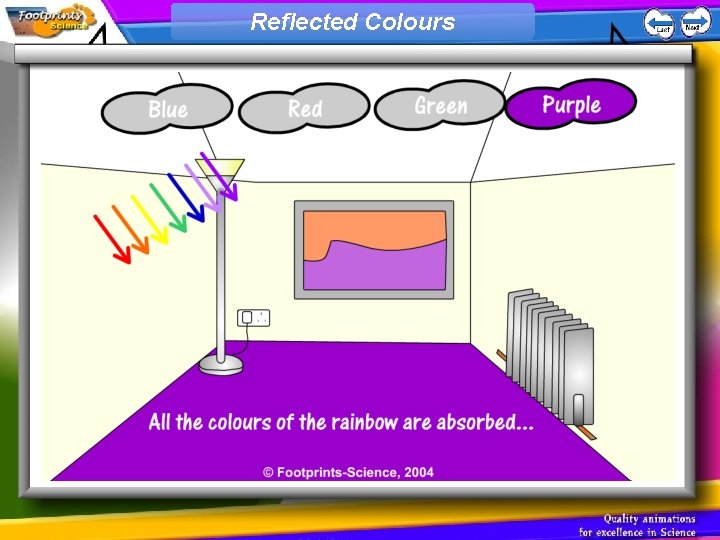
Reflected Colours
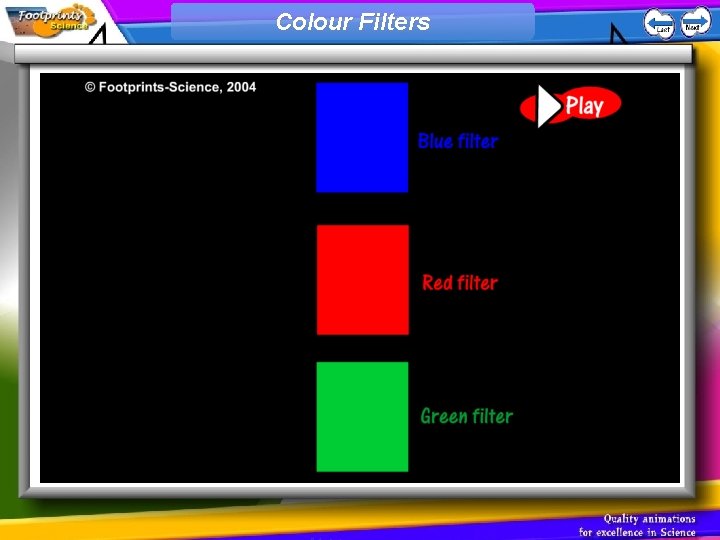
Colour Filters
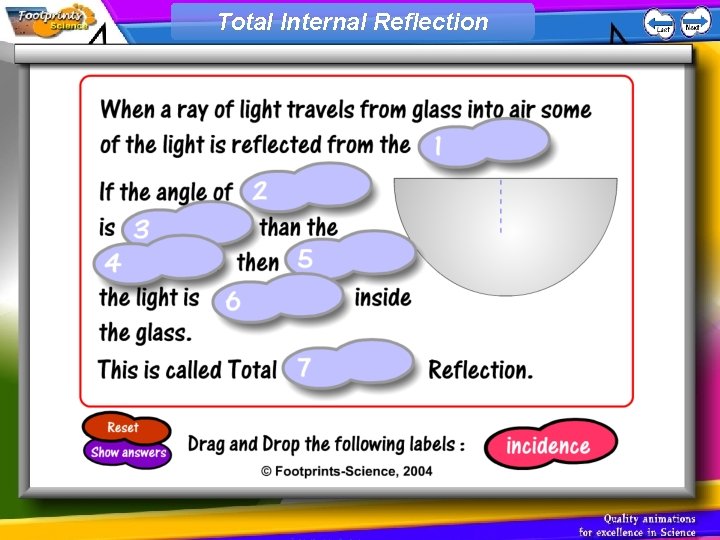
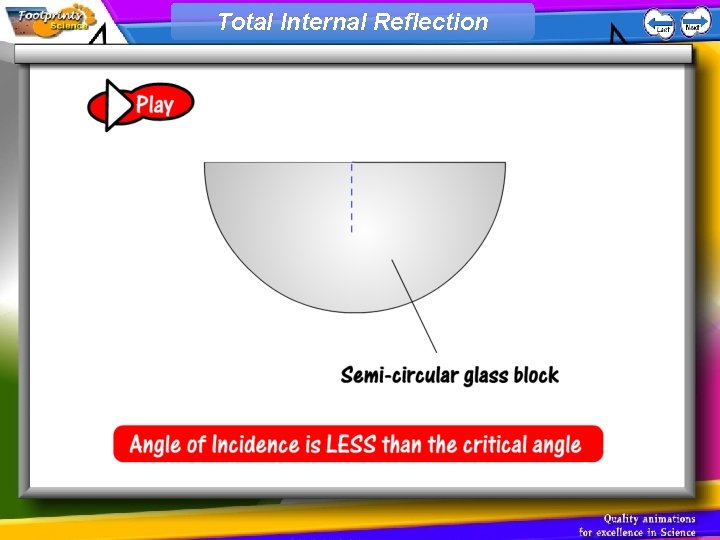
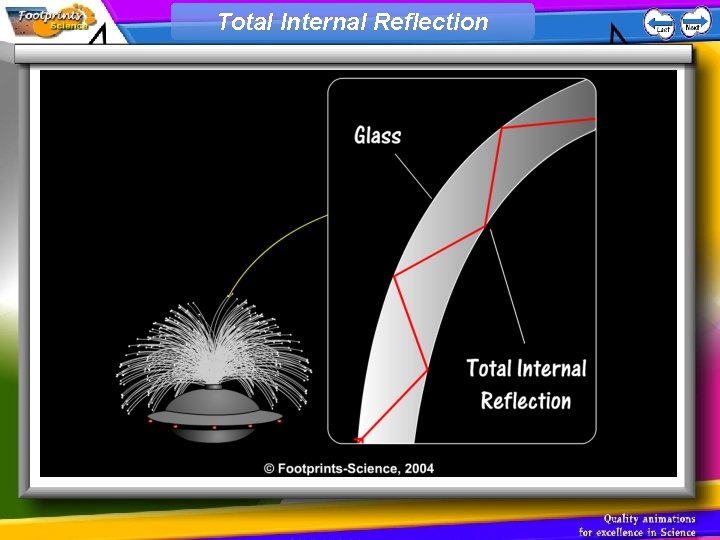
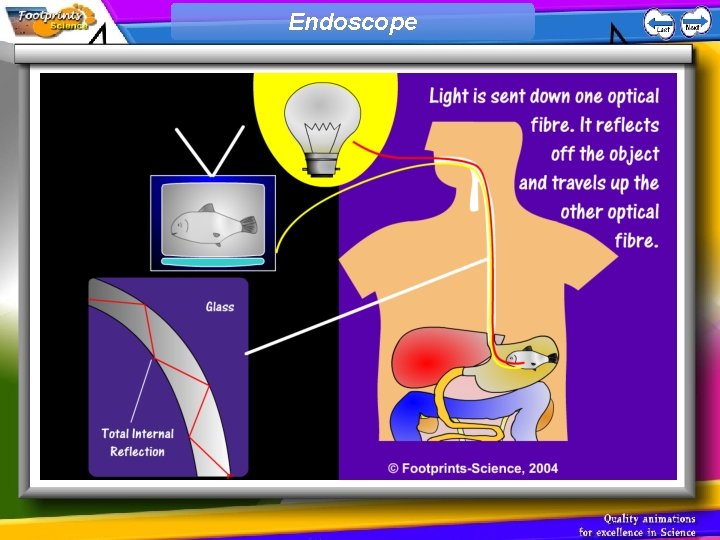
Total Internal Reflection 1. When a ray of light travels from glass into air some of the light is reflected from the boundary 2. If the angle of incidence is greater than the critical angle then all the light is reflected inside the glass. This is called Total Internal Reflection. 3. Optical fibres use total internal reflection
Total Internal Reflection
Total Internal Reflection
Total Internal Reflection
Endoscope
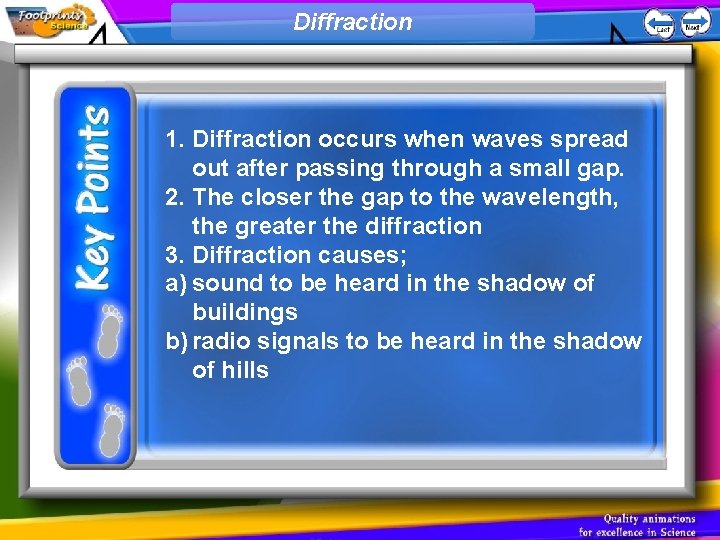
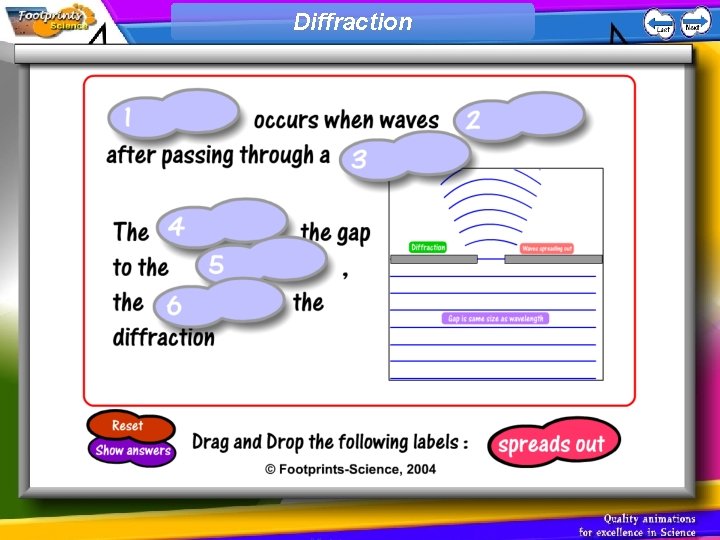
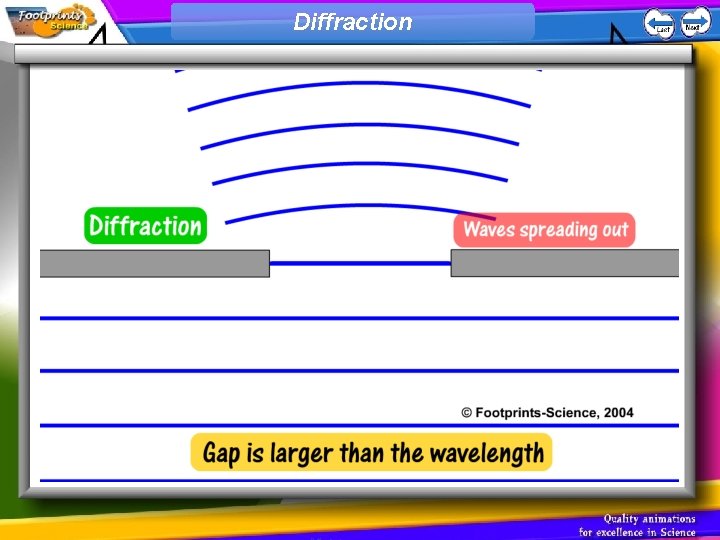
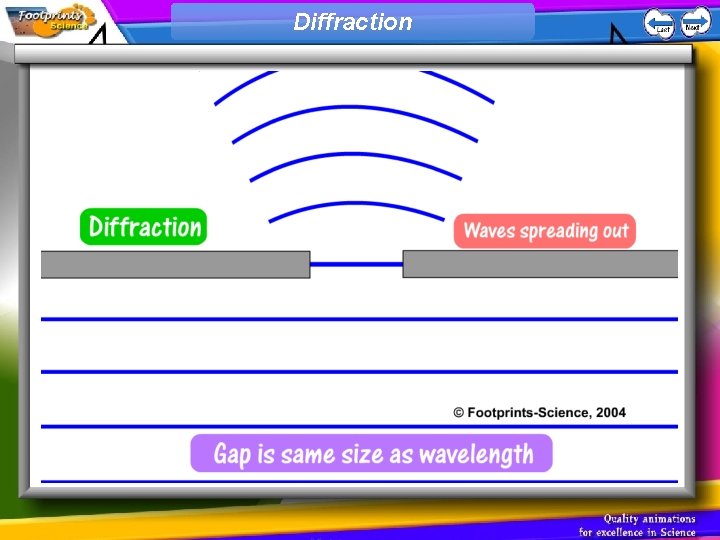
Diffraction 1. Diffraction occurs when waves spread out after passing through a small gap. 2. The closer the gap to the wavelength, the greater the diffraction 3. Diffraction causes; a) sound to be heard in the shadow of buildings b) radio signals to be heard in the shadow of hills
Diffraction
Diffraction
Diffraction
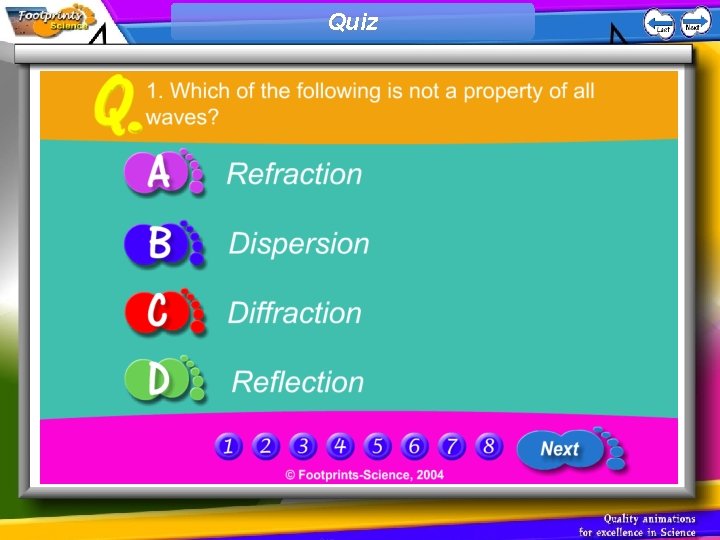
Quiz
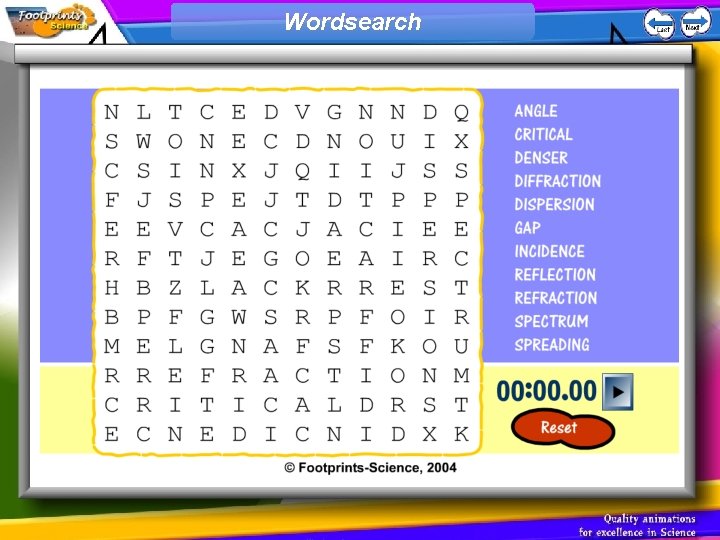
Wordsearch