
Properties of Metals Metals are good conductors of


- Slides: 34
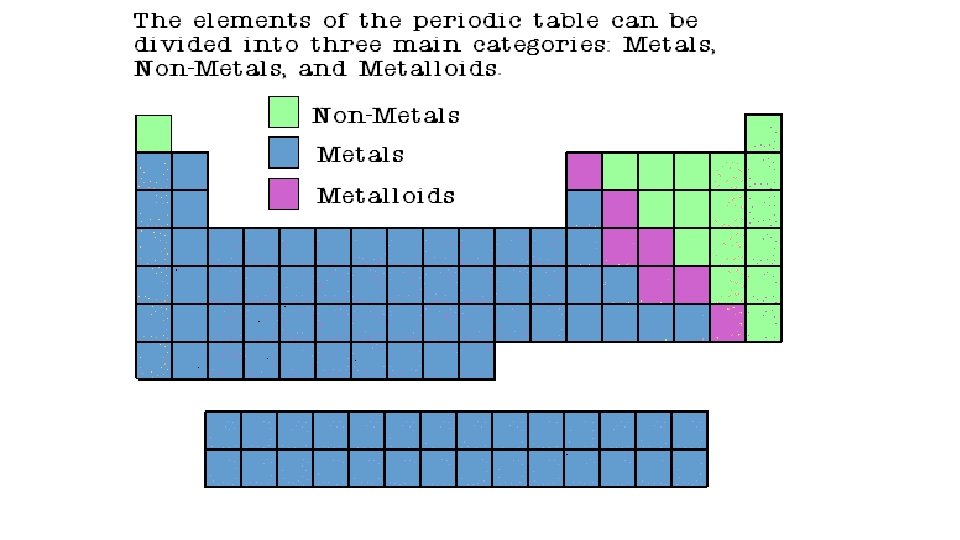
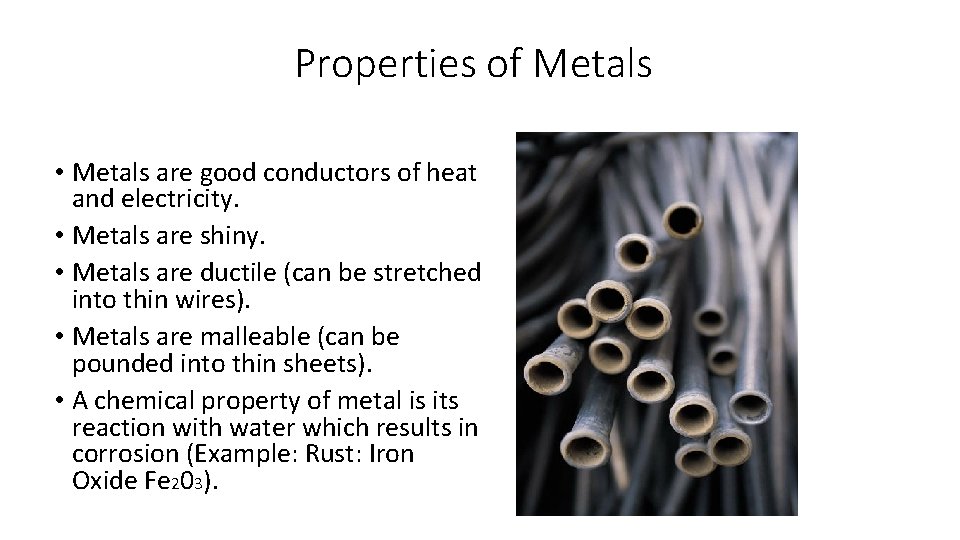
Properties of Metals • Metals are good conductors of heat and electricity. • Metals are shiny. • Metals are ductile (can be stretched into thin wires). • Metals are malleable (can be pounded into thin sheets). • A chemical property of metal is its reaction with water which results in corrosion (Example: Rust: Iron Oxide Fe 203).
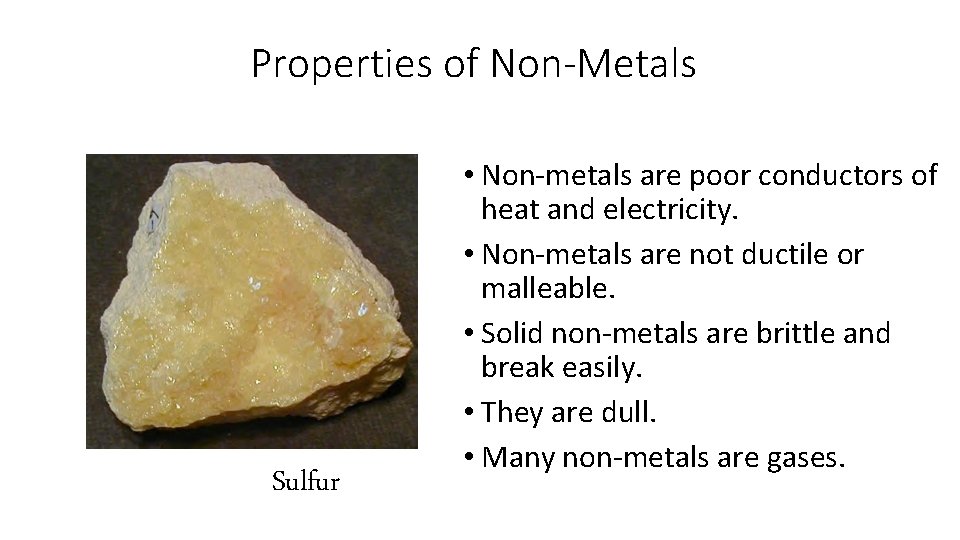
Properties of Non-Metals Sulfur • Non-metals are poor conductors of heat and electricity. • Non-metals are not ductile or malleable. • Solid non-metals are brittle and break easily. • They are dull. • Many non-metals are gases.
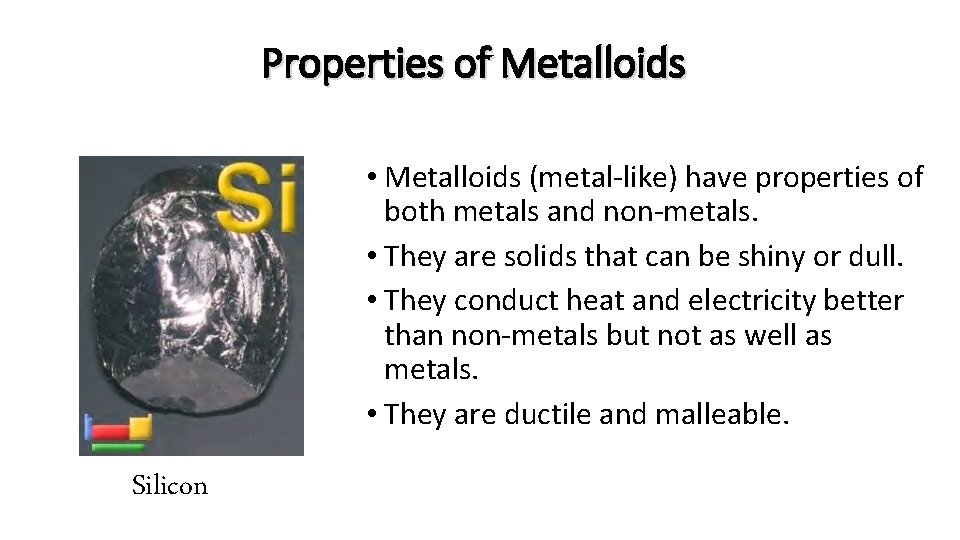
Properties of Metalloids • Metalloids (metal-like) have properties of both metals and non-metals. • They are solids that can be shiny or dull. • They conduct heat and electricity better than non-metals but not as well as metals. • They are ductile and malleable. Silicon
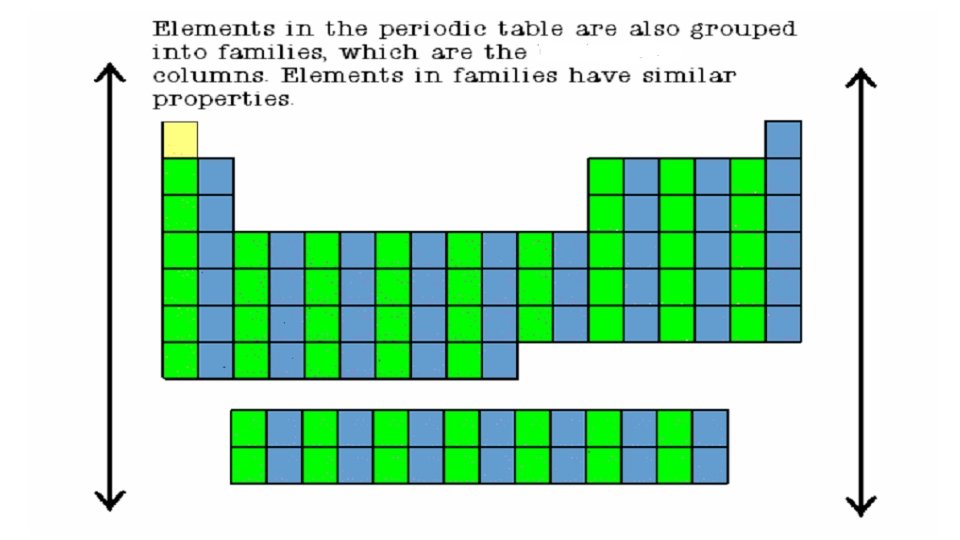
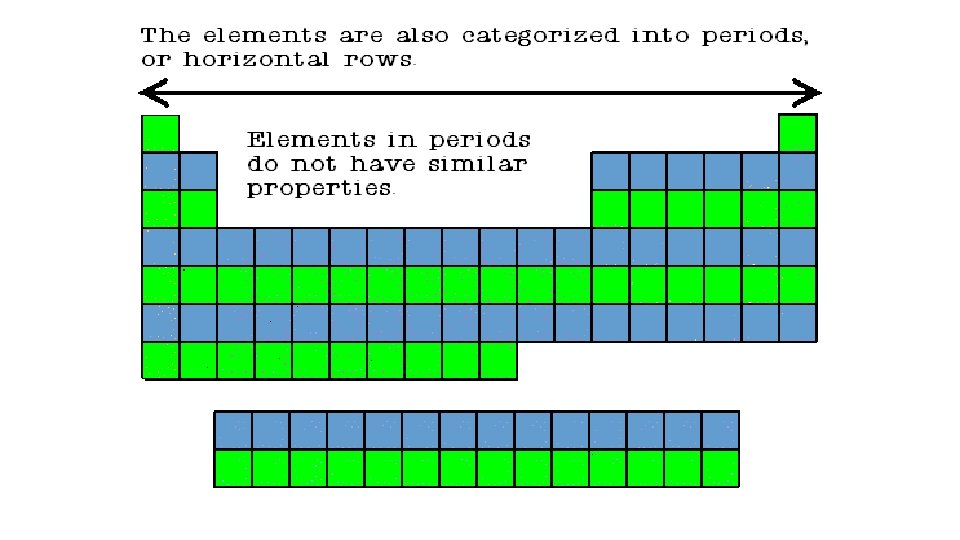
Groups or Families • Columns of elements are called groups or families. • Elements in each family have similar but not identical properties. • All elements in a family have the same number of valence electrons • For example, lithium (Li), sodium (Na), potassium (K), and other members of family IA are all soft, white, shiny metals. Periods • Each horizontal row of elements is called a period. • The elements in a period are not alike in properties. • In fact, the properties change greatly across any given row. • The first element in a period is always an extremely active solid. The last element in a period, is always an inactive gas.
What does it mean to be reactive? • We will be describing elements according to their reactivity. • Elements that are reactive bond easily with other elements to make compounds. • Some elements are only found in nature bonded with other elements. • What makes an element reactive? • An incomplete valence electron level. • All atoms (except hydrogen) want to have 8 electrons in their very outermost energy level (This is called the rule of octet. ) • Atoms bond until this level is complete. Atoms with few valence electrons lose them during bonding. Atoms with 6, 7, or 8 valence electrons gain electrons during bonding.
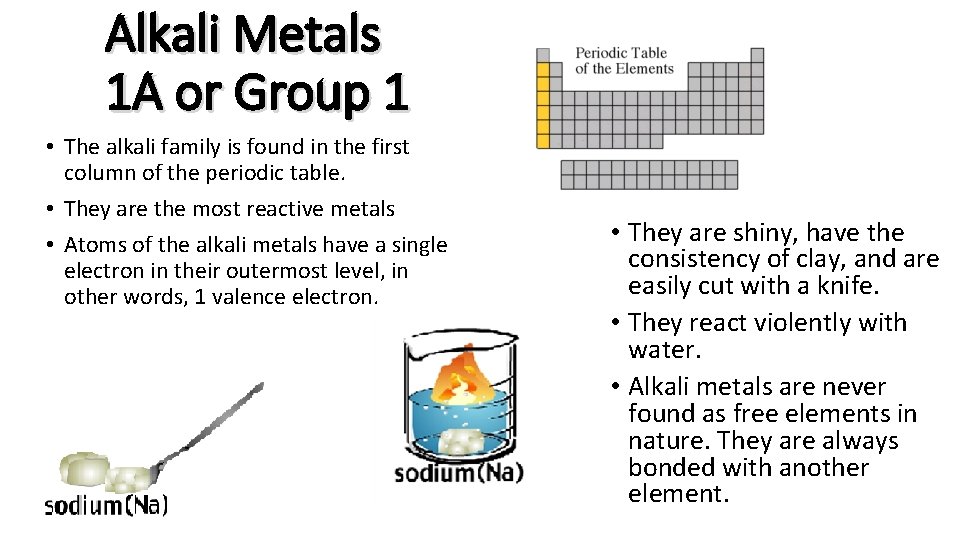
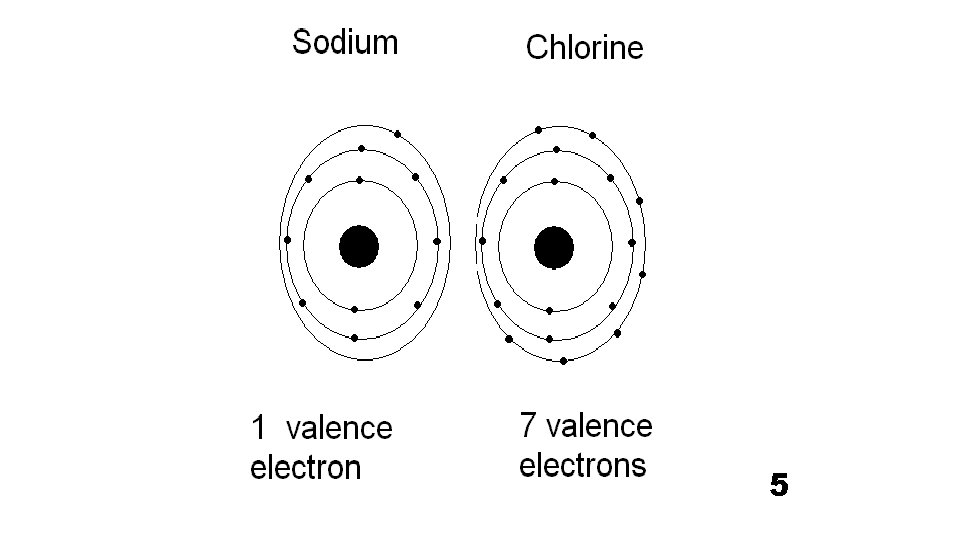
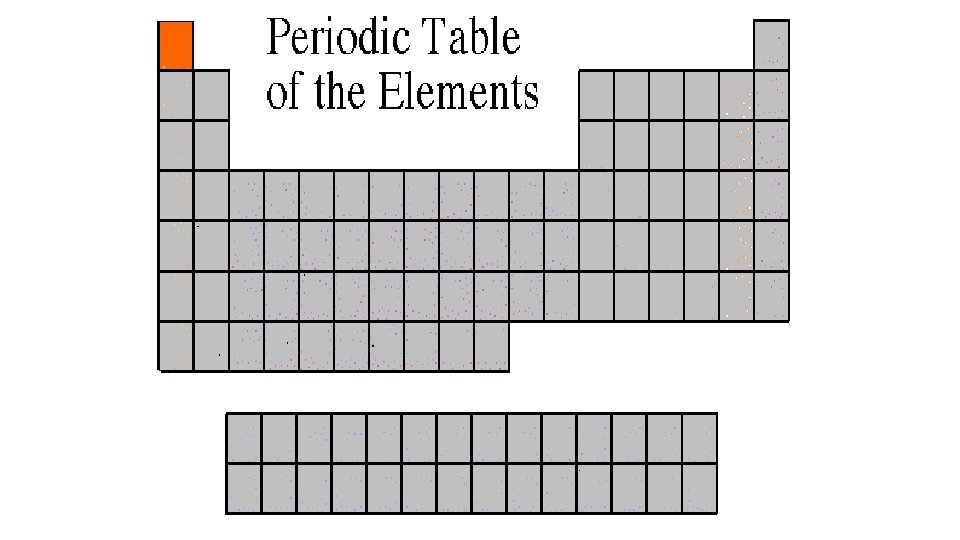
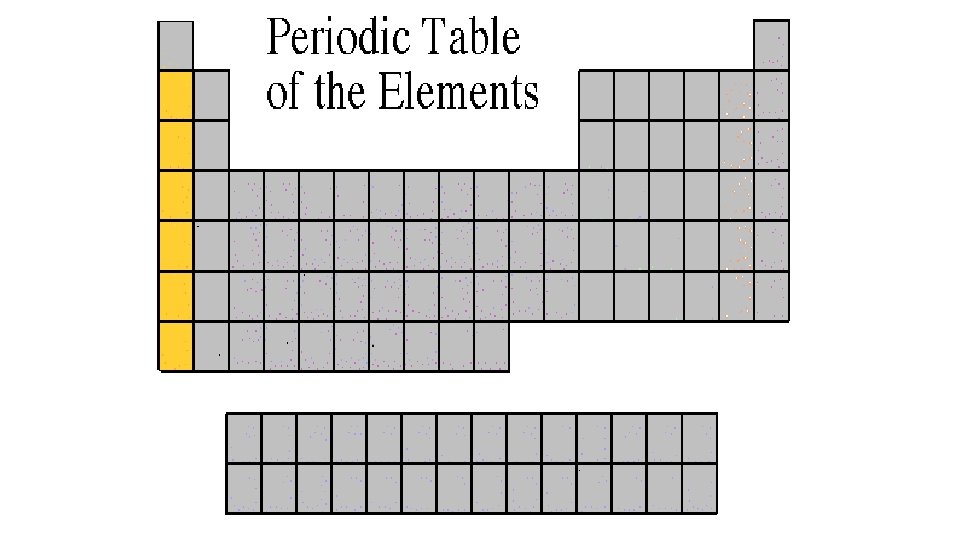
Alkali Metals 1 A or Group 1 • The alkali family is found in the first column of the periodic table. • They are the most reactive metals • Atoms of the alkali metals have a single electron in their outermost level, in other words, 1 valence electron. • They are shiny, have the consistency of clay, and are easily cut with a knife. • They react violently with water. • Alkali metals are never found as free elements in nature. They are always bonded with another element.
5
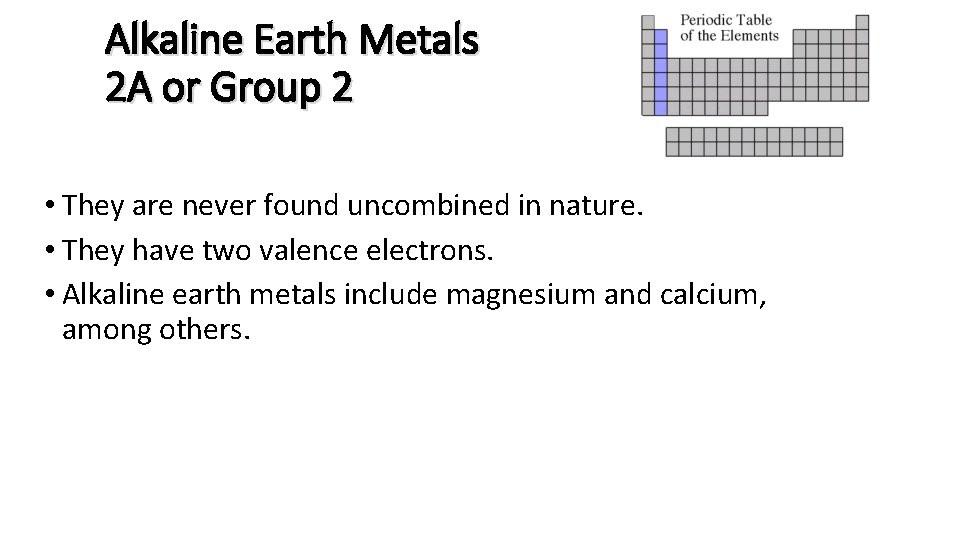
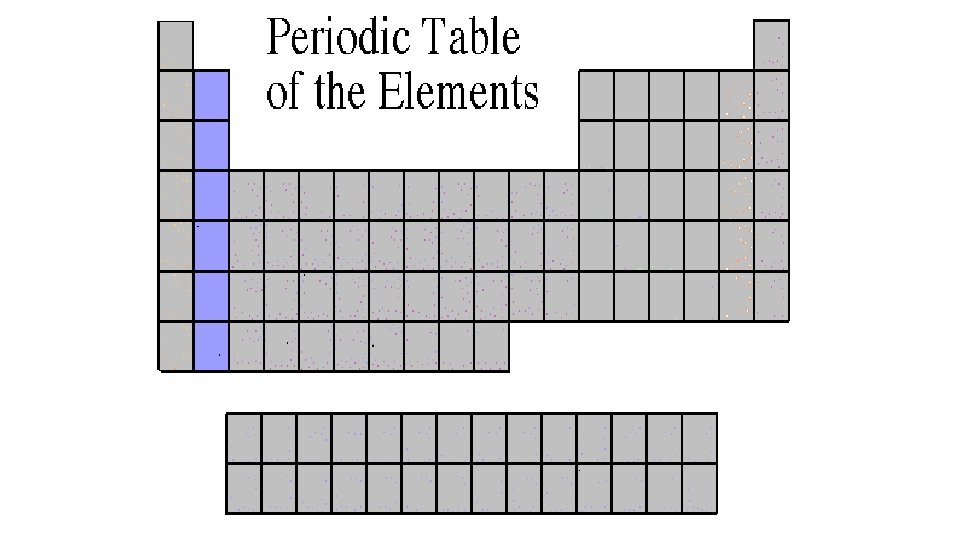
Alkaline Earth Metals 2 A or Group 2 • They are never found uncombined in nature. • They have two valence electrons. • Alkaline earth metals include magnesium and calcium, among others.
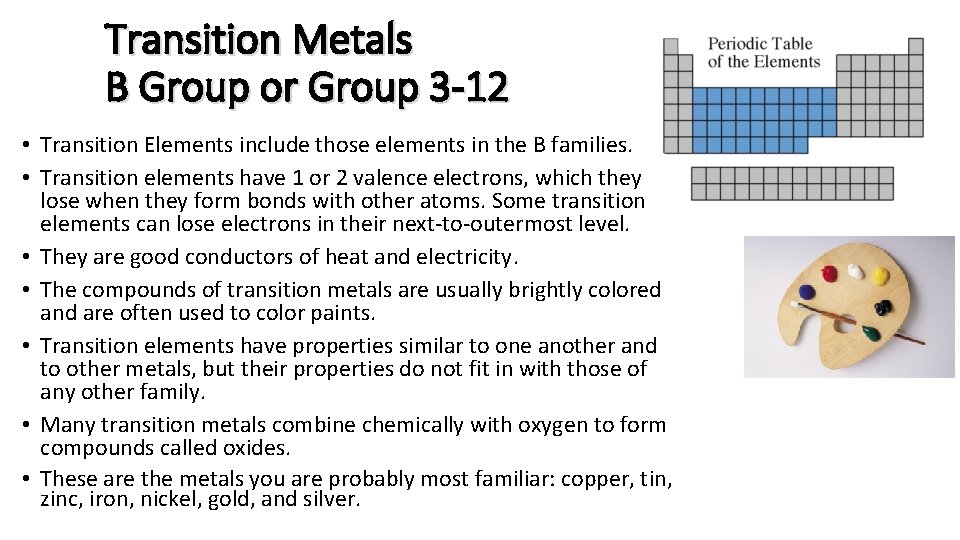
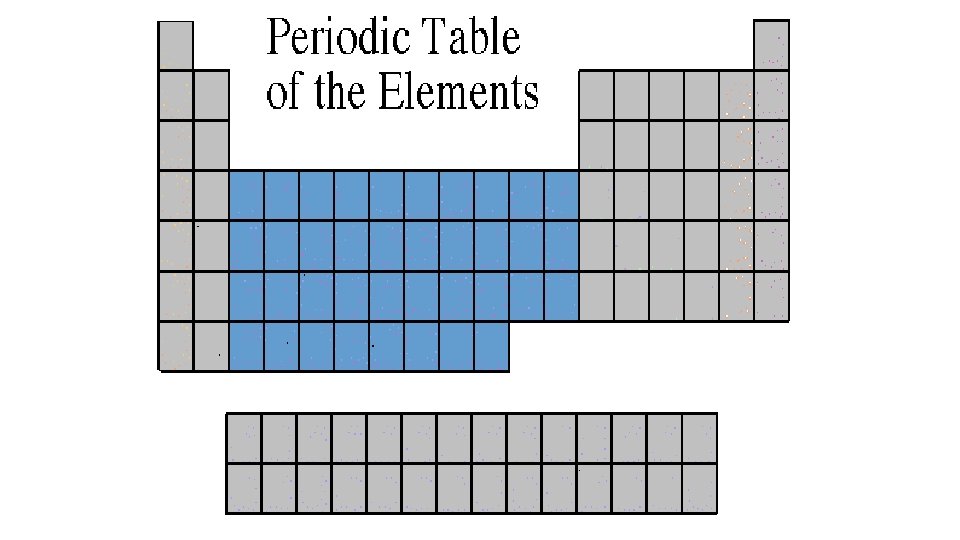
Transition Metals B Group or Group 3 -12 • Transition Elements include those elements in the B families. • Transition elements have 1 or 2 valence electrons, which they lose when they form bonds with other atoms. Some transition elements can lose electrons in their next-to-outermost level. • They are good conductors of heat and electricity. • The compounds of transition metals are usually brightly colored and are often used to color paints. • Transition elements have properties similar to one another and to other metals, but their properties do not fit in with those of any other family. • Many transition metals combine chemically with oxygen to form compounds called oxides. • These are the metals you are probably most familiar: copper, tin, zinc, iron, nickel, gold, and silver.
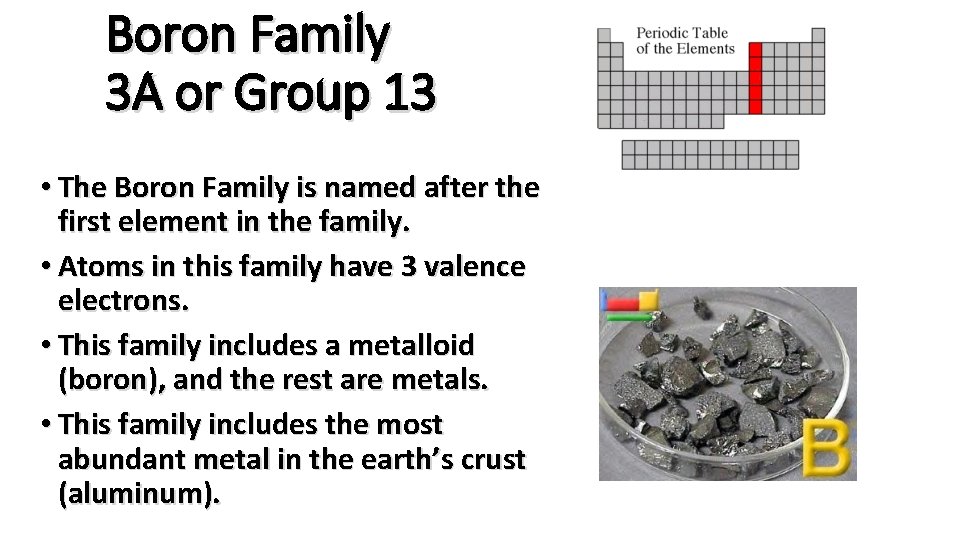
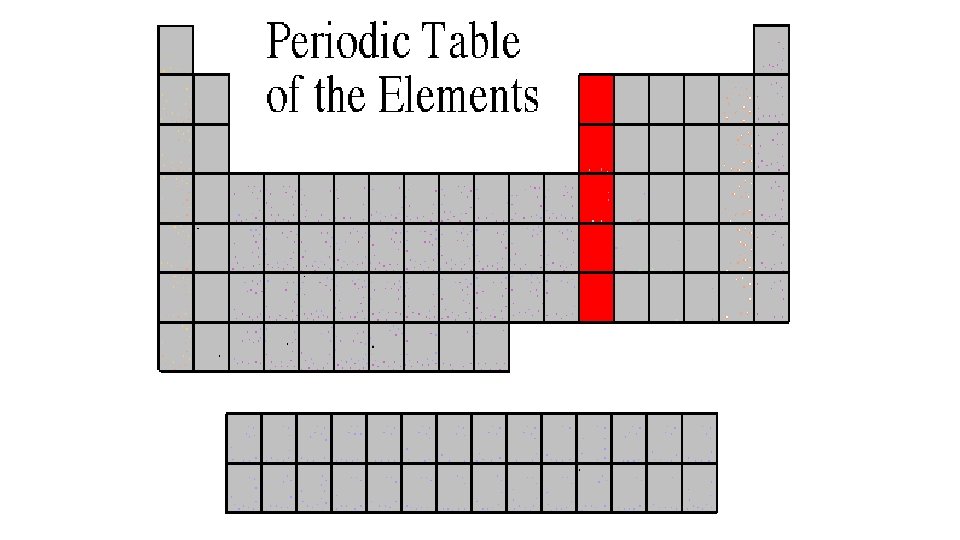
Boron Family 3 A or Group 13 • The Boron Family is named after the first element in the family. • Atoms in this family have 3 valence electrons. • This family includes a metalloid (boron), and the rest are metals. • This family includes the most abundant metal in the earth’s crust (aluminum).
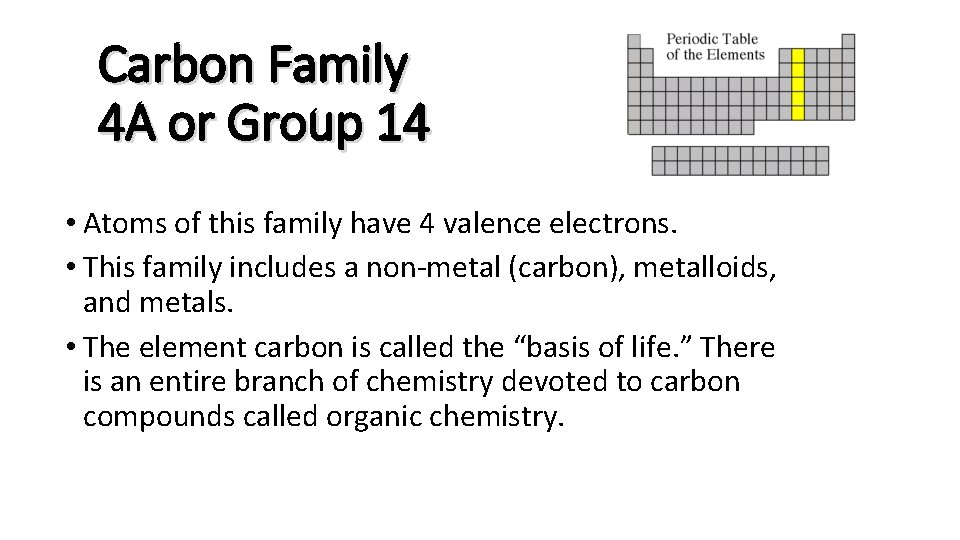
Carbon Family 4 A or Group 14 • Atoms of this family have 4 valence electrons. • This family includes a non-metal (carbon), metalloids, and metals. • The element carbon is called the “basis of life. ” There is an entire branch of chemistry devoted to carbon compounds called organic chemistry.
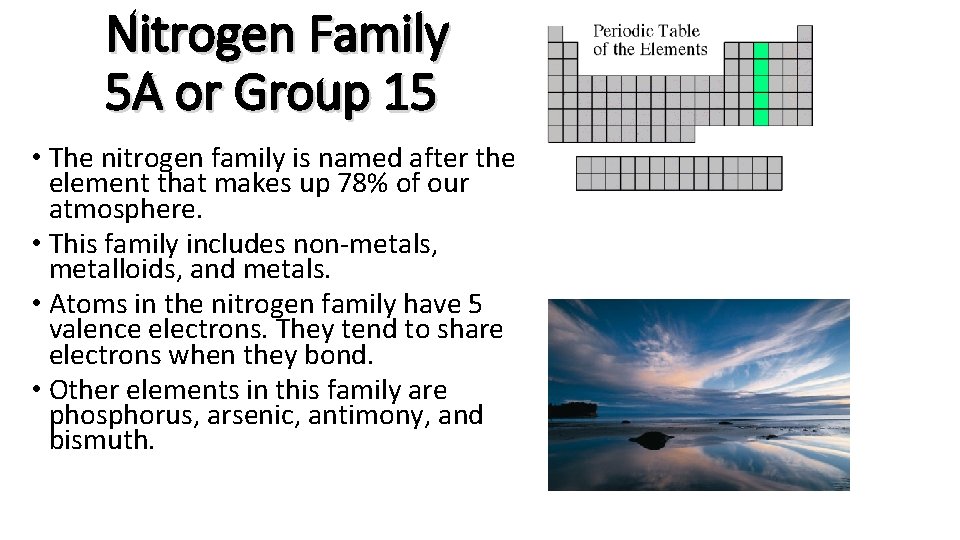
Nitrogen Family 5 A or Group 15 • The nitrogen family is named after the element that makes up 78% of our atmosphere. • This family includes non-metals, metalloids, and metals. • Atoms in the nitrogen family have 5 valence electrons. They tend to share electrons when they bond. • Other elements in this family are phosphorus, arsenic, antimony, and bismuth.
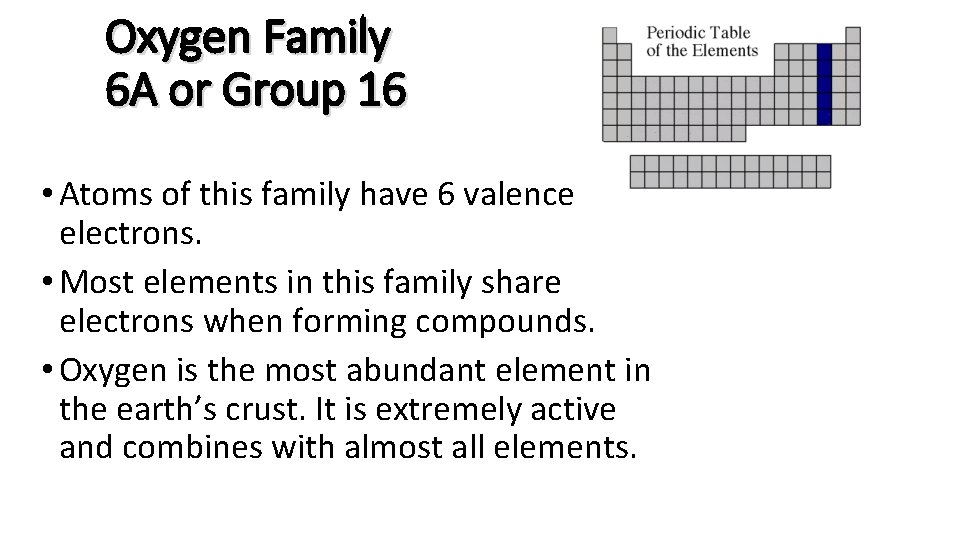
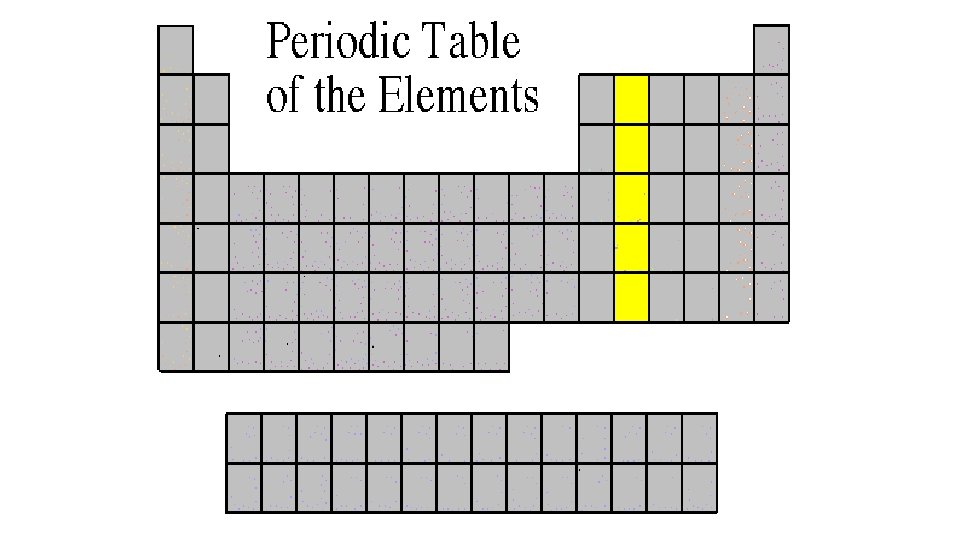
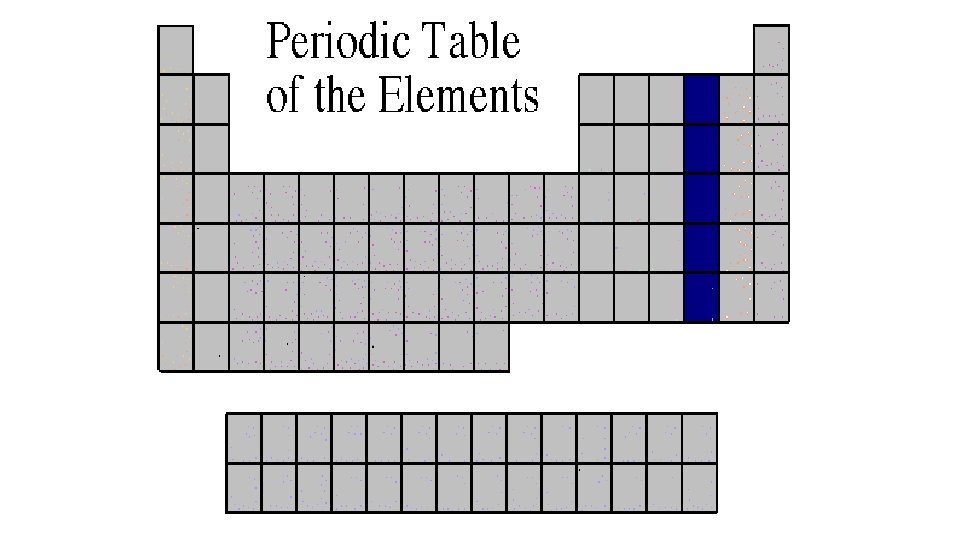
Oxygen Family 6 A or Group 16 • Atoms of this family have 6 valence electrons. • Most elements in this family share electrons when forming compounds. • Oxygen is the most abundant element in the earth’s crust. It is extremely active and combines with almost all elements.
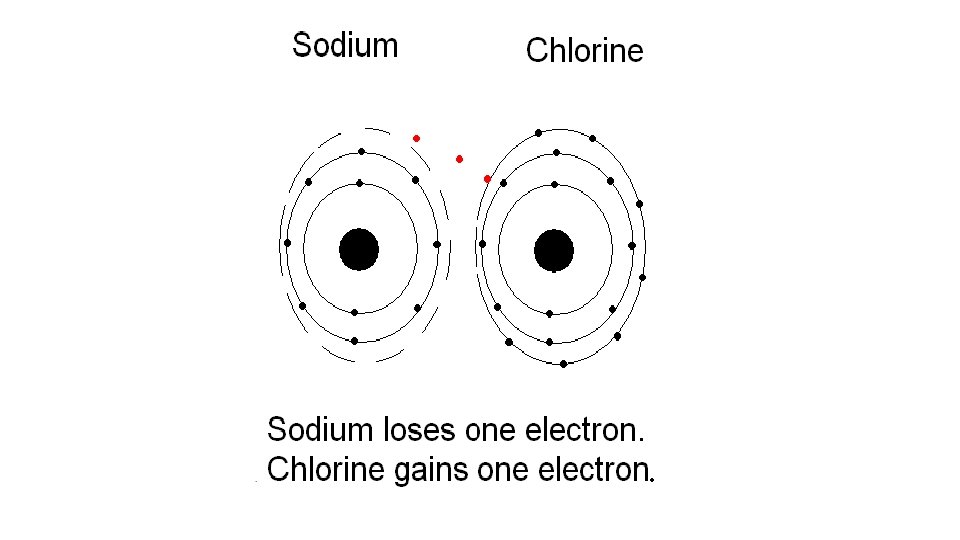
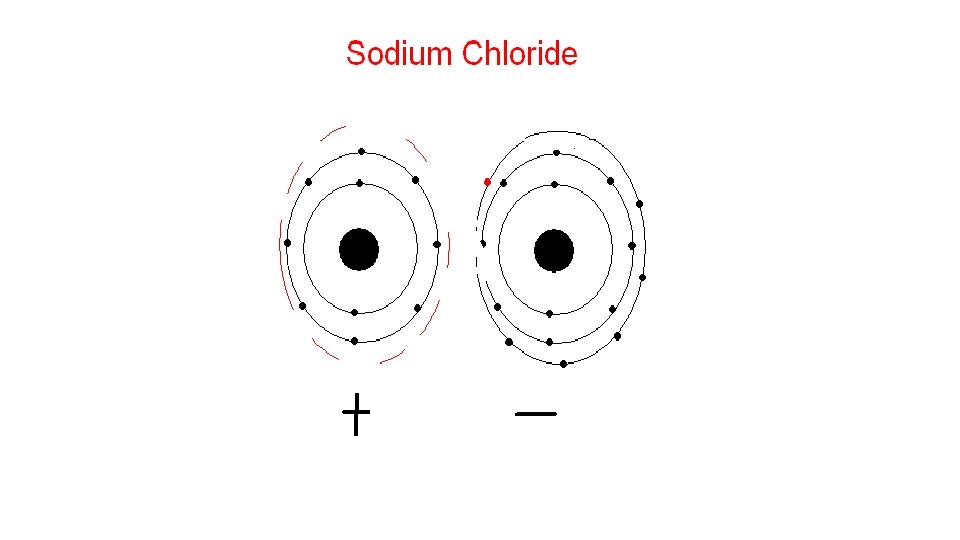
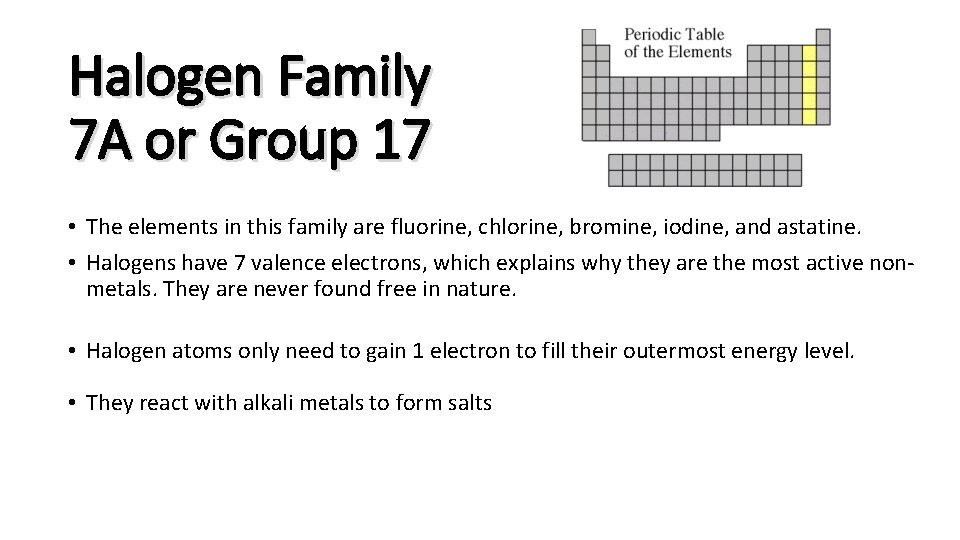
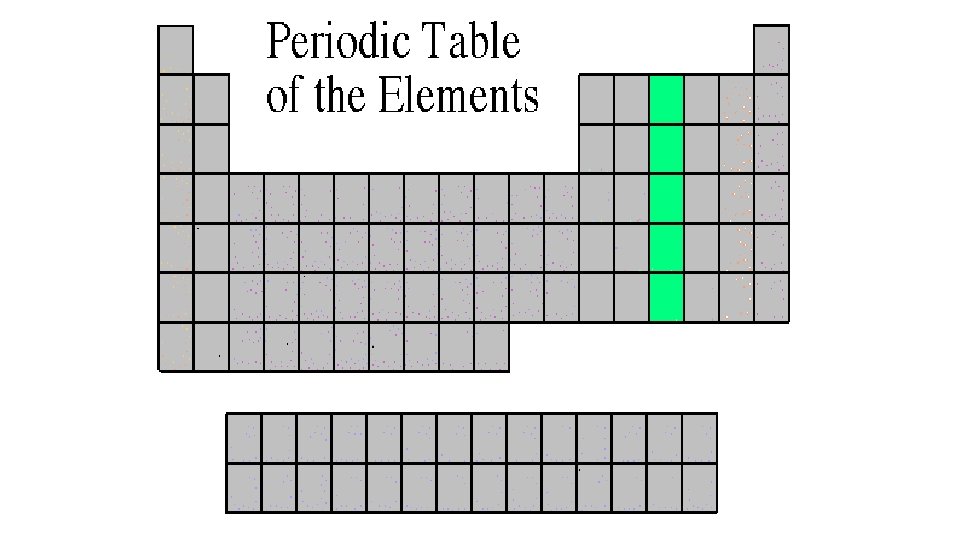
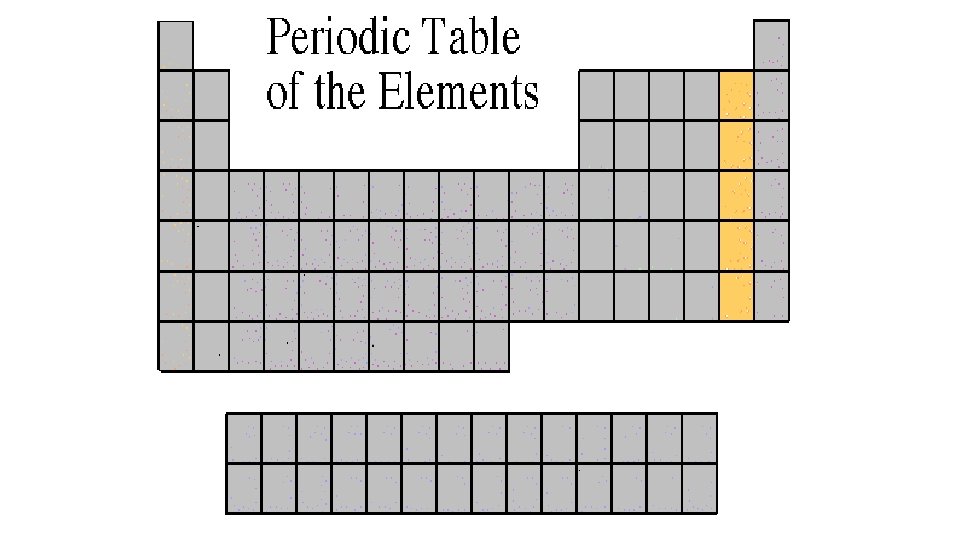
Halogen Family 7 A or Group 17 • The elements in this family are fluorine, chlorine, bromine, iodine, and astatine. • Halogens have 7 valence electrons, which explains why they are the most active nonmetals. They are never found free in nature. • Halogen atoms only need to gain 1 electron to fill their outermost energy level. • They react with alkali metals to form salts
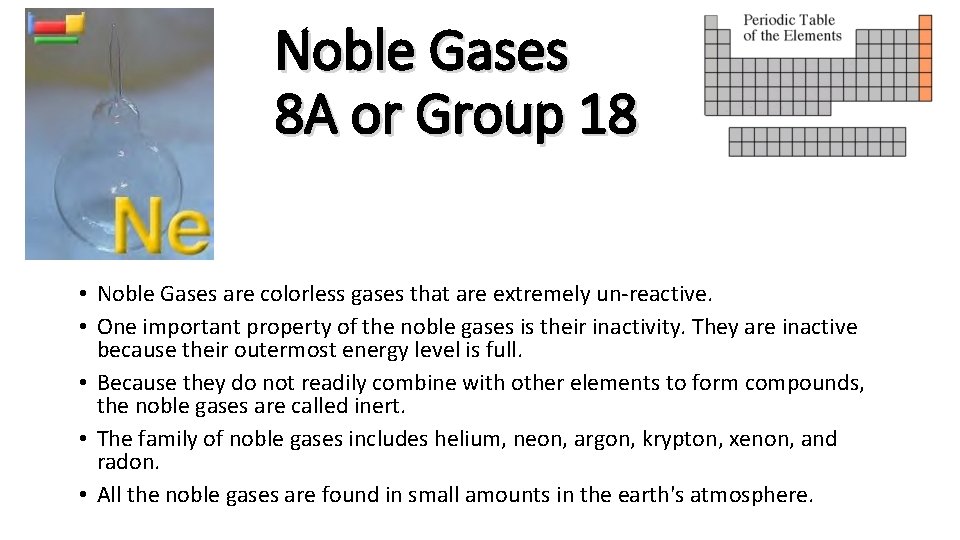
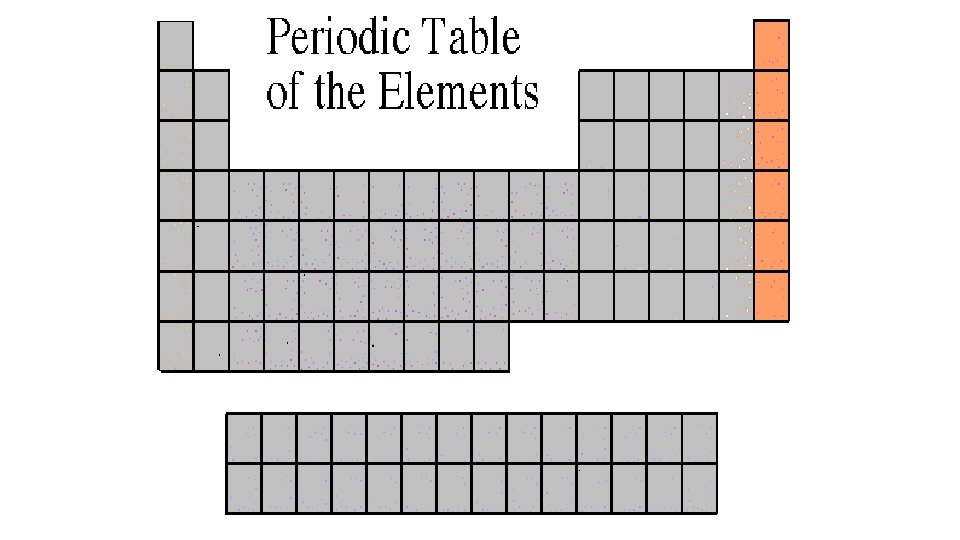
Noble Gases 8 A or Group 18 • Noble Gases are colorless gases that are extremely un-reactive. • One important property of the noble gases is their inactivity. They are inactive because their outermost energy level is full. • Because they do not readily combine with other elements to form compounds, the noble gases are called inert. • The family of noble gases includes helium, neon, argon, krypton, xenon, and radon. • All the noble gases are found in small amounts in the earth's atmosphere.
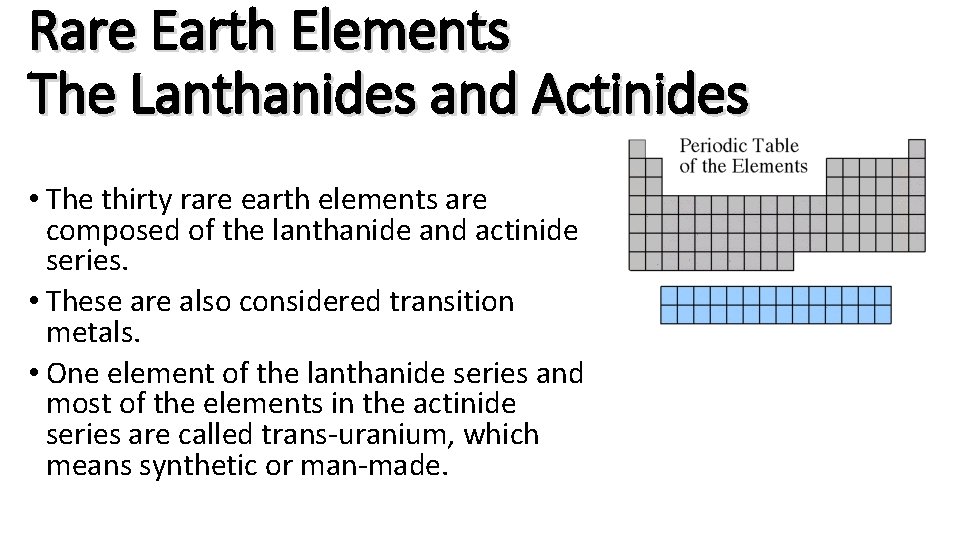
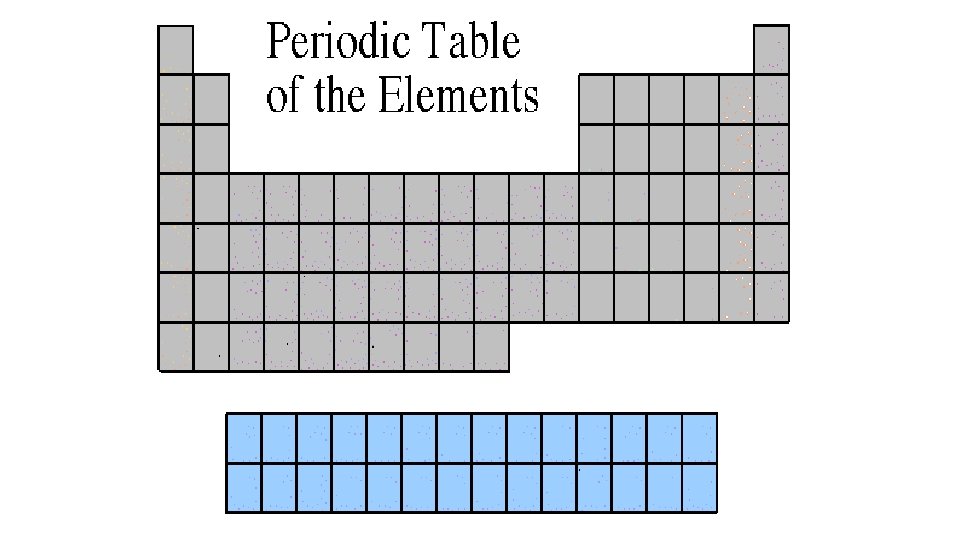
Rare Earth Elements The Lanthanides and Actinides • The thirty rare earth elements are composed of the lanthanide and actinide series. • These are also considered transition metals. • One element of the lanthanide series and most of the elements in the actinide series are called trans-uranium, which means synthetic or man-made.
Let’s Practice