
Properties of Chiral Molecules Optical Activity Optical Activity

- Slides: 20
Properties of Chiral Molecules: Optical Activity
Optical Activity
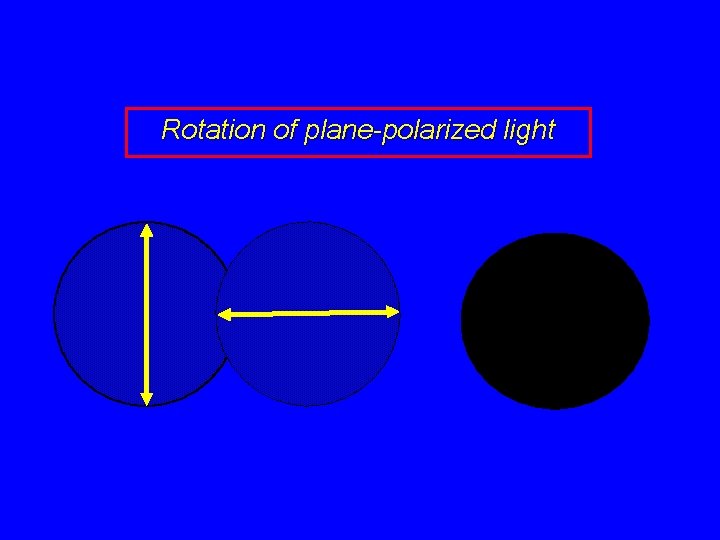
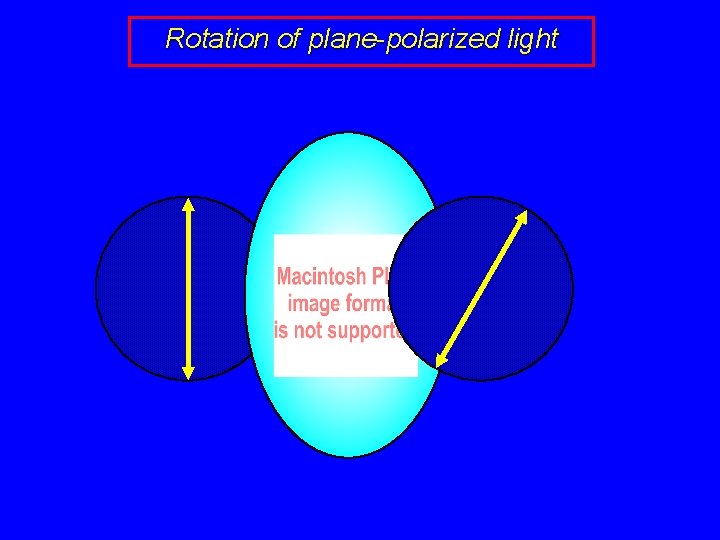
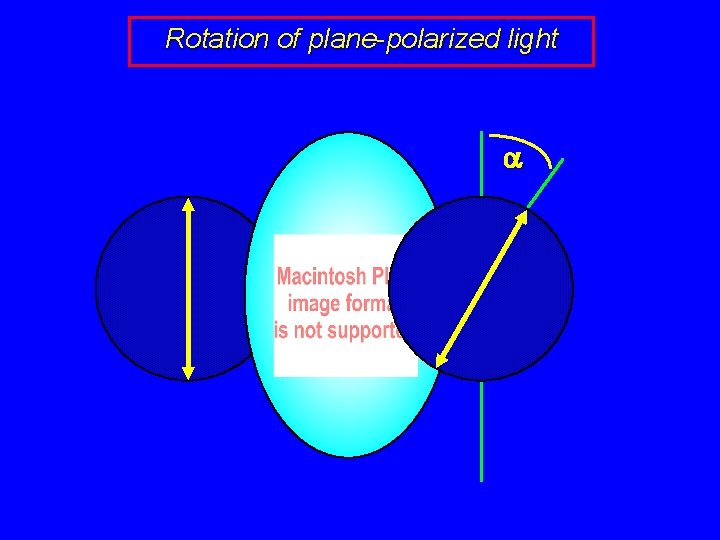
Optical Activity A substance is optically active if it rotates the plane of polarized light. In order for a substance to exhibit optical activity, it must be chiral and one enantiomer must be present in excess of the other.
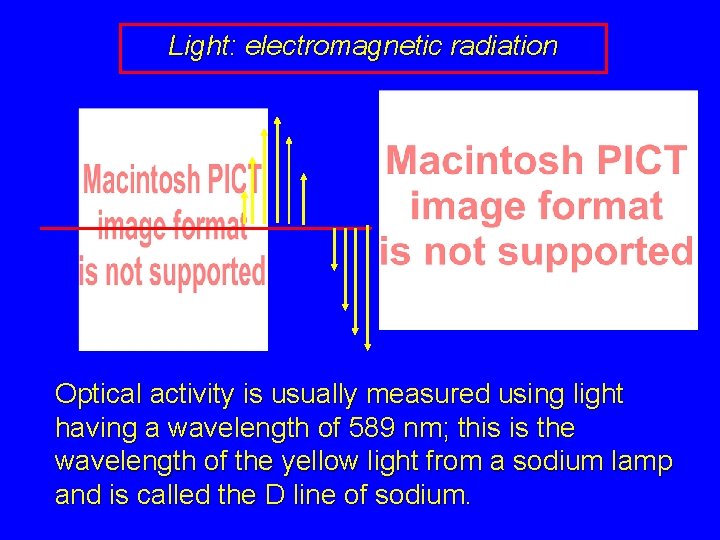
Light: electromagnetic radiation Optical activity is usually measured using light having a wavelength of 589 nm; this is the wavelength of the yellow light from a sodium lamp and is called the D line of sodium.
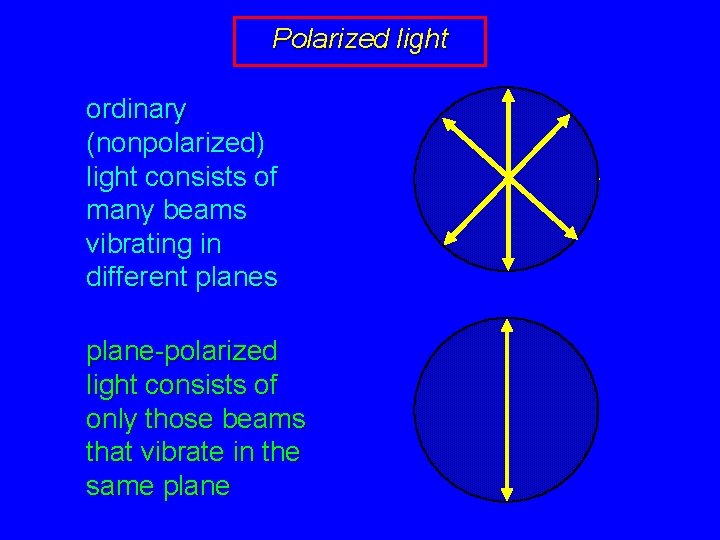
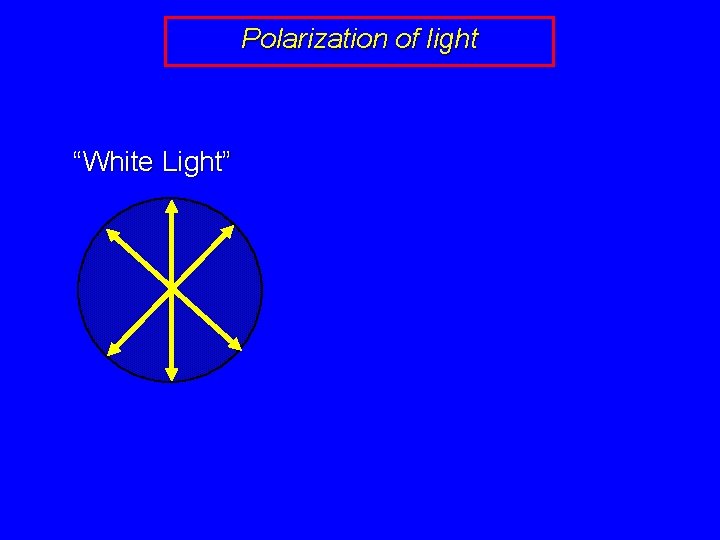
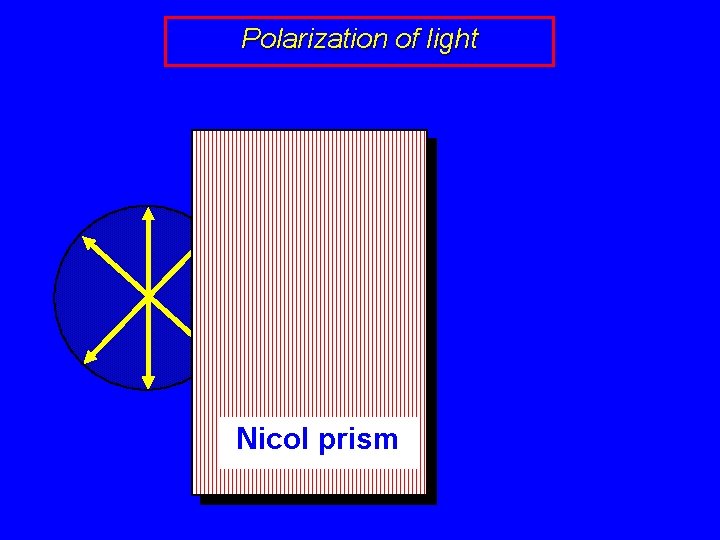
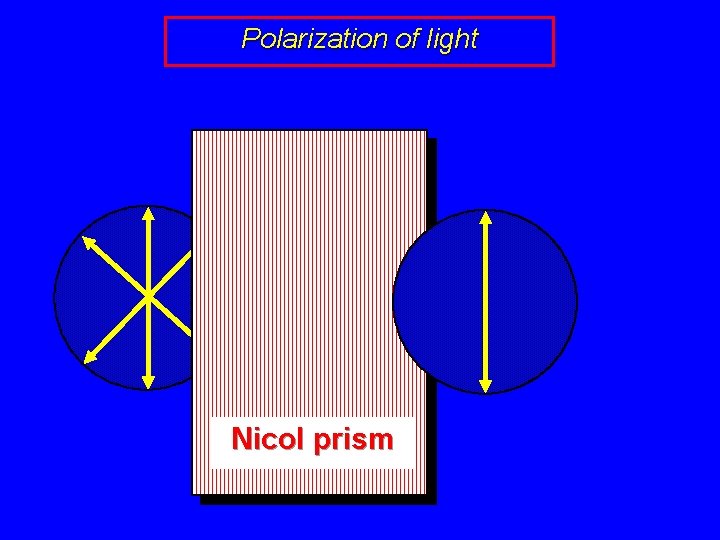
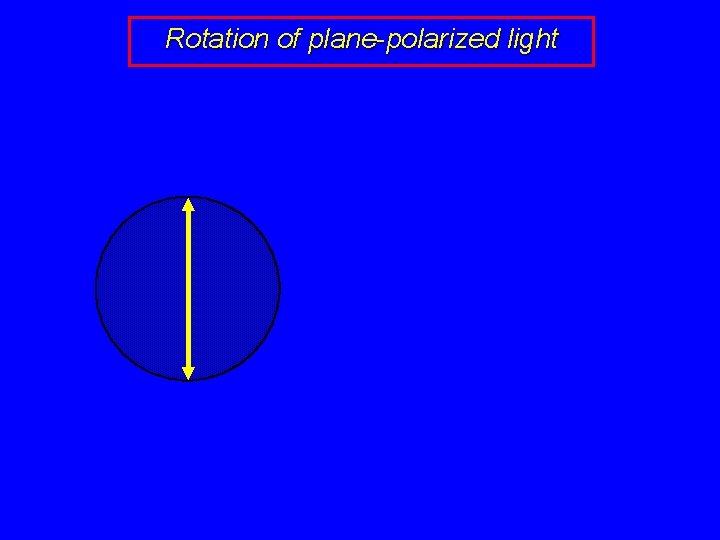
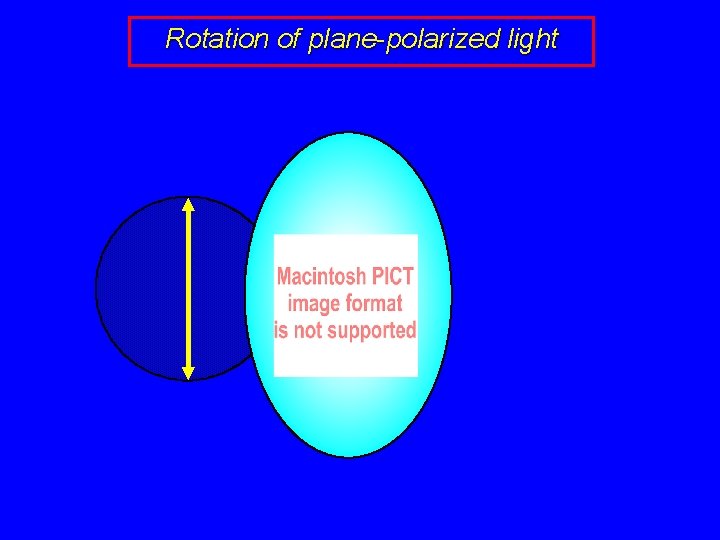
Polarized light ordinary (nonpolarized) light consists of many beams vibrating in different planes plane-polarized light consists of only those beams that vibrate in the same plane
Polarization of light “White Light”
Polarization of light Nicol prism
Polarization of light Nicol prism
Rotation of plane-polarized light
Rotation of plane-polarized light
Rotation of plane-polarized light
Rotation of plane-polarized light
Rotation of plane-polarized light a
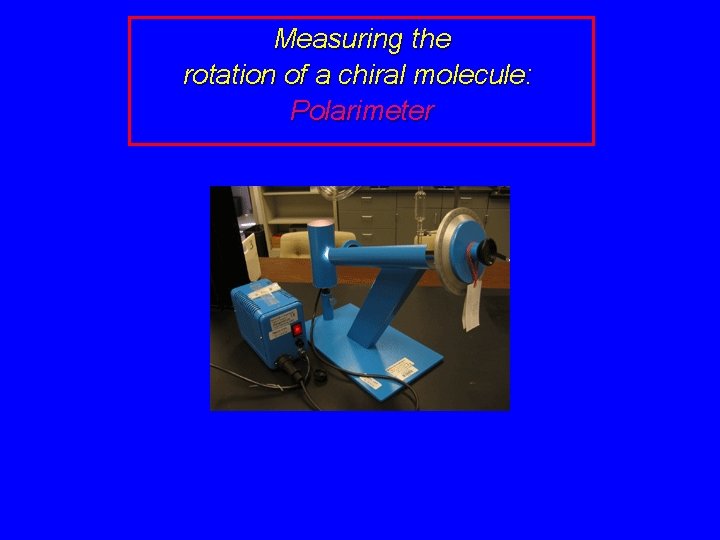
Measuring the rotation of a chiral molecule: Polarimeter
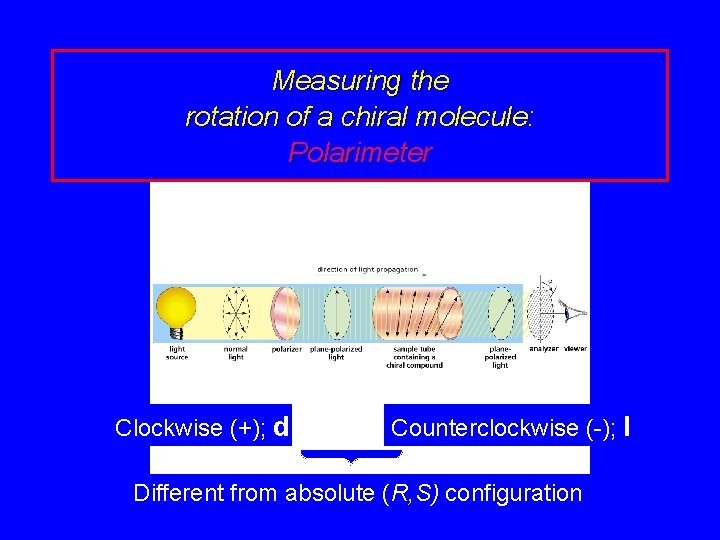
Measuring the rotation of a chiral molecule: Polarimeter Clockwise (+); d Counterclockwise (-); l Different from absolute (R, S) configuration
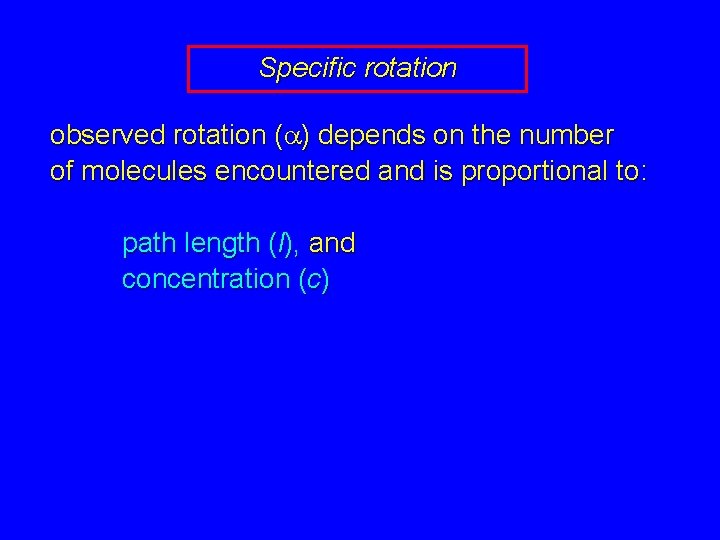
Specific rotation observed rotation (a) depends on the number of molecules encountered and is proportional to: path length (l), and concentration (c)
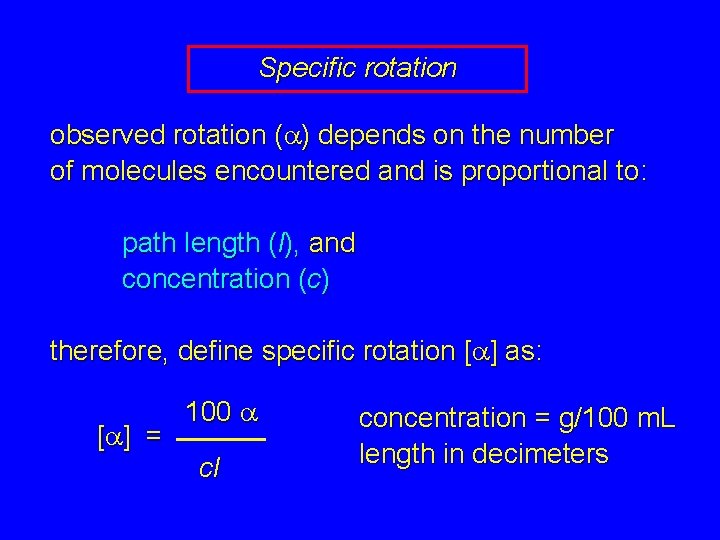
Specific rotation observed rotation (a) depends on the number of molecules encountered and is proportional to: path length (l), and concentration (c) therefore, define specific rotation [a] as: [a] = 100 a cl concentration = g/100 m. L length in decimeters
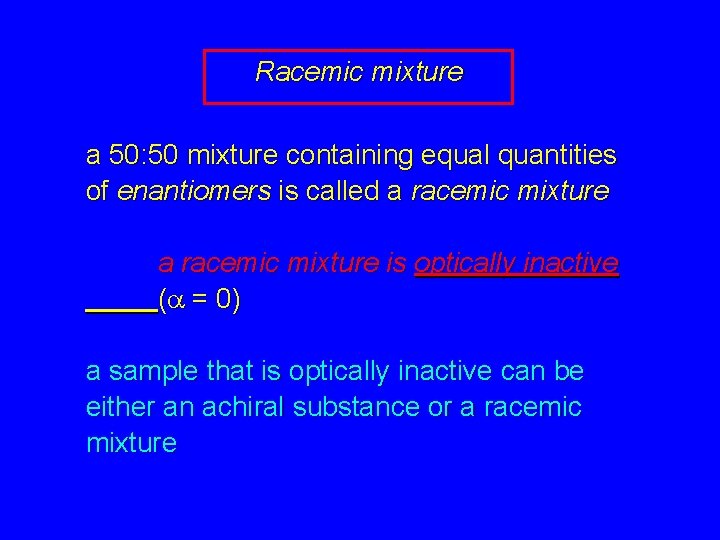
Racemic mixture a 50: 50 mixture containing equal quantities of enantiomers is called a racemic mixture is optically inactive (a = 0) a sample that is optically inactive can be either an achiral substance or a racemic mixture
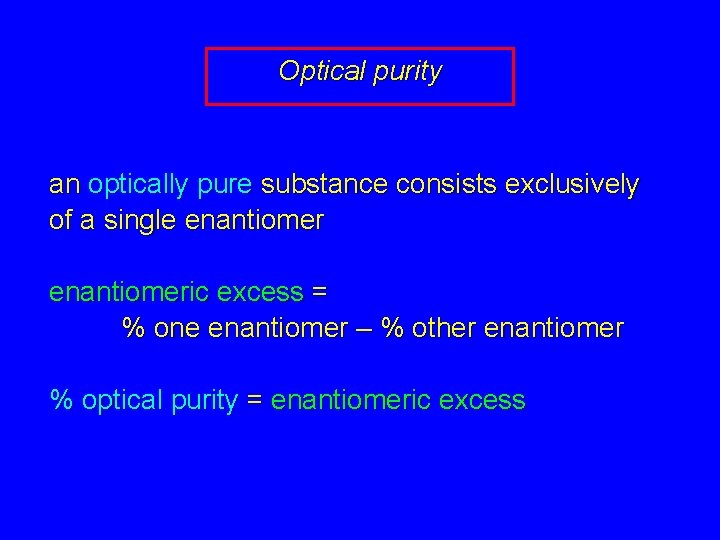
Optical purity an optically pure substance consists exclusively of a single enantiomeric excess = % one enantiomer – % other enantiomer % optical purity = enantiomeric excess
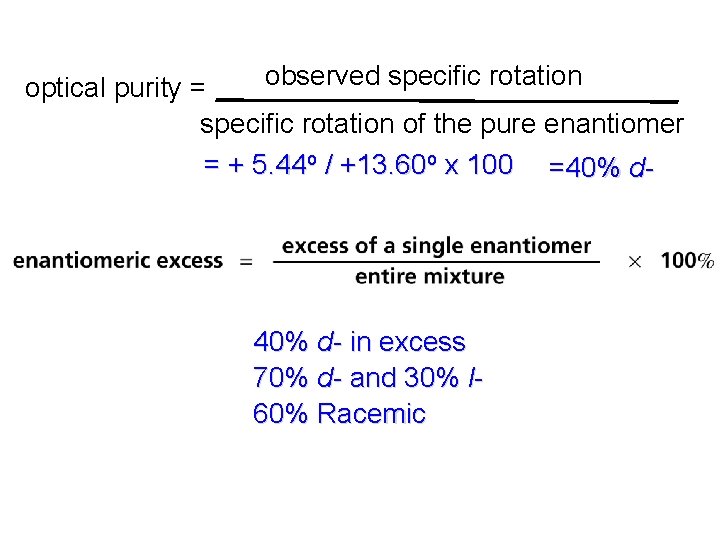
observed specific rotation optical purity = specific rotation of the pure enantiomer = + 5. 44 o / +13. 60 o x 100 =40% d- in excess 70% d- and 30% l 60% Racemic