
PROPELLER SYSTEM 1 st Look at how lift


- Slides: 48
PROPELLER SYSTEM 1 st - Look at how lift is generated Then see how it applies to propellers
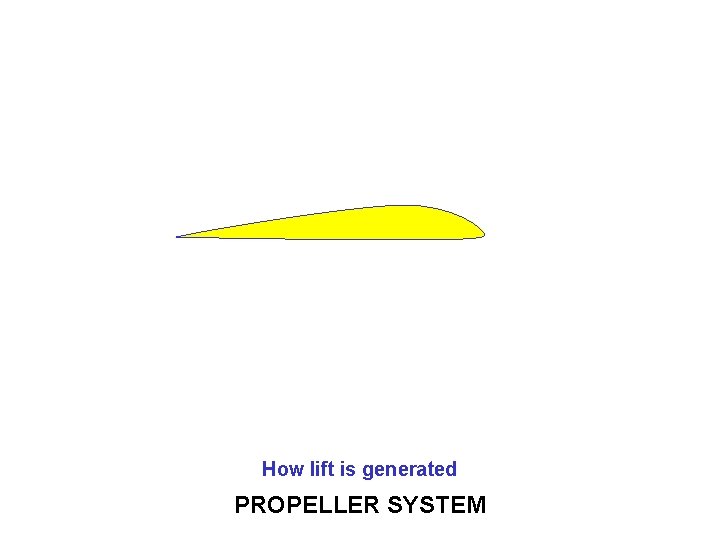
How lift is generated PROPELLER SYSTEM
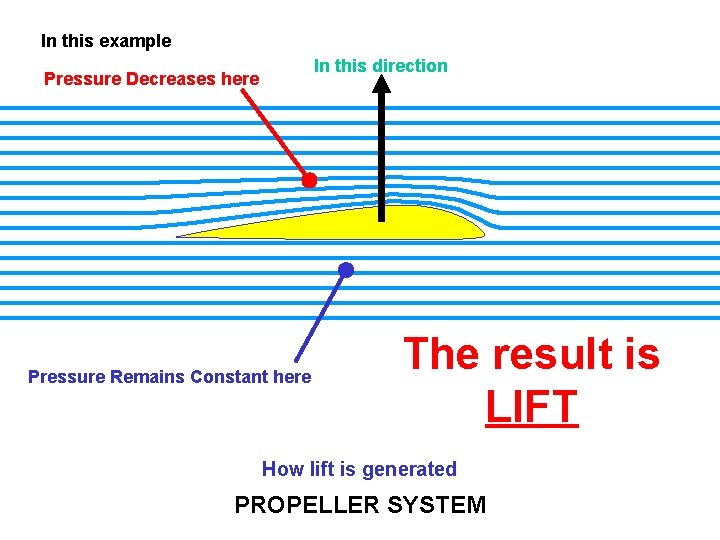
In this example In this direction Pressure Decreases here Pressure Remains Constant here The result is LIFT How lift is generated PROPELLER SYSTEM
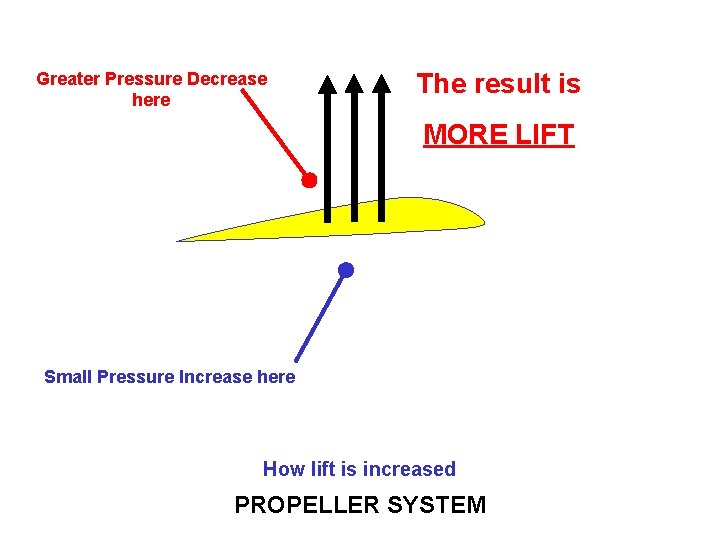
Greater Pressure Decrease here The result is MORE LIFT Small Pressure Increase here How lift is increased PROPELLER SYSTEM
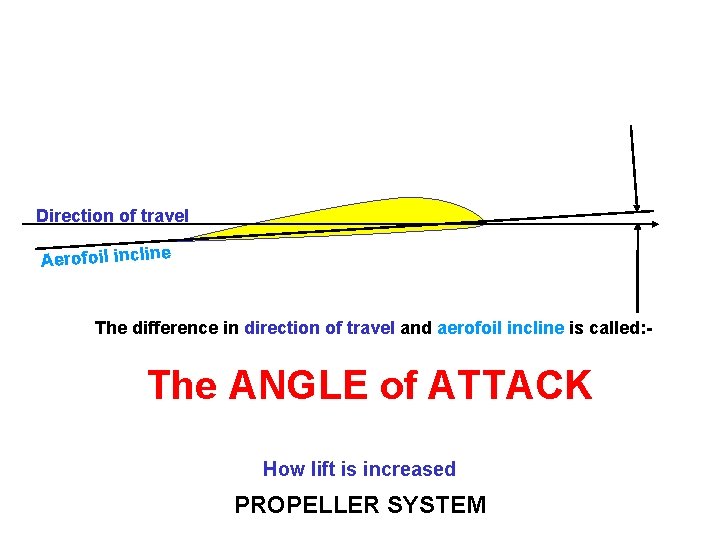
Direction of travel Aerofoil incline The difference in direction of travel and aerofoil incline is called: - The ANGLE of ATTACK How lift is increased PROPELLER SYSTEM
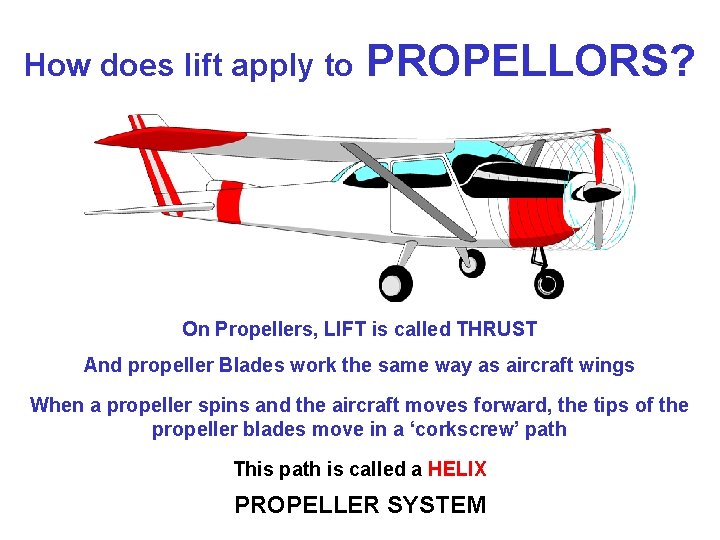
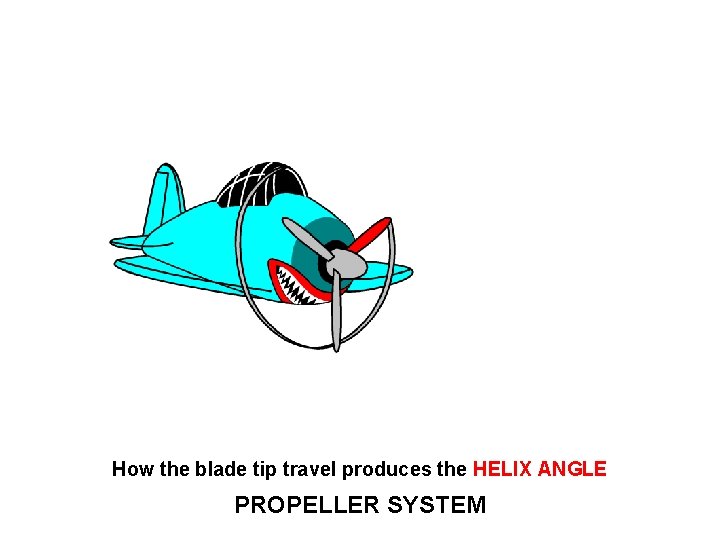
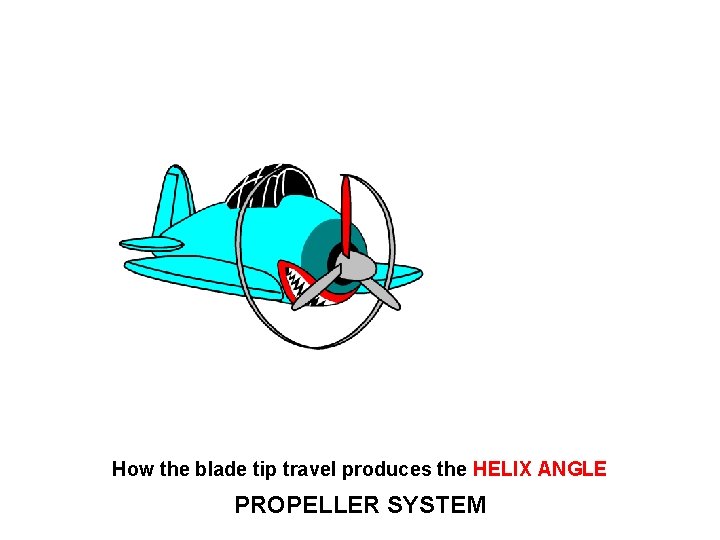
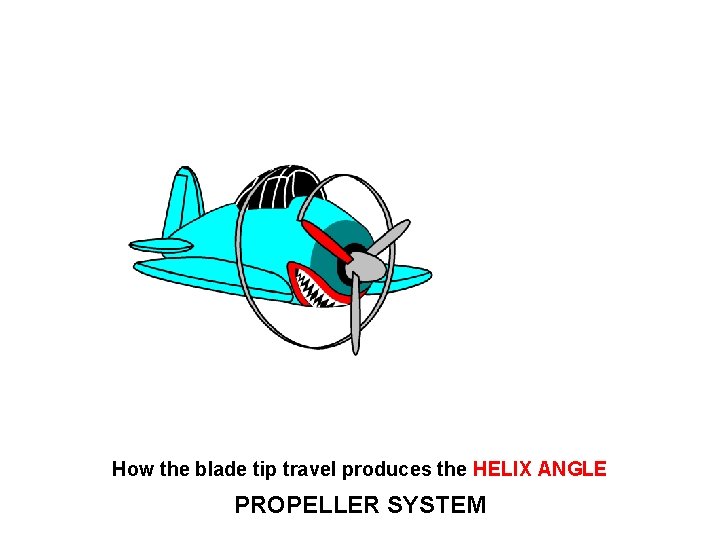
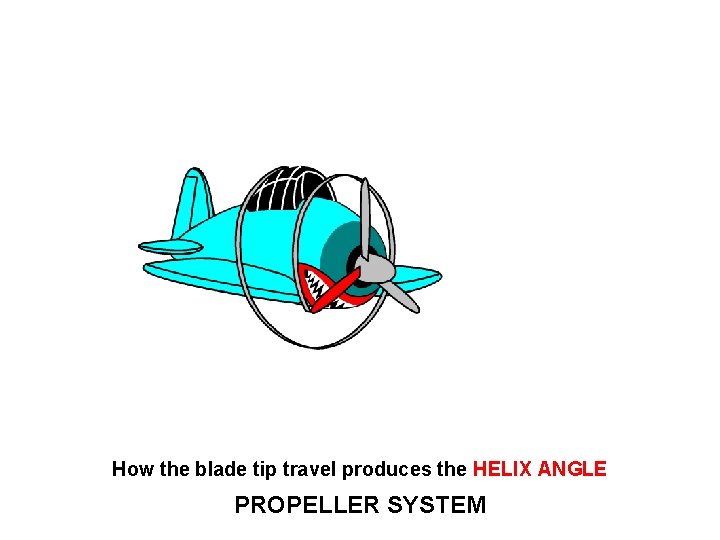
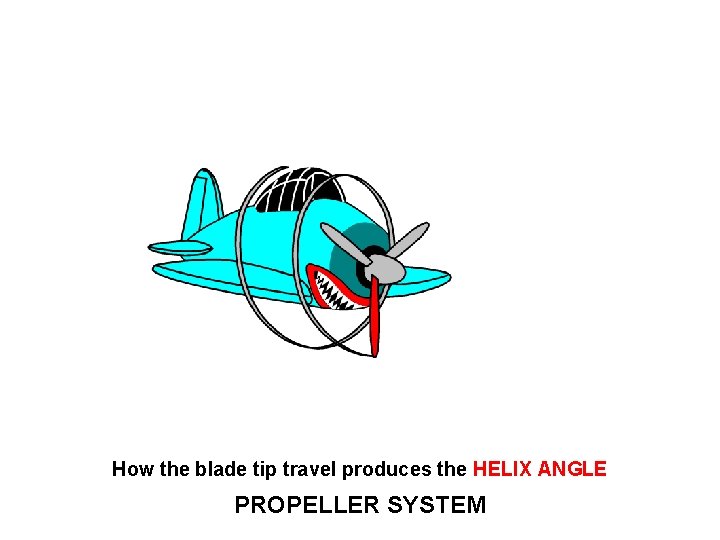
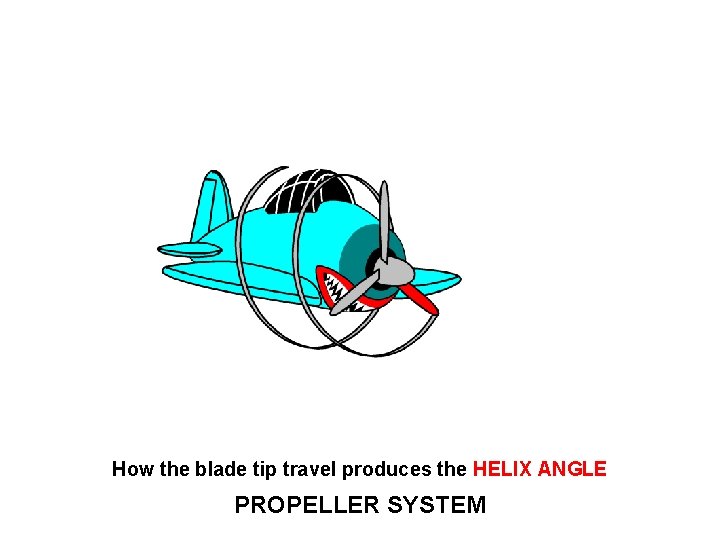
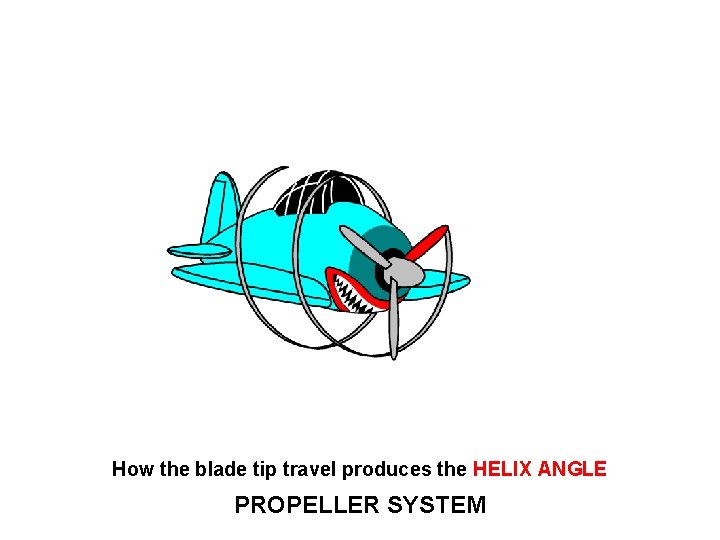
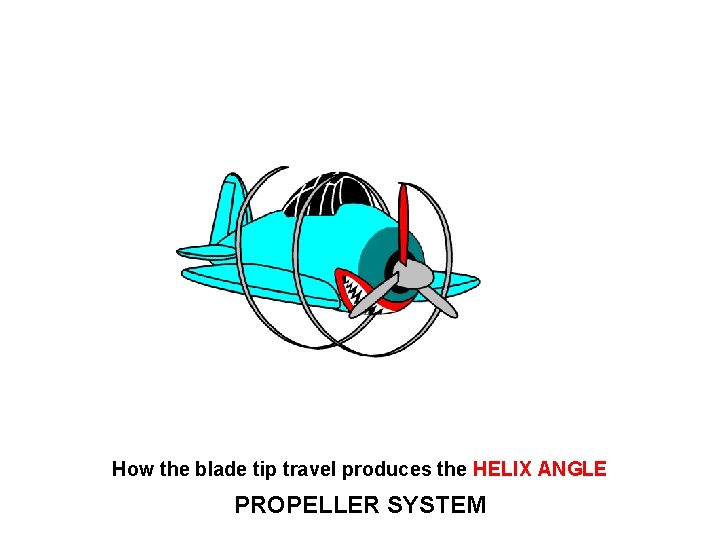
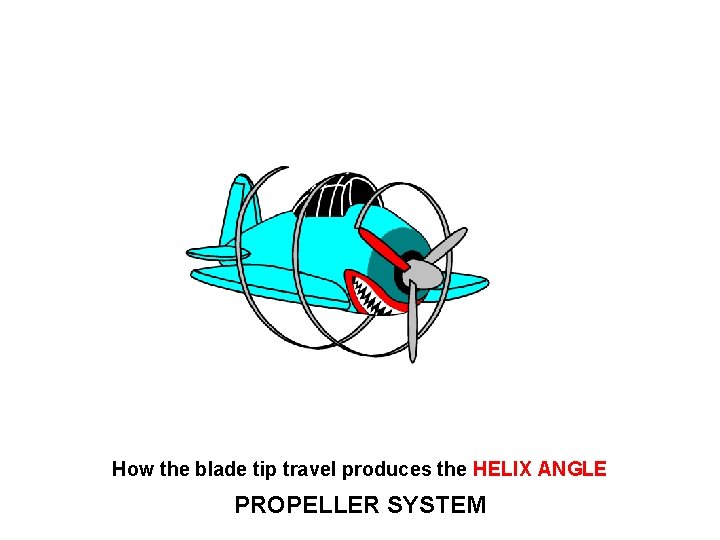
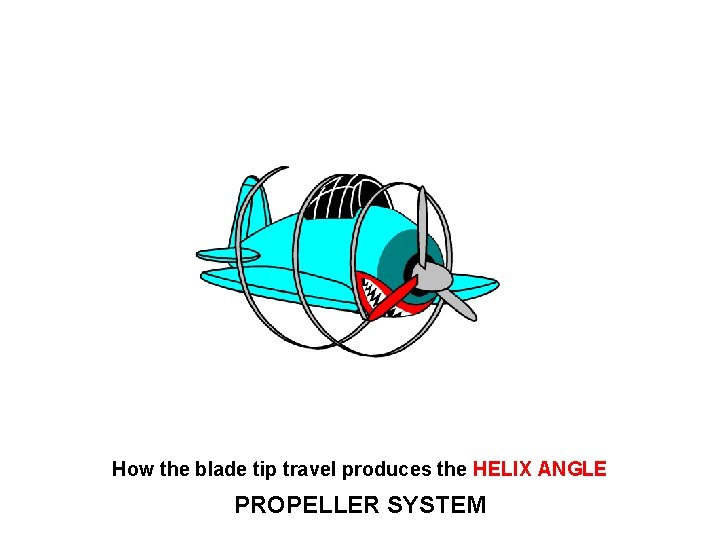
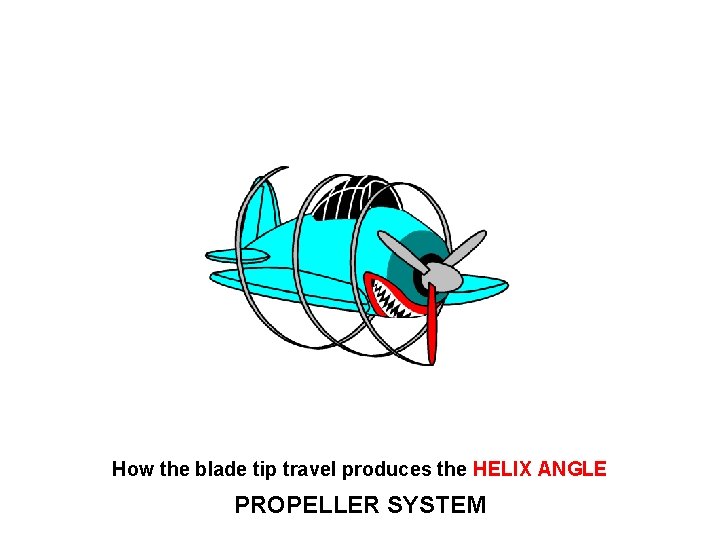
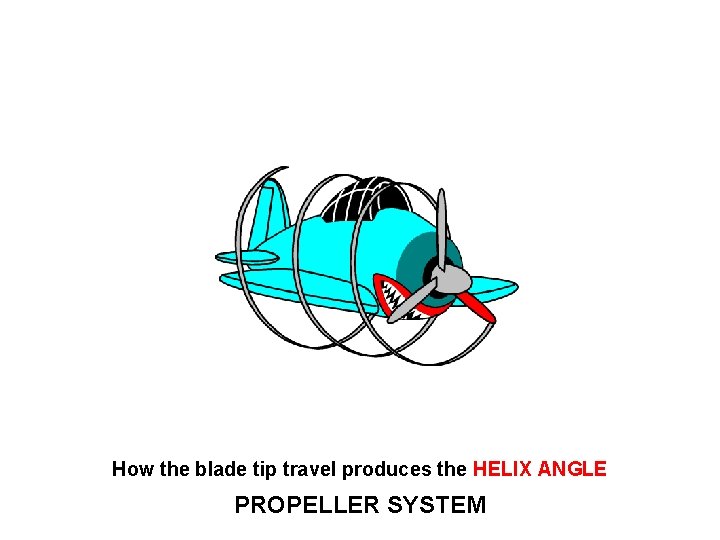
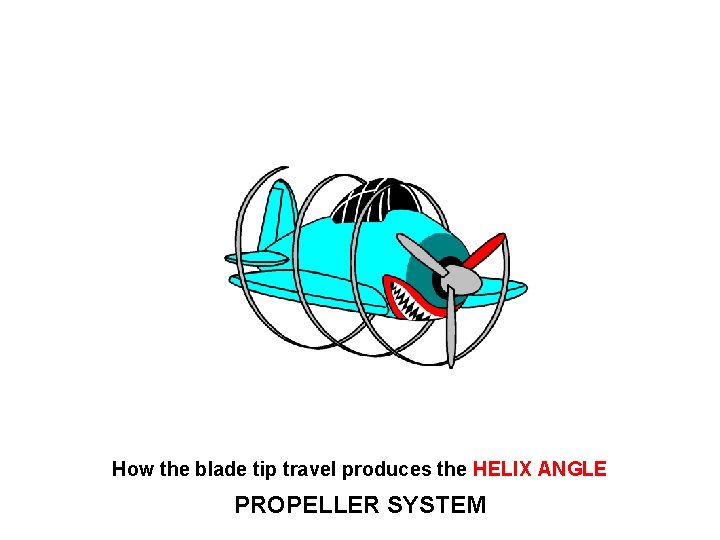
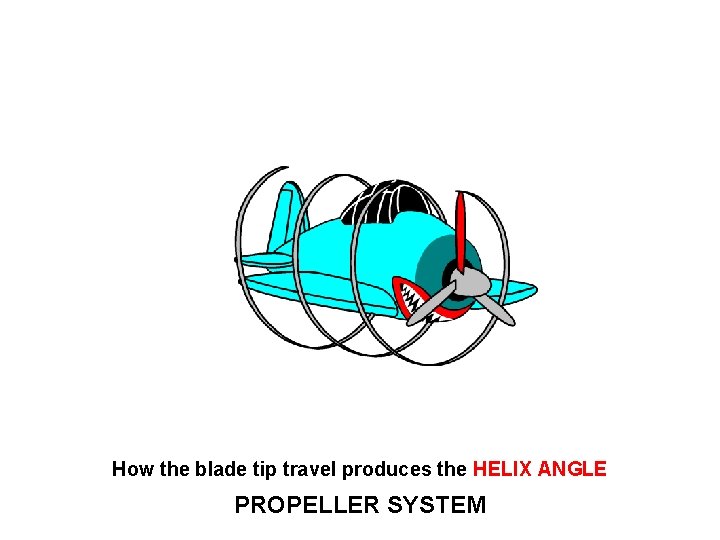
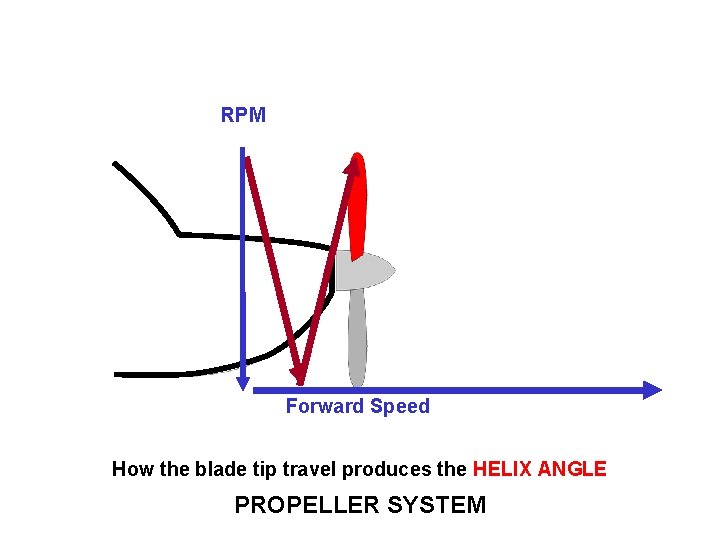
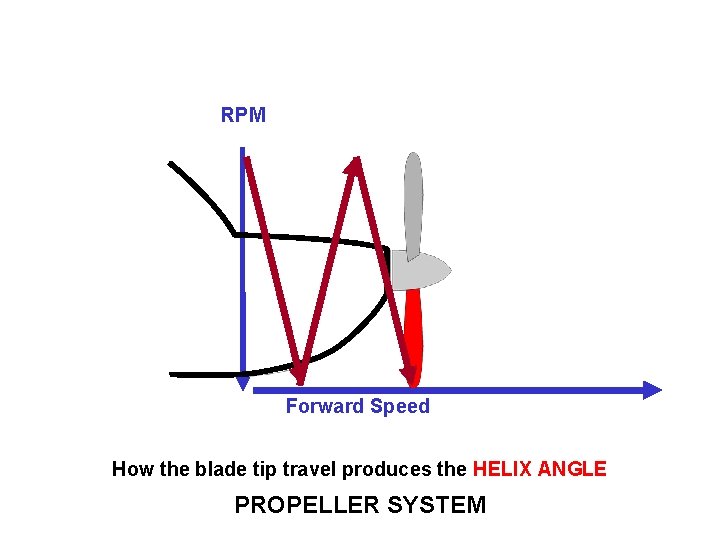
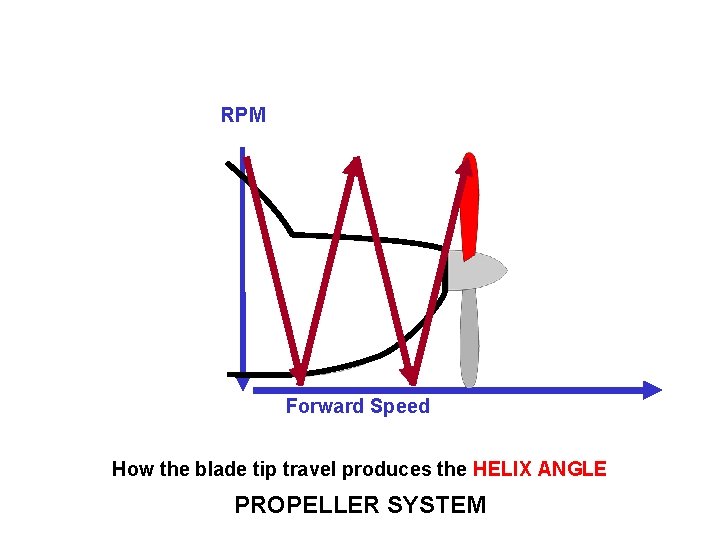
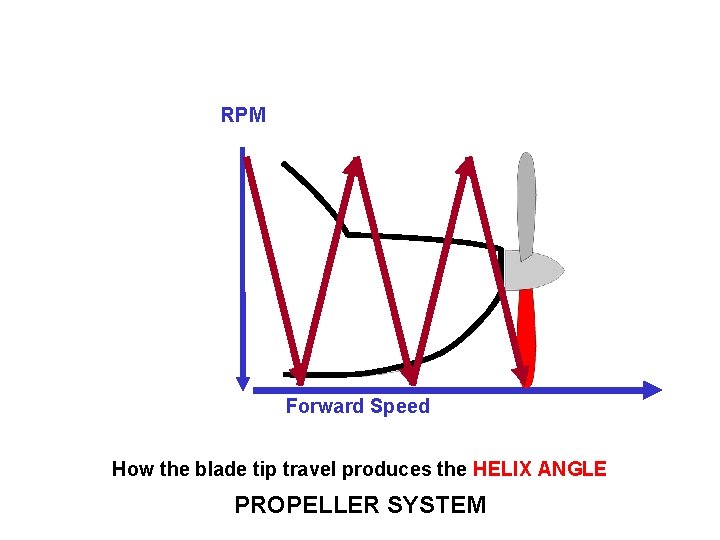
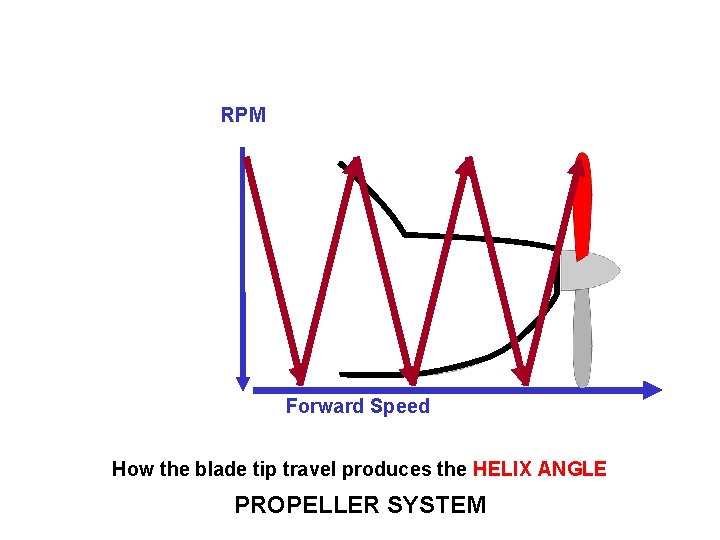
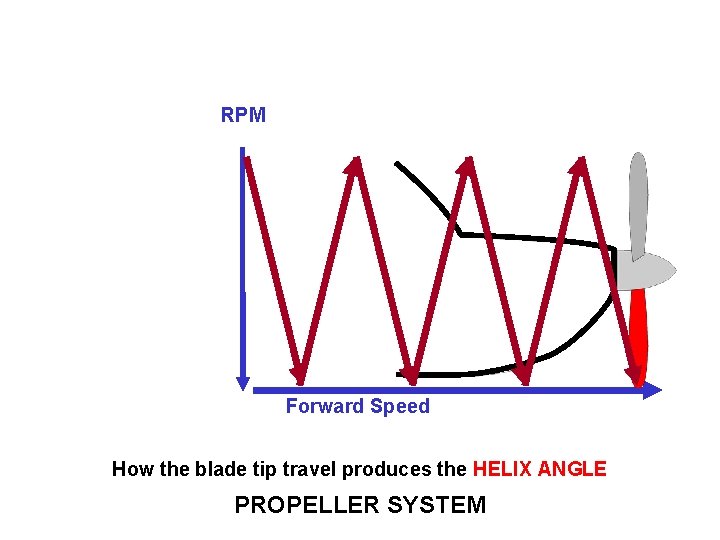
How does lift apply to PROPELLORS? On Propellers, LIFT is called THRUST And propeller Blades work the same way as aircraft wings When a propeller spins and the aircraft moves forward, the tips of the propeller blades move in a ‘corkscrew’ path This path is called a HELIX PROPELLER SYSTEM
How the HELIX ANGLE is generated
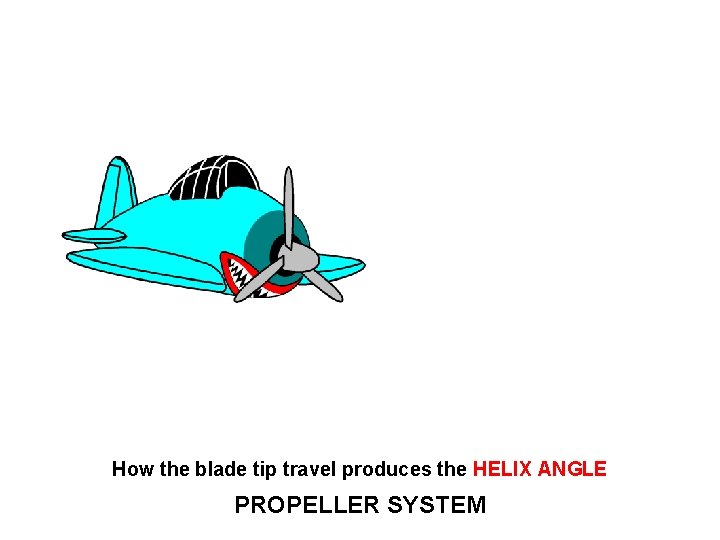
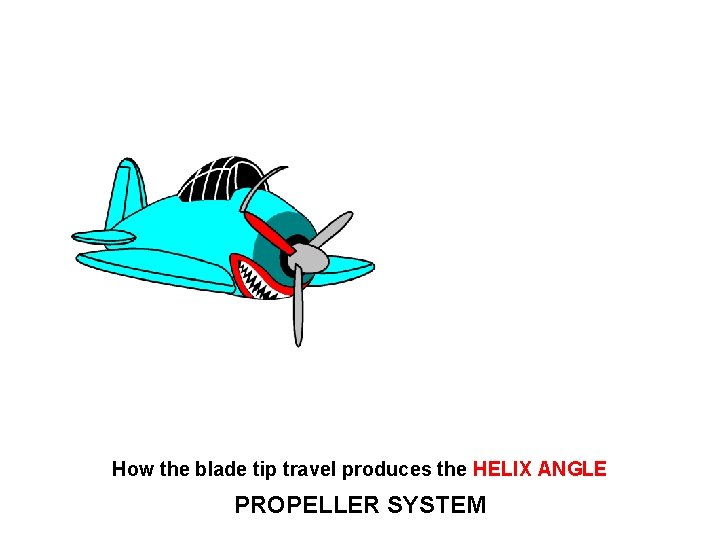
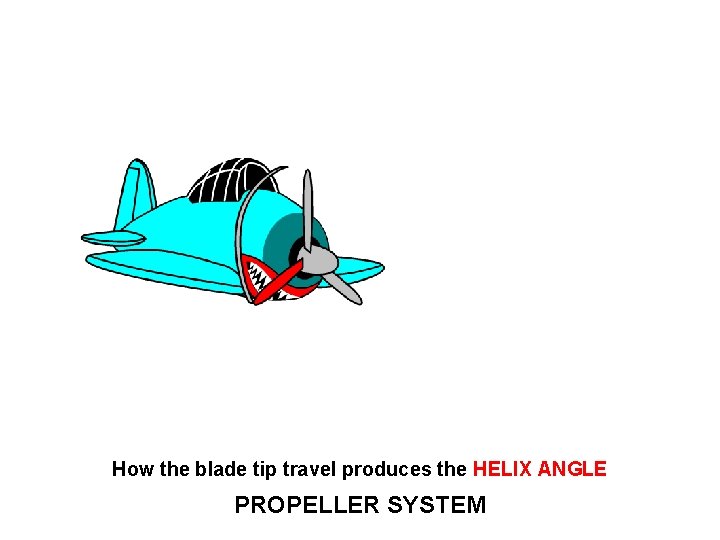
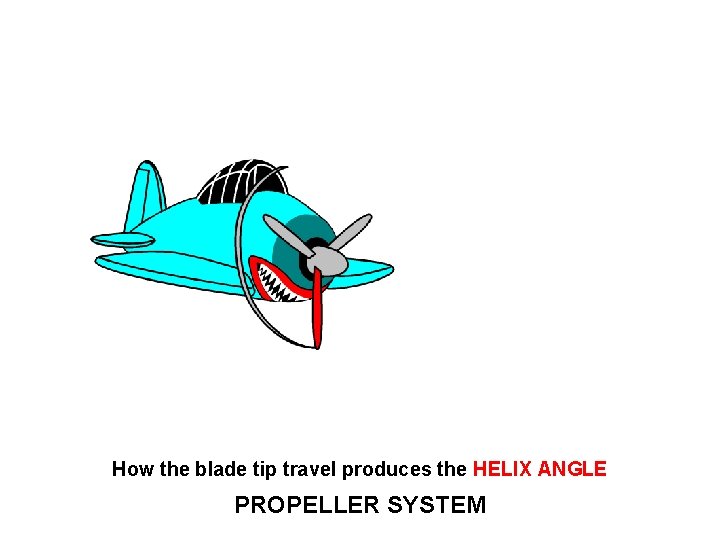
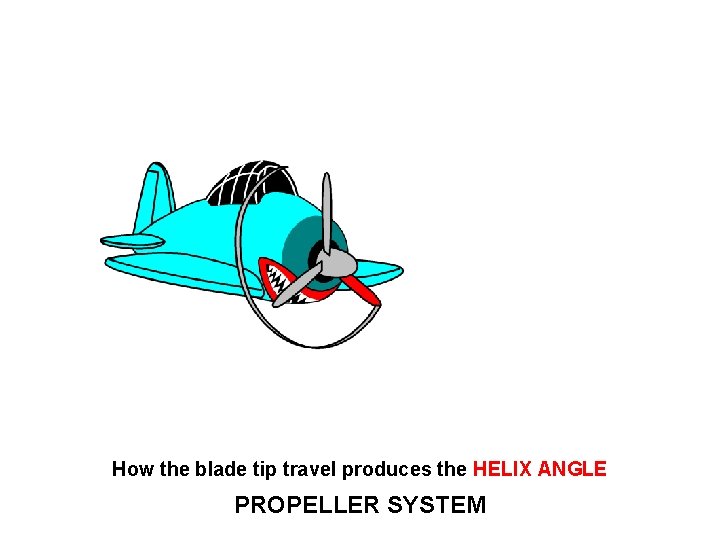
How the blade tip travel produces the HELIX ANGLE PROPELLER SYSTEM
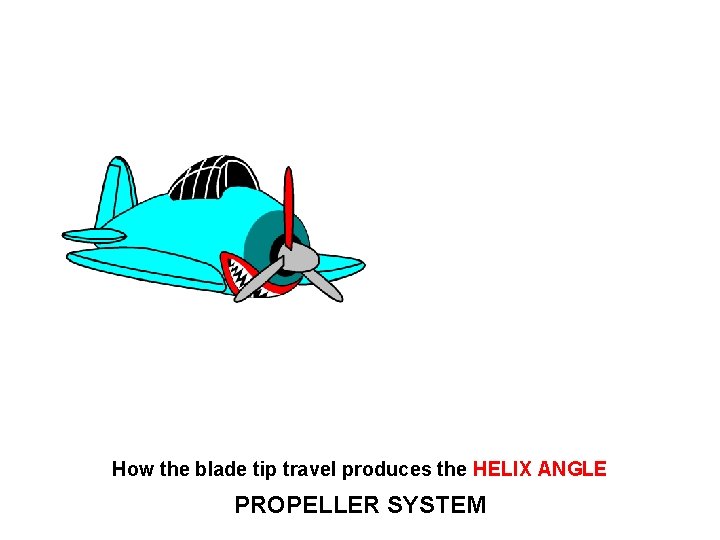
How the blade tip travel produces the HELIX ANGLE PROPELLER SYSTEM
How the blade tip travel produces the HELIX ANGLE PROPELLER SYSTEM
How the blade tip travel produces the HELIX ANGLE PROPELLER SYSTEM
How the blade tip travel produces the HELIX ANGLE PROPELLER SYSTEM
How the blade tip travel produces the HELIX ANGLE PROPELLER SYSTEM
How the blade tip travel produces the HELIX ANGLE PROPELLER SYSTEM
How the blade tip travel produces the HELIX ANGLE PROPELLER SYSTEM
How the blade tip travel produces the HELIX ANGLE PROPELLER SYSTEM
How the blade tip travel produces the HELIX ANGLE PROPELLER SYSTEM
How the blade tip travel produces the HELIX ANGLE PROPELLER SYSTEM
How the blade tip travel produces the HELIX ANGLE PROPELLER SYSTEM
How the blade tip travel produces the HELIX ANGLE PROPELLER SYSTEM
How the blade tip travel produces the HELIX ANGLE PROPELLER SYSTEM
How the blade tip travel produces the HELIX ANGLE PROPELLER SYSTEM
How the blade tip travel produces the HELIX ANGLE PROPELLER SYSTEM
How the blade tip travel produces the HELIX ANGLE PROPELLER SYSTEM
How the blade tip travel produces the HELIX ANGLE PROPELLER SYSTEM
How the blade tip travel produces the HELIX ANGLE PROPELLER SYSTEM
How the blade tip travel produces the HELIX ANGLE PROPELLER SYSTEM
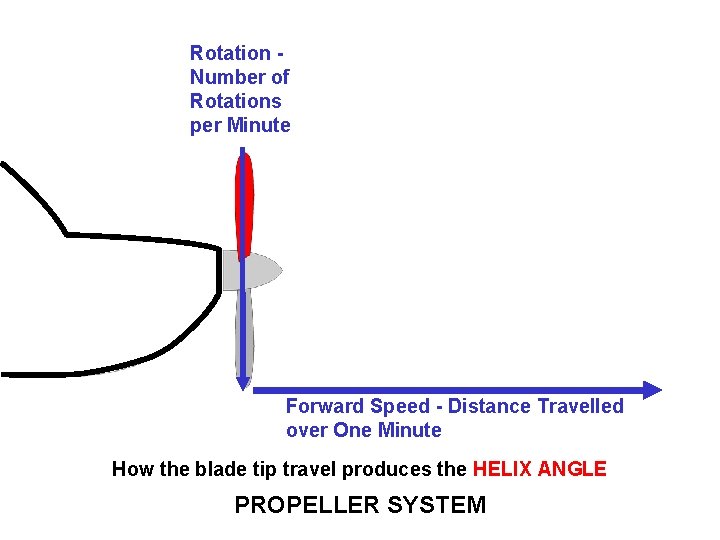
Rotation Number of Rotations per Minute Forward Speed - Distance Travelled over One Minute How the blade tip travel produces the HELIX ANGLE PROPELLER SYSTEM
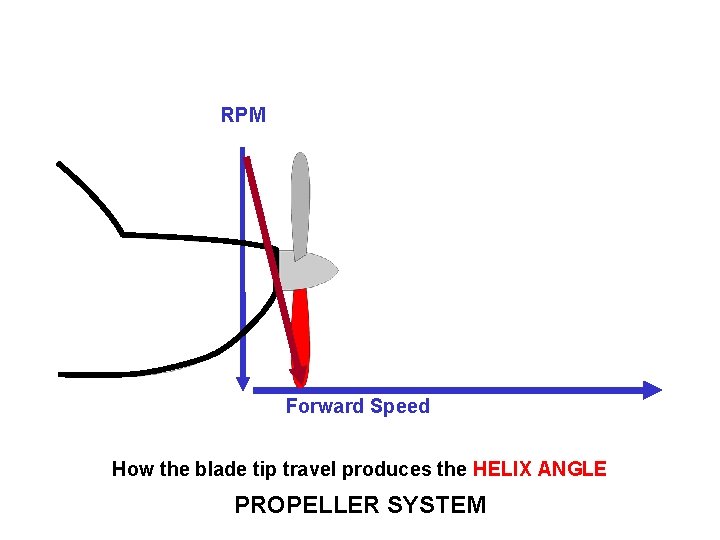
RPM Forward Speed How the blade tip travel produces the HELIX ANGLE PROPELLER SYSTEM
RPM Forward Speed How the blade tip travel produces the HELIX ANGLE PROPELLER SYSTEM
RPM Forward Speed How the blade tip travel produces the HELIX ANGLE PROPELLER SYSTEM
RPM Forward Speed How the blade tip travel produces the HELIX ANGLE PROPELLER SYSTEM
RPM Forward Speed How the blade tip travel produces the HELIX ANGLE PROPELLER SYSTEM
RPM Forward Speed How the blade tip travel produces the HELIX ANGLE PROPELLER SYSTEM
RPM Forward Speed How the blade tip travel produces the HELIX ANGLE PROPELLER SYSTEM
How the HELIX ANGLE is changed by engine rpm and forward speed
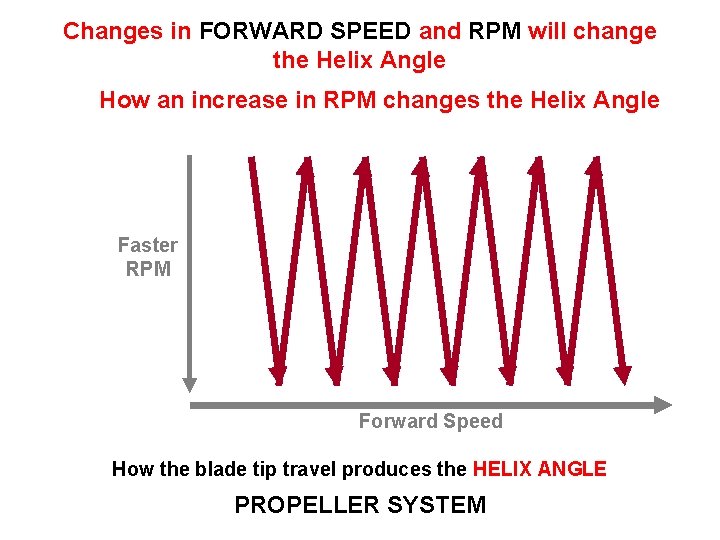
Changes in FORWARD SPEED and RPM will change the Helix Angle How an increase in RPM changes the Helix Angle Faster RPM Forward Speed How the blade tip travel produces the HELIX ANGLE PROPELLER SYSTEM
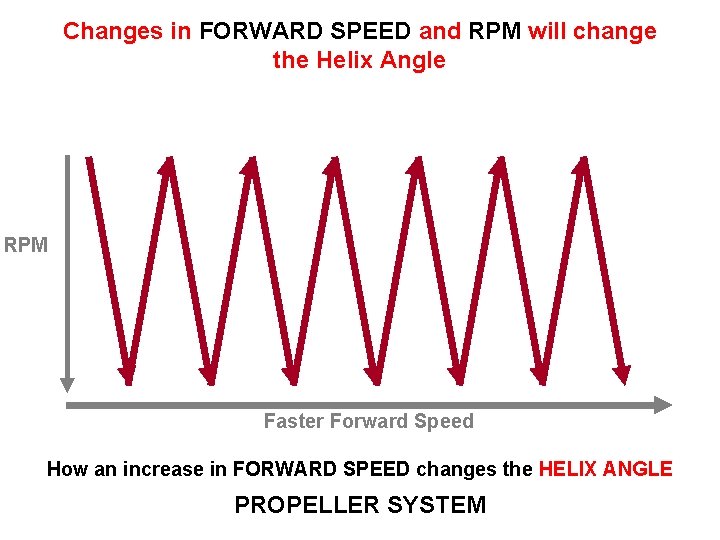
Changes in FORWARD SPEED and RPM will change the Helix Angle RPM Faster Forward Speed How an increase in FORWARD SPEED changes the HELIX ANGLE PROPELLER SYSTEM
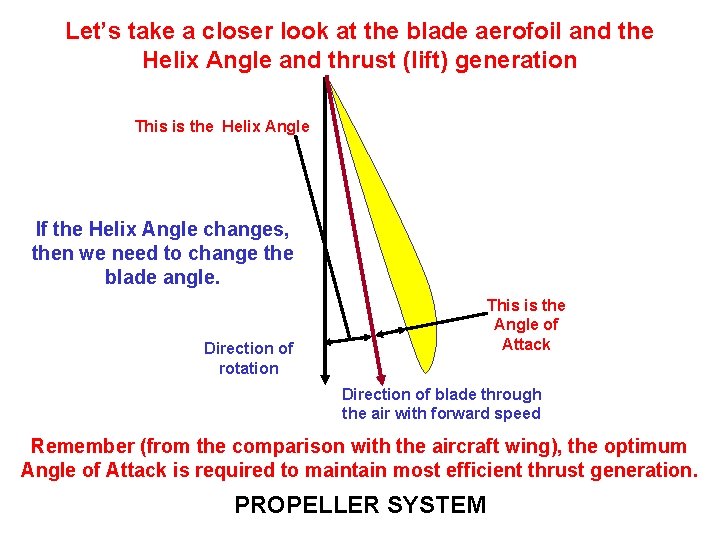
Let’s take a closer look at the blade aerofoil and the Helix Angle and thrust (lift) generation This is the Helix Angle If the Helix Angle changes, then we need to change the blade angle. This is the Angle of Attack Direction of rotation Direction of blade through the air with forward speed Remember (from the comparison with the aircraft wing), the optimum Angle of Attack is required to maintain most efficient thrust generation. PROPELLER SYSTEM
Mechanical STOPS and blade angles
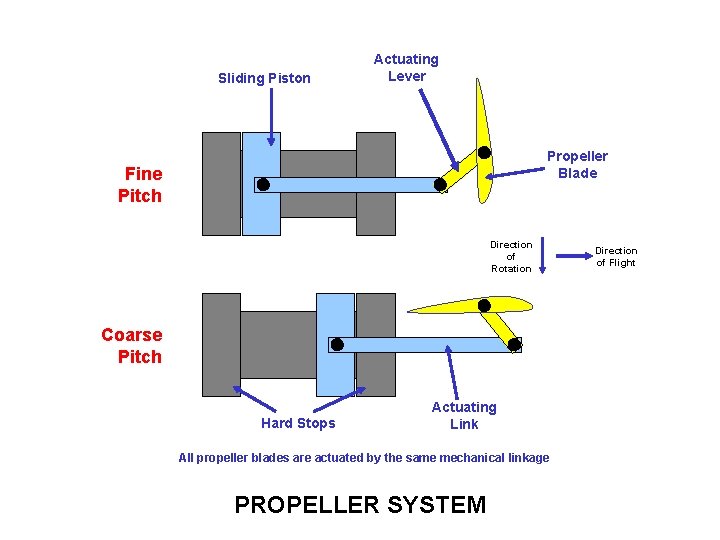
Sliding Piston Actuating Lever Propeller Blade Fine Pitch Direction of Rotation Coarse Pitch Hard Stops Actuating Link All propeller blades are actuated by the same mechanical linkage PROPELLER SYSTEM Direction of Flight
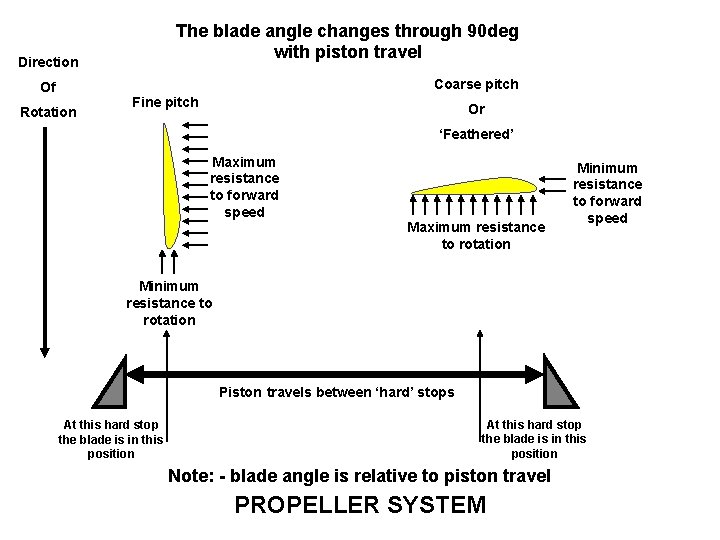
The blade angle changes through 90 deg with piston travel Direction Coarse pitch Of Rotation Fine pitch Or ‘Feathered’ Maximum resistance to forward speed Maximum resistance to rotation Minimum resistance to forward speed Minimum resistance to rotation Piston travels between ‘hard’ stops At this hard stop the blade is in this position Note: - blade angle is relative to piston travel PROPELLER SYSTEM
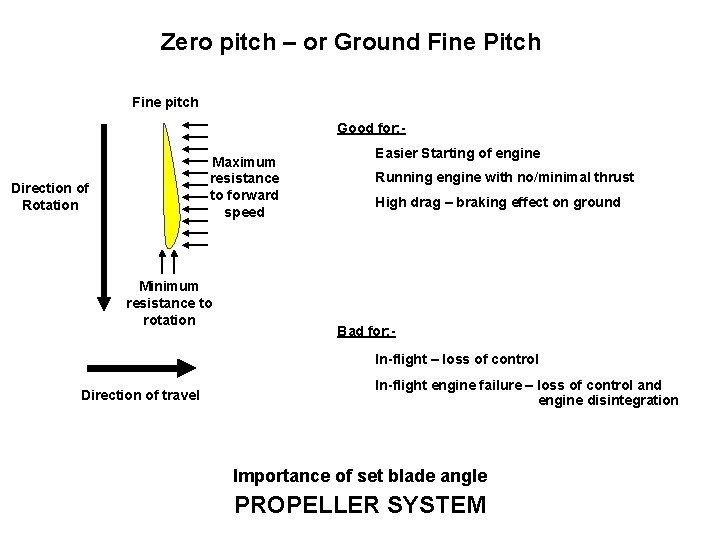
Zero pitch – or Ground Fine Pitch Fine pitch Good for: Maximum resistance to forward speed Direction of Rotation Minimum resistance to rotation Easier Starting of engine Running engine with no/minimal thrust High drag – braking effect on ground Bad for: In-flight – loss of control Direction of travel In-flight engine failure – loss of control and engine disintegration Importance of set blade angle PROPELLER SYSTEM
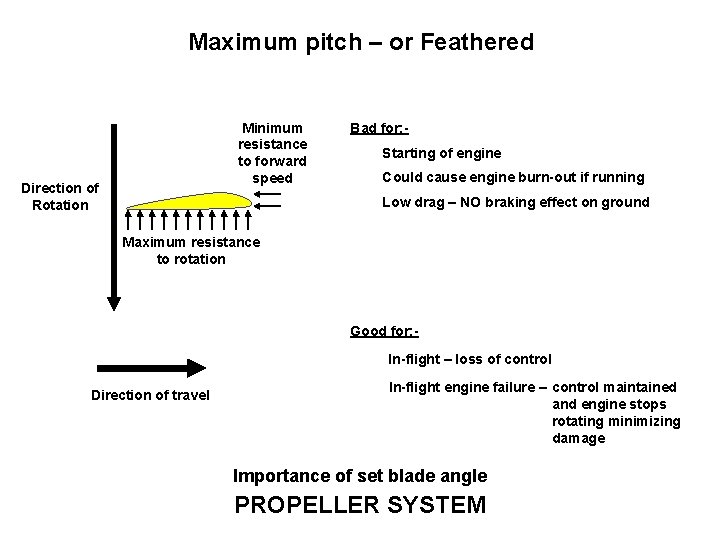
Maximum pitch – or Feathered Minimum resistance to forward speed Direction of Rotation Bad for: Starting of engine Could cause engine burn-out if running Low drag – NO braking effect on ground Maximum resistance to rotation Good for: In-flight – loss of control Direction of travel In-flight engine failure – control maintained and engine stops rotating minimizing damage Importance of set blade angle PROPELLER SYSTEM
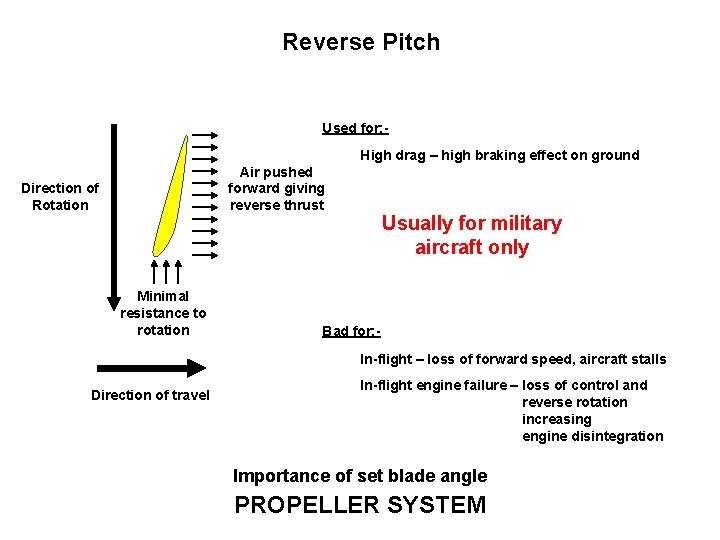
Reverse Pitch Used for: High drag – high braking effect on ground Air pushed forward giving reverse thrust Direction of Rotation Minimal resistance to rotation Usually for military aircraft only Bad for: In-flight – loss of forward speed, aircraft stalls Direction of travel In-flight engine failure – loss of control and reverse rotation increasing engine disintegration Importance of set blade angle PROPELLER SYSTEM
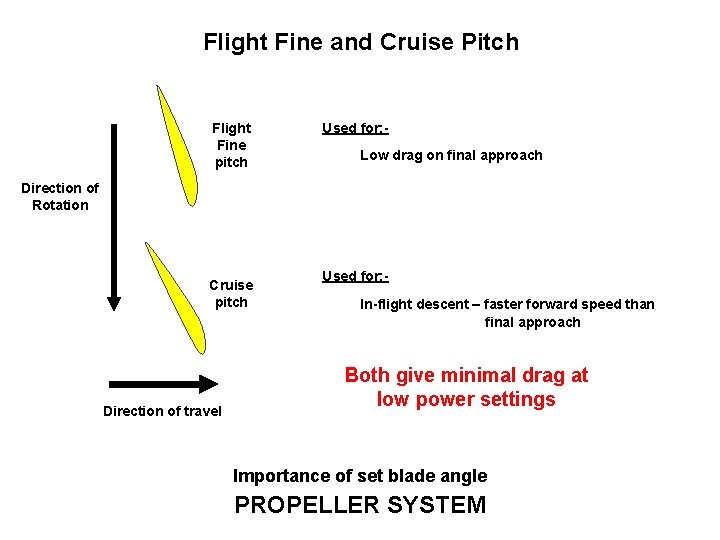
Flight Fine and Cruise Pitch Flight Fine pitch Used for: Low drag on final approach Direction of Rotation Cruise pitch Direction of travel Used for: In-flight descent – faster forward speed than final approach Both give minimal drag at low power settings Importance of set blade angle PROPELLER SYSTEM
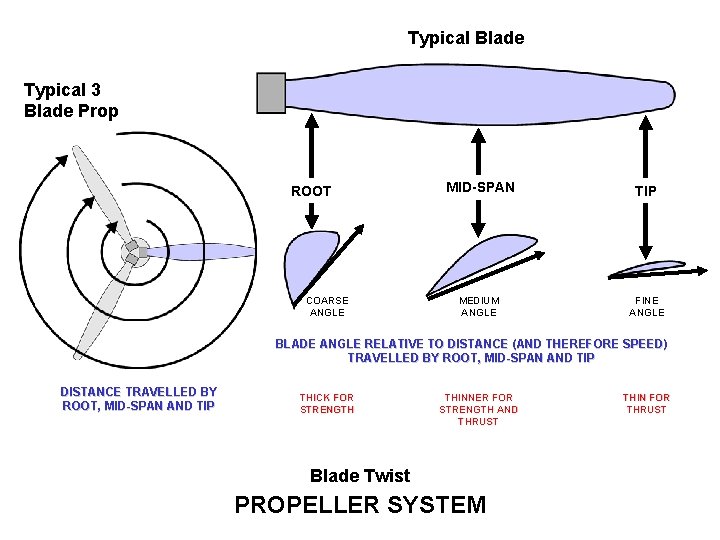
Blade Twist
Typical Blade Typical 3 Blade Prop ROOT COARSE ANGLE MID-SPAN TIP MEDIUM ANGLE FINE ANGLE BLADE ANGLE RELATIVE TO DISTANCE (AND THEREFORE SPEED) TRAVELLED BY ROOT, MID-SPAN AND TIP DISTANCE TRAVELLED BY ROOT, MID-SPAN AND TIP THICK FOR STRENGTH THINNER FOR STRENGTH AND THRUST Blade Twist PROPELLER SYSTEM THIN FOR THRUST