
Promotion is persuasive communication INFORM REMIND PERSUADE PEOPLE
- Slides: 12
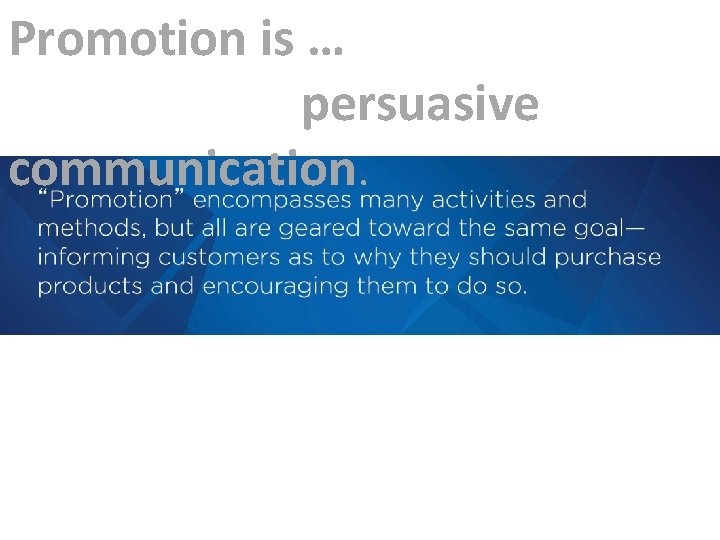
Promotion is … persuasive communication. INFORM, REMIND, PERSUADE PEOPLE ABOUT n io ot. AND m PRODUCTS TO IMPROVE ITS IMAGE Pro e Rol of
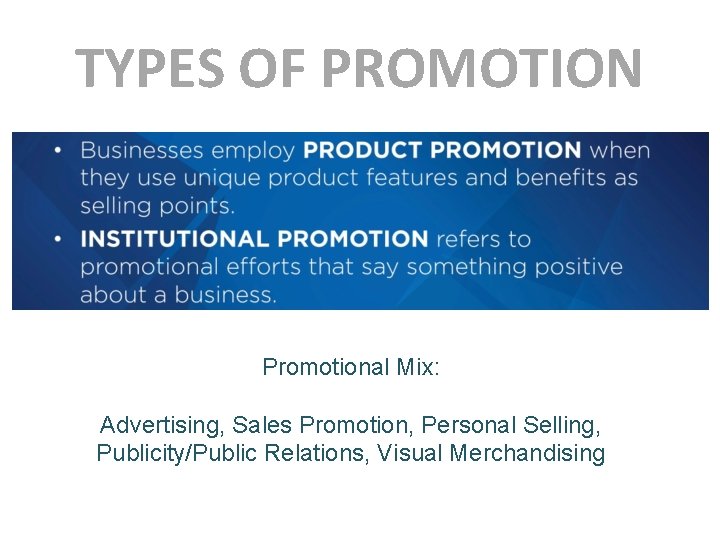
TYPES OF PROMOTION Promotional Mix: Advertising, Sales Promotion, Personal Selling, Publicity/Public Relations, Visual Merchandising
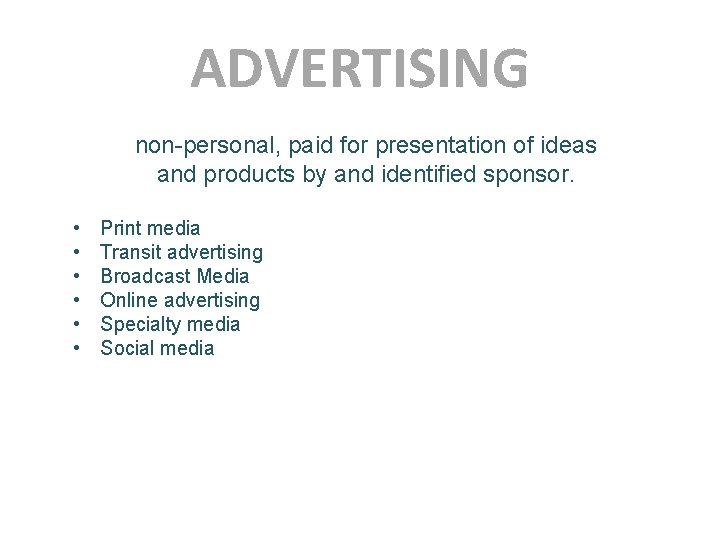
ADVERTISING non-personal, paid for presentation of ideas and products by and identified sponsor. • • • Print media Transit advertising Broadcast Media Online advertising Specialty media Social media
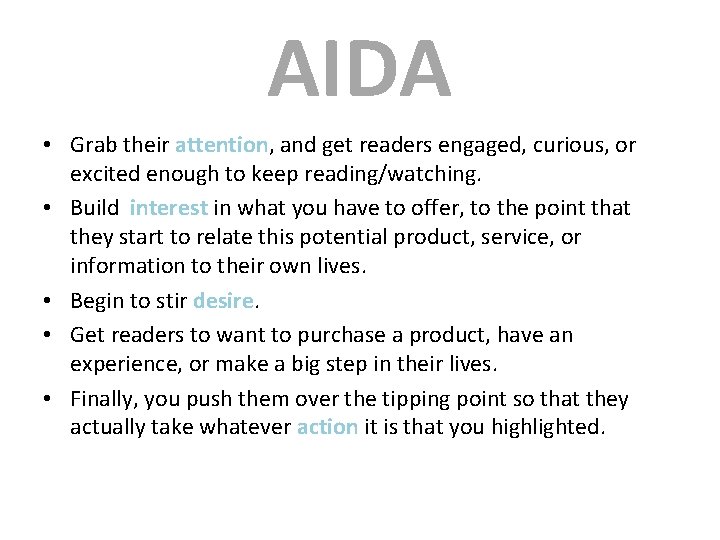
AIDA • Grab their attention, and get readers engaged, curious, or excited enough to keep reading/watching. • Build interest in what you have to offer, to the point that they start to relate this potential product, service, or information to their own lives. • Begin to stir desire. • Get readers to want to purchase a product, have an experience, or make a big step in their lives. • Finally, you push them over the tipping point so that they actually take whatever action it is that you highlighted.
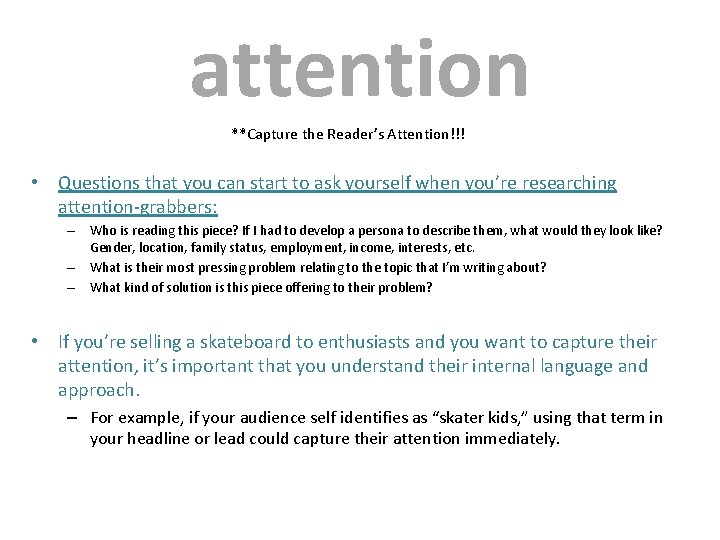
attention **Capture the Reader’s Attention!!! • Questions that you can start to ask yourself when you’re researching attention-grabbers: – Who is reading this piece? If I had to develop a persona to describe them, what would they look like? Gender, location, family status, employment, income, interests, etc. – What is their most pressing problem relating to the topic that I’m writing about? – What kind of solution is this piece offering to their problem? • If you’re selling a skateboard to enthusiasts and you want to capture their attention, it’s important that you understand their internal language and approach. – For example, if your audience self identifies as “skater kids, ” using that term in your headline or lead could capture their attention immediately.
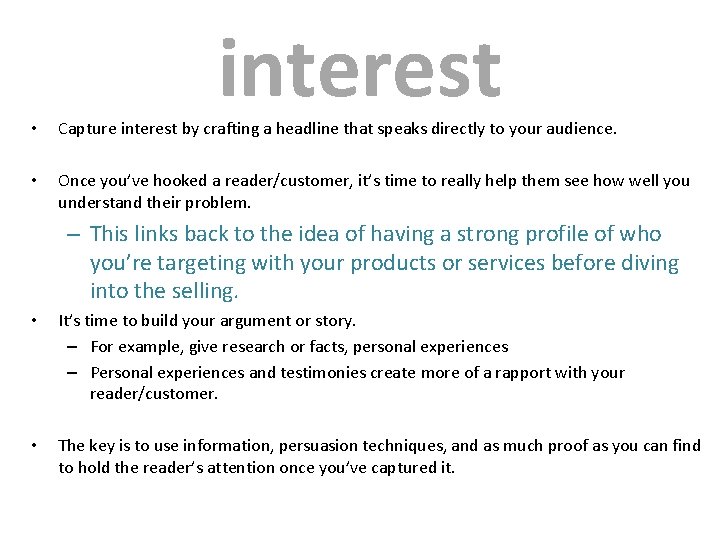
interest • Capture interest by crafting a headline that speaks directly to your audience. • Once you’ve hooked a reader/customer, it’s time to really help them see how well you understand their problem. – This links back to the idea of having a strong profile of who you’re targeting with your products or services before diving into the selling. • It’s time to build your argument or story. – For example, give research or facts, personal experiences – Personal experiences and testimonies create more of a rapport with your reader/customer. • The key is to use information, persuasion techniques, and as much proof as you can find to hold the reader’s attention once you’ve captured it.
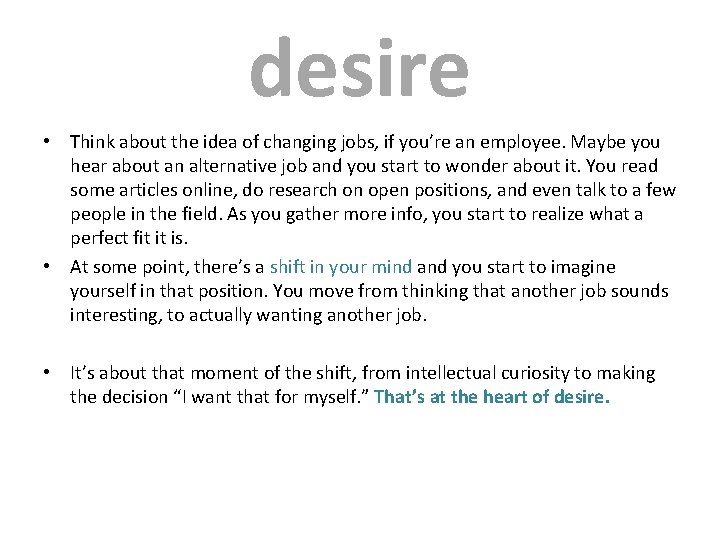
desire • Think about the idea of changing jobs, if you’re an employee. Maybe you hear about an alternative job and you start to wonder about it. You read some articles online, do research on open positions, and even talk to a few people in the field. As you gather more info, you start to realize what a perfect fit it is. • At some point, there’s a shift in your mind and you start to imagine yourself in that position. You move from thinking that another job sounds interesting, to actually wanting another job. • It’s about that moment of the shift, from intellectual curiosity to making the decision “I want that for myself. ” That’s at the heart of desire.
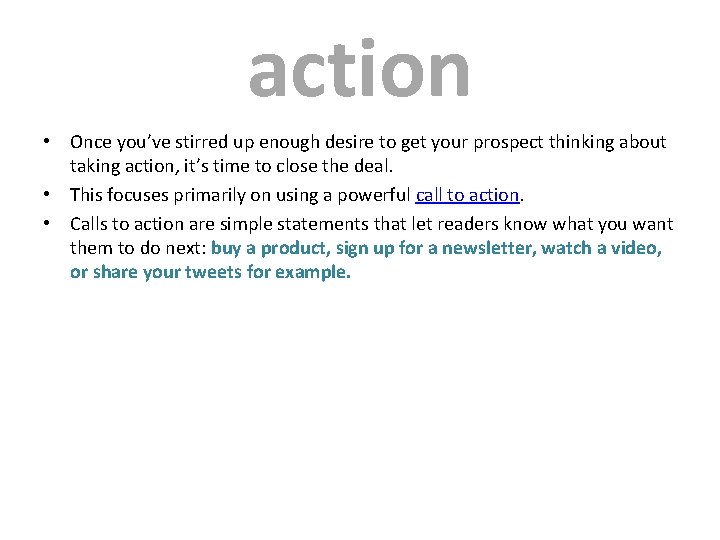
action • Once you’ve stirred up enough desire to get your prospect thinking about taking action, it’s time to close the deal. • This focuses primarily on using a powerful call to action. • Calls to action are simple statements that let readers know what you want them to do next: buy a product, sign up for a newsletter, watch a video, or share your tweets for example.
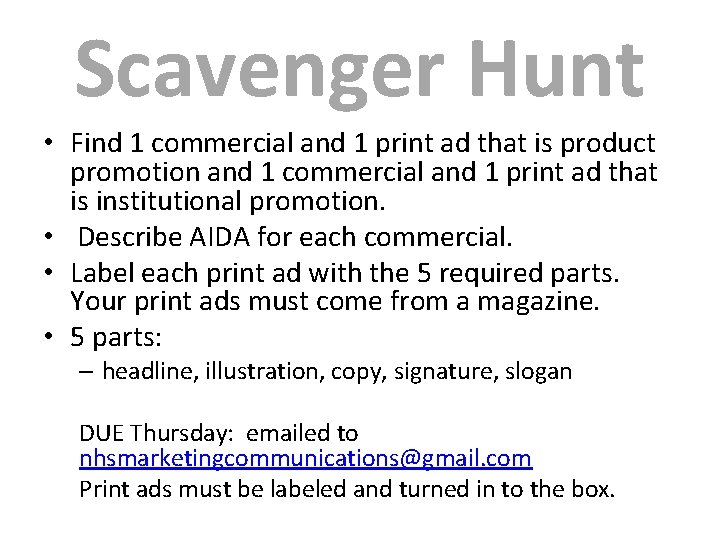
Scavenger Hunt • Find 1 commercial and 1 print ad that is product promotion and 1 commercial and 1 print ad that is institutional promotion. • Describe AIDA for each commercial. • Label each print ad with the 5 required parts. Your print ads must come from a magazine. • 5 parts: – headline, illustration, copy, signature, slogan DUE Thursday: emailed to nhsmarketingcommunications@gmail. com Print ads must be labeled and turned in to the box.
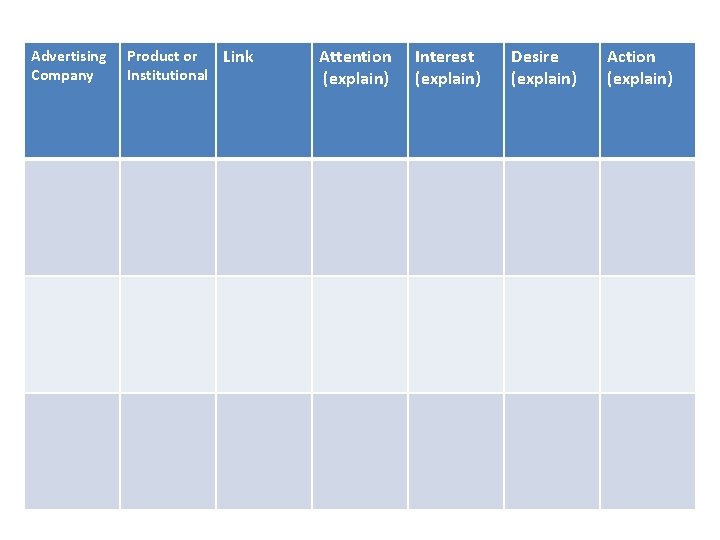
Advertising Company Product or Link Institutional Attention (explain) Interest (explain) Desire (explain) Action (explain)
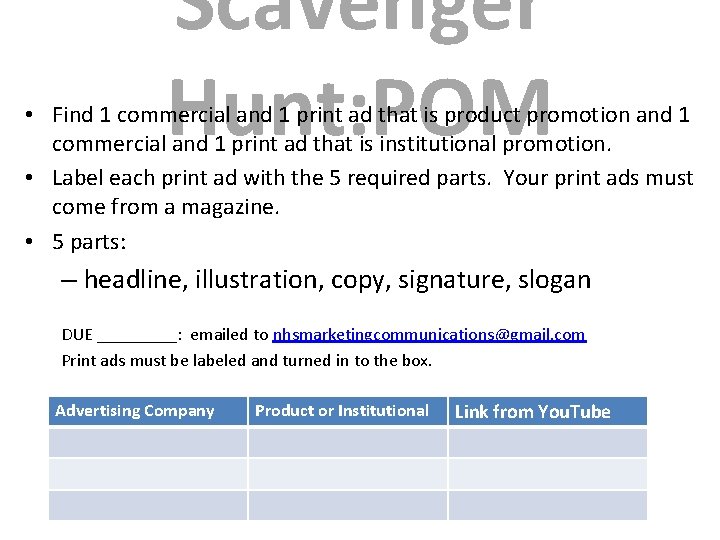
Scavenger Hunt: POM • Find 1 commercial and 1 print ad that is product promotion and 1 commercial and 1 print ad that is institutional promotion. • Label each print ad with the 5 required parts. Your print ads must come from a magazine. • 5 parts: – headline, illustration, copy, signature, slogan DUE _____: emailed to nhsmarketingcommunications@gmail. com Print ads must be labeled and turned in to the box. Advertising Company Product or Institutional Link from You. Tube
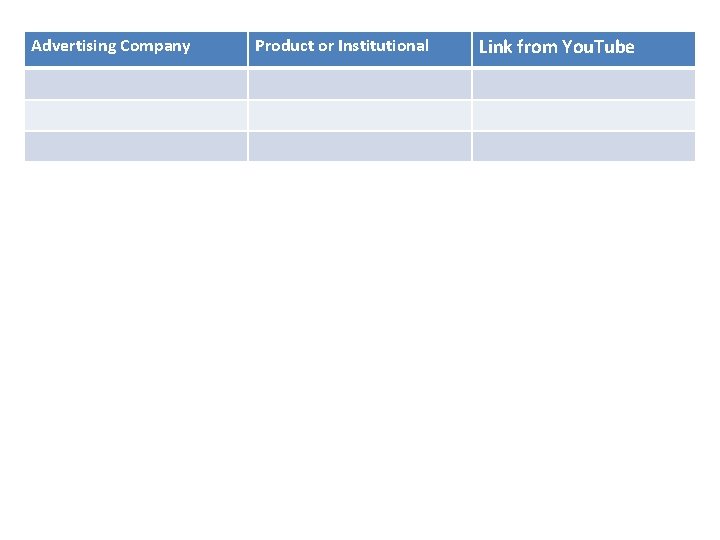
Advertising Company Product or Institutional Link from You. Tube