
Promoting Social Emotional Competence Social Emotional Teaching Strategies





- Slides: 61
Promoting Social Emotional Competence Social Emotional Teaching Strategies 2 CSEFEL 1
Agenda 2 CSEFEL • Introduction • Identifying “teachable moments” • Positive relationships as an essential foundation • Friendship skills • Emotional literacy • Controlling anger and impulse • Problem solving • Dealing with common peer problems 2
CSEFEL’s Key Principles • Intensity 2 CSEFEL • • • Clear Criteria for Efficacy Cost and Time Efficiency Long-term Essential Outcomes Family Centeredness Cultural Sensitivity and Competence 3
Learner Objectives 2 CSEFEL • Participants will understand when and where the most effective “teachable moments” are related to social skills and emotional regulation. • Participants will understand why rules are essential for early childhood classrooms. • Participants will be able to identify the criteria for developing rules with young children. • Participants will be able to identify friendship skills and how to teach them. 4
Learner Objectives 2 CSEFEL • Participants will be able to define emotional literacy and identify five activities that build “feeling vocabularies. ” • Participants will understand why children need to learn to control anger and handle disappointment and will be able to identify four strategies to teach anger management skills. • Participants will understand the importance of teaching problem solving and will be able to identify the four stages of problem solving. 5
6
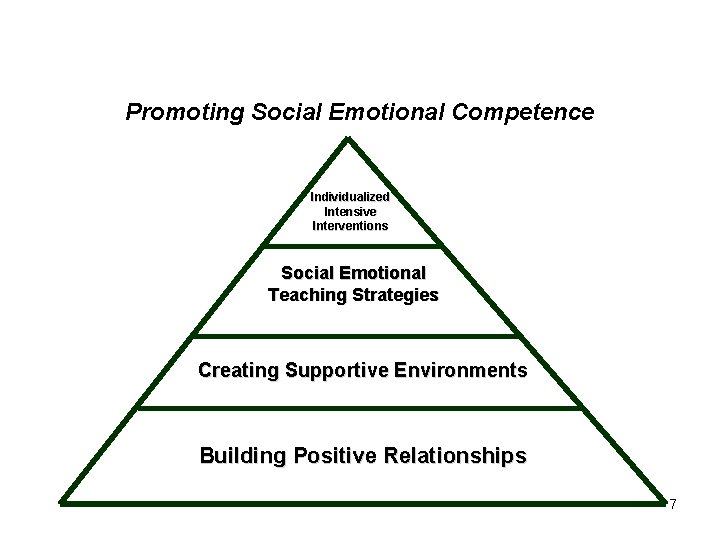
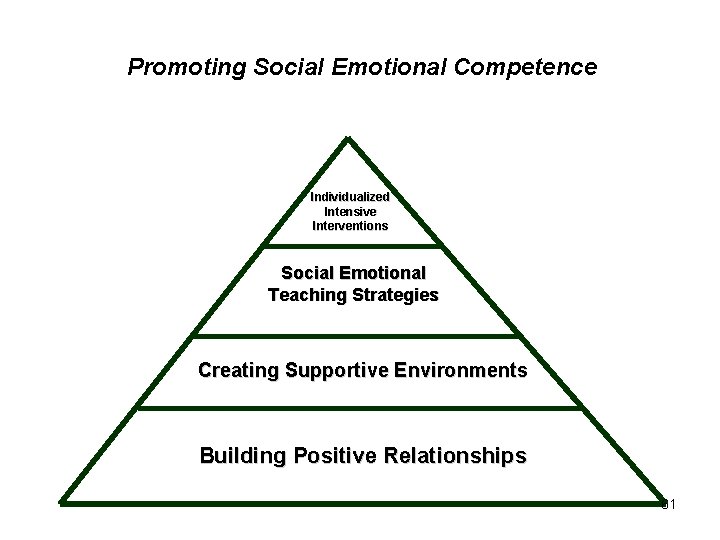
Promoting Social Emotional Competence Individualized Intensive Interventions Social Emotional Teaching Strategies Creating Supportive Environments Building Positive Relationships 7
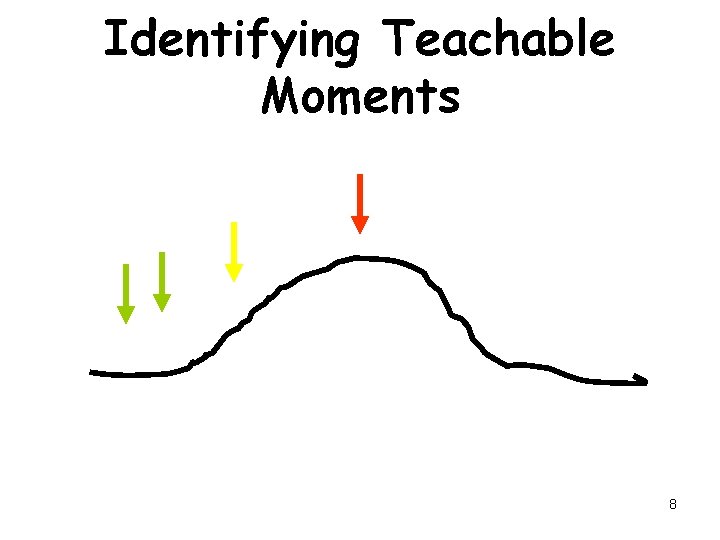
Identifying Teachable Moments 8
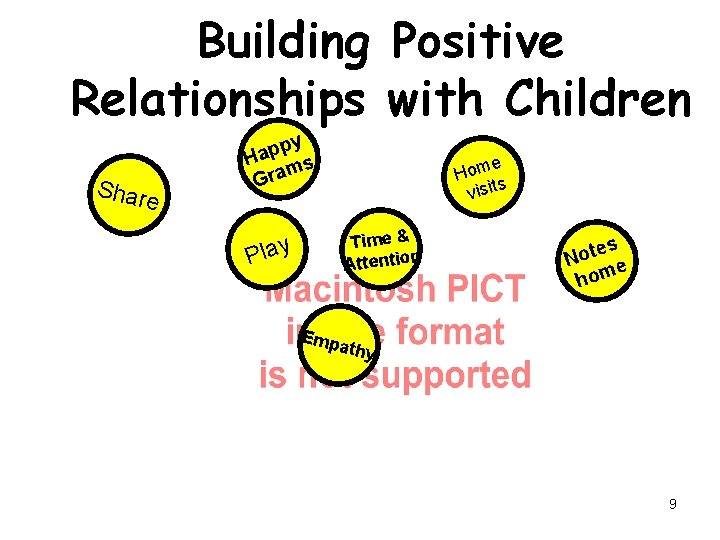
Building Positive Relationships with Children Shar e py p a H ms a r G Play e Hom s visit Time & Attention es Not e hom Emp athy 9
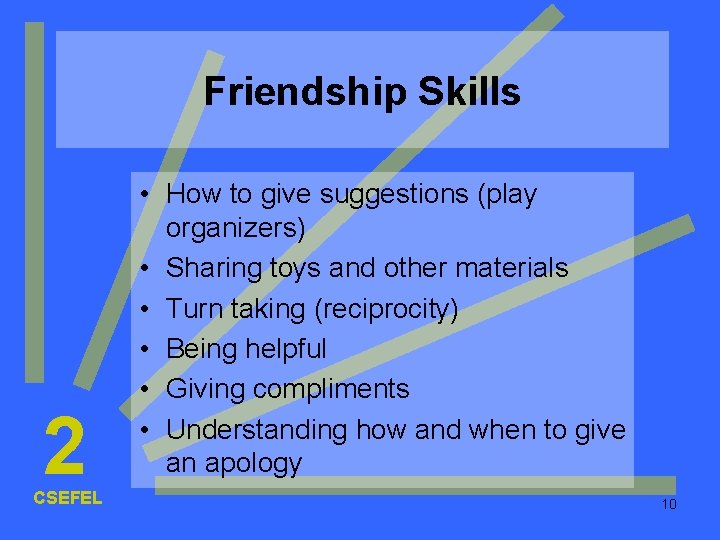
Friendship Skills 2 CSEFEL • How to give suggestions (play organizers) • Sharing toys and other materials • Turn taking (reciprocity) • Being helpful • Giving compliments • Understanding how and when to give an apology 10
2 CSEFEL 11
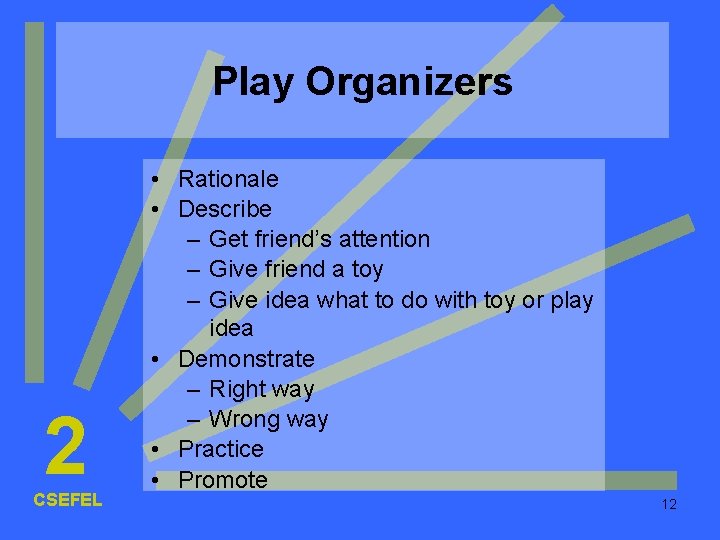
Play Organizers 2 CSEFEL • Rationale • Describe – Get friend’s attention – Give friend a toy – Give idea what to do with toy or play idea • Demonstrate – Right way – Wrong way • Practice • Promote 12
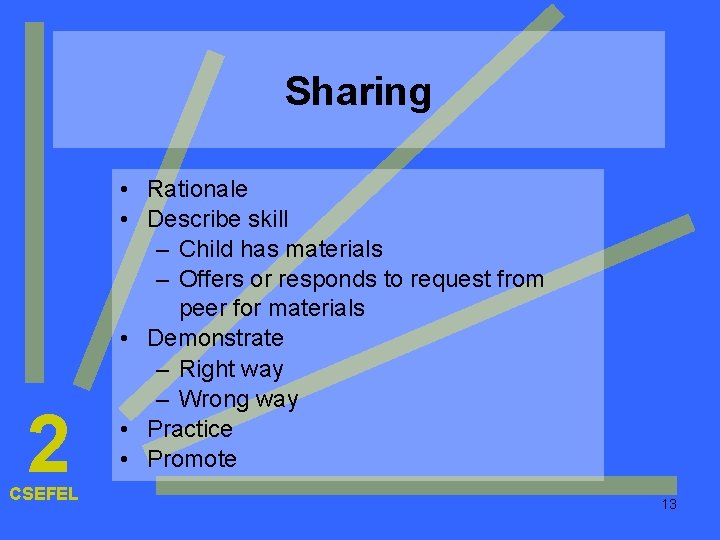
Sharing 2 CSEFEL • Rationale • Describe skill – Child has materials – Offers or responds to request from peer for materials • Demonstrate – Right way – Wrong way • Practice • Promote 13
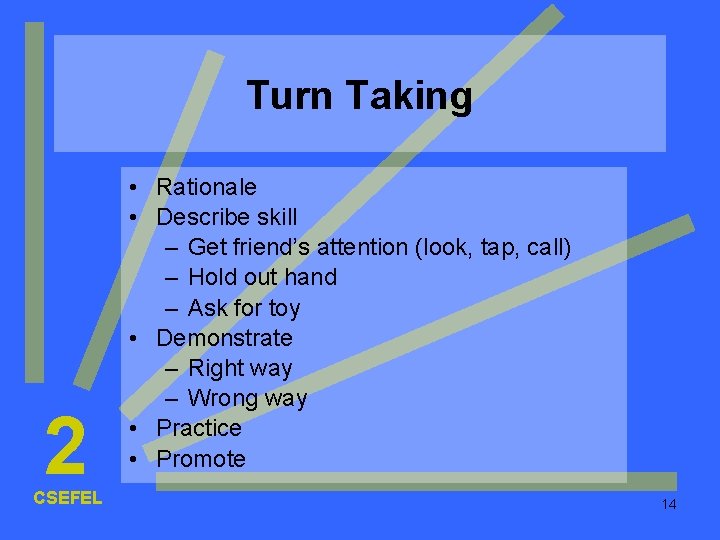
Turn Taking 2 CSEFEL • Rationale • Describe skill – Get friend’s attention (look, tap, call) – Hold out hand – Ask for toy • Demonstrate – Right way – Wrong way • Practice • Promote 14
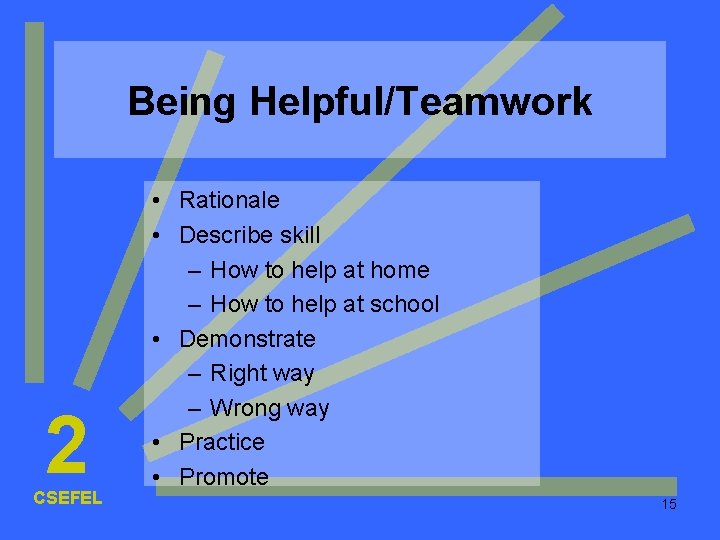
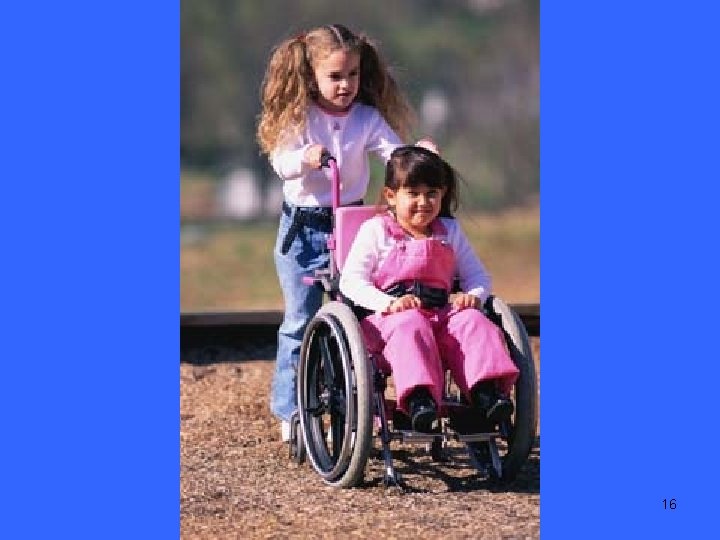
Being Helpful/Teamwork 2 CSEFEL • Rationale • Describe skill – How to help at home – How to help at school • Demonstrate – Right way – Wrong way • Practice • Promote 15
16
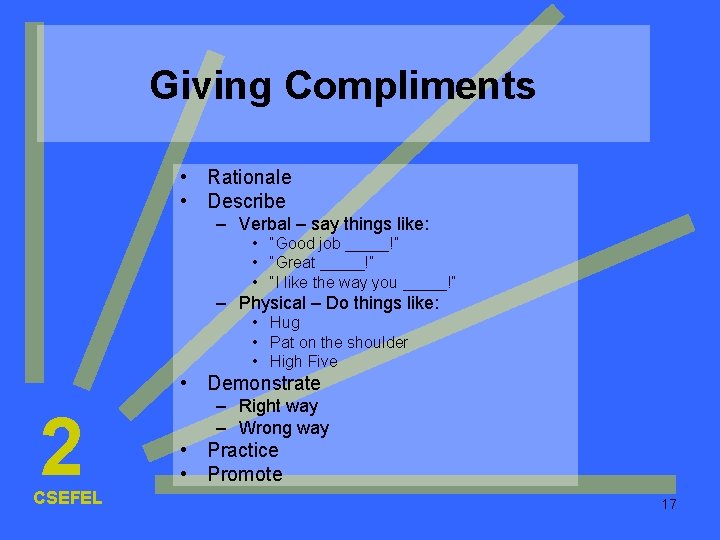
Giving Compliments • Rationale • Describe – Verbal – say things like: • “Good job _____!” • “Great _____!” • “I like the way you _____!” – Physical – Do things like: • Hug • Pat on the shoulder • High Five • Demonstrate 2 CSEFEL – Right way – Wrong way • Practice • Promote 17
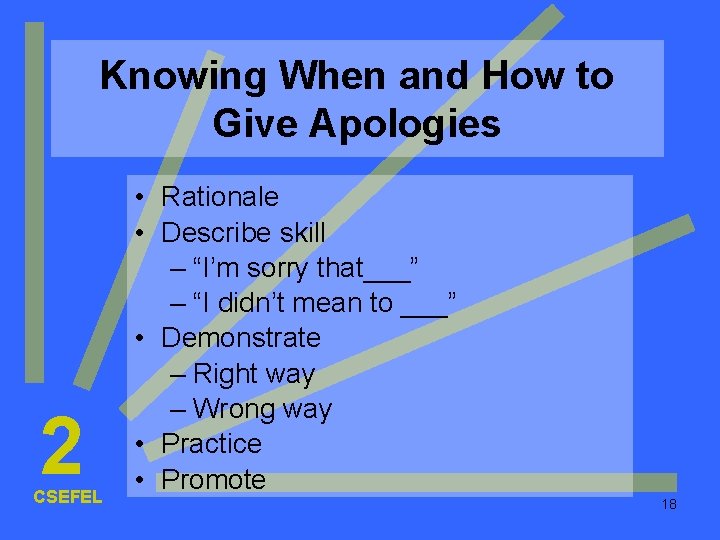
Knowing When and How to Give Apologies 2 CSEFEL • Rationale • Describe skill – “I’m sorry that___” – “I didn’t mean to ___” • Demonstrate – Right way – Wrong way • Practice • Promote 18
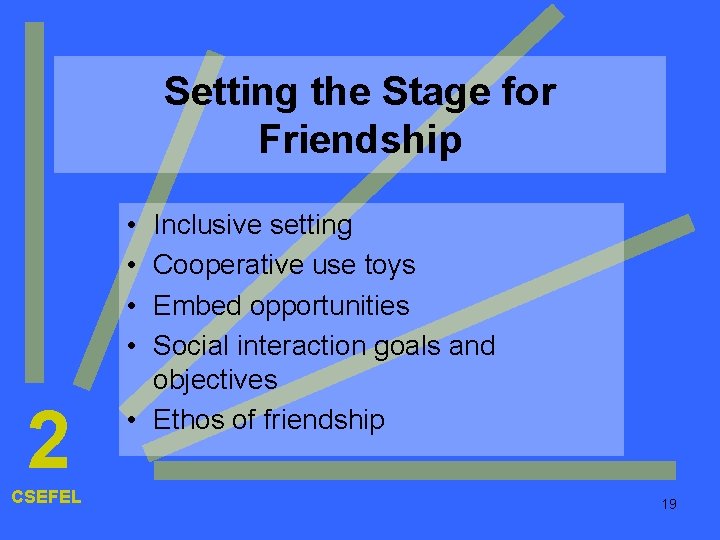
Setting the Stage for Friendship • • 2 CSEFEL Inclusive setting Cooperative use toys Embed opportunities Social interaction goals and objectives • Ethos of friendship 19
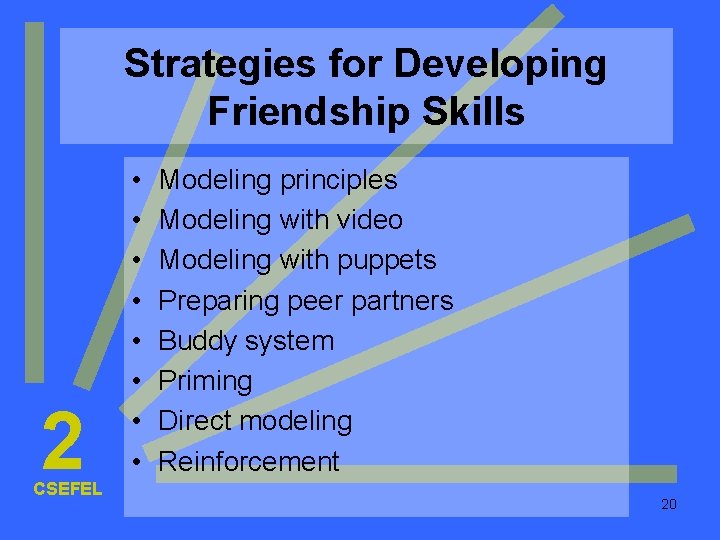
Strategies for Developing Friendship Skills 2 CSEFEL • • Modeling principles Modeling with video Modeling with puppets Preparing peer partners Buddy system Priming Direct modeling Reinforcement 20
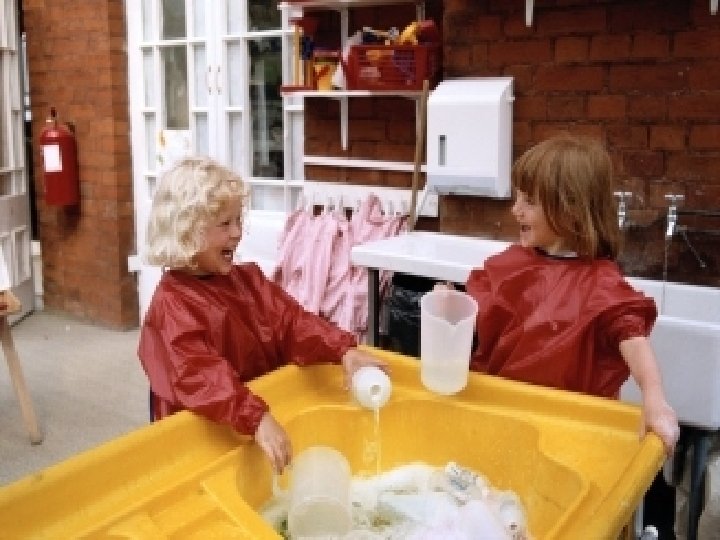
2 CSEFEL 21
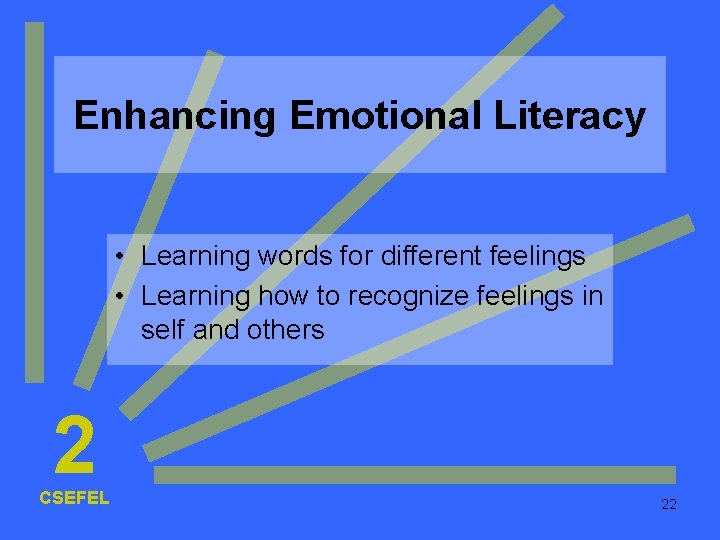
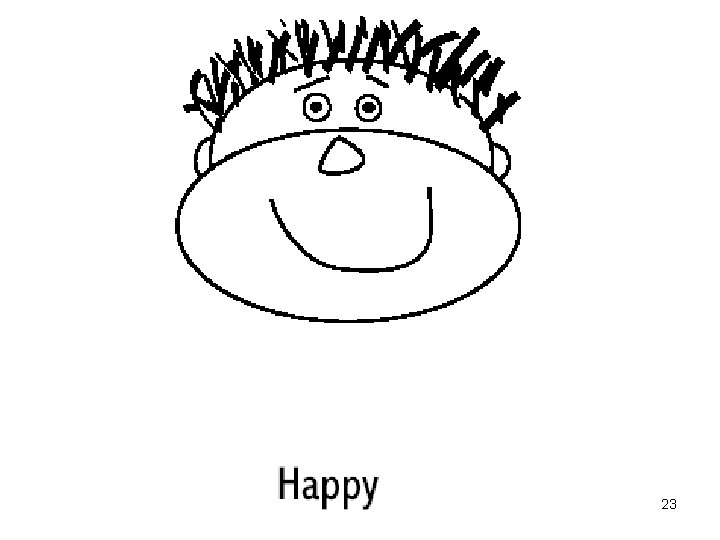
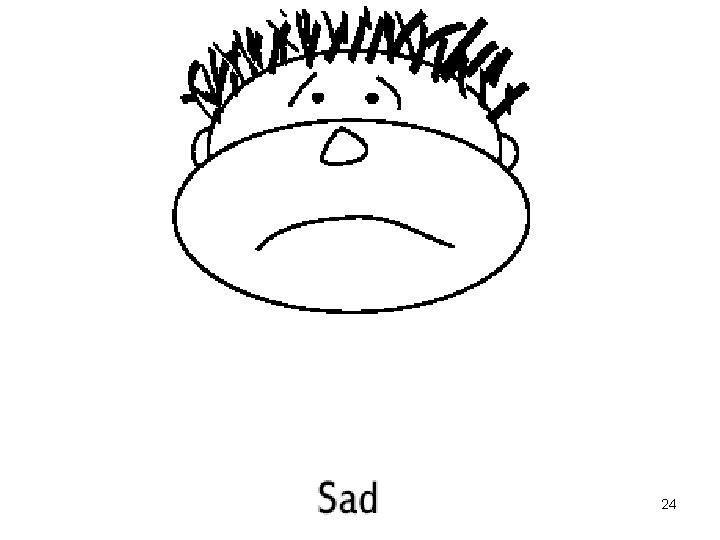
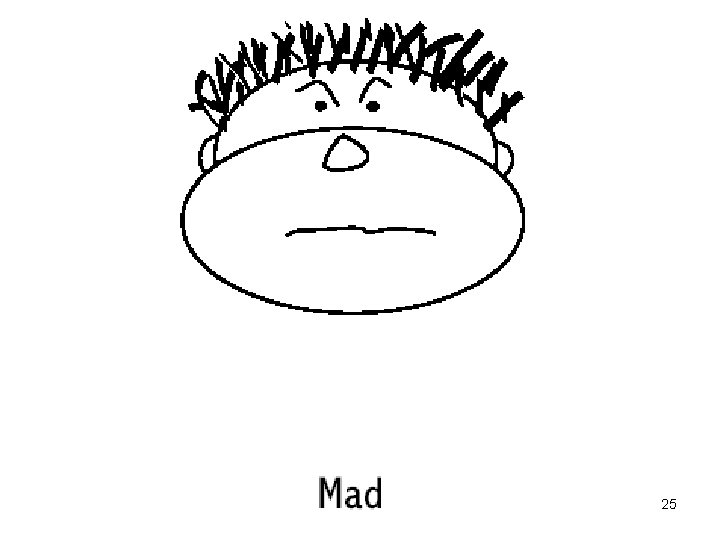
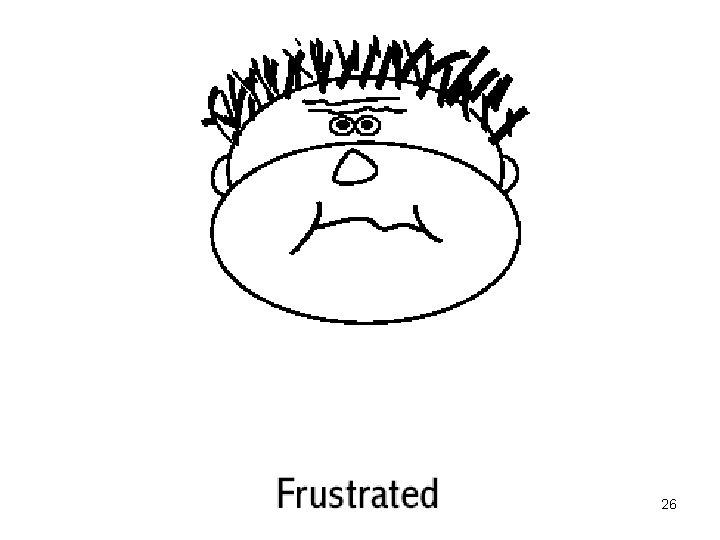
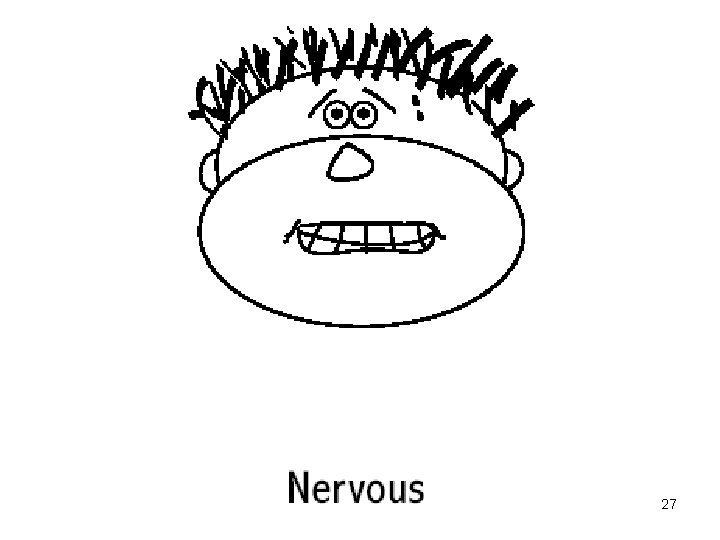
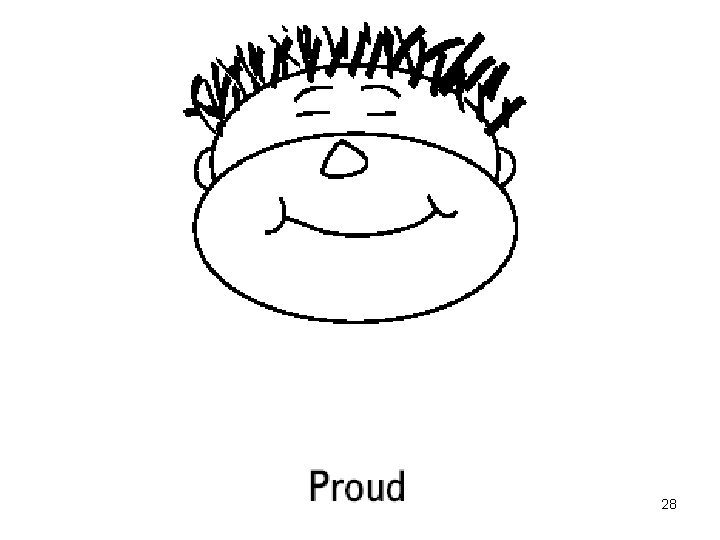
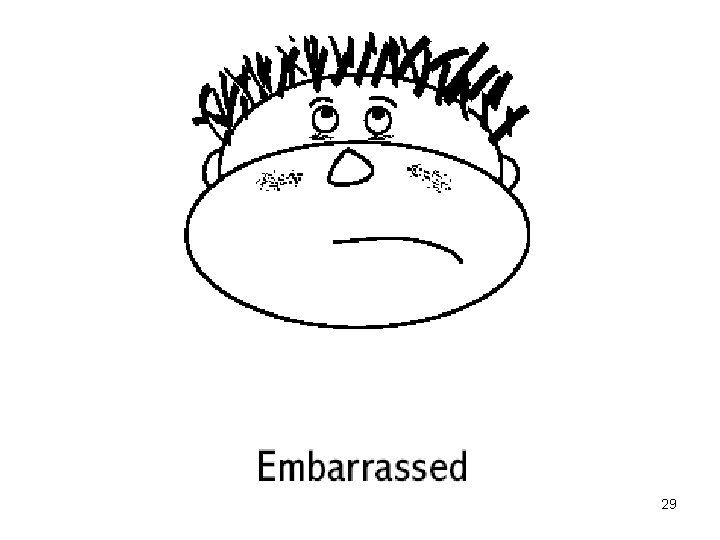
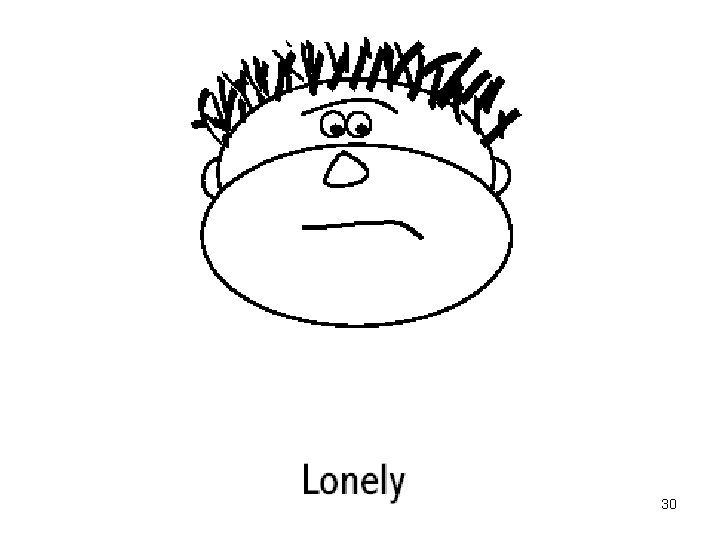
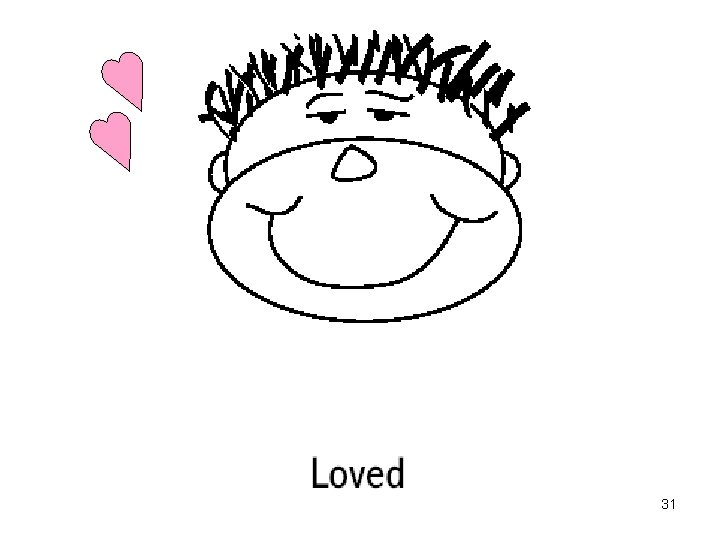
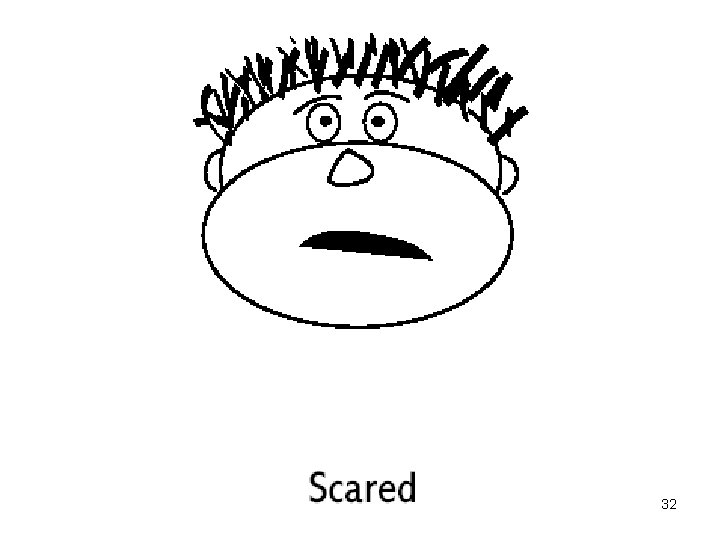
Enhancing Emotional Literacy • Learning words for different feelings • Learning how to recognize feelings in self and others 2 CSEFEL 22
23
24
25
26
27
28
29
30
31
32
Increasing Feeling Vocabularies 2 CSEFEL • • Direct teaching Incidental teaching Use children’s literature Use songs and games Play “How would you feel if? ” Checking in Feeling dice and feeling wheels 33
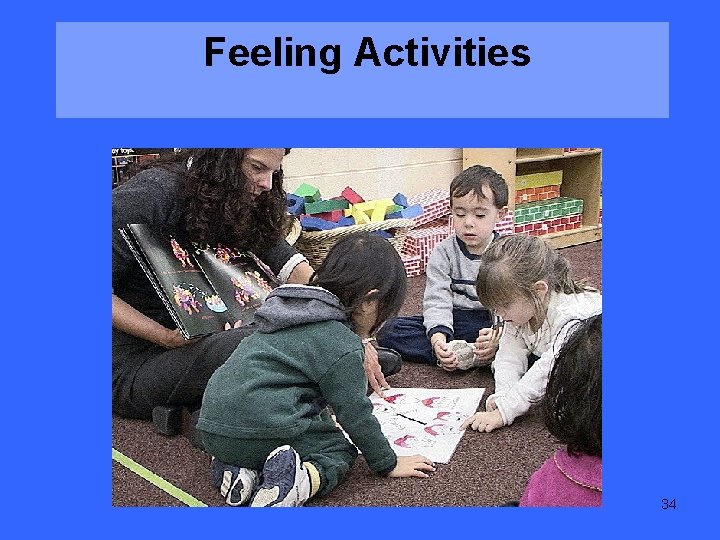
Feeling Activities 34
2 CSEFEL 35
2 CSEFEL 36
2 CSEFEL 37
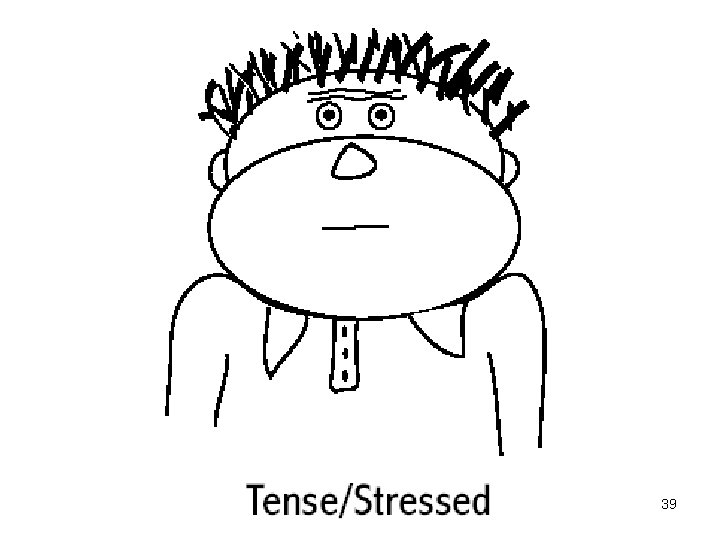
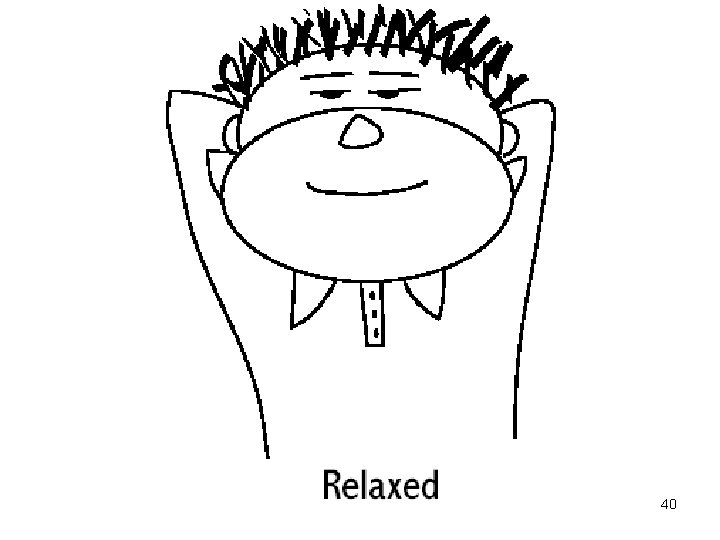
Identifying Feelings in Self and Others • Learning ways to relax • Empathy training 2 CSEFEL 38
39
40
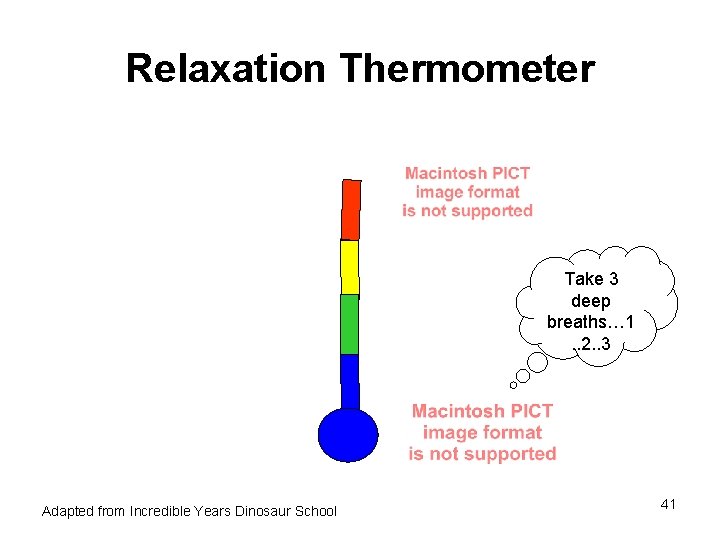
Relaxation Thermometer Take 3 deep breaths… 1. . 2. . 3 Adapted from Incredible Years Dinosaur School 41
Identifying Feelings in Self and Others Empathy Training 2 CSEFEL 42
Key Concepts with Feelings 2 CSEFEL • Feelings change • You can have more than one feeling about something • You can feel differently than someone else about the same thing • All feelings are valid – it is what you do with them that counts 43
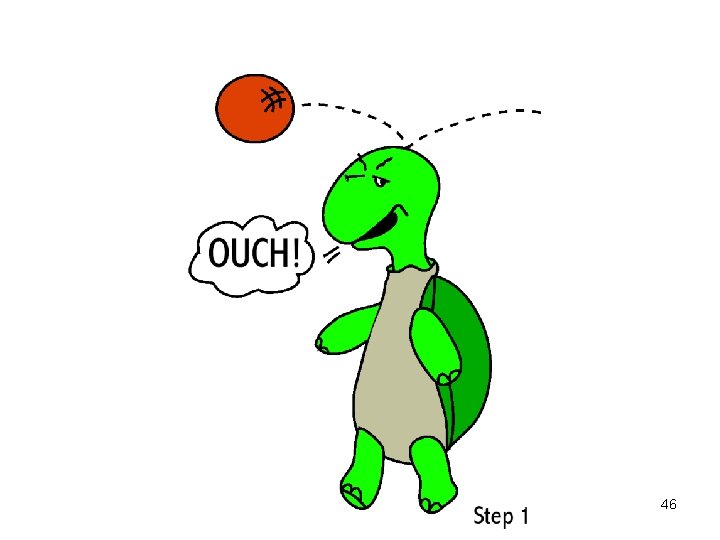
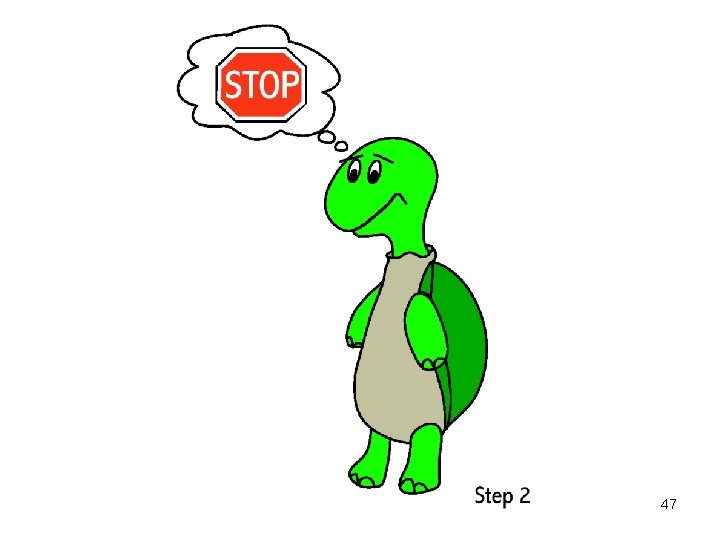
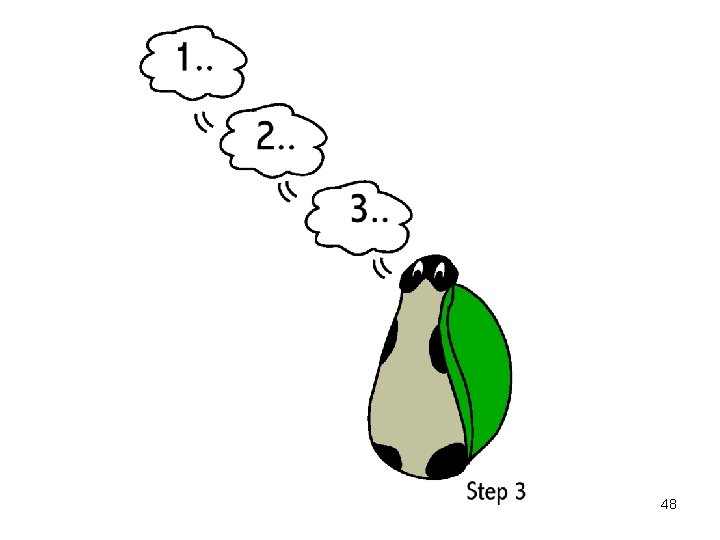
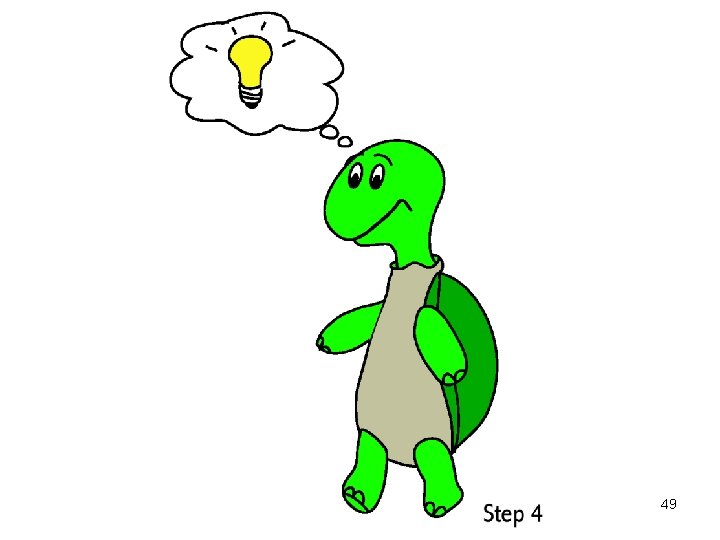
Controlling Anger and Impulse 2 CSEFEL • Recognizing that anger can interfere with problem solving • Learning how to recognize anger in oneself and others • Learning how to calm down • Understanding appropriate ways to express anger 44
45
46
47
48
49
Questions about teaching young children to control anger and handle disappointment? 2 CSEFEL 50
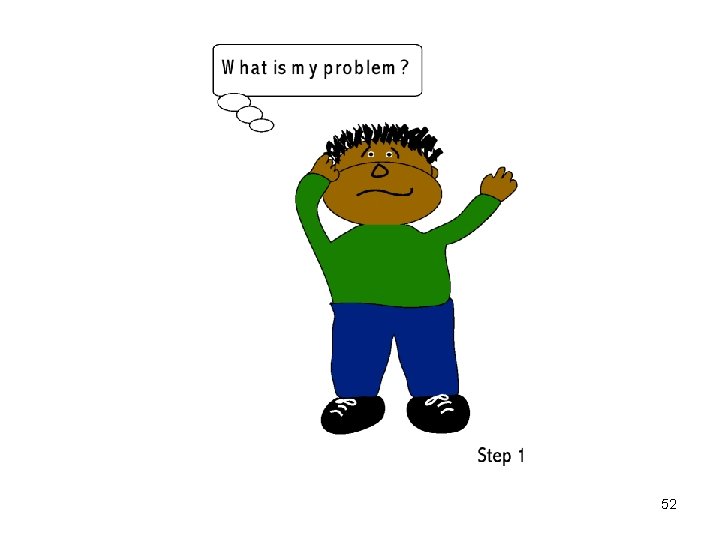
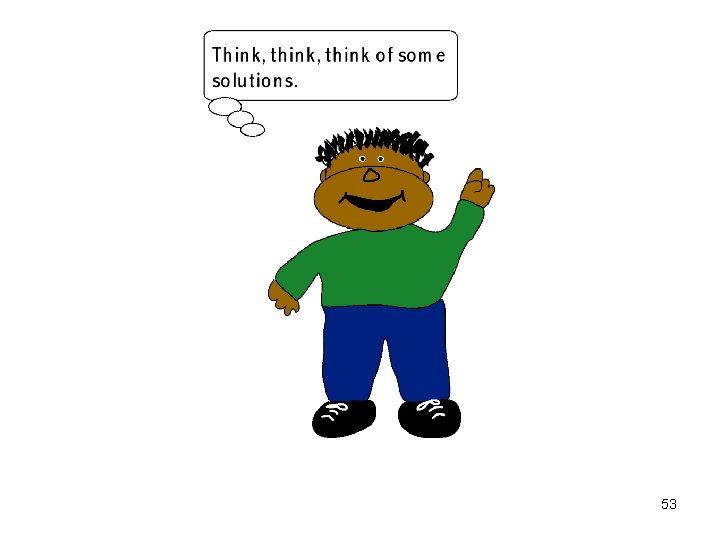
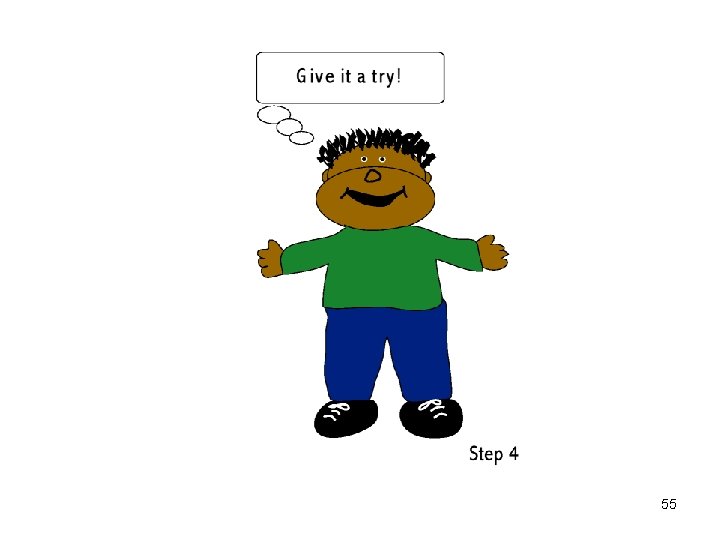
Problem Solving • Learning problem solving steps • Thinking of alternative solutions • Learning that solutions have consequences 2 CSEFEL 51
52
53
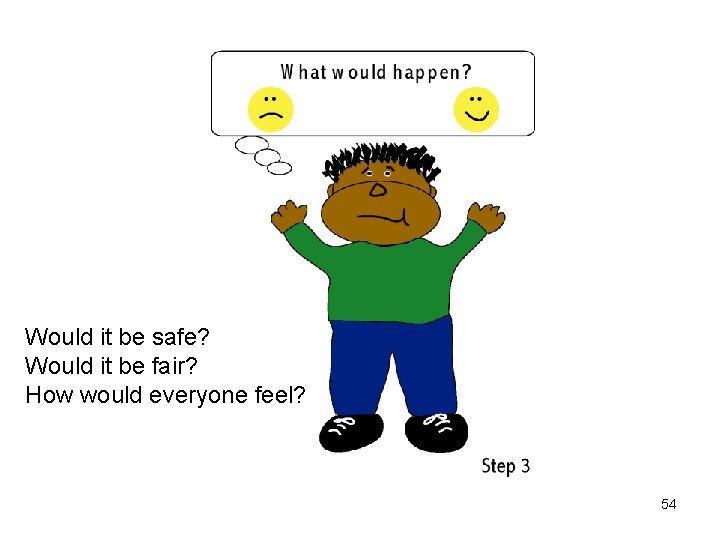
Would it be safe? Would it be fair? How would everyone feel? 54
55
Problem Solving • Learning to evaluate solutions- Is it safe? Is it Fair? Good Feelings? • What to do when a solution doesn’t work 2 CSEFEL 56
Problem-Solving Activities 2 CSEFEL • Problematize everything – “We have 6 kids at the snack table and only one apple. We have a problem. Does anyone have a solution? ” • Play “What would you do if…? ” • Children make their own “solution kits” • Children offer solutions to problems that occur in children’s stories 57
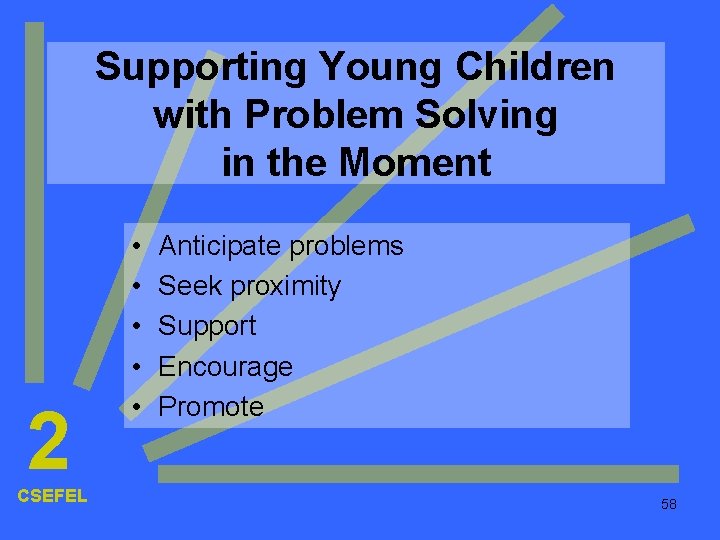
Supporting Young Children with Problem Solving in the Moment 2 CSEFEL • • • Anticipate problems Seek proximity Support Encourage Promote 58
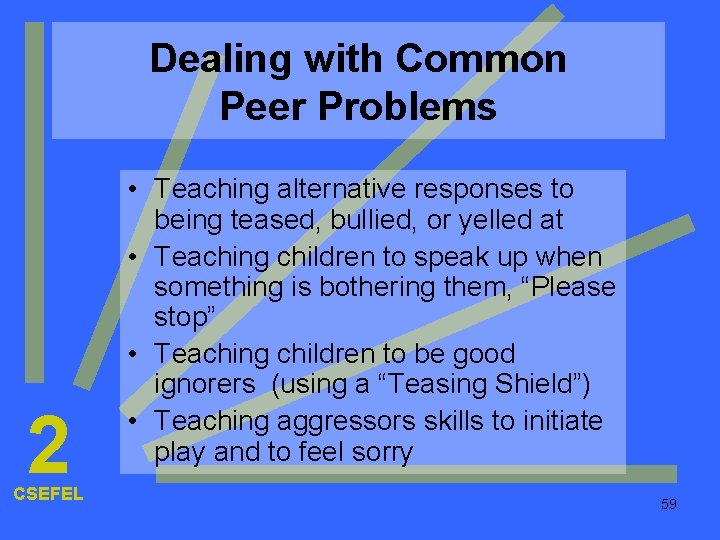
Dealing with Common Peer Problems 2 CSEFEL • Teaching alternative responses to being teased, bullied, or yelled at • Teaching children to speak up when something is bothering them, “Please stop” • Teaching children to be good ignorers (using a “Teasing Shield”) • Teaching aggressors skills to initiate play and to feel sorry 59
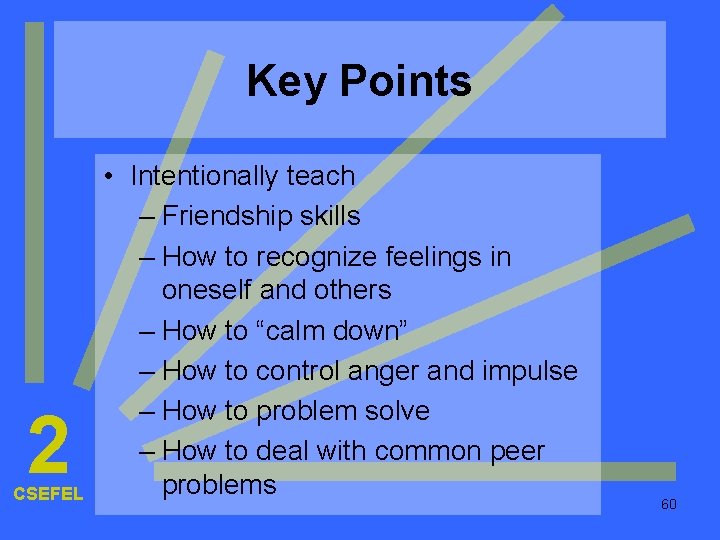
Key Points 2 CSEFEL • Intentionally teach – Friendship skills – How to recognize feelings in oneself and others – How to “calm down” – How to control anger and impulse – How to problem solve – How to deal with common peer problems 60
Promoting Social Emotional Competence Individualized Intensive Interventions Social Emotional Teaching Strategies Creating Supportive Environments Building Positive Relationships 61