
Prokaryotic NO eg Bacteria eubacteria archaebacteria vs EukaryoticDO
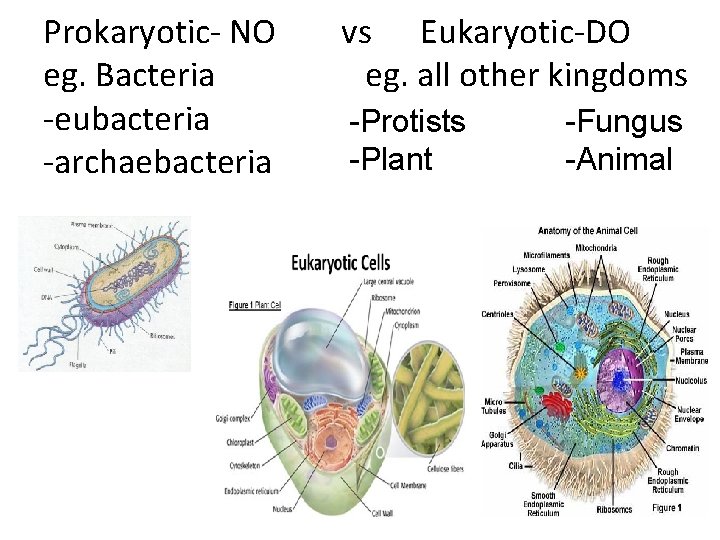
Prokaryotic- NO eg. Bacteria -eubacteria -archaebacteria vs Eukaryotic-DO eg. all other kingdoms -Protists -Plant Courtesy of: http: //4. bp. blogspot. com -Fungus -Animal
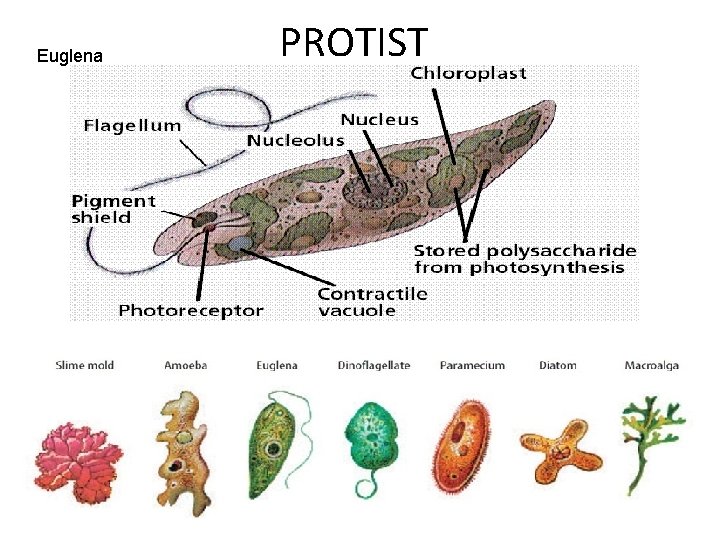
Euglena Courtesy of: www. cbu. edu PROTIST
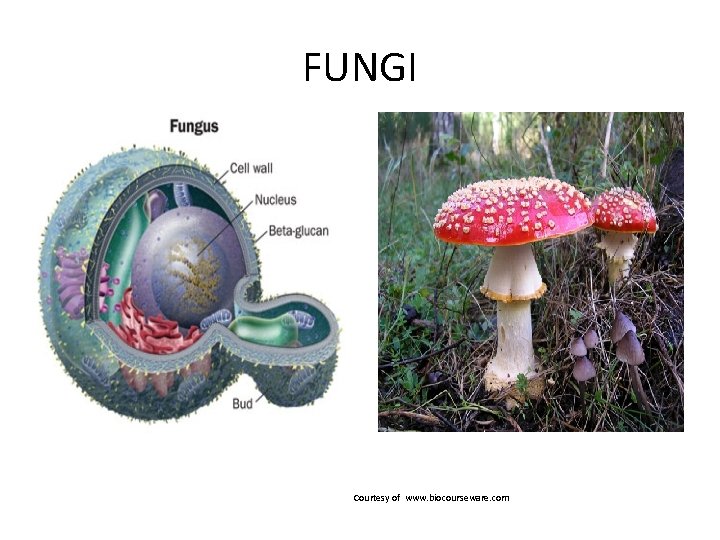
FUNGI Courtesy of www. biocourseware. com
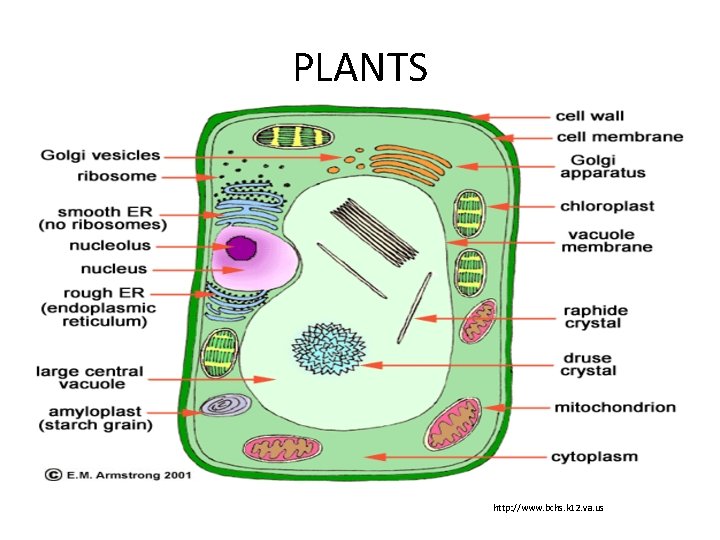
PLANTS http: //www. bchs. k 12. va. us
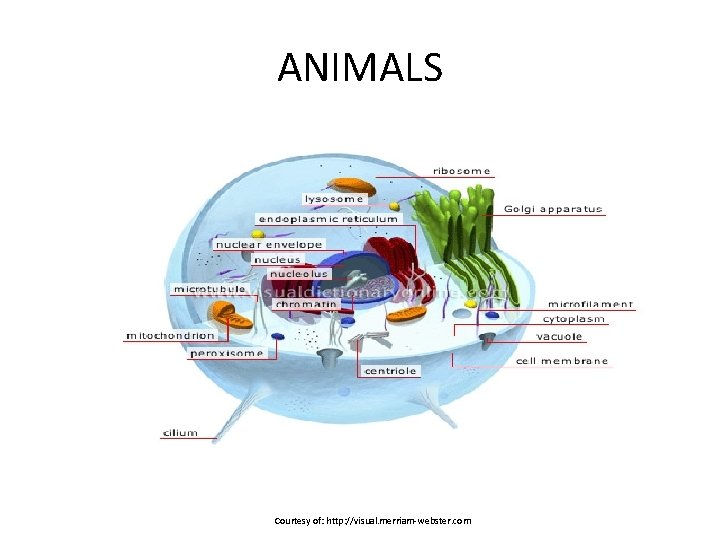
ANIMALS Courtesy of: http: //visual. merriam-webster. com
CELL STRUCTURE & FUNCTION
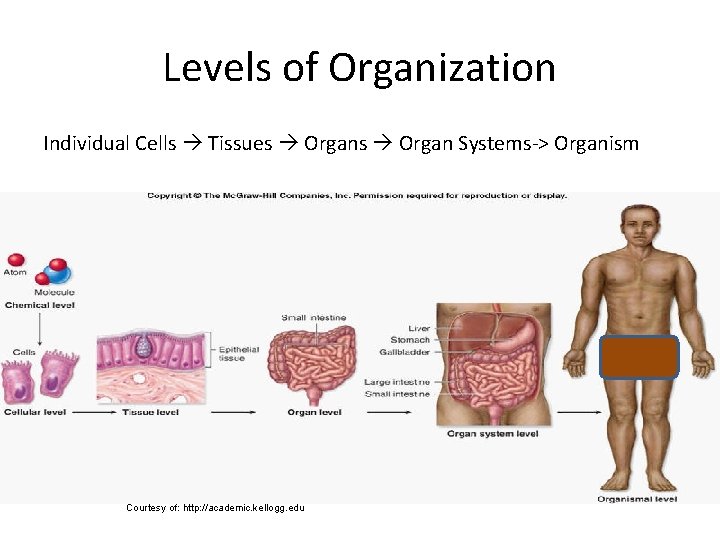
Levels of Organization Individual Cells Tissues Organ Systems-> Organism Courtesy of: http: //academic. kellogg. edu
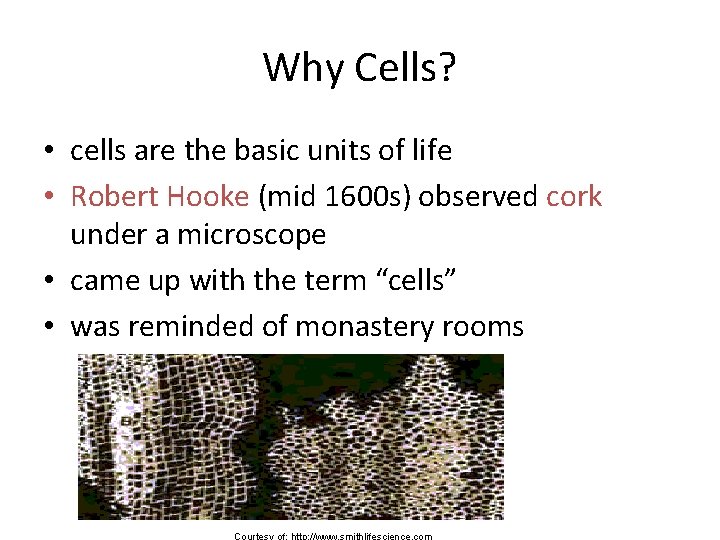
Why Cells? • cells are the basic units of life • Robert Hooke (mid 1600 s) observed cork under a microscope • came up with the term “cells” • was reminded of monastery rooms Courtesy of: http: //www. smithlifescience. com
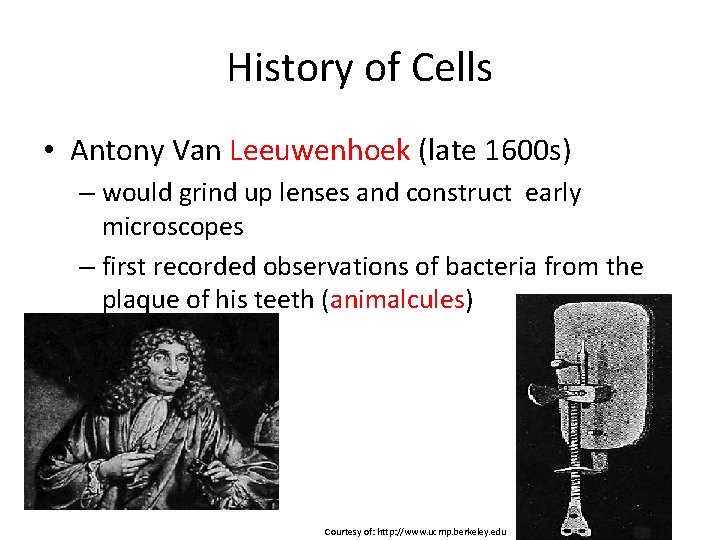
History of Cells • Antony Van Leeuwenhoek (late 1600 s) – would grind up lenses and construct early microscopes – first recorded observations of bacteria from the plaque of his teeth (animalcules) Courtesy of: http: //www. ucmp. berkeley. edu
Cell Theory -1838 -1839 Schleiden (plants) & Schwann (animals) 1) All living things are composed of cells. Lead to: 2) Cells are the basic units of structure and function in living things. -1855 Virchow 3) New cells are produced from existing cells.
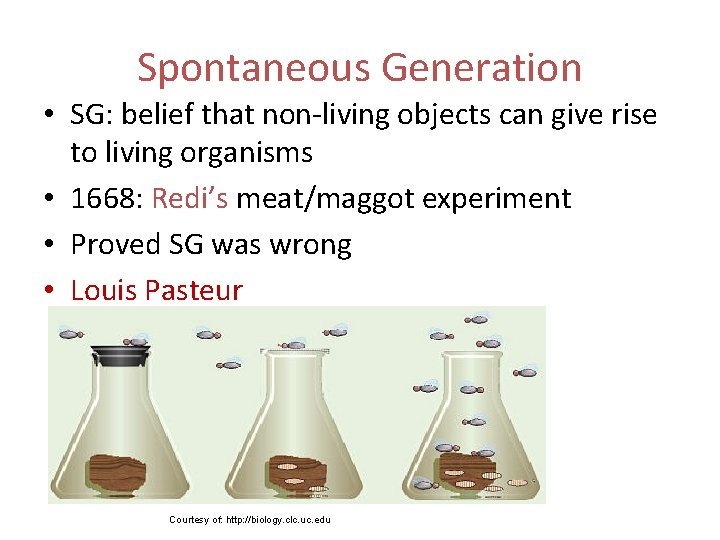
Spontaneous Generation • SG: belief that non-living objects can give rise to living organisms • 1668: Redi’s meat/maggot experiment • Proved SG was wrong • Louis Pasteur Courtesy of: http: //biology. clc. uc. edu
Cell Size • Small! • 1 to 100 micrometers • 1 um =. 001 mm https: //ca 7 science. wikispaces. com • Surface area/volume ratio limits size • Exchanges nutrients and waste through diffusion
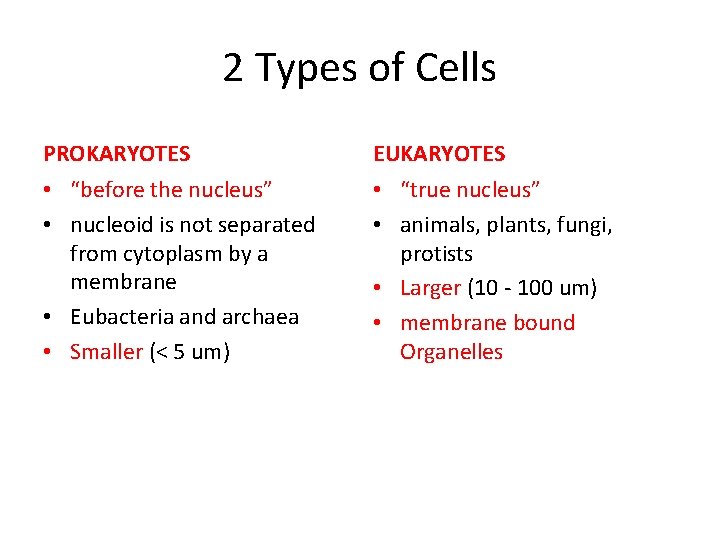
2 Types of Cells PROKARYOTES EUKARYOTES • “before the nucleus” • nucleoid is not separated from cytoplasm by a membrane • Eubacteria and archaea • Smaller (< 5 um) • “true nucleus” • animals, plants, fungi, protists • Larger (10 - 100 um) • membrane bound Organelles
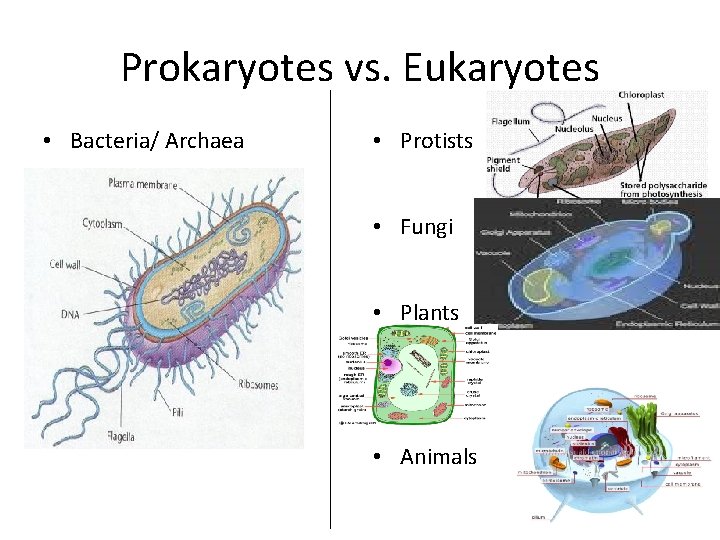
Prokaryotes vs. Eukaryotes • Bacteria/ Archaea • Protists • Fungi • Plants • Animals
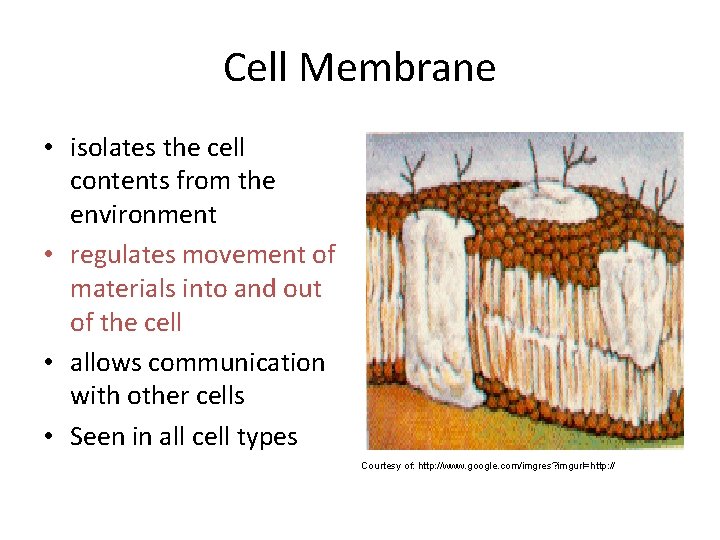
Cell Membrane • isolates the cell contents from the environment • regulates movement of materials into and out of the cell • allows communication with other cells • Seen in all cell types Courtesy of: http: //www. google. com/imgres? imgurl=http: //
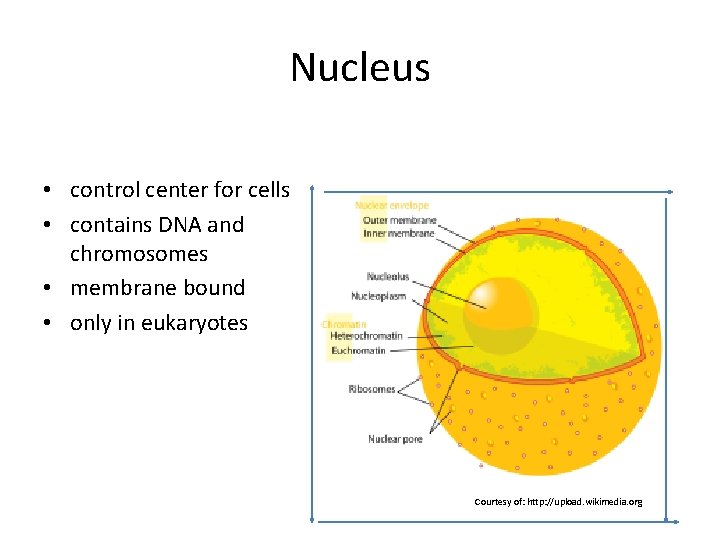
Nucleus • control center for cells • contains DNA and chromosomes • membrane bound • only in eukaryotes Courtesy of: http: //upload. wikimedia. org
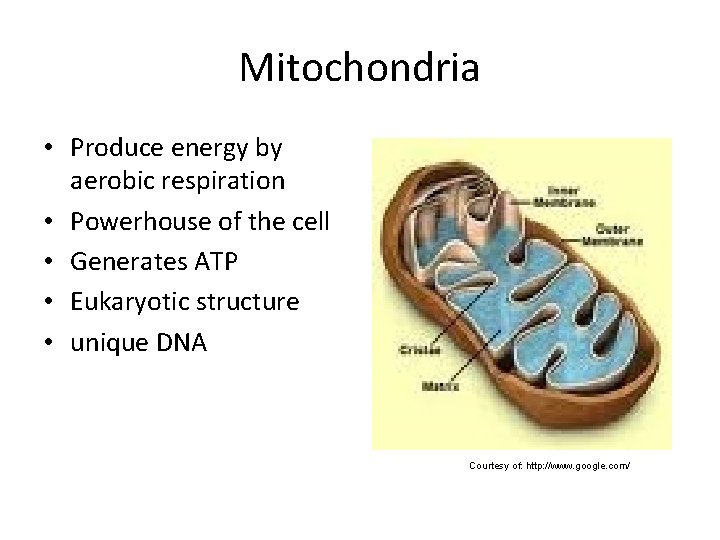
Mitochondria • Produce energy by aerobic respiration • Powerhouse of the cell • Generates ATP • Eukaryotic structure • unique DNA Courtesy of: http: //www. google. com/
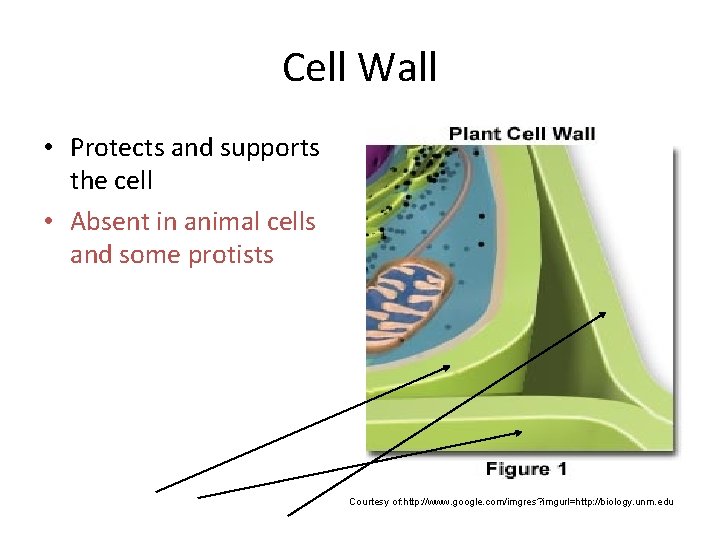
Cell Wall • Protects and supports the cell • Absent in animal cells and some protists Courtesy of: http: //www. google. com/imgres? imgurl=http: //biology. unm. edu
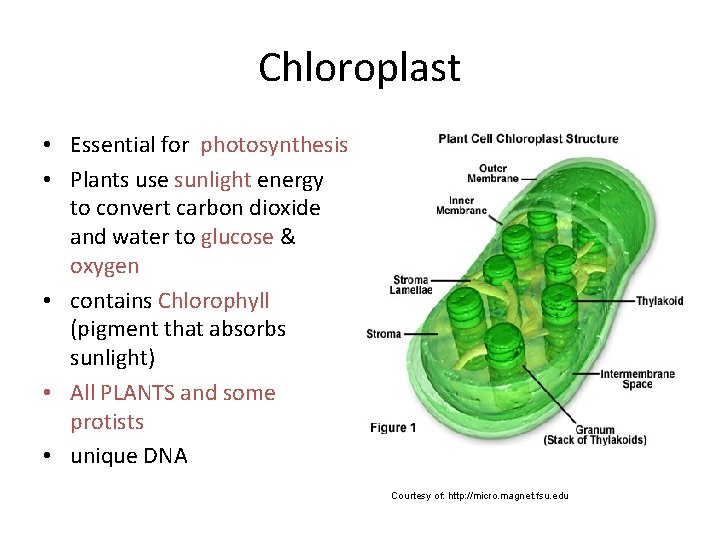
Chloroplast • Essential for photosynthesis • Plants use sunlight energy to convert carbon dioxide and water to glucose & oxygen • contains Chlorophyll (pigment that absorbs sunlight) • All PLANTS and some protists • unique DNA Courtesy of: http: //micro. magnet. fsu. edu
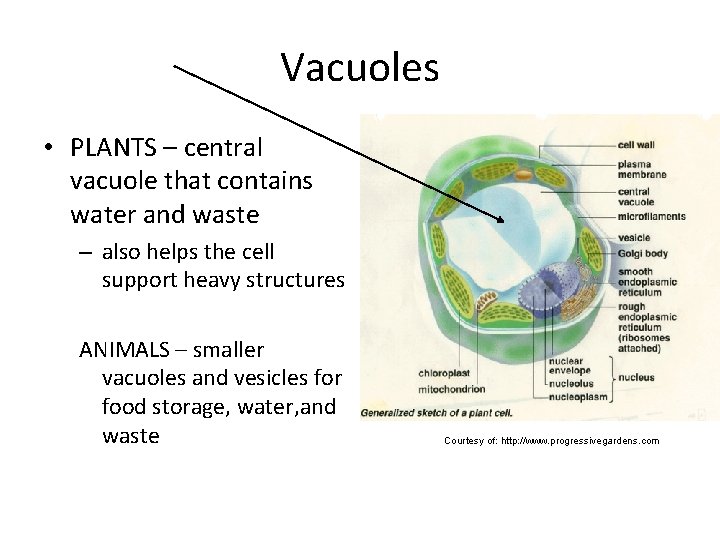
Vacuoles • PLANTS – central vacuole that contains water and waste – also helps the cell support heavy structures ANIMALS – smaller vacuoles and vesicles for food storage, water, and waste Courtesy of: http: //www. progressivegardens. com
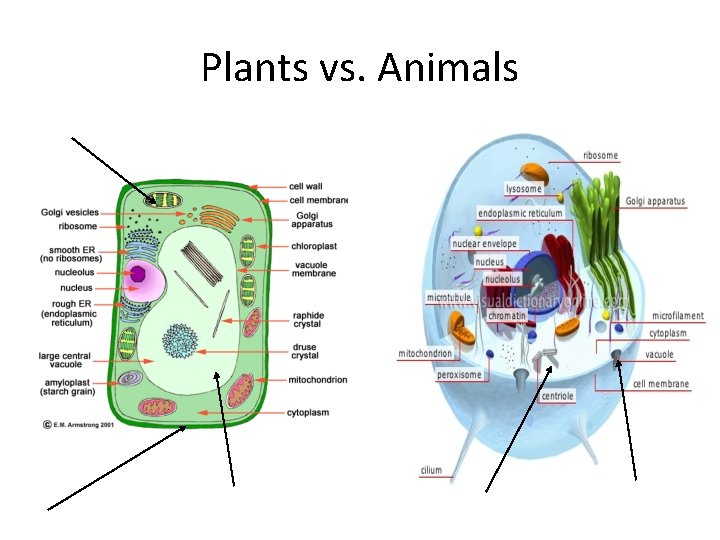
Plants vs. Animals
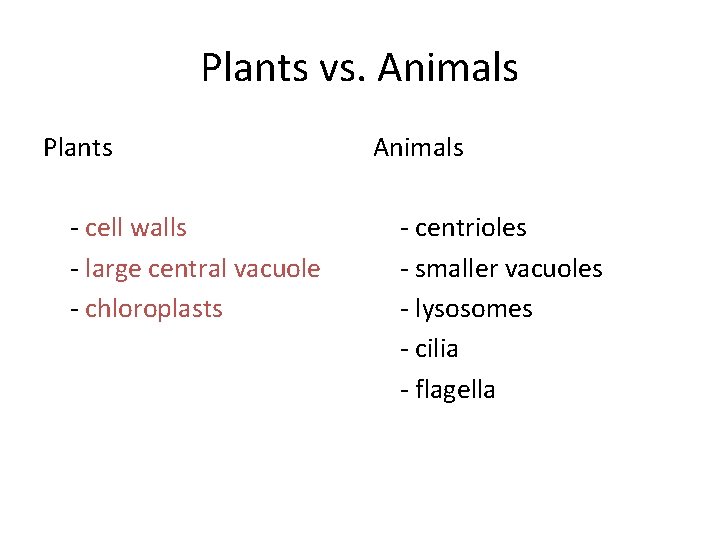
Plants vs. Animals Plants - cell walls - large central vacuole - chloroplasts Animals - centrioles - smaller vacuoles - lysosomes - cilia - flagella
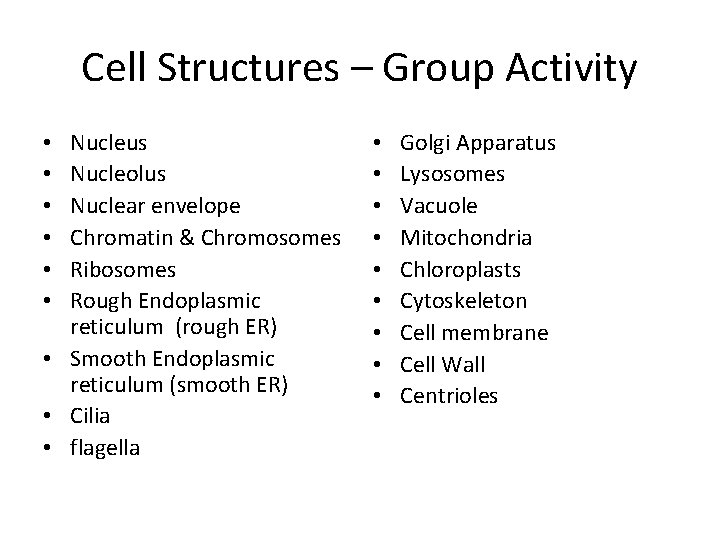
Cell Structures – Group Activity Nucleus Nucleolus Nuclear envelope Chromatin & Chromosomes Ribosomes Rough Endoplasmic reticulum (rough ER) • Smooth Endoplasmic reticulum (smooth ER) • Cilia • flagella • • • • Golgi Apparatus Lysosomes Vacuole Mitochondria Chloroplasts Cytoskeleton Cell membrane Cell Wall Centrioles
- Slides: 23