
Prokaryotes vs Eukaryotes Organelles etc Cell Membrane Transport
Prokaryotes vs. Eukaryotes Organelles etc Cell Membrane Transport Bio Trivia 5 pt 5 pt 10 pt 10 pt 15 pt 15 pt 20 pt 20 pt 25 pt 25 1 pt
I 5 A protein synthesizing organelle common to all cells 2
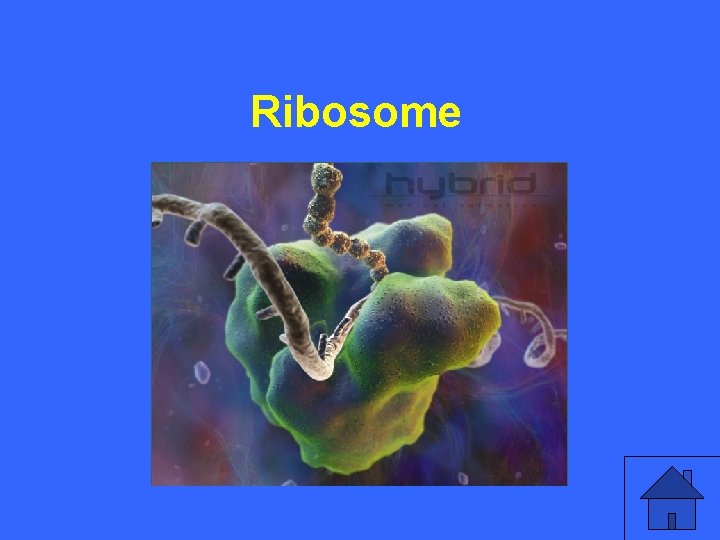
I 5 a Ribosome 3
I 10 Give one example of a prokaryote and name four “kingdoms” of eukaryotes. 4
I 10 a Prokaryotes=bacteria Eukaryotes = plant, animal, fungi, protista 5
I 15 Region in a prokaryote in which DNA is found 6

I 15 a Nucleoid 7
I 20 Name of four organelles absent in prokaryotes 8
I 20 a Examples: mitochondria, chloroplast, ER, Golgi, lysosome, peroxisome, plastids 9
Prokaryotic characteristics of I 25 mitochondria and chloroplasts that provides evidence for the Endosymbiont Theory 10
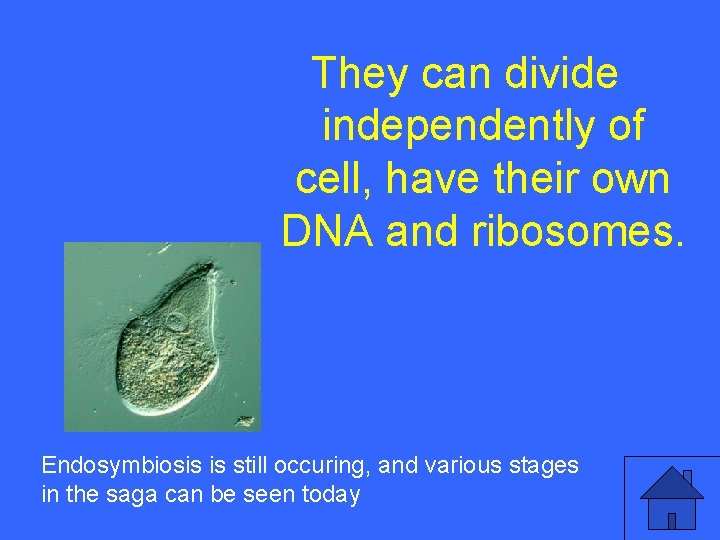
They can divide I 25 a independently of cell, have their own DNA and ribosomes. Endosymbiosis is still occuring, and various stages in the saga can be seen today 11
II 5 Structure made of microtubules that is absent in plant cells 12
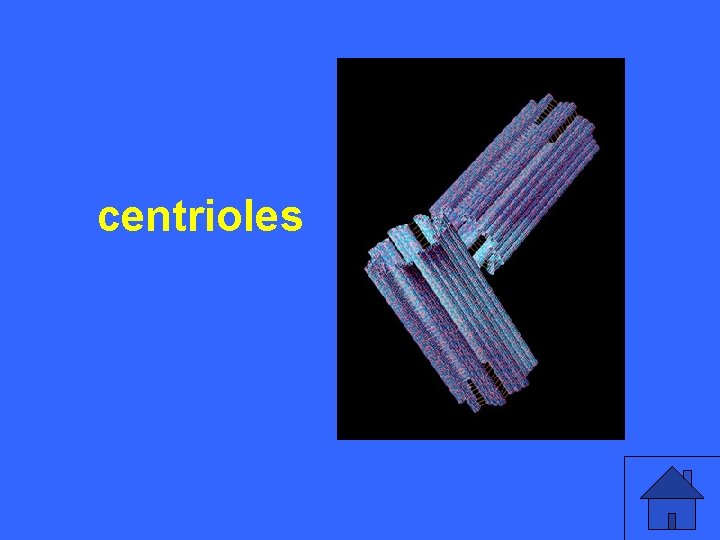
II 5 a centrioles 13
modifies oligosaccharides IIIt 10 on proteins that will be secreted 14
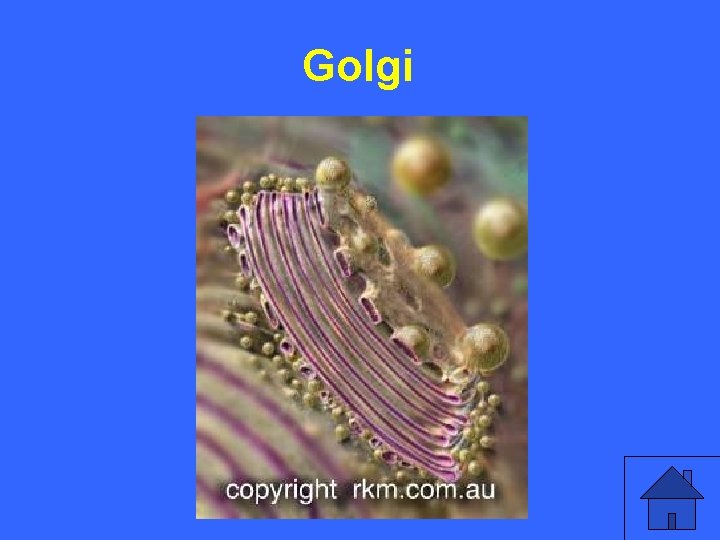
II 10 a Golgi 15
II 15 Pathway that secreted proteins take from beginning to exocytosis 16

Rough ER vesicle II 15 a Golgi vesicle plasma membrane 17
II Two 20 organelles that can create ATP 18
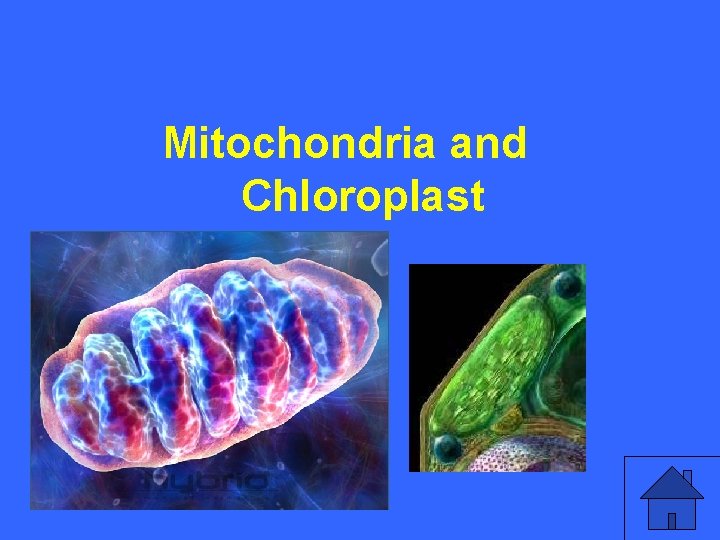
II 20 a Mitochondria and Chloroplast 19

II 25 Name five jobs of microtubules 20
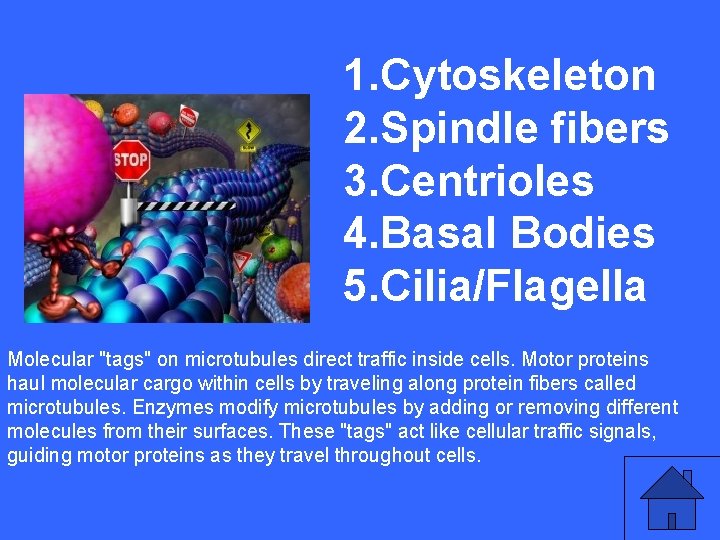
II 25 a 1. Cytoskeleton 2. Spindle fibers 3. Centrioles 4. Basal Bodies 5. Cilia/Flagella Molecular "tags" on microtubules direct traffic inside cells. Motor proteins haul molecular cargo within cells by traveling along protein fibers called microtubules. Enzymes modify microtubules by adding or removing different molecules from their surfaces. These "tags" act like cellular traffic signals, guiding motor proteins as they travel throughout cells. 21
III It 5 prevents close packing of phospholipids when the temperature is lowered 22
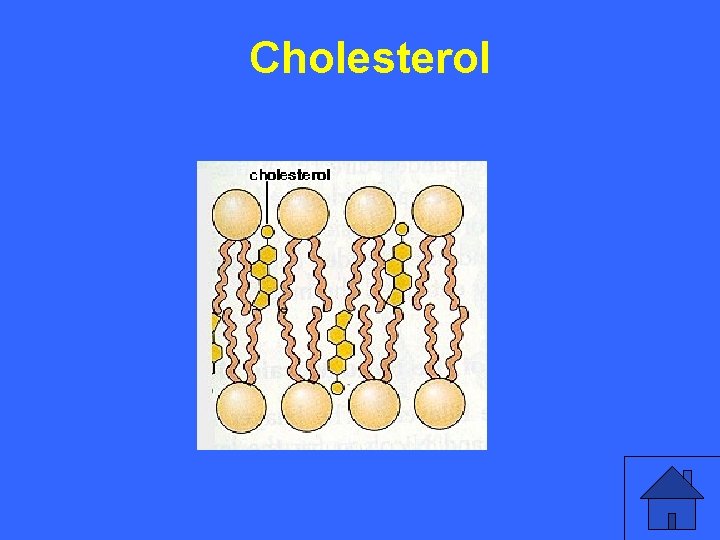
III 5 a Cholesterol 23
III 10 Type of protein or lipid involved in cell-cell recognition 24
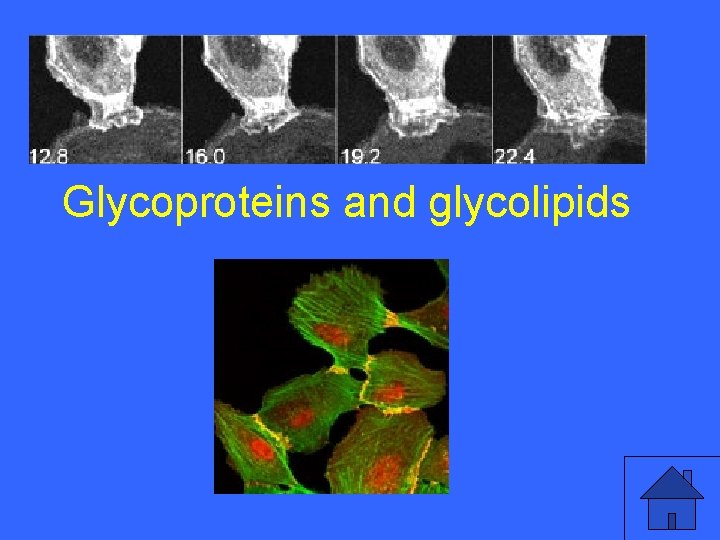
III 10 a Glycoproteins and glycolipids 25
III 15 Plant junction analogous to the gap junction. 26

III 15 a Plasmodesmata 27
Type III 20 of molecules that most easily pass through the lipid bilayer 28
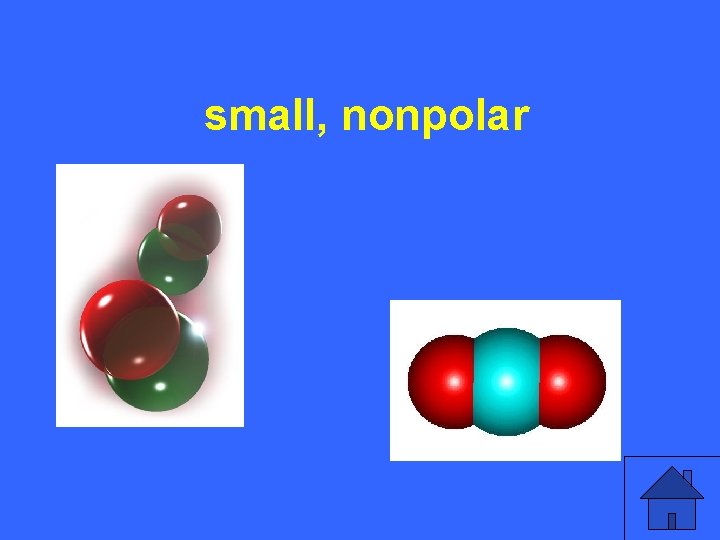
III 20 a small, nonpolar 29

III 25 Made up mostly of collagen 30
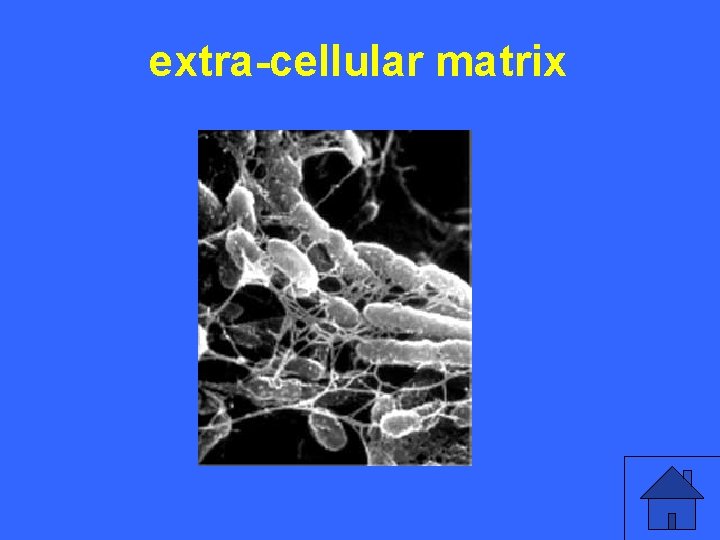
extra-cellular matrix III 25 a 31
IV 5 A cell that lyses was this compared to its solution 32
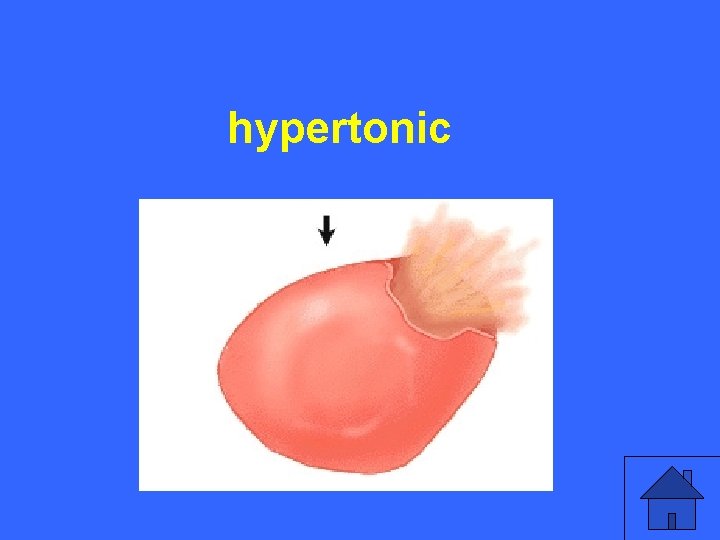
IV 5 a hypertonic 33
IV 10 A cell that plasmolyzes has what kind of water potential compared to surrounding solution? 34
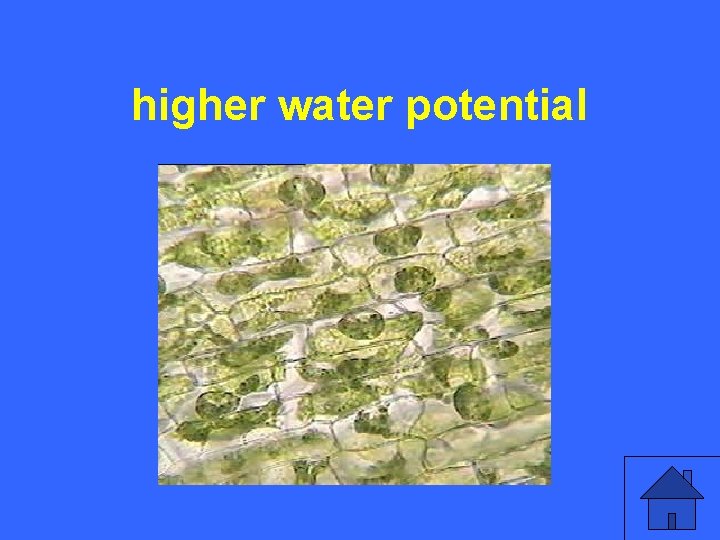
IV 10 a higher water potential 35
IV 15 Two types of active transport that create an electrochemical gradient 36
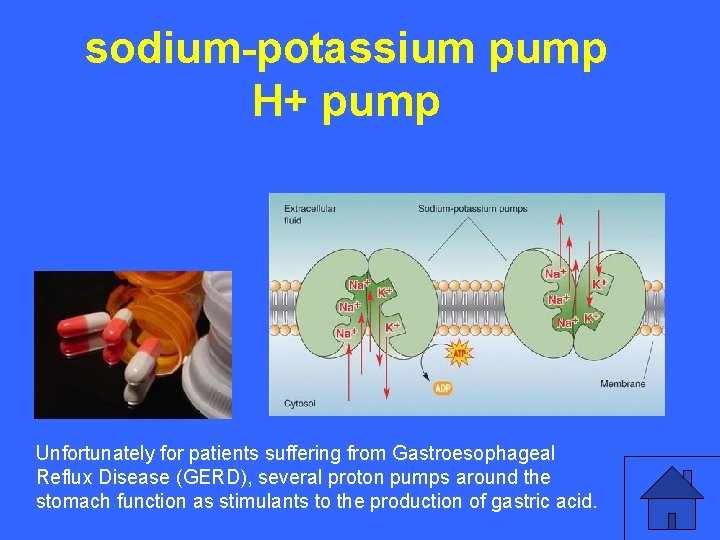
sodium-potassium pump IV 15 a H+ pump Unfortunately for patients suffering from Gastroesophageal Reflux Disease (GERD), several proton pumps around the stomach function as stimulants to the production of gastric acid. 37
IV 20 Type of passive transport that speeds up the rate of diffusion 38
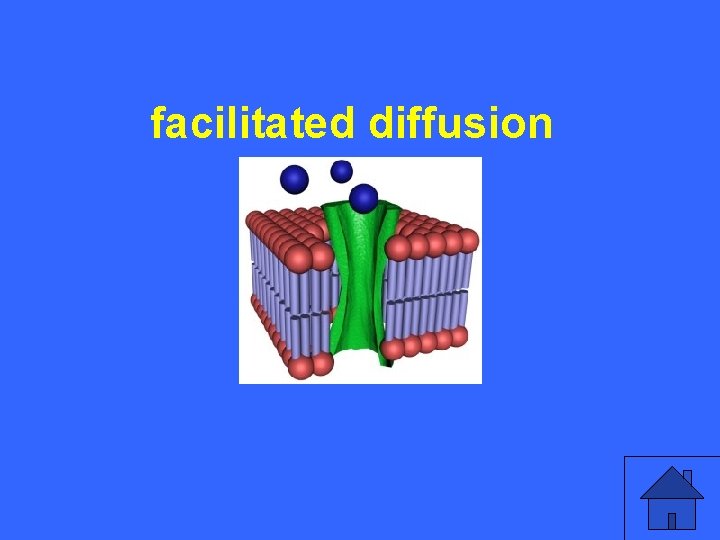
IV 20 a facilitated diffusion 39
IV 25 Name two gradients that determine which direction ions will diffuse. 40
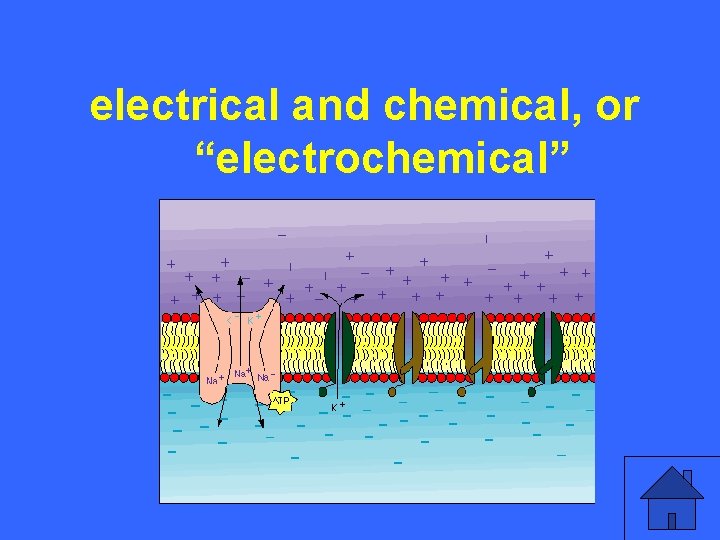
IVelectrical 25 a and chemical, or “electrochemical” 41
V 5 How many eyelids does a camel have? 42
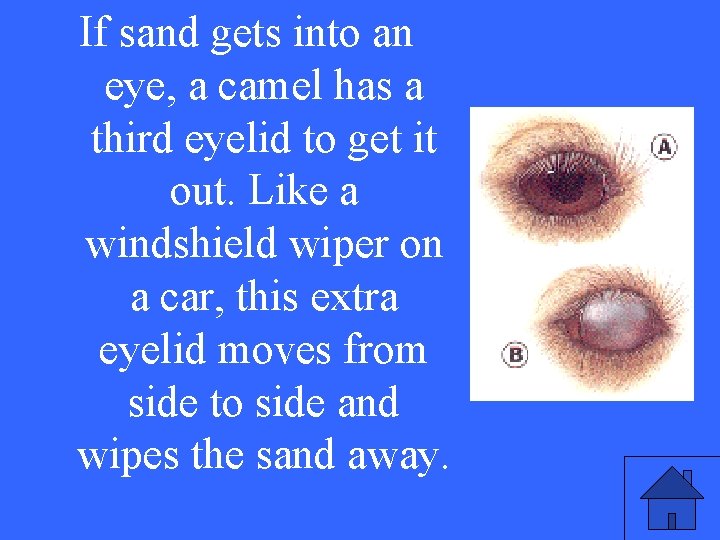
If sand gets into an eye, a camel has a V 5 a third eyelid to get it out. Like a windshield wiper on a car, this extra eyelid moves from side to side and wipes the sand away. 43
V 10 Name a type of cell in your body that has no DNA 44
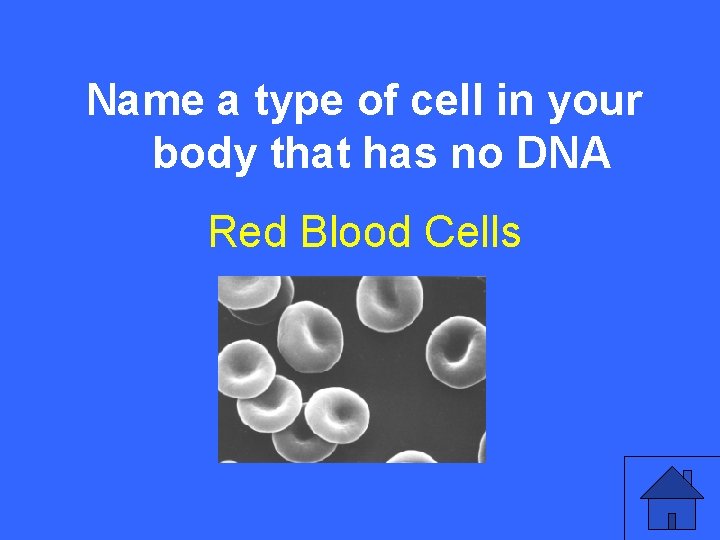
VName 10 a a type of cell in your body that has no DNA Red Blood Cells 45
V 15 Which co-author of the cell theory also named a type of cell that covers nerve cell axons and coined the term “metabolism? ” 46
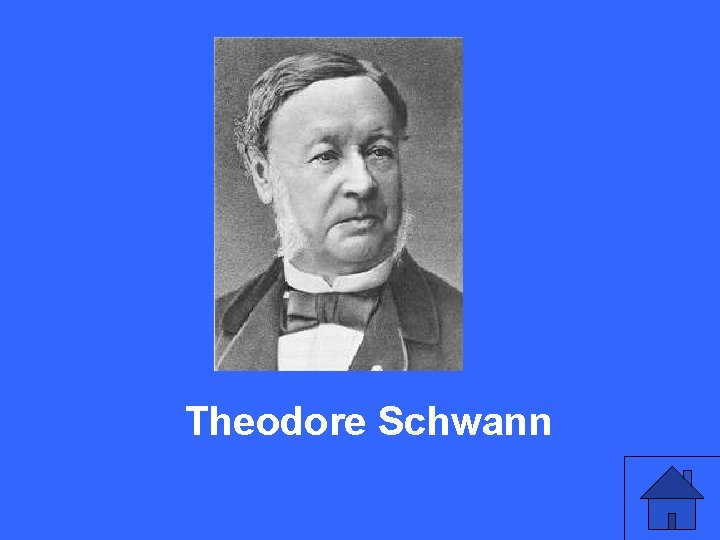
V 15 a Theodore Schwann 47
V 20 many red blood cells are there How in 1 milliliter? a. 5 million b. 10 million c. 5 billion d. 10 billion 48
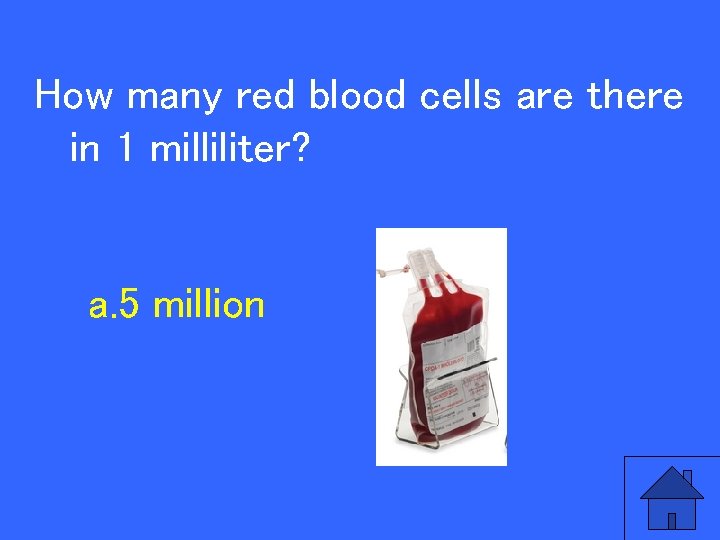
V 20 a How many red blood cells are there in 1 milliliter? a. 5 million 49

V 25 What kind of necklace does Luna Lovegood wear? 50

Butterbeer caps V 25 a. LLuna 51
- Slides: 51