
Prokaryotes and Origin of Metabolic Diversity AP Biology
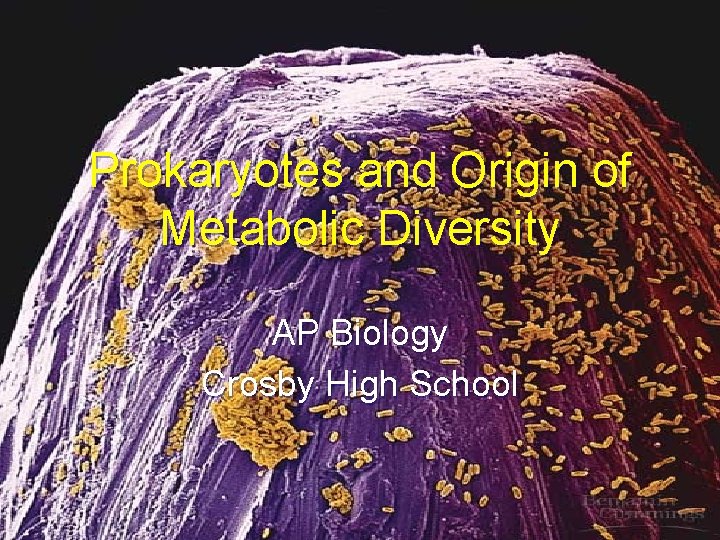
Prokaryotes and Origin of Metabolic Diversity AP Biology Crosby High School
A World of Prokaryotes Your mouth They are more infamous than famous Two types – Archaea: Origin from the first cell – Bacteria: More recent – Differ in structural, biochemical, and physiological Carl Woese

Cell Shapes Cocci – Spherical Bacillus – Rod Spirilla and Spirochetes Size range – 1 -5 µm – Largest is. 75 mm
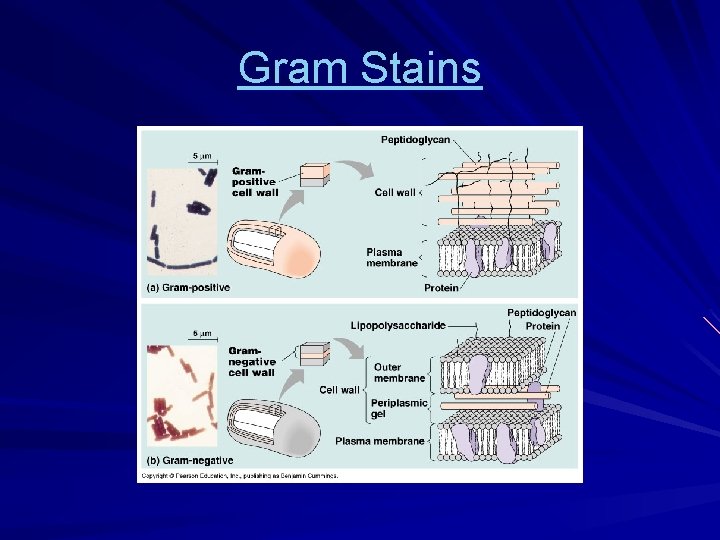
Bacterial Cell Walls Composed of peptidoglycans Form a capsule to protect from host defenses Gram stains – Gram-positive (Purple) Simpler walls Large amt. Peptidoglycans – Gram-negative (Pink) Contain lipopolysaccharides Generally more threatening
Prokaryotic Motility Flagella – 1/10 width of Eu. – Not covered by membranous extension Spirochetes – Flagella-like connected to basal motor – Corkscrew motion Slime Secretions Taxis: Movement toward or away from stimulus
Cellular and Genomic Organization Lack Compartmentalization 1/1000 as much DNA as Eu. May contain Plasmids – Can survive w/o Plasmids – Give resistance to antibiotics – Replicate independently of genophore
Prokaryotic Reproduction Binary Fission Gene transfer – Transduction: Viruses transfer genes – Conjugation: Direct transfer of genes – Transformation: Takes genes from surrounding environment Generations take minutes – hours
Growth and Protection Geometric “Growth” Limitations of growth – Nutrient exhaustion – Metabolic waste Endospore – Cell Replicates its chromosomes – One copy is surrounded by a durable wall – Autoclaves needed to kill endospores
Prokaryotic Nutrition Photoautotrophs – Light and Carbon Dioxide – Cyanobacteria Chemoautotrophs (Pro. Only) – Carbon dioxide for Carbon source – H 2 S, NH 3, Fe 2+ Photoheterotrophs (Pro. Only) – Light for ATP, but needs a Carbon source Chemoheterotrophs – Consume organic molecules for both energy and carbon source
Nutritional Diversity Saprobes: Decomposers Parasites: Absord nutrients from living host body fluid Specificity – Lactobacillus: Require all 20 a. a. Several vitamins – E. coli: Glucose or some other substitute
Nitrogen Metabolism Nitrosomes: convert NH 4+ to NO 2 Pseudomonas: “Denitrify” NO 2 - or NO 3 - to N 2 for atmosphere Cyanobacteria: – use atmospheric nitrogen directly – Nitrogen Fixation: N 2 NH 4+ – Nitrogen – fixing cyanobacteria are most selfsufficient form of life
Oxygen and Metabolism Obligate Aerobes – Use O 2 for cellular respiration Obligate Anaerobes – Poisoned by O 2 – Live mostly by fermentation – Partly by Anaerobic respiration Facultative Anaerobes – Use O 2 if present – Fermentation if no O 2
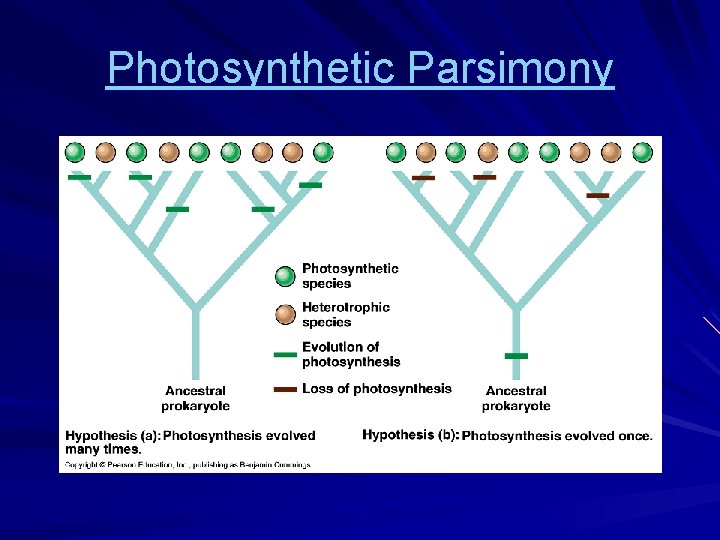
Photosynthesis Evolved Early Glycolysis was probably among the first metabolic pathways Photosynthesis likely evolved only once and very early Cyanobacteria are the only prokaryotic photoautotrophs that release O 2 by splitting H 2 O
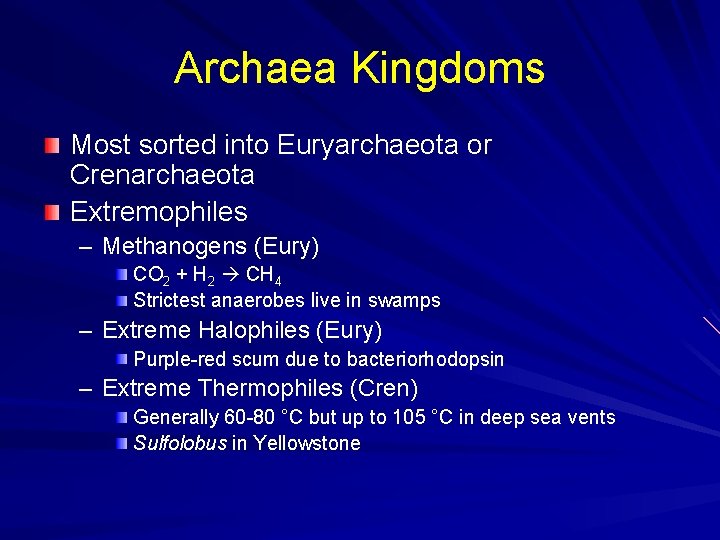
Archaea Kingdoms Most sorted into Euryarchaeota or Crenarchaeota Extremophiles – Methanogens (Eury) CO 2 + H 2 CH 4 Strictest anaerobes live in swamps – Extreme Halophiles (Eury) Purple-red scum due to bacteriorhodopsin – Extreme Thermophiles (Cren) Generally 60 -80 °C but up to 105 °C in deep sea vents Sulfolobus in Yellowstone
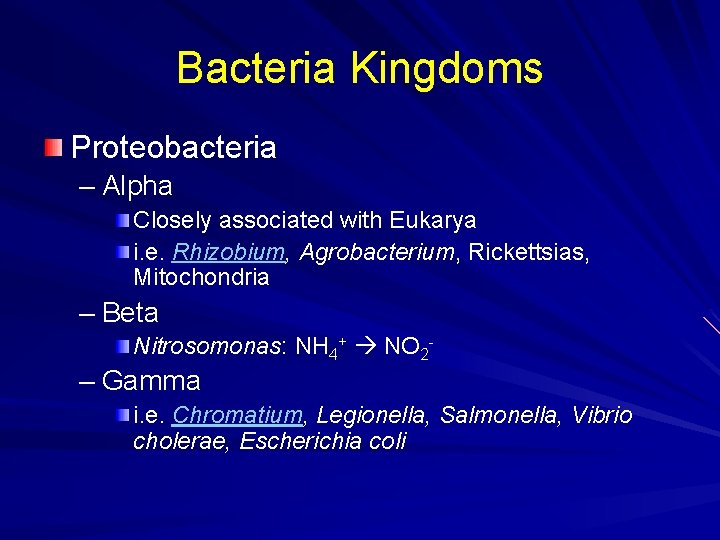
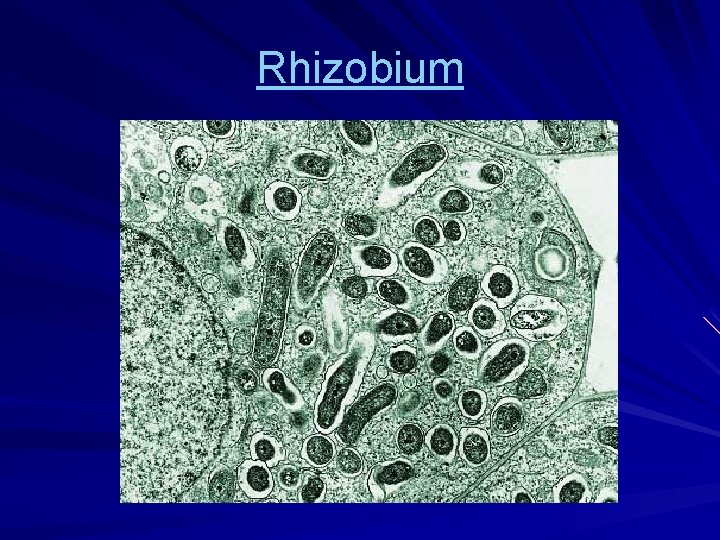
Bacteria Kingdoms Proteobacteria – Alpha Closely associated with Eukarya i. e. Rhizobium, Agrobacterium, Rickettsias, Mitochondria – Beta Nitrosomonas: NH 4+ NO 2 - – Gamma i. e. Chromatium, Legionella, Salmonella, Vibrio cholerae, Escherichia coli
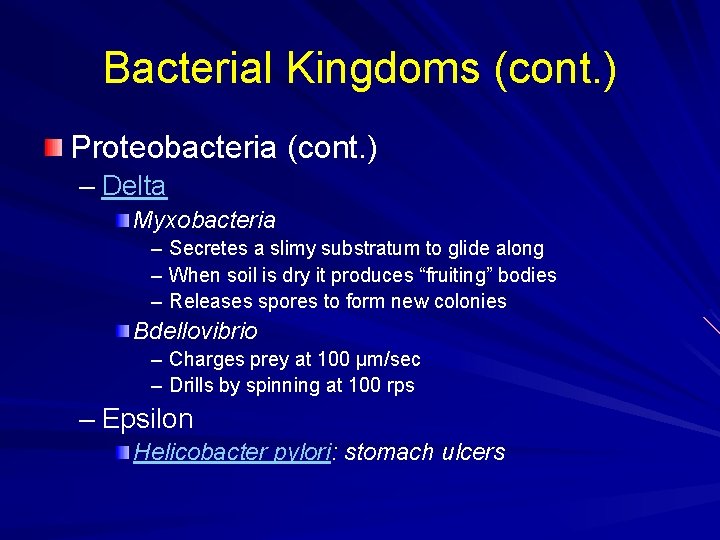
Bacterial Kingdoms (cont. ) Proteobacteria (cont. ) – Delta Myxobacteria – Secretes a slimy substratum to glide along – When soil is dry it produces “fruiting” bodies – Releases spores to form new colonies Bdellovibrio – Charges prey at 100 µm/sec – Drills by spinning at 100 rps – Epsilon Helicobacter pylori: stomach ulcers
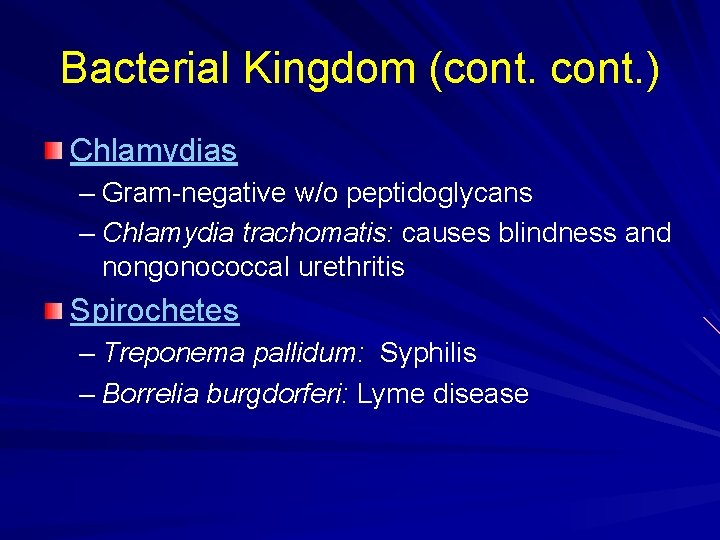
Bacterial Kingdom (cont. ) Chlamydias – Gram-negative w/o peptidoglycans – Chlamydia trachomatis: causes blindness and nongonococcal urethritis Spirochetes – Treponema pallidum: Syphilis – Borrelia burgdorferi: Lyme disease
Bacteria Kingdoms (will they ever end? ) Gram-Positive Bacteria – Actinomycetes Tuberculosis and leprosy – Spore formers Bacillus anthracis Clostridium botulinum – Staphylococcus and Streptococcus – Mycoplasmas Smallest of all living cells and lack cell walls Cyanobacteria: only bacterium with plantlike oxygenic photosynthesis
Prokaryotes and Our World Decomposers: release C, N, and other elements back into the ecosystem Producers: Provide the base for many food chains Symbiosis – Mutualistic: Both members benefit – Commensalistic: One member benefits – Parasitic: Parasite benefits while host suffers
Human Diseases as a Result of Prokaryotes Opportunistic Koch’s Postulate – Find the same pathogen in every diseased individual – Isolate same pathogen and grow microbe in pure culture – Induce disease in experimental animal from culture – Isolate same pathogen from infected animal
Toxins Exotoxins: Proteins secreted by pro. – 1 g of Botulism can kill a million people Endotoxins – Components of outer membrane of gram-neg. bacteria Antibiotics Biological Warfare
Human Uses Bioremediation: – Organisms are used to remove pollutants from the air, water and soil – Sewage treatment facilities Mass Production – Insulin production
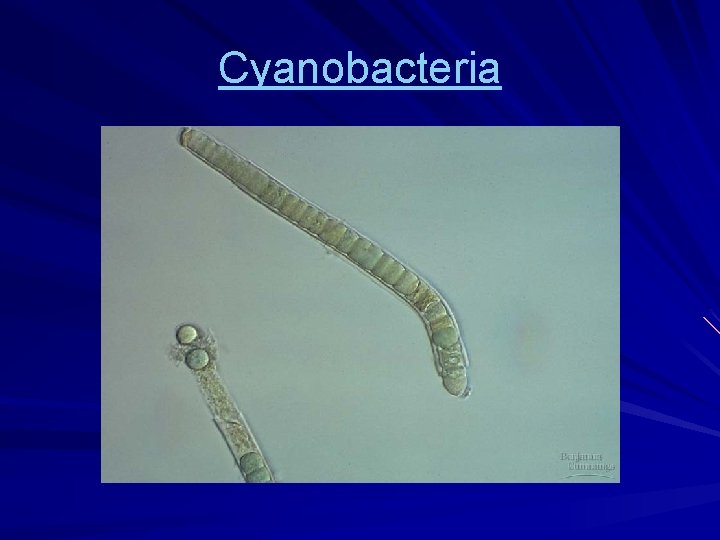
Cyanobacteria
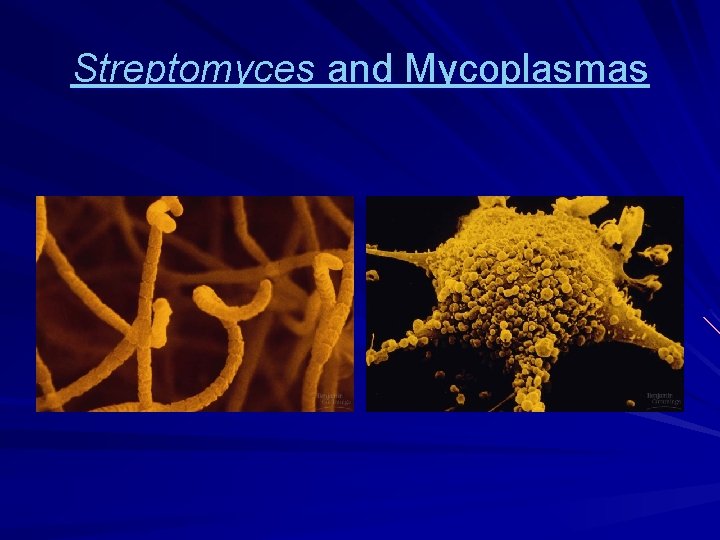
Streptomyces and Mycoplasmas
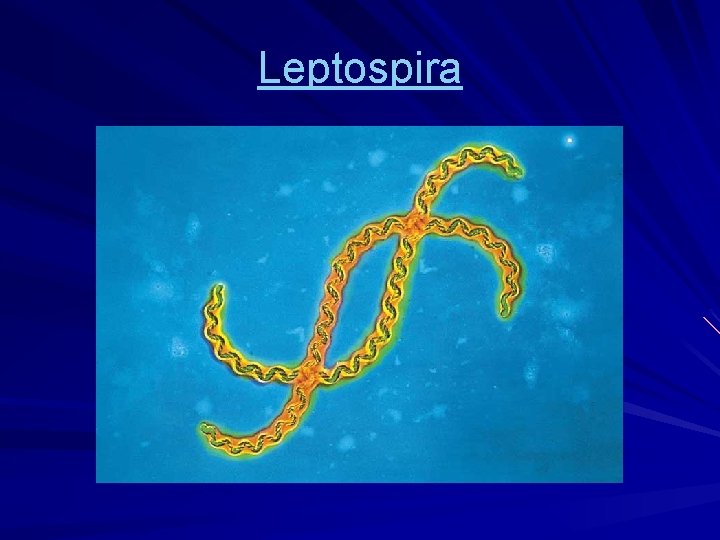
Leptospira
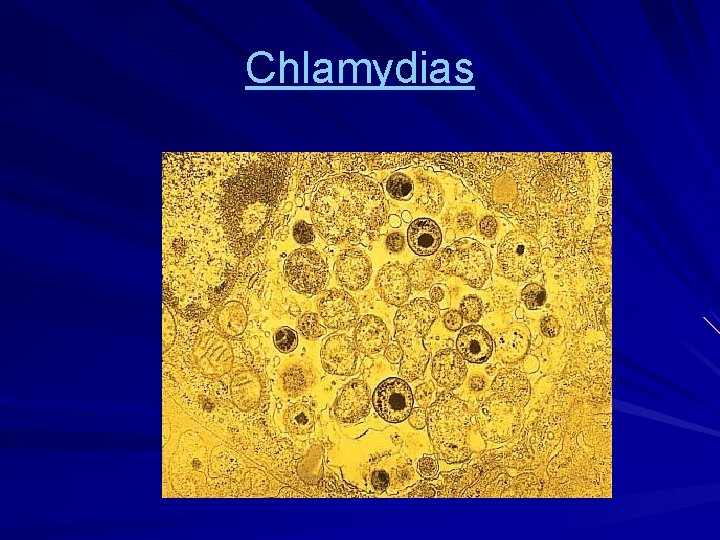
Chlamydias
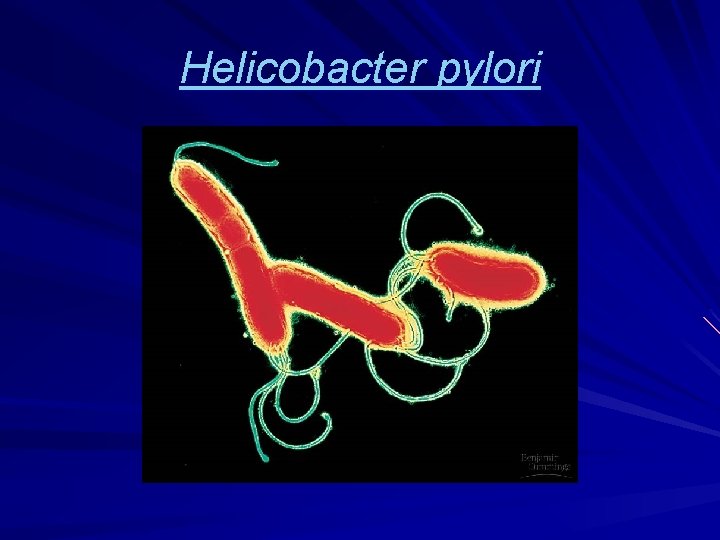
Helicobacter pylori
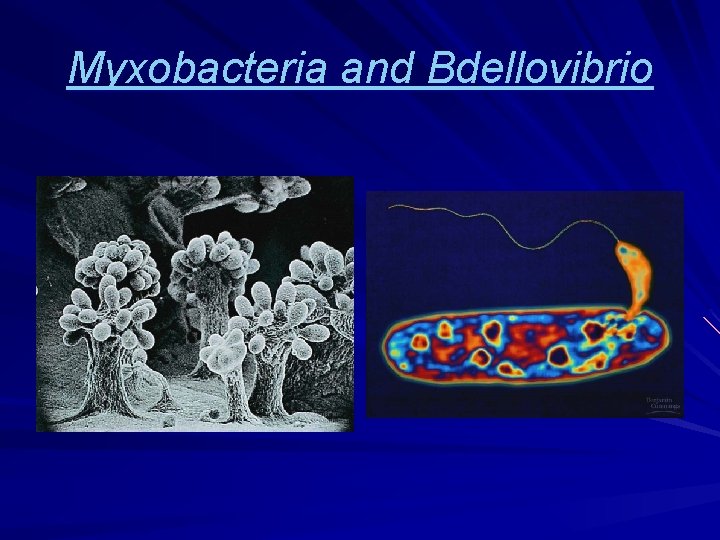
Myxobacteria and Bdellovibrio
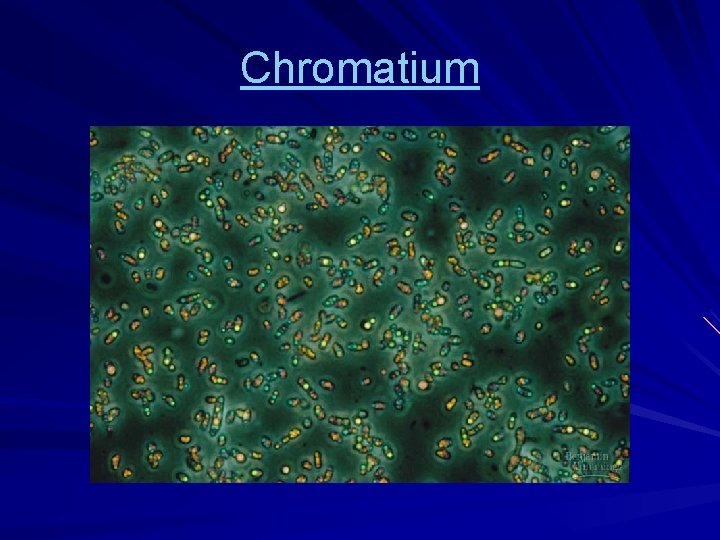
Chromatium
Rhizobium
Photosynthetic Parsimony
Gram Stains
- Slides: 32