
Project Development Coproduction Ray Wang September 2020 Acting
Project Development & Co-production Ray Wang – September 2020 Acting Chair, Imperial Students for Global Health Student Trainer, Opportunities & Development Team, ICU Student Fellow, Psych. UP Project, Division of Psychology and Language Sciences, UCL
Welcome to this workshop Please keep your microphone muted. Feel free to ask questions using the chat function or in Mentimeter. We will pause periodically for Q&A. Please take part in the interactive activities via Padlet and Mentimeter on your mobile devices and laptop.
A bit about Sf. GH We are the Imperial branch of a national student network which aims to promote, educate and facilitate learning and understanding of global health topics. We welcome all students interested in global health because GH issues affect everyone on a local, national and international scale, and require multi-disciplinary solutions. Watch this space for competitions, workshops, talks and volunteering opportunities!
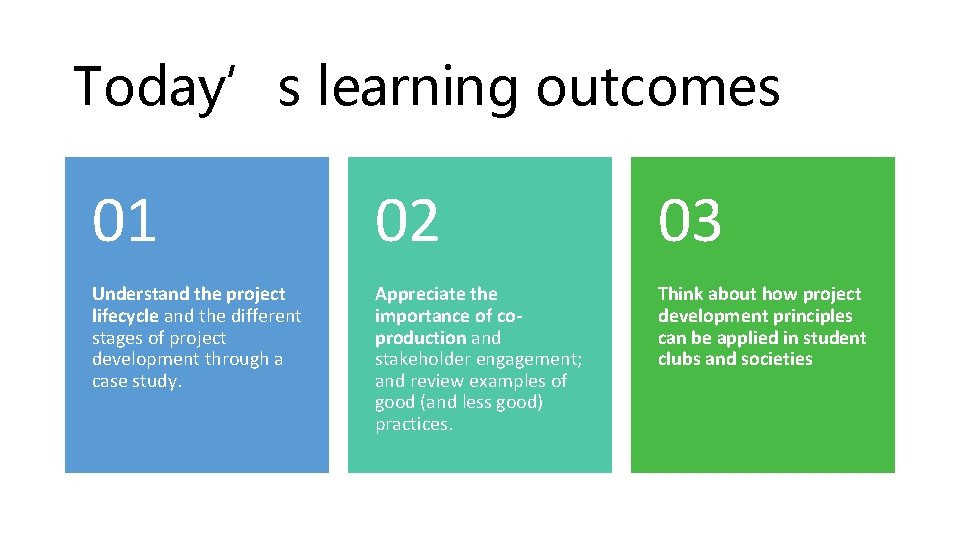
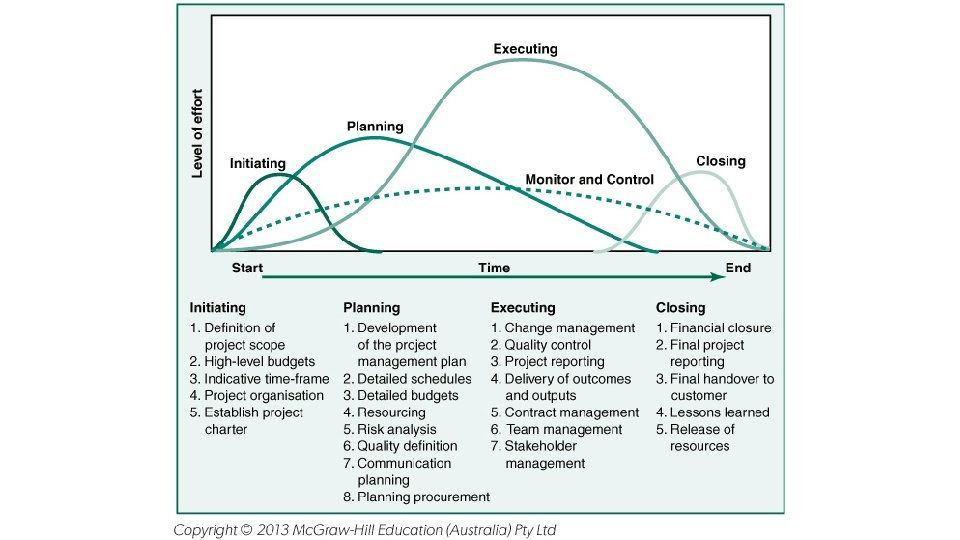
Today’s learning outcomes 01 02 03 Understand the project lifecycle and the different stages of project development through a case study. Appreciate the importance of coproduction and stakeholder engagement; and review examples of good (and less good) practices. Think about how project development principles can be applied in student clubs and societies
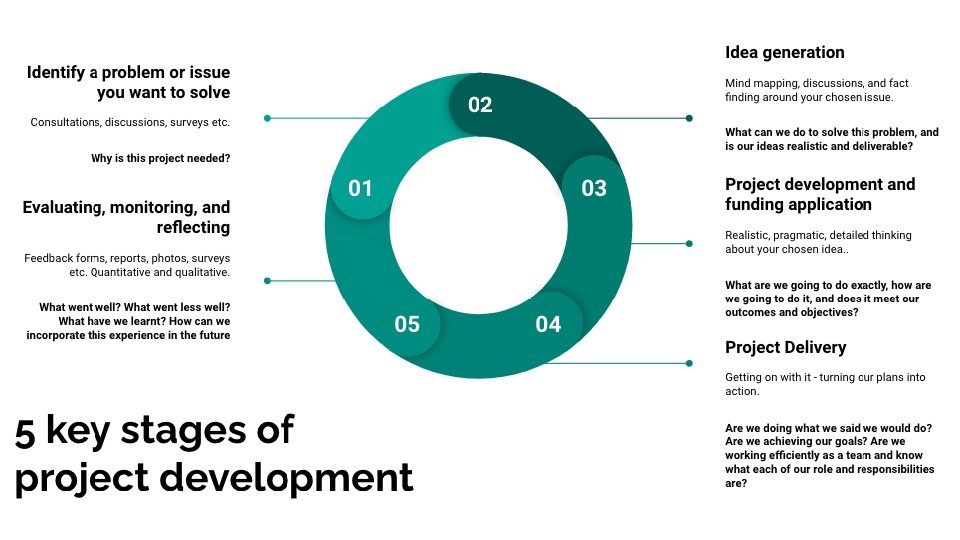
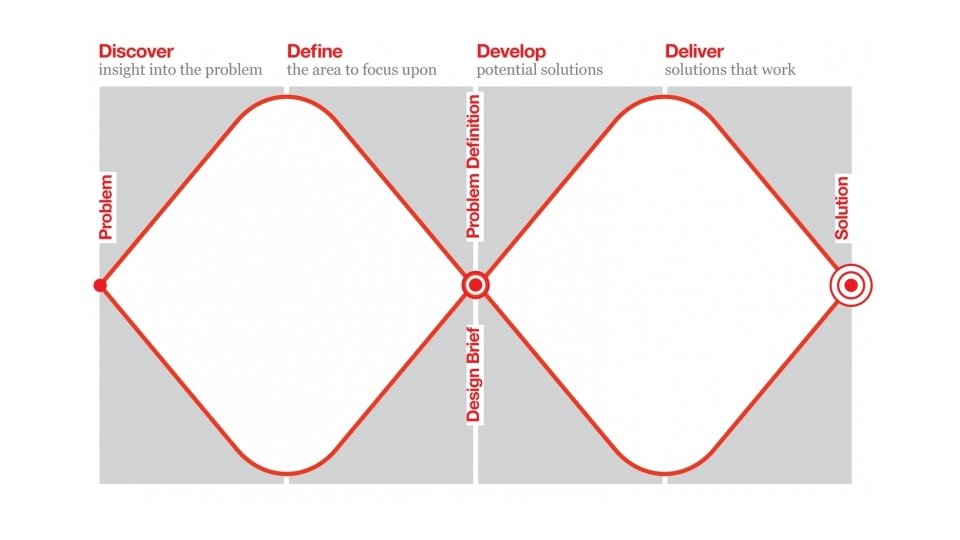
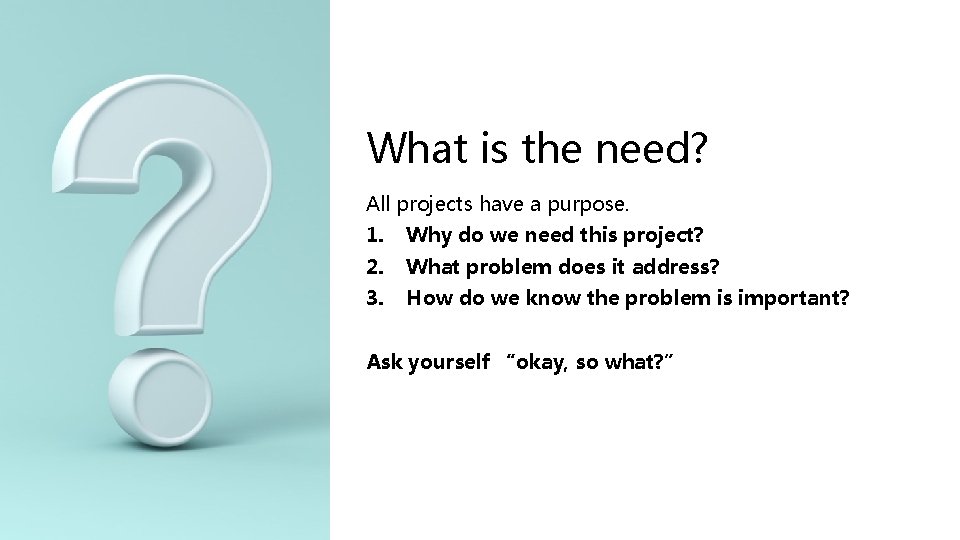
What is the need? All projects have a purpose. 1. Why do we need this project? 2. What problem does it address? 3. How do we know the problem is important? Ask yourself “okay, so what? ”
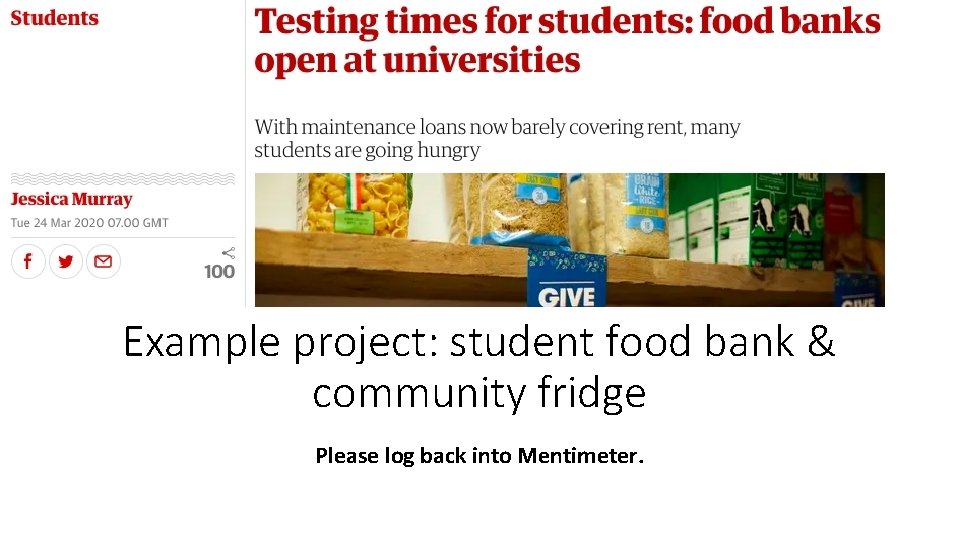
Example project: student food bank & community fridge Please log back into Mentimeter.
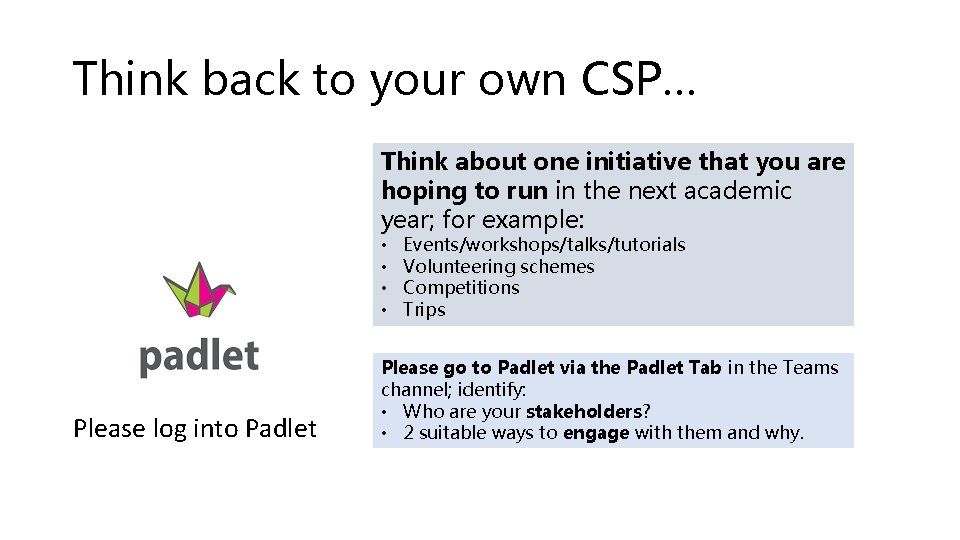
Think back to your own CSP… Think about one initiative that you are hoping to run in the next academic year; for example: • • Please log into Padlet Events/workshops/talks/tutorials Volunteering schemes Competitions Trips Please go to Padlet via the Padlet Tab in the Teams channel; identify: • Who are your stakeholders? • 2 suitable ways to engage with them and why.
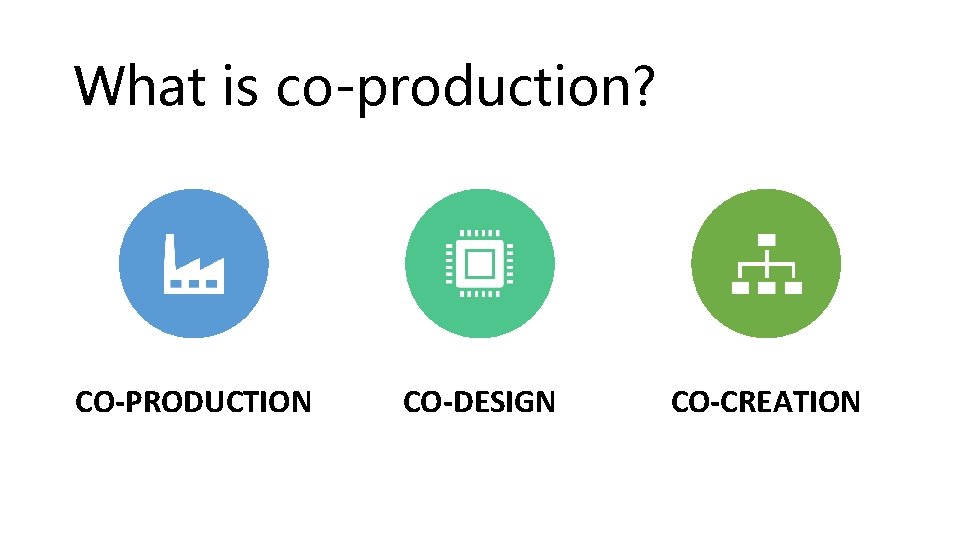
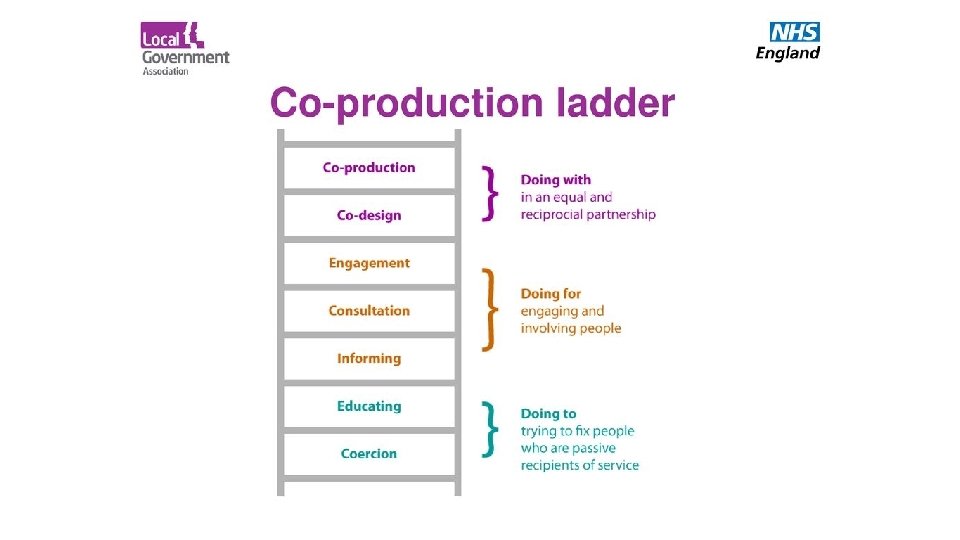
What is co-production? CO-PRODUCTION CO-DESIGN CO-CREATION
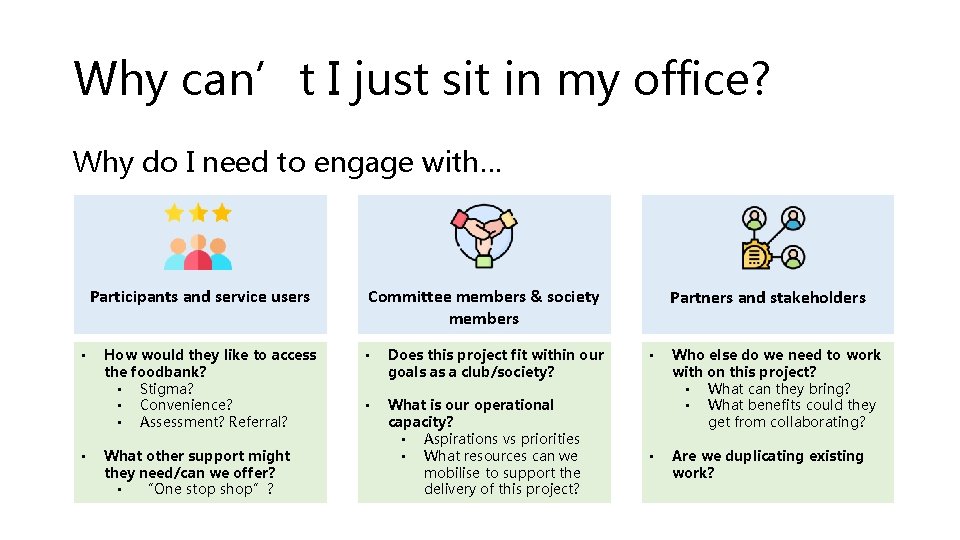
Why can’t I just sit in my office? Why do I need to engage with… Participants and service users • • How would they like to access the foodbank? • Stigma? • Convenience? • Assessment? Referral? What other support might they need/can we offer? • “One stop shop”? Committee members & society members • Does this project fit within our goals as a club/society? • What is our operational capacity? • Aspirations vs priorities • What resources can we mobilise to support the delivery of this project? Partners and stakeholders • Who else do we need to work with on this project? • What can they bring? • What benefits could they get from collaborating? • Are we duplicating existing work?
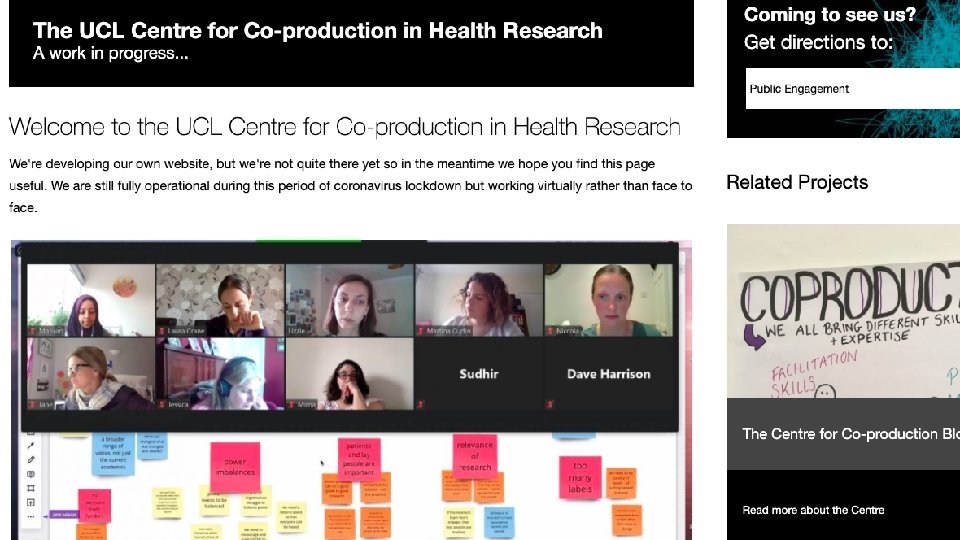
Co-production is… “A meeting of minds coming together to find a shared solution. The approach is built on the principle that those who use a service are best placed to help design it. It means aspiring to being equal partners and cocreators…”
Why does it matter? “The physician, ” wrote Hippocrates, “must not only be prepared to do what is right [himself, ] but also make the patient…cooperate. ” (1)Employing the expertise of service users and their networks; (2) Enabling more differentiated services and more choice for service users; (3)Increasing responsiveness to dynamic user need and (4)Reducing waste and cost. BMJ Qual Saf: first published as 10. 1136/bmjqs-2015 -004315 on 16 September 2015
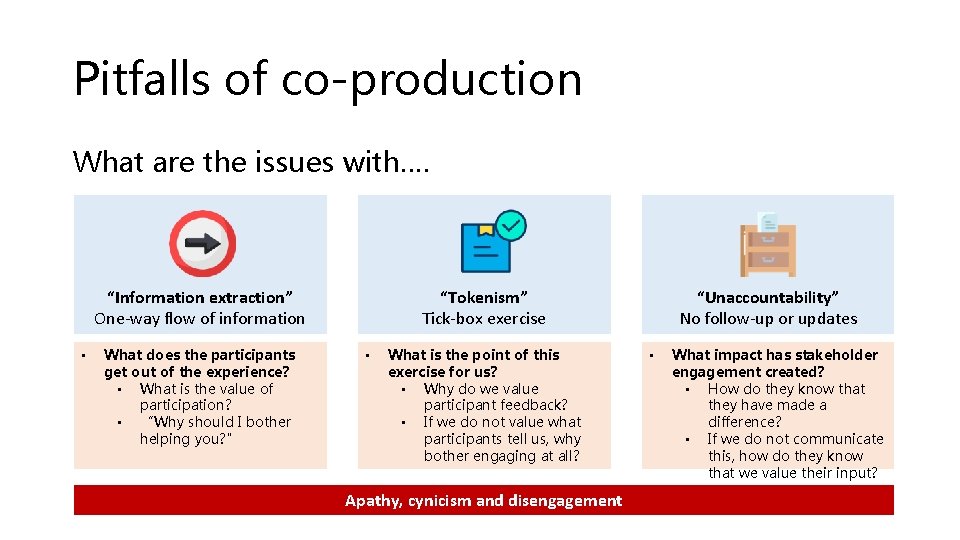
Pitfalls of co-production What are the issues with…. “Tokenism” Tick-box exercise “Information extraction” One-way flow of information • What does the participants get out of the experience? • What is the value of participation? • “Why should I bother helping you? " • What is the point of this exercise for us? • Why do we value participant feedback? • If we do not value what participants tell us, why bother engaging at all? Apathy, cynicism and disengagement “Unaccountability” No follow-up or updates • What impact has stakeholder engagement created? • How do they know that they have made a difference? • If we do not communicate this, how do they know that we value their input?
What does good coproduction look like? Please log back into Mentimeter. Think of examples of times that you felt listened to in a meeting or consultation; e. g: • CSP committee meetings • Departmental student-staff committees • Research groups • In-course group work What made you feel that way?
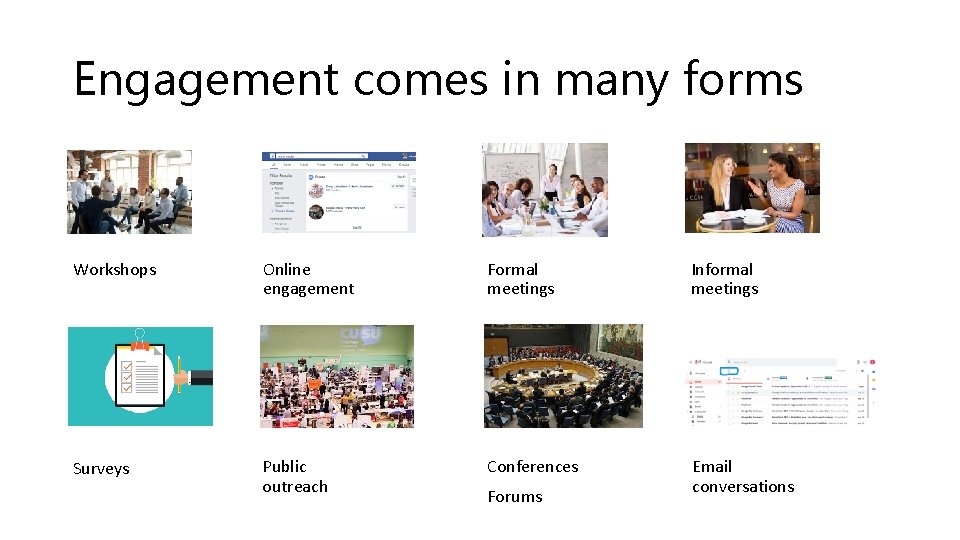
Engagement comes in many forms Workshops Online engagement Formal meetings Informal meetings Surveys Public outreach Conferences Email conversations Forums
If we were to establish a student food bank, what could be our aim? Aims vs outcomes What could be some of our outcomes? Why are they different?
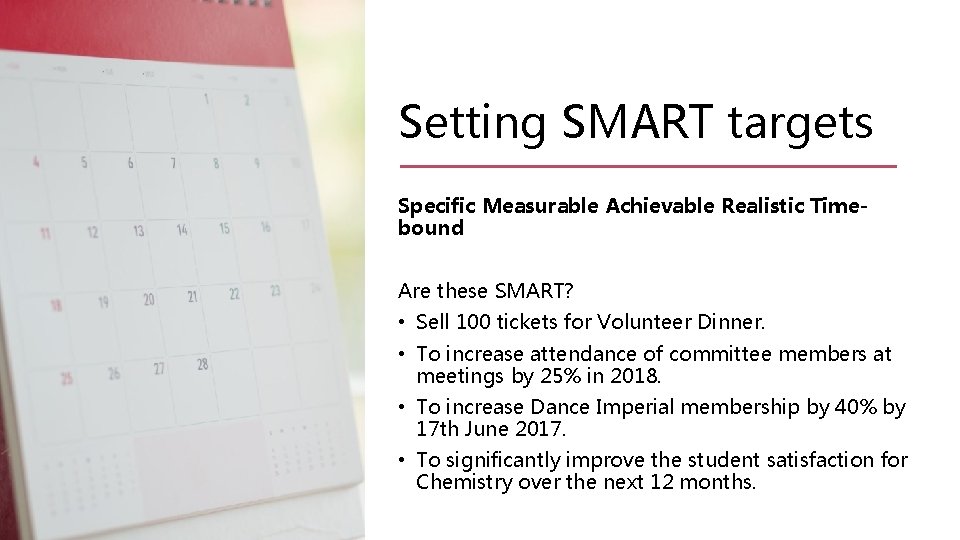
Setting SMART targets Specific Measurable Achievable Realistic Timebound Are these SMART? • Sell 100 tickets for Volunteer Dinner. • To increase attendance of committee members at meetings by 25% in 2018. • To increase Dance Imperial membership by 40% by 17 th June 2017. • To significantly improve the student satisfaction for Chemistry over the next 12 months.
Risk assessment & contingency planning What are risk, mitigating strategies, and contingency measures? Why do we need risk assessments?
Project monitoring and control Once you have finished project planning you can start implementing your plans and deliver your deliverables Is the project on track? • Is the project still meeting expectations? • Do contingency plans need to be implemented? • Is there a need for change? • Logging/recording progress • Identifying the need for change
Think about your club, society or project Please go back to Padlet: Please identify 1 of each: • Risks • Mitigating measures • Contingency actions Write 1 SMART outcome that you will be able to monitor during the delivery and execution phase.
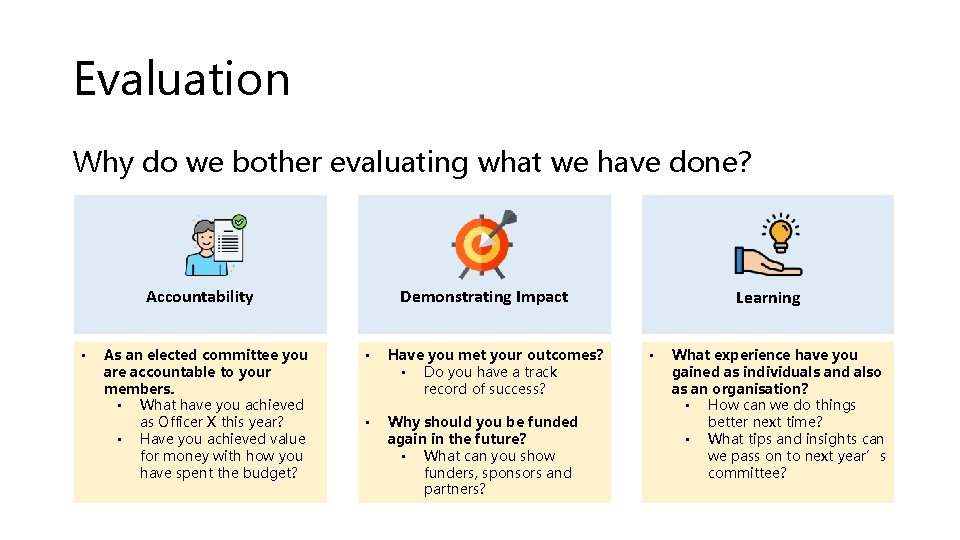
Evaluation Why do we bother evaluating what we have done? Accountability • As an elected committee you are accountable to your members. • What have you achieved as Officer X this year? • Have you achieved value for money with how you have spent the budget? Demonstrating Impact • Have you met your outcomes? • Do you have a track record of success? • Why should you be funded again in the future? • What can you show funders, sponsors and partners? Learning • What experience have you gained as individuals and also as an organisation? • How can we do things better next time? • What tips and insights can we pass on to next year’s committee?
How do we know? How do we know if our project is successful? We need to have a set of success criteria or benchmarks with which to measure the project’s progress against. • What measurables could you use to assess this? • How might you collect this information – is it practical to collect, and why would a particular set of data e. g. customer satisfaction ratings, be useful for the project team to know? • Also, do you want to measure against the aims of your project – or a specific outcome?
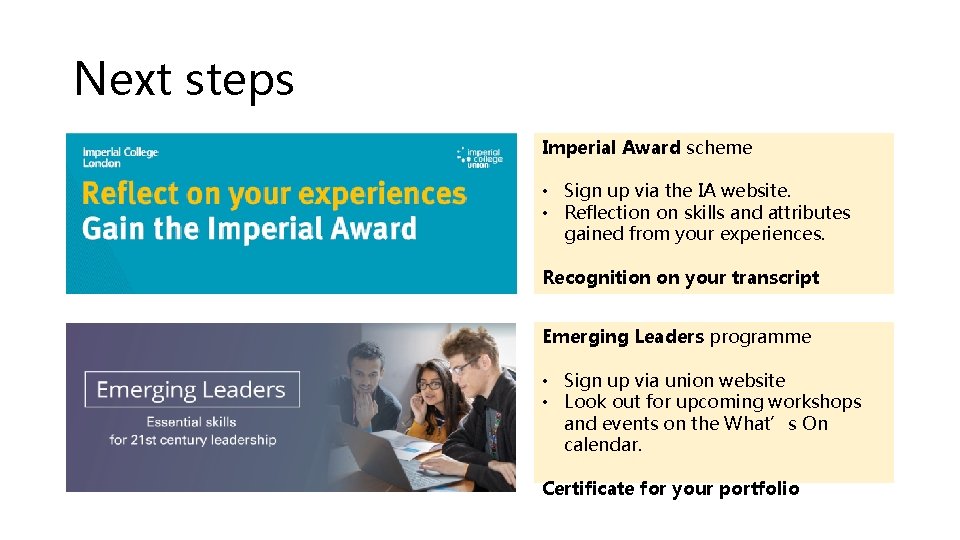
Next steps Imperial Award scheme • Sign up via the IA website. • Reflection on skills and attributes gained from your experiences. Recognition on your transcript Emerging Leaders programme • Sign up via union website • Look out for upcoming workshops and events on the What’s On calendar. Certificate for your portfolio
Would you like to take part in some co-production? Psych. Up is the joint Imperial – UCL project to identify student priorities and perceptions around mental health support services. We will be holding co-production focus groups around 4 key themes – data sharing, social prescribing, student expectations and service evaluation. Watch out for emails and social media coming soon!
Thank you for your attention Ray. Wang 16@imperial. ac. uk Twitter @RWang 1998
- Slides: 40