
Project 2 Hemodynamic Evaluation of Arteriovenous Fistula Sponsored
- Slides: 18
Project #2: Hemodynamic Evaluation of Arteriovenous Fistula Sponsored by: the National Science Foundation Grant ID No: DUE-0756921 Research by: Briana Conners, Junior, Chemical Engineering and Ken Okoye, Junior, Biomedical Engineering Support by: Dr. Rupak Banerjee and Ehsan Rajabi Jaghargh, School of Mechanical Engineering College of Engineering and Applied Science; University of Cincinnati; Cincinnati, Ohio 1
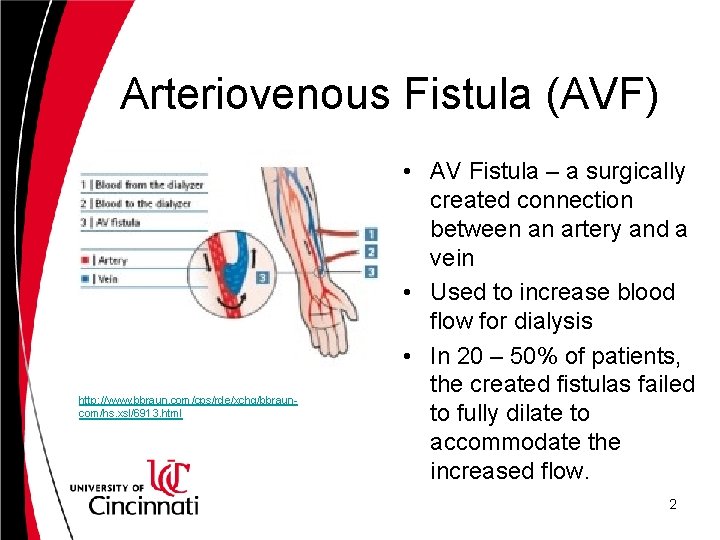
Arteriovenous Fistula (AVF) http: //www. bbraun. com/cps/rde/xchg/bbrauncom/hs. xsl/6913. html • AV Fistula – a surgically created connection between an artery and a vein • Used to increase blood flow for dialysis • In 20 – 50% of patients, the created fistulas failed to fully dilate to accommodate the increased flow. 2
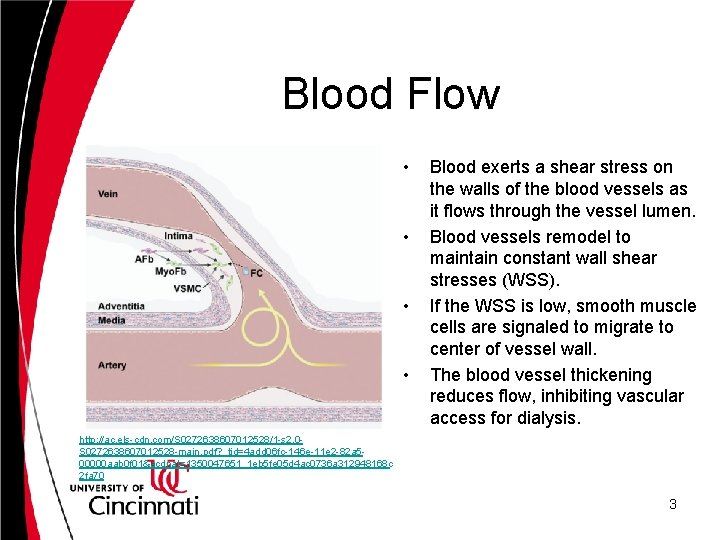
Blood Flow • • Blood exerts a shear stress on the walls of the blood vessels as it flows through the vessel lumen. Blood vessels remodel to maintain constant wall shear stresses (WSS). If the WSS is low, smooth muscle cells are signaled to migrate to center of vessel wall. The blood vessel thickening reduces flow, inhibiting vascular access for dialysis. http: //ac. els-cdn. com/S 0272638607012528/1 -s 2. 0 S 0272638607012528 -main. pdf? _tid=4 add 06 fc-146 e-11 e 2 -82 a 500000 aab 0 f 01&acdnat=1350047651_1 eb 5 fe 05 d 4 ac 0736 a 312948168 c 2 fa 70 3
Project Goals and Objectives • Goals – Establish a correlation between the configuration of entry of a arteriovenus fistula and the vessel wall shear stresses. • Objective – Model blood flow in four angle cases using computational fluid dynamics using data. – Derive the WSS profiles for the different AV fistula configuration – Establish the impact of difference on the intima-media thickening 4
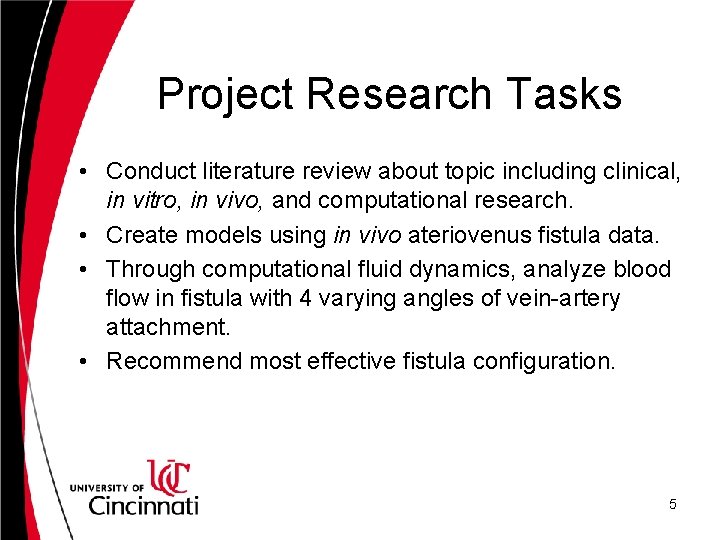
Project Research Tasks • Conduct literature review about topic including clinical, in vitro, in vivo, and computational research. • Create models using in vivo ateriovenus fistula data. • Through computational fluid dynamics, analyze blood flow in fistula with 4 varying angles of vein-artery attachment. • Recommend most effective fistula configuration. 5
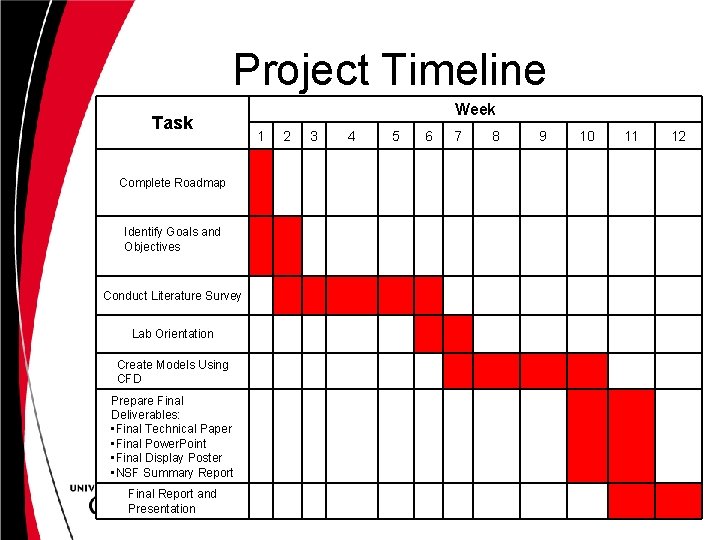
Project Timeline Task Week 1 2 3 4 5 6 7 8 9 10 11 12 Complete Roadmap Identify Goals and Objectives Conduct Literature Survey Lab Orientation Create Models Using CFD Prepare Final Deliverables: • Final Technical Paper • Final Power. Point • Final Display Poster • NSF Summary Report Final Report and Presentation 6
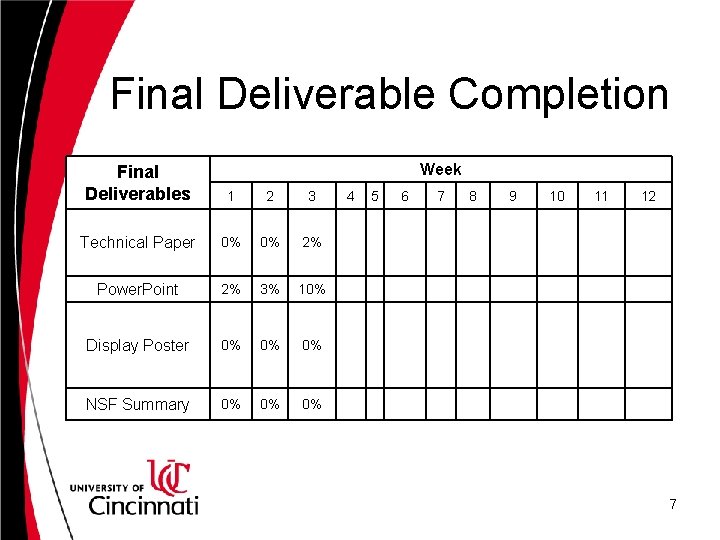
Final Deliverable Completion Week Final Deliverables 1 2 3 Technical Paper 0% 0% 2% Power. Point 2% 3% 10% Display Poster 0% 0% 0% NSF Summary 0% 0% 0% 4 5 6 7 8 9 10 11 12 7
Phase 1: Literature review 8
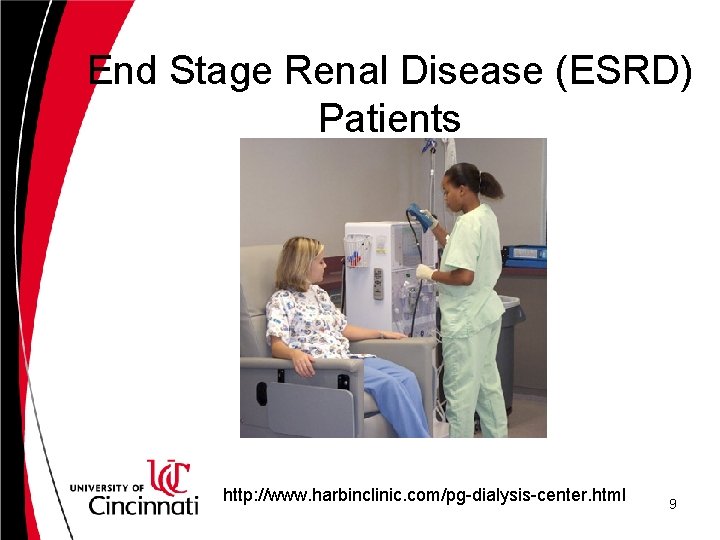
End Stage Renal Disease (ESRD) Patients http: //www. harbinclinic. com/pg-dialysis-center. html 9
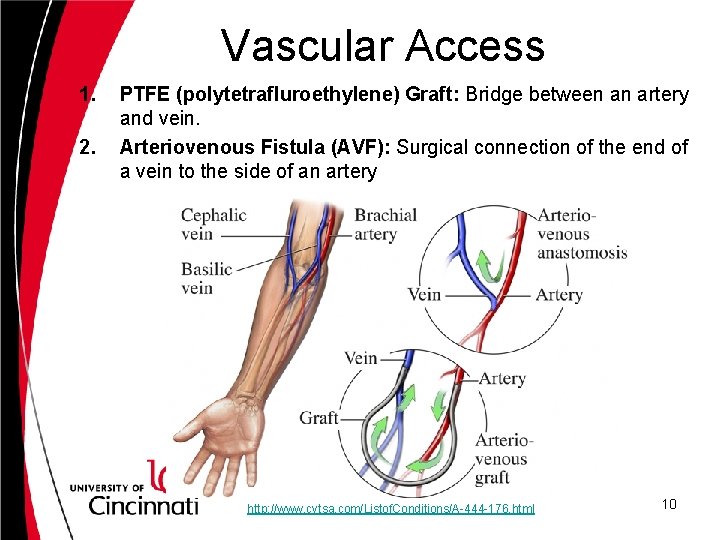
Vascular Access 1. 2. PTFE (polytetrafluroethylene) Graft: Bridge between an artery and vein. Arteriovenous Fistula (AVF): Surgical connection of the end of a vein to the side of an artery http: //www. cvtsa. com/Listof. Conditions/A-444 -176. html 10
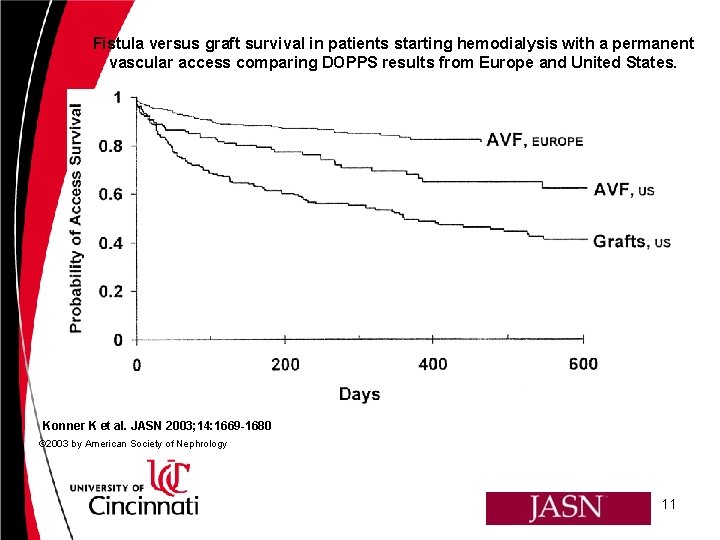
Fistula versus graft survival in patients starting hemodialysis with a permanent vascular access comparing DOPPS results from Europe and United States. Konner K et al. JASN 2003; 14: 1669 -1680 © 2003 by American Society of Nephrology 11
Mature AVF Characteristics • Blood flow rate: 500 -2000 ml/min (normal blood flow rate is 25 ml/min in radial artery at rest) • Diameter: at least 4 mm are needed for an AVF adequately support the dialysis (3 -5 hr) therapy 3. • Time: These parameters should be met within 4 to 6 week or they will be deemed an early failure 3. 12
Vein remodeling • Arterial endothelial cells sense the sudden increase in flow try to maintain the baseline physiological level by dilating. • Mechanism: – Acute: Release of nitric oxide, the strongest endogenous arterio-dilating agent, by the endothelium cells 28. The NO causes smooth muscle relaxation 2. – Chronic: Fragmentation of the elastic lamina by matrix metalloproteinases which are activated by NO. 13
AVF failure • (20 to 50%) fail to successfully support dialysis • veins or arteries do not dilate, possibly due to the severe vascular disease of the patient. • venous neointimal hyperplasia, thickening of the vessel wall, which leads to common juxtaanastomotic stenosis, is currently the single most important reason for an AVF to fail to mature 3. 14
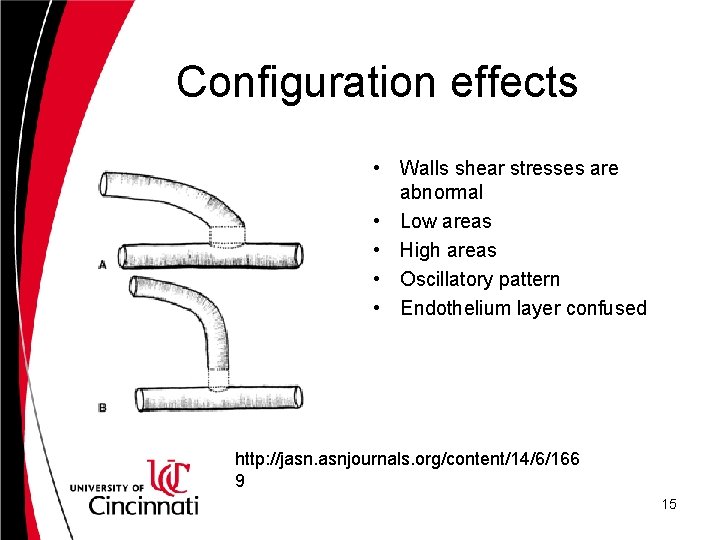
Configuration effects • Walls shear stresses are abnormal • Low areas • High areas • Oscillatory pattern • Endothelium layer confused http: //jasn. asnjournals. org/content/14/6/166 9 15
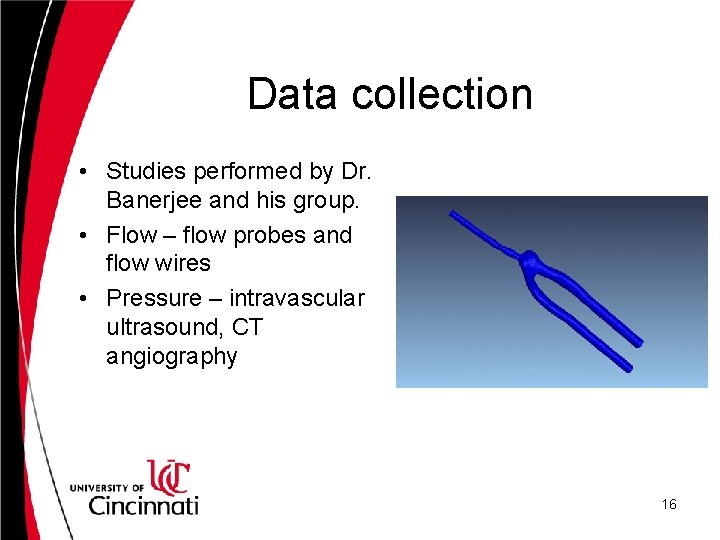
Data collection • Studies performed by Dr. Banerjee and his group. • Flow – flow probes and flow wires • Pressure – intravascular ultrasound, CT angiography 16
Using models as predictors • Determined that porcine models are viable. • AVF configuration significantly affects the hemodynamics • Hemodynamics, in turn, affect the likelihood of fistula maturation • Initial WSS + following trend 17
Questions? 18