
Progression of phonics and reading in Key Stage

- Slides: 21
Progression of phonics and reading in Key Stage 1
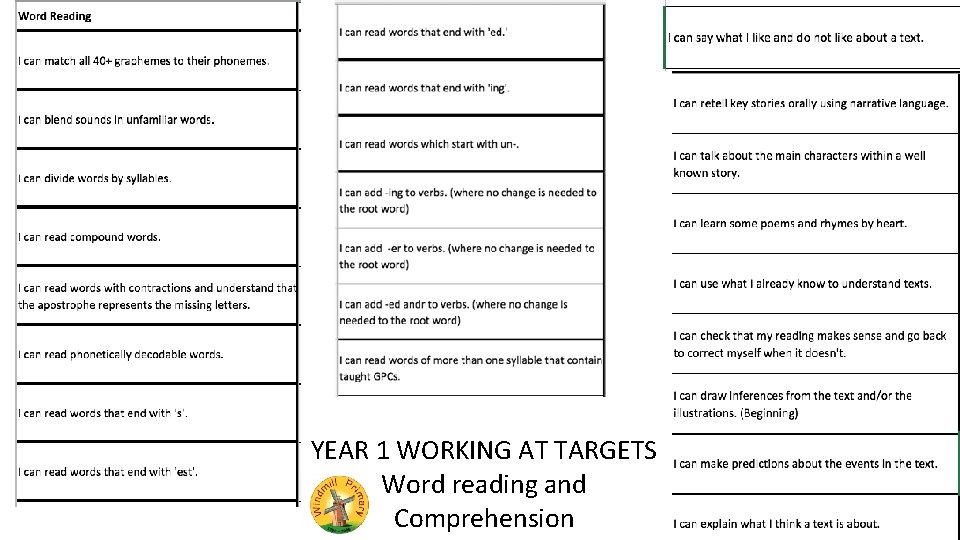
YEAR 1 WORKING AT TARGETS Word reading and Comprehension
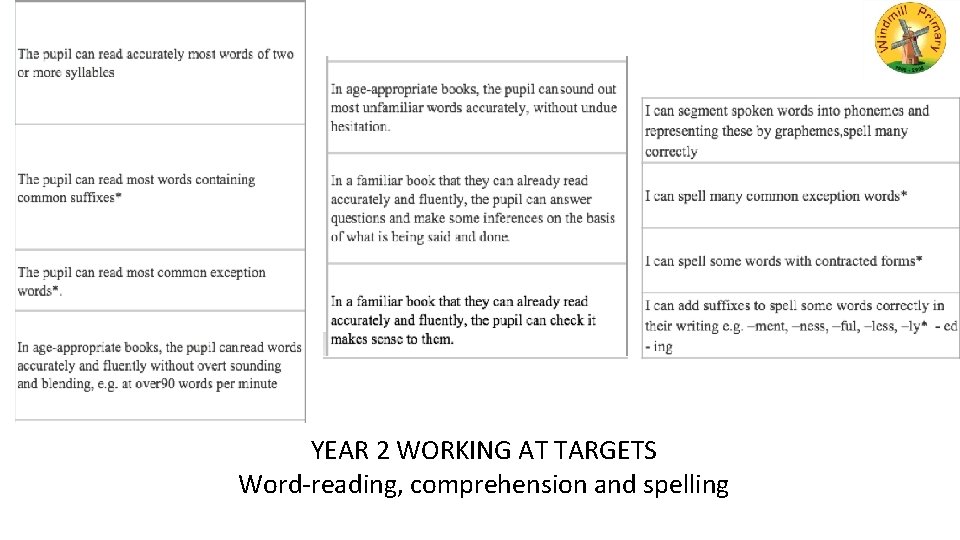
YEAR 2 WORKING AT TARGETS Word-reading, comprehension and spelling
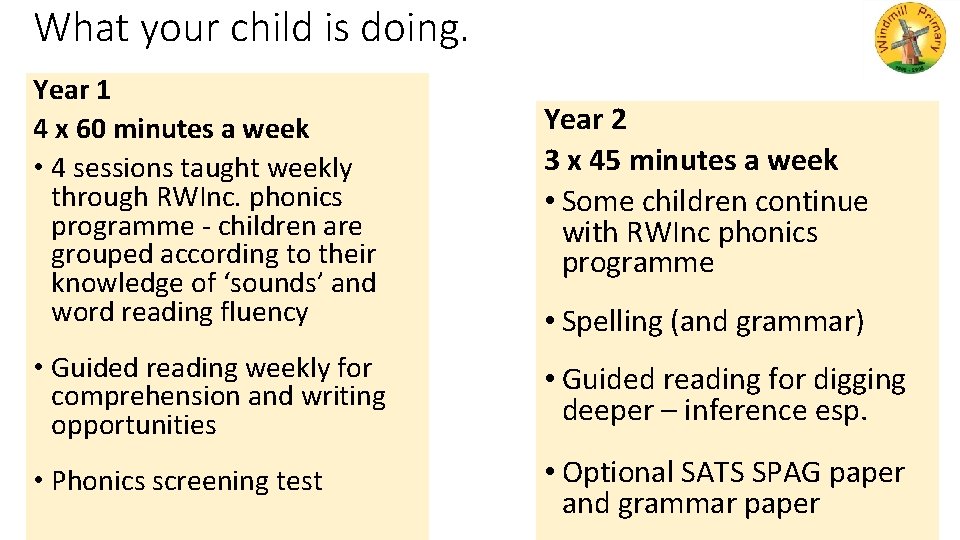
What your child is doing. Year 1 4 x 60 minutes a week • 4 sessions taught weekly through RWInc. phonics programme - children are grouped according to their knowledge of ‘sounds’ and word reading fluency Year 2 3 x 45 minutes a week • Some children continue with RWInc phonics programme • Guided reading weekly for comprehension and writing opportunities • Guided reading for digging deeper – inference esp. • Phonics screening test • Optional SATS SPAG paper and grammar paper • Spelling (and grammar)
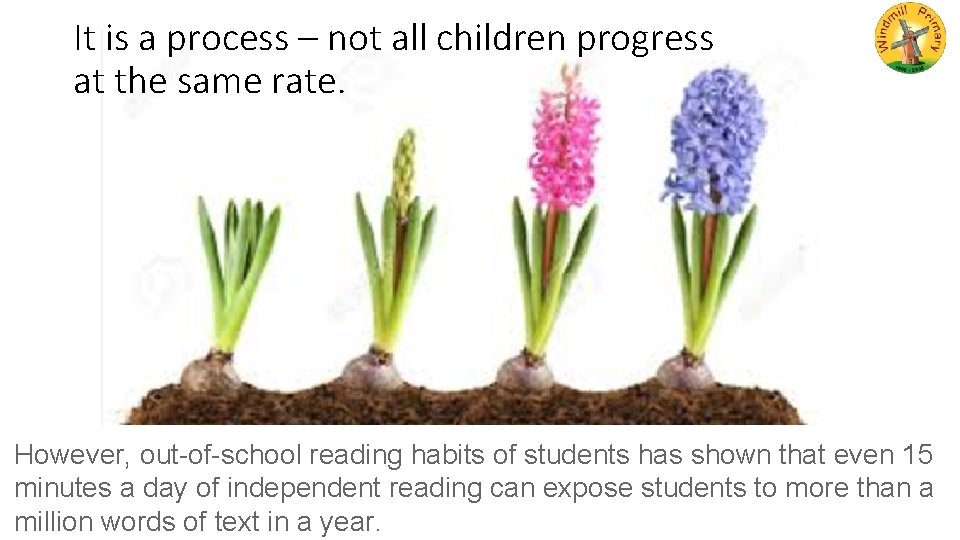
It is a process – not all children progress at the same rate. However, out-of-school reading habits of students has shown that even 15 minutes a day of independent reading can expose students to more than a million words of text in a year.
Phonics in reading For more help with pronouncing the sounds go to: http: //www. ruthmiskin. com/en/resources/sound-pronunciation-guide/
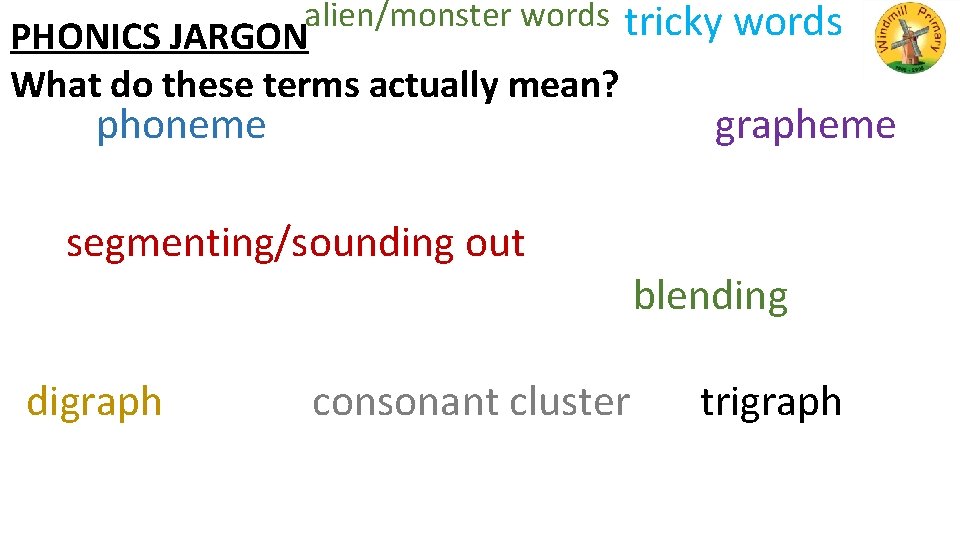
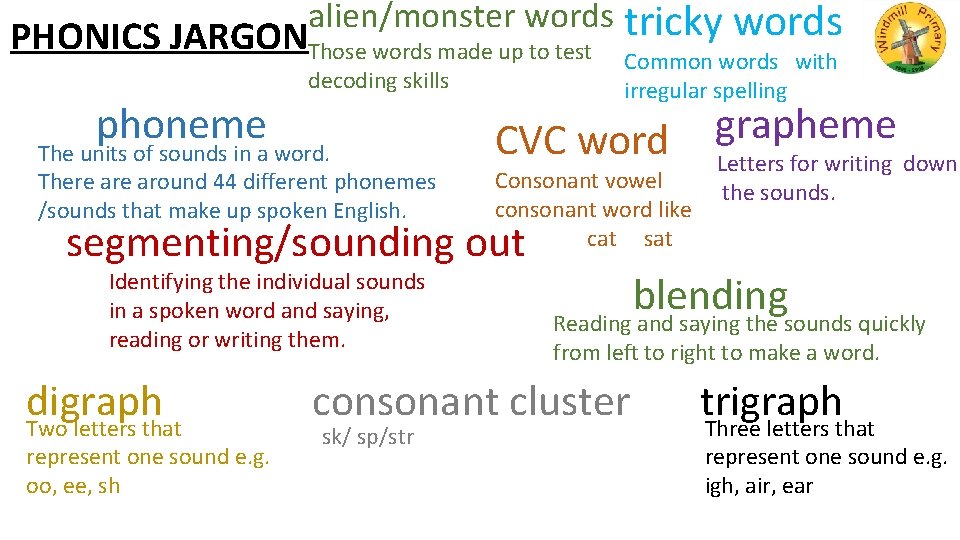
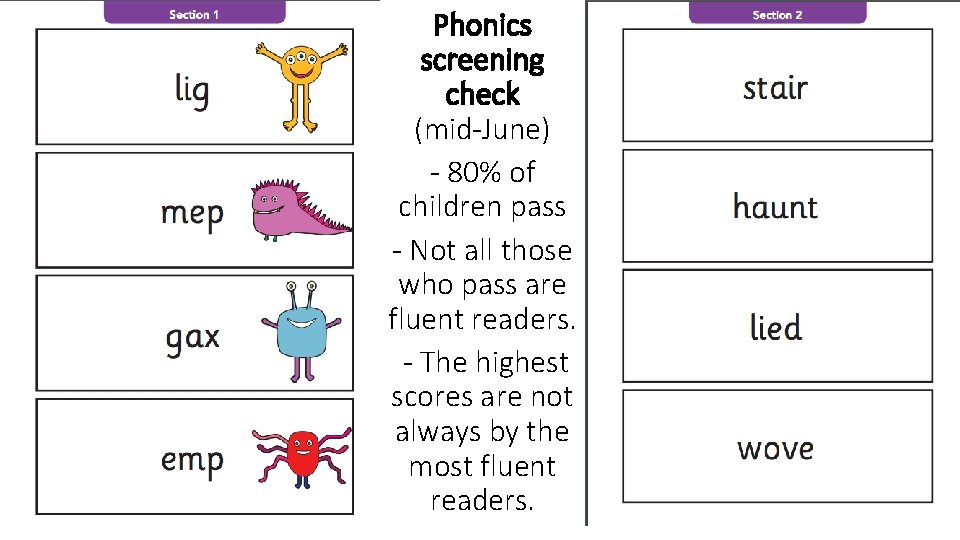
alien/monster words PHONICS JARGON What do these terms actually mean? tricky words phoneme segmenting/sounding out digraph consonant cluster grapheme blending trigraph
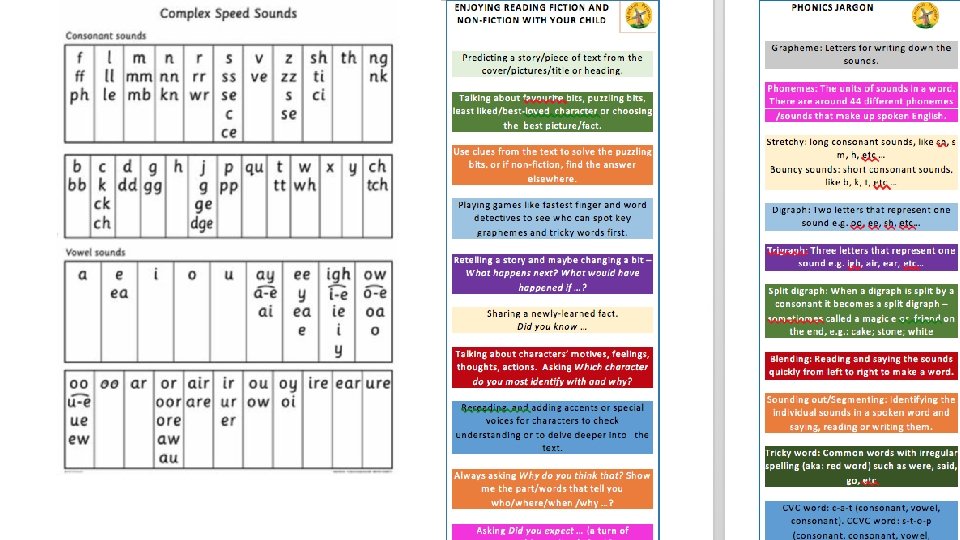
alien/monster words tricky words PHONICS JARGONThose words made up to test decoding skills phoneme The units of sounds in a word. There around 44 different phonemes /sounds that make up spoken English. CVC word Consonant vowel consonant word like cat segmenting/sounding out Identifying the individual sounds in a spoken word and saying, reading or writing them. digraph Two letters that represent one sound e. g. oo, ee, sh Common words with irregular spelling Letters for writing down the sounds. blending Reading and saying the sounds quickly from left to right to make a word. consonant cluster sk/ sp/str grapheme trigraph Three letters that represent one sound e. g. igh, air, ear
Phonics screening check (mid-June) - 80% of children pass - Not all those who pass are fluent readers. - The highest scores are not always by the most fluent readers.
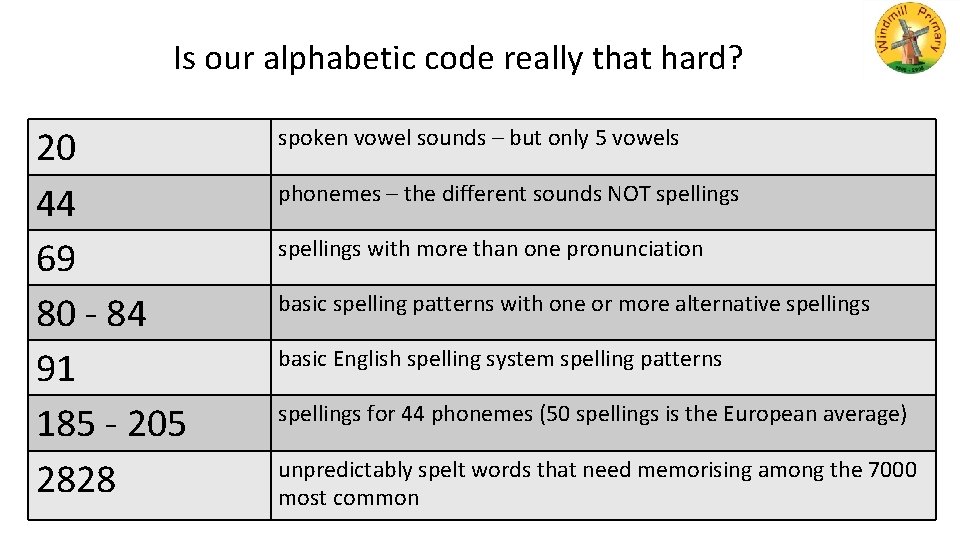
Is our alphabetic code really that hard? 20 44 69 80 - 84 91 185 - 205 2828 spoken vowel sounds – but only 5 vowels phonemes – the different sounds NOT spellings with more than one pronunciation basic spelling patterns with one or more alternative spellings basic English spelling system spelling patterns spellings for 44 phonemes (50 spellings is the European average) unpredictably spelt words that need memorising among the 7000 most common
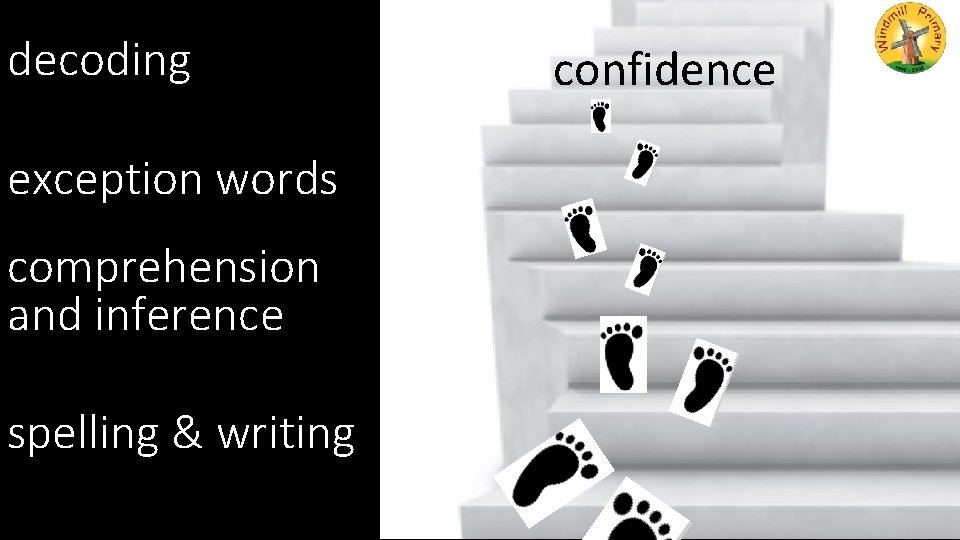
decoding exception words comprehension and inference spelling & writing confidence
The content of a book – knowing the story, understanding the message, the information, empathising with the characters, reading between the lines – these things all matter.
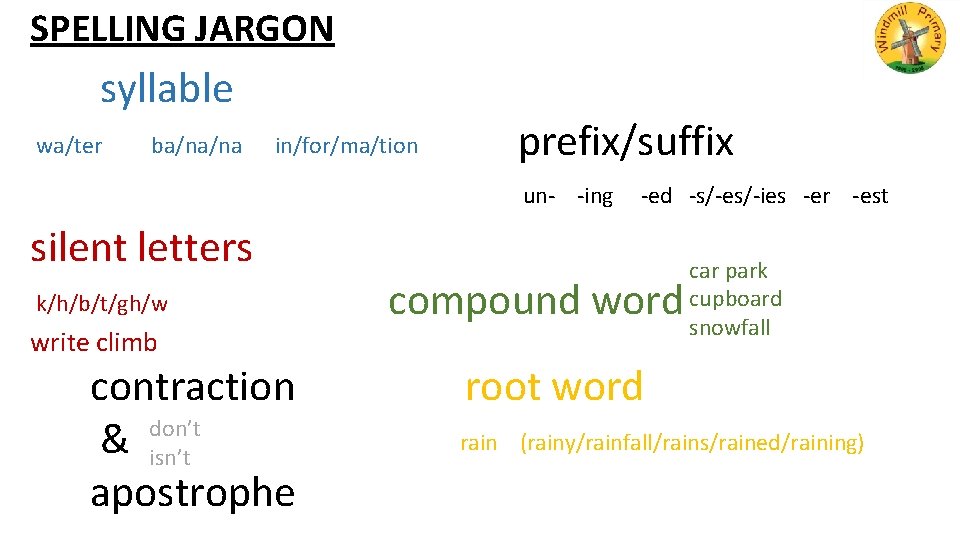
SPELLING JARGON syllable wa/ter ba/na/na in/for/ma/tion prefix/suffix un- -ing silent letters k/h/b/t/gh/w write climb contraction don’t & isn’t apostrophe -ed -s/-es/-ies -er -est compound word car park cupboard snowfall root word rain (rainy/rainfall/rains/rained/raining)
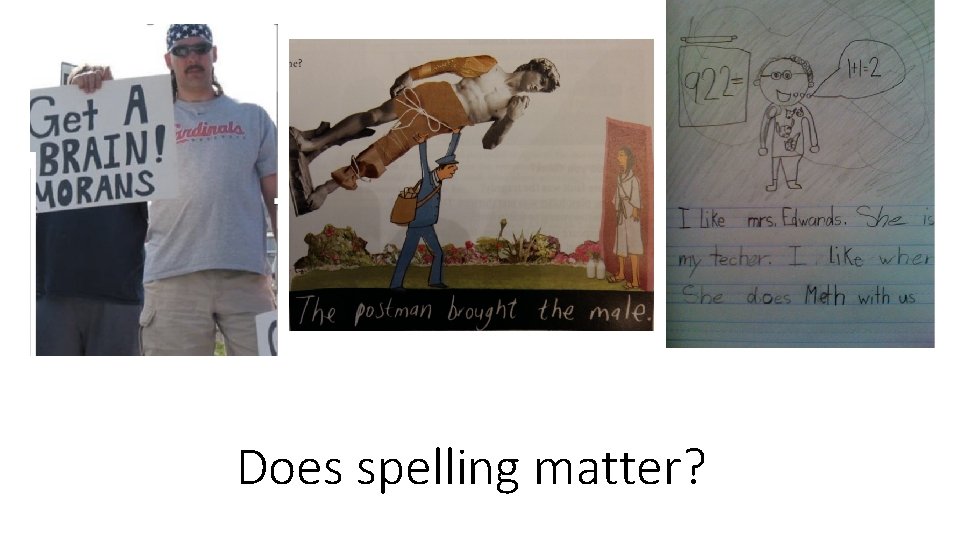
Does spelling matter?
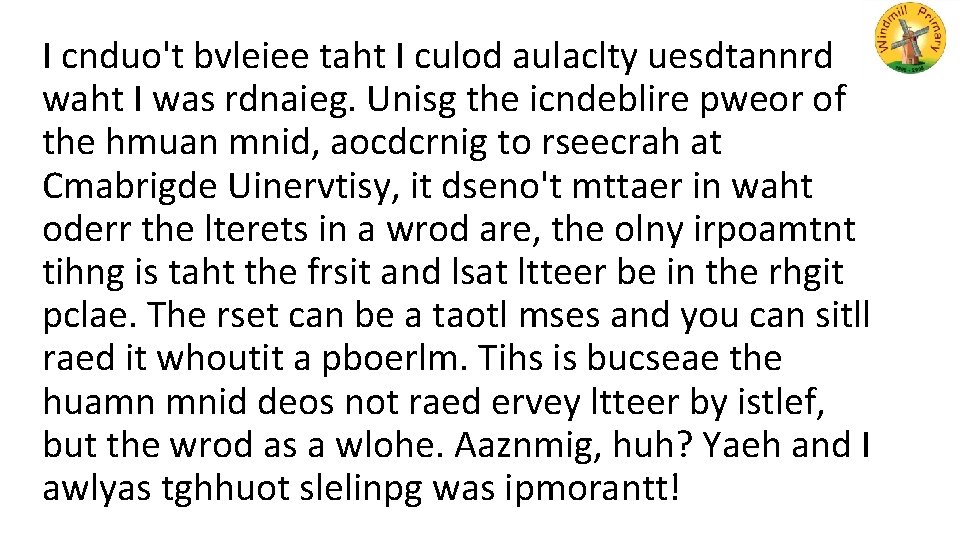
I cnduo't bvleiee taht I culod aulaclty uesdtannrd waht I was rdnaieg. Unisg the icndeblire pweor of the hmuan mnid, aocdcrnig to rseecrah at Cmabrigde Uinervtisy, it dseno't mttaer in waht oderr the lterets in a wrod are, the olny irpoamtnt tihng is taht the frsit and lsat ltteer be in the rhgit pclae. The rset can be a taotl mses and you can sitll raed it whoutit a pboerlm. Tihs is bucseae the huamn mnid deos not raed ervey ltteer by istlef, but the wrod as a wlohe. Aaznmig, huh? Yaeh and I awlyas tghhuot slelinpg was ipmorantt!
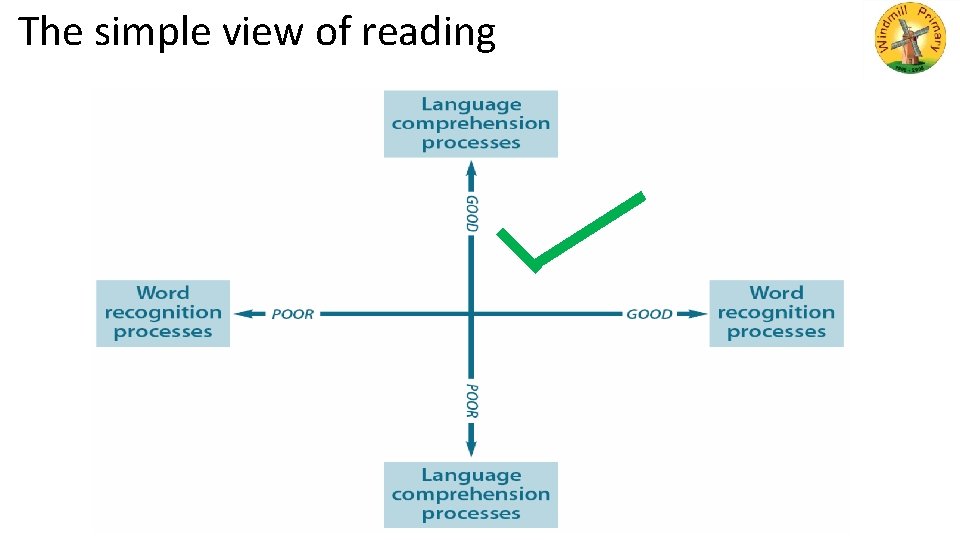
The simple view of reading
A few ideas for reading ENJOY BOOKS TALK ABOUT BOOKS Some tips: Reading aloud with your child
Is my child falling behind? • Don’t panic if your child is not yet fluent in reading. • Keep it enjoyable and be proud of every achievement. • Read all kinds of books – the sky is the limit! • Link reading to writing - encourage writing a diary, shopping lists, addressing envelopes …
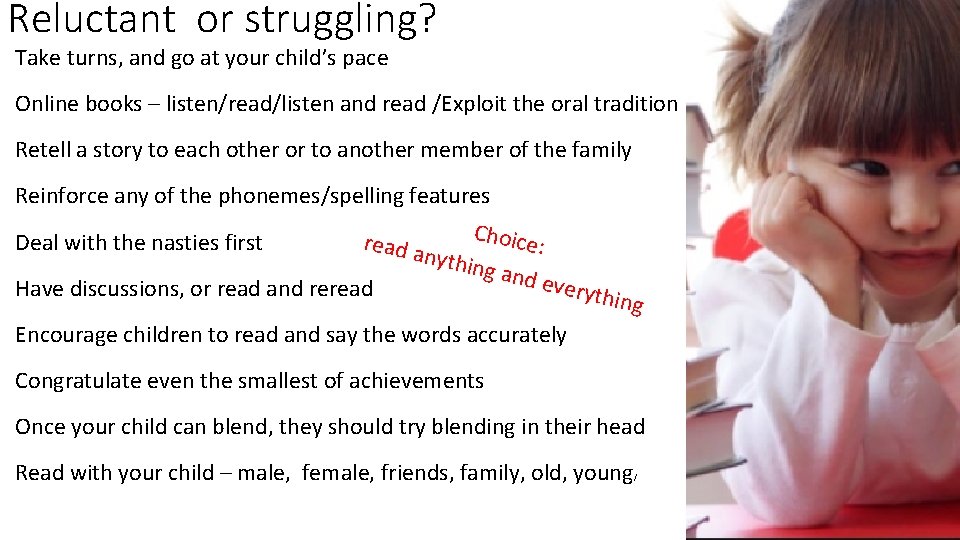
Reluctant or struggling? Take turns, and go at your child’s pace Online books – listen/read/listen and read /Exploit the oral tradition Retell a story to each other or to another member of the family Reinforce any of the phonemes/spelling features Choic read a Deal with the nasties first e: nythin g and every Have discussions, or read and reread thi ng Encourage children to read and say the words accurately Congratulate even the smallest of achievements Once your child can blend, they should try blending in their head Read with your child – male, female, friends, family, old, young /
Parent help/games and websites • • Online reading Teach your monster to read Mr Phonics (youtube) Ruth Miskin (RWInc. ) Websites such as: http: //www. familylearning. org. uk/phonics_games. html http: //www. bbc. co. uk/bitesize/ks 1/literacy/phonics/play http: //www. lovereading 4 kids. co. uk/ http: //www. booktrust. org. uk/books/children/how-to-share-books/readingwith-your-child-booklets/