
Programmed Cell Death and Apoptosis Outline 1 Introduction




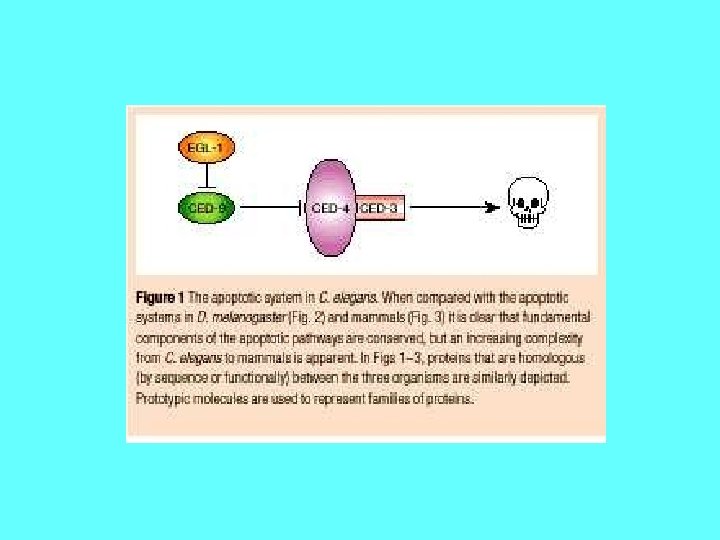
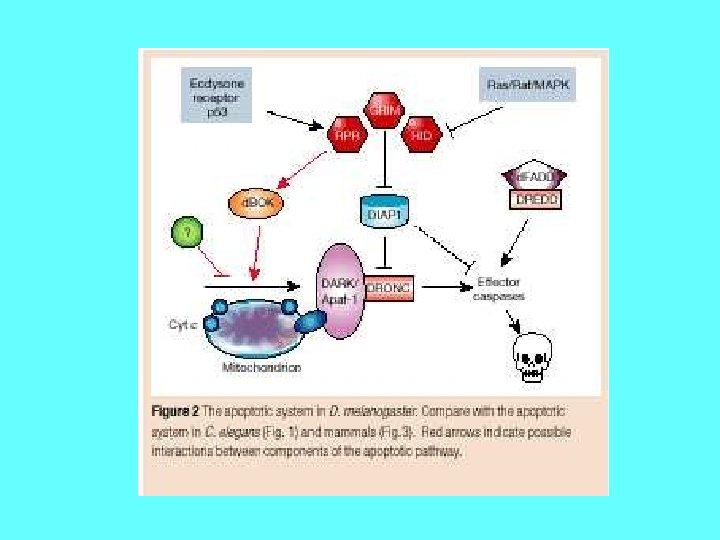
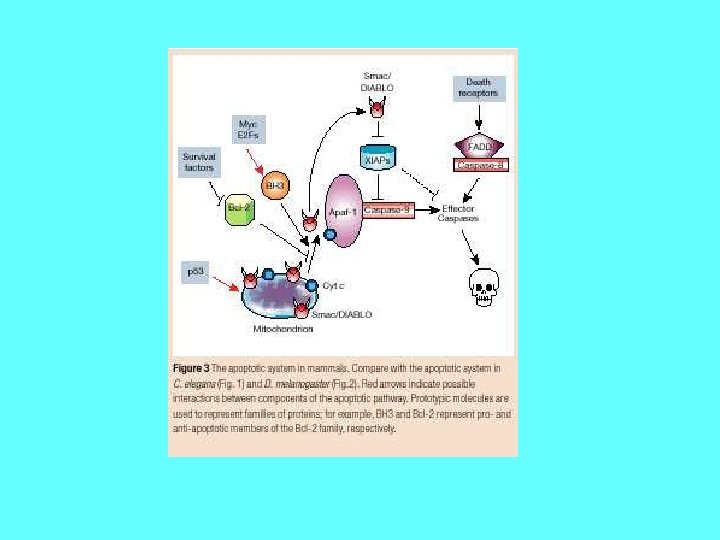
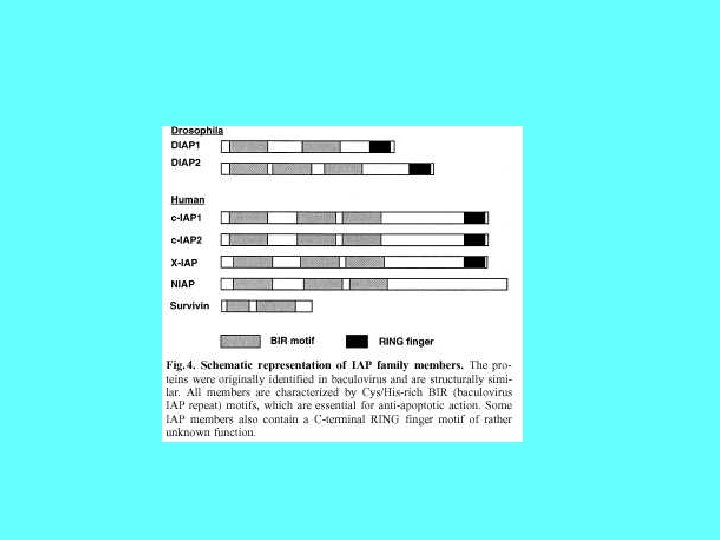
- Slides: 45
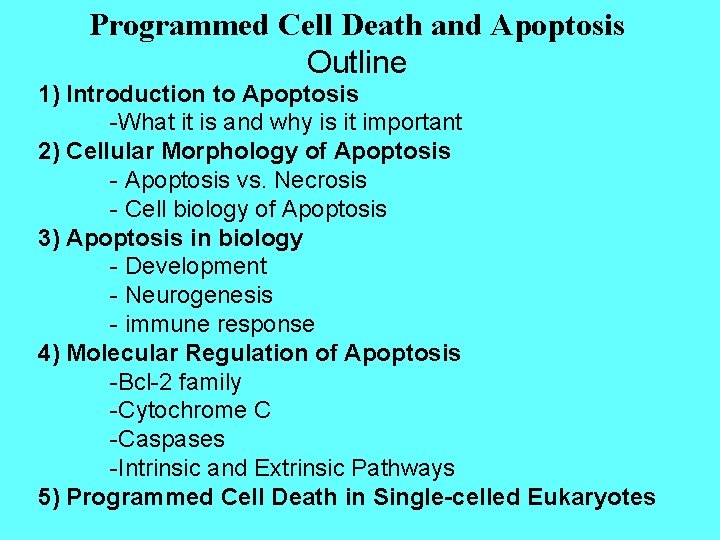
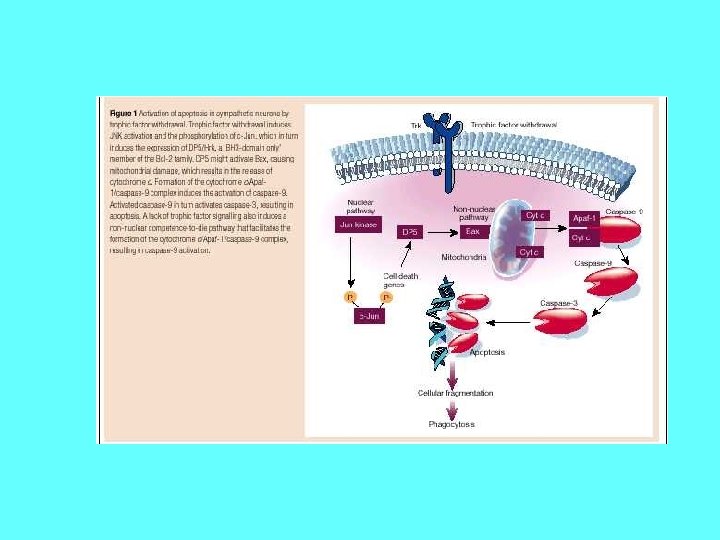
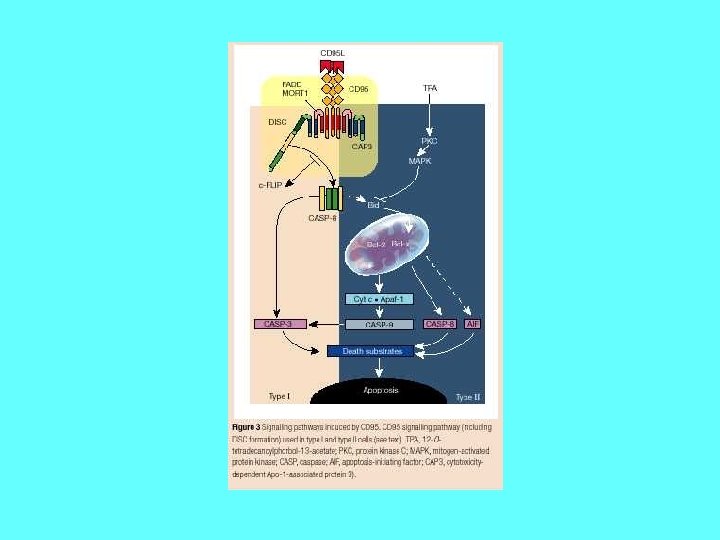
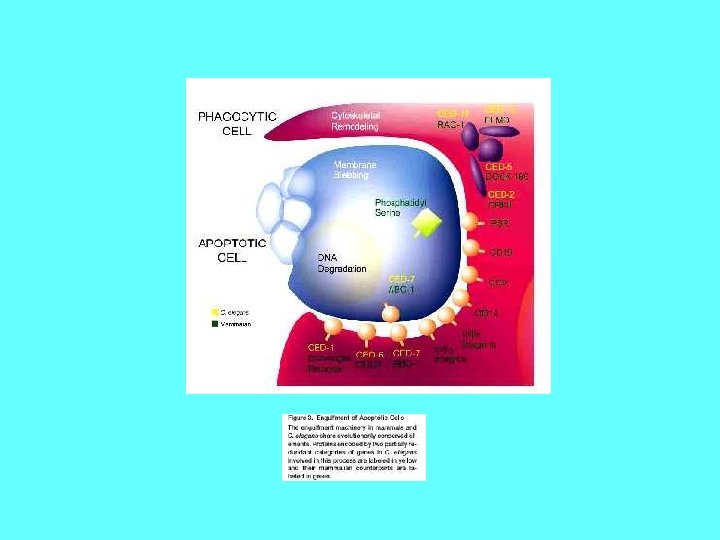
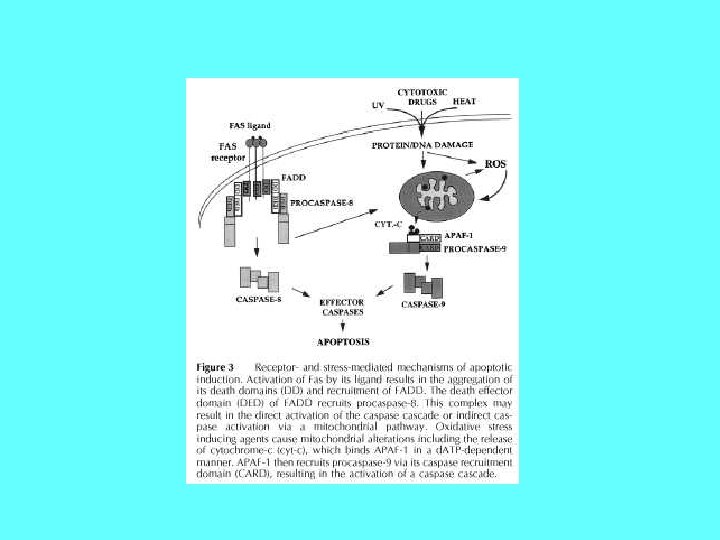
Programmed Cell Death and Apoptosis Outline 1) Introduction to Apoptosis -What it is and why is it important 2) Cellular Morphology of Apoptosis - Apoptosis vs. Necrosis - Cell biology of Apoptosis 3) Apoptosis in biology - Development - Neurogenesis - immune response 4) Molecular Regulation of Apoptosis -Bcl-2 family -Cytochrome C -Caspases -Intrinsic and Extrinsic Pathways 5) Programmed Cell Death in Single-celled Eukaryotes
Importance of Apoptosis 1) Crucial for embryonic development -Errors in Apoptosis can lead to Birth Defects 2) Important for maintaining homeostasis - Cell death is balanced with mitosis to regulate total cell number. 3) Improper regulation contributes to human disease - Neurodegenerative diseases - Parkinson’s - Alzheimer’s - Spinal Muscular Atrophy Too much apoptosis -Cancer -Autoimmune diseases (diabetes type I) Not enough apoptosis
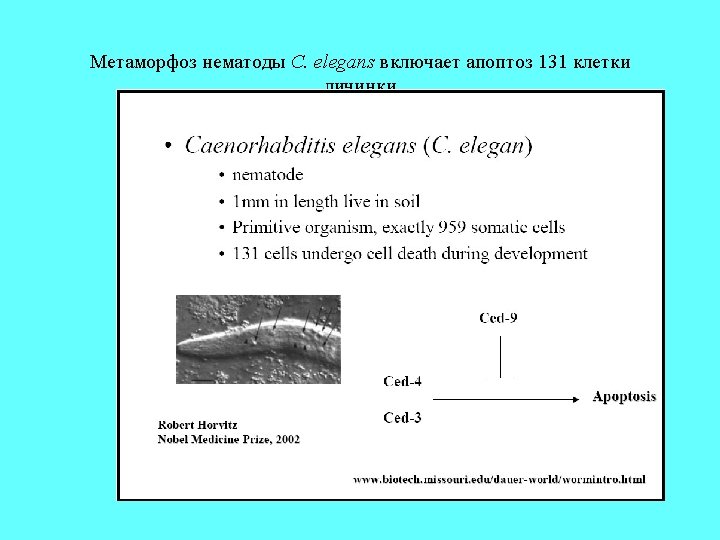
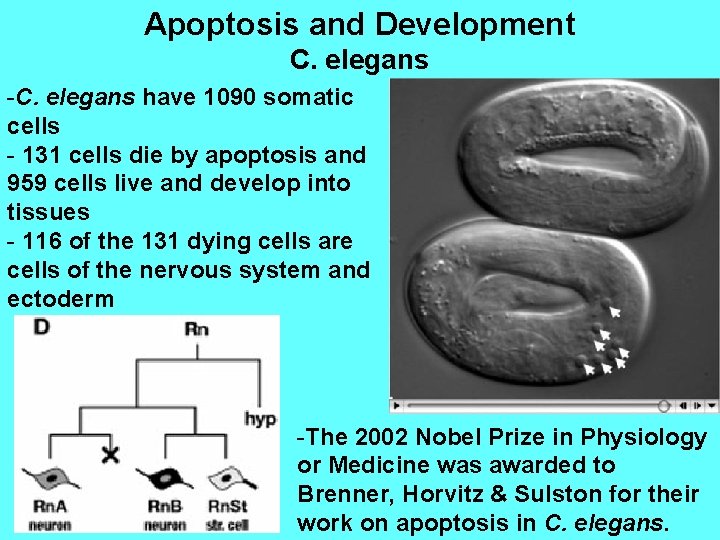
Apoptosis and Development C. elegans -C. elegans have 1090 somatic cells - 131 cells die by apoptosis and 959 cells live and develop into tissues - 116 of the 131 dying cells are cells of the nervous system and ectoderm -The 2002 Nobel Prize in Physiology or Medicine was awarded to Brenner, Horvitz & Sulston for their work on apoptosis in C. elegans.
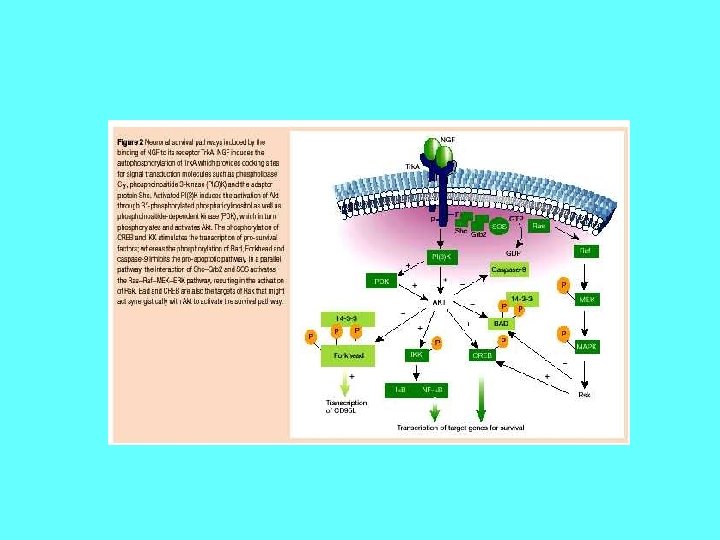
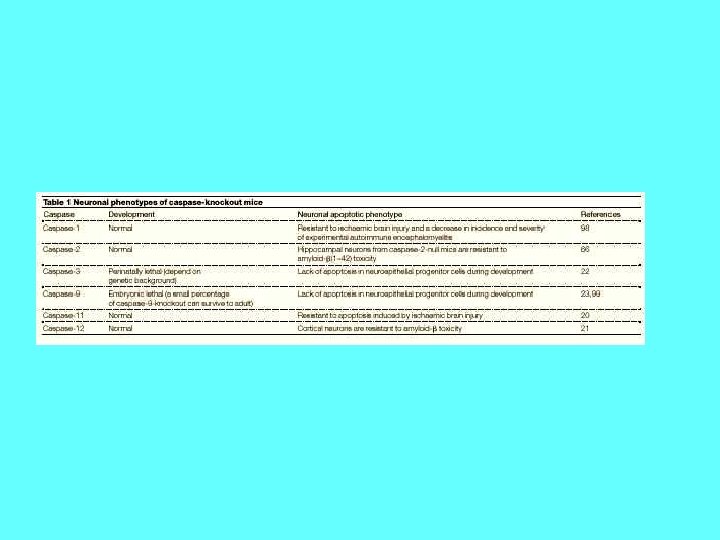
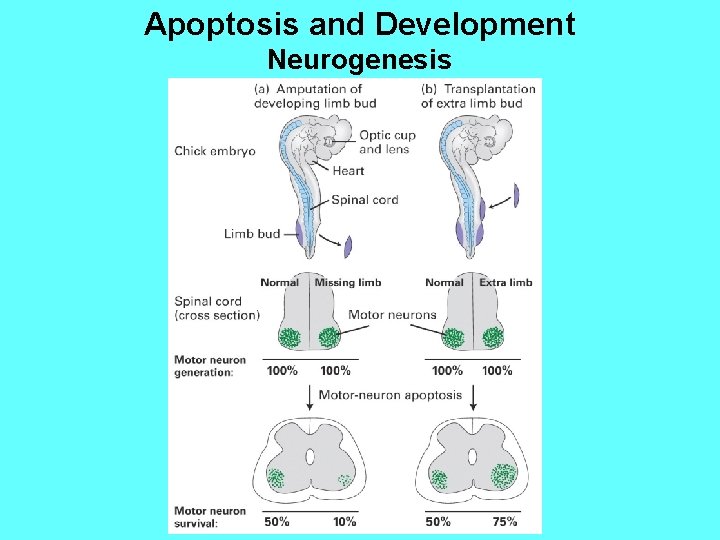
Apoptosis and Development Neurogenesis
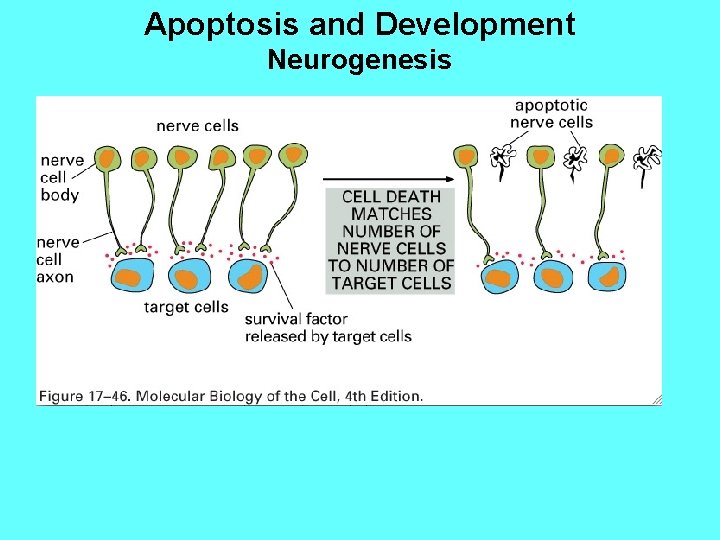
Apoptosis and Development Neurogenesis
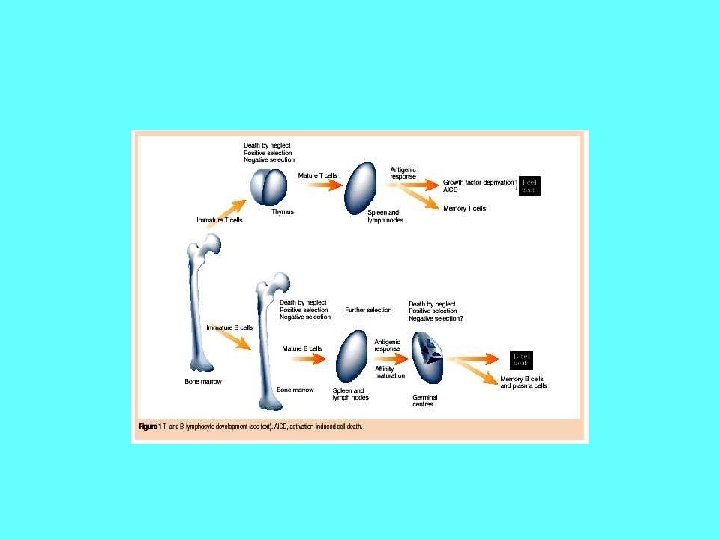
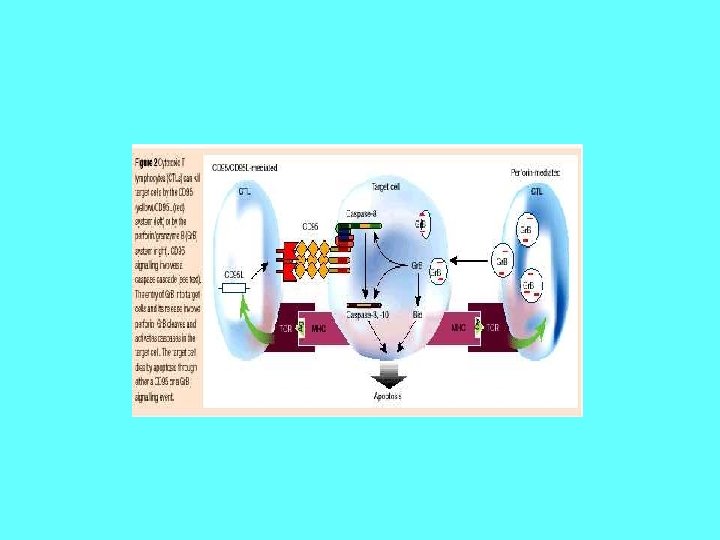
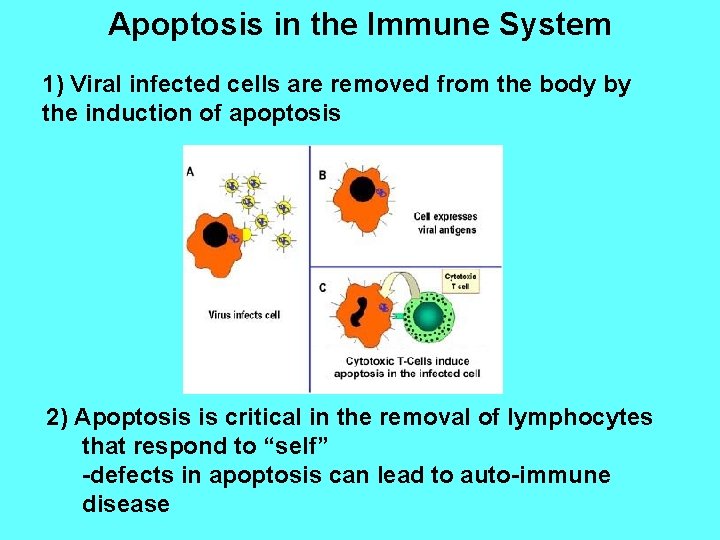
Apoptosis in the Immune System 1) Viral infected cells are removed from the body by the induction of apoptosis 2) Apoptosis is critical in the removal of lymphocytes that respond to “self” -defects in apoptosis can lead to auto-immune disease
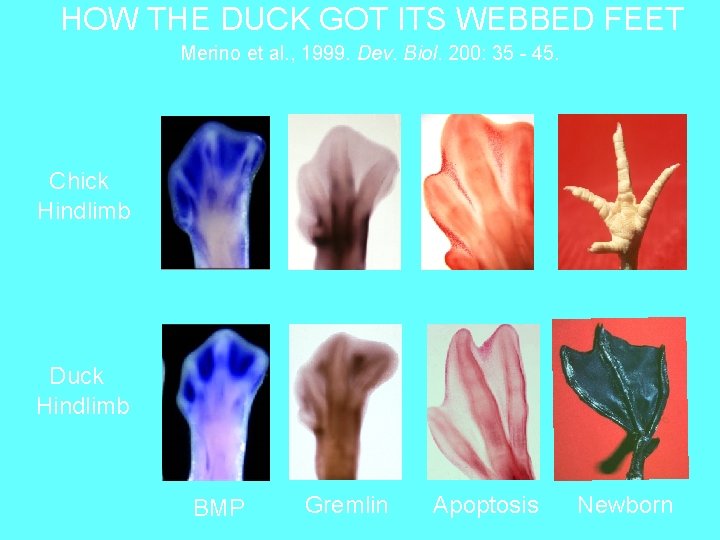
HOW THE DUCK GOT ITS WEBBED FEET Merino et al. , 1999. Dev. Biol. 200: 35 - 45. Chick Hindlimb Duck Hindlimb BMP Gremlin Apoptosis Newborn