
Program Overview Tony Dickherber Ph D Program Director
Program Overview Tony Dickherber, Ph. D. Program Director Center for Strategic Scientific Initiatives (CSSI) Office of the Director, National Cancer Institute (NCI) National Institutes of Health (NIH) April 2014

National Institutes of Health (NIH): 27 Institutes and Centers NHGRI NIA NIDA NINDS NIDCD NIMH NEI NIAAA CIT NINR NLM NIDDK NIMHD NIDCR NIEHS NIH Campus – Bethesda, Maryland FIC CSR NIBIB NIGMS NICHD CC NIAMS NCCAM NIH Budget ~ $30. 8 Billion (FY 12) • ~82% for extramural support • ~63, 000 grants and contracts NIAID NCI NHLBI NCATS NCI Budget ~ $ 5. 07 Billion (FY 12) • ~ 76% for extramural support • ~7, 800 grants and contracts
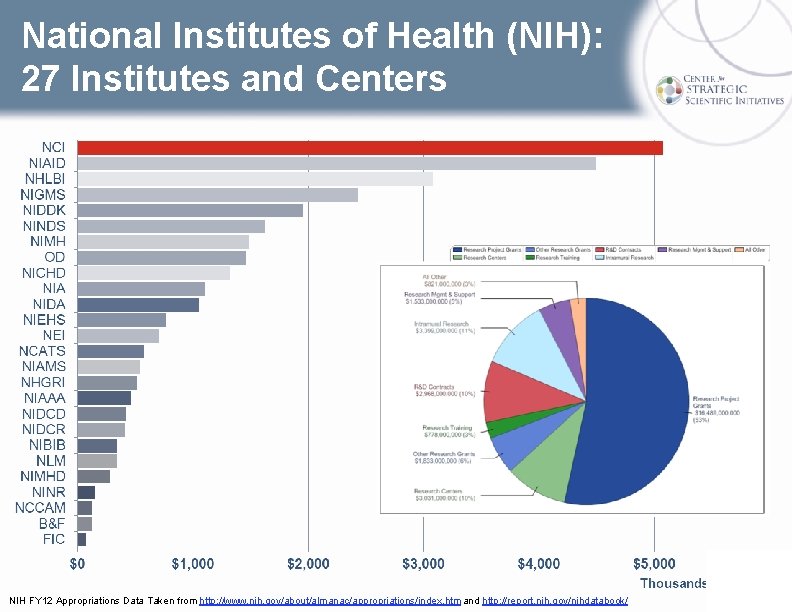
National Institutes of Health (NIH): 27 Institutes and Centers NIH FY 12 Appropriations Data Taken from http: //www. nih. gov/about/almanac/appropriations/index. htm and http: //report. nih. gov/nihdatabook/
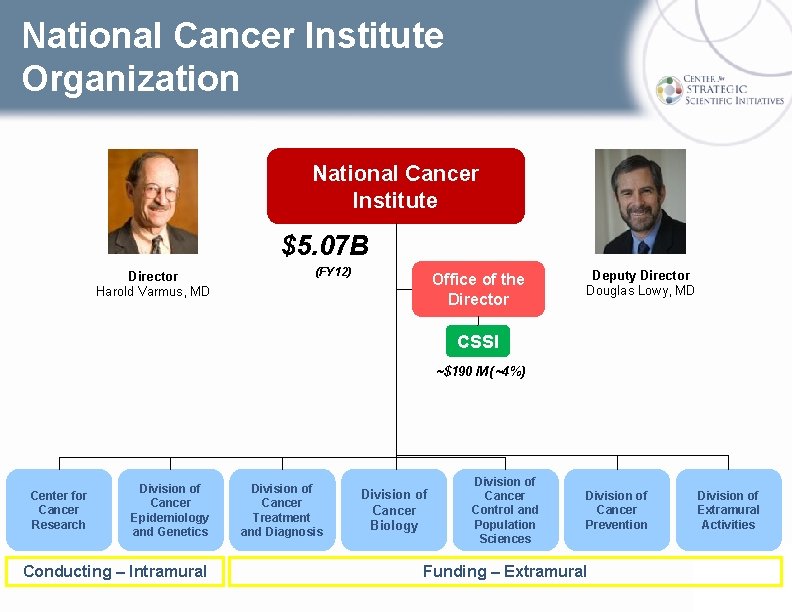
National Cancer Institute Organization National Cancer Institute $5. 07 B Director Harold Varmus, MD (FY 12) Office of the Director Deputy Director Douglas Lowy, MD CSSI ~$190 M (~4%) Center for Cancer Research Division of Cancer Epidemiology and Genetics Conducting – Intramural Division of Cancer Treatment and Diagnosis Division of Cancer Biology Division of Cancer Control and Population Sciences Division of Cancer Prevention Funding – Extramural Division of Extramural Activities
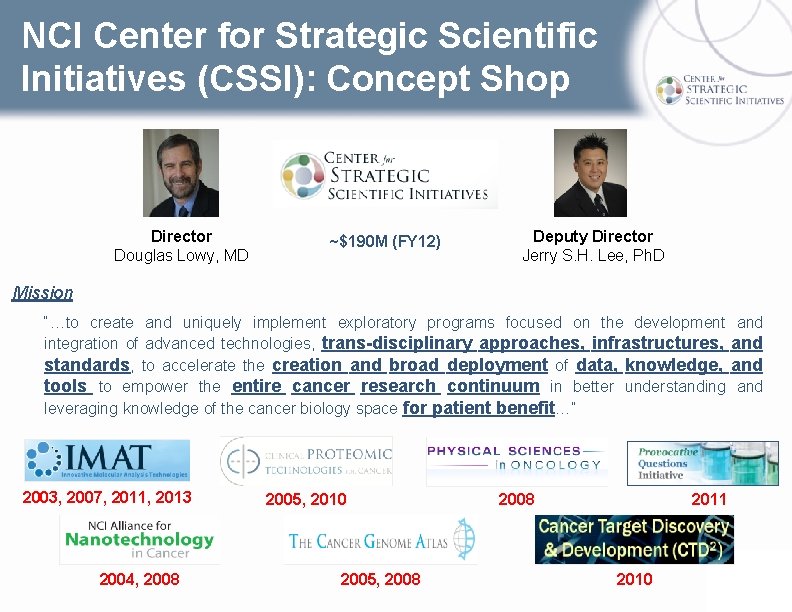
NCI Center for Strategic Scientific Initiatives (CSSI): Concept Shop Director Douglas Lowy, MD ~$190 M (FY 12) Deputy Director Jerry S. H. Lee, Ph. D Mission “…to create and uniquely implement exploratory programs focused on the development and integration of advanced technologies, trans-disciplinary approaches, infrastructures, and standards, to accelerate the creation and broad deployment of data, knowledge, and tools to empower the entire cancer research continuum in better understanding and leveraging knowledge of the cancer biology space for patient benefit…” 2003, 2007, 2011, 2013 2004, 2008 2005, 2010 2005, 2008 2011 2010
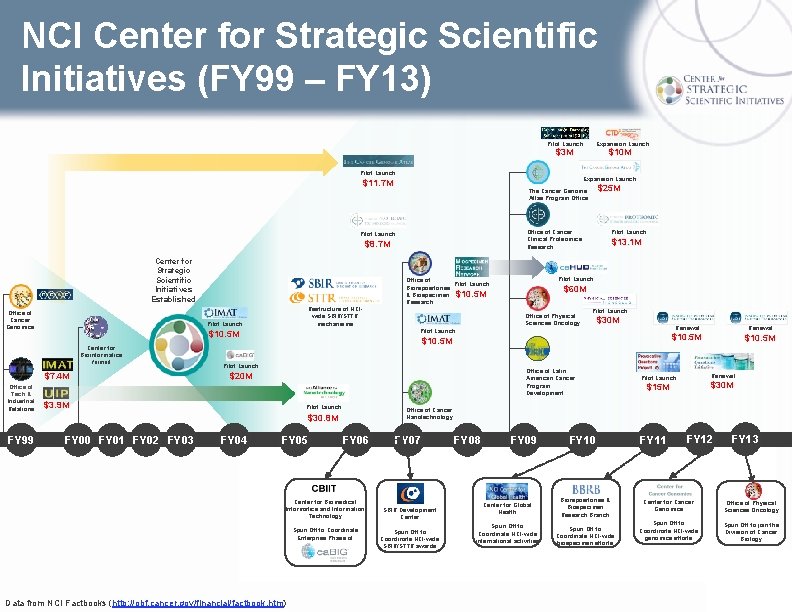
NCI Center for Strategic Scientific Initiatives (FY 99 – FY 13) Expansion Launch Pilot Launch $3 M Pilot Launch Expansion Launch $11. 7 M $7. 4 M Pilot Launch FY 04 Pilot Launch $30 M Office of Latin American Cancer Program Development $20 M $3. 9 M FY 00 FY 01 FY 02 FY 03 Office of Physical Sciences Oncology $10. 5 M FY 05 FY 06 Center for Biomedical Informatics and Information Technology Spun Off to Coordinate Enterprise Phase of Data from NCI Factbooks (http: //obf. cancer. gov/financial/factbook. htm) Renewal $10. 5 M Renewal Pilot Launch $30 M $15 M Office of Cancer Nanotechnology $30. 8 M FY 99 $60 M Pilot Launch $10. 5 M Center for Bioinformatics formed Office of Tech & Industrial Relations Restructure of NCIwide SBIR/STTR mechanisms $13. 1 M Pilot Launch Office of Pilot Launch Biorepositories & Biospecimen $10. 5 M Research Pilot Launch Office of Cancer Clinical Proteomics Research $8. 7 M Office of Cancer Genomics $25 M The Cancer Genome Atlas Program Office Pilot Launch Center for Strategic Scientific Initiatives Established $10 M FY 07 SBIR Development Center Spun Off to Coordinate NCI-wide SBIR/STTR awards FY 08 FY 09 FY 10 Center for Global Health Biorepositories & Biospecimen Research Branch Spun Off to Coordinate NCI-wide international activities Spun Off to Coordinate NCI-wide biospecimen efforts FY 11 FY 12 FY 13 Center for Cancer Genomics Office of Physical Sciences Oncology Spun Off to Coordinate NCI-wide genomics efforts Spun Off to join the Division of Cancer Biology
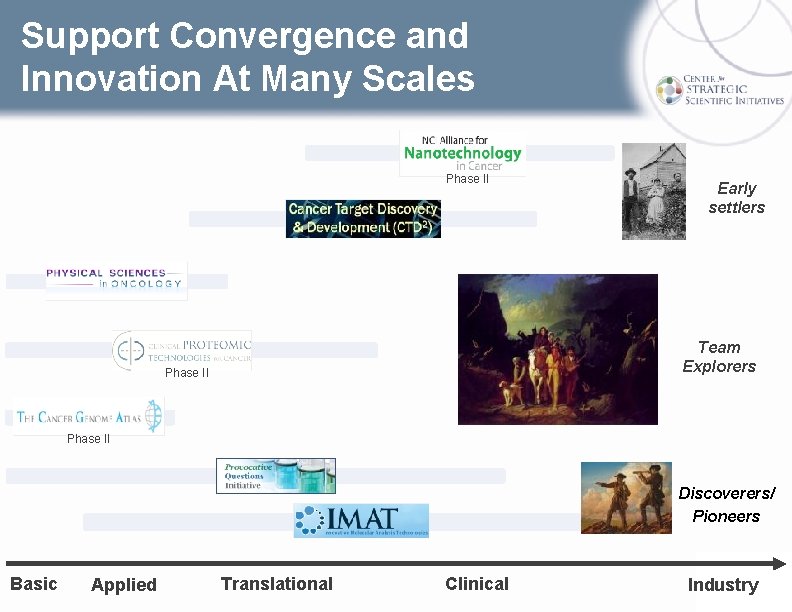
Support Convergence and Innovation At Many Scales Phase II Early settlers Team Explorers Phase II Discoverers/ Pioneers Basic Applied Translational Clinical Industry
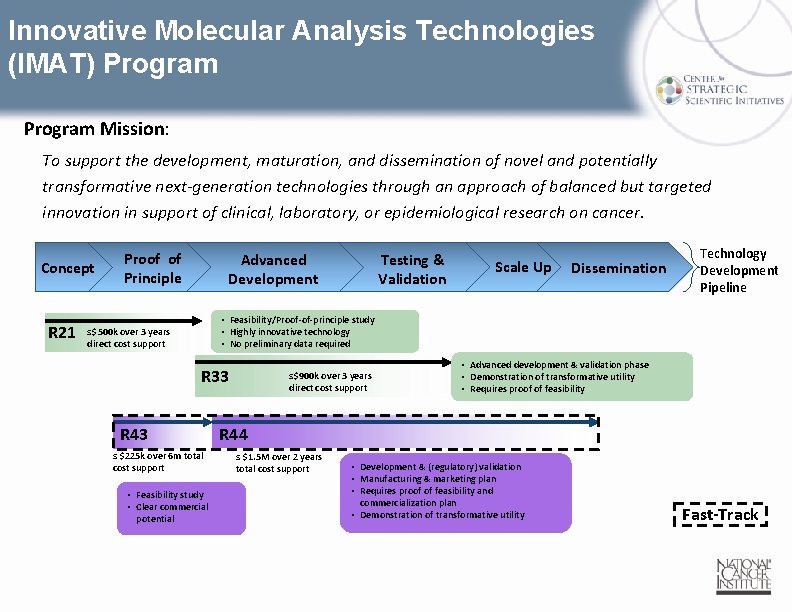
Innovative Molecular Analysis Technologies (IMAT) Program Mission: To support the development, maturation, and dissemination of novel and potentially transformative next-generation technologies through an approach of balanced but targeted innovation in support of clinical, laboratory, or epidemiological research on cancer. Concept R 21 Proof of Principle Testing & Validation Advanced Development Scale Up Dissemination Technology Development Pipeline • Feasibility/Proof-of-principle study • Highly innovative technology • No preliminary data required ≤$500 k over 3 years direct cost support R 33 R 43 ≤ $225 k over 6 m total cost support • Feasibility study • Clear commercial potential ≤$900 k over 3 years direct cost support • Advanced development & validation phase • Demonstration of transformative utility • Requires proof of feasibility R 44 ≤ $1. 5 M over 2 years total cost support • Development & (regulatory) validation • Manufacturing & marketing plan • Requires proof of feasibility and commercialization plan • Demonstration of transformative utility Fast-Track
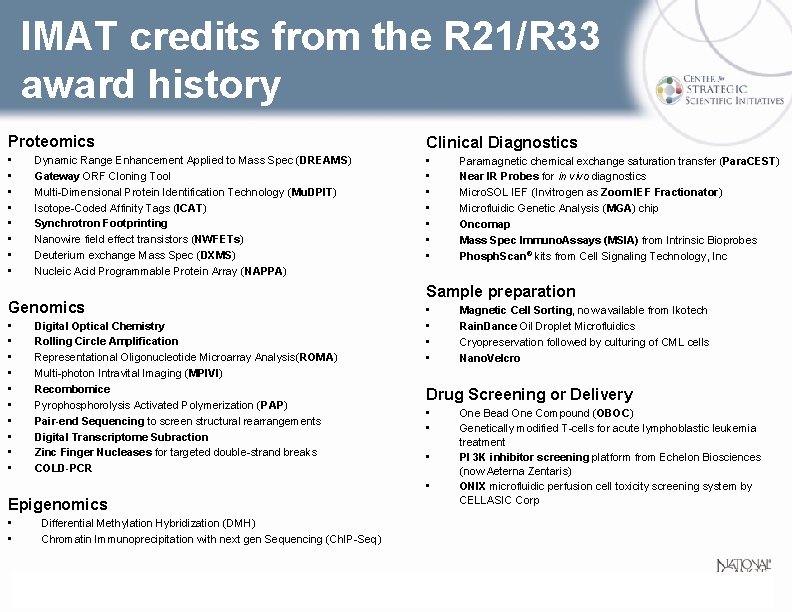
IMAT credits from the R 21/R 33 award history Proteomics Clinical Diagnostics • • • • Dynamic Range Enhancement Applied to Mass Spec (DREAMS) Gateway ORF Cloning Tool Multi-Dimensional Protein Identification Technology (Mu. DPIT) Isotope-Coded Affinity Tags (ICAT) Synchrotron Footprinting Nanowire field effect transistors (NWFETs) Deuterium exchange Mass Spec (DXMS) Nucleic Acid Programmable Protein Array (NAPPA) Genomics • • • Digital Optical Chemistry Rolling Circle Amplification Representational Oligonucleotide Microarray Analysis(ROMA) Multi-photon Intravital Imaging (MPIVI) Recombomice Pyrophosphorolysis Activated Polymerization (PAP) Pair-end Sequencing to screen structural rearrangements Digital Transcriptome Subraction Zinc Finger Nucleases for targeted double-strand breaks COLD-PCR Sample preparation • • • Differential Methylation Hybridization (DMH) Chromatin Immunoprecipitation with next gen Sequencing (Ch. IP-Seq) Magnetic Cell Sorting, now available from Ikotech Rain. Dance Oil Droplet Microfluidics Cryopreservation followed by culturing of CML cells Nano. Velcro Drug Screening or Delivery • • Epigenomics Paramagnetic chemical exchange saturation transfer (Para. CEST) Near IR Probes for in vivo diagnostics Micro. SOL IEF (Invitrogen as Zoom IEF Fractionator) Microfluidic Genetic Analysis (MGA) chip Oncomap Mass Spec Immuno. Assays (MSIA) from Intrinsic Bioprobes Phosph. Scan® kits from Cell Signaling Technology, Inc One Bead One Compound (OBOC) Genetically modified T-cells for acute lymphoblastic leukemia treatment PI 3 K inhibitor screening platform from Echelon Biosciences (now Aeterna Zentaris) ONIX microfluidic perfusion cell toxicity screening system by CELLASIC Corp
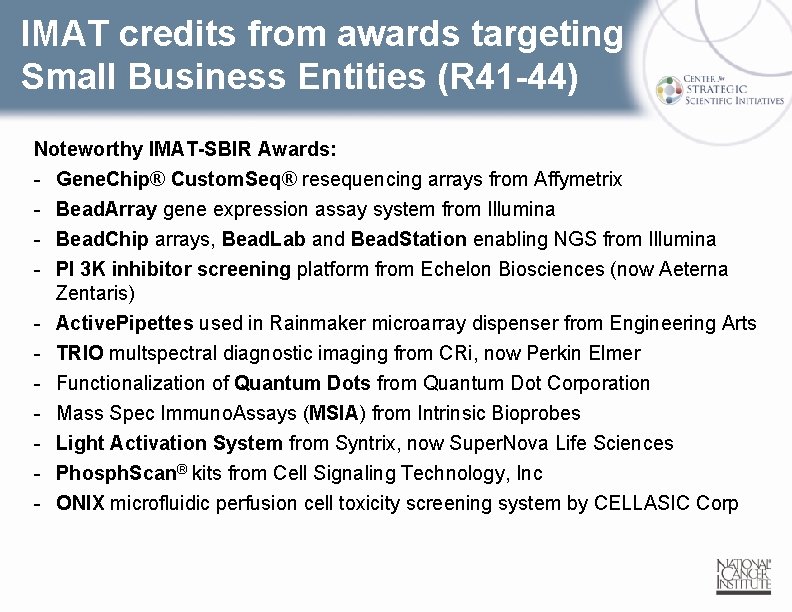
IMAT credits from awards targeting Small Business Entities (R 41 -44) Noteworthy IMAT-SBIR Awards: - Gene. Chip® Custom. Seq® resequencing arrays from Affymetrix - Bead. Array gene expression assay system from Illumina - Bead. Chip arrays, Bead. Lab and Bead. Station enabling NGS from Illumina - PI 3 K inhibitor screening platform from Echelon Biosciences (now Aeterna Zentaris) - Active. Pipettes used in Rainmaker microarray dispenser from Engineering Arts - TRIO multspectral diagnostic imaging from CRi, now Perkin Elmer - Functionalization of Quantum Dots from Quantum Dot Corporation - Mass Spec Immuno. Assays (MSIA) from Intrinsic Bioprobes - Light Activation System from Syntrix, now Super. Nova Life Sciences - Phosph. Scan® kits from Cell Signaling Technology, Inc - ONIX microfluidic perfusion cell toxicity screening system by CELLASIC Corp
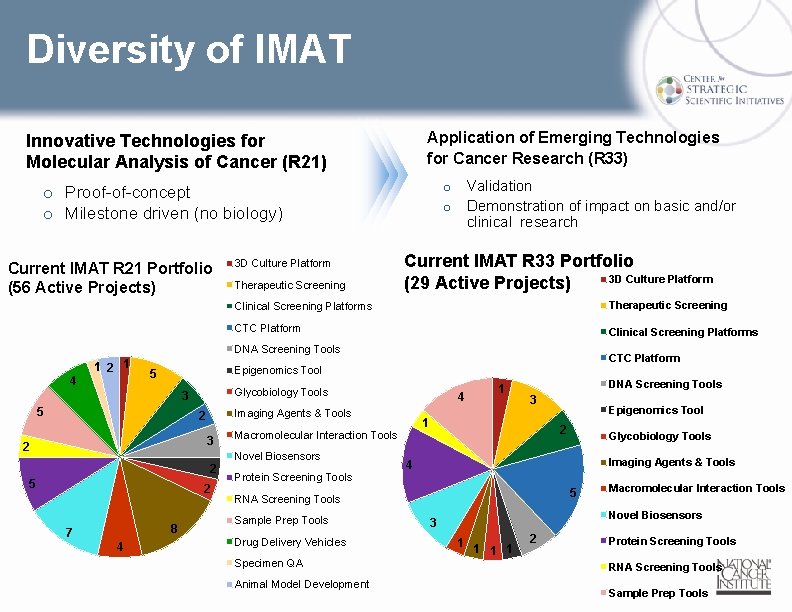
Diversity of IMAT Application of Emerging Technologies for Cancer Research (R 33) Innovative Technologies for Molecular Analysis of Cancer (R 21) Current IMAT R 21 Portfolio (56 Active Projects) 3 D Culture Platform Therapeutic Screening Validation Demonstration of impact on basic and/or clinical research o o o Proof-of-concept o Milestone driven (no biology) Current IMAT R 33 Portfolio 3 D Culture Platform (29 Active Projects) Clinical Screening Platforms Therapeutic Screening CTC Platform Clinical Screening Platforms DNA Screening Tools 4 1 2 1 5 Glycobiology Tools 3 5 3 2 2 5 2 8 4 4 Imaging Agents & Tools 2 7 CTC Platform Epigenomics Tool DNA Screening Tools 3 1 Macromolecular Interaction Tools Novel Biosensors 1 Epigenomics Tool 2 Glycobiology Tools Imaging Agents & Tools 4 Protein Screening Tools 5 RNA Screening Tools Sample Prep Tools Drug Delivery Vehicles Specimen QA Animal Model Development Macromolecular Interaction Tools Novel Biosensors 3 1 1 2 Protein Screening Tools RNA Screening Tools Sample Prep Tools
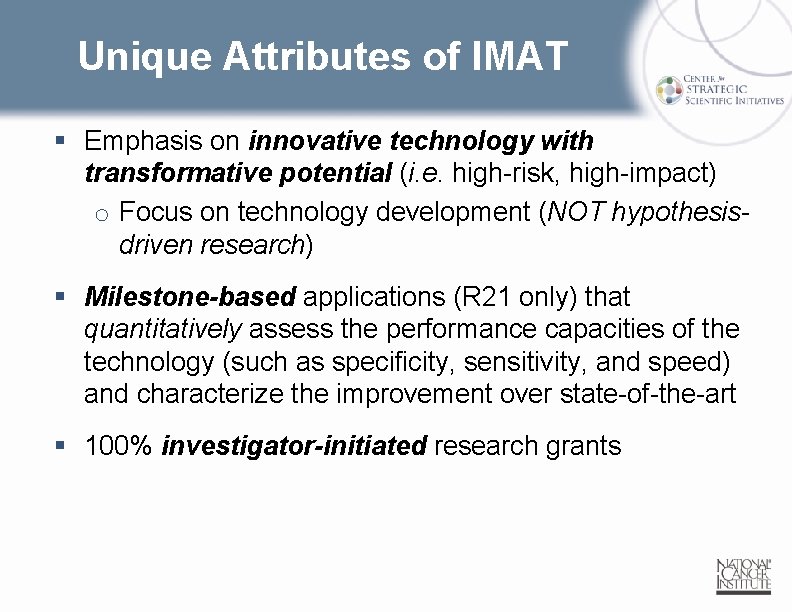
Unique Attributes of IMAT § Emphasis on innovative technology with transformative potential (i. e. high-risk, high-impact) o Focus on technology development (NOT hypothesisdriven research) § Milestone-based applications (R 21 only) that quantitatively assess the performance capacities of the technology (such as specificity, sensitivity, and speed) and characterize the improvement over state-of-the-art § 100% investigator-initiated research grants
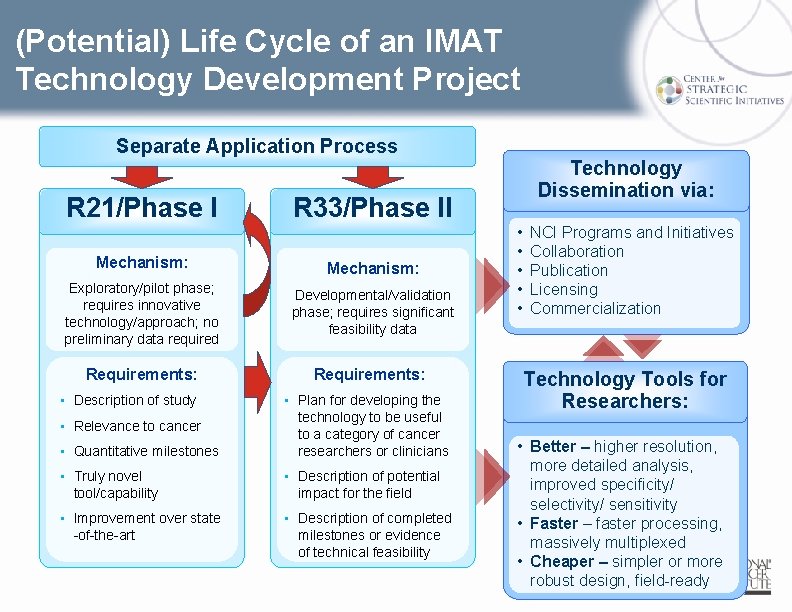
(Potential) Life Cycle of an IMAT Technology Development Project Separate Application Process R 21/Phase I R 33/Phase II Mechanism: Exploratory/pilot phase; requires innovative technology/approach; no preliminary data required Developmental/validation phase; requires significant feasibility data Requirements: • Quantitative milestones • Plan for developing the technology to be useful to a category of cancer researchers or clinicians • Truly novel tool/capability • Description of potential impact for the field • Improvement over state -of-the-art • Description of completed milestones or evidence of technical feasibility • Description of study • Relevance to cancer Technology Dissemination via: • • • NCI Programs and Initiatives Collaboration Publication Licensing Commercialization Technology Tools for Researchers: • Better – higher resolution, more detailed analysis, improved specificity/ selectivity/ sensitivity • Faster – faster processing, massively multiplexed • Cheaper – simpler or more robust design, field-ready
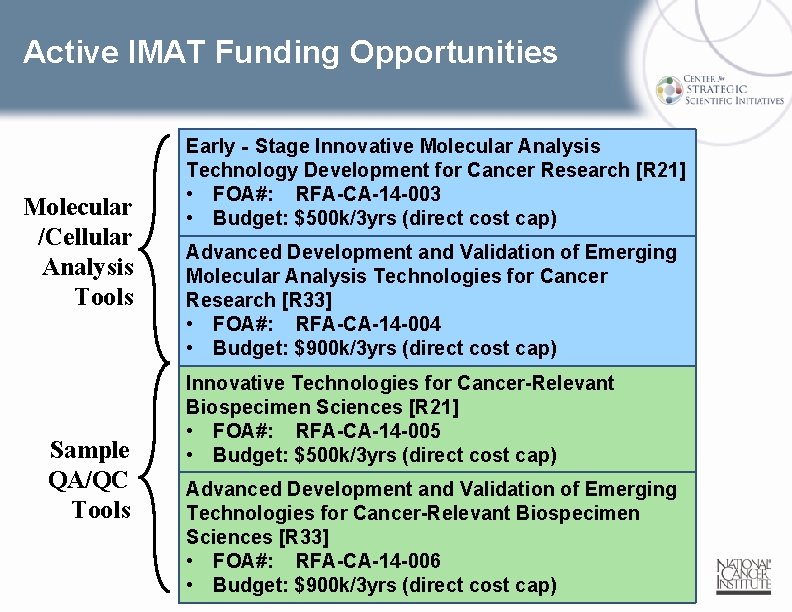
Active IMAT Funding Opportunities Molecular /Cellular Analysis Tools Sample QA/QC Tools Early‐Stage Innovative Molecular Analysis Technology Development for Cancer Research [R 21] • FOA#: RFA-CA-14 -003 • Budget: $500 k/3 yrs (direct cost cap) Advanced Development and Validation of Emerging Molecular Analysis Technologies for Cancer Research [R 33] • FOA#: RFA-CA-14 -004 • Budget: $900 k/3 yrs (direct cost cap) Innovative Technologies for Cancer-Relevant Biospecimen Sciences [R 21] • FOA#: RFA-CA-14 -005 • Budget: $500 k/3 yrs (direct cost cap) Advanced Development and Validation of Emerging Technologies for Cancer-Relevant Biospecimen Sciences [R 33] • FOA#: RFA-CA-14 -006 • Budget: $900 k/3 yrs (direct cost cap)
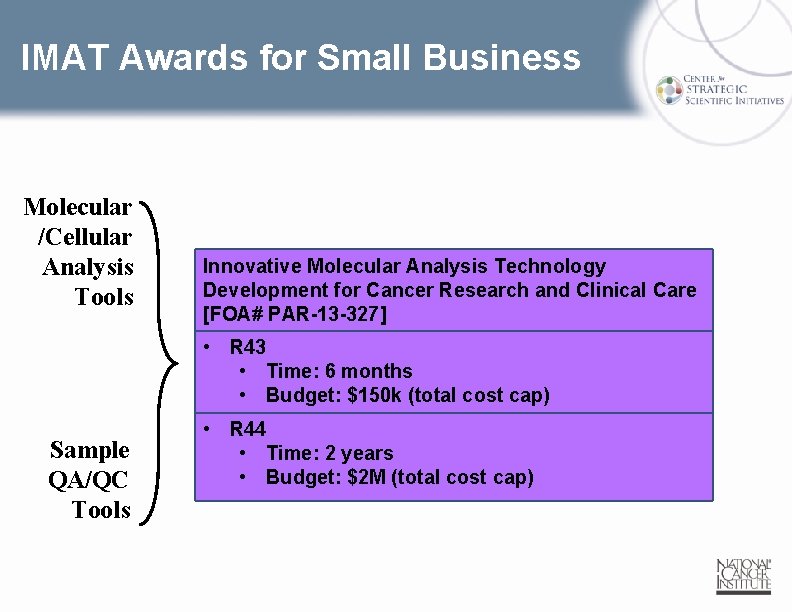
IMAT Awards for Small Business Molecular /Cellular Analysis Tools Innovative Molecular Analysis Technology Development for Cancer Research and Clinical Care [FOA# PAR-13 -327] • R 43 • Time: 6 months • Budget: $150 k (total cost cap) Sample QA/QC Tools • R 44 • Time: 2 years • Budget: $2 M (total cost cap)
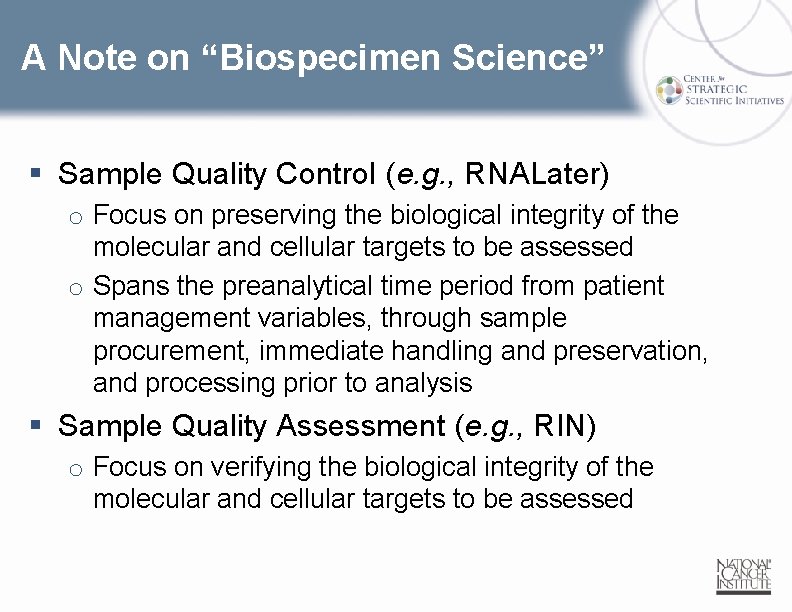
A Note on “Biospecimen Science” § Sample Quality Control (e. g. , RNALater) o Focus on preserving the biological integrity of the molecular and cellular targets to be assessed o Spans the preanalytical time period from patient management variables, through sample procurement, immediate handling and preservation, and processing prior to analysis § Sample Quality Assessment (e. g. , RIN) o Focus on verifying the biological integrity of the molecular and cellular targets to be assessed
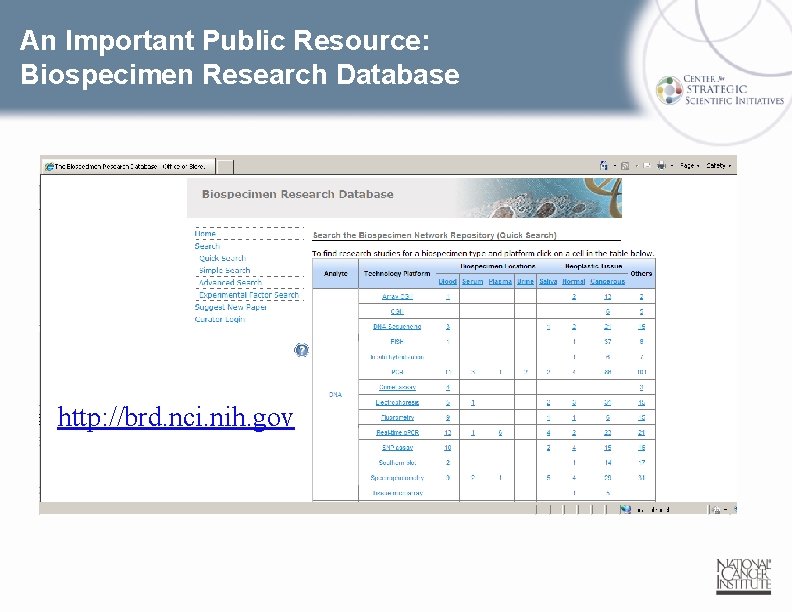
An Important Public Resource: Biospecimen Research Database http: //brd. nci. nih. gov
Non-responsiveness Criteria § § § § § Projects focused on a biological or clinical hypothesis for which the novelty resides in the biological or clinical question being pursued (i. e. traditional biological-hypothesis driven research); Projects that propose to use existing technologies (for which proof of concept has already been obtained) that may be ready for the targeted applications without substantial further developmental efforts; Projects that propose to develop only incremental technical advances to existing technologies projects that will have low potential for transforming cancer research; Technologies for whole-body or in vivo imaging methods; Projects involving clinical trials or toxicology studies; Projects focused on biomarker discovery or biomarker validation; Projects focused on development of specific contrast agents; Projects focused on development of specific drugs or therapies; Projects focused primarily on software/informatics solutions, database development, data mining, statistical tools, and computational/mathematical modeling (including those applicable to drug and/or patient responses) with the exception of projects which include software development for embedding in new devices or limited amounts of computational efforts as might be needed to develop new devices or methods; Applications that may have appropriate scientific scope but do not include the required specific components (Statement of Impact and Quantitative Milestones) will also be considered nonresponsive to this FOA and will not be reviewed.
R 21 Milestones • Should be quantitative and scientifically justified • Critical components to include • Numerical performance targets (what) • Means by which they will be assessed (how) • Important review consideration: • Means of judging the success of the aims • Provide proof-of-principle for justifying further developmental effort • e. g. , under a future R 33 project
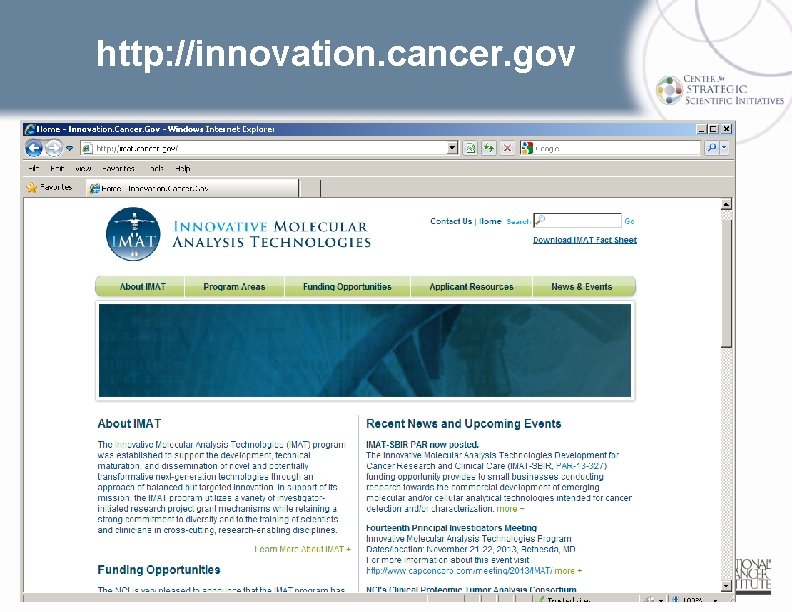
http: //innovation. cancer. gov
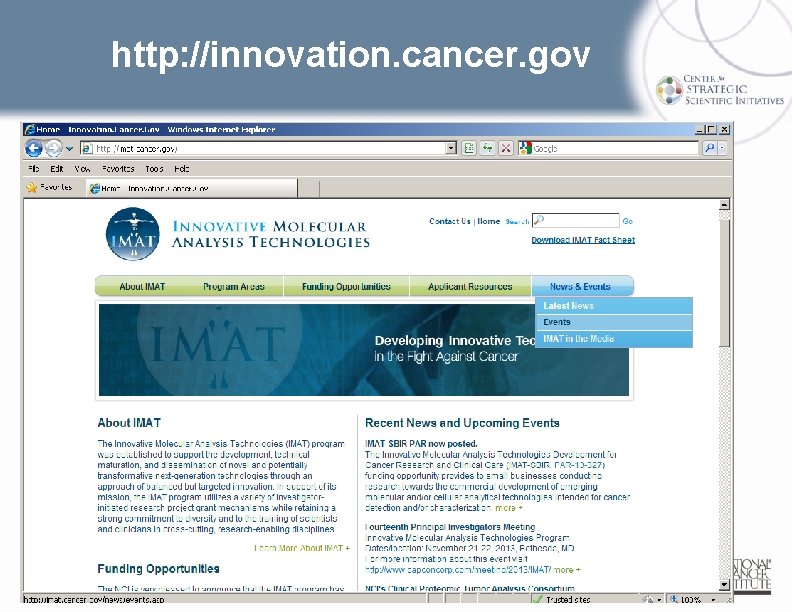
http: //innovation. cancer. gov
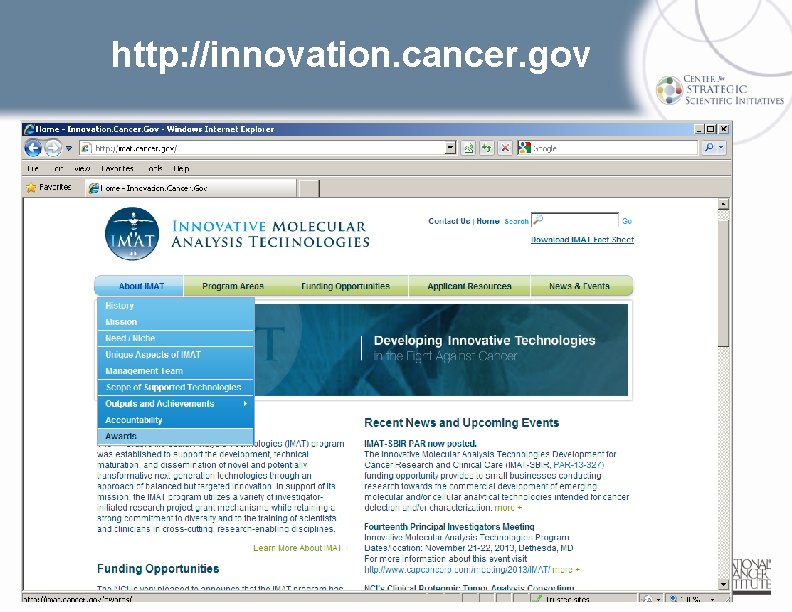
http: //innovation. cancer. gov
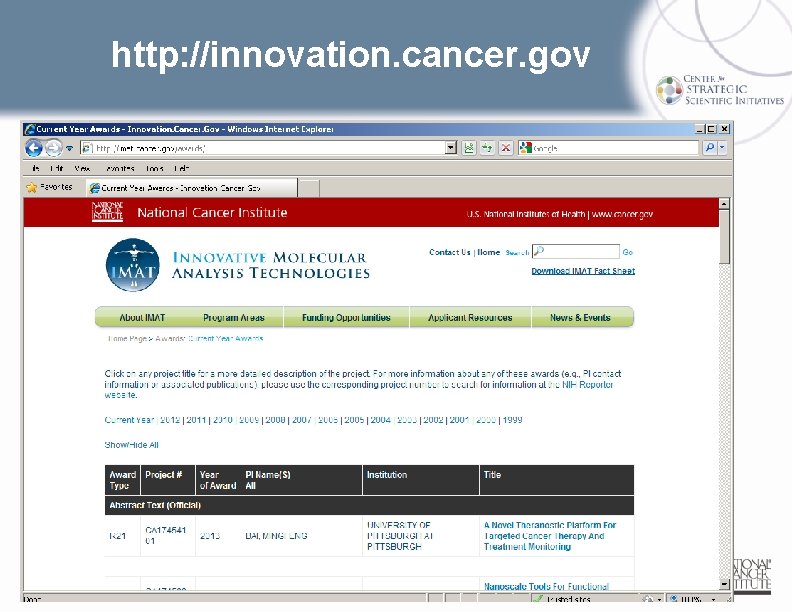
http: //innovation. cancer. gov
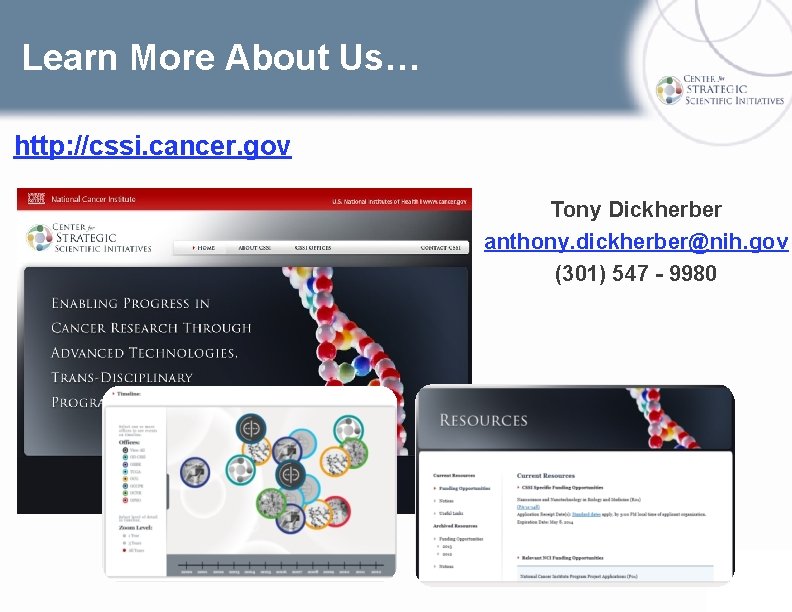
Learn More About Us… http: //cssi. cancer. gov Tony Dickherber anthony. dickherber@nih. gov (301) 547 - 9980
- Slides: 24