
Profiling Nutrient Needs Organic Acids in Functional Assessment

- Slides: 50
Profiling Nutrient Needs Organic Acids in Functional Assessment Clinical Presentations
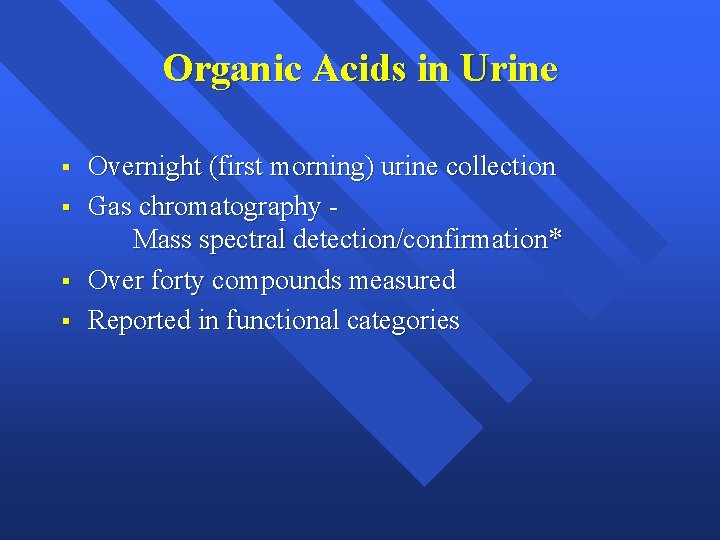
Organic Acids in Urine § § Overnight (first morning) urine collection Gas chromatography Mass spectral detection/confirmation* Over forty compounds measured Reported in functional categories
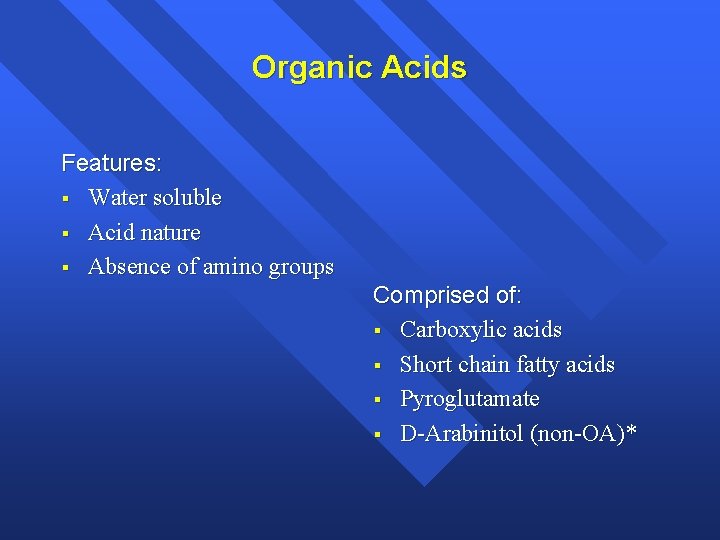
Organic Acids Features: § Water soluble § Acid nature § Absence of amino groups Comprised of: § Carboxylic acids § Short chain fatty acids § Pyroglutamate § D-Arabinitol (non-OA)*
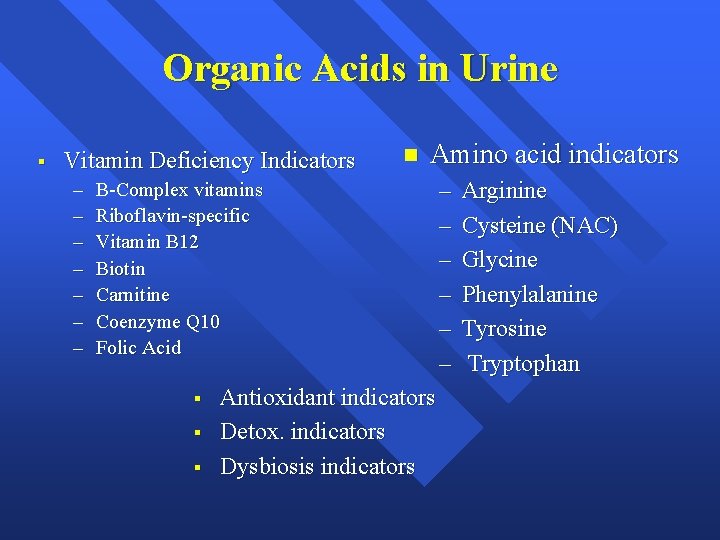
Organic Acids in Urine § Vitamin Deficiency Indicators – – – – Amino acid indicators B-Complex vitamins Riboflavin-specific Vitamin B 12 Biotin Carnitine Coenzyme Q 10 Folic Acid § § § Antioxidant indicators Detox. indicators Dysbiosis indicators – – – Arginine Cysteine (NAC) Glycine Phenylalanine Tyrosine Tryptophan
Food Stages of Energy Extraction From Food Step requiring vitamin cofactor CO 2 + H 2 O + Urea
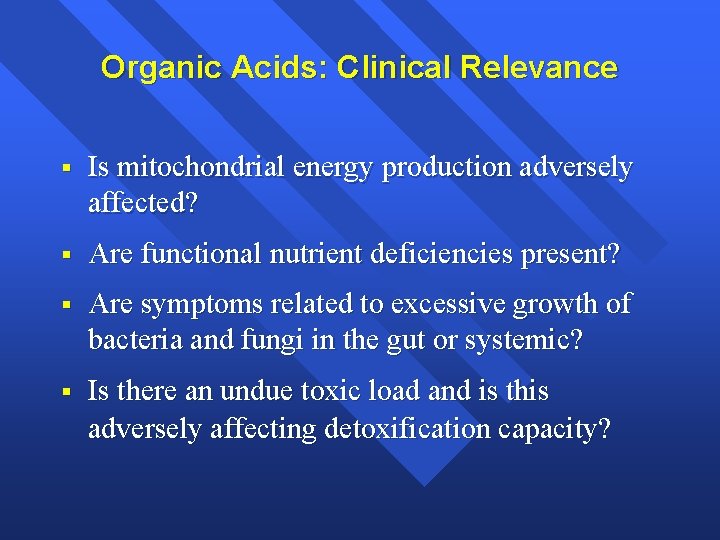
Organic Acids: Clinical Relevance § Is mitochondrial energy production adversely affected? § Are functional nutrient deficiencies present? § Are symptoms related to excessive growth of bacteria and fungi in the gut or systemic? § Is there an undue toxic load and is this adversely affecting detoxification capacity?
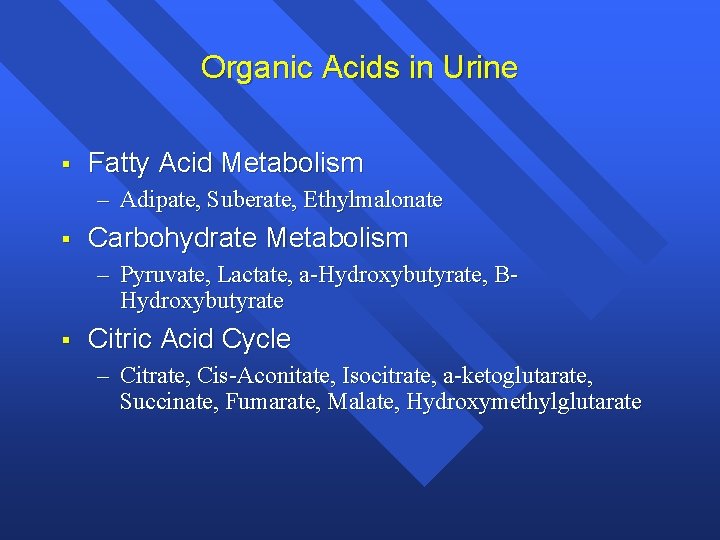
Organic Acids in Urine § Fatty Acid Metabolism – Adipate, Suberate, Ethylmalonate § Carbohydrate Metabolism – Pyruvate, Lactate, a-Hydroxybutyrate, BHydroxybutyrate § Citric Acid Cycle – Citrate, Cis-Aconitate, Isocitrate, a-ketoglutarate, Succinate, Fumarate, Malate, Hydroxymethylglutarate
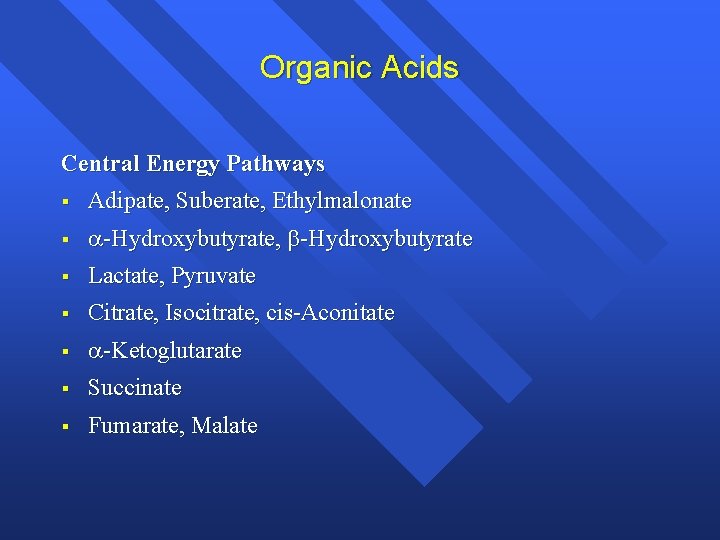
Organic Acids Central Energy Pathways § Adipate, Suberate, Ethylmalonate § -Hydroxybutyrate, -Hydroxybutyrate § Lactate, Pyruvate § Citrate, Isocitrate, cis-Aconitate § -Ketoglutarate § Succinate § Fumarate, Malate
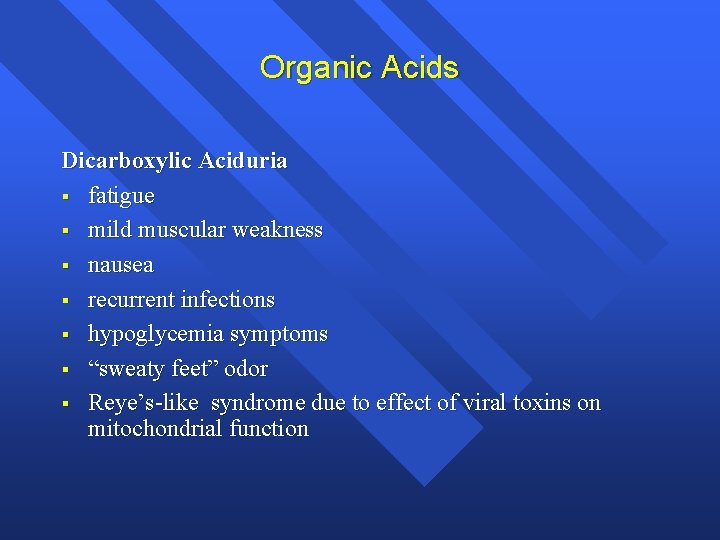
Organic Acids Dicarboxylic Aciduria § fatigue § mild muscular weakness § nausea § recurrent infections § hypoglycemia symptoms § “sweaty feet” odor § Reye’s-like syndrome due to effect of viral toxins on mitochondrial function
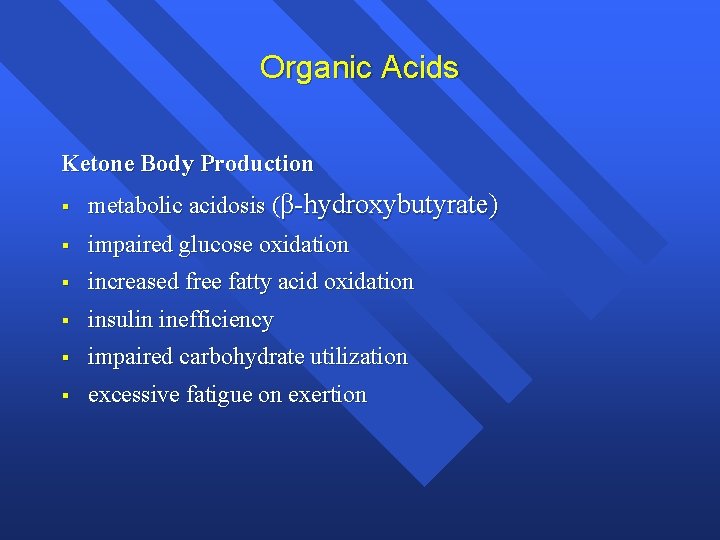
Organic Acids Ketone Body Production § metabolic acidosis (β-hydroxybutyrate) § impaired glucose oxidation § increased free fatty acid oxidation § insulin inefficiency § impaired carbohydrate utilization § excessive fatigue on exertion
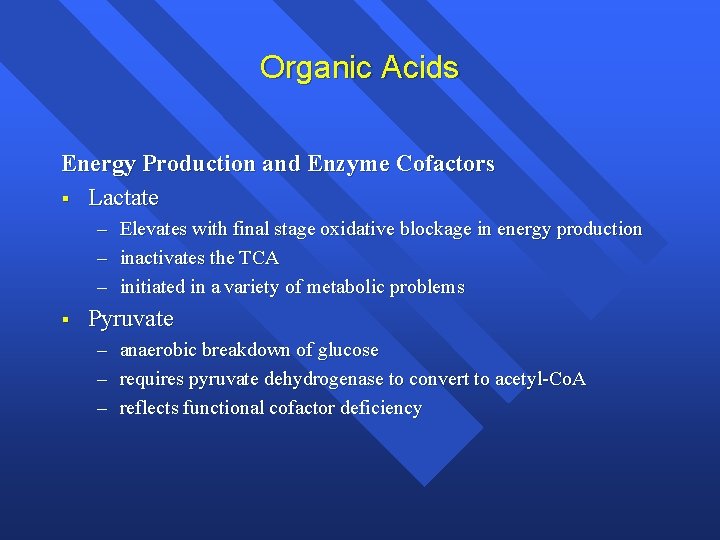
Organic Acids Energy Production and Enzyme Cofactors § Lactate – – – § Elevates with final stage oxidative blockage in energy production inactivates the TCA initiated in a variety of metabolic problems Pyruvate – – – anaerobic breakdown of glucose requires pyruvate dehydrogenase to convert to acetyl-Co. A reflects functional cofactor deficiency
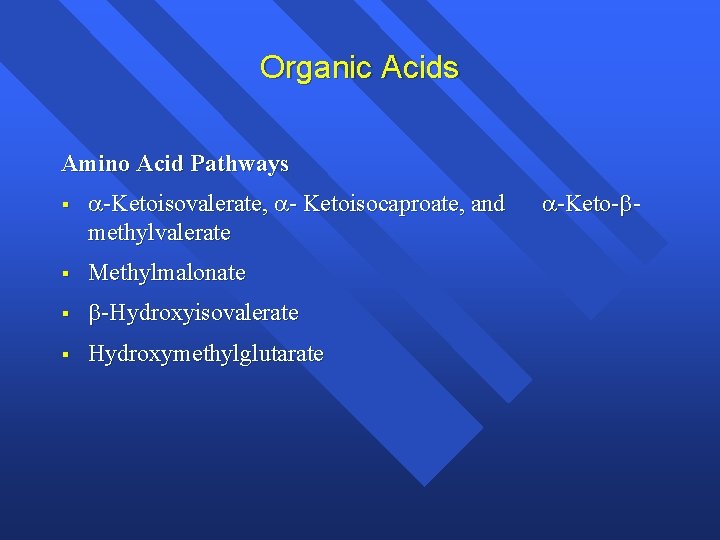
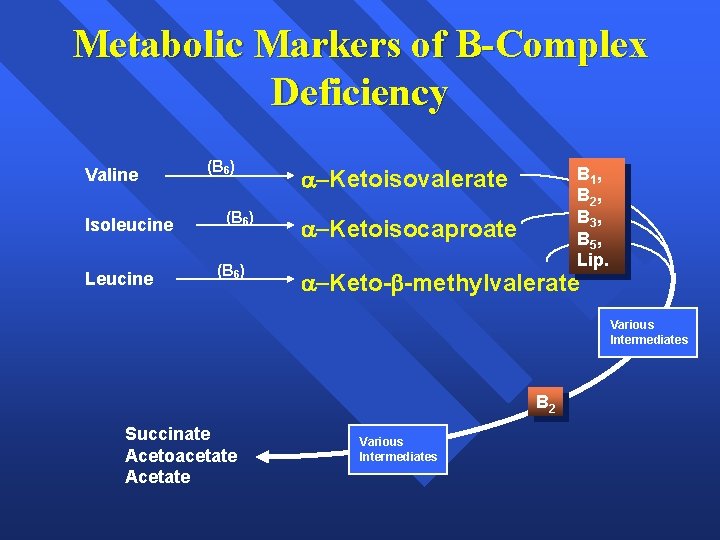
Organic Acids Amino Acid Pathways § -Ketoisovalerate, - Ketoisocaproate, and methylvalerate § Methylmalonate § -Hydroxyisovalerate § Hydroxymethylglutarate -Keto- -
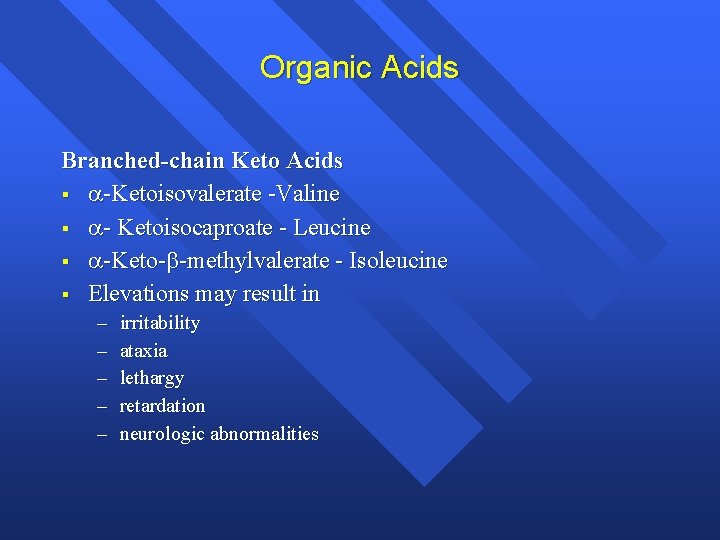
Organic Acids Branched-chain Keto Acids § -Ketoisovalerate -Valine § - Ketoisocaproate - Leucine § -Keto- -methylvalerate - Isoleucine § Elevations may result in – – – irritability ataxia lethargy retardation neurologic abnormalities
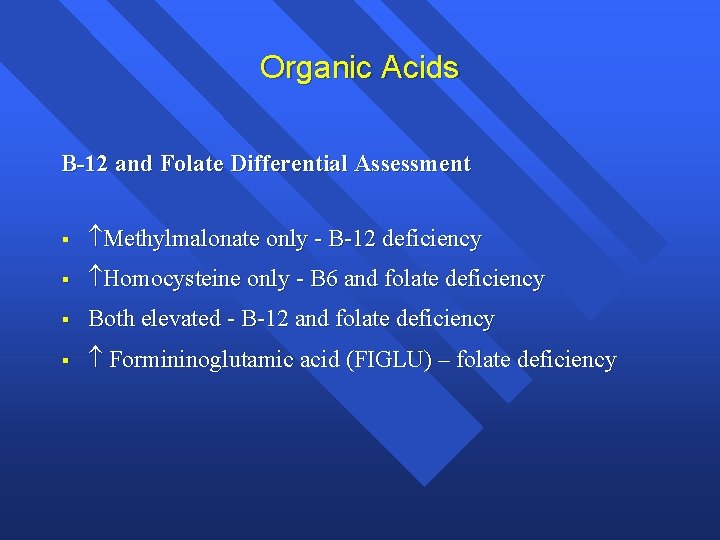
Organic Acids B-12 and Folate Differential Assessment § Methylmalonate only - B-12 deficiency § Homocysteine only - B 6 and folate deficiency § Both elevated - B-12 and folate deficiency § Formininoglutamic acid (FIGLU) – folate deficiency
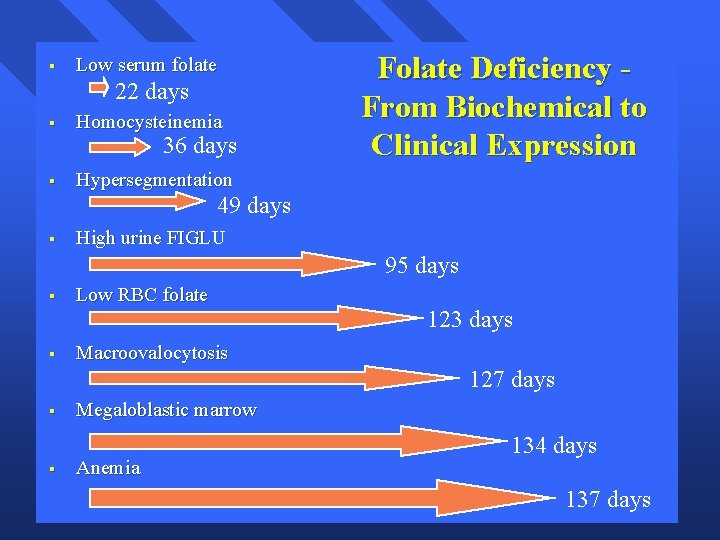
§ Low serum folate 22 days § Homocysteinemia § Hypersegmentation 36 days Folate Deficiency From Biochemical to Clinical Expression 49 days § High urine FIGLU 95 days § § Low RBC folate 123 days Macroovalocytosis 127 days § § Megaloblastic marrow Anemia 134 days 137 days
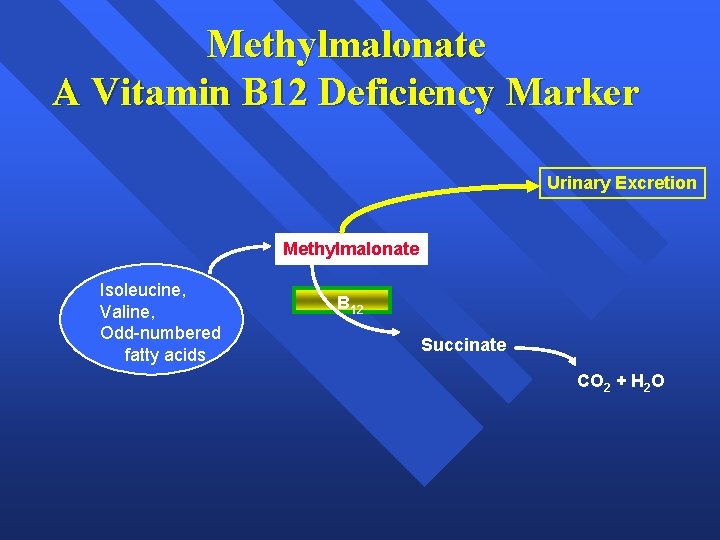
Methylmalonate A Vitamin B 12 Deficiency Marker Urinary Excretion Methylmalonate Isoleucine, Valine, Odd-numbered fatty acids B 12 Succinate CO 2 + H 2 O
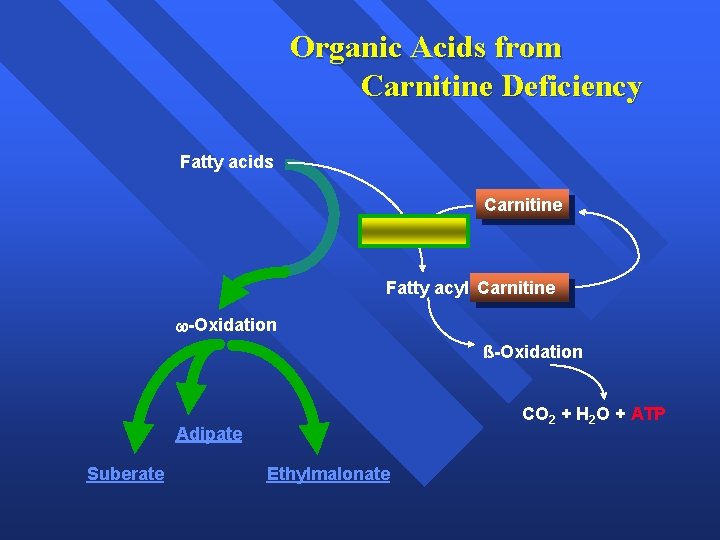
Organic Acids from Carnitine Deficiency Fatty acids Carnitine Fatty acyl Carnitine -Oxidation ß-Oxidation CO 2 + H 2 O + ATP Adipate Suberate Ethylmalonate
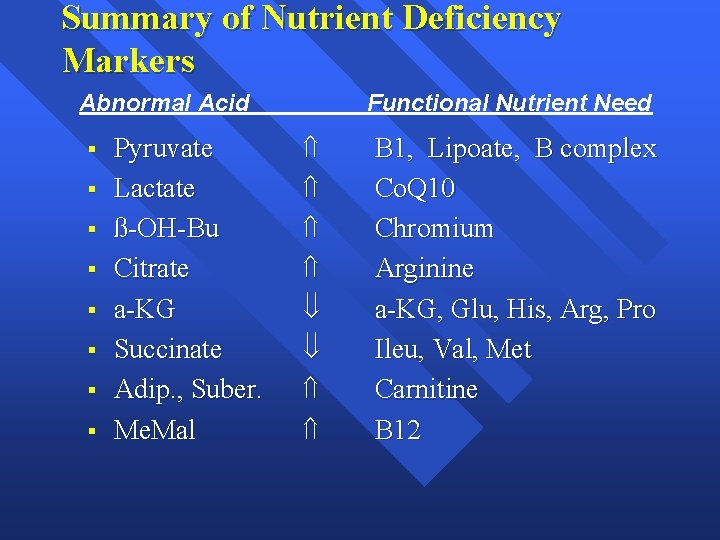
Summary of Nutrient Deficiency Markers Abnormal Acid § § § § Pyruvate Lactate ß-OH-Bu Citrate a-KG Succinate Adip. , Suber. Me. Mal Functional Nutrient Need B 1, Lipoate, B complex Co. Q 10 Chromium Arginine a-KG, Glu, His, Arg, Pro Ileu, Val, Met Carnitine B 12
Metabolic Markers of B-Complex Deficiency Valine Isoleucine Leucine (B 6) Ketoisovalerate B 1 , B 2 , B 3 , B 5 , Lip. Ketoisocaproate Keto- -methylvalerate Various Intermediates B 2 Succinate Acetoacetate Acetate Various Intermediates
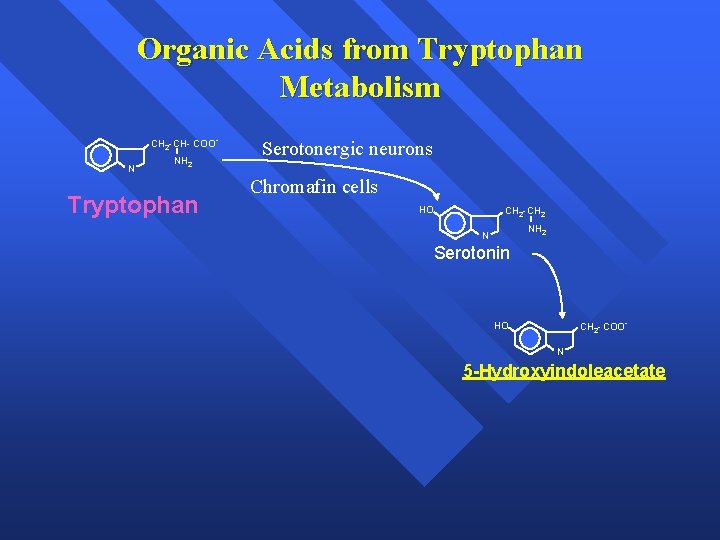
Organic Acids from Tryptophan Metabolism CH 2 -CH- COON NH 2 Tryptophan Serotonergic neurons Chromafin cells HO CH 2 -CH 2 N Serotonin CH 2 - COO- HO N 5 -Hydroxyindoleacetate
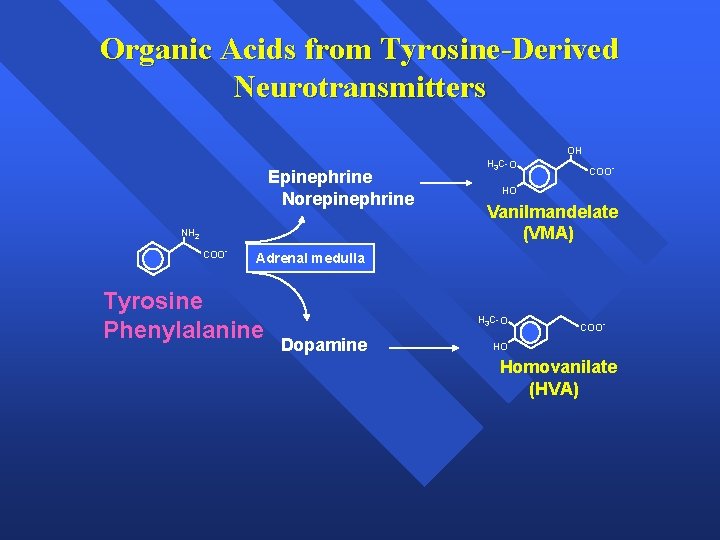
Organic Acids from Tyrosine-Derived Neurotransmitters OH Epinephrine Norepinephrine NH 2 COO- H 3 C- O COO- HO Vanilmandelate (VMA) Adrenal medulla Tyrosine Phenylalanine H 3 C- O Dopamine COO- HO Homovanilate (HVA)
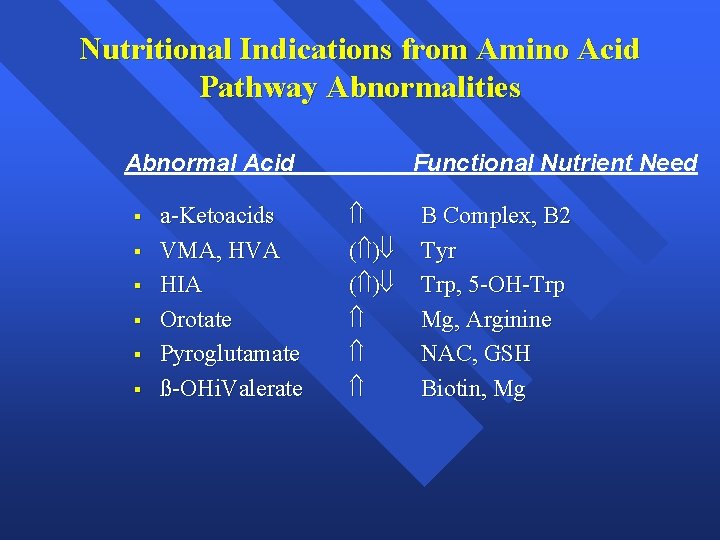
Nutritional Indications from Amino Acid Pathway Abnormalities Abnormal Acid § § § a-Ketoacids VMA, HVA HIA Orotate Pyroglutamate ß-OHi. Valerate Functional Nutrient Need B Complex, B 2 Tyr Trp, 5 -OH-Trp Mg, Arginine NAC, GSH Biotin, Mg
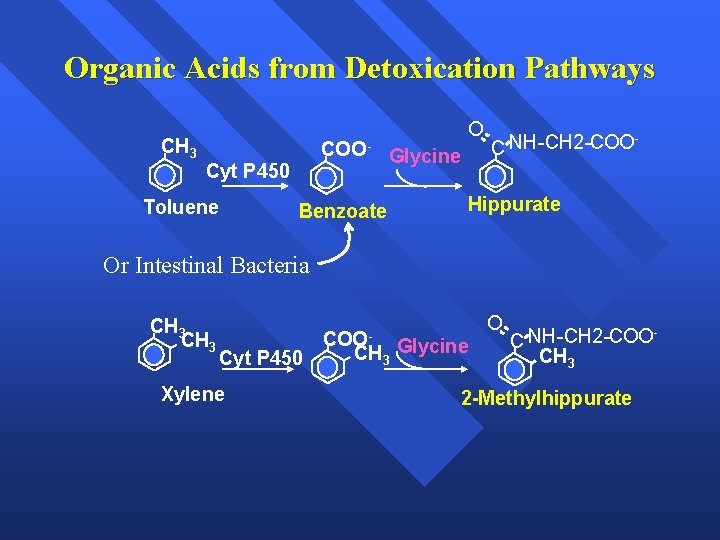
Organic Acids from Detoxication Pathways CH 3 COO- Cyt P 450 Toluene Benzoate O Glycine C NH-CH 2 -COO - Hippurate Or Intestinal Bacteria CH 3 Cyt P 450 Xylene COO- O CH 3 Glycine C NH-CH 2 -COO CH 3 2 -Methylhippurate -
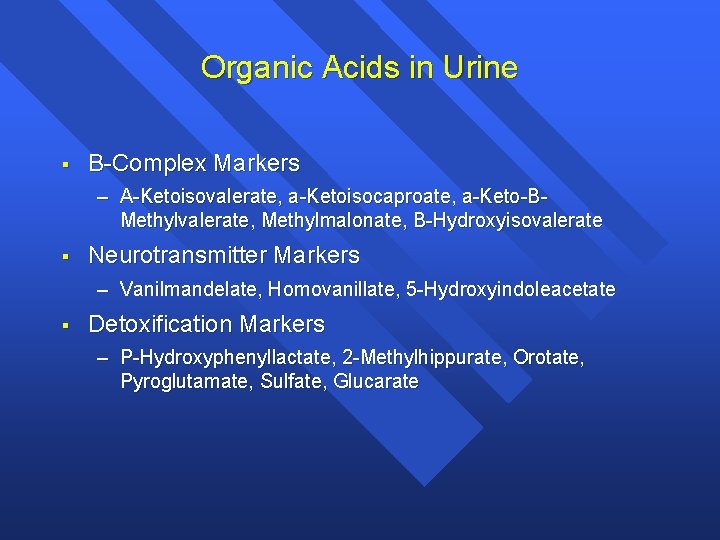
Organic Acids in Urine § B-Complex Markers – A-Ketoisovalerate, a-Ketoisocaproate, a-Keto-BMethylvalerate, Methylmalonate, B-Hydroxyisovalerate § Neurotransmitter Markers – Vanilmandelate, Homovanillate, 5 -Hydroxyindoleacetate § Detoxification Markers – P-Hydroxyphenyllactate, 2 -Methylhippurate, Orotate, Pyroglutamate, Sulfate, Glucarate
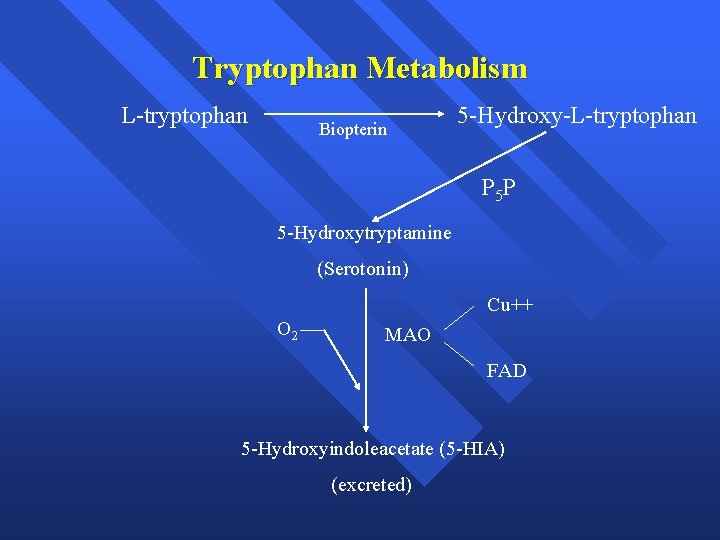
Tryptophan Metabolism L-tryptophan Biopterin 5 -Hydroxy-L-tryptophan P 5 P 5 -Hydroxytryptamine (Serotonin) Cu++ O 2 MAO FAD 5 -Hydroxyindoleacetate (5 -HIA) (excreted)
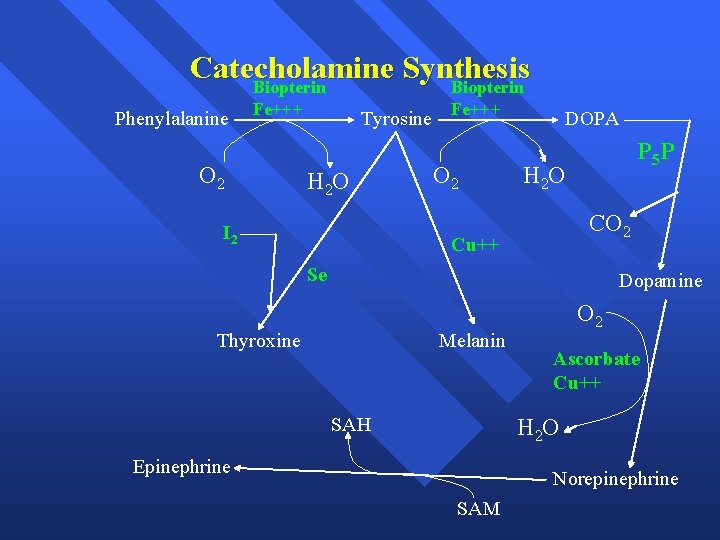
Catecholamine Synthesis Biopterin Phenylalanine Fe+++ O 2 Tyrosine H 2 O I 2 Fe+++ O 2 DOPA P 5 P H 2 O CO 2 Cu++ Se Dopamine Thyroxine Melanin SAH O 2 Ascorbate Cu++ H 2 O Epinephrine Norepinephrine SAM
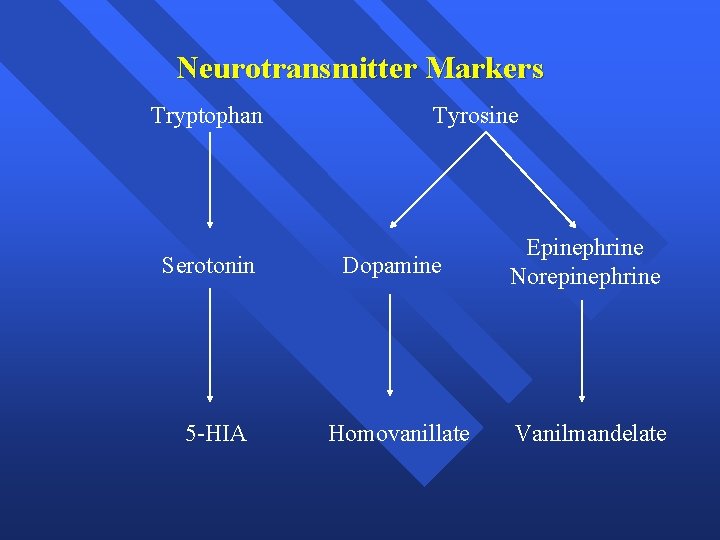
Neurotransmitter Markers Tryptophan Tyrosine Serotonin Dopamine Epinephrine Norepinephrine 5 -HIA Homovanillate Vanilmandelate
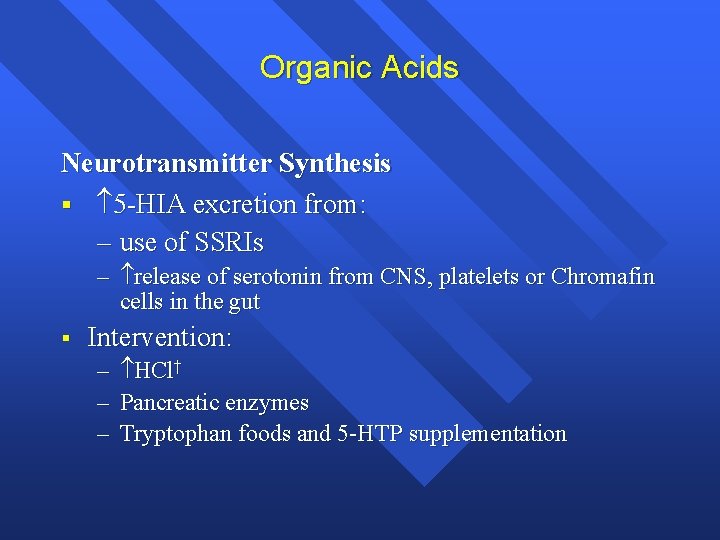
Organic Acids Neurotransmitter Synthesis § 5 -HIA excretion from: – use of SSRIs – release of serotonin from CNS, platelets or Chromafin cells in the gut § Intervention: – HCl† – Pancreatic enzymes – Tryptophan foods and 5 -HTP supplementation
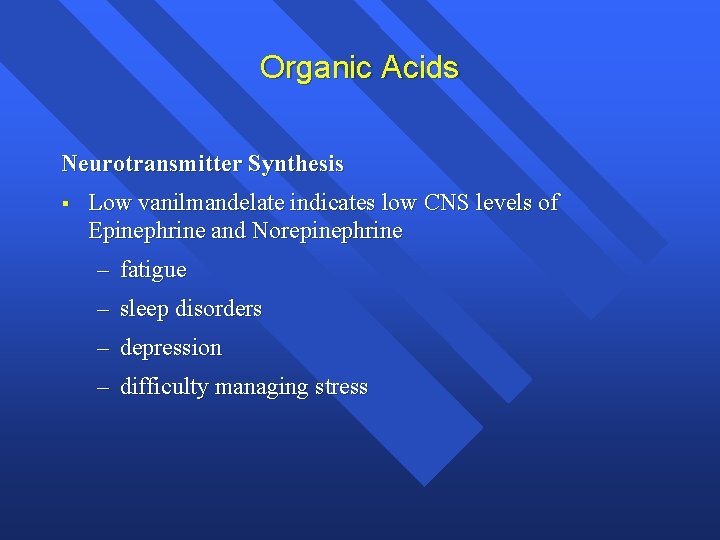
Organic Acids Neurotransmitter Synthesis § Low vanilmandelate indicates low CNS levels of Epinephrine and Norepinephrine – fatigue – sleep disorders – depression – difficulty managing stress
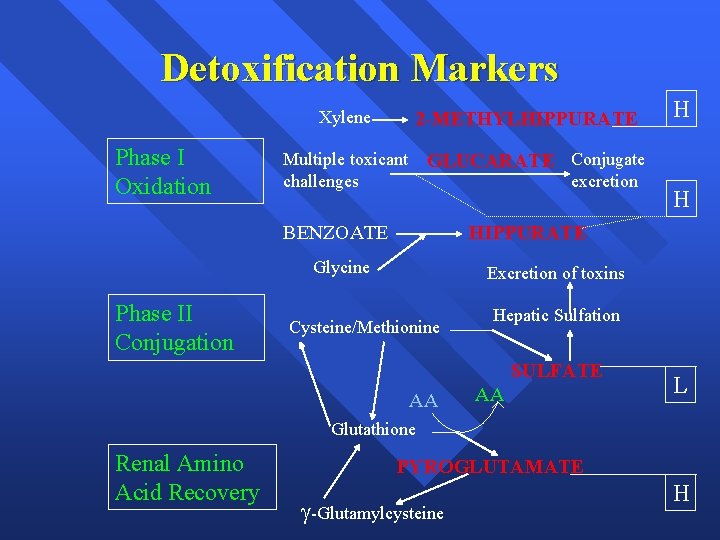
Organic Acids Detoxification Markers § Glucarate – May show potential pesticide exposure § Orotate § p-Hydroxyphenyllactate § 2 -Methylhippurate – Xylene/Toluene/Benzene exposure § Pyroglutamate – Glutathione Depletion Marker § Sulfate – Detoxification capabilities
Organic Acids Ammonia Detoxification § orotate is a sensitive marker of arginine § Arginine supplementation alleviates ammonia toxicity symptoms § Orotate requires magnesium for metabolism § orotate indicates functional magnesium deficiency
Organic Acids Toxic Solvent Exposure § 2 -Methylhippurate - xylene detoxification – petroleum products and fuels – formed during forest fires – used as a solvent in industry – constituent of paints, inks, and adhesives – used in production of epoxy resins – manufacture of perfumes and insect repellents.
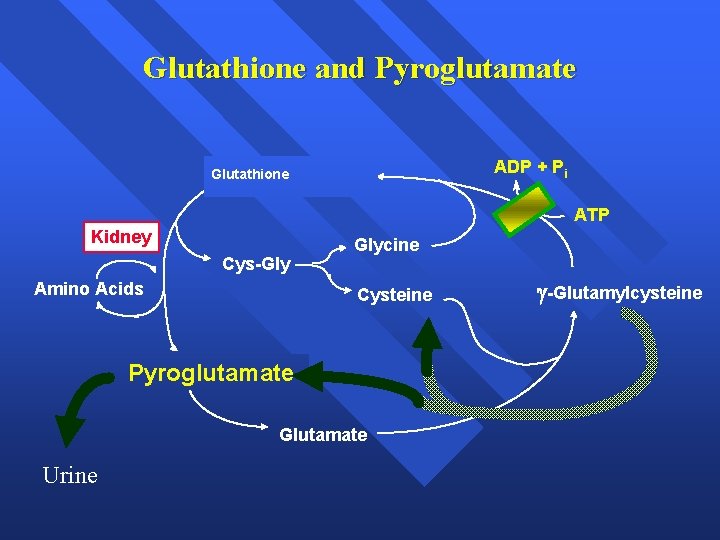
Organic Acids Amino Acid Re-uptake Impairment § Pyroglutamate is an intermediate in the active transport cycle of renal tubule uptake of aminos § When the cycle is impaired, the glutamic acid portion of glutathione is converted to pyroglutamate and excreted § This conserves AA at the expense of glutathione § NAC helps to rebuild stores of glutathione § Low dose heavy metal exposure may increase excretion of pyroglutamate
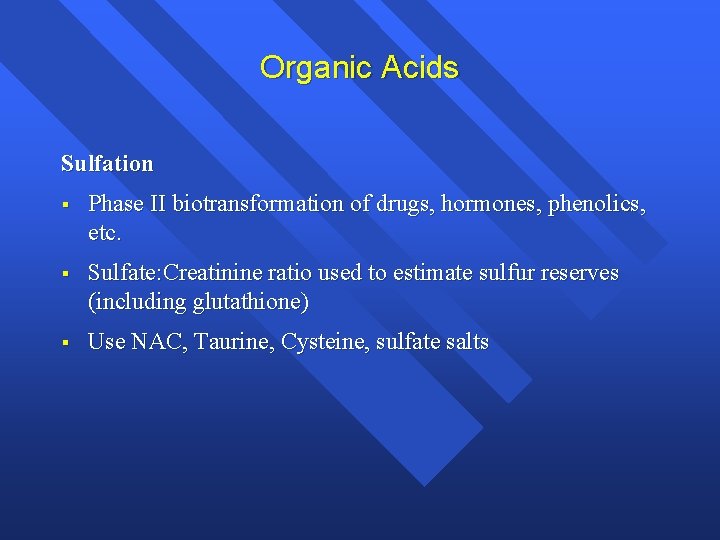
Organic Acids Sulfation § Phase II biotransformation of drugs, hormones, phenolics, etc. § Sulfate: Creatinine ratio used to estimate sulfur reserves (including glutathione) § Use NAC, Taurine, Cysteine, sulfate salts
Detoxification Markers Xylene Phase I Oxidation 2 -METHYLHIPPURATE Multiple toxicant challenges GLUCARATE Conjugate excretion BENZOATE H HIPPURATE Glycine Phase II Conjugation H Excretion of toxins Cysteine/Methionine Hepatic Sulfation SULFATE AA AA L Glutathione Renal Amino Acid Recovery PYROGLUTAMATE g-Glutamylcysteine H
Glutathione and Pyroglutamate Glutathione ADP + Pi ATP Kidney Cys-Gly Amino Acids Glycine Cysteine Pyroglutamate Glutamate Urine -Glutamylcysteine
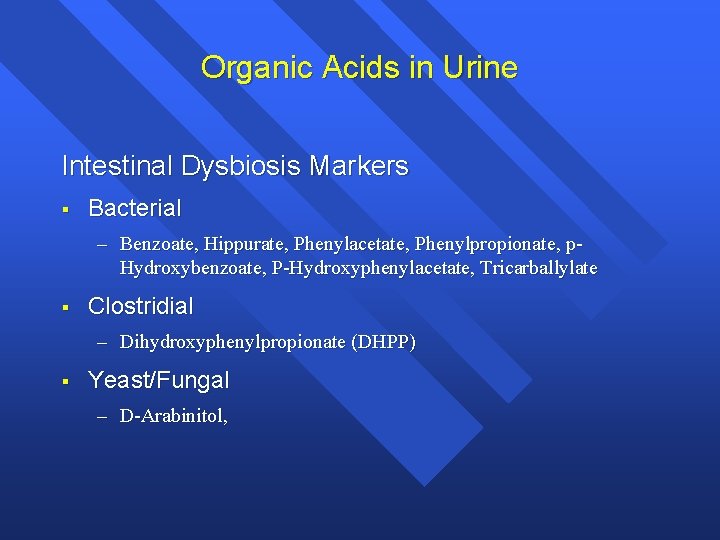
Organic Acids in Urine Intestinal Dysbiosis Markers § Bacterial – Benzoate, Hippurate, Phenylacetate, Phenylpropionate, p. Hydroxybenzoate, P-Hydroxyphenylacetate, Tricarballylate § Clostridial – Dihydroxyphenylpropionate (DHPP) § Yeast/Fungal – D-Arabinitol,
Organic Acids in Urine Intestinal Dysbiosis Markers § Benzoate converted by glycine to hippurate in Phase II conjugation reaction – benzoate suggests glycine – hippurate suggests hepatic detox, support with glycine and B 5 § Benzoate is a common food component, but also the result of GI bacterial interaction with phenylalanine during protein digestion. May not indicate pathogenicity.
Organic Acids in Urine Intestinal Dysbiosis Markers § § Phenylacetate & Phenylpropionate indicate bacterial overgrowth Interfere with: – – § CNS metabolism hepatic detox pathways TCA pathways cellular control mechanisms Address with bacteriostatic agents, pre- and probiotics, fiber and glutamine
Organic Acids in Urine Intestinal Dysbiosis Markers § p-Hydroxybenzoate, and p-Hydroxyphenylacetate are formed in abnormal metabolism of tyrosine by pathogenic bacteria § p-Hydroxyphenylacetate may be associated with Giardia infestation § P-Hydroxybenzoate may also indicate paraben exposure.
Organic Acids in Urine Intestinal Dysbiosis Markers § Tricarballylate is produced by prolific aerobic bacteria typically occurring in the upper 1/3 rd of the gastrointestinal system. § Binds so tightly to magnesium and likely zinc as to induce a deficiency when an overgrowth is present.
Organic Acids in Urine Intestinal Dysbiosis Markers § § § Elevations of DHPP are consistent with overgrowth of Clostridial species Approximately 100 species of Clostridium Estimated that 50 are pathogenic Various DHPP-like compounds are produced by the genus Clostridium Susceptible to Saccharomyces Boulardii, Flagyl, Vancomycin, and Biocidin, but antifungals result in increased overgrowth
Organic Acids in Urine Intestinal Dysbiosis Markers § D-Arabinitol § Metabolite of yeast and fungi metabolism § Closely related to normal human metabolic intermediates, thus can wreak havoc in the TCA § Use antifungals and probiotics making sure to deal with clostridial infections first
Citric Acid Cycle and Lab. Assist™ § § § The citric acid cycle is also known as the Krebs Cycle or TCA It is how the cells derive energy to perform their specific duties There are 8 main points of interest on the cycle CAC Entry – CAC Points 1 -6 and the CA Return The ability to pinpoint the CAC disruption points is available only through the Lab Assist™ Reports and a Urine Organic Acid test
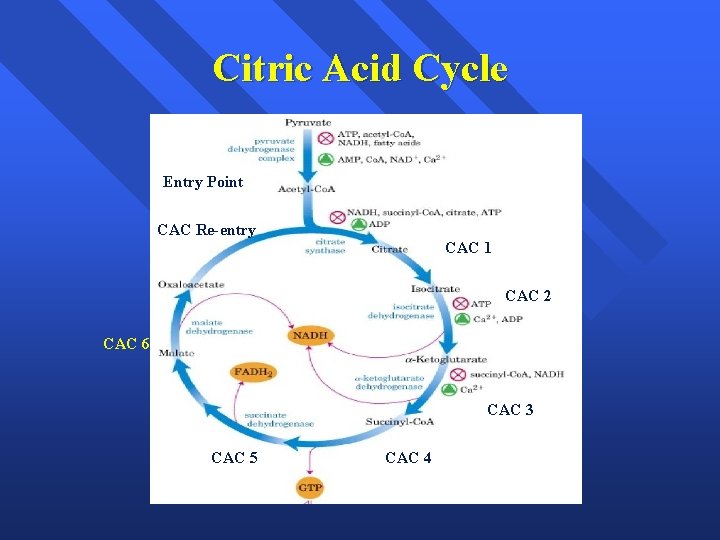
Citric Acid Cycle Entry Point CAC Re-entry CAC 1 CAC 2 CAC 6 CAC 3 CAC 5 CAC 4
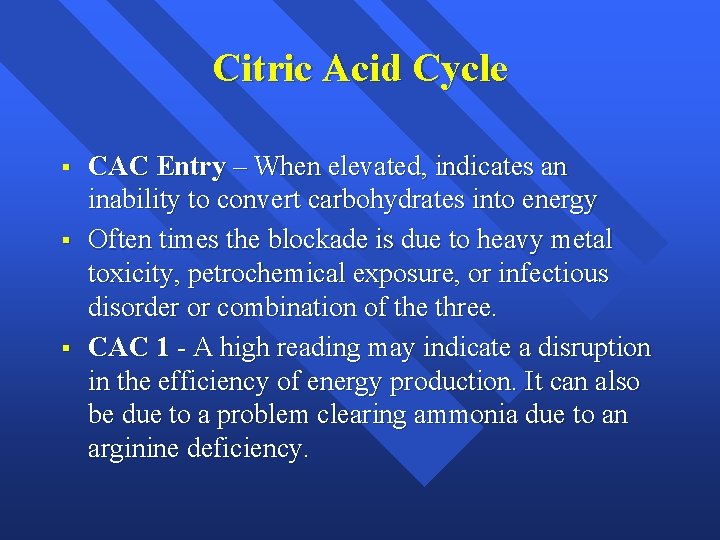
Citric Acid Cycle § § § CAC Entry – When elevated, indicates an inability to convert carbohydrates into energy Often times the blockade is due to heavy metal toxicity, petrochemical exposure, or infectious disorder or combination of the three. CAC 1 - A high reading may indicate a disruption in the efficiency of energy production. It can also be due to a problem clearing ammonia due to an arginine deficiency.
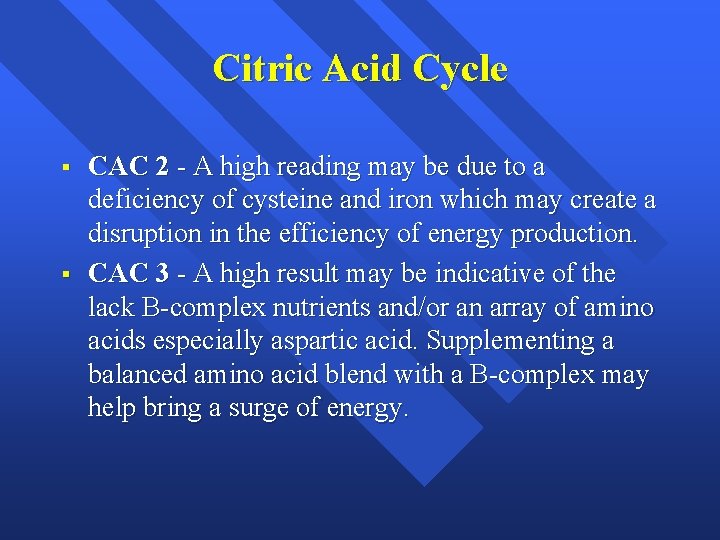
Citric Acid Cycle § § CAC 2 - A high reading may be due to a deficiency of cysteine and iron which may create a disruption in the efficiency of energy production. CAC 3 - A high result may be indicative of the lack B-complex nutrients and/or an array of amino acids especially aspartic acid. Supplementing a balanced amino acid blend with a B-complex may help bring a surge of energy.
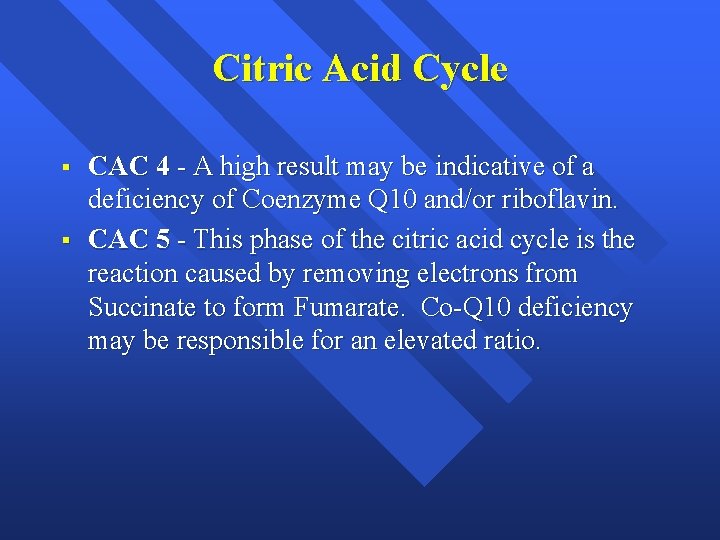
Citric Acid Cycle § § CAC 4 - A high result may be indicative of a deficiency of Coenzyme Q 10 and/or riboflavin. CAC 5 - This phase of the citric acid cycle is the reaction caused by removing electrons from Succinate to form Fumarate. Co-Q 10 deficiency may be responsible for an elevated ratio.
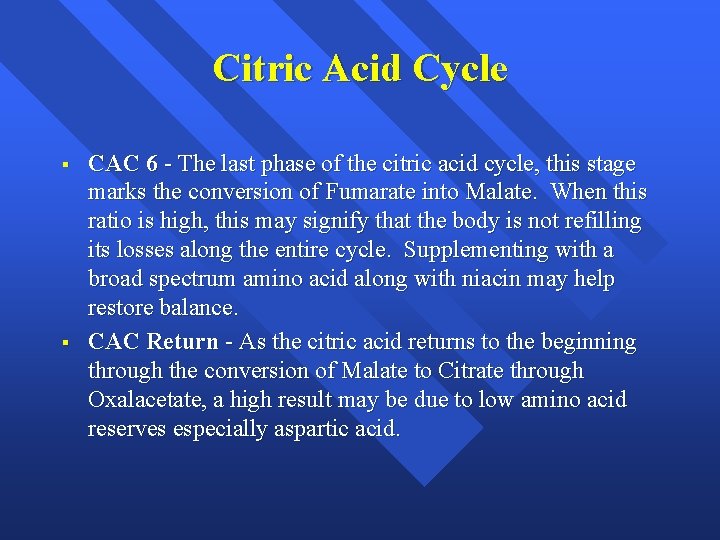
Citric Acid Cycle § § CAC 6 - The last phase of the citric acid cycle, this stage marks the conversion of Fumarate into Malate. When this ratio is high, this may signify that the body is not refilling its losses along the entire cycle. Supplementing with a broad spectrum amino acid along with niacin may help restore balance. CAC Return - As the citric acid returns to the beginning through the conversion of Malate to Citrate through Oxalacetate, a high result may be due to low amino acid reserves especially aspartic acid.
Citric Acid Cycle § § What is important to remember is that this cycle is one of the most important issues to deal with when trying to straighten out an individuals chemistry. By interpreting the results of an organic acid test in conjunction with amino acids and a comprehensive wellness profile, the nutritional program can be properly sequenced to have the best short- and long-term results possible.