
Prof You Mie Lee Ph D Lab of
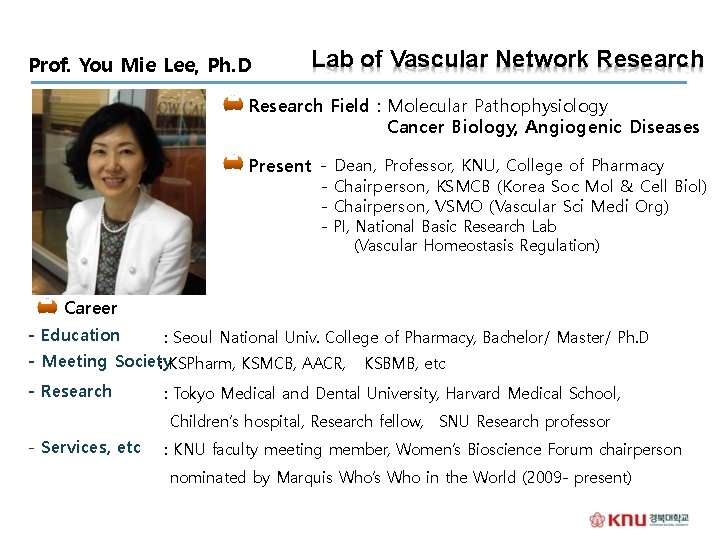
Prof. You Mie Lee, Ph. D Lab of Vascular Network Research ◎ Research Field : Molecular Pathophysiology Cancer Biology, Angiogenic Diseases ◎ Present - Dean, Professor, KNU, College of Pharmacy - Chairperson, KSMCB (Korea Soc Mol & Cell Biol) - Chairperson, VSMO (Vascular Sci Medi Org) - PI, National Basic Research Lab (Vascular Homeostasis Regulation) ◎ Career - Education : Seoul National Univ. College of Pharmacy, Bachelor/ Master/ Ph. D - Meeting Society : KSPharm, KSMCB, AACR, - Research KSBMB, etc : Tokyo Medical and Dental University, Harvard Medical School, Children’s hospital, Research fellow, SNU Research professor - Services, etc : KNU faculty meeting member, Women’s Bioscience Forum chairperson nominated by Marquis Who’s Who in the World (2009 - present)
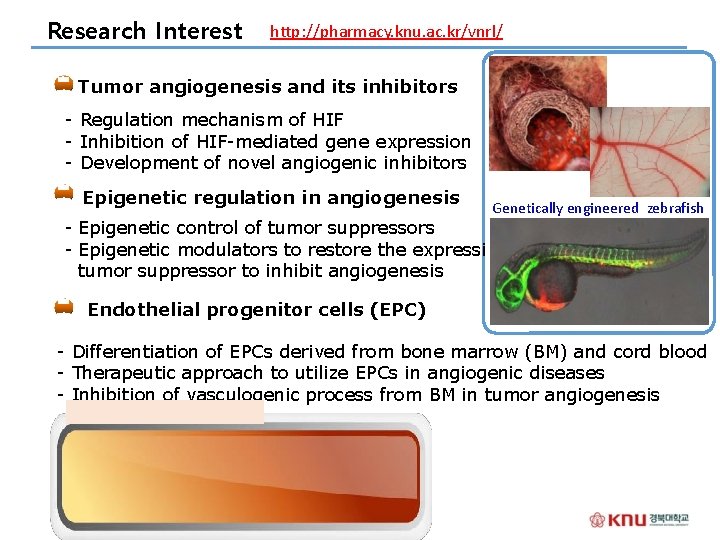
Research Interest http: //pharmacy. knu. ac. kr/vnrl/ 1 Tumor angiogenesis and its inhibitors - Regulation mechanism of HIF - Inhibition of HIF-mediated gene expression - Development of novel angiogenic inhibitors Epigenetic regulation in angiogenesis Genetically engineered zebrafish - Epigenetic control of tumor suppressors on of - Epigenetic modulators to restore the expressi tumor suppressor to inhibit angiogenesis Endothelial progenitor cells (EPC) - Differentiation of EPCs derived from bone marrow (BM) and cord blood - Therapeutic approach to utilize EPCs in angiogenic diseases - Inhibition of vasculogenic process from BM in tumor angiogenesis <Representative Publications> Nature Med 2001; J Cell Biochem, 2011; MCT 2010; BBA-MCR 2010; Oncogene 2009, 2013, JBC 2012; MNFR 2013, NAR 2014 and etc Recent 3 years; 40 SCI papers, IF: 140
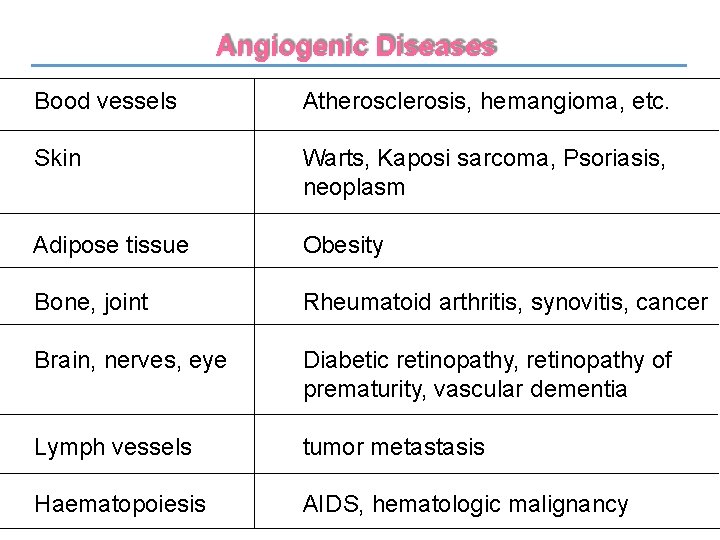
Angiogenic Diseases Bood vessels Atherosclerosis, hemangioma, etc. Skin Warts, Kaposi sarcoma, Psoriasis, neoplasm Adipose tissue Obesity Bone, joint Rheumatoid arthritis, synovitis, cancer Brain, nerves, eye Diabetic retinopathy, retinopathy of prematurity, vascular dementia Lymph vessels tumor metastasis Haematopoiesis AIDS, hematologic malignancy
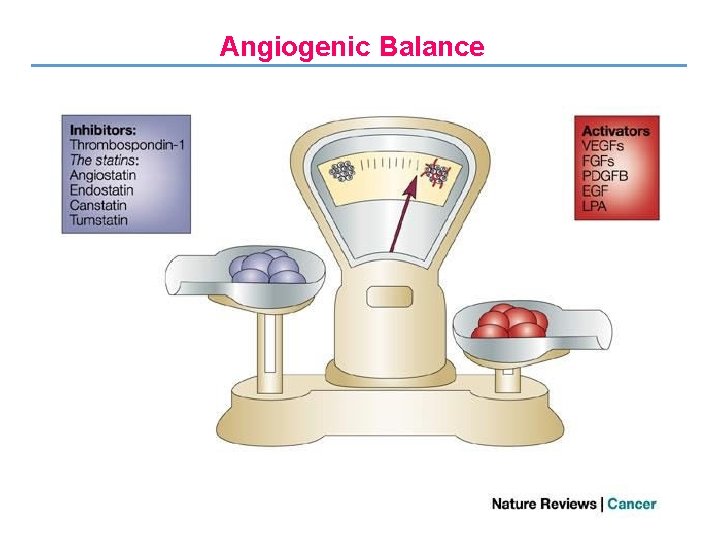
Angiogenic Balance
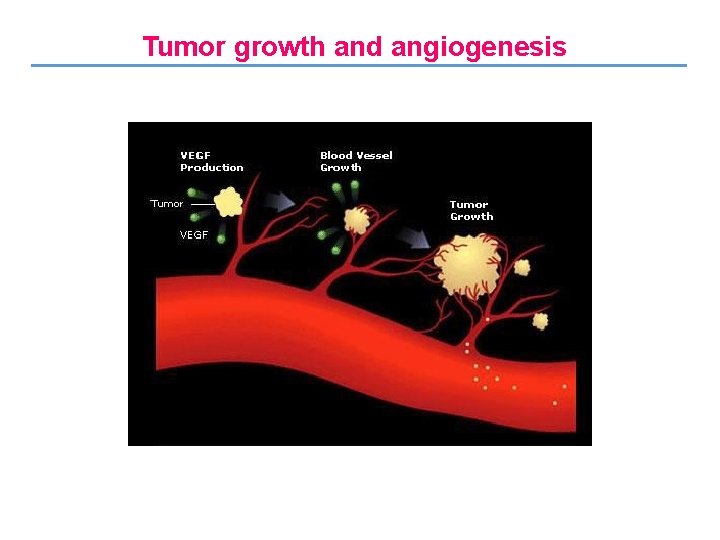
Tumor growth and angiogenesis
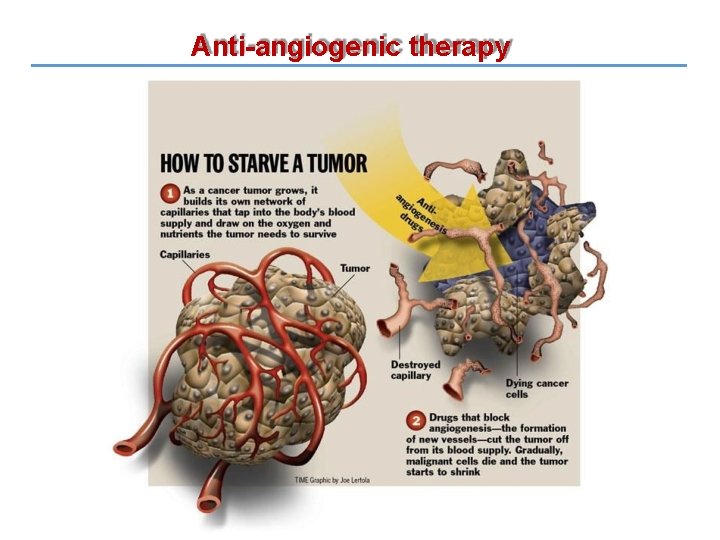
Anti-angiogenic therapy
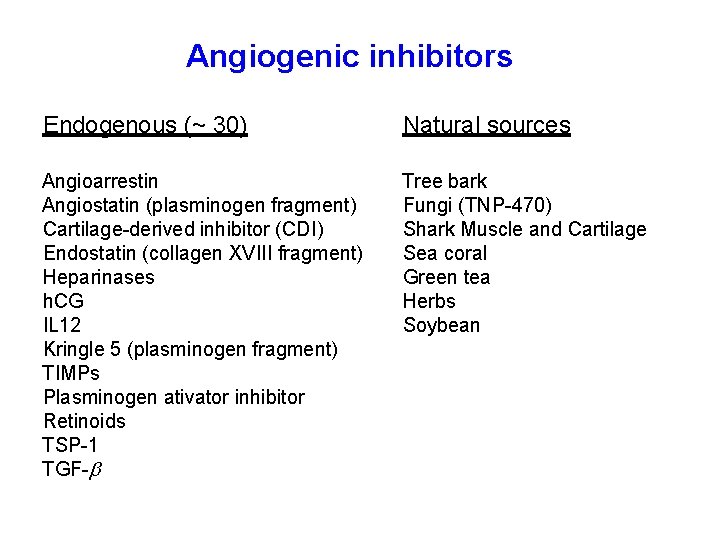
Angiogenic inhibitors Endogenous (~ 30) Natural sources Angioarrestin Angiostatin (plasminogen fragment) Cartilage-derived inhibitor (CDI) Endostatin (collagen XVIII fragment) Heparinases h. CG IL 12 Kringle 5 (plasminogen fragment) TIMPs Plasminogen ativator inhibitor Retinoids TSP-1 TGF- Tree bark Fungi (TNP-470) Shark Muscle and Cartilage Sea coral Green tea Herbs Soybean

VEGF signaling pathway
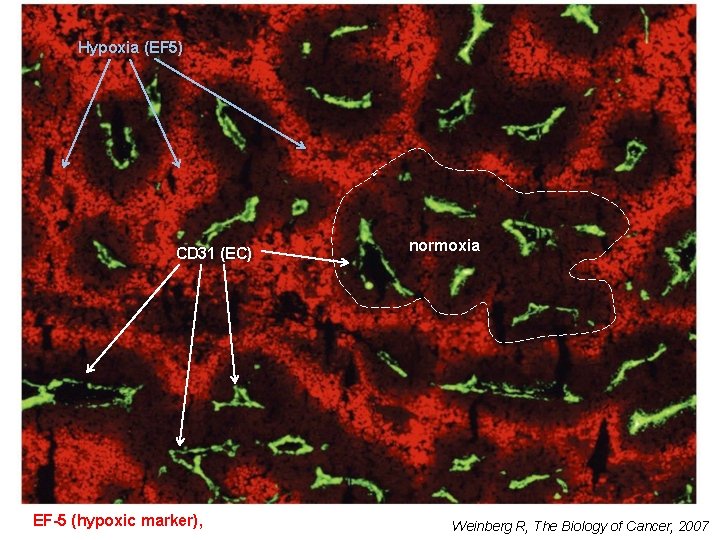
Hypoxia (EF 5) CD 31 (EC) EF-5 (hypoxic marker), normoxia Weinberg R, The Biology of Cancer, 2007
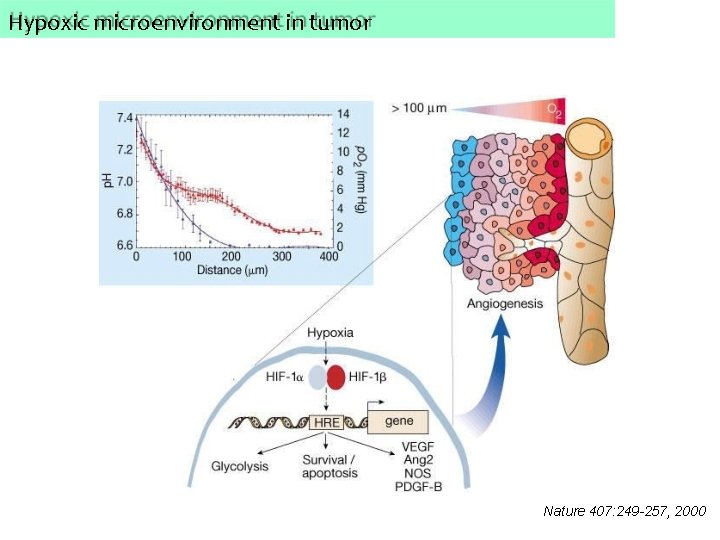
Hypoxic microenvironment in tumor Nature 407: 249 -257, 2000
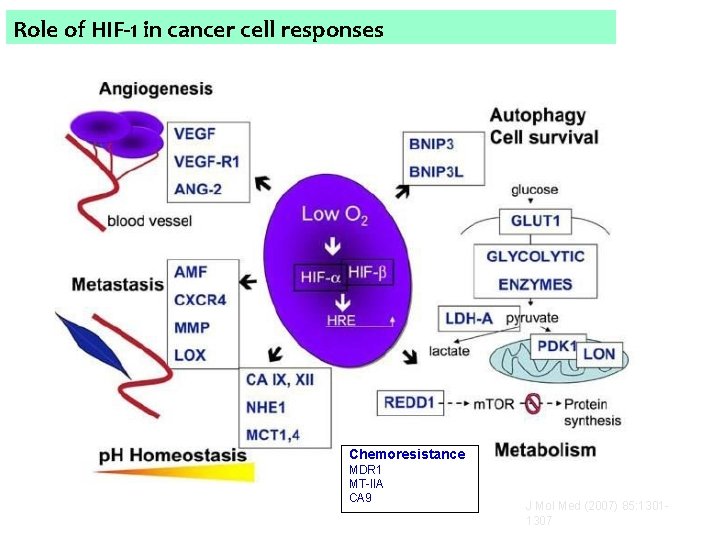
Role of HIF-1 in cancer cell responses Chemoresistance MDR 1 MT-IIA CA 9 J Mol Med (2007) 85: 13011307
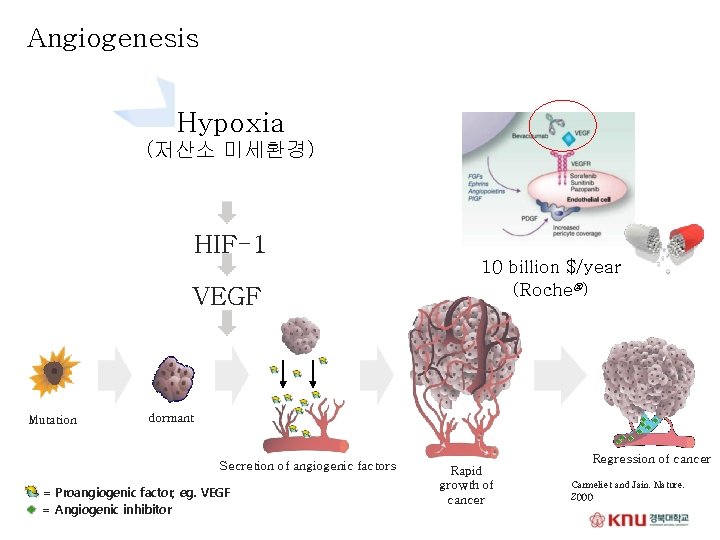
Angiogenesis Hypoxia (저산소 미세환경) HIF-1 VEGF Mutation 10 billion $/year (Roche ) dormant Secretion of angiogenic factors = Proangiogenic factor, eg. VEGF = Angiogenic inhibitor Rapid growth of cancer Regression of cancer Carmeliet and Jain. Nature. 2000
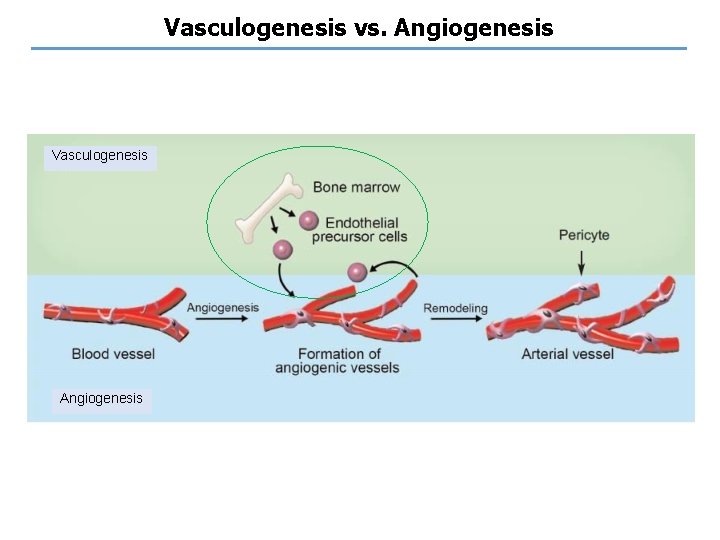
Vasculogenesis vs. Angiogenesis Vasculogenesis Angiogenesis
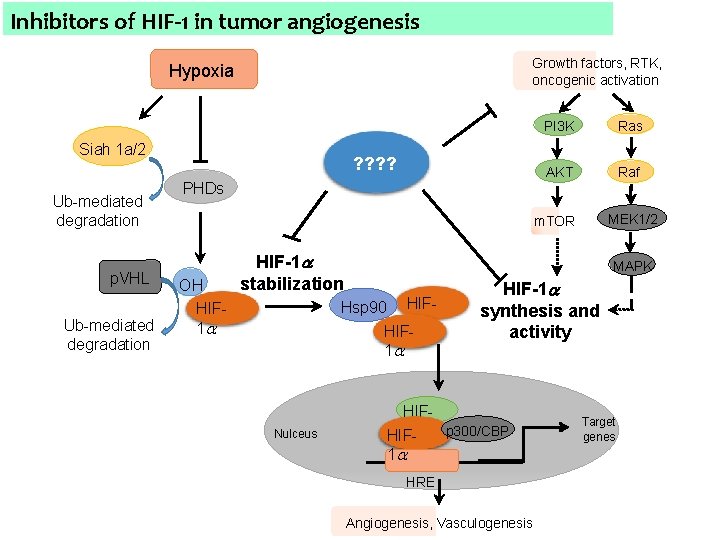
Inhibitors of HIF-1 in tumor angiogenesis Growth factors, RTK, oncogenic activation Hypoxia Siah 1 a/2 Ub-mediated degradation p. VHL Ub-mediated degradation ? ? PHDs PI 3 K Ras AKT Raf MEK 1/2 m. TOR OH HIF 1 HIF-1 stabilization MAPK Hsp 90 HIF 1 Nulceus HIF-1 synthesis and activity HIF 1 p 300/CBP HIF 1 HRE Angiogenesis, Vasculogenesis Target genes
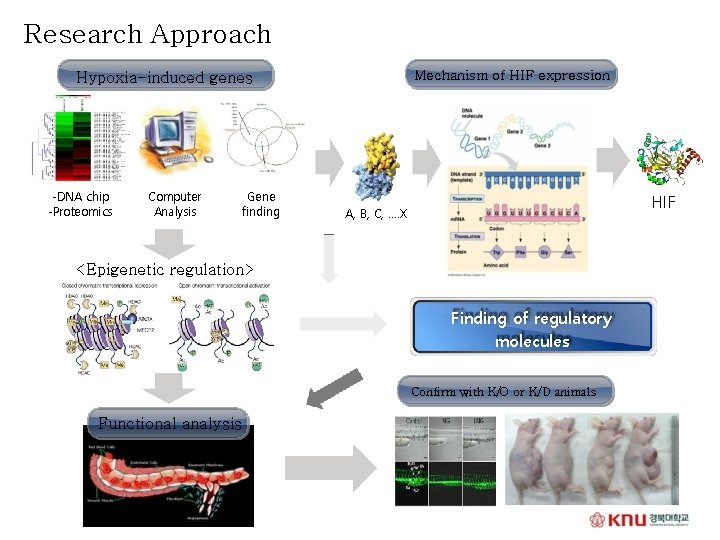
Research Approach Mechanism of HIF expression Hypoxia-induced genes -DNA chip -Proteomics Computer Analysis Gene finding HIF A, B, C, . …X <Epigenetic regulation> Finding of regulatory molecules Confirm with K/O or K/D animals Functional analysis
- Slides: 15