
Productive Conversations Through Empathy Stephanie Weaver and Lenore
- Slides: 37
Productive Conversations Through Empathy Stephanie Weaver and Lenore Knudtson July 10, 2018 11: 30 am – 12: 45 pm PT (2: 30 pm-3: 45 pm ET) Note: The presentation will be available on the CADRE website: https: //www. cadreworks. org/events/productiveconversations-through-empathy Technical Stuff: Ø Please enter any questions or technical difficulties into the questions box. Ø Thank you, in advance, for taking the time to respond to the brief survey at the end of the webinar!
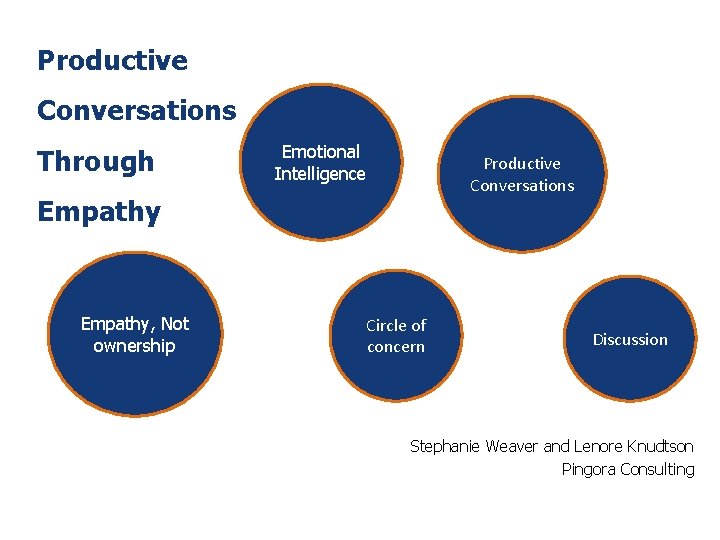
Productive Conversations Through Emotional Intelligence Productive Conversations Empathy, Not ownership Circle of concern Discussion Stephanie Weaver and Lenore Knudtson Pingora Consulting
Empathy, not ownership. What is it? How do you get it?
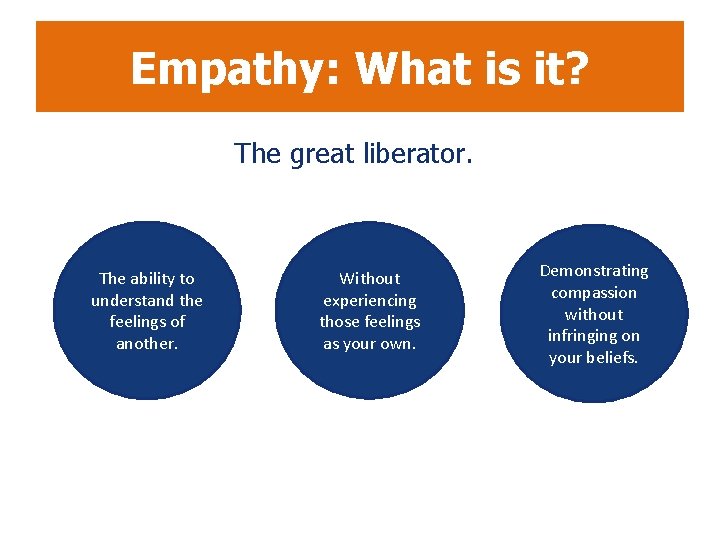
Empathy: What is it? The great liberator. The ability to understand the feelings of another. Without experiencing those feelings as your own. Demonstrating compassion without infringing on your beliefs.
Empathic Concern You aren’t sharing the same painful feelings as another person, e. g. sadness or fear. How to Stay Empathic Without Suffering So Much, Amy L. Eva (May 4, 2017).
Empathic Concern cont. The Science: Neurology of Empathy The Art: The Eyes of Another When we give and receive empathy, we produce the neurotransmitter oxytocin. Empathy is the art of seeing the world as someone else sees it. Oxytocin creates a sense of trust and cooperation When you have empathy, it means you can understand what a person is feeling in a given moment, and understand that his actions made sense to him. Leading with empathy can reduce the likelihood of conflict. How to Fight Stress with Empathy, Arthur P. Ciaramicoli (January 11, 2017). Improve. You. Social. Skills. com
Don’t Take it Personally Through empathy, the listener is less likely to take something done or said personally, or focus only on the negative instead of the positive in a situation. How to Fight Stress with Empathy, Arthur P. Ciaramicoli (January 11, 2017).
Empathy Training Doctors who participated in empathy training interacted more compassionately with patients, yet their stress levels decreased. Those who lack empathy often pick up the stress of others without knowing why – a concept that researchers call “second-hand stress. ” The Surprising Health Effects of Empathy, Charles Poladian (June 26, 2012).
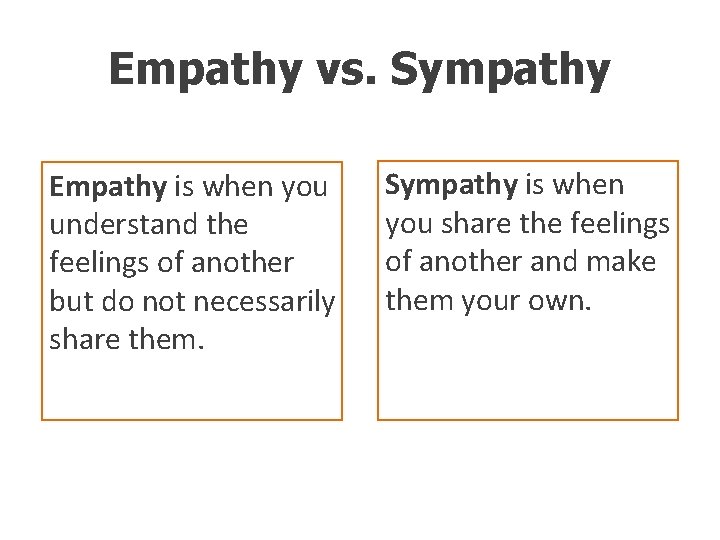
Empathy vs. Sympathy Empathy is when you understand the feelings of another but do not necessarily share them. Sympathy is when you share the feelings of another and make them your own.
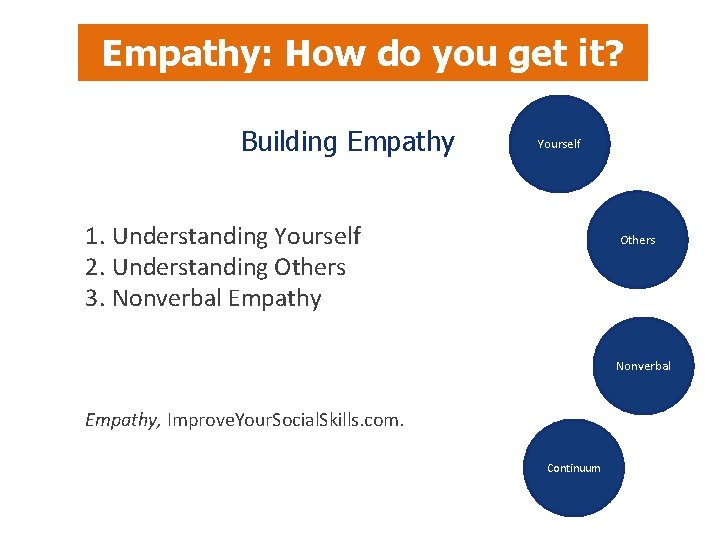
Empathy: How do you get it? Building Empathy Yourself 1. Understanding Yourself 2. Understanding Others 3. Nonverbal Empathy Others Nonverbal Empathy, Improve. Your. Social. Skills. com. Continuum
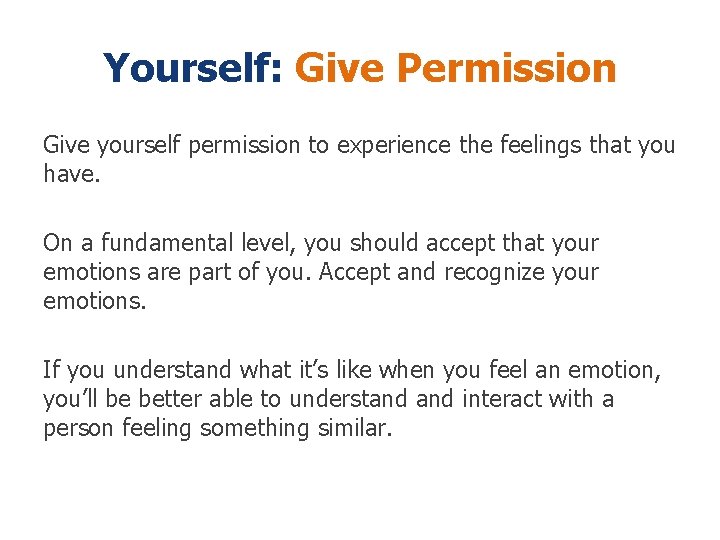
Yourself: Give Permission Give yourself permission to experience the feelings that you have. On a fundamental level, you should accept that your emotions are part of you. Accept and recognize your emotions. If you understand what it’s like when you feel an emotion, you’ll be better able to understand interact with a person feeling something similar.
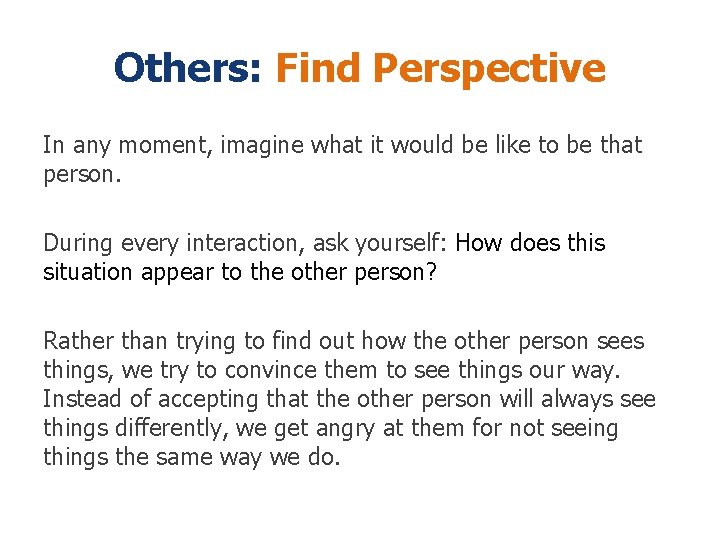
Others: Find Perspective In any moment, imagine what it would be like to be that person. During every interaction, ask yourself: How does this situation appear to the other person? Rather than trying to find out how the other person sees things, we try to convince them to see things our way. Instead of accepting that the other person will always see things differently, we get angry at them for not seeing things the same way we do.
Nonverbal: In Harmony There is a nonverbal element to responding to empathy as well. Your words and your nonverbal signals work together to communicate. Without Nonverbal Empathy, you lack authenticity.
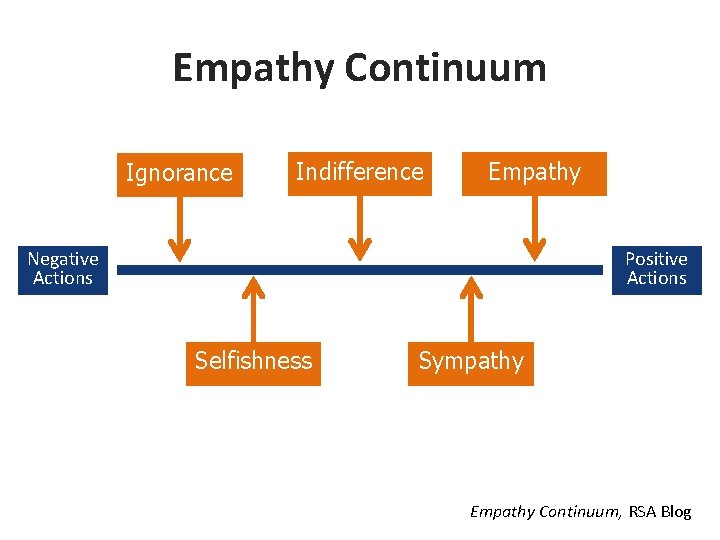
Empathy Continuum Ignorance Indifference Empathy Negative Actions Positive Actions Selfishness Sympathy Empathy Continuum, RSA Blog
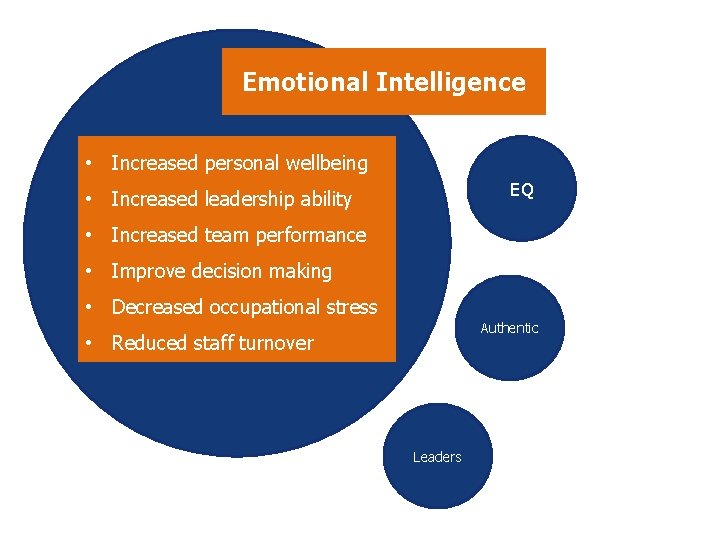
Emotional Intelligence • Increased personal wellbeing EQ • Increased leadership ability • Increased team performance • Improve decision making • Decreased occupational stress Authentic • Reduced staff turnover Leaders
EQ Defined Emotional Intelligence or Emotional Quotient, is defined as your ability, capacity or skill to identify, assess, and manage the emotions of one’s self, of others, and groups. Empathy and emotional intelligence: What is it really about? , International Journal of Caring Sciences (2008).
Authentic Communication • • Emotional understanding: healthcare professionals understand the problem through the patient’s point of view. Respect: recognition and full acceptance of the patient as a person. Authenticity: honesty, real expression of views without hypocrisy; Warmth and unconditional positive recognition. Self exposure: health care professional reports personal experiences from his perspective. Empathy and emotional intelligence: What is it really about? , International Journal of Caring Sciences (2008).
Understand vs. Manage Empathy and emotional intelligence work together to produce long lasting relationships. Empathy allows the leader to understand, while emotional intelligence allows them to communicate that understanding. Empathy and Emotional Intelligence: The Ability to Connect, Anthony Iannarino (February 2010).
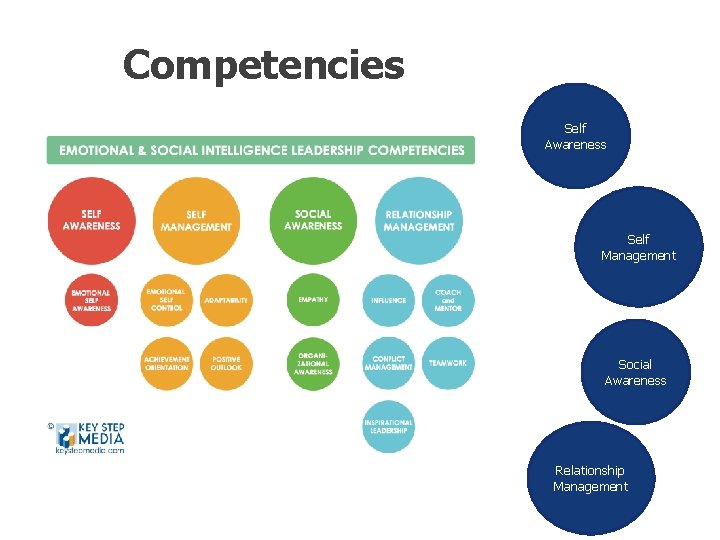
Competencies Self Awareness Self Management Social Awareness Relationship Management
Self Awareness • The ability to understand our own emotions and their affects on our performance.
Self Management • Emotional Self-control: The ability to keep disruptive emotions and impulses in check and maintain our effectiveness under stressful or hostile conditions. • Achievement Orientation: Striving to meet or exceed a standard of excellence; looking for ways to do things better, set challenging goals and take calculated risks. • Positive Outlook: The ability to see the positive in people, situations, and events and persistence in pursing goals despite the obstacles and set backs. • Adaptability: Flexibility in handling change, juggling multiple demands, and adapting our ideas or approaches.
Social Awareness • Empathy: The ability to sense others’ feelings and perspectives, taking an active interest in their concerns and picking up cues about what others feel and think. • Organizational Awareness: The ability to read the group’s emotional currants and power relationships, identifying influencers, networks, and organizational dynamics.
Relationship Management • Influence: The ability to keep have a positive impact on others, persuading or convincing others in order to gain their support. • Coach and Mentor: The ability to foster long term learning or development of others by giving feedback, guidance, and support. • Inspirational Leadership: The ability to inspire and guide individuals and groups toward a meaningful vision of excellence, and the bring out the best in others. • Teamwork: The ability to work with others toward a shared goal; participating actively, sharing responsibility and rewards, and contributing to the capability of the team.
Lean in… What would happen if more leaders were of the mindset to know a little more about the people at the table, care a little more about their needs, and showcase their strengths to give them opportunities for success? Know more. Do you know what’s the most important to each of your team members? Not what you think is, but what actually is most important? If you don’t, how can you support them in achieving their goals in their careers and in their lives – let alone, giving their best to you? How do you know how to motivate them?
Care more. The learning here is simple. We are all distracted. But when you’re meeting with a team member, or an employee or anyone for that matter, focus. Help that person feel, that to you, they’re the most important person in the room. Showcase more. Look for opportunities outside of your group where they can showcase specific strengths that are needed and will benefit the greater organization. Identify opportunities to help them grow as a leader and as a person.
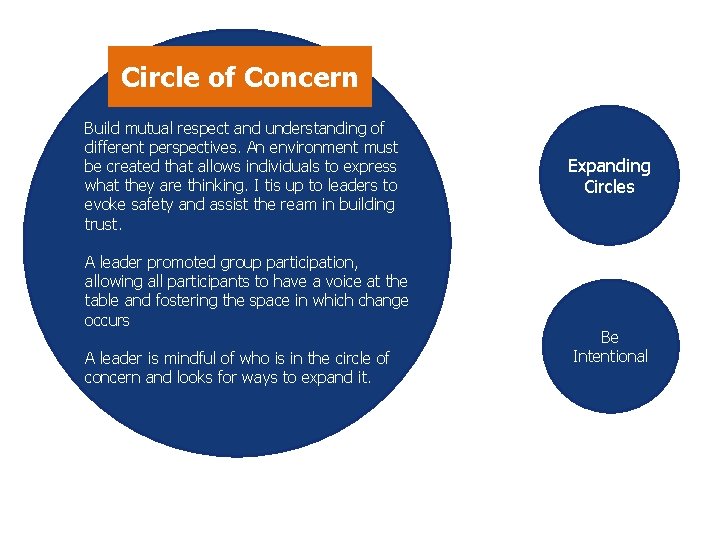
Circle of Concern Build mutual respect and understanding of different perspectives. An environment must be created that allows individuals to express what they are thinking. I tis up to leaders to evoke safety and assist the ream in building trust. A leader promoted group participation, allowing all participants to have a voice at the table and fostering the space in which change occurs A leader is mindful of who is in the circle of concern and looks for ways to expand it. Expanding Circles Be Intentional
Expand Your Circle One way to create and foster the space of change is to expand your “circle of concern. ” We are predisposed to empathize with others in our own social group. We think of those groups as circles. Because circles can be confining and exclusive, we also have people who are outside our circle. Making Caring Common, Harvard School of Education (2017).
Be Intentionally expand your circle of concern through empathy. Allow people in your circle who may disagree with you. Allow people in your circle who don’t look like you. Allow people in your circle who you have to work hard to understand. It’s liberating!
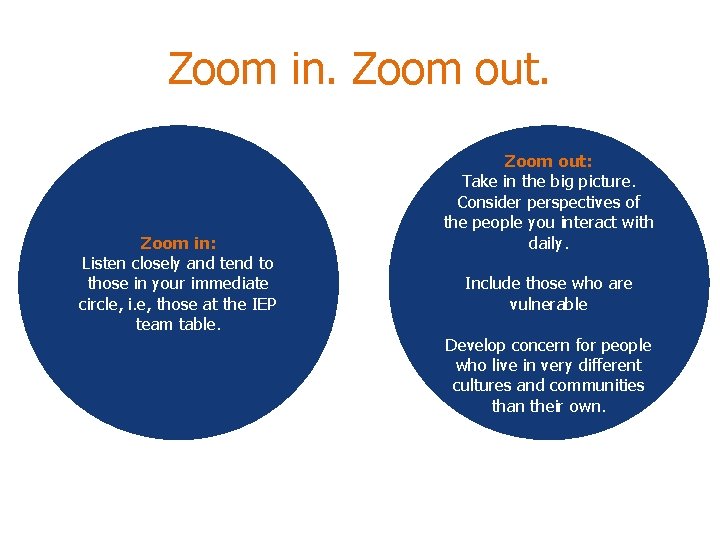
Zoom in. Zoom out. Zoom in: Listen closely and tend to those in your immediate circle, i. e, those at the IEP team table. Zoom out: Take in the big picture. Consider perspectives of the people you interact with daily. Include those who are vulnerable Develop concern for people who live in very different cultures and communities than their own.
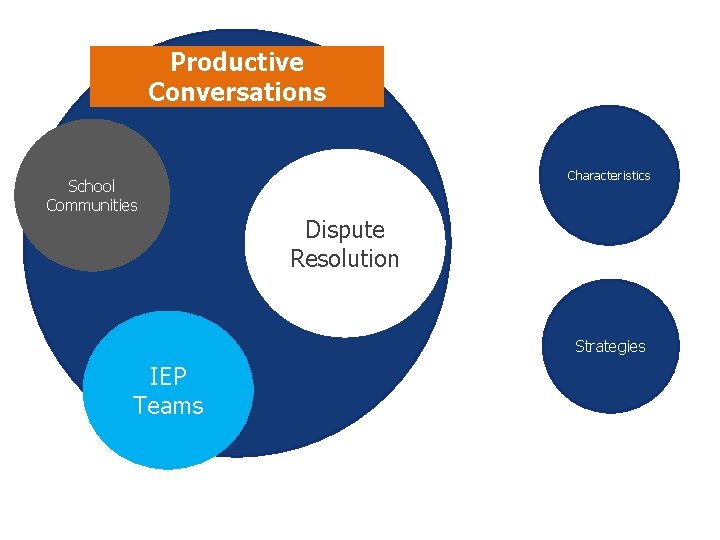
Productive Conversations School Communities Characteristics Dispute Resolution Strategies IEP Teams
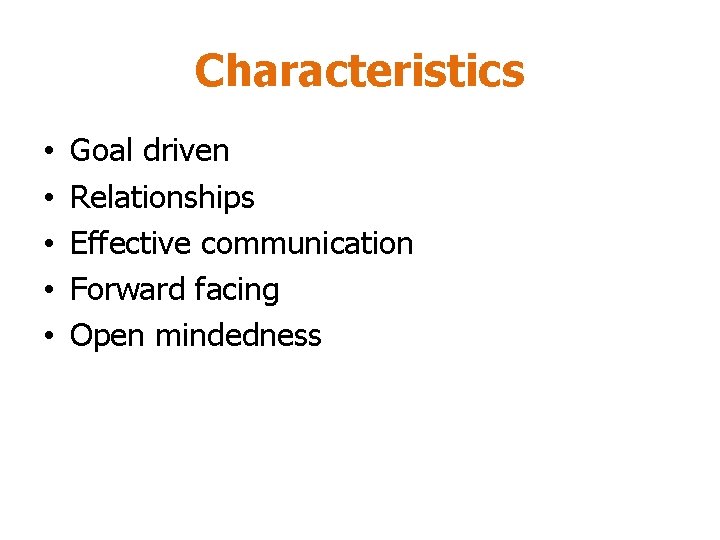
Characteristics • • • Goal driven Relationships Effective communication Forward facing Open mindedness
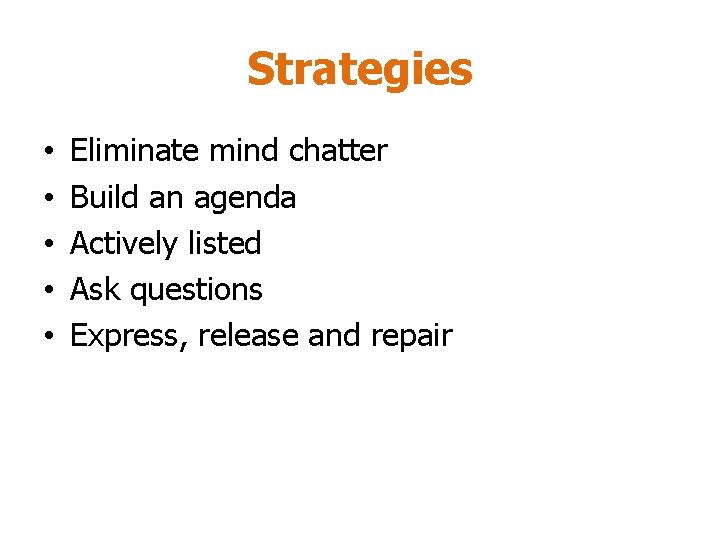
Strategies • • • Eliminate mind chatter Build an agenda Actively listed Ask questions Express, release and repair
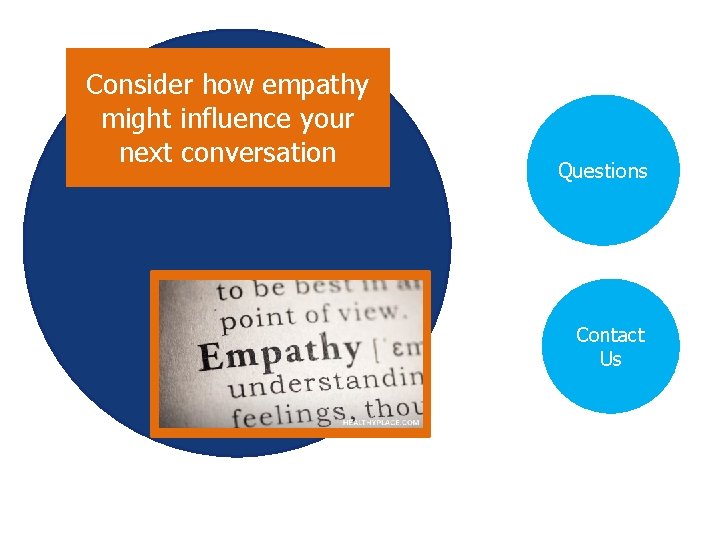
Consider how empathy might influence your next conversation Questions Contact Us
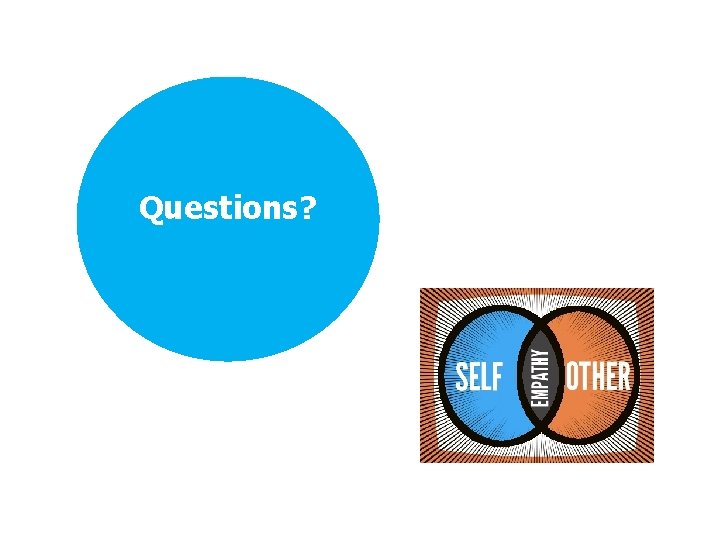
Questions?
Pingora. Consulting. com Thank you!
Thank you for joining us! Please take a few minutes to respond to this brief survey about your experience: Webinar Survey https: //www. surveymonkey. com/r/Empathy. Conversations 36
Upcoming Webinar Introducing the Part C Dispute Resolution Family Guides Co-Hosted with the Center for Parent Information and Resources (CPIR) September 10, 2018 12: 00 pm -1: 15 pm PT More Details Coming Soon – Check the CADRE Website! 37