
Production of Exosomes and Culture of Stem Cells


- Slides: 34
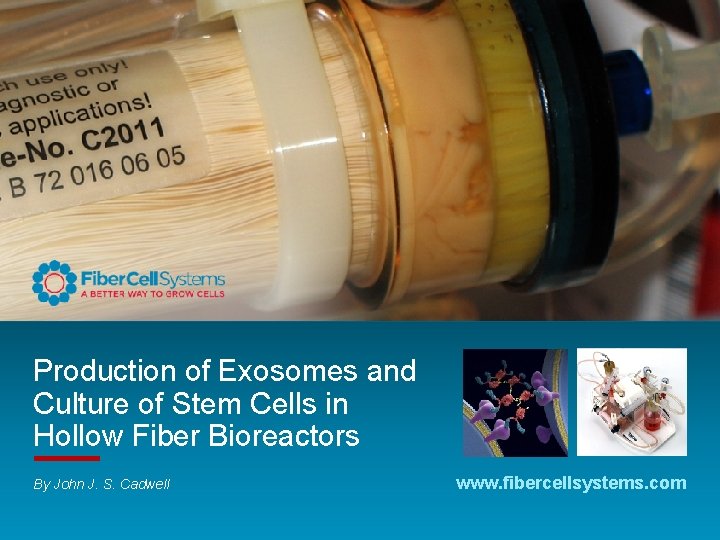
Production of Exosomes and Culture of Stem Cells in Hollow Fiber Bioreactors By John J. S. Cadwell www. fibercellsystems. com
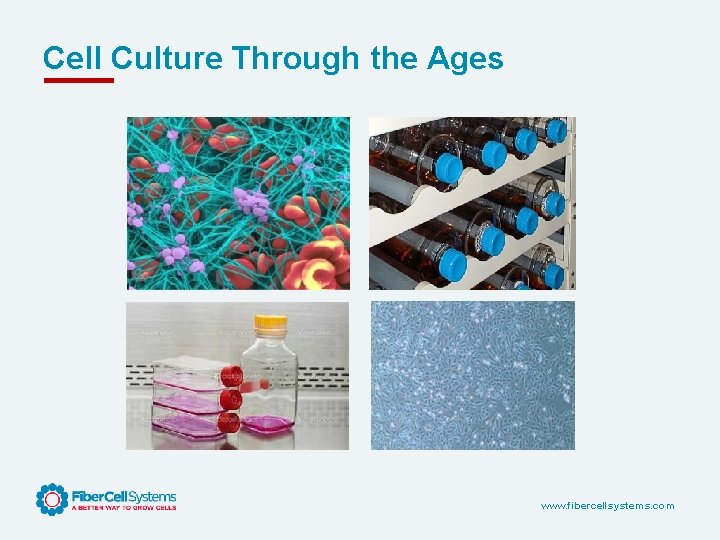
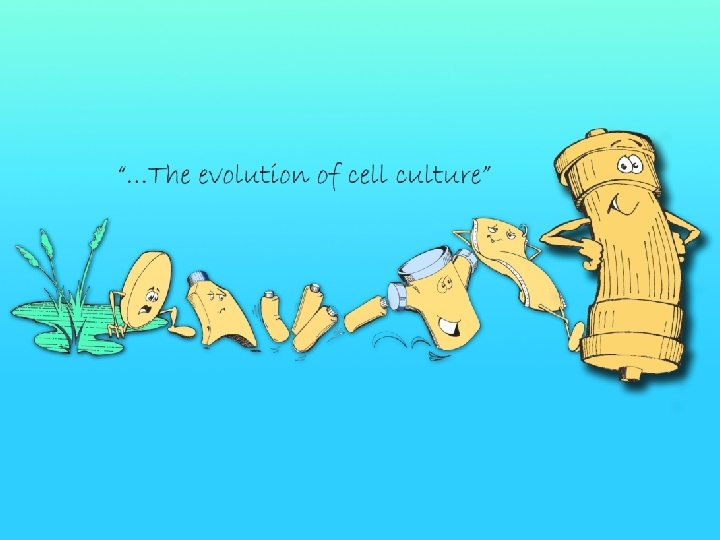
Cell Culture Through the Ages www. fibercellsystems. com
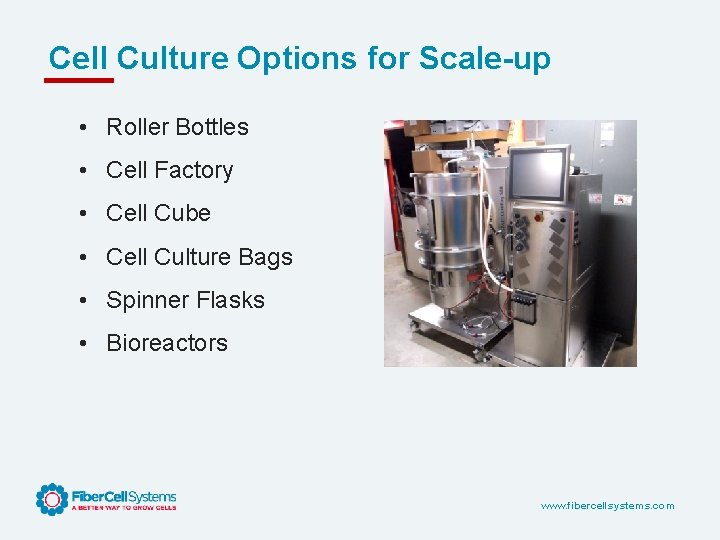
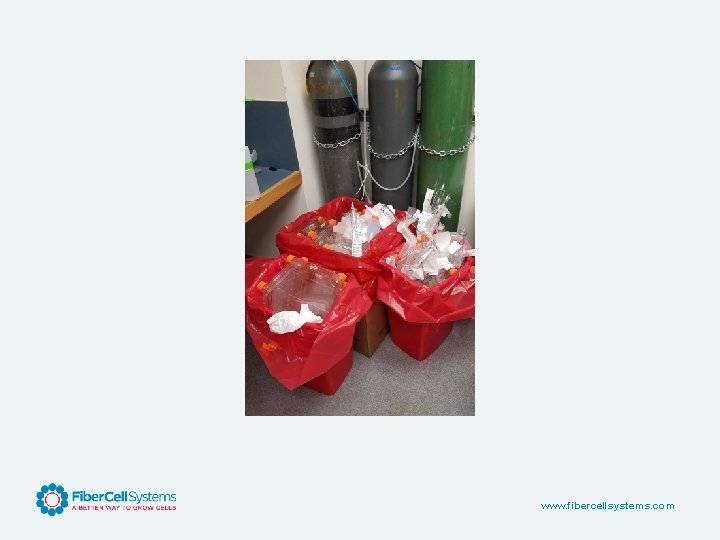
Cell Culture Options for Scale-up • Roller Bottles • Cell Factory • Cell Cube • Cell Culture Bags • Spinner Flasks • Bioreactors www. fibercellsystems. com
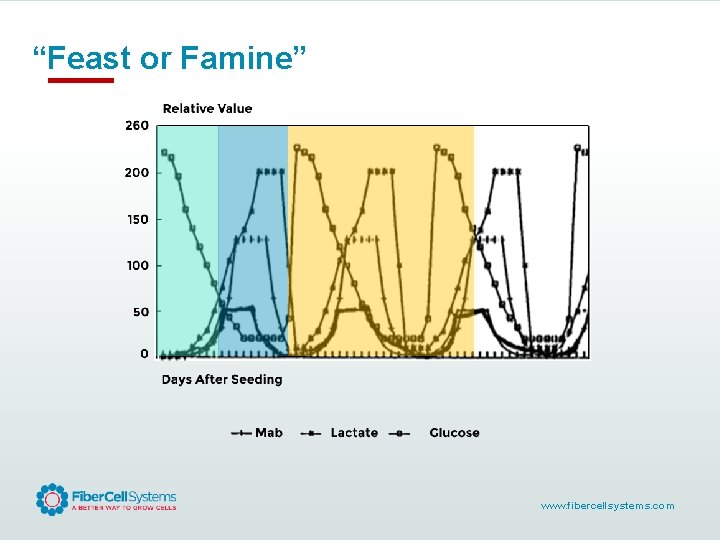
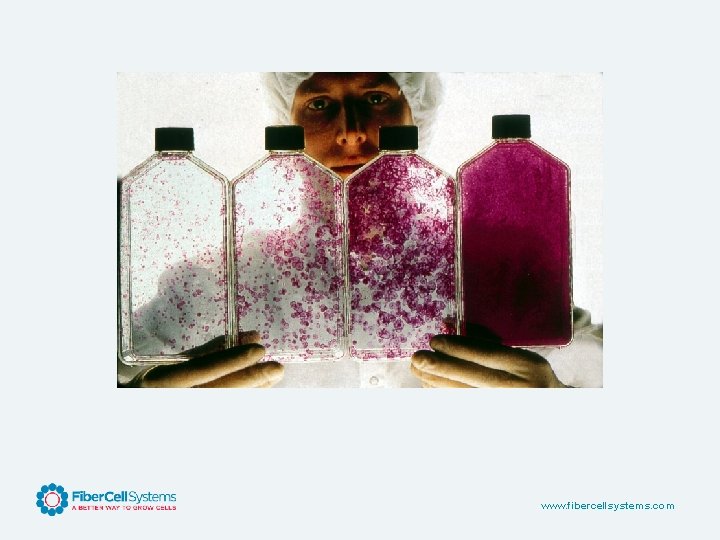
“Feast or Famine” www. fibercellsystems. com
www. fibercellsystems. com
www. fibercellsystems. com
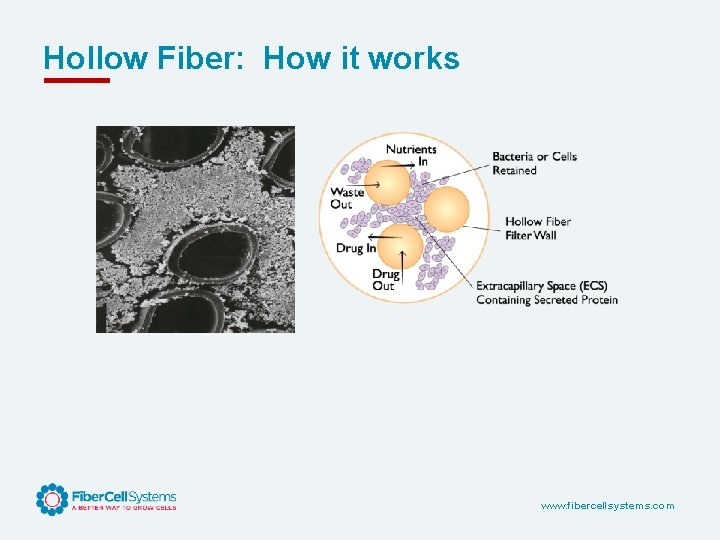
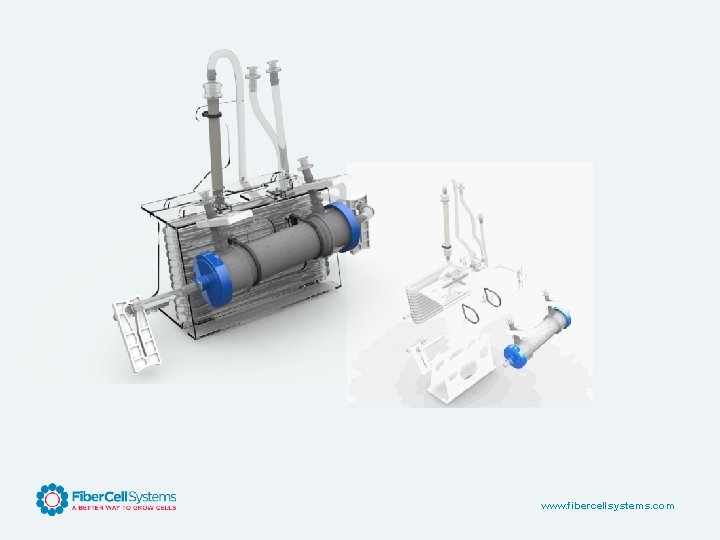
Hollow Fiber: How it works www. fibercellsystems. com
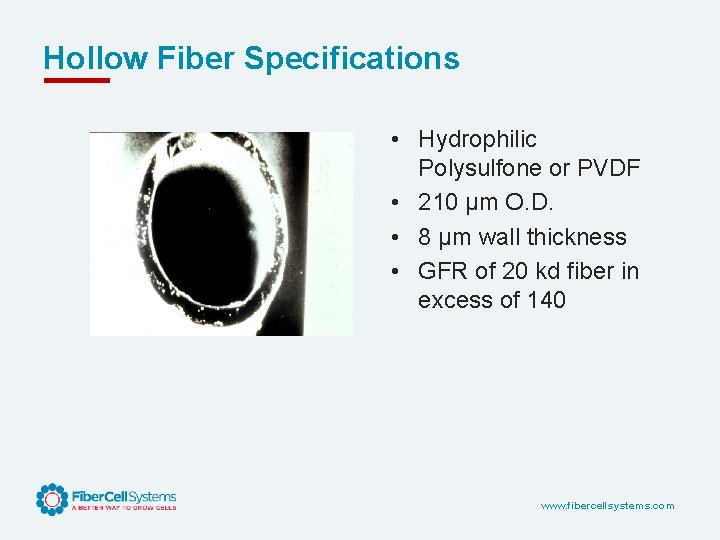
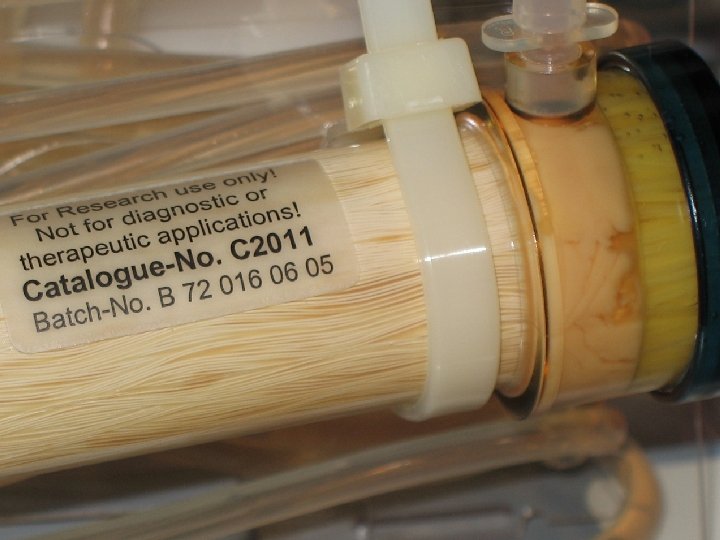
Hollow Fiber Specifications • Hydrophilic Polysulfone or PVDF • 210 µm O. D. • 8 µm wall thickness • GFR of 20 kd fiber in excess of 140 www. fibercellsystems. com
www. fibercellsystems. com
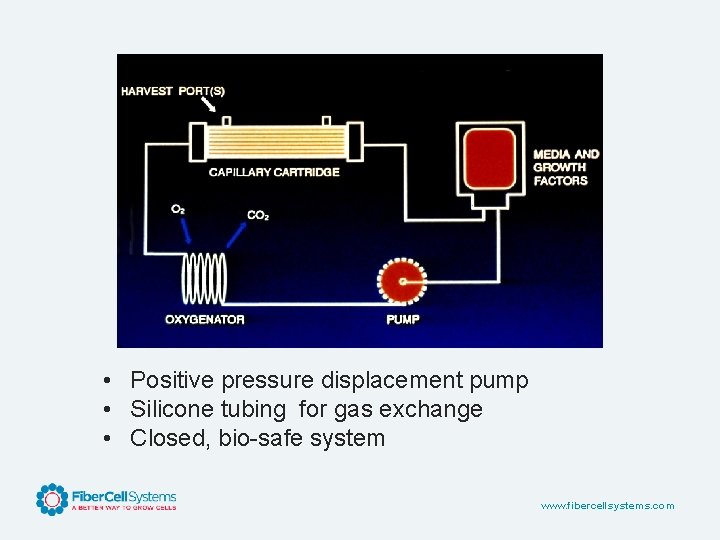
• Positive pressure displacement pump • Silicone tubing for gas exchange • Closed, bio-safe system www. fibercellsystems. com
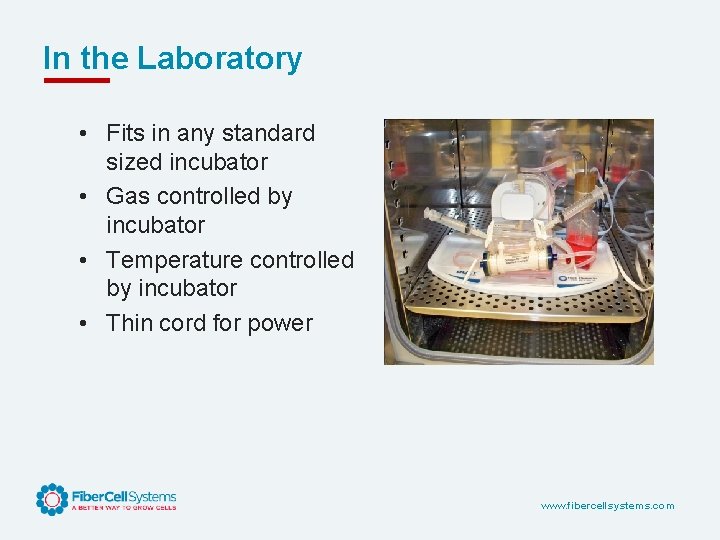
In the Laboratory • Fits in any standard sized incubator • Gas controlled by incubator • Temperature controlled by incubator • Thin cord for power www. fibercellsystems. com
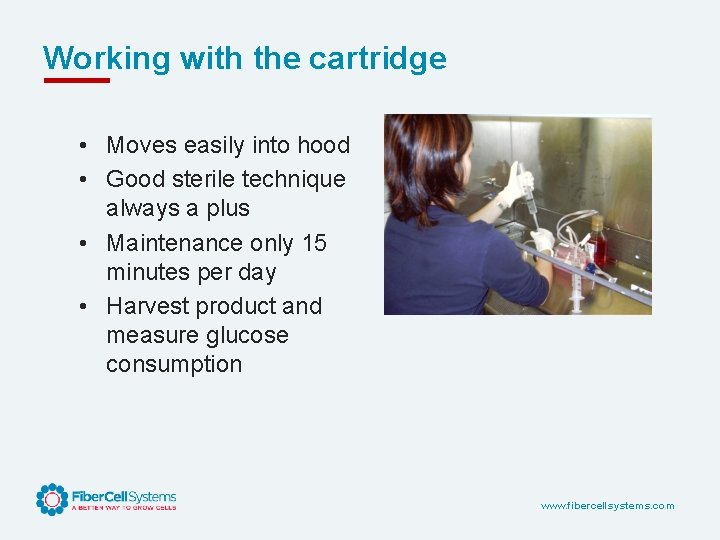
Working with the cartridge • Moves easily into hood • Good sterile technique always a plus • Maintenance only 15 minutes per day • Harvest product and measure glucose consumption www. fibercellsystems. com
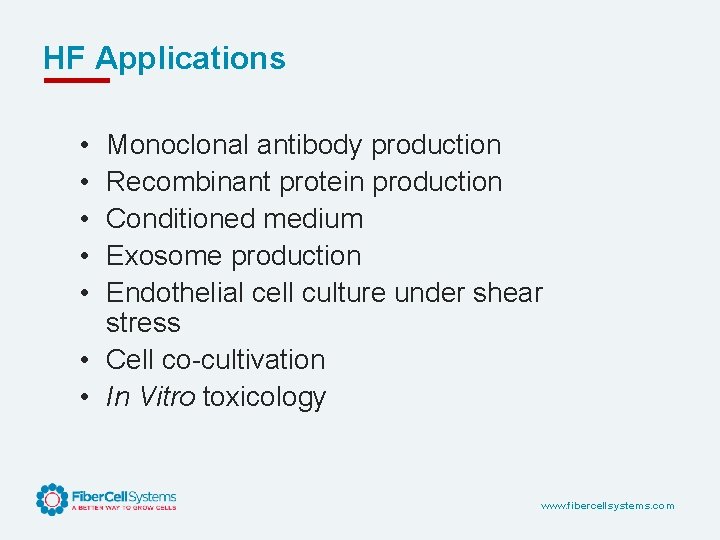
HF Applications • • • Monoclonal antibody production Recombinant protein production Conditioned medium Exosome production Endothelial cell culture under shear stress • Cell co-cultivation • In Vitro toxicology www. fibercellsystems. com
www. fibercellsystems. com
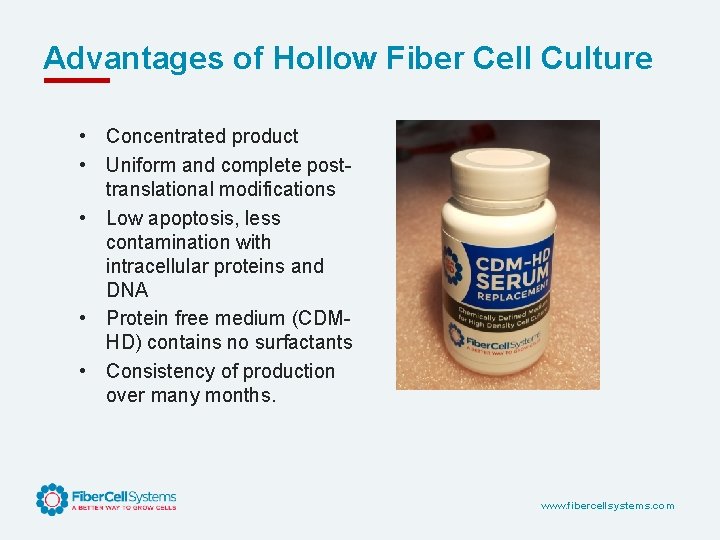
Advantages of Hollow Fiber Cell Culture • Concentrated product • Uniform and complete posttranslational modifications • Low apoptosis, less contamination with intracellular proteins and DNA • Protein free medium (CDMHD) contains no surfactants • Consistency of production over many months. www. fibercellsystems. com
www. fibercellsystems. com
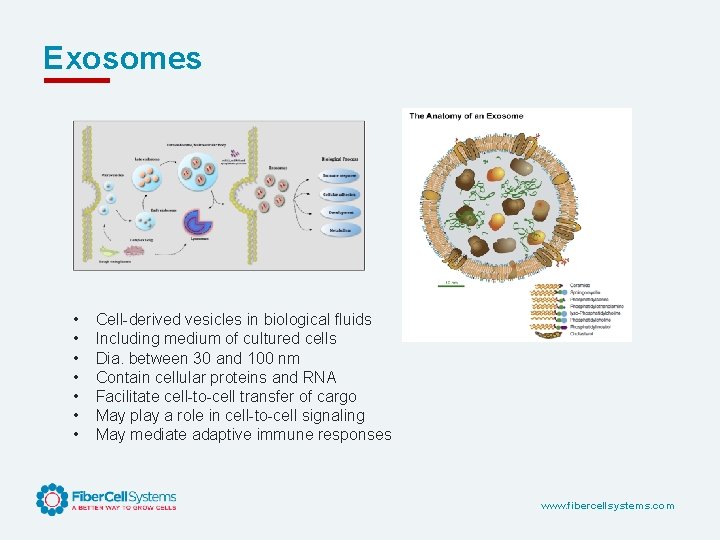
Exosomes • • Cell-derived vesicles in biological fluids Including medium of cultured cells Dia. between 30 and 100 nm Contain cellular proteins and RNA Facilitate cell-to-cell transfer of cargo May play a role in cell-to-cell signaling May mediate adaptive immune responses www. fibercellsystems. com
Advantages for Exosome Production • Large numbers of cells can be cultured in a small space • Secreted exosomes are concentrated • Continuous production over several months • Serum can be used without contamination from endogenous exosomes • CDM-HD can be used for c. GMP production • Cell proliferation may be limited www. fibercellsystems. com
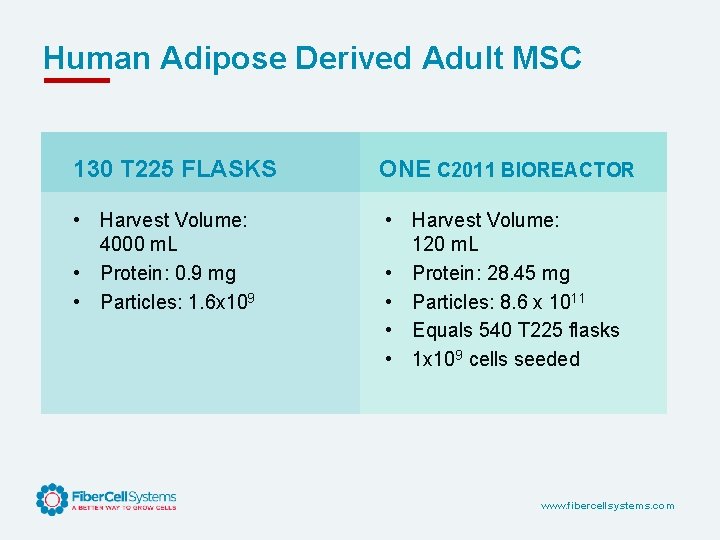
Human Adipose Derived Adult MSC 130 T 225 FLASKS ONE C 2011 BIOREACTOR • Harvest Volume: 4000 m. L • Protein: 0. 9 mg • Particles: 1. 6 x 10⁹ • Harvest Volume: 120 m. L • Protein: 28. 45 mg • Particles: 8. 6 x 10¹¹ • Equals 540 T 225 flasks • 1 x 10⁹ cells seeded www. fibercellsystems. com
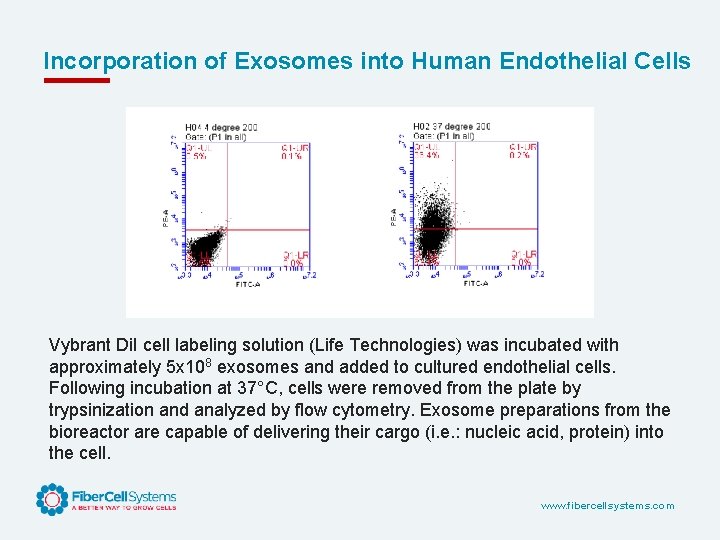
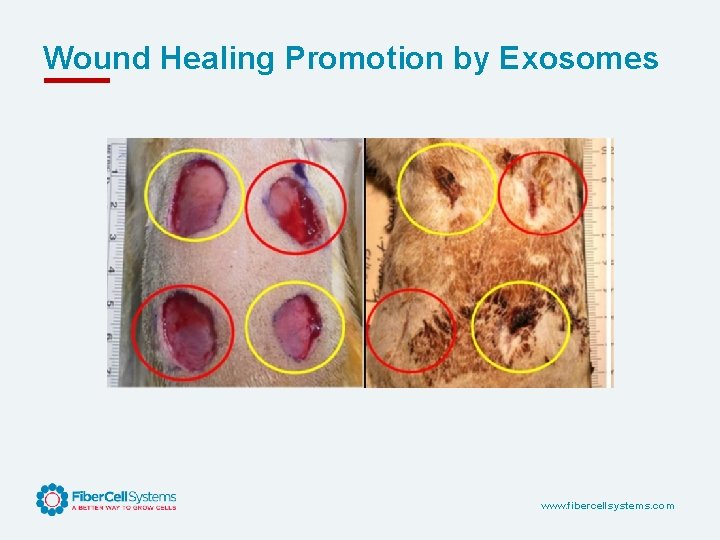
Incorporation of Exosomes into Human Endothelial Cells Vybrant Di. I cell labeling solution (Life Technologies) was incubated with approximately 5 x 10⁸ exosomes and added to cultured endothelial cells. Following incubation at 37°C, cells were removed from the plate by trypsinization and analyzed by flow cytometry. Exosome preparations from the bioreactor are capable of delivering their cargo (i. e. : nucleic acid, protein) into the cell. www. fibercellsystems. com
Wound Healing Promotion by Exosomes www. fibercellsystems. com
Exosome Based Facial Moisturizer • 95. 57% reduction in wrinkles • 133. 07% increase in skin luminescence • 17. 19% acceleration of cell renewal Smarticles! www. fibercellsystems. com
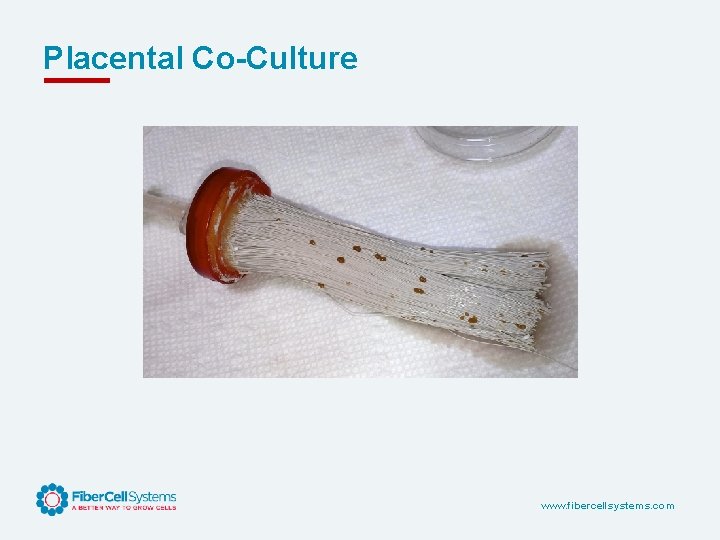
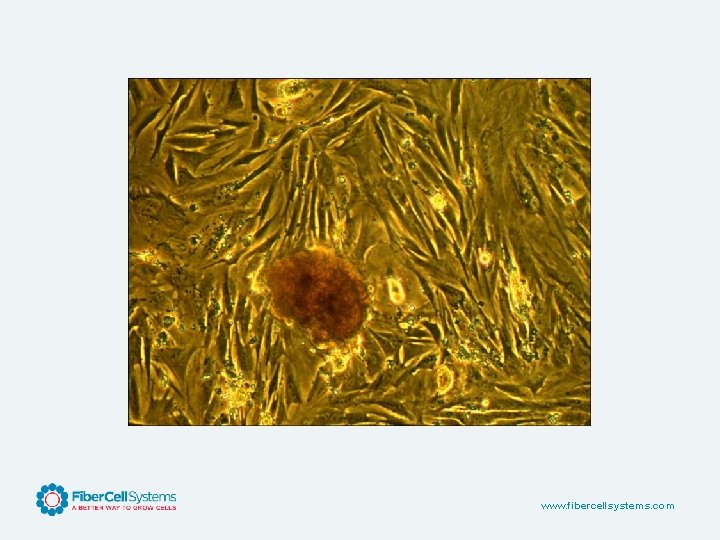
Placental Co-Culture www. fibercellsystems. com
www. fibercellsystems. com
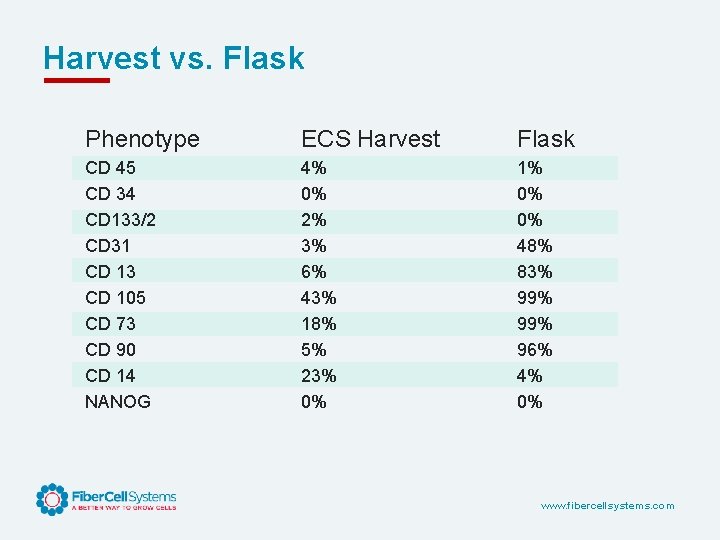
Harvest vs. Flask Phenotype ECS Harvest Flask CD 45 CD 34 CD 133/2 CD 31 CD 13 CD 105 CD 73 CD 90 CD 14 NANOG 4% 0% 2% 3% 6% 43% 18% 5% 23% 0% 1% 0% 0% 48% 83% 99% 96% 4% 0% www. fibercellsystems. com
www. fibercellsystems. com
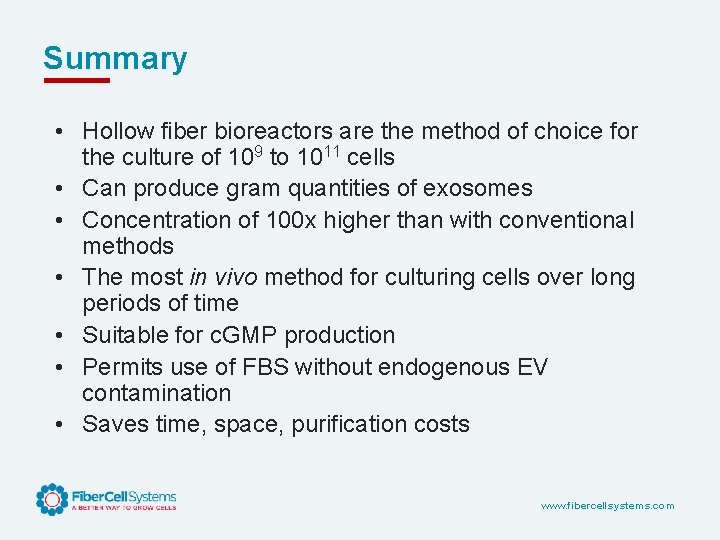
Summary • Hollow fiber bioreactors are the method of choice for the culture of 109 to 1011 cells • Can produce gram quantities of exosomes • Concentration of 100 x higher than with conventional methods • The most in vivo method for culturing cells over long periods of time • Suitable for c. GMP production • Permits use of FBS without endogenous EV contamination • Saves time, space, purification costs www. fibercellsystems. com
www. fibercellsystems. com
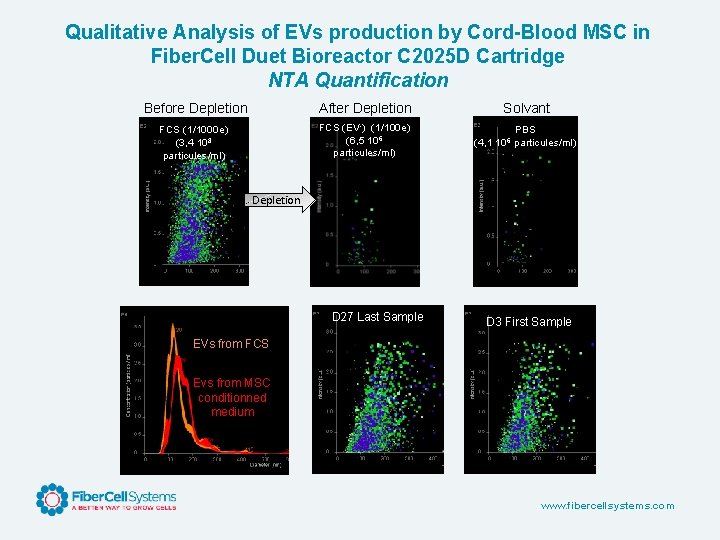
Qualitative Analysis of EVs production by Cord-Blood MSC in Fiber. Cell Duet Bioreactor C 2025 D Cartridge NTA Quantification Before Depletion After Depletion Solvant FCS (1/1000 e) (3, 4 108 particules/ml) FCS (EV-) (1/100 e) (6, 5 106 particules/ml) PBS (4, 1 106 particules/ml) Depletion D 27 Last Sample D 3 First Sample EVs from FCS Evs from MSC conditionned medium www. fibercellsystems. com
Conclusions In our particular assay conditions, i-e, incubation of cells in the presence of EVs depleted FCS in the extracapillary compartment, we foud that: • Bone-Marrow as well as Cord-Blood MSC remain viable for weeks • Following FACS analysis, a conserved MSC phenotype of Cord-Blood MSC after a 4 weeks incubation was observed. HOWEVER, The linear production of Evs as a function of the incubation time as well as a low consumption of glucose all along the experiment suggest that MSC Cells (both from Cord-Blood and Bone-Marrows) remain viable BUT DO NOT PROLIFERATE. The MSC phenotype of these Evs producing cells at the end of the experiment as to be confirmed by studying their capacity of differentiation along the • Adipocytes • Chondrocytes lineages • Osteocytes www. fibercellsystems. com
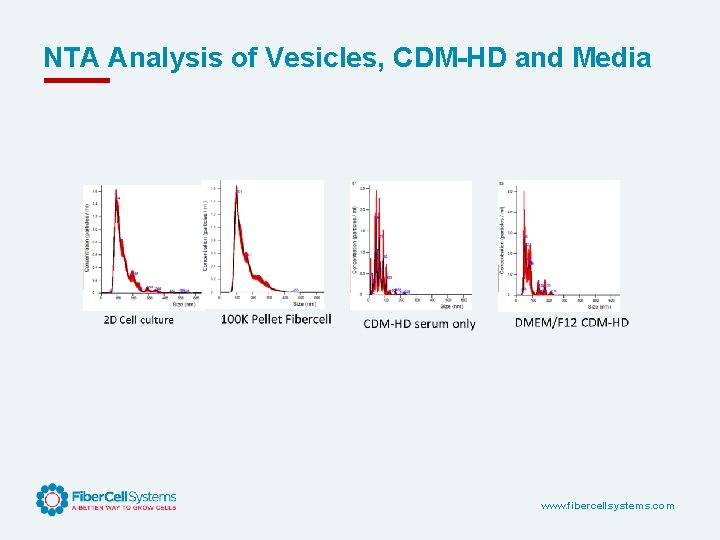
NTA Analysis of Vesicles, CDM-HD and Media www. fibercellsystems. com
www. fibercellsystems. com
www. fibercellsystems. com
Thank you. www. fibercellsystems. com