
Product Lifecycle Management Dr Michael Grieves CoDirector U
- Slides: 25
Product Lifecycle Management Dr. Michael Grieves Co-Director U of M PLM Development Consortium www. plmdc. engin. umich. edu
Defining PLM Product Lifecycle Management (PLM) is an integrated, information driven approach to all aspects of a product’s life from its design inception, through its manufacture, deployment and maintenance, and culminating in its removal from service and final disposal. Source: University of Michigan PLM Development Consortium
PLM: Defining a New Acronym Product lifecycle management is an integrated, information-driven approach to all aspects of a product's life, from its design through manufacture, deployment and maintenance—culminating in the product's removal from service and final disposal. PLM software suites enable accessing, updating, manipulating and reasoning about product information that is being produced in a fragmented and distributed environment. Another definition of PLM is the integration of business systems to manage a product's life cycle. SOURCES: UNIVERSITY OF MICHIGAN PLM DEVELOPMENT CONSORTIUM, ARC ADVISORY GROUP Stackpole, B. (2003, May 15, 2003). There's a New App in Town. CIO.
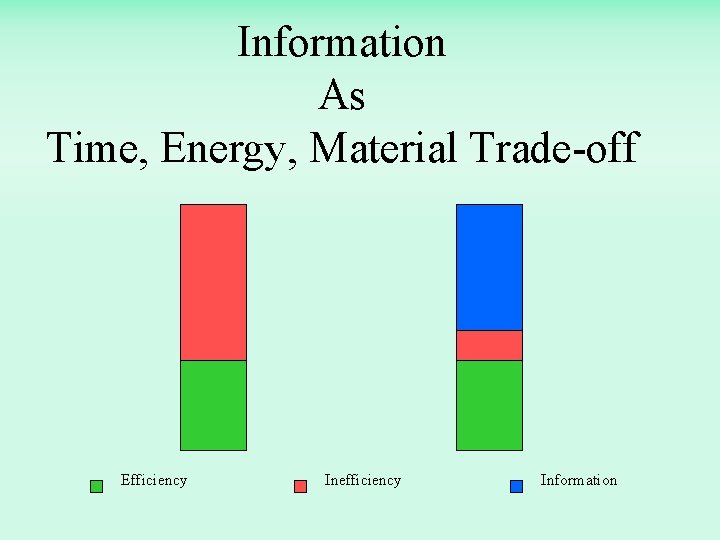
Information As Time, Energy, Material Trade-off Efficiency Inefficiency Information
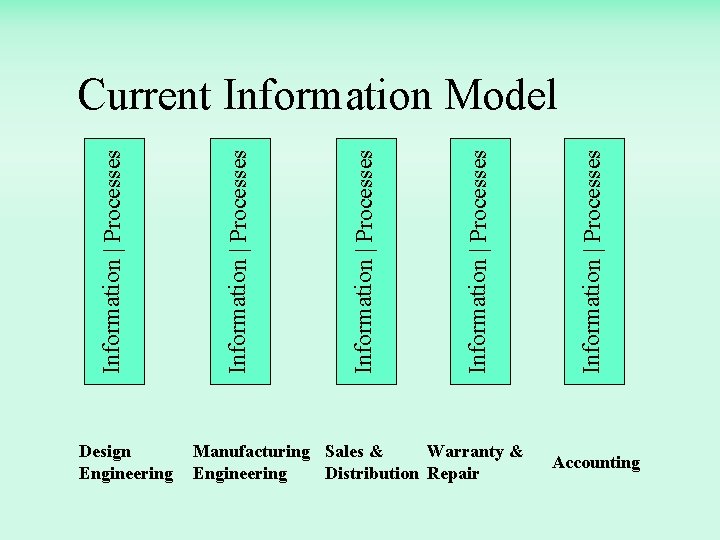
Design Engineering Manufacturing Sales & Warranty & Engineering Distribution Repair Information | Processes Information | Processes Current Information Model Accounting
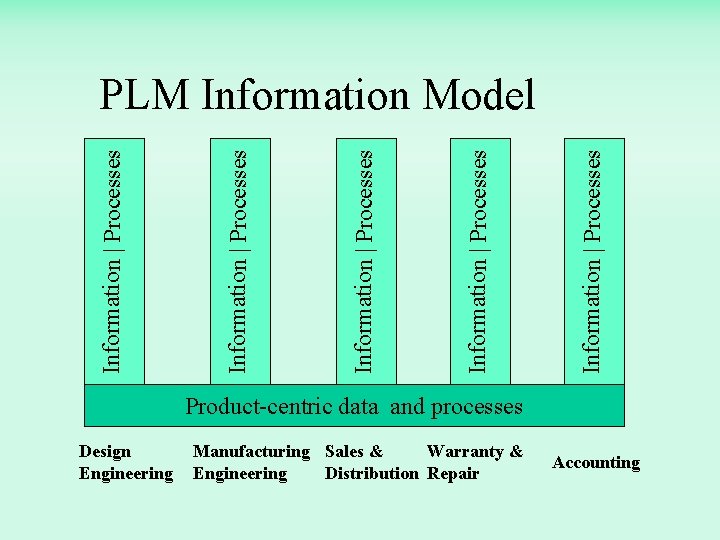
Information | Processes Information | Processes PLM Information Model Product-centric data and processes Design Engineering Manufacturing Sales & Warranty & Engineering Distribution Repair Accounting
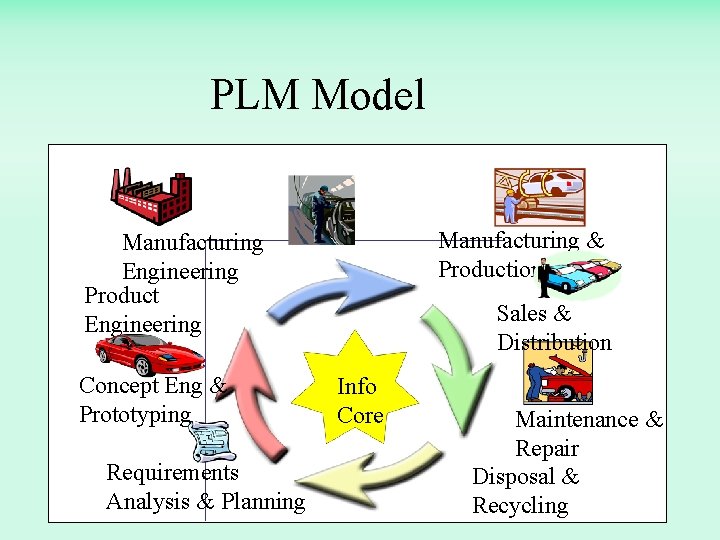
PLM Model Manufacturing & Production Manufacturing Engineering Product Engineering Concept Eng & Prototyping Requirements Analysis & Planning Sales & Distribution Info Core Maintenance & Repair Disposal & Recycling
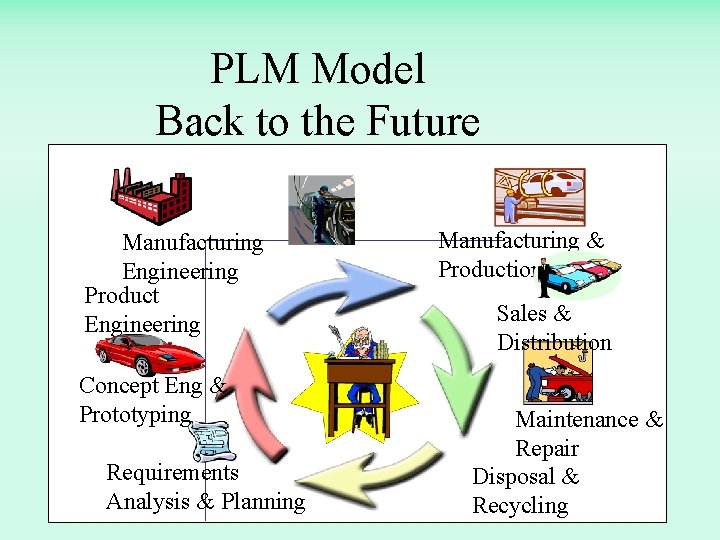
PLM Model Back to the Future Manufacturing Engineering Product Engineering Concept Eng & Prototyping Requirements Analysis & Planning Manufacturing & Production Sales & Distribution Maintenance & Repair Disposal & Recycling
Fundamental Changes Driving PLM • Scale • Complexity • Cycle times
Social Issues Driving PLM • • • Privacy Security Ownership Regulatory Education and training
PLM Enables Designing to a Requirement • Engineers design to a functional requirement • Requirements are imperfectly mapped to specifications • Issues – Gaps between intended and actual functionality – Over-engineered solutions – Unintended functionality (features or bugs)
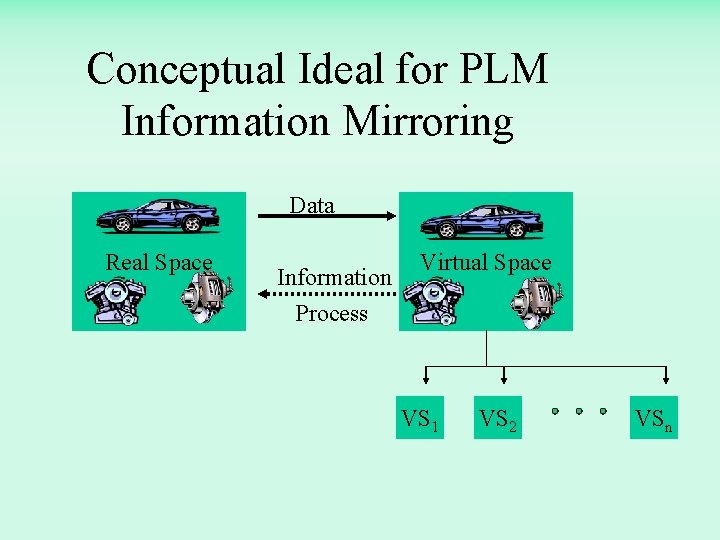
Conceptual Ideal for PLM Information Mirroring Data Real Space Information Process Virtual Space VS 1 VS 2 VSn
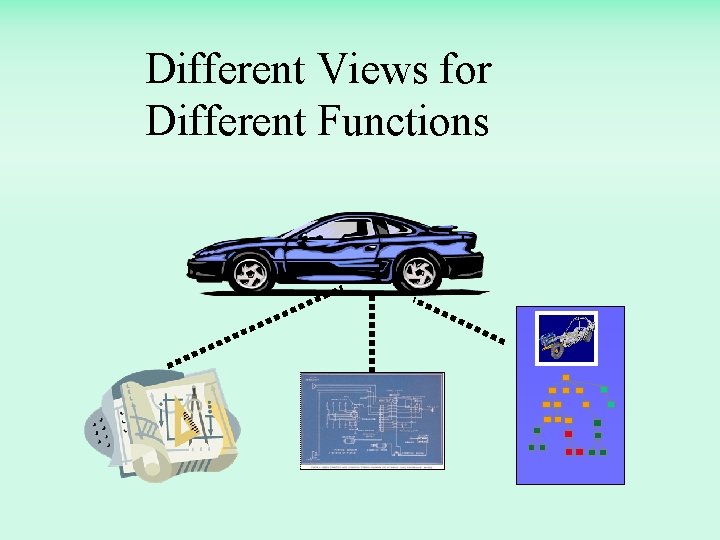
Different Views for Different Functions
Status of Today’s Product Information • • Siloed Ad-hoc Duplicative Inconsistent
PLM Information Characteristics • • Singularity Correspondence Cohesion Traceability
PLM Functions • • • Engineering vaulting Part classification and reuse Collaborative design Product structuring Process / cost management
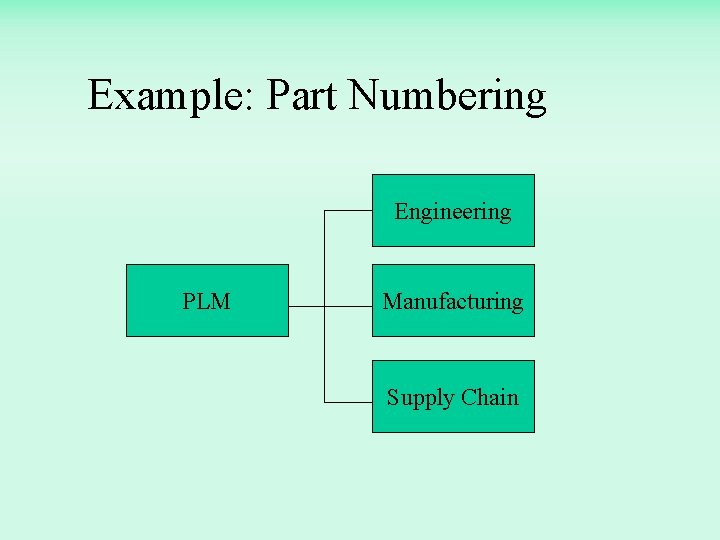
Example: Part Numbering Engineering PLM Manufacturing Supply Chain
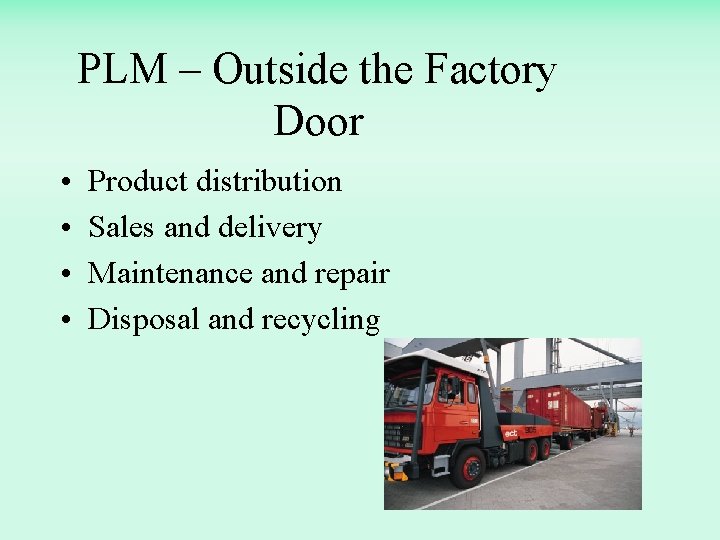
PLM – Outside the Factory Door • • Product distribution Sales and delivery Maintenance and repair Disposal and recycling
Why Extend PLM? • • Source of cost reductions Information feedback and feed forward Complete initiatives begun at earlier stages Potential for improved customer satisfaction
Source of Cost Reductions • Costs do not stop at factory door • Examples of information impacting costs – Faulty production – Warranty – Product liability
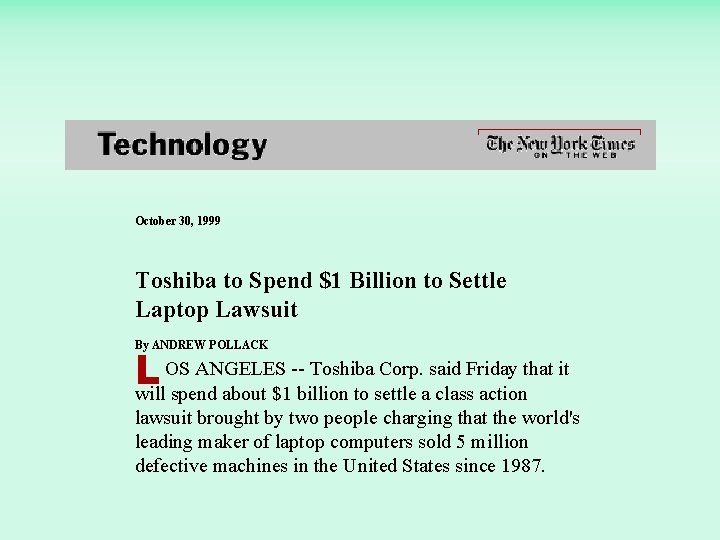
October 30, 1999 Toshiba to Spend $1 Billion to Settle Laptop Lawsuit By ANDREW POLLACK OS ANGELES -- Toshiba Corp. said Friday that it will spend about $1 billion to settle a class action lawsuit brought by two people charging that the world's leading maker of laptop computers sold 5 million defective machines in the United States since 1987.
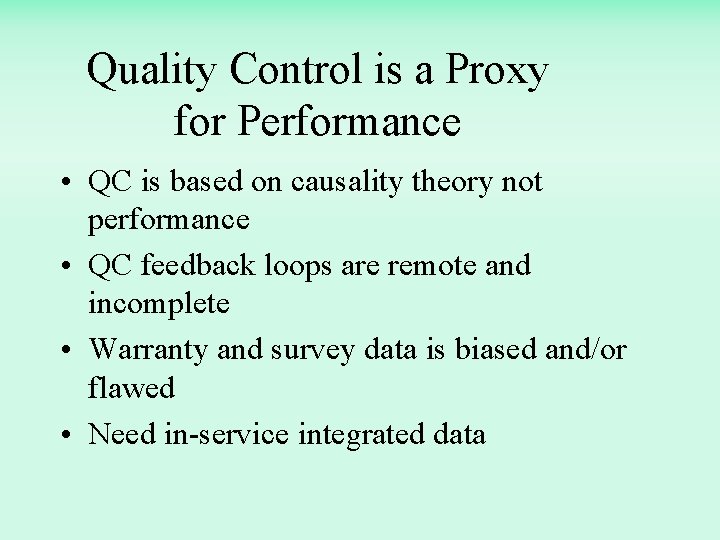
Quality Control is a Proxy for Performance • QC is based on causality theory not performance • QC feedback loops are remote and incomplete • Warranty and survey data is biased and/or flawed • Need in-service integrated data
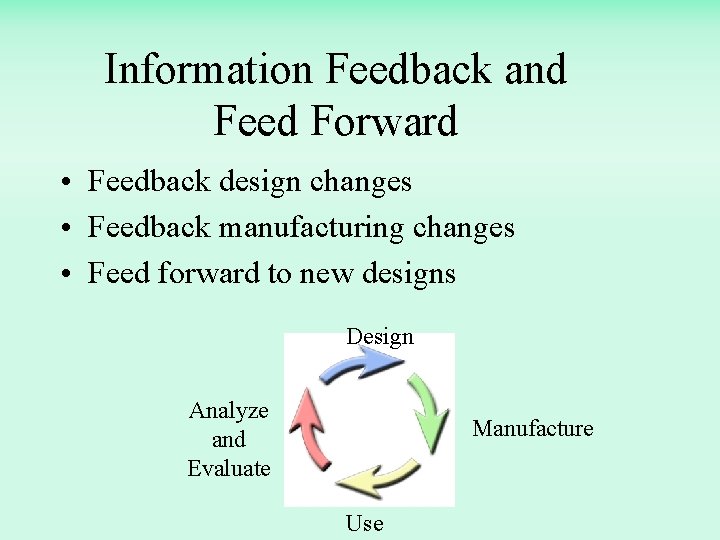
Information Feedback and Feed Forward • Feedback design changes • Feedback manufacturing changes • Feed forward to new designs Design Analyze and Evaluate Manufacture Use
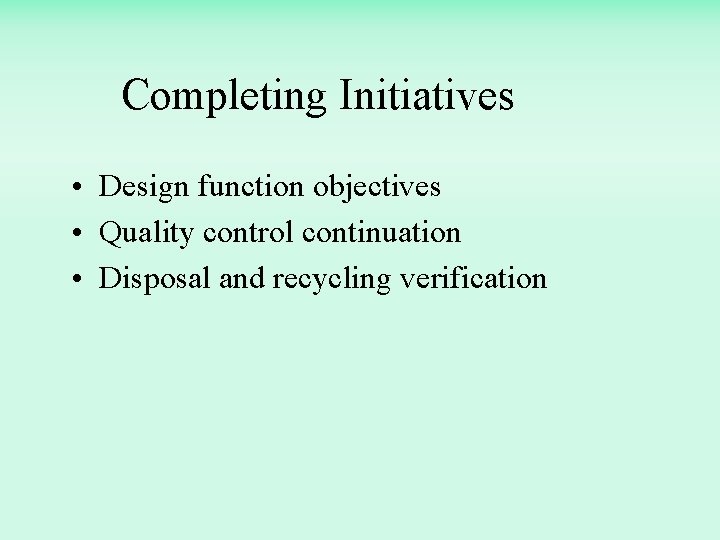
Completing Initiatives • Design function objectives • Quality control continuation • Disposal and recycling verification
ERTUĞRUL MAZ Source: egr. msu. edu