
Product Life Cycle Marketing Strategy Javed Kalangade Assistant


- Slides: 18
Product Life Cycle & Marketing Strategy Javed Kalangade Assistant Professor ADMIFMS FYMMS Sem II
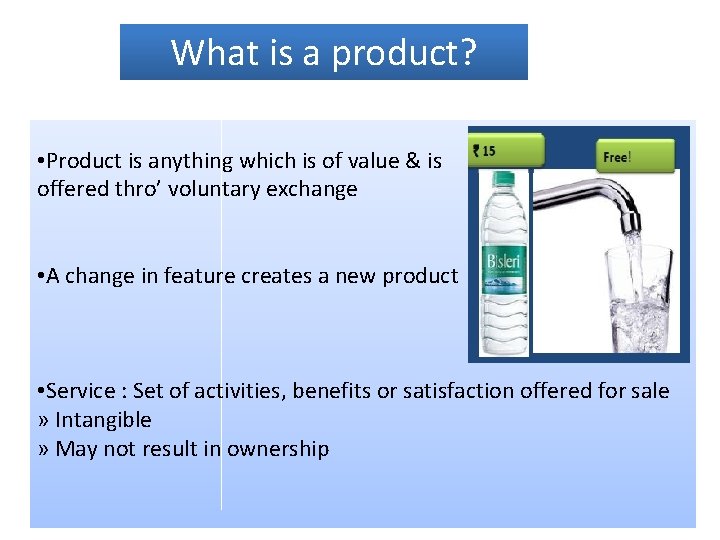
What is a product? • Product is anything which is of value & is offered thro’ voluntary exchange • A change in feature creates a new product • Service : Set of activities, benefits or satisfaction offered for sale » Intangible » May not result in ownership
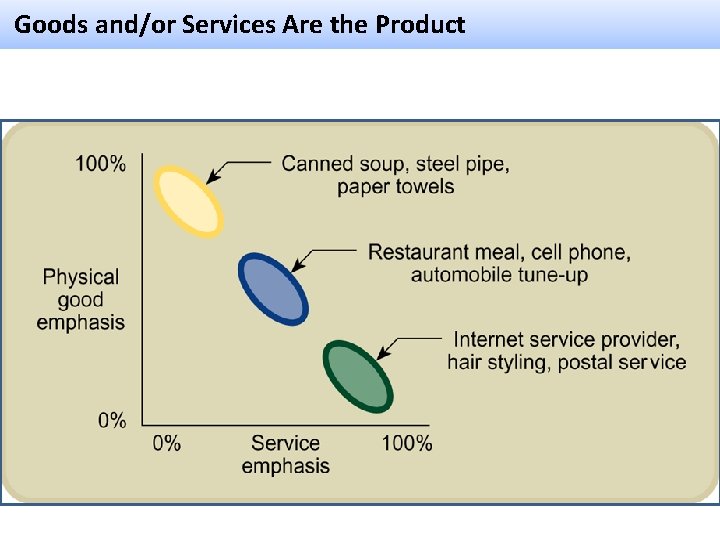
Goods and/or Services Are the Product
Demand for products What is the demand for these products in 2013 compared to 1990? ? ? ? » Fixed phone, land-line » Cell phones » Umbrella » Video cassette player » Diabetes Insulin injections
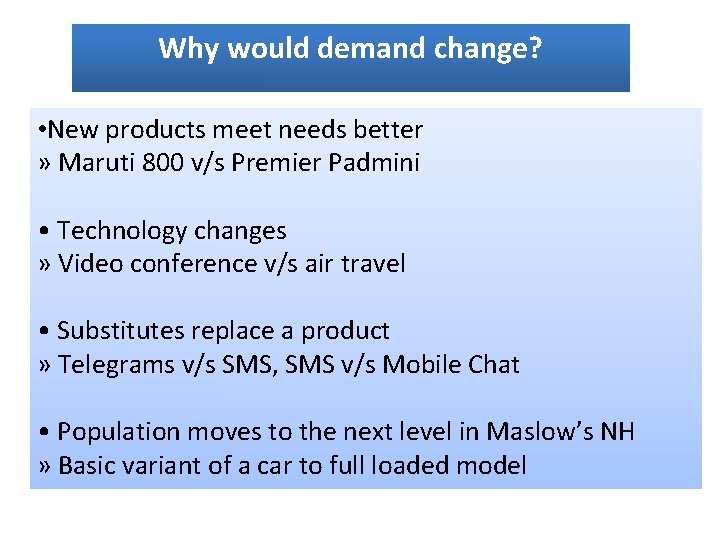
Why would demand change? • New products meet needs better » Maruti 800 v/s Premier Padmini • Technology changes » Video conference v/s air travel • Substitutes replace a product » Telegrams v/s SMS, SMS v/s Mobile Chat • Population moves to the next level in Maslow’s NH » Basic variant of a car to full loaded model
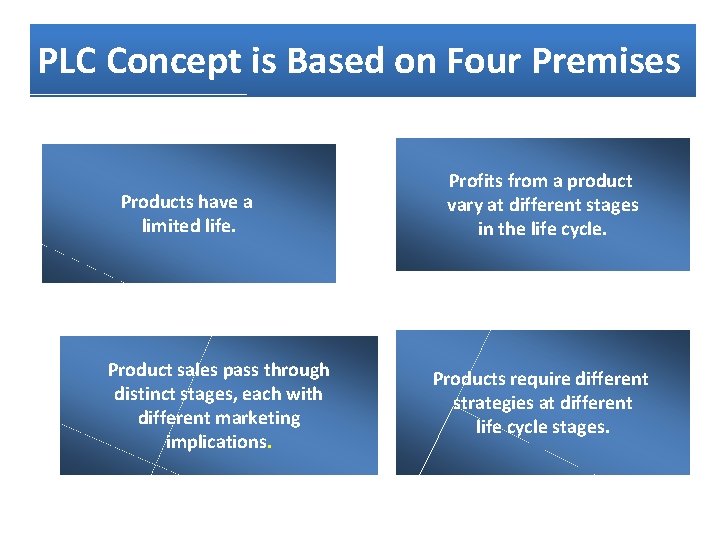
PLC Concept is Based on Four Premises Products have a limited life. Product sales pass through distinct stages, each with different marketing implications. Profits from a product vary at different stages in the life cycle. Products require different strategies at different life cycle stages.
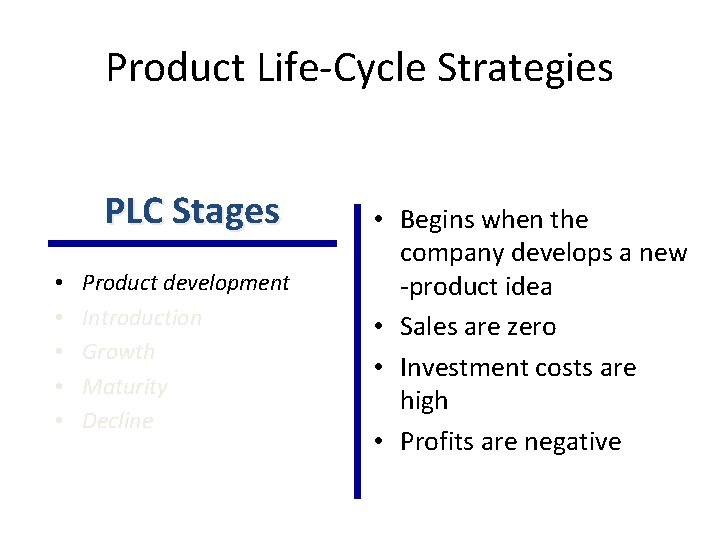
Product Life-Cycle Strategies PLC Stages • • • Product development Introduction Growth Maturity Decline • Begins when the company develops a new -product idea • Sales are zero • Investment costs are high • Profits are negative
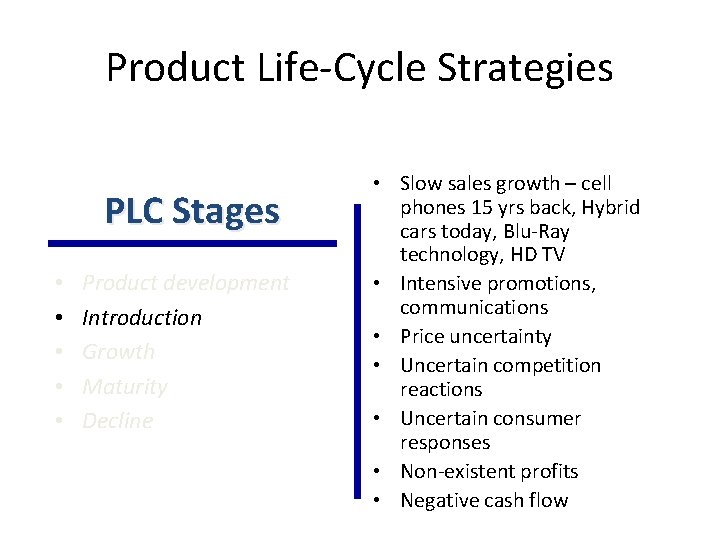
Product Life-Cycle Strategies PLC Stages • • • Product development Introduction Growth Maturity Decline • Slow sales growth – cell phones 15 yrs back, Hybrid cars today, Blu-Ray technology, HD TV • Intensive promotions, communications • Price uncertainty • Uncertain competition reactions • Uncertain consumer responses • Non-existent profits • Negative cash flow
Product Life-Cycle Strategies PLC Stages • • • Product development Introduction Growth Maturity Decline • Rapid sales growth – cell phones today, internet, LCD TV • Market acceptance • Price stabilization • Features stabilization • Profits start coming in • Brand building starts • Competition starts building
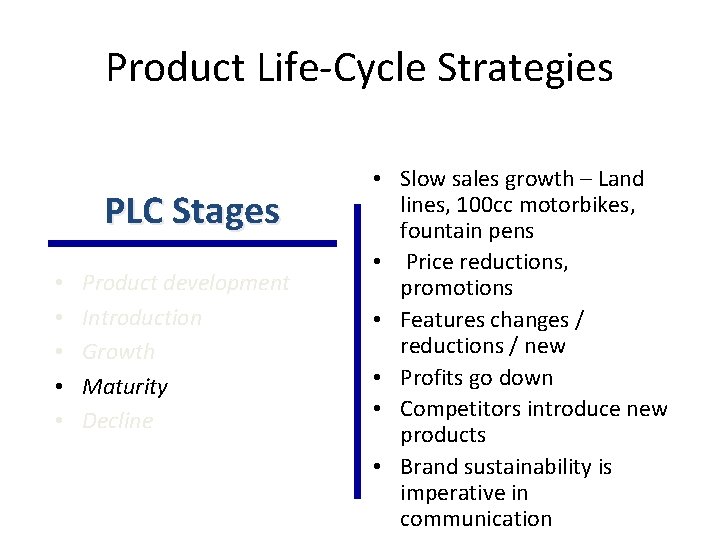
Product Life-Cycle Strategies PLC Stages • • • Product development Introduction Growth Maturity Decline • Slow sales growth – Land lines, 100 cc motorbikes, fountain pens • Price reductions, promotions • Features changes / reductions / new • Profits go down • Competitors introduce new products • Brand sustainability is imperative in communication
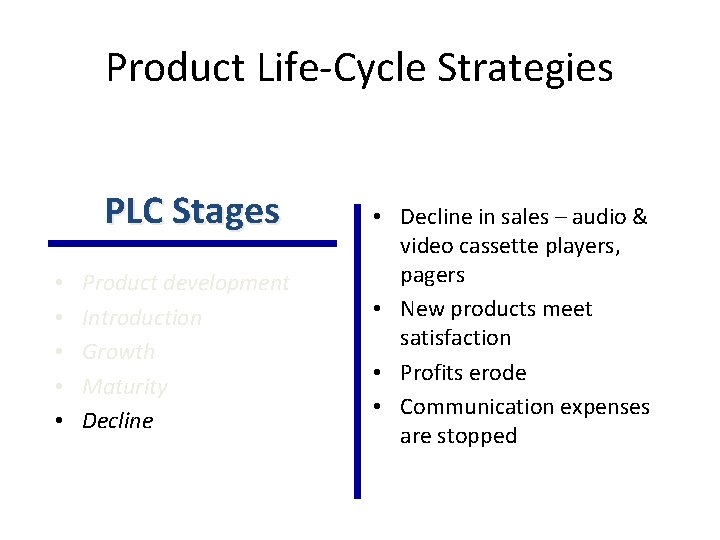
Product Life-Cycle Strategies PLC Stages • • • Product development Introduction Growth Maturity Decline • Decline in sales – audio & video cassette players, pagers • New products meet satisfaction • Profits erode • Communication expenses are stopped
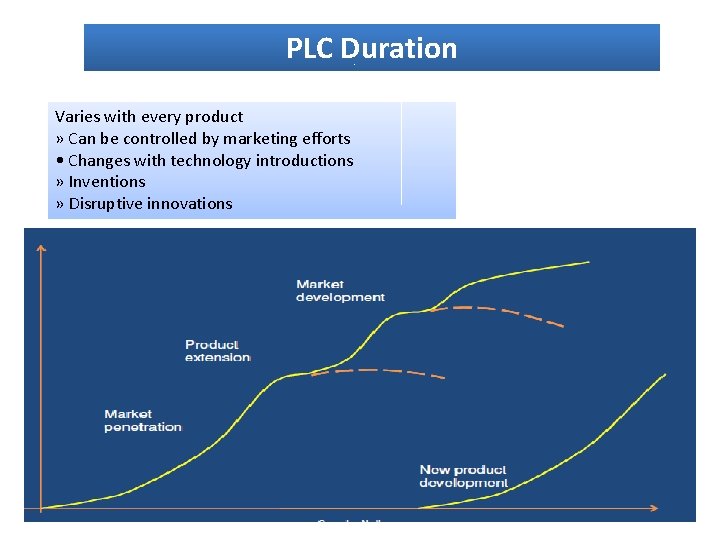
PLC Duration Varies with every product » Can be controlled by marketing efforts • Changes with technology introductions » Inventions » Disruptive innovations
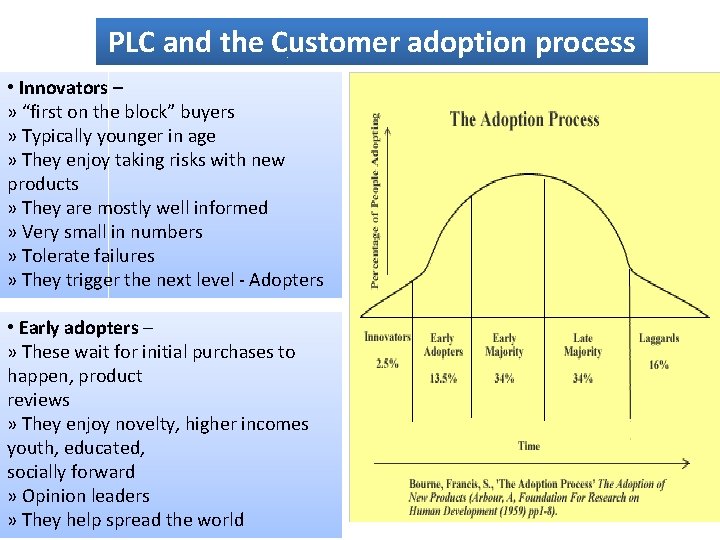
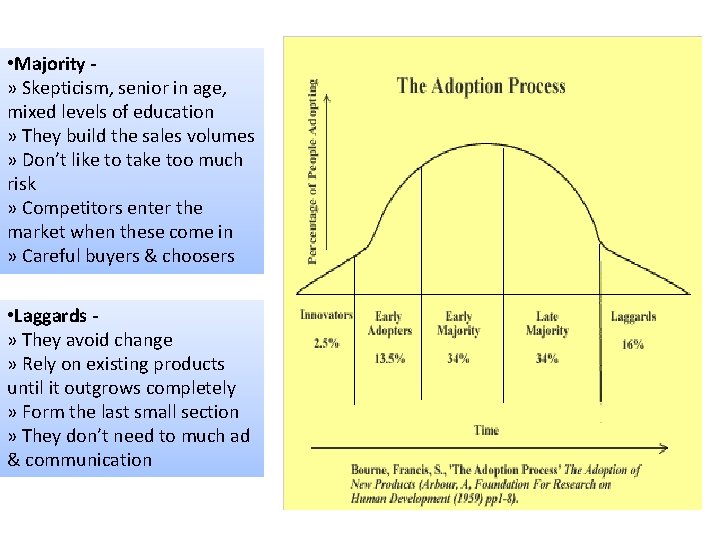
PLC and the Customer adoption process • Innovators – » “first on the block” buyers » Typically younger in age » They enjoy taking risks with new products » They are mostly well informed » Very small in numbers » Tolerate failures » They trigger the next level - Adopters • Early adopters – » These wait for initial purchases to happen, product reviews » They enjoy novelty, higher incomes youth, educated, socially forward » Opinion leaders » They help spread the world
• Majority » Skepticism, senior in age, mixed levels of education » They build the sales volumes » Don’t like to take too much risk » Competitors enter the market when these come in » Careful buyers & choosers • Laggards » They avoid change » Rely on existing products until it outgrows completely » Form the last small section » They don’t need to much ad & communication
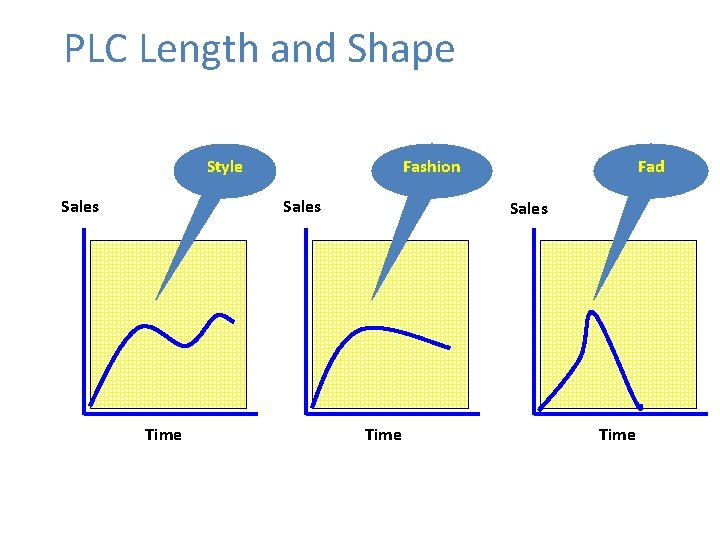
PLC Length and Shape Style Sales Fashion Sales Time Fad Sales Time
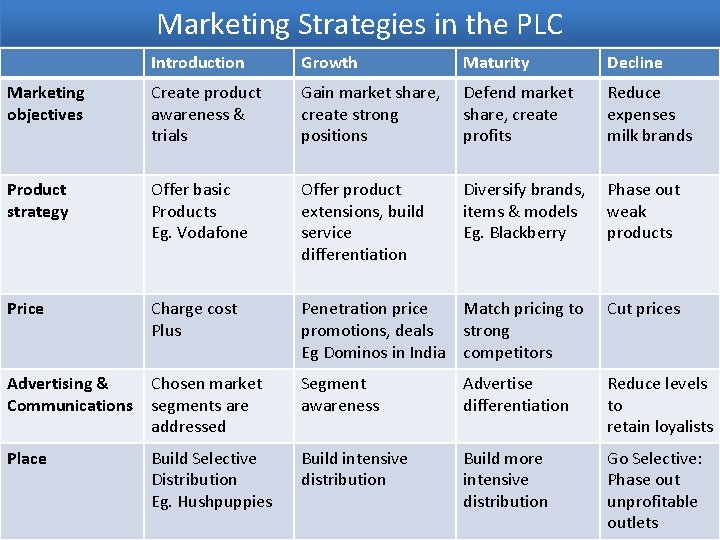
Marketing Strategies in the PLC Introduction Growth Maturity Decline Marketing objectives Create product awareness & trials Gain market share, create strong positions Defend market share, create profits Reduce expenses milk brands Product strategy Offer basic Products Eg. Vodafone Offer product extensions, build service differentiation Diversify brands, items & models Eg. Blackberry Phase out weak products Price Charge cost Plus Penetration price Match pricing to promotions, deals strong Eg Dominos in India competitors Cut prices Advertising & Communications Chosen market segments are addressed Segment awareness Advertise differentiation Reduce levels to retain loyalists Place Build Selective Distribution Eg. Hushpuppies Build intensive distribution Build more intensive distribution Go Selective: Phase out unprofitable outlets
At the heart of a great brand is a great product Thank you