
Product Design for Safety in Aviation The Quality
- Slides: 15
Product Design for Safety in Aviation The Quality Colloquium August 21, 2007 Quality Lessons from Other Industries Panel Jim Bouey Boeing Commercial Airplanes (retired)
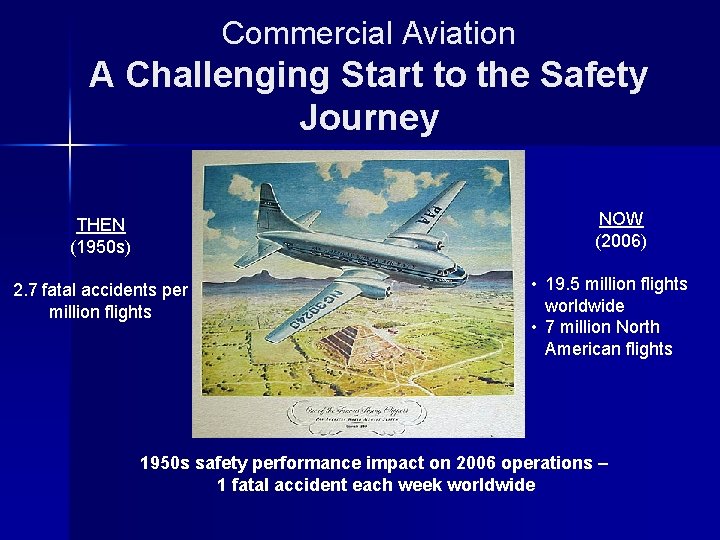
Commercial Aviation A Challenging Start to the Safety Journey NOW (2006) THEN (1950 s) 2. 7 fatal accidents per million flights • 19. 5 million flights worldwide • 7 million North American flights 1950 s safety performance impact on 2006 operations – 1 fatal accident each week worldwide
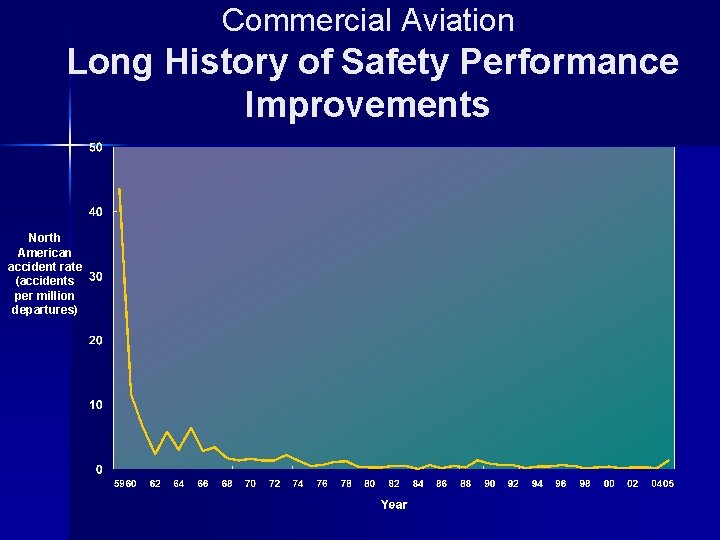
Commercial Aviation Long History of Safety Performance Improvements North American accident rate (accidents per million departures)
Commercial Aviation Safety Performance Enablers n Safety Culture Shared Destiny Dual Assignments Leadership n Structured, Processes System-Based
Commercial Aviation Mindset Make it fail-safe
Commercial Aviation Overarching Safety Philosophy Assume that no matter what you do, something or someone will fail. Now, what do you have to do to make sure that everyone stays safe?
Commercial Aviation Aircraft Design Philosophy n n n Design it to operate safely under normal circumstances. Design it to operate safely with any possible failure. Design it to be survivable if there is a crash.
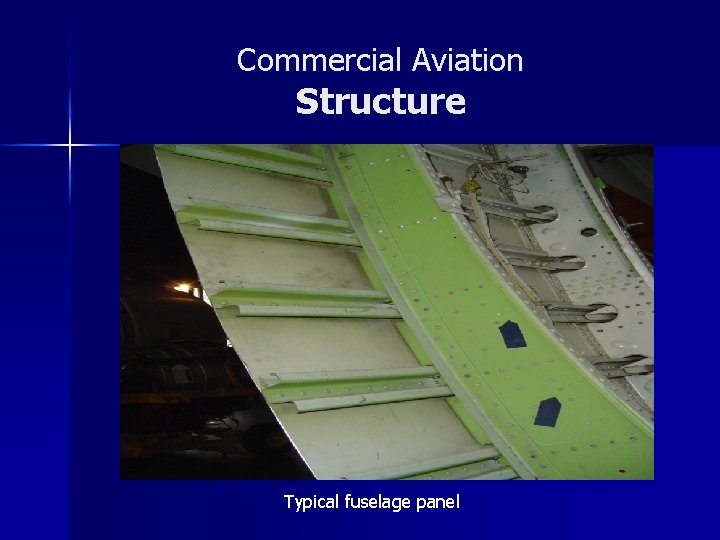
Commercial Aviation Fail-Safe Designed-in margins to protect for unknowns and failures n Structure – Find the worst case loading condition ever to be expected, then design the structure to be able to carry 50% more load than that – Design the structure so that even after a principle element has failed, the remaining structure can handle the worst case loading ever to be expected
Commercial Aviation Structure Typical fuselage panel
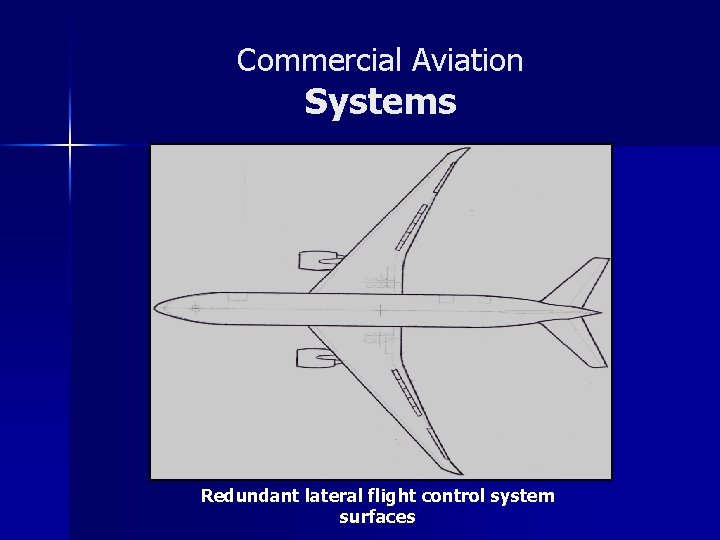
Commercial Aviation Fail-Safe Designed-in margins to protect for unknowns and failures n Systems – No single failure can have catastrophic consequences – Hazard consequences of multiple failures must be inversely proportional to the probability of their occurring
Commercial Aviation Systems Redundant lateral flight control system surfaces
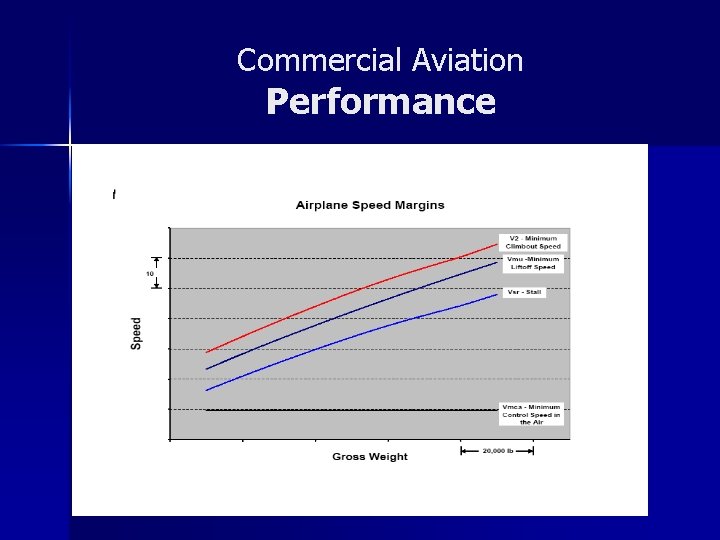
Commercial Aviation Fail-Safe Operations Designed-in margins to protect for unknowns and failures n Performance – Determine the inherent flying capabilities of the airplane, then limit the operational use to retain significant margins to those capabilities
Commercial Aviation Performance
Commercial Aviation Fail-Safe Assume that something or someone will fail in everything you do (design, build, operate, maintain) Now what is going to keep everyone safe?
Commercial Aviation Fail-Safe People are protected when failures occur because products, processes, and procedures are designed to mitigate the failures and prevent the threats from endangering people. Will this approach be useful in healthcare?