
Procne Philomela and Tereus metope Temple of Apollo

- Slides: 18
Procne, Philomela, and Tereus
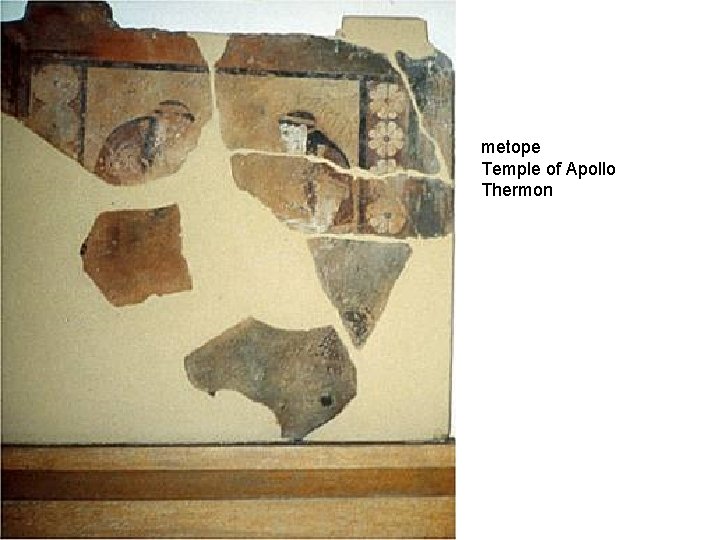
metope Temple of Apollo Thermon
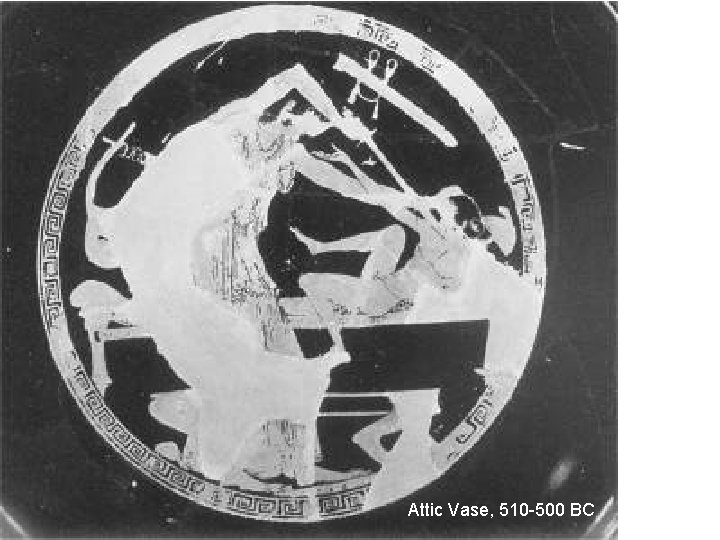
Attic Vase, 510 -500 BC
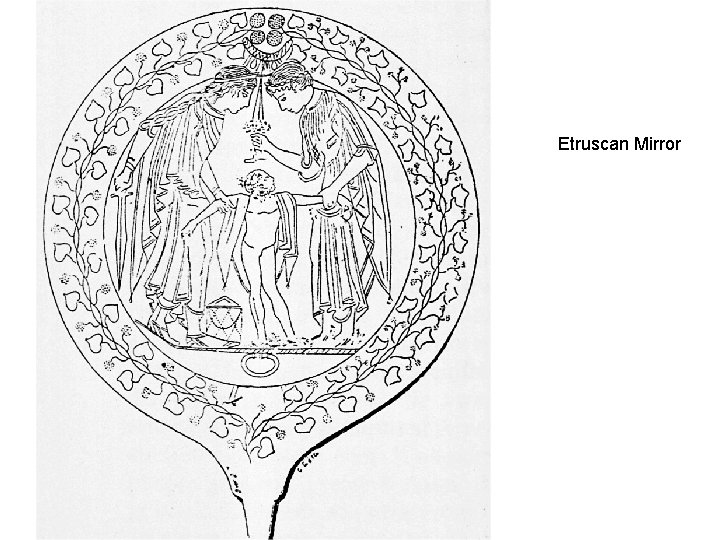
Etruscan Mirror
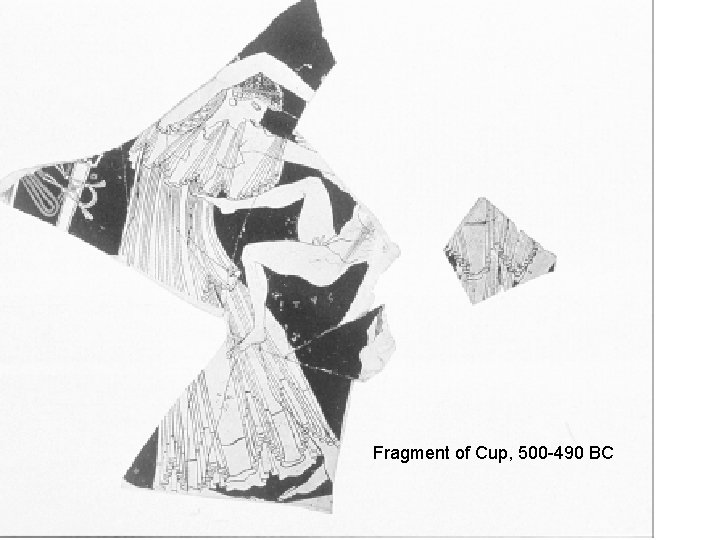
Fragment of Cup, 500 -490 BC
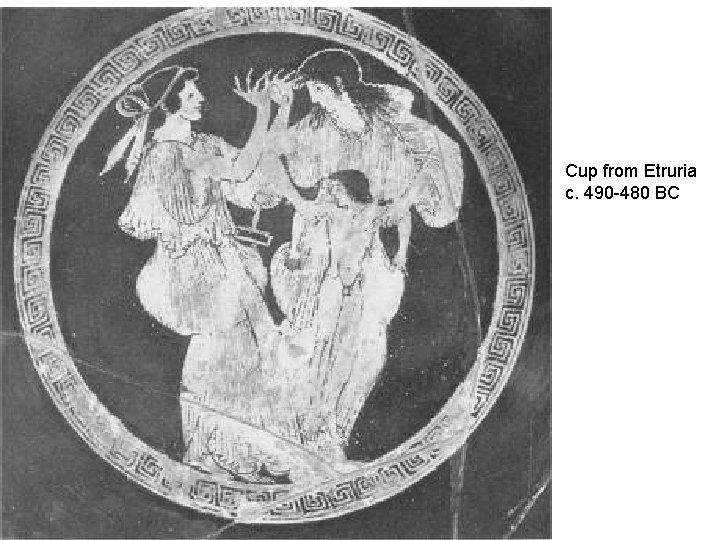
Cup from Etruria c. 490 -480 BC
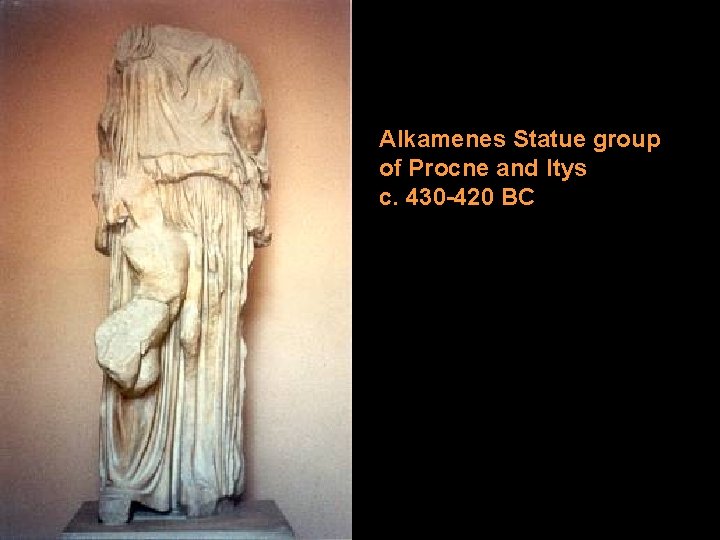
Alkamenes Statue group of Procne and Itys c. 430 -420 BC
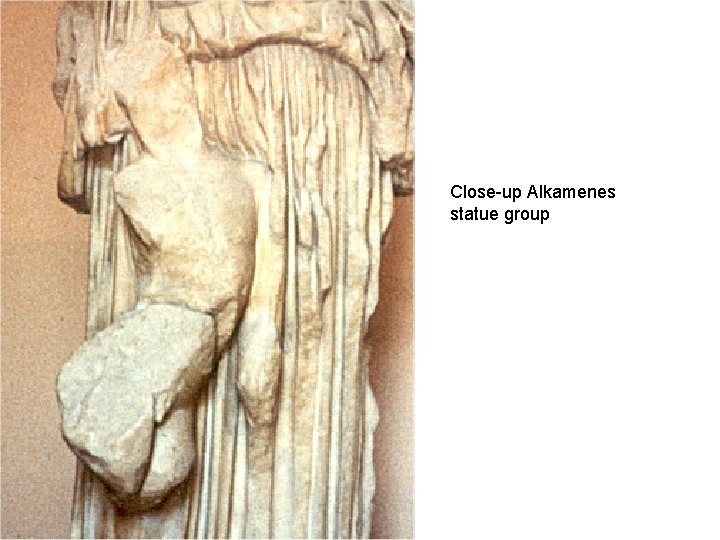
Close-up Alkamenes statue group
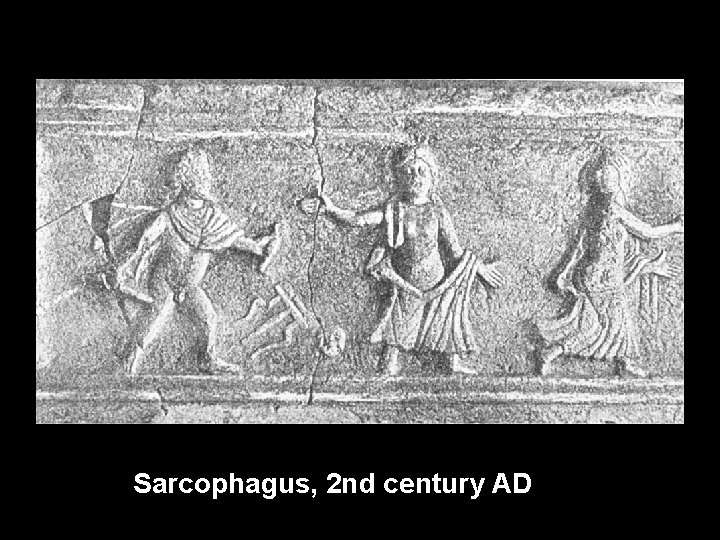
Sarcophagus, 2 nd century AD
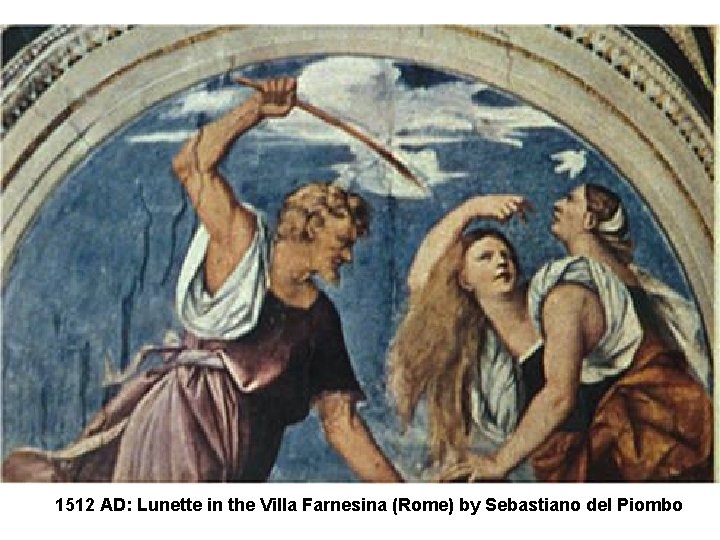
Villa Farnesina Lunette 1512 AD: Lunette in the Villa Farnesina (Rome) by Sebastiano del Piombo
Villa Farnesina, Rome 1512
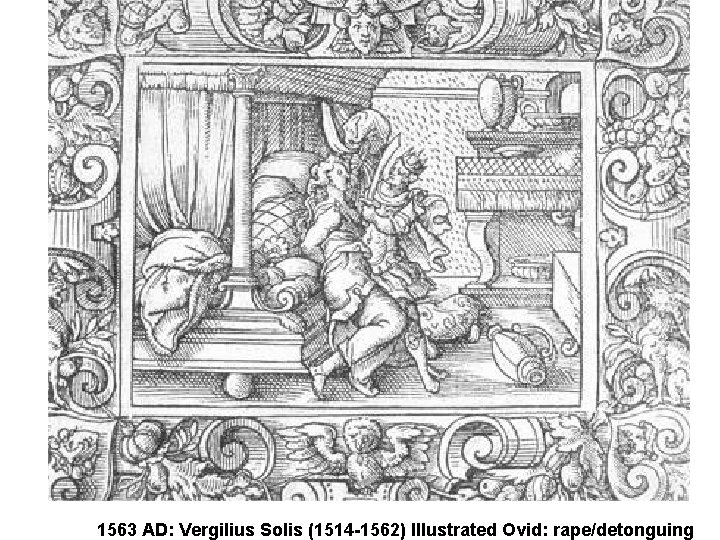
1563 AD: Vergilius Solis (1514 -1562) Illustrated Ovid: rape/detonguing
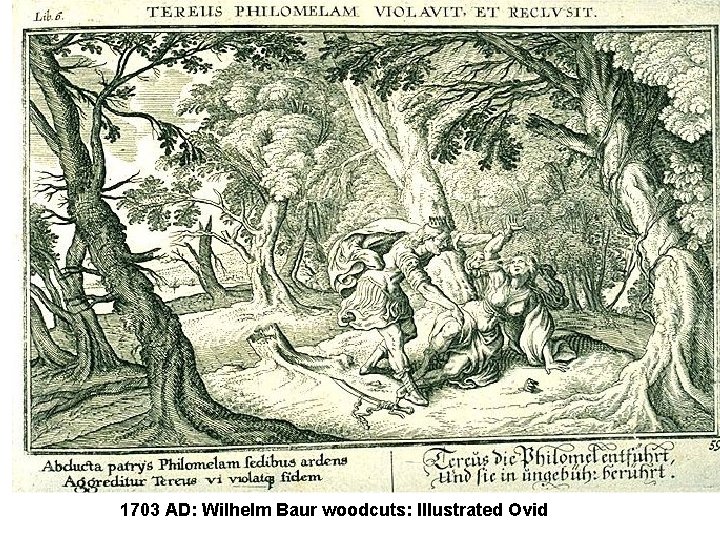
1703 AD: Wilhelm Baur woodcuts: Illustrated Ovid
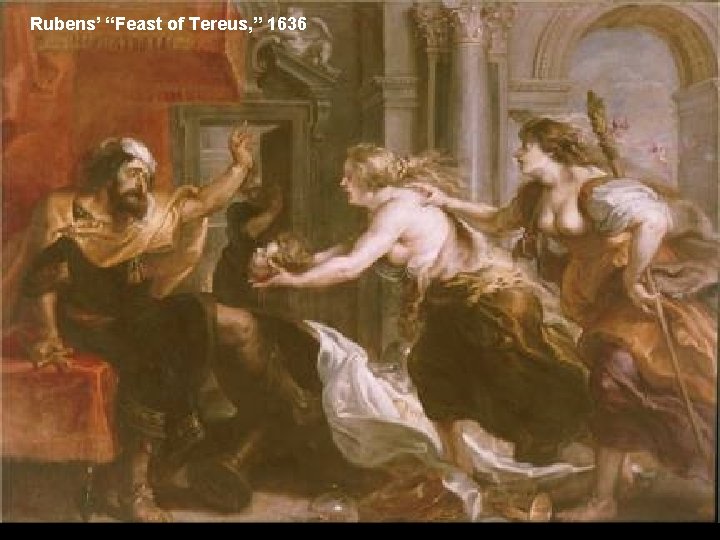
Rubens’ “Feast of Tereus, ” 1636
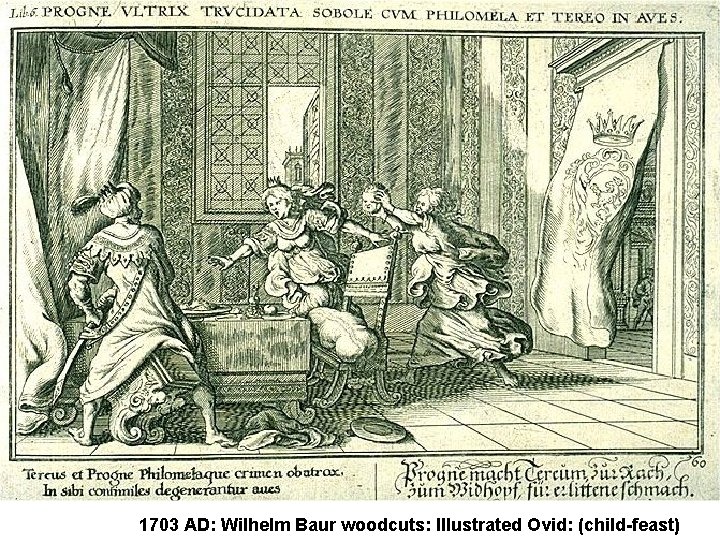
1703 AD: Wilhelm Baur woodcuts: Illustrated Ovid: (child-feast)
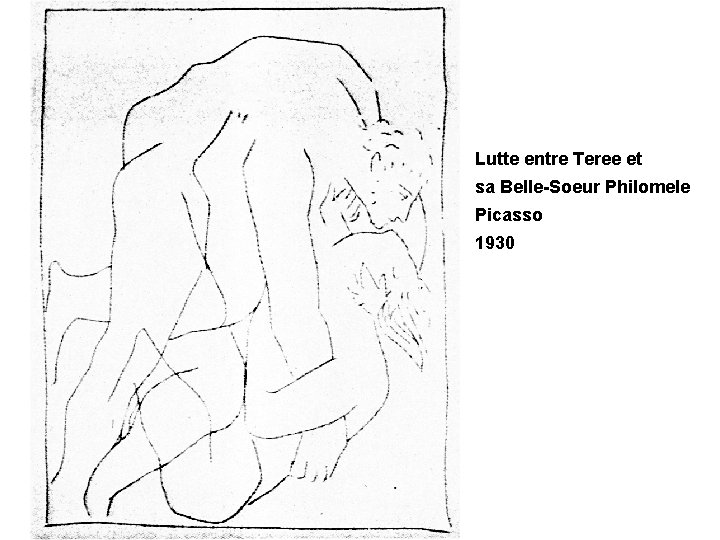
Lutte entre Teree et sa Belle-Soeur Philomele Picasso 1930
Robert Graves: Myth and Ritualism, reductio ad absurdum The cutting-out of Procne's tongue misrepresents a scene showing a prophetess in a trance, induced by the chewing of laurel leaves; her face is contorted with ecstasy, not pain, and the tongue which seems to have been cut out is in fact a laurel leaf, handed her by the priest who interprets her wild babblings. The weaving of the letters into the bridal robe misrepresents anothe scene: a priestess has cast a handful of oracular sticks on a white cloth, in the Celtic fashion described by Tacitus (Germania X), or the Scythian fashion described by Herodotus (iv. 67); they take the shape of letters, which she is about to read. In the so-called eating of Itys by Tereus, a willow priestess is taking omens from the entrails of a child sacrificed for the benefit of a king. The scene of Tereus and the oracle probably showed him asleep on a sheep-skin in a temple, receiving a dream relevation (see 51 g); the Greeks would not have mistaken this. That of Dryas' murder probably showed an oaktree and priests taking omens beneath it, in Druidic fashion, by the way a man fell when he died Procne's transformation into a swallow will have been deduced from a scene that showed a priestess in a feathered robe, taking auguries from the flight of a swallow; Philomela's transformation into a nightingale, and Tereus' into a hoopoe, seem to result from similar misreadings. Tereus' name, which means "watcher, " suggests that a male augur figured in the hoopoe picture.