
Procedures pediatrics emergencies BagMask Ventilation INDICATIONS To ventilate
Procedures pediatrics emergencies

Bag-Mask Ventilation
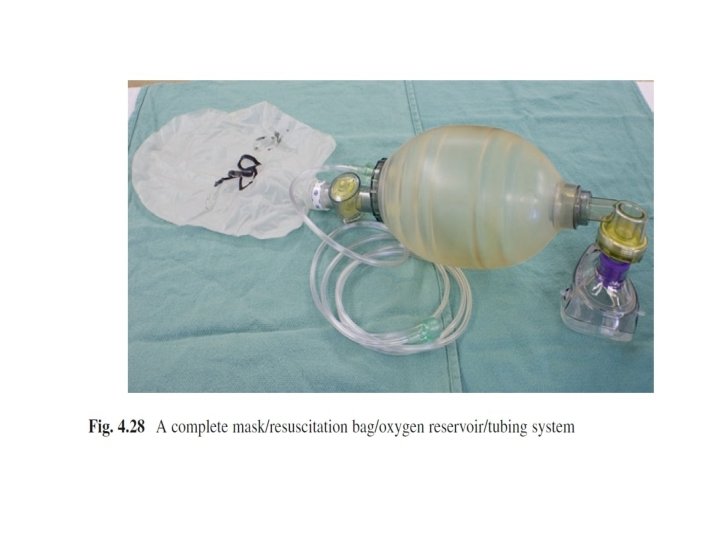
• INDICATIONS • ■To ventilate and oxygenate a patient. • ■A ventilation face mask may be used with an oropharyngeal or nasopharyngeal airway during spontaneous, assisted, or controlled ventilation • RISKS • ■Vomiting and aspiration
• PEARLS AND TIPS • ■Bag-mask ventilation gives the clinician time to prepare for more definitive airway management. • ■Good technique involves preserving good mask-face seal, inflating the chest with minimal required pressure, and maintaining the optimal patency of the upper airway through manipulation of the mandible and cervical spine
• MONITORING ■Use pulse oximetry to measure oxygen saturation levels continuously. ■Measure heart rate continuously. ■Check blood pressure using a noninvasive device. ■Ensure the chest rises visibly.
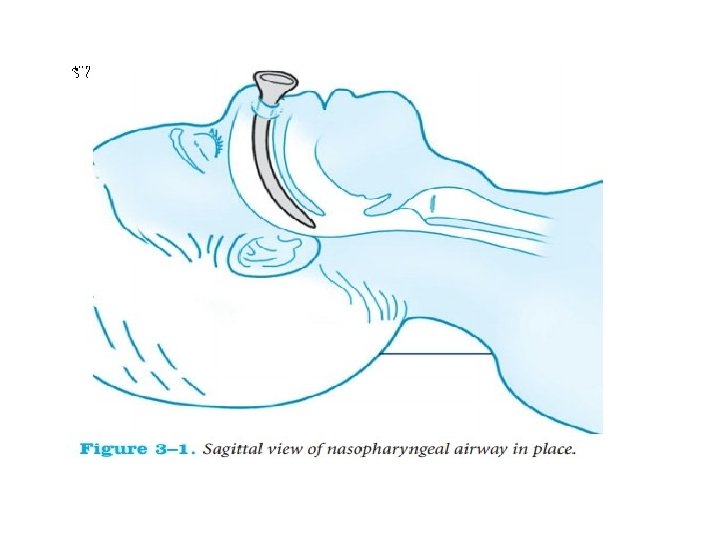
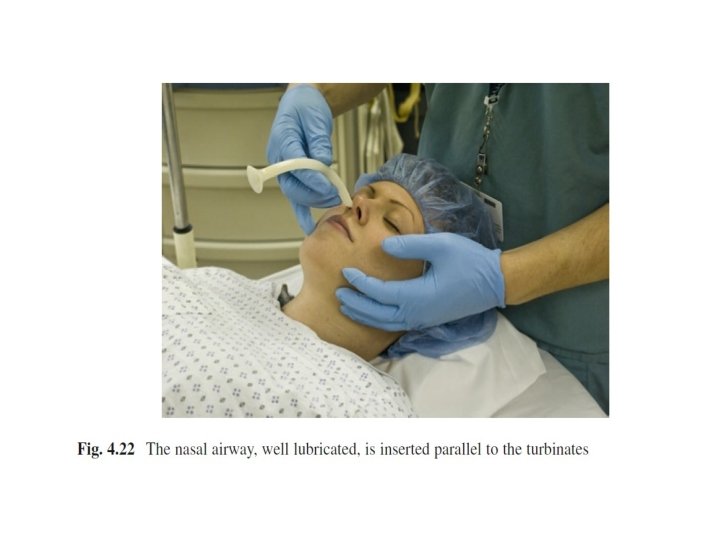
Nasopharyngeal airways • INDICATIONS ■Nasopharyngeal airways provide a conduit for airflow between the nares and the pharynx. ■Nasopharyngeal airways prevent mandibular tissue from obstructing the posterior pharynx. ■Nasopharyngeal airways may be used in conscious patients. ■Nasopharyngeal airways may be used in children with impaired consciousness or in neurologically impaired patients with poor pharyngeal tone leading to upper airway obstruction. ■Nasopharyngeal airways can be used to suction secretions
• CONTRAINDICATIONS • Absolute • ■Nasal airway occlusions. • ■Nasal fractures. • ■Coagulopathy (because of the risk of epistaxis). • ■Cerebrospinal fluid leak. • ■Basilar skull fracture. • ■Adenoidal hypertrophy
• COMPLICATIONS • ■If the nasopharyngeal airway is too long, it may cause bradycardia through vagal stimulation or it may injure the epiglottis or vocal cords. • ■Physical irritation of the larynx or lower pharynx may stimulate coughing, vomiting, or laryngospasm (if the tube is too long). • ■Nasopharyngeal airways can cause a pressor response with increased blood pressure.
• ■Failure of insertion. • ■Epistaxis (due to mucosal tears or avulsion of turbinates). • ■Submucosal tunneling and pressure sores. • ■Perforation of cartilage into the sinuses. • ■Stimulation of nasal secretions with obstruction of the tube. • ■Prolonged placement of a tight fitting tube may lead to nasal necrosis
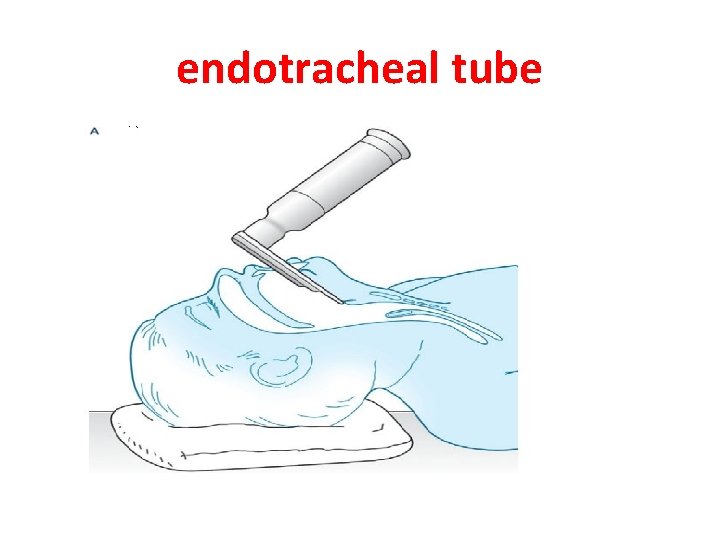
endotracheal tube
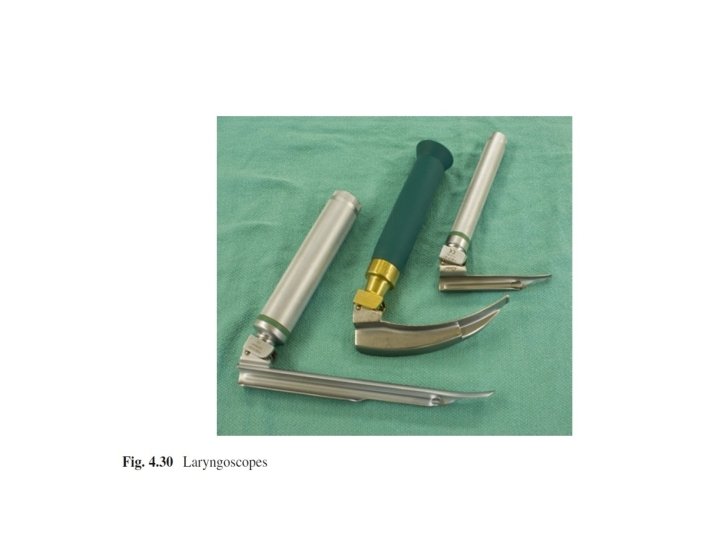
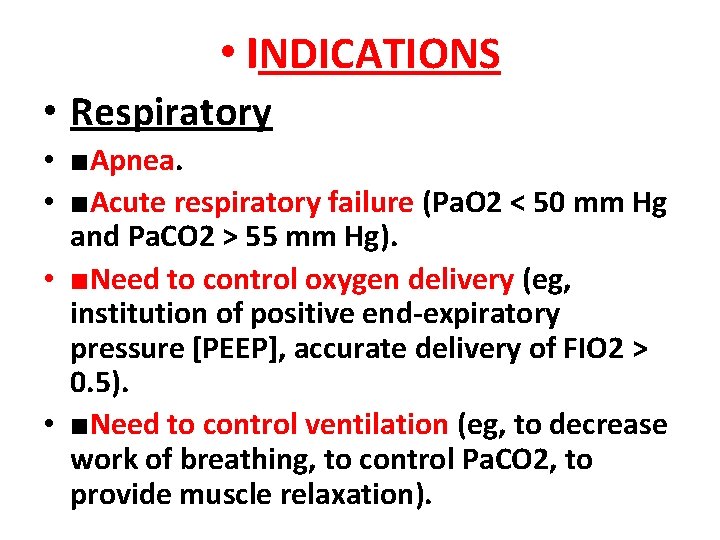
• INDICATIONS • Respiratory • ■Apnea. • ■Acute respiratory failure (Pa. O 2 < 50 mm Hg and Pa. CO 2 > 55 mm Hg). • ■Need to control oxygen delivery (eg, institution of positive end-expiratory pressure [PEEP], accurate delivery of FIO 2 > 0. 5). • ■Need to control ventilation (eg, to decrease work of breathing, to control Pa. CO 2, to provide muscle relaxation).
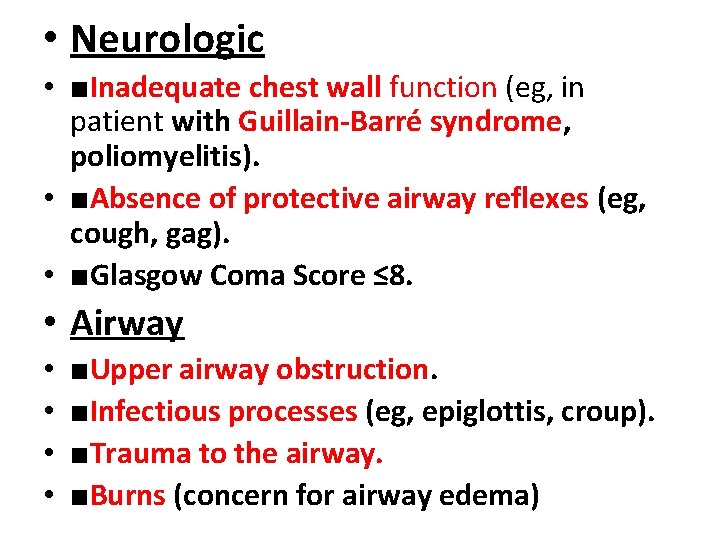
• Neurologic • ■Inadequate chest wall function (eg, in patient with Guillain-Barré syndrome, poliomyelitis). • ■Absence of protective airway reflexes (eg, cough, gag). • ■Glasgow Coma Score ≤ 8. • Airway • • ■Upper airway obstruction. ■Infectious processes (eg, epiglottis, croup). ■Trauma to the airway. ■Burns (concern for airway edema)
• CONTRAINDICATIONS • Absolute • ■Nasotracheal intubation is contraindicated in patients with nasal fractures or basilar skull fractures
• RISKS • • ■Desaturation. ■Bradycardia. ■Inability to intubate. ■Tracheal tear or rupture
• Confirm Correct Position of Tube ■Auscultation for symmetric breath sounds. ■Good chest excursion. ■Effective oxygenation. ■Disposable colorimetric capnometer (color should change from purple to yellow if patient has a perfusing rhythm) or capnograph. • ■Obtain chest radiograph. • ■Absence of breath sounds over the upper abdomen. • ■If unilateral breath sounds are heard on the right, pull back the tube slowly while ventilating and listen for breath sounds on the left (probable intubation of right main bronchus) • •
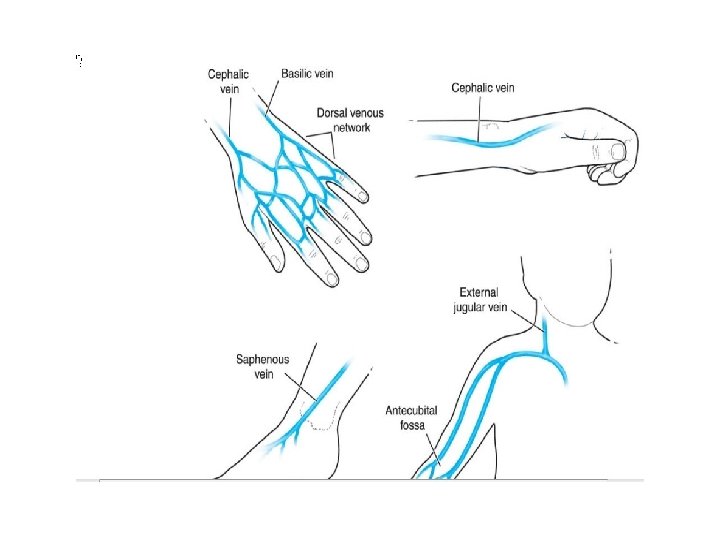
Peripheral IV Insertion • INDICATIONS • ■Vascular access in nonemergent situations • • or temporary access in emergent situations. ■Administration of fluids and electrolytes. ■Administration of intravenous medications. ■Administration of blood and blood products. ■Blood sampling
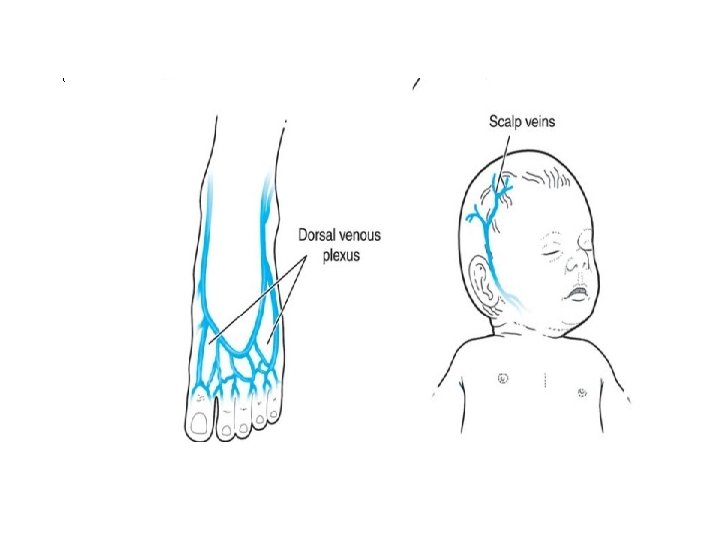
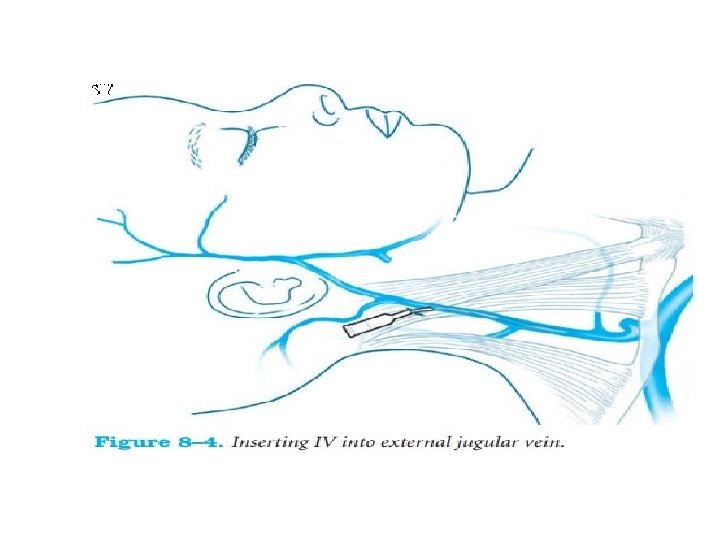
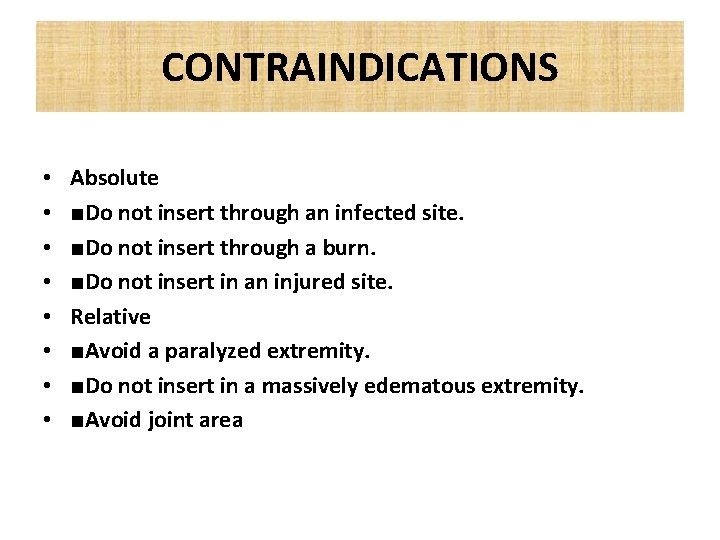
CONTRAINDICATIONS • • Absolute ■Do not insert through an infected site. ■Do not insert through a burn. ■Do not insert in an injured site. Relative ■Avoid a paralyzed extremity. ■Do not insert in a massively edematous extremity. ■Avoid joint area
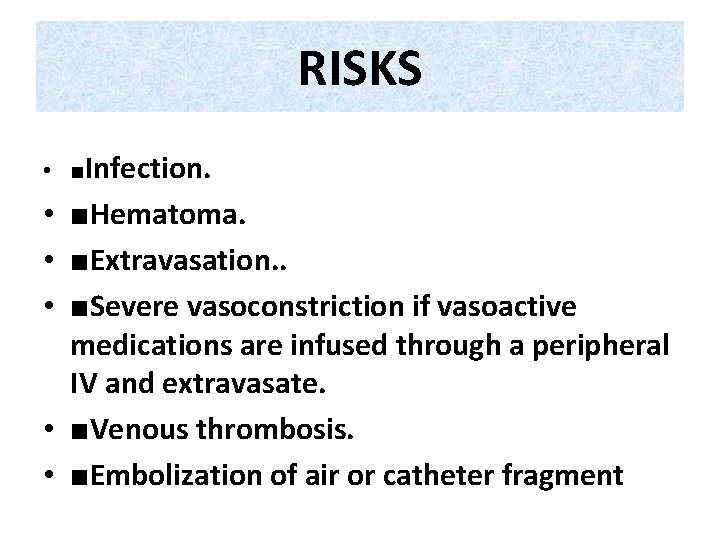
RISKS • ■Infection. • ■Hematoma. • ■Extravasation. . • ■Severe vasoconstriction if vasoactive medications are infused through a peripheral IV and extravasate. • ■Venous thrombosis. • ■Embolization of air or catheter fragment
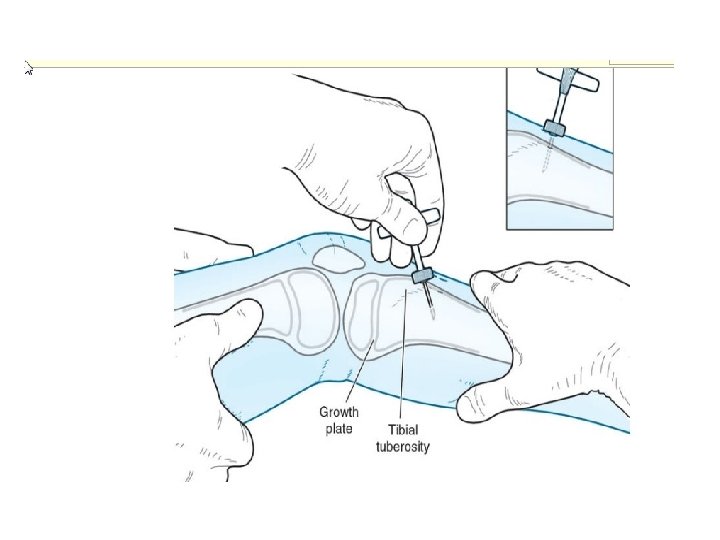
Intraosseous Line Insertion • INDICATIONS • ■Emergent temporary vascular access during cardiopulmonary resuscitation or during the treatment of uncompensated shock when unable to insert an intravenous line. • ■Volume resuscitation. • ■Administration of blood and blood products. • ■Administration of fluids and electrolytes. • ■Administration of medications. • ■Infusion of inotropes and pressors. • ■Sampling of blood and bone marrow.
CONTRAINDICATIONS • Absolute • • ■Do not insert in a recently fractured bone. ■Do not insert through an infected site. ■Osteogenesis imperfecta. ■Osteopetrosis. • Relative • ■Osteoporosis or osteopenia. • ■Cystic bones.
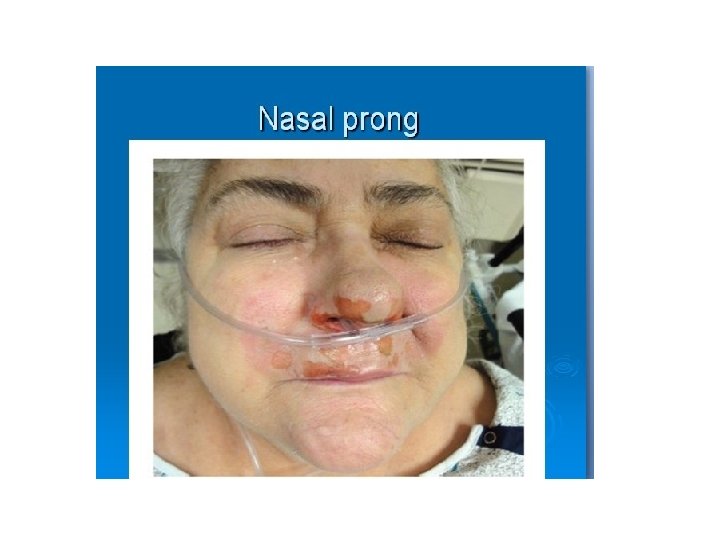
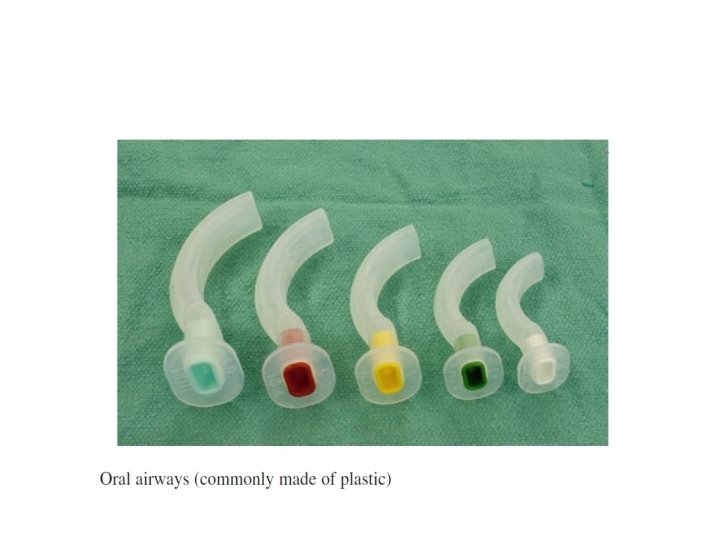
Oropharyngeal airway • An oropharyngeal airway (also known as an oral airway, OPA) is a medical device called an airway adjunct used to maintain a patent (open) airway. It does this by preventing the tongue from covering the epiglottis,
Indications • Airway maintenance in the unconscious patient • Protects an Endotracheal Tube from being bitten • Facilitates Airway Suctioning
Complications • Oral Airway too long – Obstructs Larynx by forcing down epiglottis • Oral Airway too short – Tongue obstruction of airway • Vomiting and laryngospasm in the awake patient
• Contraindications for an OPA • would be; 1. Patient is conscious. 2. Patient has a gag reflex. 3. There is some foreign body that is blocking the airway, such as food, dentures, etc that should be removed first.
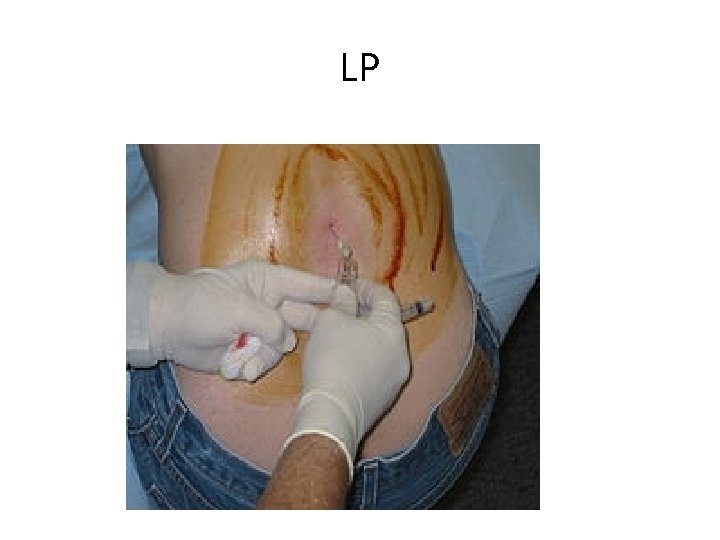
LP
Contraindications • • increased intracranial pressure (ICP) Bleeding diathesis Skin infection at puncture site Sever ill child

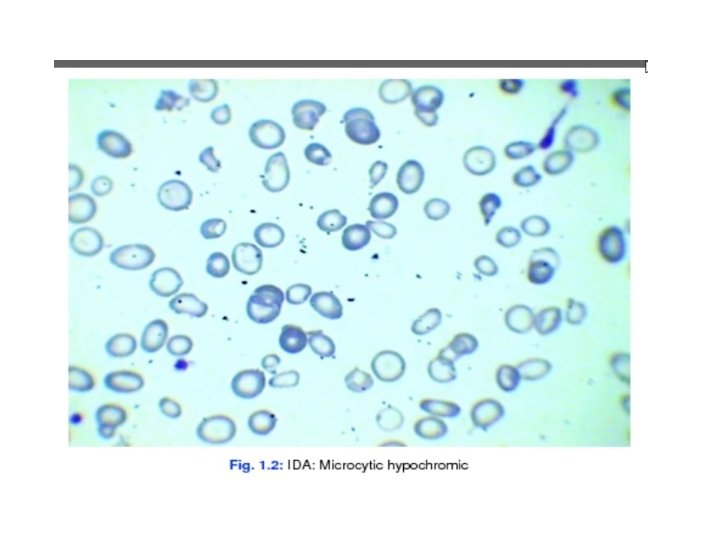
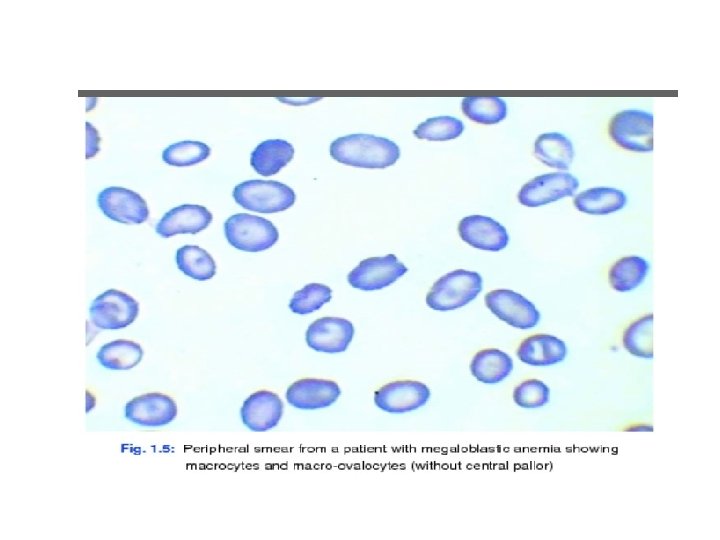
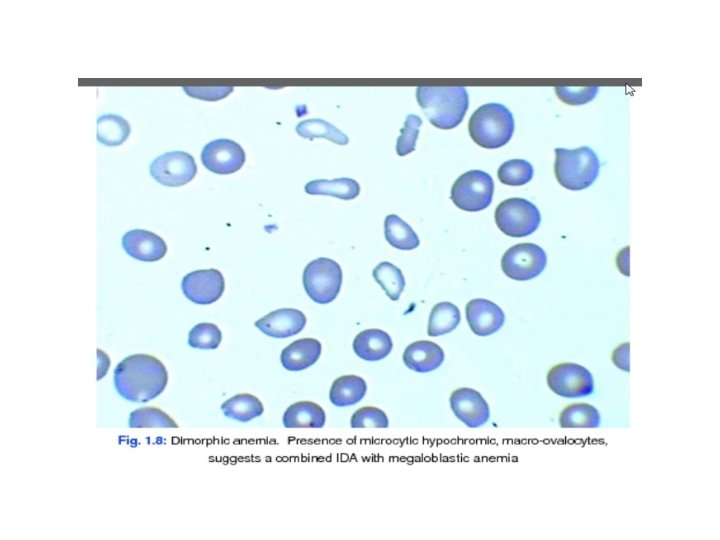
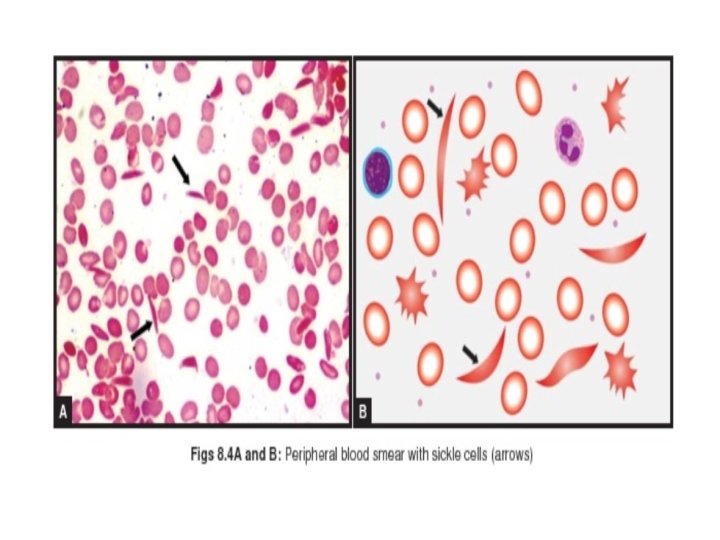
Blood films

Thank you
- Slides: 44