
Private Ownership Relates to businesses owned by individuals
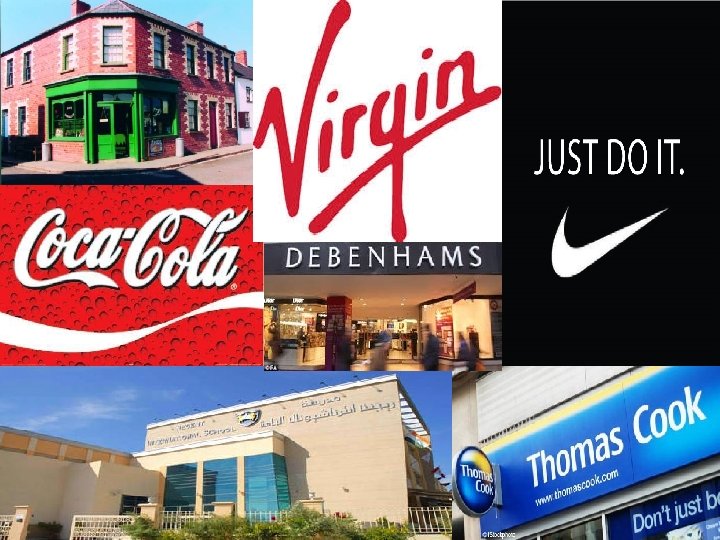
Private Ownership “Relates to businesses owned by individuals who aim to make a profit”
Public Ownership “Relates to businesses owned, controlled & financed by the government”
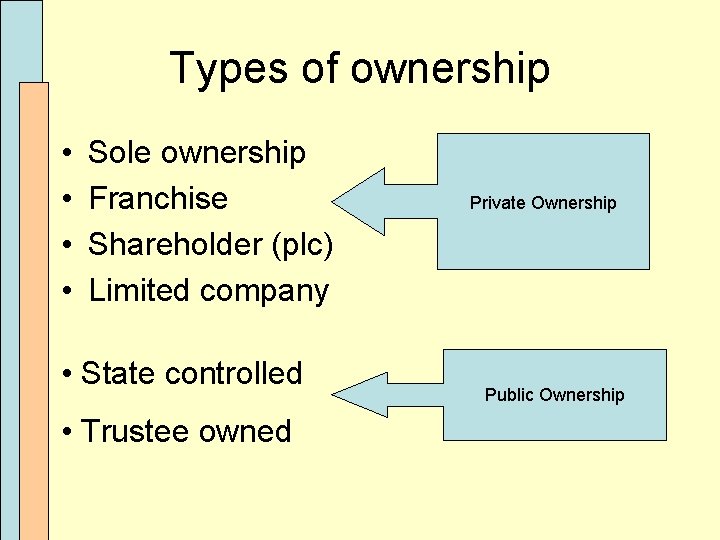
Types of ownership • • Sole ownership Franchise Shareholder (plc) Limited company • State controlled • Trustee owned Private Ownership Public Ownership
Unlimited v Limited Liability • Unlimited Liability means that if the owner has provided security/collateral against the business then if the business goes into financial difficulty, there is no limit to what they may loose i. e. money + personal items i. e. car, house. Example: Sole Trader & Partnership • Limited Liability means that if the company experience financial distress, the personal assets of shareholders will not be at risk of being seized by creditors i. e. they only loose what they put in. Example: Private Limited & Public Limited Companies
Business Ownership • Sole Trader: – Owned, financed and controlled by one individual but can employ other staff • Common in local building firms, small shops, restaurants, butchers, etc.
Business Ownership Sole Traders: Advantages • Easy to set up • Personal incentive – • keep all the profits • make key decisions • high degree of control • Flexibility • Ability to offer personal service
Business Ownership Sole Traders: Disadvantages • • • Unlimited Liability Limited access to capital Potential for long hours Pressure of being solely responsible Lack of continuity – business ceases once owner dies
Business Ownership Partnerships: • Owned, financed and controlled by upwards of 2 partners. • Terms of Partnership agreed through contract – Deed of Partnership. • Bound by the terms of the Partnership Act 1890 • Common in professions – lawyers, accountants, architects, surveyors, estate agents, vets, etc.
Business Ownership Partnerships: Advantages • • Greater access to capital Shared responsibility Greater opportunity for specialisation Easy to set up
Business Ownership Partnerships: Disadvantages • Unlimited Liability (However since 2001, Partnerships can apply to be Limited Partnerships) • All partners liable for the debts of the others • Partnership dissolved on death of one partner • Potential for conflict • Decisions of one partner binding on the rest • Limited access to capital
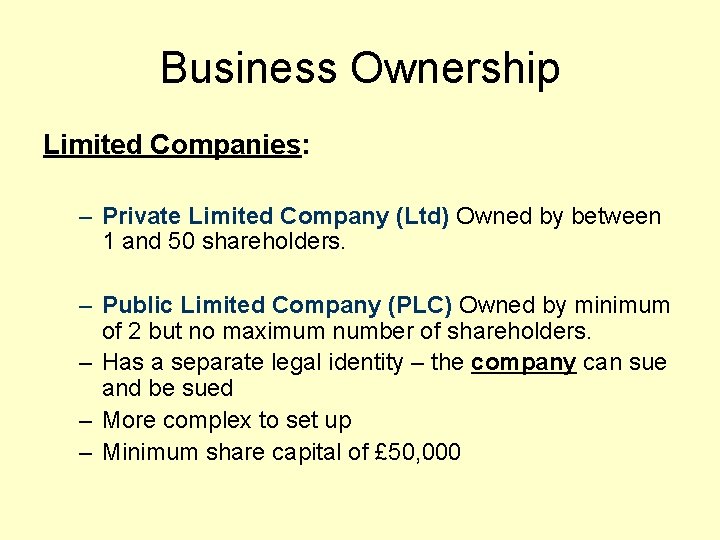
Business Ownership Limited Companies: – Private Limited Company (Ltd) Owned by between 1 and 50 shareholders. – Public Limited Company (PLC) Owned by minimum of 2 but no maximum number of shareholders. – Has a separate legal identity – the company can sue and be sued – More complex to set up – Minimum share capital of £ 50, 000
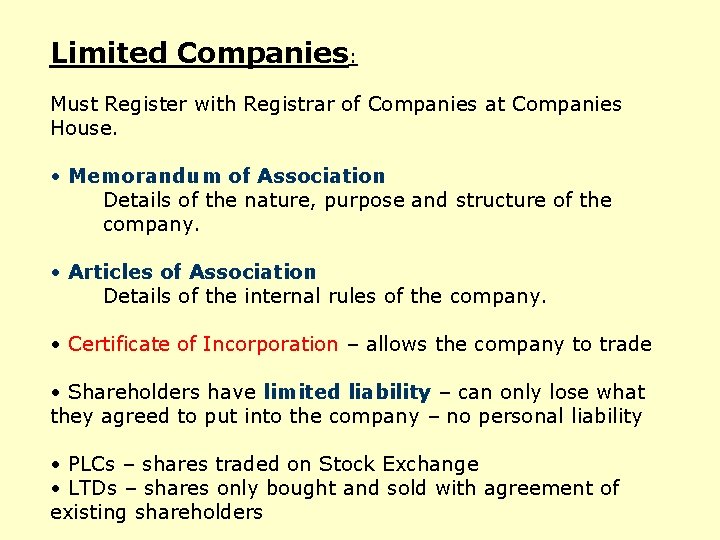
Limited Companies: Must Register with Registrar of Companies at Companies House. • Memorandum of Association Details of the nature, purpose and structure of the company. • Articles of Association Details of the internal rules of the company. • Certificate of Incorporation – allows the company to trade • Shareholders have limited liability – can only lose what they agreed to put into the company – no personal liability • PLCs – shares traded on Stock Exchange • LTDs – shares only bought and sold with agreement of existing shareholders
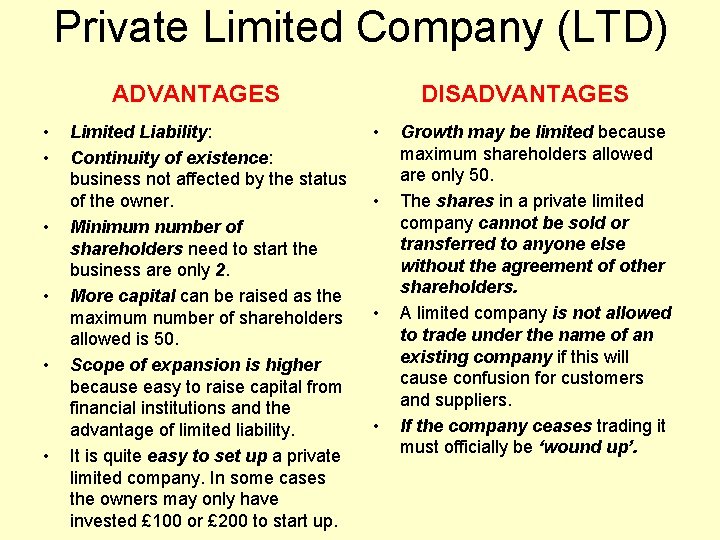
Private Limited Company (LTD) ADVANTAGES • • • Limited Liability: Continuity of existence: business not affected by the status of the owner. Minimum number of shareholders need to start the business are only 2. More capital can be raised as the maximum number of shareholders allowed is 50. Scope of expansion is higher because easy to raise capital from financial institutions and the advantage of limited liability. It is quite easy to set up a private limited company. In some cases the owners may only have invested £ 100 or £ 200 to start up. DISADVANTAGES • • Growth may be limited because maximum shareholders allowed are only 50. The shares in a private limited company cannot be sold or transferred to anyone else without the agreement of other shareholders. A limited company is not allowed to trade under the name of an existing company if this will cause confusion for customers and suppliers. If the company ceases trading it must officially be ‘wound up’.
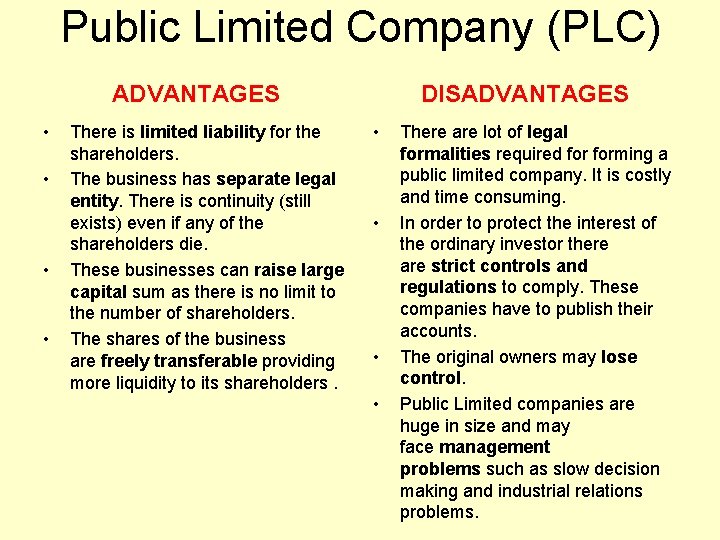
Public Limited Company (PLC) ADVANTAGES • • There is limited liability for the shareholders. The business has separate legal entity. There is continuity (still exists) even if any of the shareholders die. These businesses can raise large capital sum as there is no limit to the number of shareholders. The shares of the business are freely transferable providing more liquidity to its shareholders. DISADVANTAGES • • There are lot of legal formalities required forming a public limited company. It is costly and time consuming. In order to protect the interest of the ordinary investor there are strict controls and regulations to comply. These companies have to publish their accounts. The original owners may lose control. Public Limited companies are huge in size and may face management problems such as slow decision making and industrial relations problems.
Franchises • Is a type of PLC. • Individuals can set up a business using a brand name that is already established • The owner (franchisee) will pay a fee to the franchisor in return for a share of the profit and the use of the brand name. • They will also receive help from the main business
Franchises Method of business ownership backed by established ‘brand’ Name. • Owner gets to run a business with less ‘risk’ • Owner buys the right to use the established company’s name, format products, logos, display units, methods, etc. • Speedy way for business to expand • Become very popular • Owner – (Franchisee) responsible for debts, pays a royalty to owners of the brand, keeps any remaining profit • Franchisee – pays a fee for the purchase of the franchise • Common franchises – Body Shop, Mc. Donalds, Costa Coffee, Subway
Co-Operative • A co-operative is where a number of individuals or businesses work together to achieve a common purpose. They are normally formed so individuals and small businesses can benefit from being part of a larger group, meaning they have more power to buy or bargain. • Exists for the benefit of ‘members’: • Consumer co-ops – members buy goods in bulk, sell to members, divide profits between members • Worker co-operatives – workers buy the business and run it – decisions and profits shared by members. All profits are shared and all parties are involved in business decisions. • Producer co-operatives – producers organise distribution and sale of products themselves • A retail co-operative is probably the most familiar co-op. The Co-Op shops and Leo Hypermarkets are a regular sight in the high street.
Examples of Co-Ops • • • The Co-operative Bank Brighton Energy Co-operative Bristol Wood Recycling Project Daily Bread Co-operative Highburton Co-operative Society Highland Wholefoods Workers Co-operative John Lewis Partnership (employee-owned business, not formal coop) Magpie Recycling The Phone Co-op Seeds for Change Oxford Collective Suma Wholefoods (Triangle Wholefoods Collective Ltd)
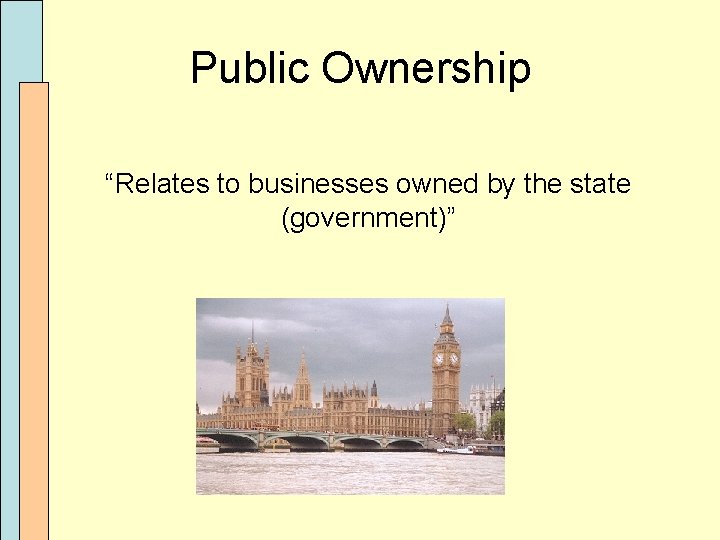
Public Ownership “Relates to businesses owned by the state (government)”
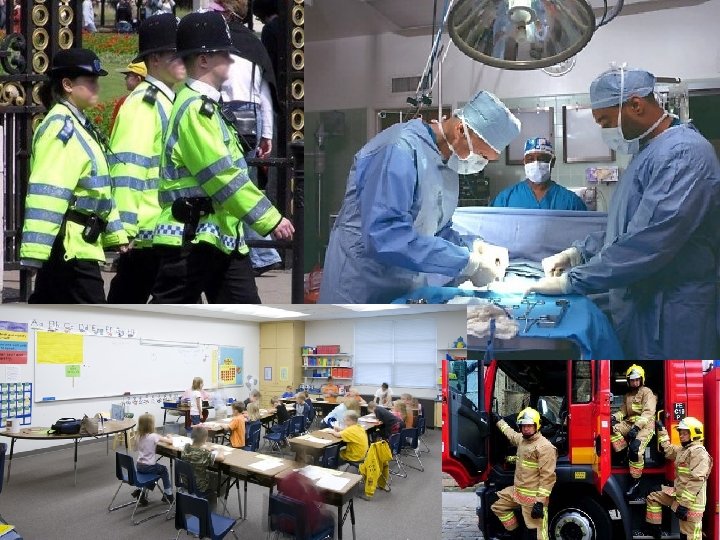
Public Ownership • • Government departments Local Authorities Health trusts Public corporations (BBC, Royal Mail) The Police Schools NHS Military
And finally. . . Not for Profit Charities and voluntary organisations • These businesses aim to make a surplus (not profit) which will be used to cover expenses and then used to support and promote their own cause. • Staff usually work for free
LEGAL STRUCTURES 1. Unincorporated – these are businesses where there is no legal difference between the owner and the business. Everything is carried in the name of the owner. These businesses tend to be small and owned by one person or small group of people e. g. sole trader/partnership. 2. Incorporated – an incorporated business is one which has a separate legal identity from that of its owners. In other words, the business can sue and be sued, taken over or liquidated. Incorporated businesses are often called limited companies and the owners are shareholders e. g. Private limited co, public limited company.
FACTORS INFLUENCING THE CHOICE OF ORGANISATION • • Growth Need for finance Control Limited liability Type of business activity Plan to use profits Stakeholder views
Factors Affecting Choice • Growth: many businesses start small & gradually get bigger & most change their legal structure as they grow – they need to raise more finance i. e. sole trader may find it difficult to raise capital so they take on a partner – more owners, more capital. • Finance: finance is the main reason why owners change their structure.
Factors Affecting Choice • Control: some owners like their independence, they like complete control. New partners = new lost control so some owners remain as sole traders. • Limited Liability: owners can protect their own personal financial position if the business is a limited company. Sole traders/partnerships = unlimited liability Public/private limited company = limited liability
Other Factors • Business activity: e. g. services i. e. plumbing, decorating & gardening tend to be provided by sole traders while professional services i. e. accountancy, legal advice & surveying are usually offered by partnerships. Small manufacturing & family businesses tend to be private limited companies & large banks, retail chains and manufacturers are usually PLCs. • Profits: the way in which a business plans to use its profits may be important e. g. PLCs use their profits to pay shareholders.
Other Factors • Stakeholders: i. e. employees & shareholders might influence the choice of organisation e. g. influential employees in a private limited company might discourage the shareholders from going public.
DID YOU KNOW • Entrepreneurs i. e. Richard Branson (Virgin) & Alan Sugar ( Amstrad) have changed the legal structure of their organisations from public limited to private limited. • After operating as PLC’s for some time they found that they did not like sharing control. Their own objectives may have been different from those of other stakeholders.
- Slides: 30