
Principles of Wound Management define aetiology control factors
- Slides: 30
Principles of Wound Management § define aetiology § control factors influencing healing § select appropriate dressing or device § plan for maintenance.
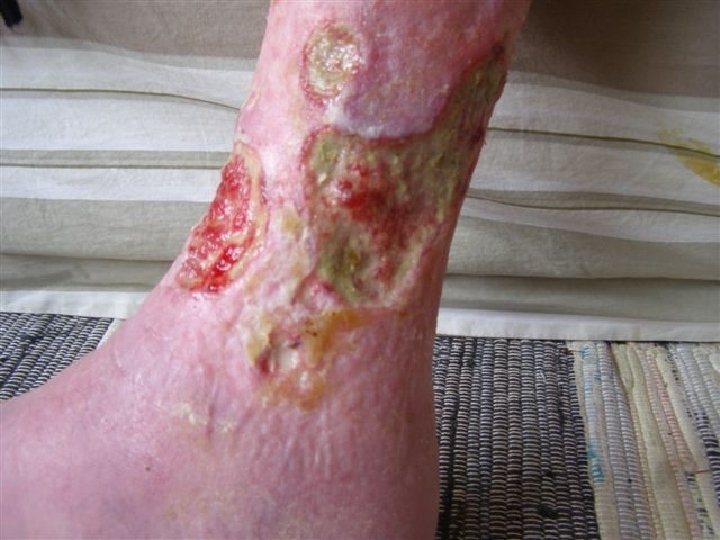
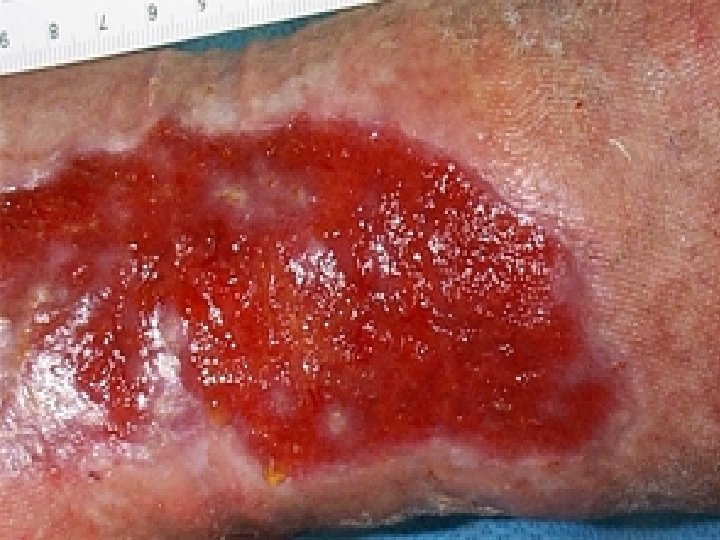
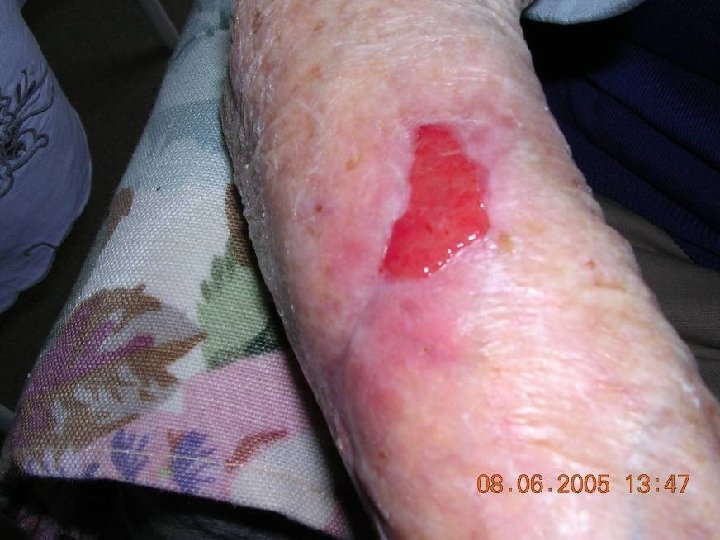
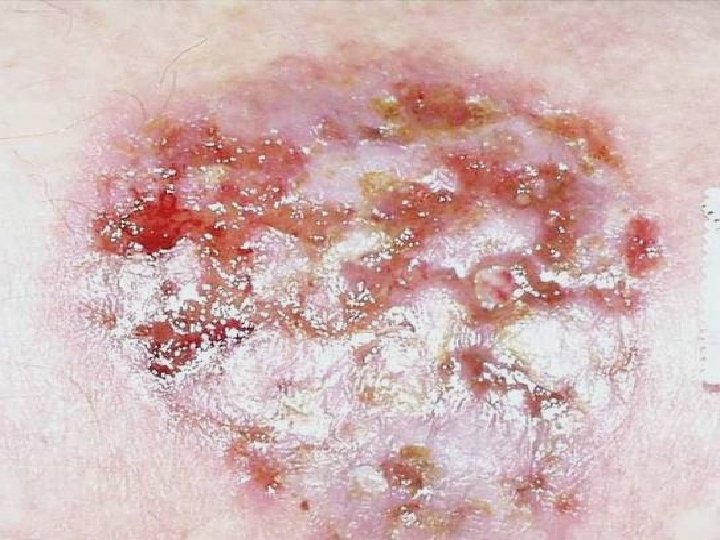
Wounds seen in General Practice § trauma: abrasions and cuts § arterial leg ulcers § superficial partial thickness burns § foot wounds often associated with neuropathy and neuro-ischaemia § venous leg ulcers § skin cancers. Generally do not see: pressure injuries or dehisced surgical wounds
Factors Influencing Healing § poor nutrition § Infection/inflammation § ongoing trauma § incorrect cleansing and dressing § underlying disease processes.
Other Factors Related to Delayed Wound Healing § age § debris and foreign bodies in the wound § smoking § wound tissue too dry or too wet § pain § psychological issues.
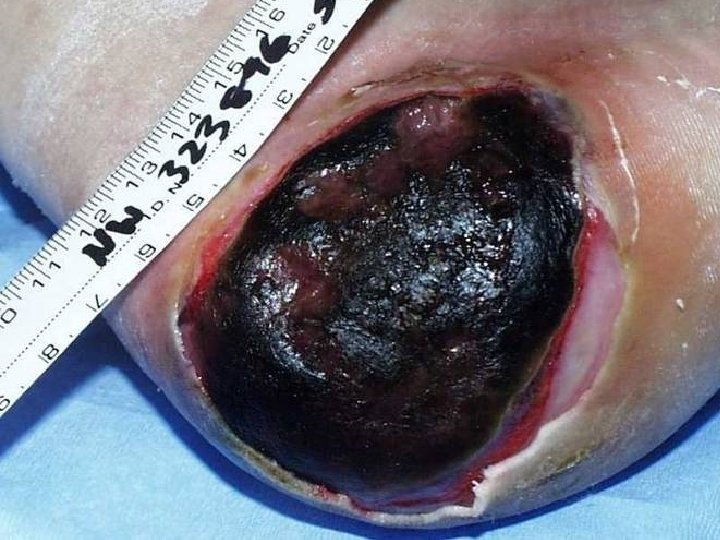
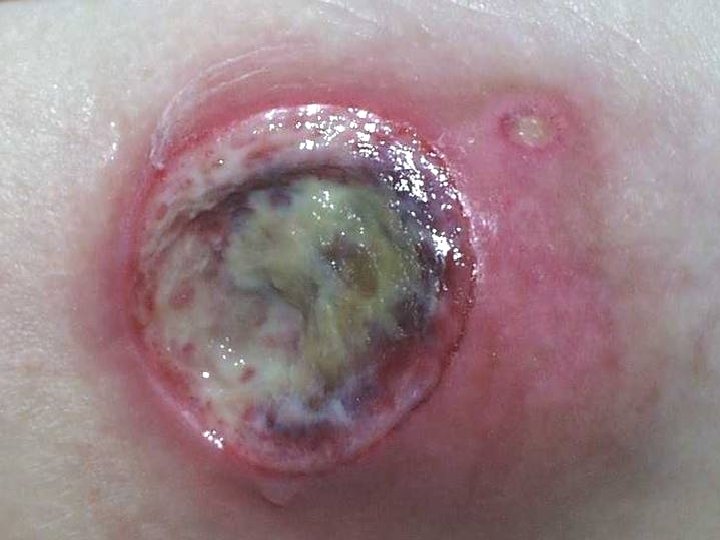
Decision Making Tools Select the most appropriate dressing according to: § Tissue colour § Wound depth § Exudate level § Periwound skin condition § Predicted weartime § Skill of carer § Availability/cost of product
6
7
World of Wounds
World of Wounds 10
World of Wounds 11
Ideal Dressing § provide mechanical protection § protect against secondary infection § non adherent and easily removed without trauma § leave no foreign particles in the wound § remove excess exudates § cost effective § offer effective pain relief.
Generic Names § calcium alginates § hydrofibre § hypertonic salt § cadexomer iodine § silver § medicated honey § zinc bandages
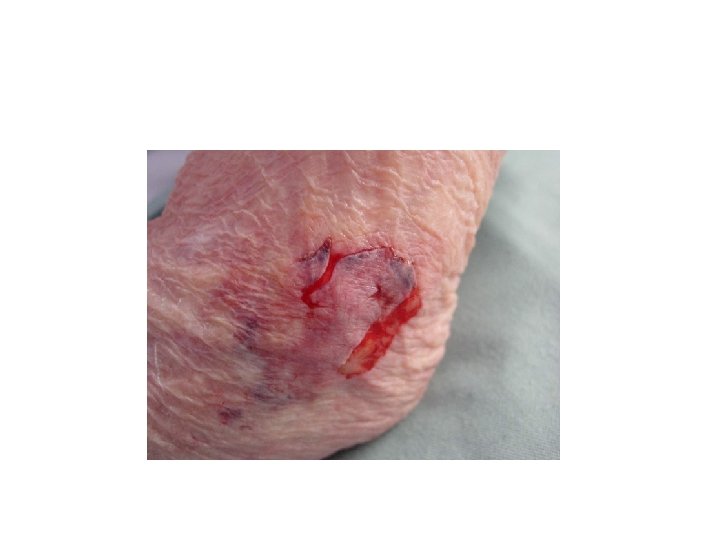
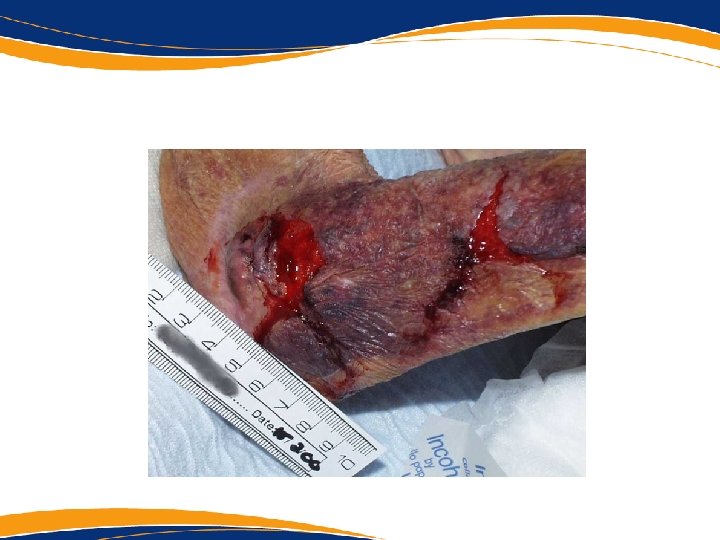
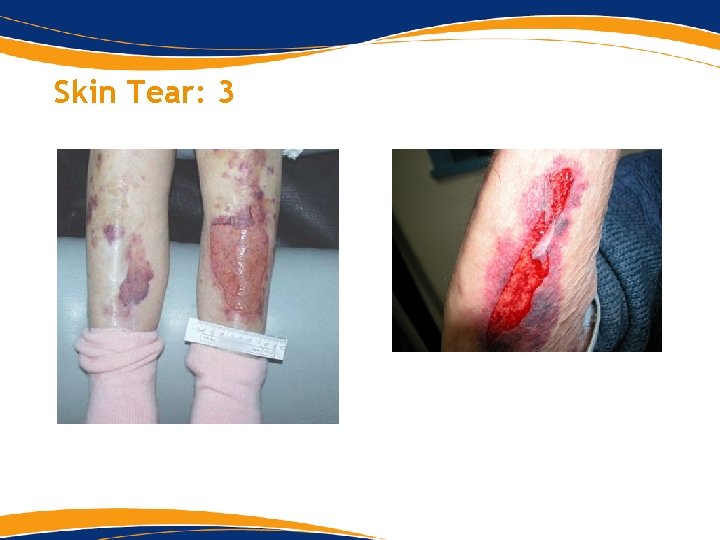
Case Studies § skin tear § burn § venous ulcer § arterial ulcer § foot wound.
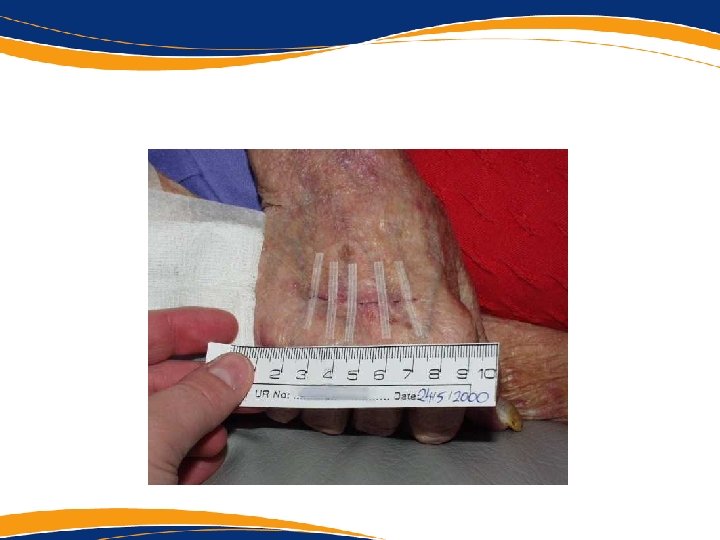
Skin Tear: 3
Burns: First Contact Assessment § site § depth § surface area involved § age of patient § other influencing factors
What is reasonable to care for in general practice? § small superficial partial burns not involving face, feet, hands, perineum, genitalia on the very young or the elderly § further guidelines and very good advice may be found on the NSW Do. H Website for Severe Burn Injury or ringing Concord Burns Unit
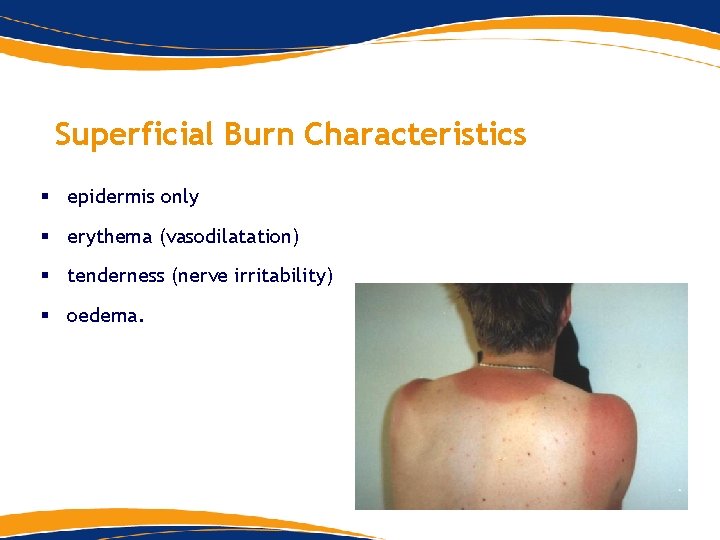
Superficial Burn Characteristics § epidermis only § erythema (vasodilatation) § tenderness (nerve irritability) § oedema.
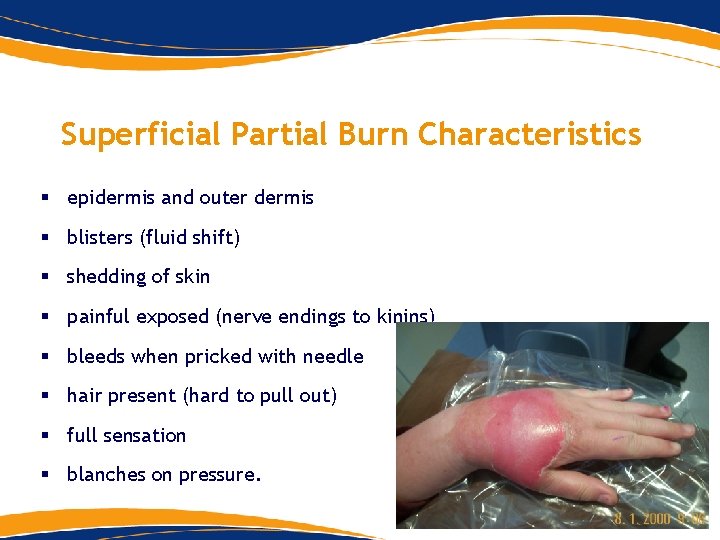
Superficial Partial Burn Characteristics § epidermis and outer dermis § blisters (fluid shift) § shedding of skin § painful exposed (nerve endings to kinins) § bleeds when pricked with needle § hair present (hard to pull out) § full sensation § blanches on pressure.
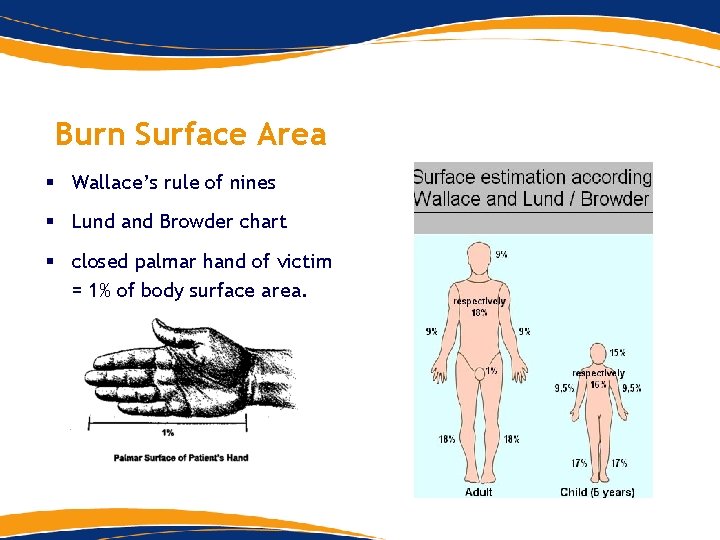
Burn Surface Area § Wallace’s rule of nines § Lund and Browder chart § closed palmar hand of victim = 1% of body surface area.
Anatomical Site Considerations § hands § feet § face § perineum § genitalia § joints § circumferential burns
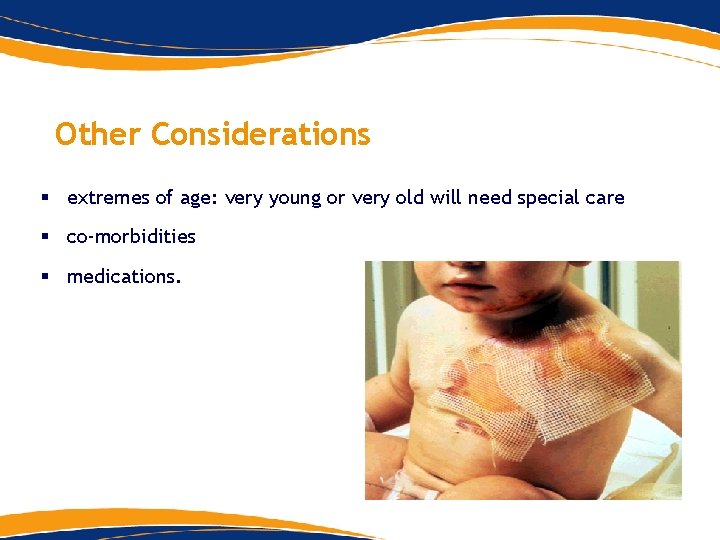
Other Considerations § extremes of age: very young or very old will need special care § co-morbidities § medications.
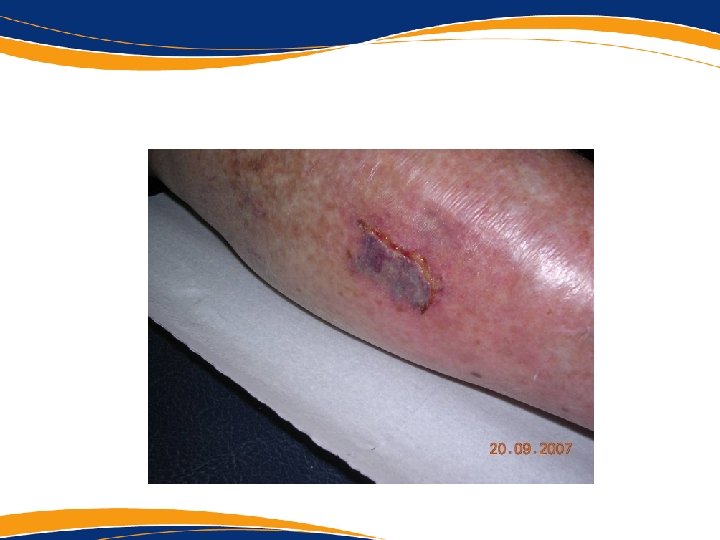
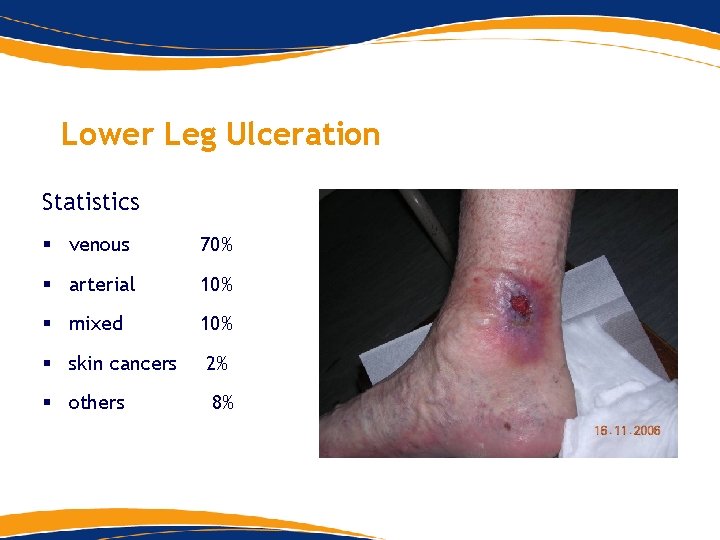
Lower Leg Ulceration Statistics § venous 70% § arterial 10% § mixed 10% § skin cancers § others 2% 8%
World of Wounds 28
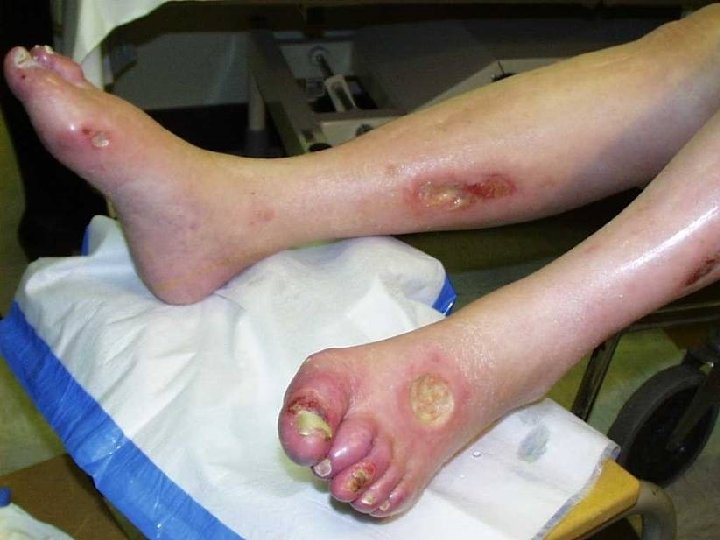
Arterial Ulcer Characteristics § usually located between ankles and toes or high up on leg or posterior leg § deep, punched out regular shape, often dry § thin, shiny, non hair bearing skin § thickened toenails § diminished or absent foot pulses § elevation pallor, dependant rubor § necrotic tissue, infection § pain, especially at night or when elevated.
World of Wounds