
Principles of Matter and Energy Outline I What
- Slides: 33
Principles of Matter and Energy
Outline I What is Matter A. Elements B. Compounds II Atoms A. Components B. Ions C. Isotopes D. Energy III Types of Bonds A. Ionic B. Covalent IV Chemical Reactions
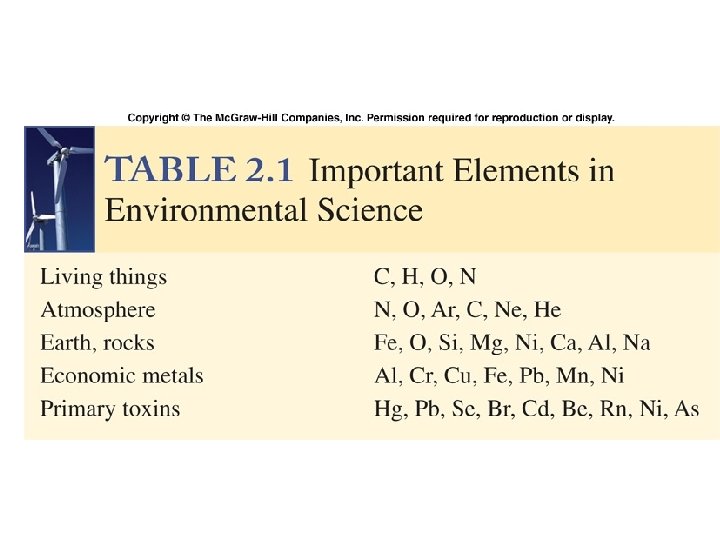
What is Matter? l Matter: l Unit of matter is the atom Matter consists of elements which are combined to form molecules and compounds l
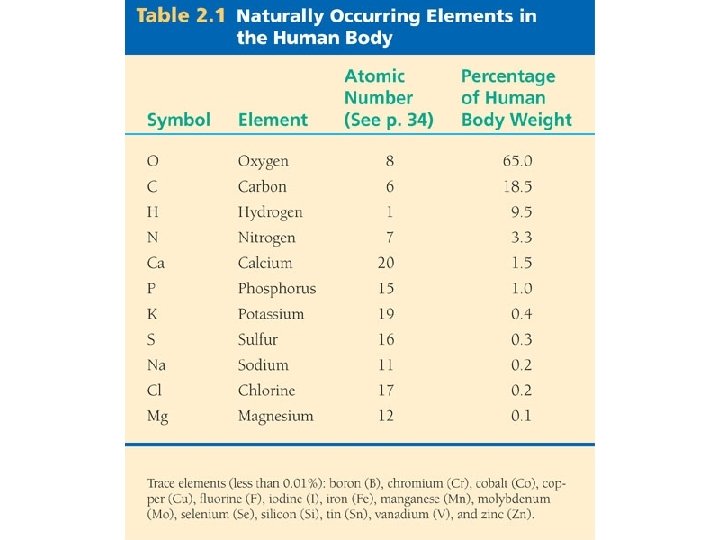
Elements l Exs: H hydrogen, O oxygen, He helium, Ca calcium, Au gold
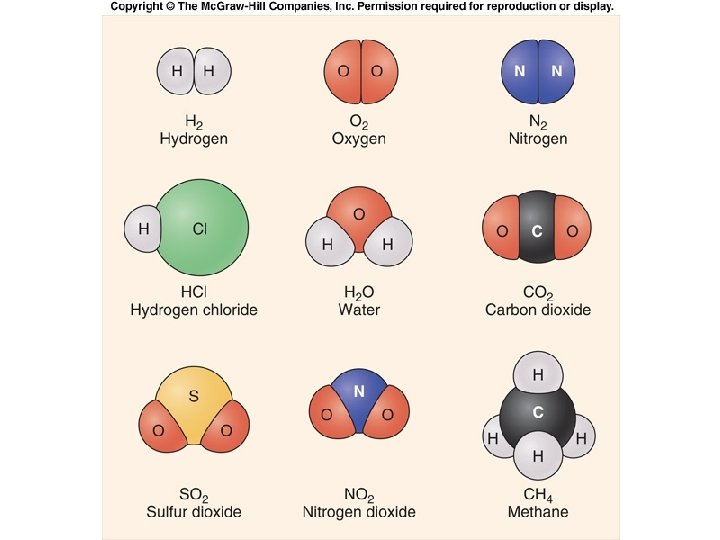
Compounds l Molecule:
Components of Atoms l Atom:
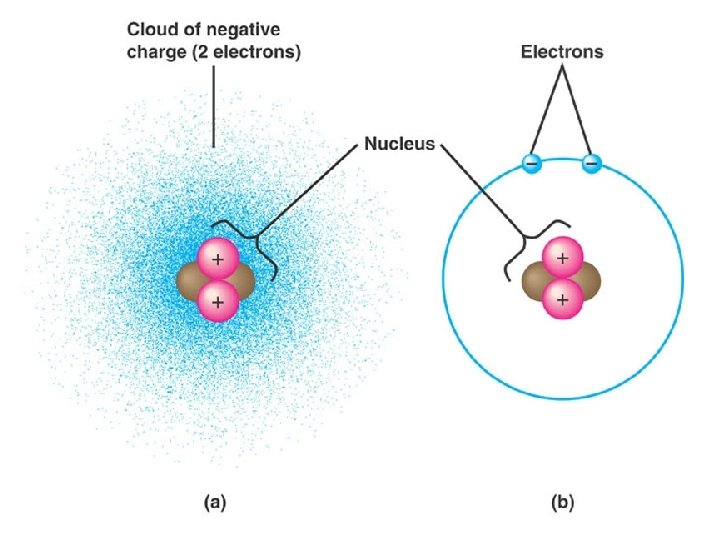
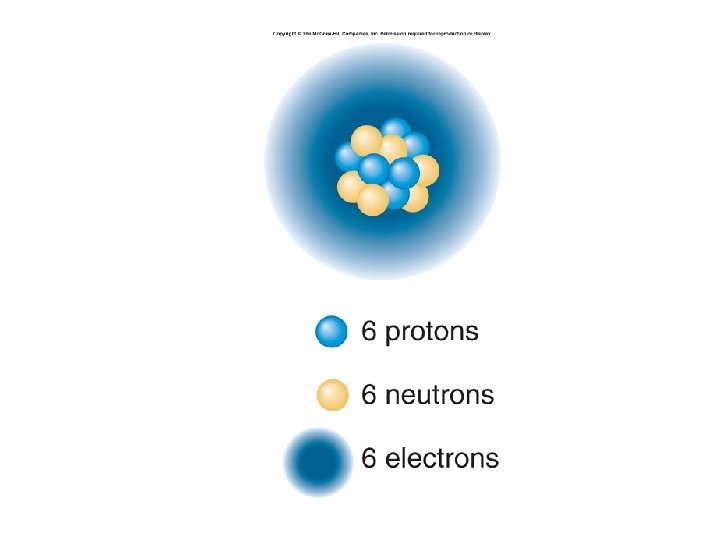
Components of Atoms l Made up of three types of particles: – Protons: – Neutrons: – Electrons:
Ions l Usually #protons = #electrons – l Atom has no net charge = neutral Ion: – Cation: – Anion:
Isotopes l Atoms of the same element that differ in atomic mass l Examples:
Isotopes l Radioactive isotopes: nucleus decays spontaneously releasing high-energy electromagnetic radiation, subatomic particles, or both
Isotopes l Half-life: l Example: Tritium (3 H) decays into 3 He with a half-life of 12. 5 years l Some isotopes have very short half-lives (e. g. iodine) while others are extremely long (e. g. plutonium, a waste product of nuclear power reactions, has a half-life of 24, 000 years.
Isotopes – By determining ratios of the different isotopes of carbon and other elements in samples of biological origin and in rocks, scientists are able to determine with certainty when these materials formed. l – Half-life cannot be changed by temperature, pressure, chemical reactions, or any other environmental factor. Another use of isotopes is in medicine-tracking physiological processes. E. g. isotope of iodine used to check for thyroid problems
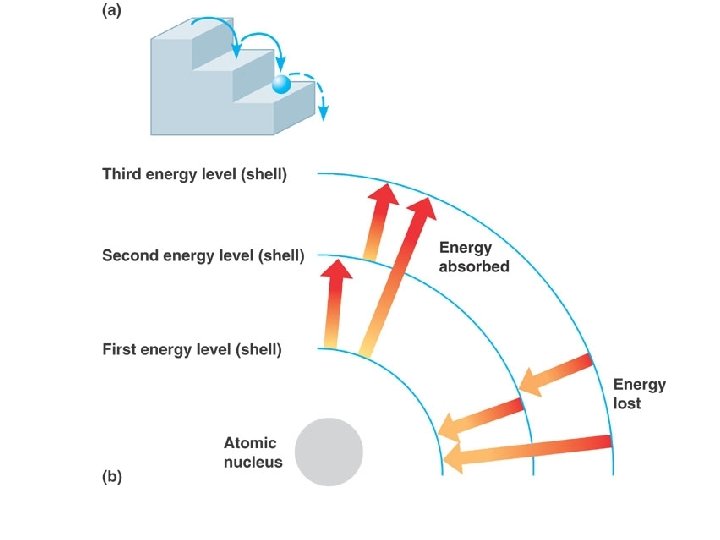
Energy Within the Atom
Chemical Bonding l Chemical Bond:
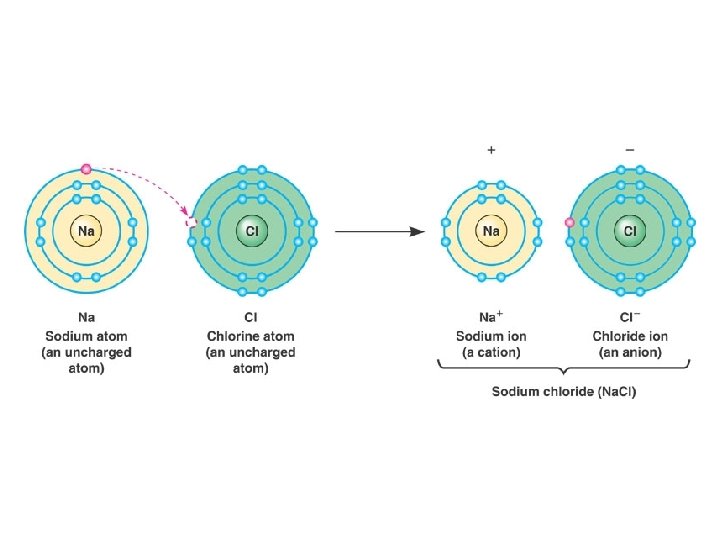
Ionic Bonds l Example:
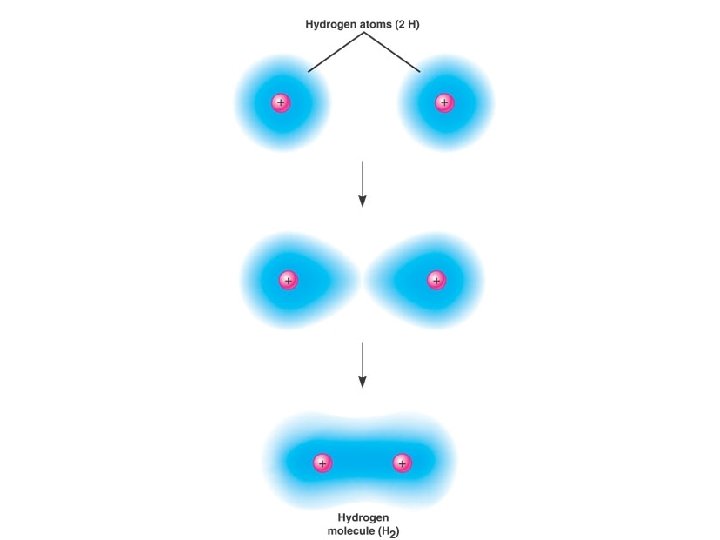
Covalent Bonds l Electronegativity:
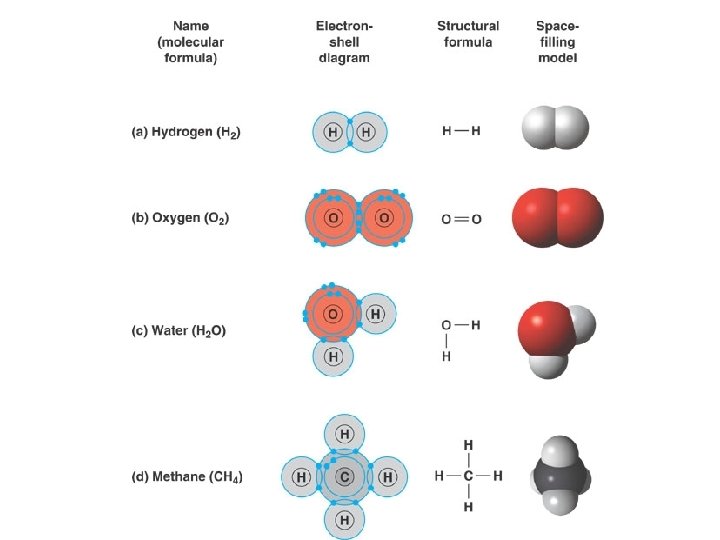
Non-polar Covalent Bonds l Examples
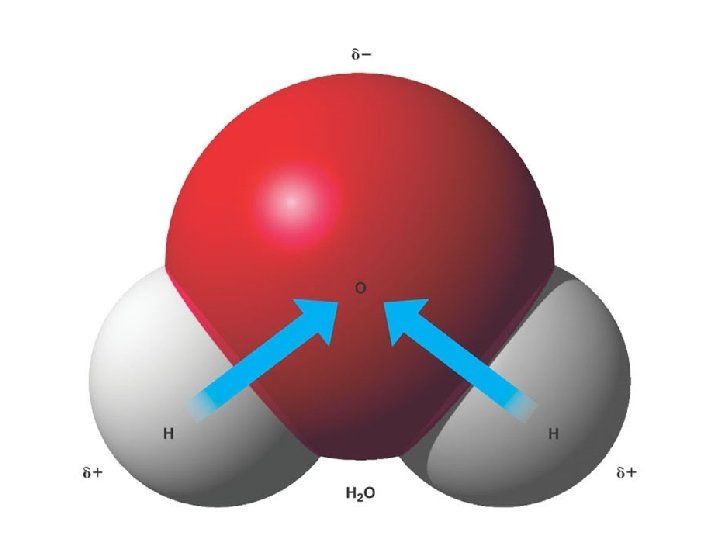
Polar Covalent Bonds l Examples
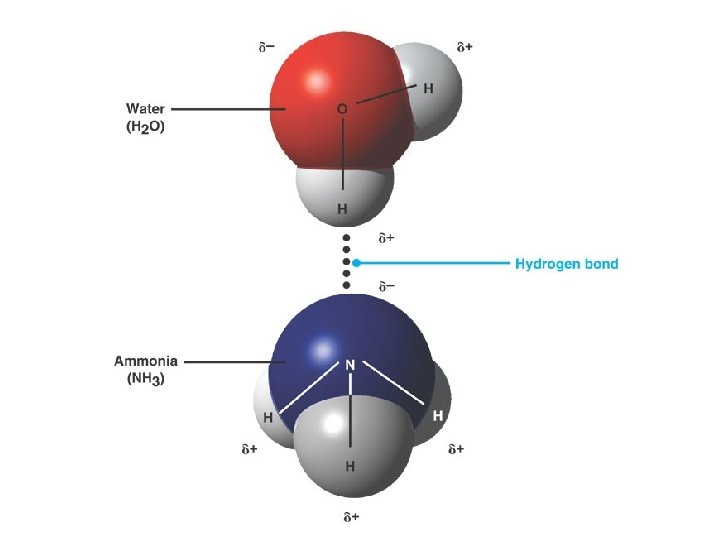
Hydrogen Bonds l Example
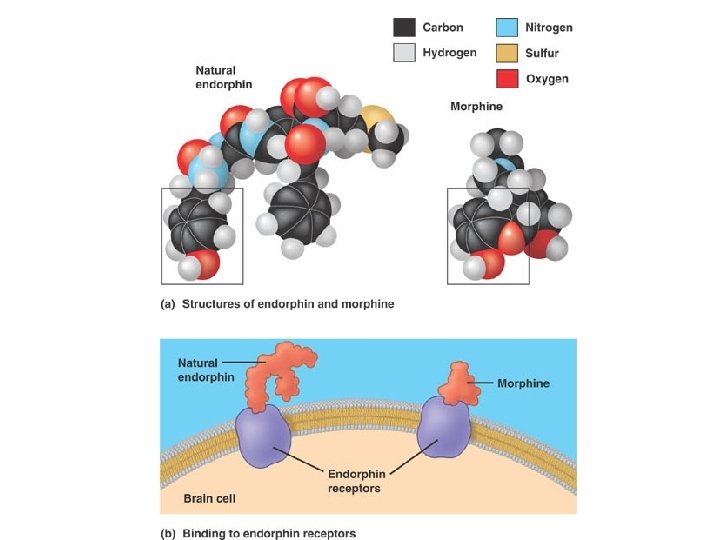
Molecular Shape and Function l Examples
Chemical Reactions